

Water softeners work to remove unwanted minerals from hard water through a filtration and recharge cycle. Keep reading to learn how a water softener works.
Learn which water softener is best to combat hard water at home

Different types of water softeners address hard water through salt-based ion exchange, dual-tank systems for high usage, salt-free crystallization, or magnetic descaling for your home.
Expect to pay $200 to $6,000 for water softener systems, with ion exchange models around $1,500 and dual-tank systems reaching $6,000 for larger households.
Your choice depends on water usage, household size, budget, and whether you follow a low-sodium diet or need continuous soft water throughout the day.
Hiring a local water softener installation professional removes the guesswork from system selection and ensures proper setup that matches your home's water needs and usage patterns.
Is hard water giving you a hard time at home? Then it might be time to consider installing a water softener system. There are two major types of water softeners to choose from: salt-based and salt-free. From there, you’ll want to weigh factors like your water usage and budget when choosing a water softener. From purer drinking water to healthier bathing water for your hair and skin, you’ve got options at various price points. Keep reading to learn more about what will become your weapon of choice in the battle against hard water.
| Type of Water Softener | Average Cost |
|---|---|
| Ion Exchange | $1,500 |
| Dual-Tank | $6,000 |
| Salt-Free | $800–$4,000 |
| Magnetic | $200–$400 |

One of the most common types of water softeners, an ion exchange water softener is sometimes called a salt-based water softener because it uses sodium to remove minerals and pollutants from the water. The ion exchange happens when positive and negative ions are exchanged—basically, the sodium is swapped for the iron, calcium, and magnesium present in the water via a process called regeneration.
Yes, this will make your water saltier, which is a concern for those who must follow low-sodium diets. However, the process does reduce odors and improve the water’s taste. Ion exchange or salt-based water softeners cost around $1,500, depending on the model you choose.
| Pros | Cons |
|---|---|
| Improves water taste and reduces odor | Not good for low-sodium diets |
| Budget-friendly | More maintenance is required |
| Lasts up to 15 years | Not good for water with high chemical content |
Best for:
Homeowners who don’t mind a little DIY maintenance in exchange for softer water

This type of salt-based water softener is a good choice for large families with higher-than-average water usage. While one tank works to soften water—a process that can take 70 to 120 minutes—the other acts as a holding tank with soft, pure water at the ready. At around $6,000, a dual-tank water softener can be pricey to install, but it could be worth it to have a continuous supply of treated water.
| Pros | Cons |
|---|---|
| Holds more water | Takes up a lot of space |
| Allows for constant softening | Expensive to install |
| Can treat ultra-hard water | Needs more maintenance |
Best for: Homes with higher-than-average water usage
Most conventional water softeners are salt-based, but there are sodium-free options available. Salt-free water softeners rely on a process called template-assisted crystallization (TAC) to remove minerals from the water. As water moves through the softener system, polymeric beads are introduced to attract the minerals, which adhere to the beads and form crystals. These mineral-based crystals continue to move through the water, and since they can’t bind to anything else, they keep flowing and won’t contribute to the scaling and buildup you had from hard water before. And since you don’t have to reload the system with sodium, there’s very little maintenance involved.
| Pros | Cons |
|---|---|
| Very little maintenance | Doesn’t last as long as ion softeners |
| Good at preventing mineral buildup | Costs more to install |
| Ideal for wells | Not ideal for larger households |
Best for: Households following low-sodium diets

Magnetic water softeners are a type of salt-free water softener that use a magnetic field to strip away the negative or positive ions in the heavy metals in water. However, they don’t truly soften water. Often called mini water softeners because of their smaller size, these devices work to descale and neutralize water rather than soften it. If these results are good enough for you and your drinking and bathing water, then you’re in luck because magnetic water softeners cost between $200 and $400, one of the least expensive options on our list. And since these units are smaller than other softeners, they’re easy to install and remove, which is good news for renters, too.
| Pros | Cons |
|---|---|
| Affordable | Neutralizes rather than softens |
| Easy to install and remove | Doesn’t remove minerals |
| Small footprint | Lower holding capacity |
Best for: Renters or homeowners on a tight budget
When choosing the water softener that meets your home water usage needs, it helps to start with your desired results. If you want softer, purer water coming out of every faucet and showerhead in your home, then you should look at whole-house systems. If you simply want cleaner, tastier water for drinking and cooking, then a system you can install under your kitchen sink might do the trick.
Of course, your budget also plays heavily into your decision-making. The good news is that even the most elaborate systems have some lower-tier products that are more budget-friendly. It pays to call a water softener installer near you and explore all options instead of assuming you’ll be priced out of a water softener system.
If you’re good people wanting to do business with good people, hire Matt. He is a consummate professional and utterly competent. He installed a water heater in my home at a price that beat competitors by hundreds of dollars with a promise to support the unit for its life (even after its 6 yr...
 Greene's Plumbing Services
As usual with ECO, tech Jordan was outstanding, very professional, very knowledgeable, and very thorough with repairs made to tankless water heaters. Very highly recommend ECO!!!
 Eco Plumbers, Electricians, and HVAC Technicians
Did a great job replacing the ice maker and water regulator on my refrigerator. He was quick and thorough, very friendly and professional. If I needed a heart transplant I'd want him to do it!!!
We had a gutter blockage that was causing water to sheet down the side of the house and ultimately it started to come in at a window (need mortar people next). Called around 7:30am, and he responded by 8am. He was able to come out the same morning and do a look over and clean out. He also...
Scott checked our large crawl space for mold and water infiltration and recommended a viable solution. The crew was efficient and they cleaned up well after the job. The job was expensive but I am confident that I won't have to deal with the problem again. Highly recommend.
 AdvantaClean of Dublin
They were the most through inspecting the water system in my house. Even going the extra mile to get the water professionally tested for contamination.
 Hague Water Conditioning, Inc.
It went very well. The drain is absorbing all the access water. I had other estimates a year earlier and Hughes was right on. I will use them, again.
 Hughes Construction Co
Very well. Have already used them again to fix hot water heater
 Service Olympians
The Paul Davis team was very professional and went the extra mile to take care of my water damage. The work was very high quality and done in a timely manner. I would highly recommend their services.
 Paul Davis Restoration
Honesty is hard to find in business today. GBR met me today at a 3 story building regarding my being told that I needed to tuckpoint the brick because of water leaks. The owners took the time to evaluate the situation and advised me that I did not need their service at all. They pointed me...
 GBR Masonry Inc
From average costs to expert advice, get all the answers you need to get your job done.
Water softeners work to remove unwanted minerals from hard water through a filtration and recharge cycle. Keep reading to learn how a water softener works.
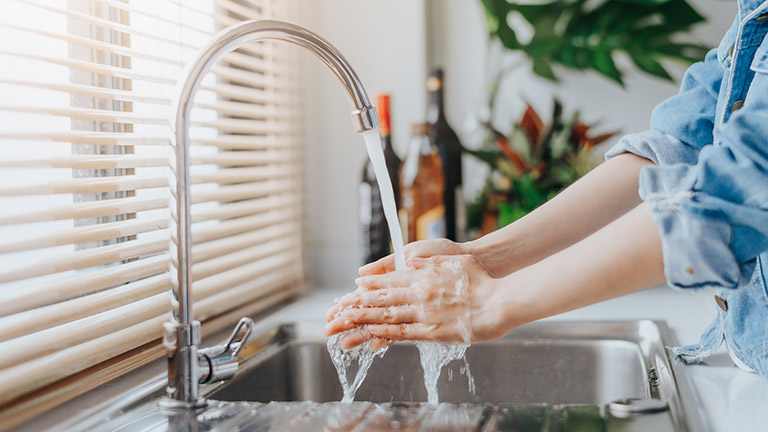
Water softeners remove minerals from hard water in your home and make your water more pleasant to use. Learn more about how they work here.

Not keen on spending thousands on a water softener? Use this guide to see if it would be better to rent or buy a water softener for your home.
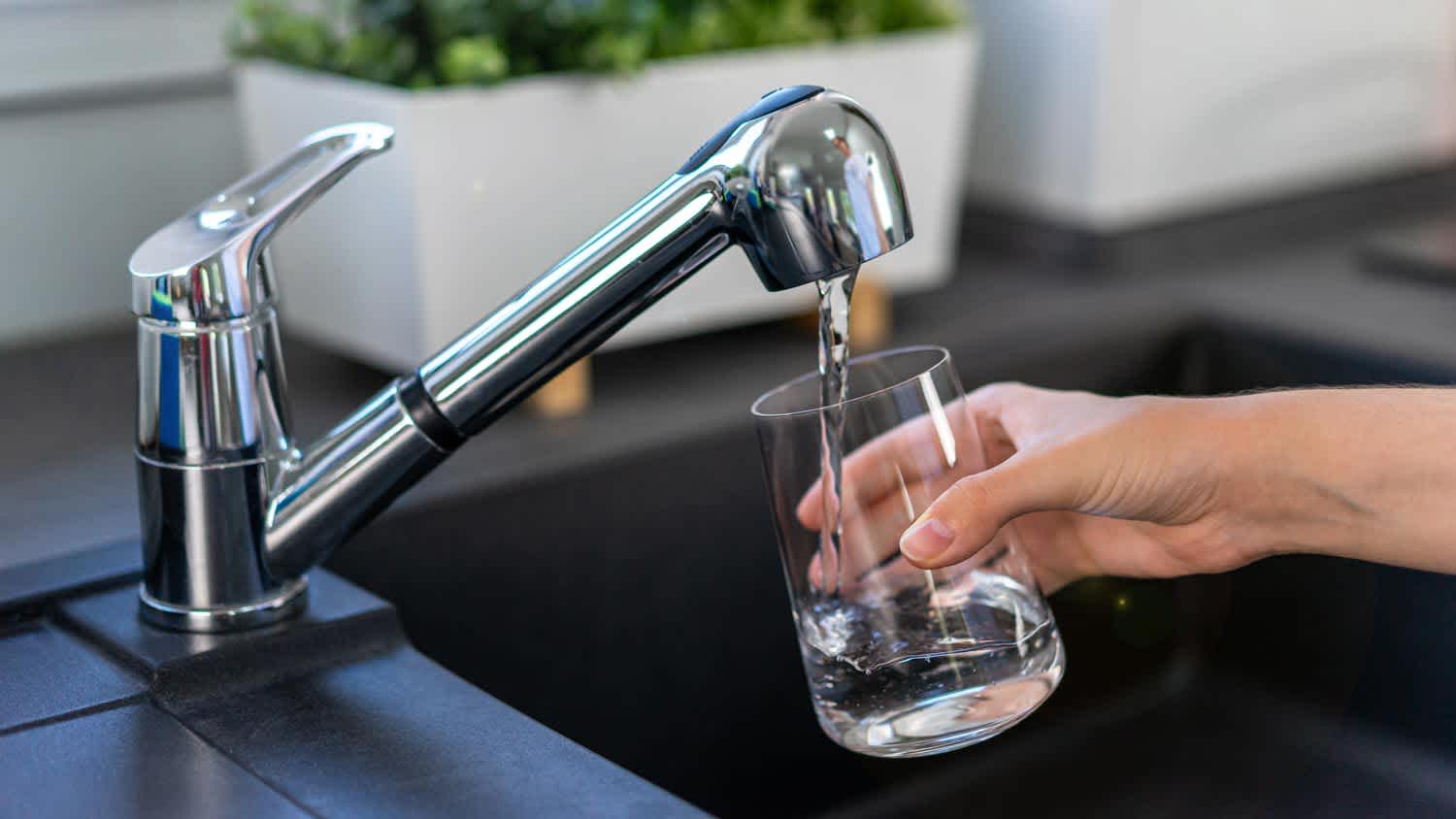
Discover how to choose a water softener with tips from our expert guide. Ensure your home has clean, soft water with the right system for your needs.
There are many pros and cons of salt-free water softeners that could impact your decision to buy one. Stay tuned to learn more about salt-free water softeners.
Many water softeners use salt in order to remove minerals from hard water. But what is water softener salt? Learn how water softener salt works in this guide.