

•
Discover roof insulation costs, including average prices, key cost factors, and expert tips to help you budget and save on your next project.
Insulation service costs depend on your project and location. Check with a local pro for your specific job.

Wall insulation costs between $1,150 and $6,000, depending on your material choice and project size.
The insulation type you select and the scope of your project determine your final total for wall insulation.
Account for prep work, post-construction cleanup, and hazardous material removal when you create your budget, with cleanup costing $50 to $250.
Hiring a local insulation company ensures your project meets building code requirements and boosts energy savings by up to 20%.
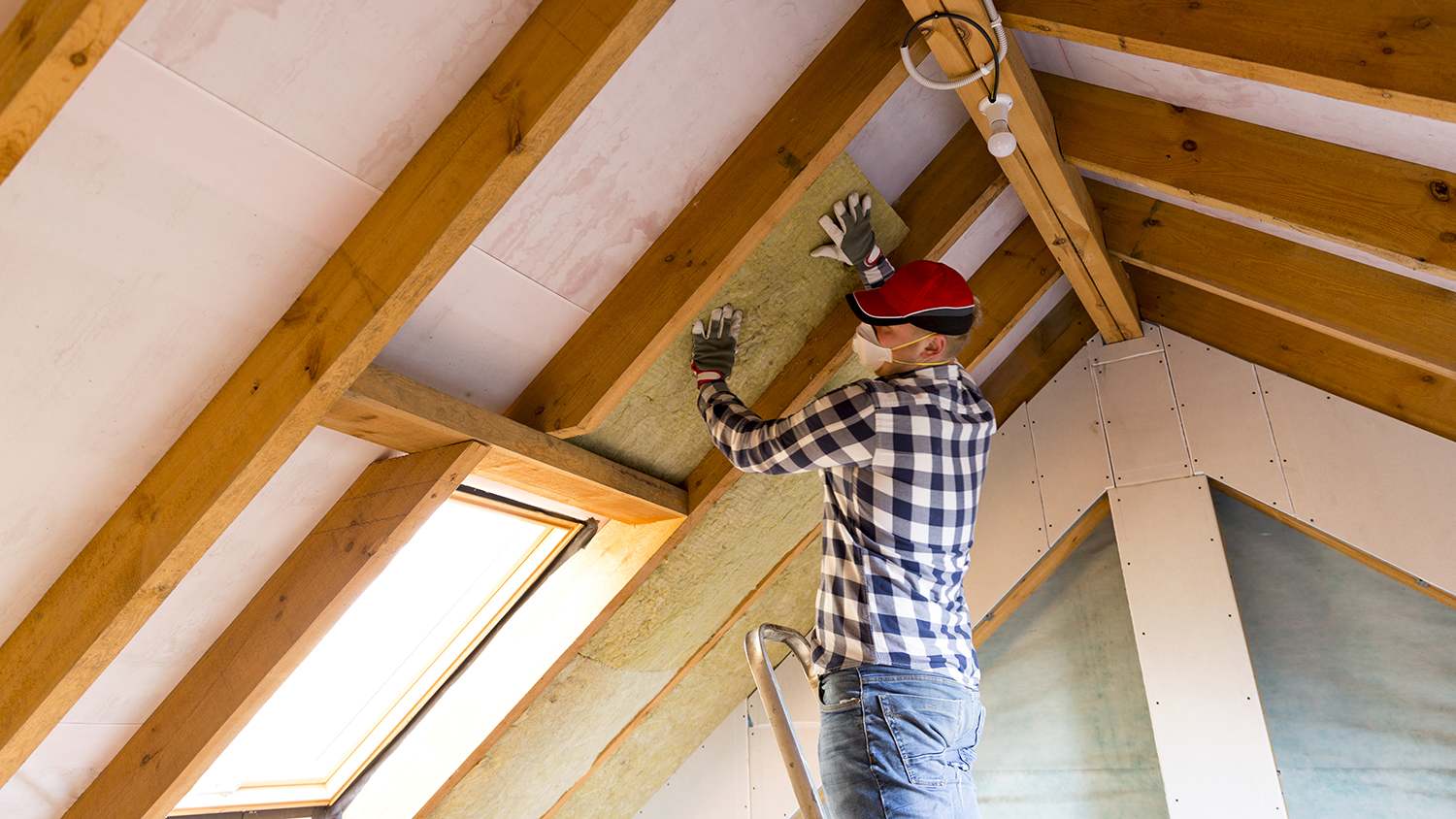
While the average cost to insulate a wall ranges between $1 and $4 per square foot, several factors will determine your final project price. Insulation costs for existing walls will cost more than those for installing insulation during the construction of a new home or during a remodel or addition installation.
The biggest pricing factor is the size of the exterior wall you're insulating. The average square footage of exterior walls in an average home is roughly 1,500 square feet. If you're remodeling or building walls as part of an addition, you may opt to insulate only new exterior walls or replace the existing insulation in spaces where the wall covering is removed.
| Wall Square Footage | Average Cost |
|---|---|
| 150 | $150–$600 |
| 300 | $300–$1,200 |
| 500 | $500–$2,000 |
| 1200 | $1,200–$4,800 |
| 1500 | $1,500–$6,000 |
Many homeowners who add insulation to already finished spaces choose to insulate the walls without removing the drywall. While doing so results in some drywall or plaster repair after the insulating project is complete, the job can be significantly less costly than removing and re-installing drywall, which will add another $1.50 to $3 per square foot to accomplish, on top of the insulation installation price.
The type of insulation you choose will greatly affect the cost of your insulation project. If you opt to leave the drywall in place, you can choose loose-fill, spray foam, or professionally installed blow-in blanket insulation. For new construction or remodeling, you can choose from batts or rolls, spray foam, rigid types, and others.
| Insulation Type | Average Material Cost per Square Foot |
|---|---|
| Fiberglass or mineral wool batts or rolls | $0.30–$1.50 |
| Loose-fill fiberglass or cellulose | $1–$2 |
| Spray foam | $0.50–$2 |
| Foam board | $0.25–$2 |
Who installs your insulation can affect the total cost of the project. Insulating walls that don't have drywall or plaster on them can be a relatively simple DIY project, provided you have some experience or solid guidance for the task.
Doing the project yourself can save up to $0.50 per square foot. However, professional installation is always recommended and, in many cases, necessary when the drywall is still in place. The average labor cost for wall insulation is between $0.25 and $0.50 per square foot.
If you're installing wall insulation as a part of a larger project, your contractor will include the insulation cost in the pricing estimate. Additionally, many local handypersons are qualified to perform insulation projects.
Contractors cost: 10%–50% of your overall project cost
Handyperson cost: $50–$150 per hour
The preparation work required before insulating your home's walls will depend on the scope of the project. If drywall or plaster removal is necessary, or if you need to drill holes in the wall covering in preparation for adding insulation to the wall cavities, expect to spend between $50 and $100 per hour for the work.
Insulation jobs can get messy and dusty, especially when drywall or plaster work is involved. Regardless of the specifics, cleanup work is not uncommon after the project is complete. On average, post-construction cleaning costs between $50 and $250 per 500 square feet.

The reason for your insulation installation project can dramatically affect its total cost. In cases where you're replacing existing insulation, the cost of removal is a significant consideration, especially in cases where pest damage or hazardous conditions exist. Pests and their waste, water damage, mold, and the presence of asbestos will all increase the cost of adding insulation to your walls.
Pest extermination cost: $200–$600
Mold remediation cost: $1,225–$3,750
Asbestos removal cost: $1,190–$3,255
Most homeowners choose to hire a local insulation company to perform all the necessary tasks rather than going the DIY route. While the project ranges between $1,150 and $6,000, hiring a professional ensures that the new insulation meets building code requirements, maximizing its energy-saving capacity. A pro will also handle any situation in which hazardous materials or conditions exist.
Hiring a professional insulation installer ensures your home gets the right materials, proper coverage, and long-term performance.
Pros know how to select the appropriate insulation type and R-value for your specific climate and home layout.
They install insulation with consistent coverage and air sealing to avoid gaps, cold spots, and moisture issues.
A pro can identify hidden problem areas, such as air leaks, pest damage, or outdated materials, that DIYers often miss.
They have access to specialized tools and safety equipment, which is important for working in tight attics or crawl spaces.
Professional installation helps you meet code requirements and maximize energy-efficiency rebates.
Properly installed insulation can reduce energy bills more effectively and deliver better comfort throughout the year.
Hiring a pro saves time, limits mess, and avoids costly mistakes that could impact your home’s structure or indoor air quality.
If you want to DIY your insulation project, there are a few situations where homeowners can reasonably handle the work themselves.
Basic projects, such as laying unfaced batts or rolls in an open attic, are typically manageable for confident DIYers.
Small touch-up areas, such as adding insulation around rim joists or sealing minor gaps, may not require professional tools.
Installing rigid foam boards on accessible basement or garage walls can be straightforward with careful measuring and cutting.
Low-hazard spaces with good ventilation and easy access make DIY insulation more feasible.
Homeowners with experience using utility knives, staplers, and safety gear may feel comfortable handling simple installs.
Adding insulation as part of another DIY project, such as finishing a basement wall, can be done if you follow local code requirements.
If you plan to DIY, you'll need adequate personal protection equipment, including gloves, eye protection, clothing, and a respirator.
According to Angi data, nearly 44% of homeowners report installing batt and roll insulation in their attics. Other common insulation locations include inside walls and ceilings.
Discovering how much money insulation can save on your energy bills
Home energy audit cost: $211–$700
Crawlspace encapsulation cost: $5,000–$15,000
Basement insulation cost: $1,800–$3,000
Wall insulation cost: $1,400–$6,300
Garage insulation cost: $1,900–$7,700
HVAC replacement cost: $5,000–$12,500

Insulating walls is excellent for helping to reduce your home's energy consumption for heating and cooling. For that reason, insulation addition projects realize excellent returns on your investment (ROI) by lowering your energy bills each month. However, the project still comes with potentially significant up-front costs. Here are a couple of ways to save money if you're sticking to a budget.
Take advantage of available federal, state, regional, or local energy-efficiency rebates and incentives. Your utility company may offer them as well, and your insulation contractor can help you identify which ones your project qualifies for.
If your wall insulation project involves demolition or preparation work that doesn't include the removal of hazardous materials, consider performing some of the preliminary tasks yourself to shave a few dollars off of your professional's price bid.
Be prepared to discuss which insulation options (fiberglass, spray foam, cellulose, rigid foam, etc.) are best for your home and goals.
Ask about air sealing, vapor barriers, or removal of old insulation as part of the project.
Be ready to discuss room dimensions, wall depths, and other areas that need coverage.
Share known concerns such as mold, asbestos, electrical wiring, or pests that could affect installation.
Home is the most important place on earth, which is why Angi has helped more than 150 million homeowners transform their houses into homes they adore. To help homeowners with their next project, Angi provides readers with the most accurate cost data and upholds strict editorial standards. We extensively research project costs to develop the pricing data you see, so you can make the best decisions for you and your home. We rely on reputable sources, including the U.S. Bureau of Labor Statistics, academic journals, market studies, and interviews with industry experts—all to ensure our prices reflect real-world projects.
Want to help us improve our cost data? Send us a recent project quote to [email protected]. Quotes and personal information will not be shared publicly.
I would recommend this company to anyone! He showed up on time, was friendly, completed a very difficult repair on our dryer vent cover, was responsive, and pricing was extremely fair and competitive. I would have him back to do any of our repairs or cleanings without hesitation!
 U.S.A. Dryer Vent, LLC
Best cleaning I've had at my property
I conferred with 2 other contractors before Armstrong Electric. Nick and his crew showed me that the project was not as convoluted as the other contractors made it appear to be. They completed the entire project on time. They were professional, friendly and cleaned up after at completion. I...
 ARMSTRONG ELECTRIC, LLC
The technician was very professional and friendly. He answered all my questions and was very thorough. He left the fireplace area very clean . He inspected from the roof and advised me as to other work that might need to be done. There was no pressure there. I was very satisfied with the...
 Supreme brick & chimney
Our exterior looks brand new thanks to Custom Paint Jobs LLC. Theyre the best in town!
 Custom Paint Jobs, LLC
Excellent experience with hiring Tether House to Mount our 77’ Samsung TV in our bedroom. Fast, friendly, and knowledgeable. Highly recommend.
 Tether House
The techs on my project, Shawn and Cliff, were great. They were prompt, courteous, and efficient. I am very happy with the results and would definitely contact Mr. Electric for any future electrical projects.
 Mr. Electric of Columbus
We had our houses windows and back door replace this summer by Window Depot USA of Central. He gave us grate advise and saved my family lots money. The team did a fantastic job with installation. If you need help, they sure get job done right!
 Window Depot USA of Central Ohio
Beginning with the estimate, Larry and Peyton were super helpful in getting my new condo's interior re-painted. Not only was the job well done, but also done in a super timely manner as promised.
 Five Star Painting of Plain City and Powell
Great job...edging and pre clean up went well with a great job with seal coat. Friendly, efficient and professional.
 All Star Paving and Sealing
From average costs to expert advice, get all the answers you need to get your job done.
Discover roof insulation costs, including average prices, key cost factors, and expert tips to help you budget and save on your next project.
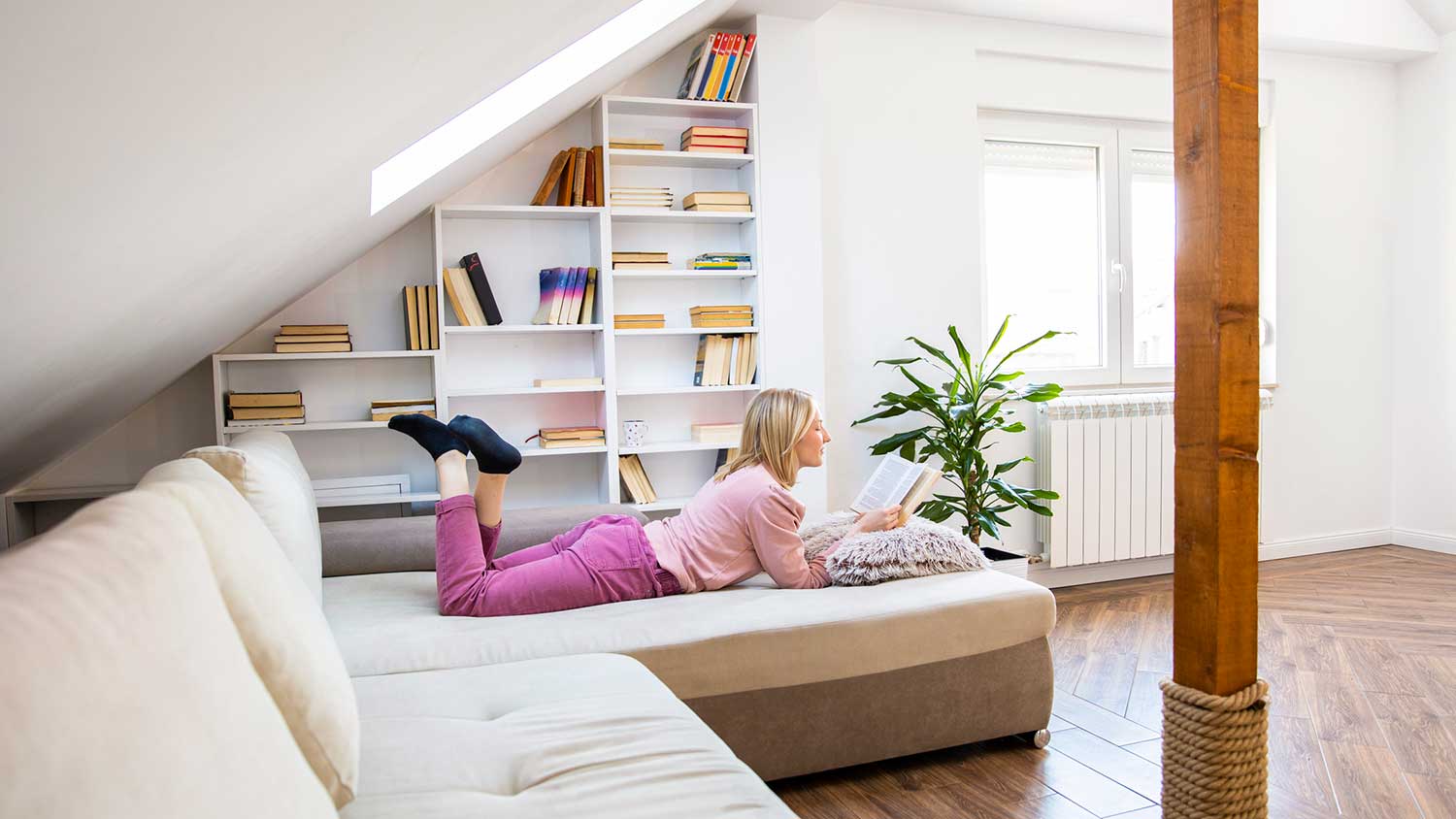
Trying to calculate how much spray foam insulation costs? Our in-depth guide breaks down pricing by type, amount, and where you install it.
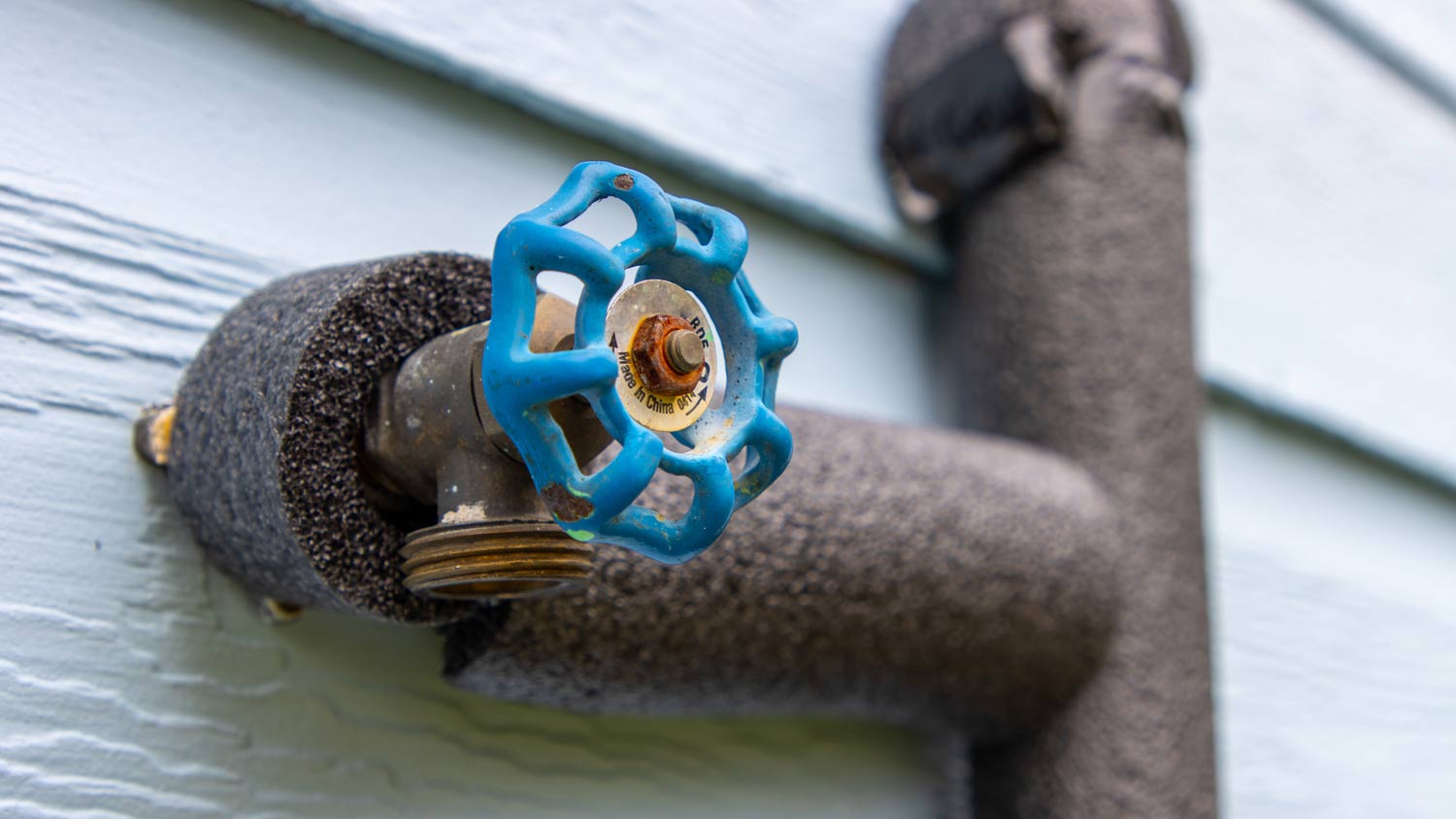
Find out the average pipe insulation cost, including material and labor prices, plus tips to save money on your project.
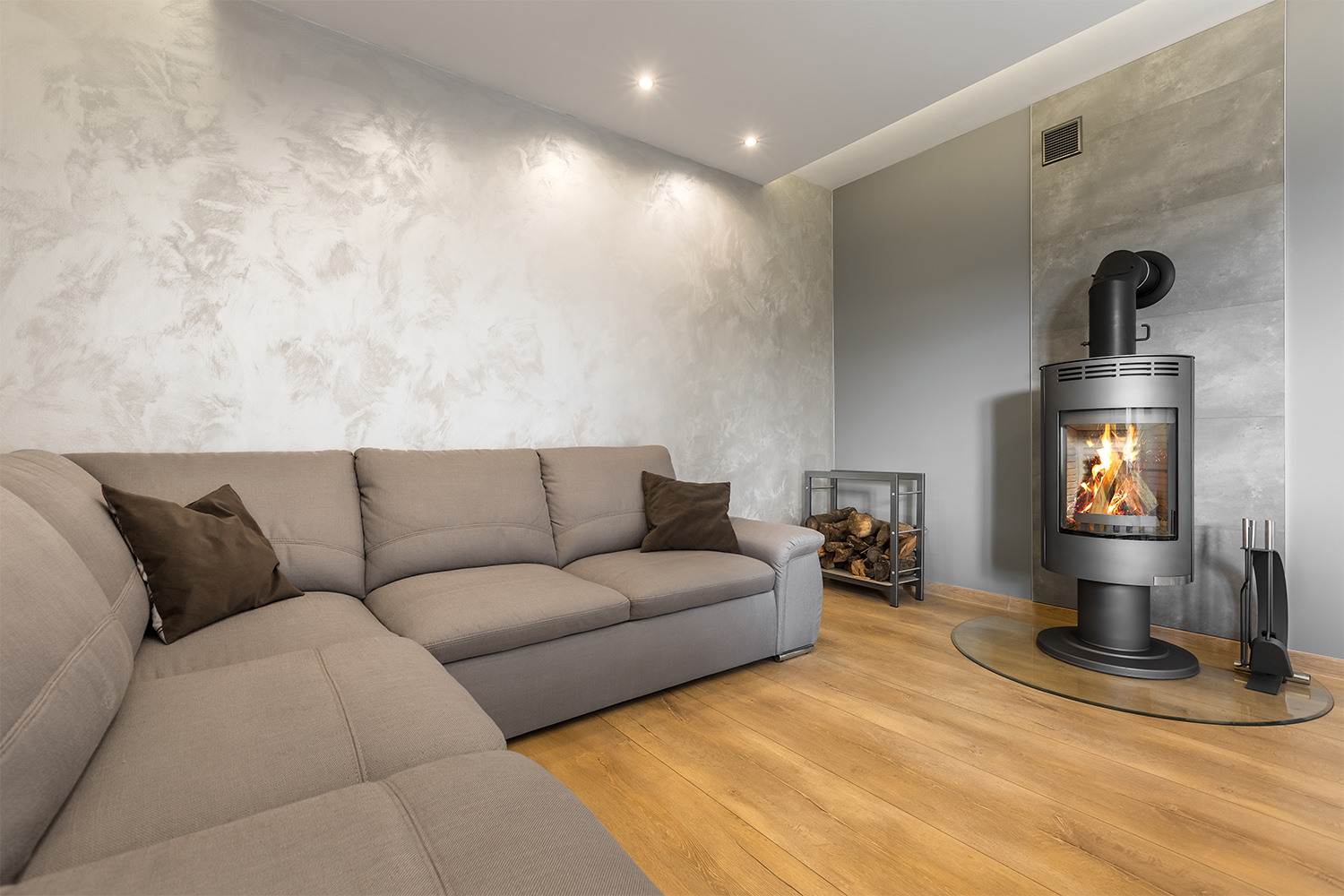
Learning how to insulate plaster walls can help improve your home's energy efficiency. However, there are crucial cautions to consider before attempting.
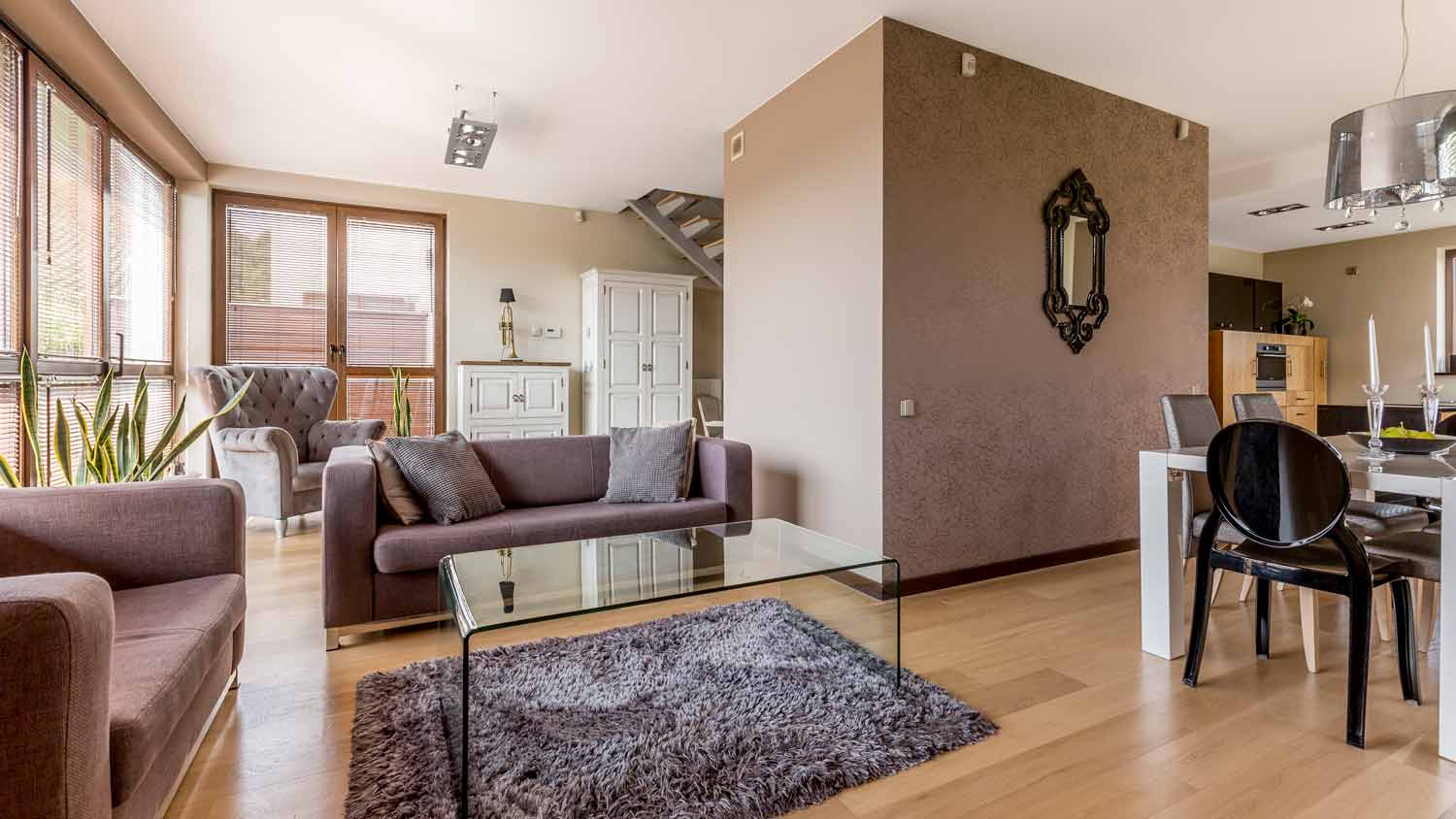
Insulation does more than keep your house warm in the winter and cool in the summer. Consider these factors when deciding to insulate your interior walls.
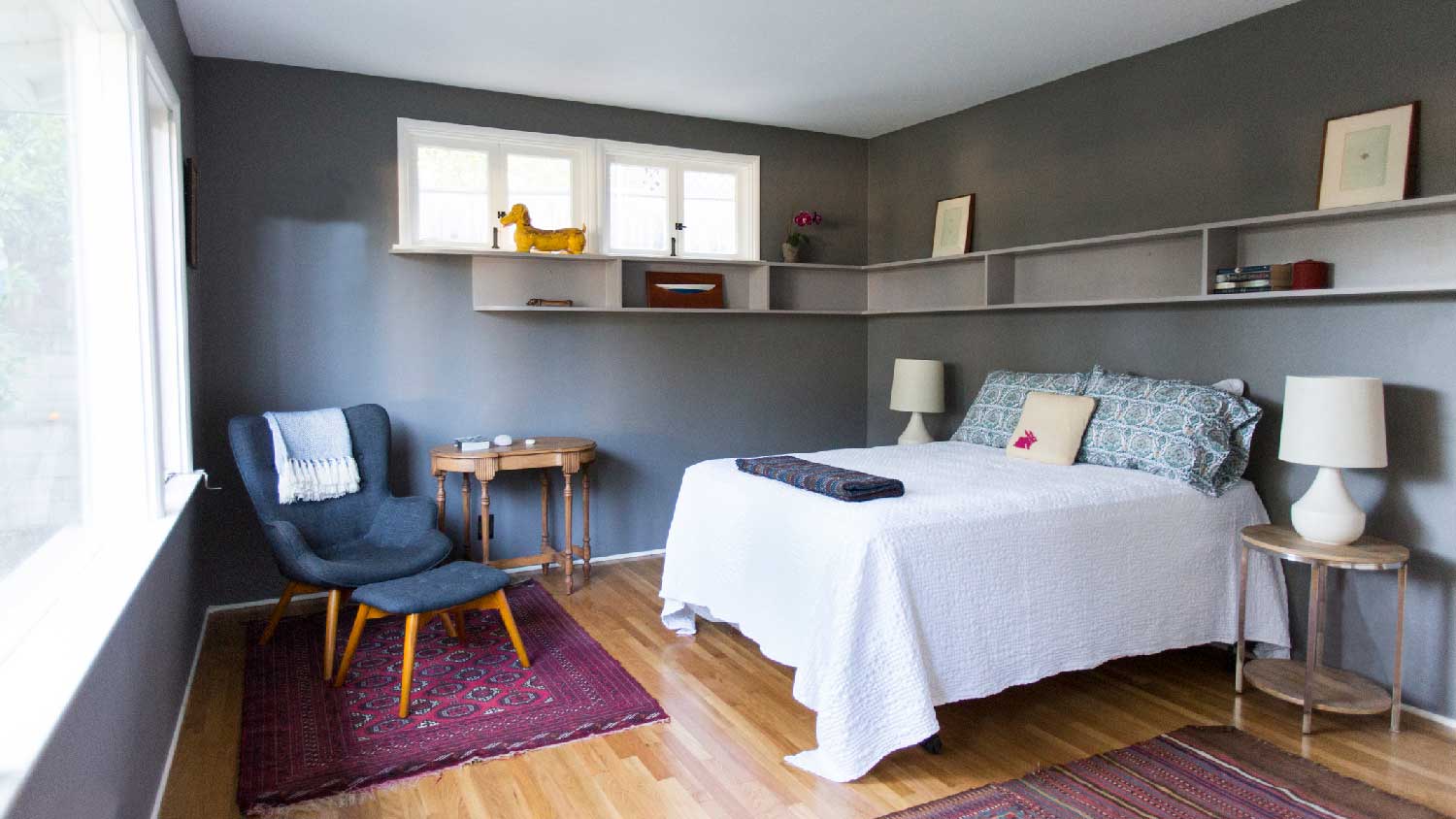
Is your house feeling chilly? Adding insulation can help keep it warm without requiring you to crank up the heat. Here's how to install wall insulation.