
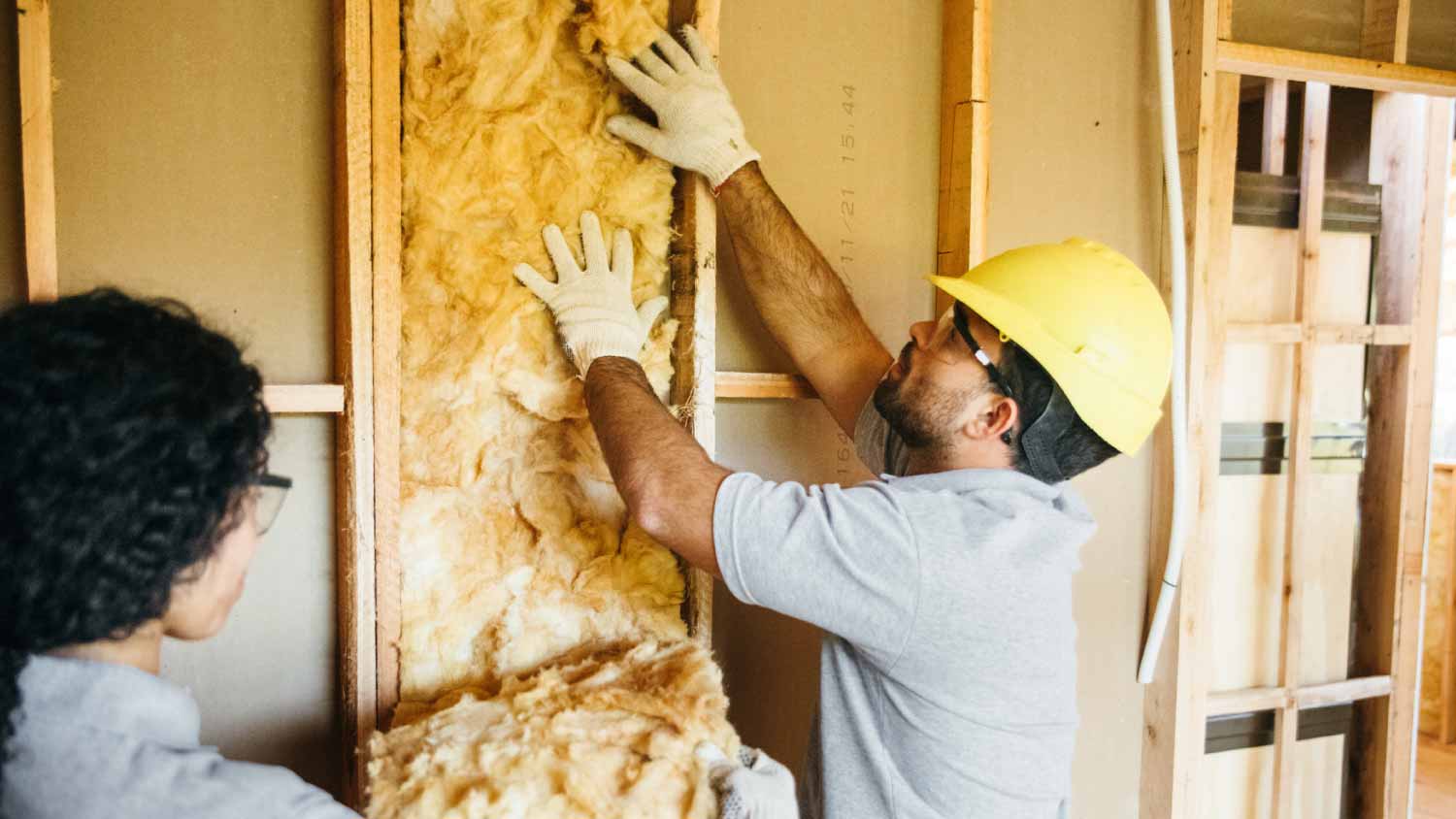
How much does it cost to insulate a wall? This guide breaks down the associated costs and variables to consider when setting your project budget.
Protect your home from energy bills, noise, fire, and moisture

Interior wall insulation improves your home's energy efficiency by blocking heat flow between rooms, reducing the workload on your HVAC system year-round.
Expect to pay $1,817 on average to insulate your home, with costs ranging from $1,066 to $2,593 depending on materials and square footage.
Soundproofing insulation like fiberglass or spray foam creates a barrier against noise from TVs, conversations, and appliances, keeping your home quieter and more peaceful.
Hiring a local insulation company provides reliable support with proper installation and moisture control, helping you avoid gaps that trap humidity or block ventilation.
Insulation is an afterthought for many homeowners, but it’s the first step to keeping you and your family comfortable during extreme temperatures. While exterior insulation gets all the glory, insulating your interior walls has way more to offer than lowering your energy bill—although the extra dollars in your pocket don’t hurt. Interior insulation won’t be seen, but its impact is felt. Here are a few reasons to consider why you might insulate your interior walls.
According to Angi data, fewer than 7% of homeowners install batt and roll insulation to a finished wall since interior walls should already be insulated. Plus, if you want to install this type of insulation, you’ll need to consider the cost of opening up the wall and closing it back up. But whether you’re building a new home or renovating, you’ll want to ensure there is proper insulation throughout the house.
Your HVAC system is likely running 24/7, 365 days a year—and an extra day during leap years. Depending on how your home is insulated, it may be working overtime in the summer and winter months. And while you may chalk up your energy bill to a sacrifice for comfort, insulating your home and interior walls will improve your home’s energy efficiency.
As a homeowner, it helps to understand that in keeping your home temperature controlled, you’re actually trying to control heat flow. During the summertime, the goal is to keep heat out, while the opposite stands for winter. Heat flows from warmer to cooler areas until there is one universal temperature. For example, in the winter, the warmth from heated areas will seep into unheated living spaces, like an attic or basement. Because heat flow can travel through interior walls, as well as ceilings and floors, you’ll need insulation with a high insulation R-value to minimize three things—heat flow transfer, an overworked HVAC system, and your energy bill.
Insulation costs the average homeowner about $1,817, or $0.30 to $6.75 per square foot; however, depending on the type of insulation, square footage, installation location, and materials, it ranges between $1,066 and $2,593.
Whether you consider your home a safe haven from the outside world or a hub for gathering friends and family, it’s safe to say that most people don’t want any sound penetrating through the walls and floors. Do you insulate interior walls to protect against noise? You can. Installing insulation can soundproof a room and your home against airborne and impact noises. With the right insulation, you can cut down on noises that carry from TVs and people talking, as well as footsteps and vibrations from large appliances—think washers and dryers.
Every type of insulation won’t work for noise reduction. For example, reflective insulation—a type of attic insulation—reflects heat from the sun. Although it’s great for blocking out heat and keeping your home cool in the summer, it’s less than ideal for blocking out any noises. Soundproofing insulations like fiberglass, cellulose, and spray foam insulation work best on interior walls to create a sound barrier. Homeowners spend approximately $2,500, or $1.50 to $4.90 per square foot, including materials and labor, on spray foam insulation costs—or the price of peace and quiet.

How often do you think about fire protection? Beyond the typical sprinkler or fire extinguisher, you can take further steps to protect your home with fire-resistant insulation. Materials like sheep wool are flame-resistant, but what does that mean? In case of a fire, it can actually slow down the spread of flames. The interior walls and floors of a home may seem like kindling. If your home is properly insulated against fire, it not only stops more flames from igniting but it also acts as a barrier to block the path of fire from traveling through and damaging your home. Not to mention, it gives you and your family time to safely evacuate, which—if you ask me—alone makes fire-resistant insulation worth it.
Insulation straddles a fine line when it comes to moisture control. If improperly installed, it can either block areas where you need ventilation or leave gaps between the walls that trap moisture. The first leaves you with dry air that can cause itchy eyes, sore throats, and dry skin, while the second could lead to a mold problem. That’s why it’s often better to leave the job of insulating interior walls to a local insulation professional. The majority of the moisture that moves in and out of your home travels through the air, and insulation will seal your home to prevent moisture from showing up like an unwanted guest.
If you’re good people wanting to do business with good people, hire Matt. He is a consummate professional and utterly competent. He installed a water heater in my home at a price that beat competitors by hundreds of dollars with a promise to support the unit for its life (even after its 6 yr...
 Greene's Plumbing Services
I would recommend this company to anyone! He showed up on time, was friendly, completed a very difficult repair on our dryer vent cover, was responsive, and pricing was extremely fair and competitive. I would have him back to do any of our repairs or cleanings without hesitation!
 U.S.A. Dryer Vent, LLC
Best cleaning I've had at my property
I conferred with 2 other contractors before Armstrong Electric. Nick and his crew showed me that the project was not as convoluted as the other contractors made it appear to be. They completed the entire project on time. They were professional, friendly and cleaned up after at completion. I...
 ARMSTRONG ELECTRIC, LLC
Our exterior looks brand new thanks to Custom Paint Jobs LLC. Theyre the best in town!
 Custom Paint Jobs, LLC
Excellent experience with hiring Tether House to Mount our 77’ Samsung TV in our bedroom. Fast, friendly, and knowledgeable. Highly recommend.
 Tether House
The techs on my project, Shawn and Cliff, were great. They were prompt, courteous, and efficient. I am very happy with the results and would definitely contact Mr. Electric for any future electrical projects.
 Mr. Electric of Columbus
We had our houses windows and back door replace this summer by Window Depot USA of Central. He gave us grate advise and saved my family lots money. The team did a fantastic job with installation. If you need help, they sure get job done right!
 Window Depot USA of Central Ohio
Beginning with the estimate, Larry and Peyton were super helpful in getting my new condo's interior re-painted. Not only was the job well done, but also done in a super timely manner as promised.
 Five Star Painting of Plain City and Powell
Great job...edging and pre clean up went well with a great job with seal coat. Friendly, efficient and professional.
 All Star Paving and Sealing
From average costs to expert advice, get all the answers you need to get your job done.
How much does it cost to insulate a wall? This guide breaks down the associated costs and variables to consider when setting your project budget.

Discover the average injection foam insulation cost, key price factors, and ways to save. Get transparent estimates to plan your home insulation project confidently.
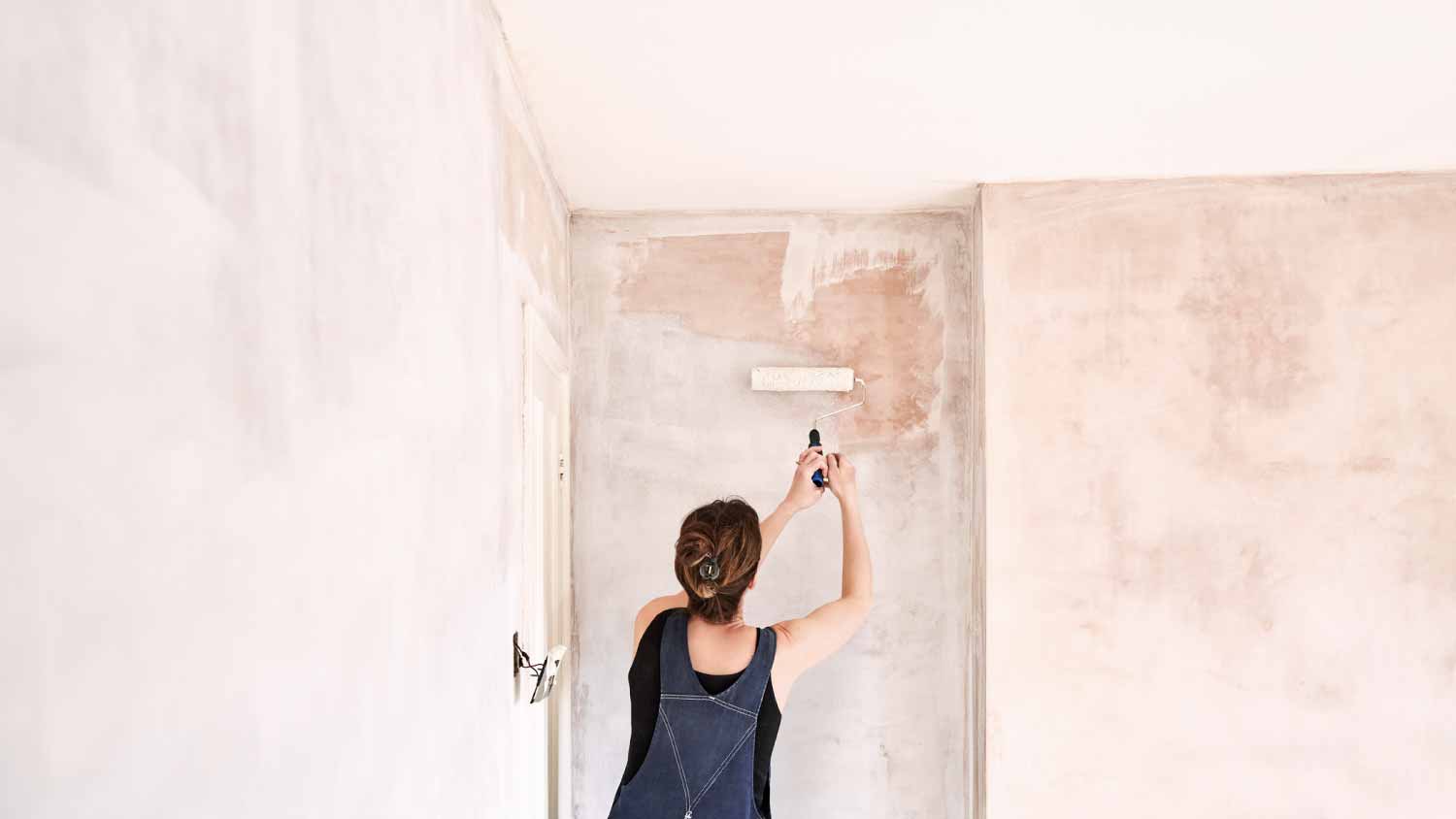
Limewash can add timeless texture to your living space. The cost to limewash interior walls depends on factors like surface area, materials, and prep work.
Learning how to insulate plaster walls can help improve your home's energy efficiency. However, there are crucial cautions to consider before attempting.

Insulating your walls requires the right insulation and installation method. Keep reading to learn how to insulate a wall without removing the drywall.
As you plan your bathroom, you might wonder whether you need insulation for the bathroom walls. This guide covers what you need to know to get the project done right.