
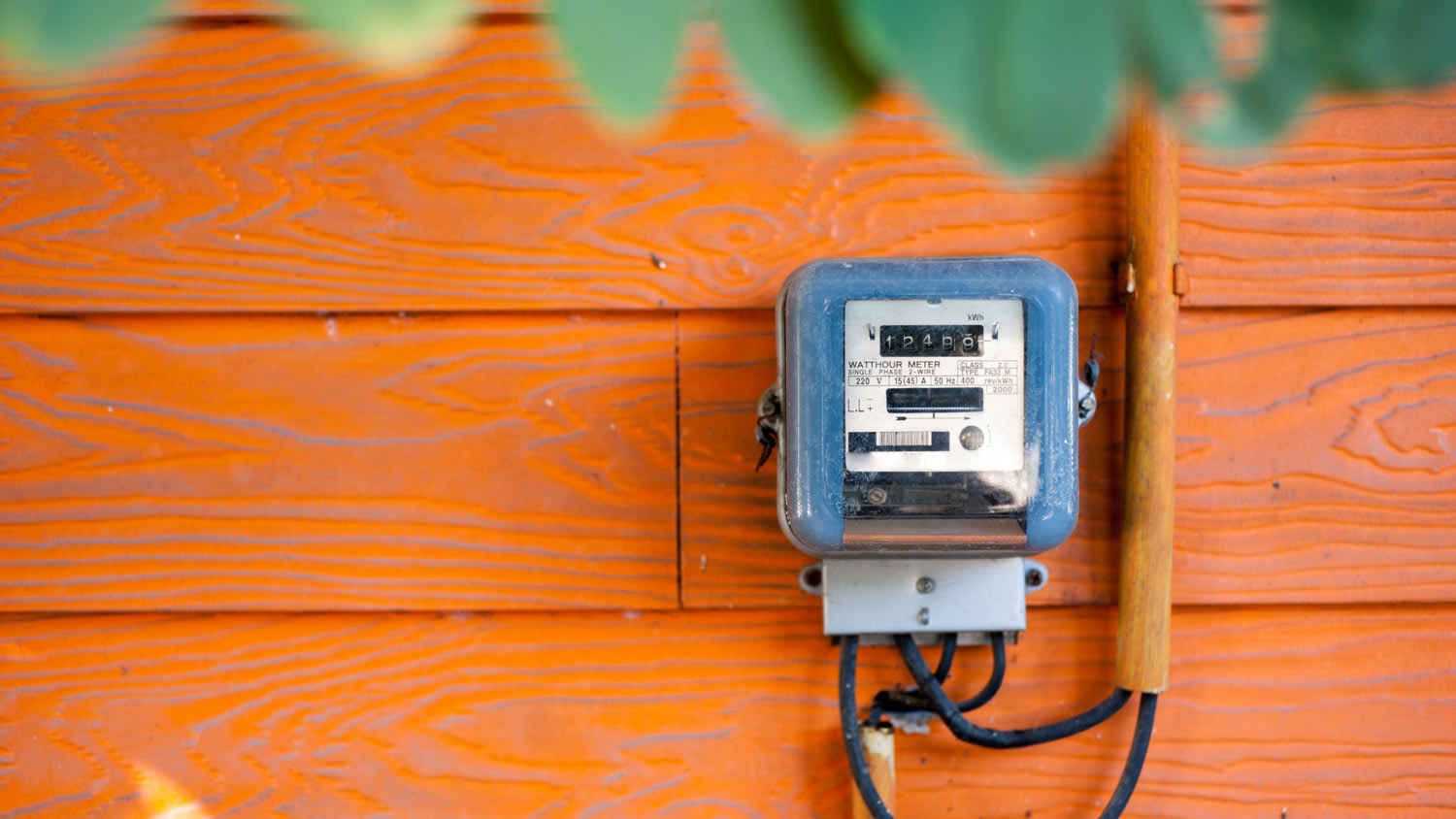
The cost to move an electric meter depends on how far you’re moving it, whether it needs replacing, and the cost of labor near you.
In the battle of voltmeters vs. multimeters, the winner depends on what you’re measuring

A voltmeter measures only voltage, while a multimeter measures voltage, current, and resistance, giving you more versatility for different electrical projects.
Both voltmeters and multimeters range from under $50 to several hundred dollars, with basic models around $50 to $75 for most home projects.
Your choice depends on your project needs: voltmeters work for simple voltage checks, while multimeters help when you need to test multiple electrical properties.
Hiring a local electrical professional provides reliable guidance on tool selection and safe measurement techniques, especially when working with complex electrical systems.
When comparing a voltmeter vs. multimeter, functionality and versatility are the primary differences between the two. Overall, you’ll want to choose a voltmeter if you need a simple-to-use tool and highly accurate voltage reading, or a multimeter to measure multiple elements still with a high amount of accuracy. Let’s review the differences between these two electrical tools.
Both voltmeters and multimeters measure voltage, but you’ll need to understand their differences to ensure you choose the right one. Mainly, multimeters have more functionality than voltmeters, measuring current and resistance, depending on the model you buy. Consult a local electrician to determine which tool they recommend using for your electric project.
| Type of Difference | Voltmeters | Multimeters |
|---|---|---|
| Function | Measures voltage | Measures voltage, current, resistance, and more (depending on model) |
| Circuit connection | Only in parallel to the device they’re measuring | Multiple, depends on what you’re measuring |
| AC/DC Measuring | Varies by model | Yes |
| Accuracy | Highly accurate | Highly accurate, but varies by quality and design of multimeter |
| Size | Small and compact | Small, but larger than voltmeters due to multifunctionality |

As its name suggests, voltmeters are only used to measure voltage. On the other hand, multimeters have a variety of functions, including measuring voltage, current, and resistance. That means multimeters are much more versatile tools that can be helpful in more electrical projects.
Both voltmeters and multimeters come in a range of prices, with some costing less than $50 and others costing several hundred dollars, depending on their complexity and sensitivity. Most simple home projects don’t require anything more than a basic model in the $50 to $75 range.
Multimeters connect in a few different ways to accommodate the type of output you are measuring (current, resistance, and continuity).
On the other hand, voltmeters, because they always measure volts, connect in parallel to the device they are measuring in order to determine the voltage. This basically means that they connect on two points of the same parallel circuit so that they can actually measure the voltage, aka the tension between the two connection points.
Multimeters can usually measure both AC and DC, while voltmeters typically measure one or the other (though some pricier models may have both functions). If you plan to buy a voltmeter, check the packaging to make sure it can measure the type of current you need to evaluate.
Designed only to measure voltage, voltmeters are highly accurate and give precise voltage readings. On the other hand, the accuracy of a multimeter can vary, with higher-end models typically providing the highest level of accuracy.
Both a multimeter and voltmeter and pretty small and intended for handheld use. However, the multimeter tends to be slightly bigger, given its additional functions. If you’re putting together a new toolbag, either one (or both) will easily fit within it.
I recently had Mosby Electric perform an electrical installation on 8-14-2026, and I couldn’t be more satisfied with the service. From the moment I called, their team demonstrated fast arrival and professionalism. The electricians were highly knowledgeable, completing the installation...
 Mosby Electric
Great company! Price was competitive, technician showed up on time and completed the job (exterior electric Radon fan replacement) quickly. Would hire them again.
 MaGen Property Inspections and Radon Mitigation
I conferred with 2 other contractors before Armstrong Electric. Nick and his crew showed me that the project was not as convoluted as the other contractors made it appear to be. They completed the entire project on time. They were professional, friendly and cleaned up after at completion. I...
 ARMSTRONG ELECTRIC, LLC
The techs on my project, Shawn and Cliff, were great. They were prompt, courteous, and efficient. I am very happy with the results and would definitely contact Mr. Electric for any future electrical projects.
 Mr. Electric of Columbus
Victor was wonderful. He was on time, professional, and explained everything he was doing. He was thorough and figured out that the problem was electrical instead of with my HVAC system. Very knowledgeable. I will be using this company in the future for any HVAC needs. Thanks!
 Hubbs Heating & Air LLC
They were excellent. They did a great job. I was totally satisfied. They put tremendous effort in making sure the work was completed. They were great. They provided immediate response to any inquires I made. I would hire them again. I would recommend them to anyone who needs electrical work....
 JCB & Associates, LLC DBA Property-Tech Industries
Initially, the repairman could not find the problem. Apparently, there was some electrical shortage, but he could not find the definite problem. He left, but called back later to say he had a new idea. He returned and replaced the light switches on the doors. The refrigerator seemed to return...
 Appliance Pro LLC
The initial quoted price from a walk-through seemed high, but we discussed that the quote represented worst case scenario (re-wiring to two floors) and we were excited about the opportunity to have the work done in a timely manner with closing for fire safety reasons, etc. When the job was...
I have to tell you I am all about customer service - I will go out of my way and even pay more for it if you give me great customer service. <br> <br>In a world where this is hard to find, these guys were awesome! I can not sing their praises enough. They were prompt, personable, funny, got...
 Waibel Electric
When I challenged the markup on the generator, Bruder Electric withdrew its bid. They only want naïve customers.
From average costs to expert advice, get all the answers you need to get your job done.
The cost to move an electric meter depends on how far you’re moving it, whether it needs replacing, and the cost of labor near you.
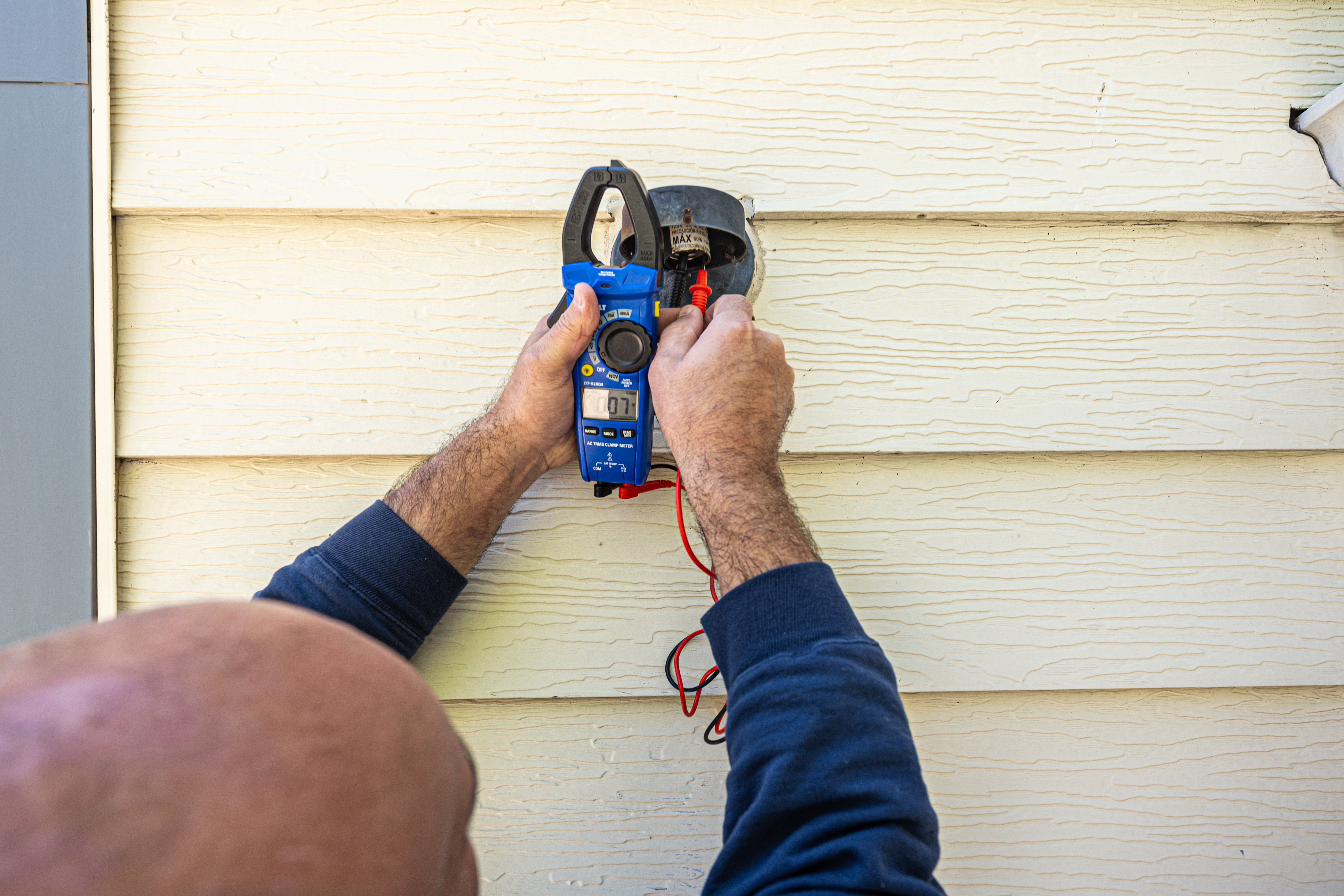
Take your DIY skills to the next level by reading electrical measurements. Use this guide to learn how to read a multimeter to troubleshoot electrical issues.

Amps, volts, watts—it’s easy to get confused about what these different electrical terms mean. Our guide explains what you need to know about amps vs volts vs watts.
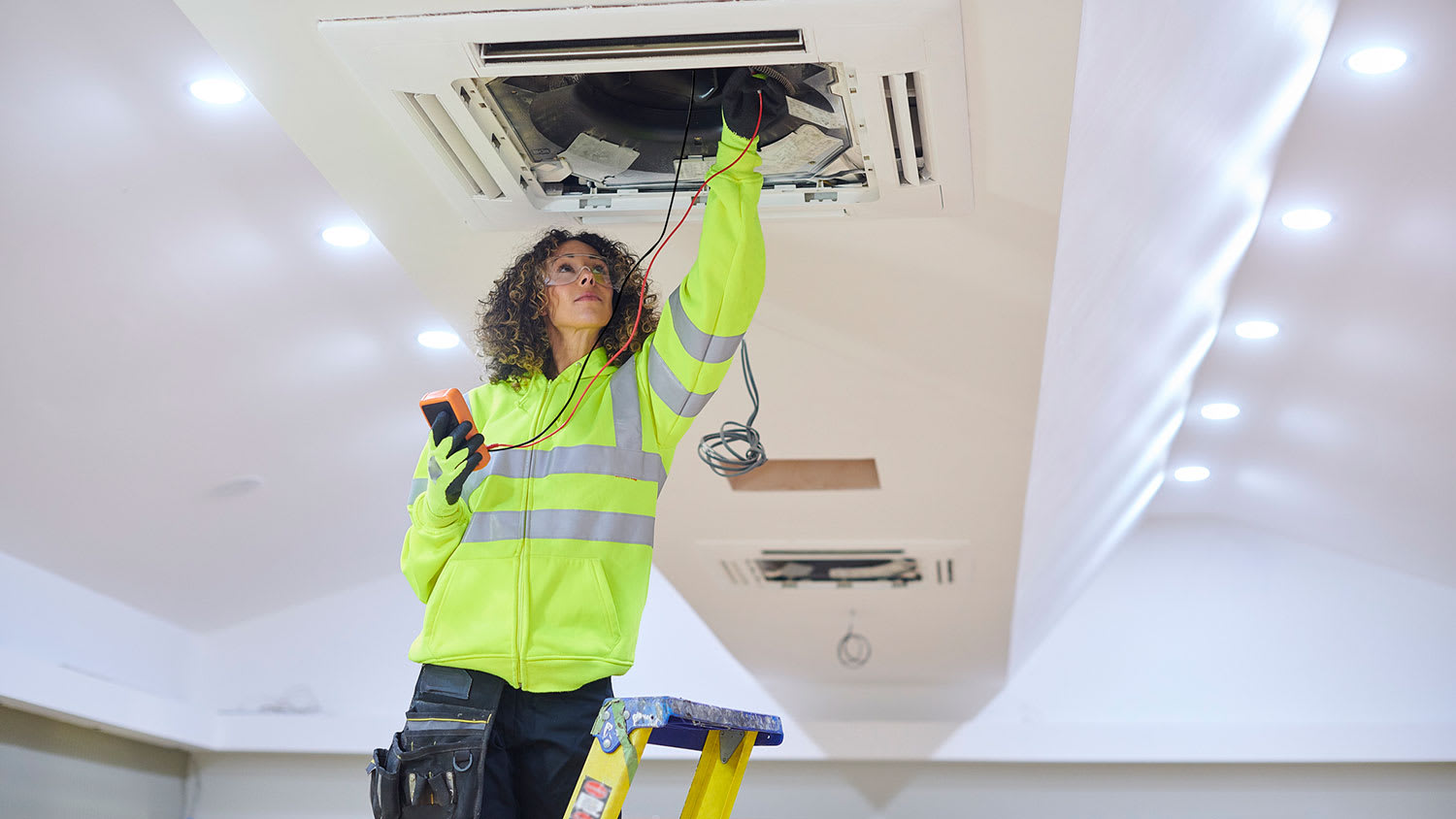
What is a multimeter? Here's everything you need to know about this nifty device, which you should consider having in your toolbox for basic measurements and repairs.

After installing an electric fence, you need to test it to ensure it’s keeping your property secure. Learn how to safely test an electric fence.

Understand the concept of amps vs. watts. Learn what the terms mean, how they relate to each other, and when to use them.