
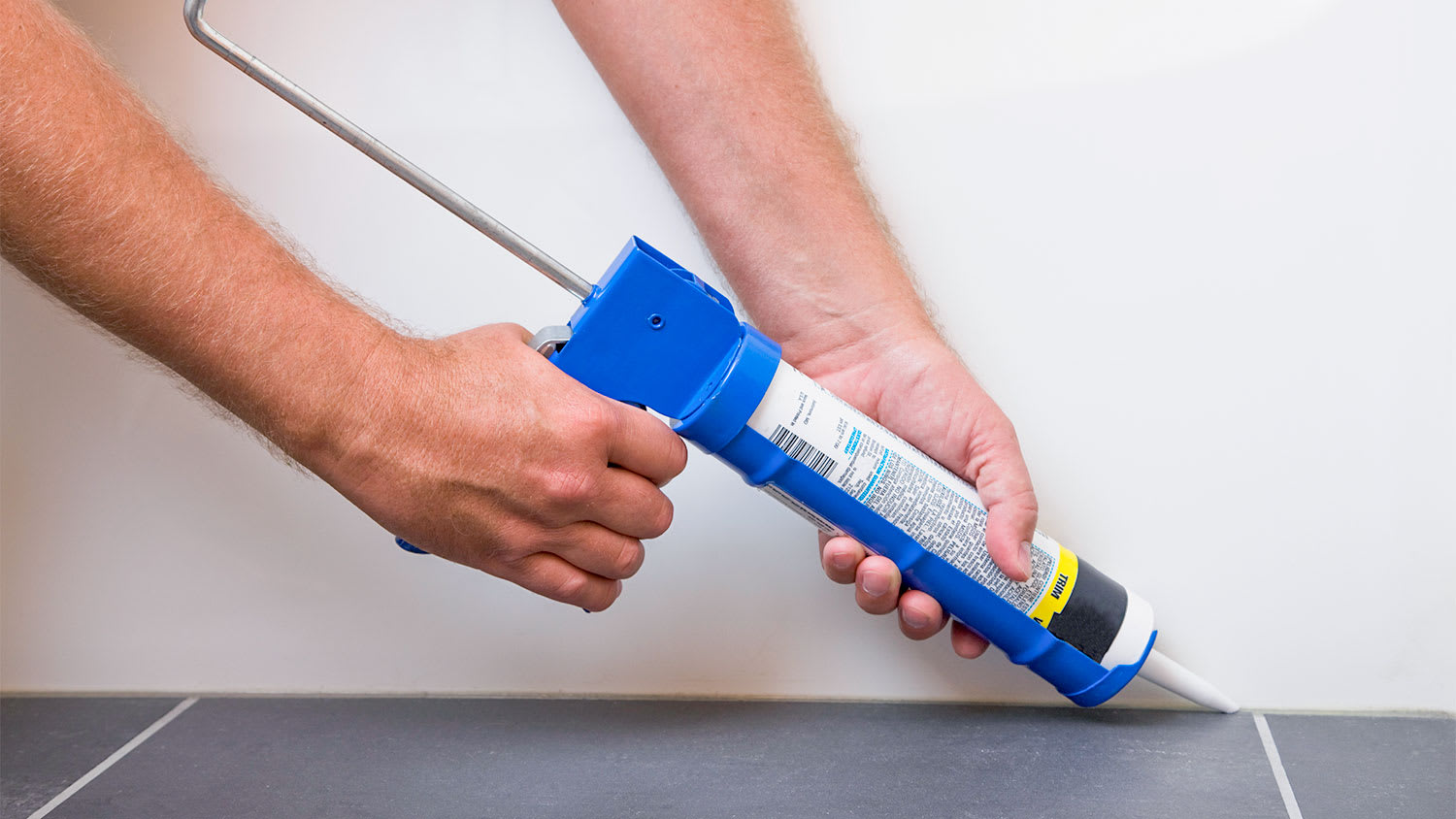
For a bathroom remodel, touch-up, or home perimeter, caulking is worth the investment. Find out average costs for window caulking, shower caulking, and more.
We’re sealing the deal for your windows

Choosing the best caulk for exterior windows depends on your window frame material, climate conditions, and exposure to moisture and temperature changes.
Caulk tubes cost $3 to $10 for most varieties, so upgrading to a higher-quality option for better durability won't strain your budget.
Silicone caulk stretches and contracts with temperature changes, making it ideal for sealing your windows against drafts, moisture, and insects without cracking.
Hiring a local caulking service professional ensures proper sealing around all your windows, especially hard-to-reach second-story openings or skylights that need safe access.
Properly sealed seams around the exterior of your windows act as a fortress that protects your home against cold drafts, moisture, and even pests. When the time comes to replace the caulk around your window frames, choosing the right variety of caulk is a crucial step. If you're feeling lost in the caulk aisle of the hardware store, take a look at this guide to help you make a decision. And, if it still feels like a bit much to tackle, a local window contractor would be more than happy to give you a helping hand with your upcoming project.

Shopping for caulk may sound straightforward, but you'll find quite a range of materials and uses on the market. Since all window designs and home siding materials are slightly different, there isn’t a one-size-fits-all option for sealing the outside of windows.
Start your caulk-buying journey by first answering these important questions:
What type of material will the caulk need to adhere to on the outside of my house?
Will the caulk regularly come in contact with moisture and sunlight?
How often will the temperature change around the caulk?
How large is the space that I need to fill?
Do I want to paint over the caulk to match my window frame?
Each answer points to a different caulk material. For example, exposure to temperature changes—typical for the exterior of your home—requires a caulk that can easily expand and shrink without cracking. Or, if you want to paint over your caulk, you'll need to opt for a variety made with latex. Even the size of the gaps around your windows can determine the right option.
A 10-ounce tube of caulk typically costs anywhere between $3 and $10, so opting for a higher-quality or more specific caulk won't completely break your budget.
When choosing the right caulk for your windows, focus on weather resistance, insulation properties, adhesion, and flexibility. For example, if your home has poor insulation, you’d want to make sure the caulking won’t come apart in hot or cold temperatures. Where you use the caulk also affects your choices. For exterior use, choose silicone or polyurethane caulks. For interior use, silicone or latex caulks would be preferable.
The construction industry combines the best of both worlds with siliconized latex caulk, also referred to as silicone latex or "latex with added silicone." While this combo will cost you a few more dollars than a bottle of plain latex, it offers the easy application and paintability of latex with the stretch and adhesive powers of silicone.
Siliconized caulk is also tough against moisture, sun, and temperature changes. Pros often use this caulking on bathtubs and showers due to its strength against water, heat, and mildew.
As always, there's a minor drawback. The presence of silicone means the caulk will have a very powerful odor. Its potency isn't as big of an issue if you're working outside, but keep this in mind if you're working in an enclosed or partially enclosed area. Always ensure there’s plenty of ventilation in your workspace and that you wear a protective mask.
Are you looking for a strong and stable caulk for the exterior of your windows? Silicone-based caulk is a popular option, especially for outside work. Not only can it stand up against moisture, but it's tough against mildew, as well. That’s why you're likely to find silicone caulk in bathroom showers and tubs.
Silicone caulk seals your windows from outside drafts, moisture, and insects while easily adapting to changing weather conditions. How? Silicone naturally stretches and elongates due to its inherent elasticity. So, as the temperature heats up and cools down outside, you won't have to worry about the caulk chipping or breaking.
When purchasing silicone caulk, check the label to ensure it can adhere to your window seam material. For example, acid-cure silicone caulk works best on metal siding, whereas neutral cure may be better on wooden siding or sills. Overall, silicone caulks are best for tricky materials, such as metal, marble, and glass, especially against the elements.
Keep in mind that you cannot paint on top of silicone caulk—the paint will simply bead up and not adhere to its surface. Silicone caulk will also darken during the curing process, so it's often best used in a spot that blends in with the house.
Do you have a large opening between your window frames? Your best bet is to seal the gap with a highly expandable foam made of polyurethane caulk.
Polyurethane caulk expands to fit the small openings along the seam of your window and adheres to nearly all common frame materials, including wood, marble, and ceramic. This tight seal is ideal for keeping pests out since it simply leaves no room for them to get in. You can even purchase a foam that specifically advertises its toughness against pests.
Polyurethane caulk can be a bit harder to use since it's not water-soluble—as in, you can't clean it up with water—so be careful not to let it splash beyond your window seal. If it's in direct sunlight, you'll need to add a layer of paint on top of the polyurethane caulk, as it's typically not UV protected.
If your window frames come up against water-prone areas, especially on materials like concrete, butyl rubber is a good option. The material is highly resistant to moisture, even when adhering to hard materials commonly found around your home.
Pros typically use this variety in commercial buildings made of concrete, but it can work on gutters and flashing, too. You may also want to consider butyl rubber if you have an area to fill that’s larger than a quarter of an inch due to its highly expandable qualities.
Latex caulk typically only works on the inside of your home since it doesn't hold up well against the elements, but some latex mixes can stand in as quick outdoor fixes. Overall, only use latex caulk in areas that are not prone to extreme moisture.
Sealing the inside of a window requires a caulk with lower volatile organic compound (VOC) emission and a nice appearance. VOCs emit potentially harmful (and smelly) chemicals and are in many household construction and cleaning products, according to the U.S. Environmental Protection Agency. Luckily, latex caulk smells fine and looks good. These qualities make latex and latex acrylic caulks a great option for inside use.
You’ll certainly find sturdier indoor caulks on this list, but since latex is so easy to clean and manipulate, it's a go-to choice for home DIYers who are learning how to caulk windows and patch small areas. Latex caulk is also paintable, so you can paint the caulk to match the rest of your window once it dries.
Caring for your windows over time is one of the best ways to control fluctuating temperatures and keep out pesky visitors. But taking your time choosing the absolute best caulk for windows on your home will help you ensure a sturdy fix.
We have used Window Warriors many times with no issues. They arrived on time and were very professional . We have pets and Window Warrior team treated them very well, well trusted team.
 Window Warrior of Columbus, Inc.
I am highly satisfied with the window replacement service I received; the professionals from Savvy Exteriors were punctual and did an amazing job that exceeded my expectations.
 Savvy Exteriors
I hired windows depot USA of central to install new windows in house in Oshawa. Ilya was very professional from the start, not only did he offered a great price, he also made sure the installation was on time. I am very satisfied with final outcome. The windows look great and the overall...
 Window Depot USA of Central Ohio
The team is awesome!! I can generally pick up and clean throughout the week, but they CLEAN! Windows, stair rails, microwave. All the things I can’t ever seem to get to regularly. The house looks and smells great after they leave.
Description says they handle window repair including rotten hardwood - they called me back right away but didnâ t leave a voicemail. I followed up 3 days later and they said they donâ t do that kind of work.
 Window-Gurus
We had a gutter blockage that was causing water to sheet down the side of the house and ultimately it started to come in at a window (need mortar people next). Called around 7:30am, and he responded by 8am. He was able to come out the same morning and do a look over and clean out. He also...
From average costs to expert advice, get all the answers you need to get your job done.
For a bathroom remodel, touch-up, or home perimeter, caulking is worth the investment. Find out average costs for window caulking, shower caulking, and more.
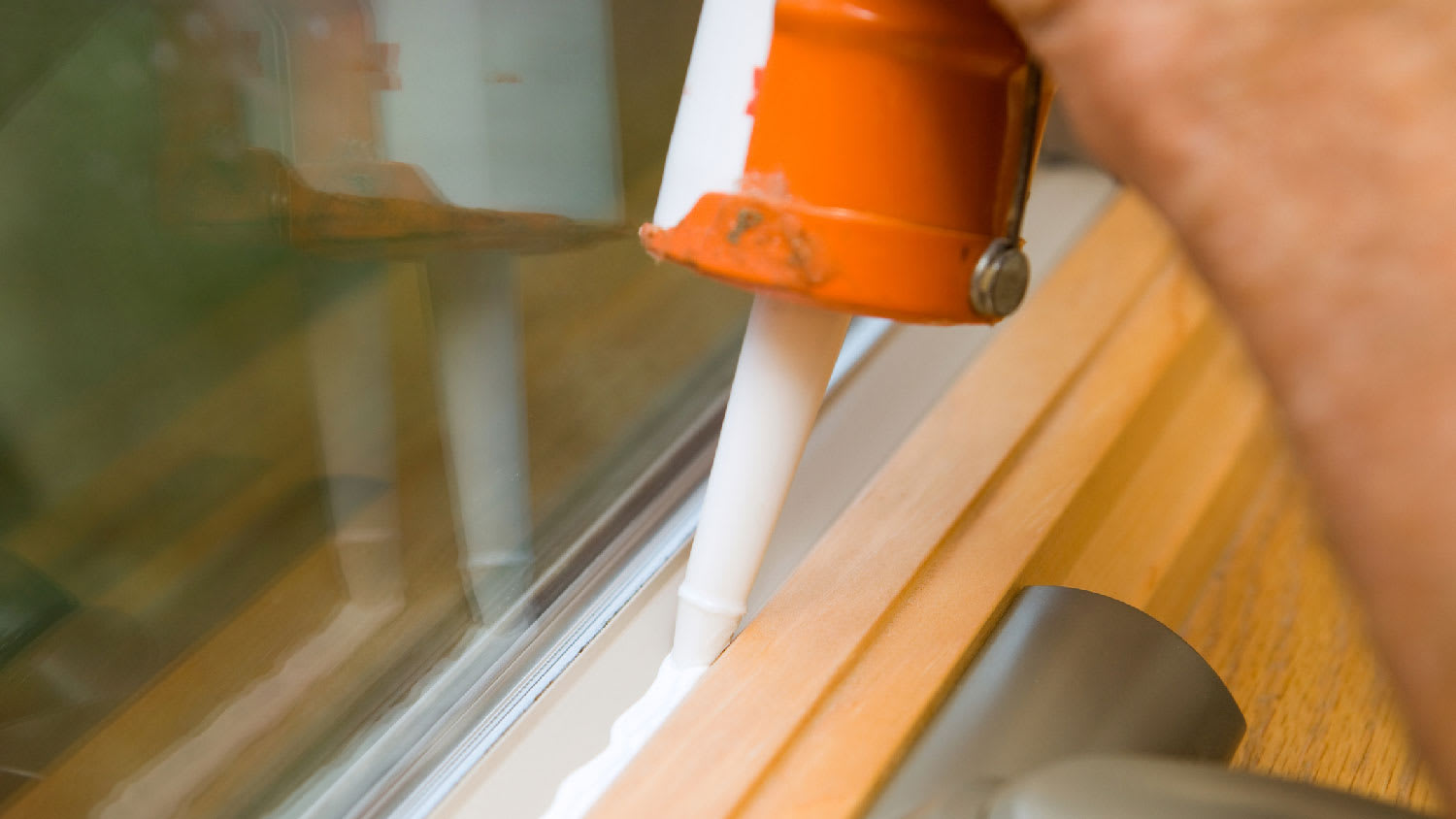
When it's time to winterize or update your frames, who do you call to caulk windows? It turns out that you have a few options, but there's one clear winner.

With so many different types of caulk on the market, how do you know which one is right for your home improvement project? Here’s how to figure it out.
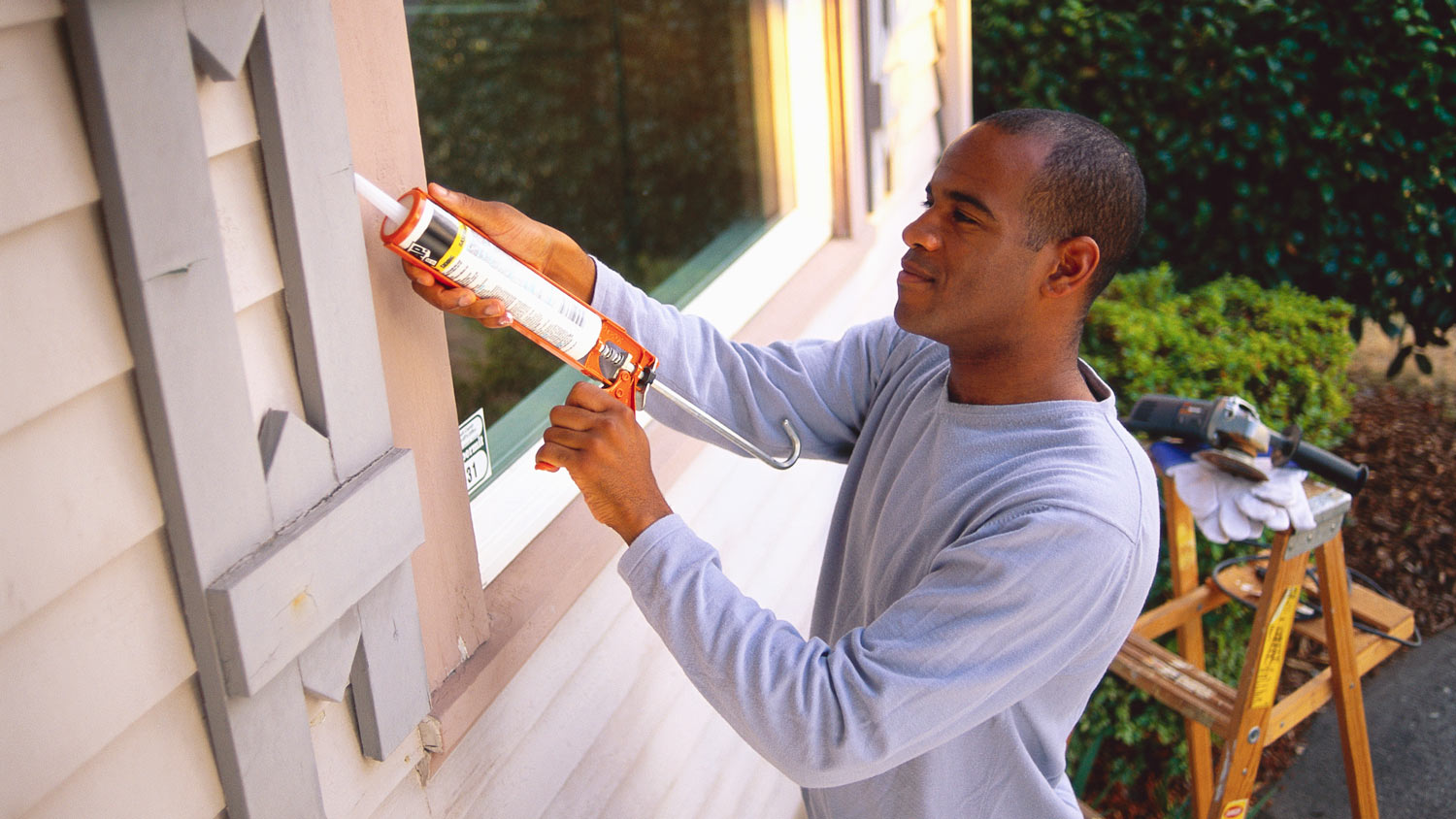
Caulk and sealant are both helpful for closing gaps, but they aren’t the same thing. Find out whether caulk versus sealant is a better choice for your project.
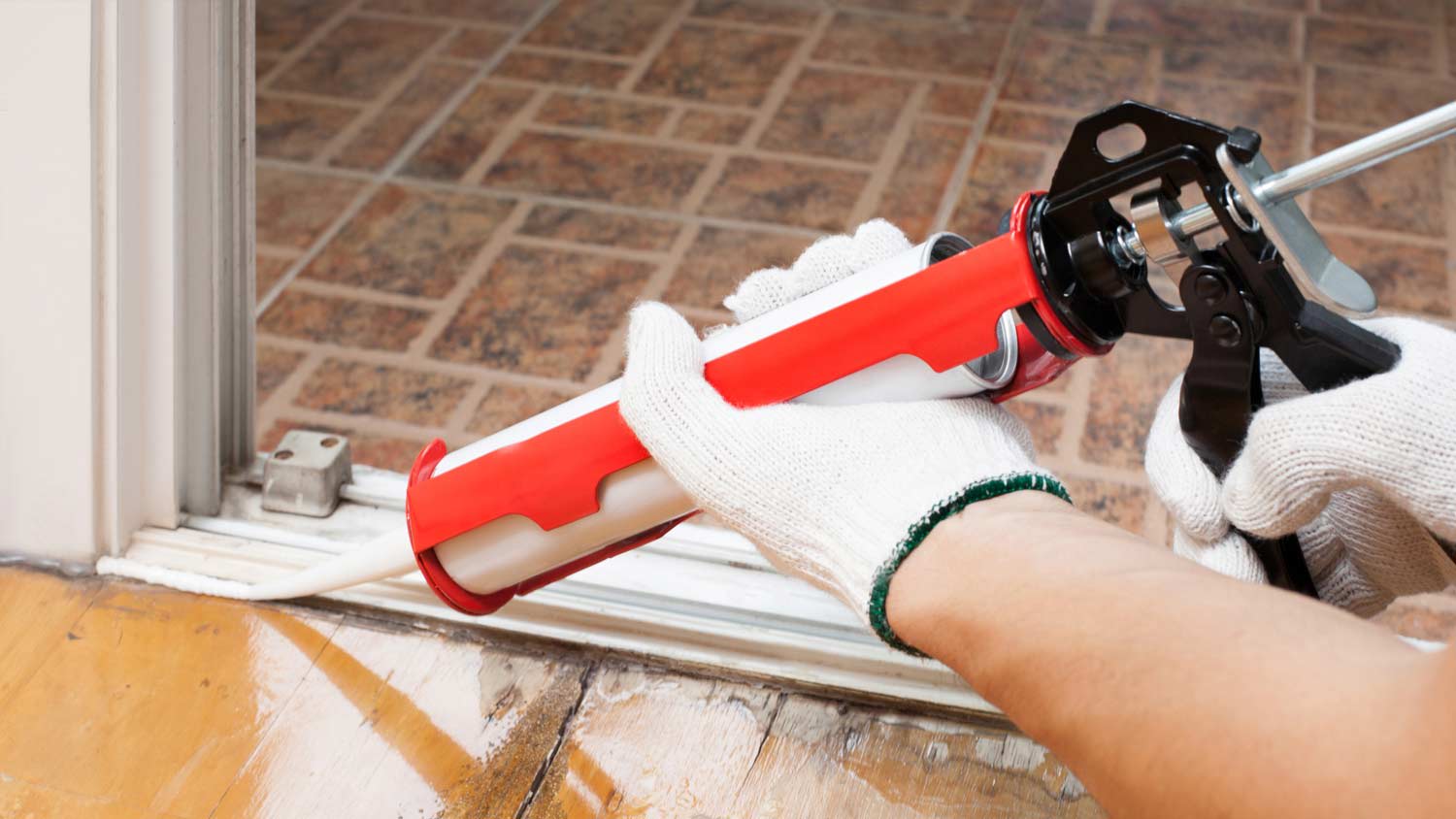
Explore the best caulk alternative options to seal gaps, prevent leaks, and enhance your DIY projects. Find the perfect solution for any application.

Learning how to caulk windows is incredibly easy, so you might be surprised at just how big of an impact it can have on your home.