
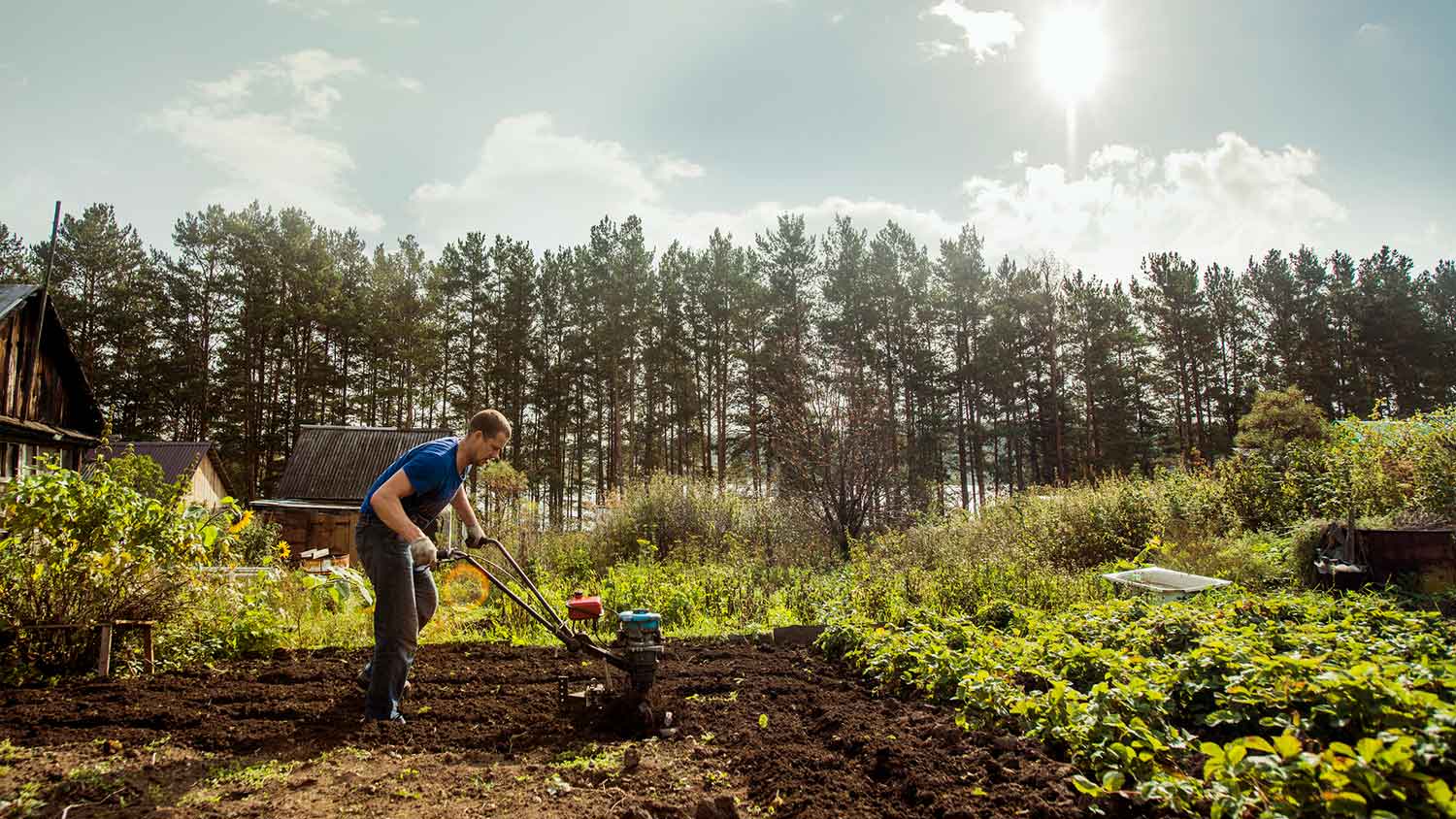
What is a garden tiller? Tilling is crucial for a healthy, aerated soil structure, but what exactly are tillers and how and when do you use one? Keep reading!
Two turf titans go toe-to-toe

A tiller versus an aerator matters because tillers break up and turn over your soil for planting, while aerators poke holes to loosen compacted soil.
Aerator rentals cost under $100 for four hours, while tiller rentals cost under $50 for four hours, making tillers more budget-friendly for one-time use.
Aerators work best for regular lawn maintenance and improving water absorption, while tillers suit reseeding projects or breaking up hard, rocky soil.
Hiring a local lawn aeration professional takes the guesswork out of timing and technique, keeping your lawn healthy without the heavy lifting.
Keeping your lawn and plants happy means ensuring your soil is good. Aerating and tilling are two solid ways to help your soil stay healthy so that your grass can grow big and strong (but not too big, of course). Check out the differences between a tiller versus aerator, explore the pros and cons of each approach, and find out when you should use them in your lawn care maintenance routine.
When comparing tilling versus aerating, you’ll need to understand how each one works and how they impact your lawn’s soil. Below is a look at the pros and cons of aeration and tilling and situations in which they each work best.

A tiller is a device used to break up the outer layer of soil, preparing it for planting. The best time to till will be toward the end of summer when the soil will be at its warmest. When considering whether or not to till your lawn, here are the pros and cons:
| Pros | Cons |
|---|---|
| It breaks up large sections of soil | Frequent tilling can disrupt the structure of your soil, promoting runoff |
| Works great if you’re reseeding your entire lawn | Frequent tilling reduces crop residue, which can cause clogs in the soil, not allowing water to seep through |
| You can rent lawn tillers instead of buying them at home improvement stores | It is time-consuming work |
Best for:
People who plan to start over and reseed their whole lawn or dead areas
People who want to irrigate their soil and need to break up compact soil and rocks
People who need to replace their current soil with compost or a robust topsoil
Tillers do offer some advantages in that they break up large sections of soil easily. This is beneficial if you’re looking to install a sprinkler system, you want to plant new grass seed, or you need to remove larger rocks. It’s also relatively cost-effective in that you can rent a lawn tiller from your local hardware store instead of paying hundreds of dollars to buy one.
There are not many instances in which a tiller is going to help your yard in general lawn maintenance. First off, tilling is laborious. On top of that, tilling disrupts your soil’s structure. Not only can this lead to weed growth, but it also reduces crop residue if you till too much. And without crop residue, your soil is more susceptible to clogs from particles, making it difficult for your new plants to receive the water and nutrients they need.

What is lawn aeration? It’s where you use a device to poke tiny holes all throughout your yard. This process breaks up compacted soil, allowing sunlight, fertilizer, air, and water to seep into the roots of the grass, nourishing and strengthening them. When considering whether or not to aerate your lawn, here are some pros and cons:
| Pros | Cons |
|---|---|
| Alleviates soil compaction | Can be hard work, especially if you have a large lawn |
| Increases moisture absorption | Leaves unsightly soil residue |
| Makes grass/plants stronger and less susceptible to pests and disease | Can cause grass damage if you don’t aerate at the right time |
Best for:
People preparing their soil for the summer or winter months
People who notice runoff on their lawns
People whose lawns have a lot of heavy foot traffic
People who notice patches of discolored grass
One benefit of aerating your lawn is that aeration loosens thatch and breaks up soil compaction. Thatch is a layer of organic material between the grass and soil that can choke grass roots, stopping them from receiving the water and nutrients they need. Aeration also prevents water buildup, which can run off, taking new roots or recently applied fertilizer with it.
The biggest drawback to using an aerator is that it's hard work, particularly if you have a large yard. On top of that, knowing when to aerate your lawn is of utmost importance and can be difficult to figure out if you don’t know your soil and grass type. Aerating during the middle of the dormant season can damage grass seeds, not nourish them.

Now that you have a better idea of the functions and when to use each, here’s a breakdown of which one wins based on key considerations:
Lawn aeration costs differ depending on if you DIY or hire a company to do the work for you. On the DIYing end, you could pay less than $100 for a four-hour rental. Meanwhile, your local lawn aeration specialists will likely charge between $75 and $210, meaning that if you don’t want to do the work, you’ll not be out much more to pay a company to do it.
Meanwhile, lawn tillers will usually cost you less than $50 to rent at your local hardware store for a four-hour rental. Meanwhile, if you pay someone to till your yard, it’ll run you around $60 per hour.
With electric tillers, you can finish a yard of less than 1,000 square feet in just under two hours. By comparison, using a rolling aerator will take around one hour, while electric models get the work done in 15 to 30 minutes.
A tiller isn’t a tool you’re going to use often unless you run a commercial real estate business. In fact, the only time you’re going to till is when you’re reseeding a lawn or breaking up really hard soil or rocks for planting.
Meanwhile, aerating is something you should do once or twice per year. This means that, from an ownership standpoint, it’s much more practical to own an aerator as opposed to a tiller. You’re going to get more use out of it, you’ll have a greener lawn, and it’ll enhance the curb appeal of your home.
D1 Roofing delivers outstanding service from beginning to end, backed by a strong warranty and expert teams. I highly recommend them for their excellence in meeting and surpassing expectations with unmatched communication. Choosing D1 Roofing was flawless decision
 Division 1 Roofing LLC
We had our houses windows and back door replace this summer by Window Depot USA of Central. He gave us grate advise and saved my family lots money. The team did a fantastic job with installation. If you need help, they sure get job done right!
 Window Depot USA of Central Ohio
Wonderful. I am going to have them remove and replace my driveway in the spring.
 All Star Paving and Sealing
We were having 2”x 2” tile installed . There was a small installation error and the new additional replacement tile was from a different lot and the colors didn’t match. Joe assured us that he would rectify everything , which he did without hesitation. We decided to go with the 18” x 36” tile...
 CarifaTile
We had a 20+ year old landscape lighting system that needed replacement. Midwest Lightscapes worked with us to design a much improved lighting system, lighting the exterior of the house and the back yard. Installation of the 45 light system took one and one-half days, and went very smoothly....
 Midwest Lightscapes
Did an amazing job transforming my yard. Also installed sod in places, would recommend to everyone.
 Cardinal Landscaping & Construction LLC
They show up and they did take us on as a client which seems to be a problem with other lawn care providers. We have multiple properties and this one was located close to downtown and no one really wants to mess with it.
The worker came out when he was supposed to come. He informed me he would honor the Angie's List deal, but would not do any more work for me since my son in law owns lawn care company as well, even though they do not do the same type of work. He said he did not feel comfortable giving me...
 Bello Giardino LLC
E & L Lawn Care was super. They were very responsive before and after service. They were efficient and were able to complete the job within 1 day. I have had concern about one section of sod - the owner was pro-active and did a visit to evaluate. I have no doubt they will stand behind...
 E&L lawn care
From average costs to expert advice, get all the answers you need to get your job done.
What is a garden tiller? Tilling is crucial for a healthy, aerated soil structure, but what exactly are tillers and how and when do you use one? Keep reading!
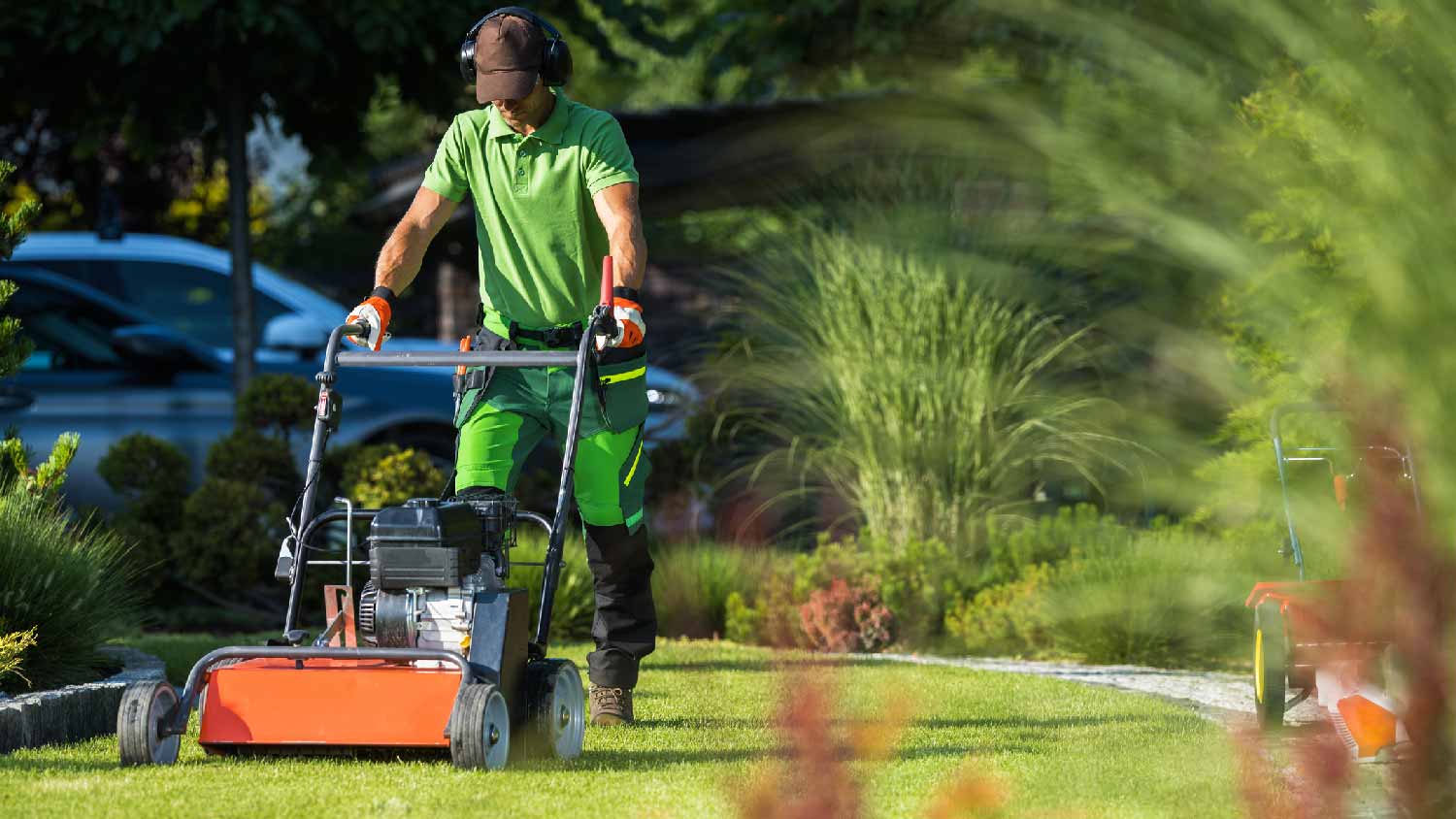
Lawn scarifiers vs. aerators: Which do you need for your lawn, and why? This article explains the differences between these tools, and when to use them.
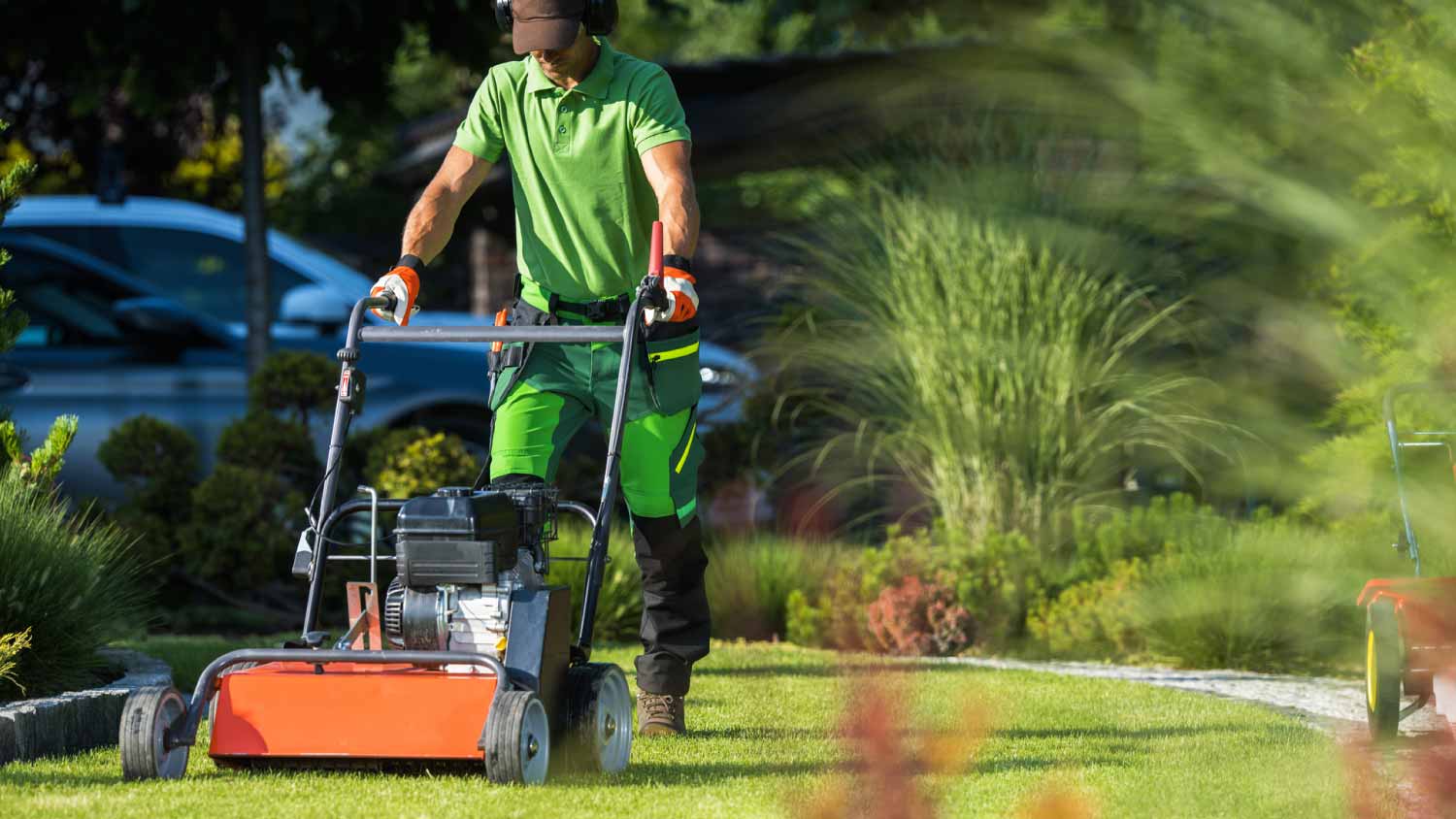
What’s the difference between aerating vs. dethatching your lawn? Learn which method will better suit your grass and give you the yard of your dreams.
Spike vs. plug aerator: which is better and what should you buy? Learn which one is right for you and your lawn with this comparison.
Considering core vs. liquid aeration for your lawn? Use this helpful comparison to learn which one is right for you and your lawn.
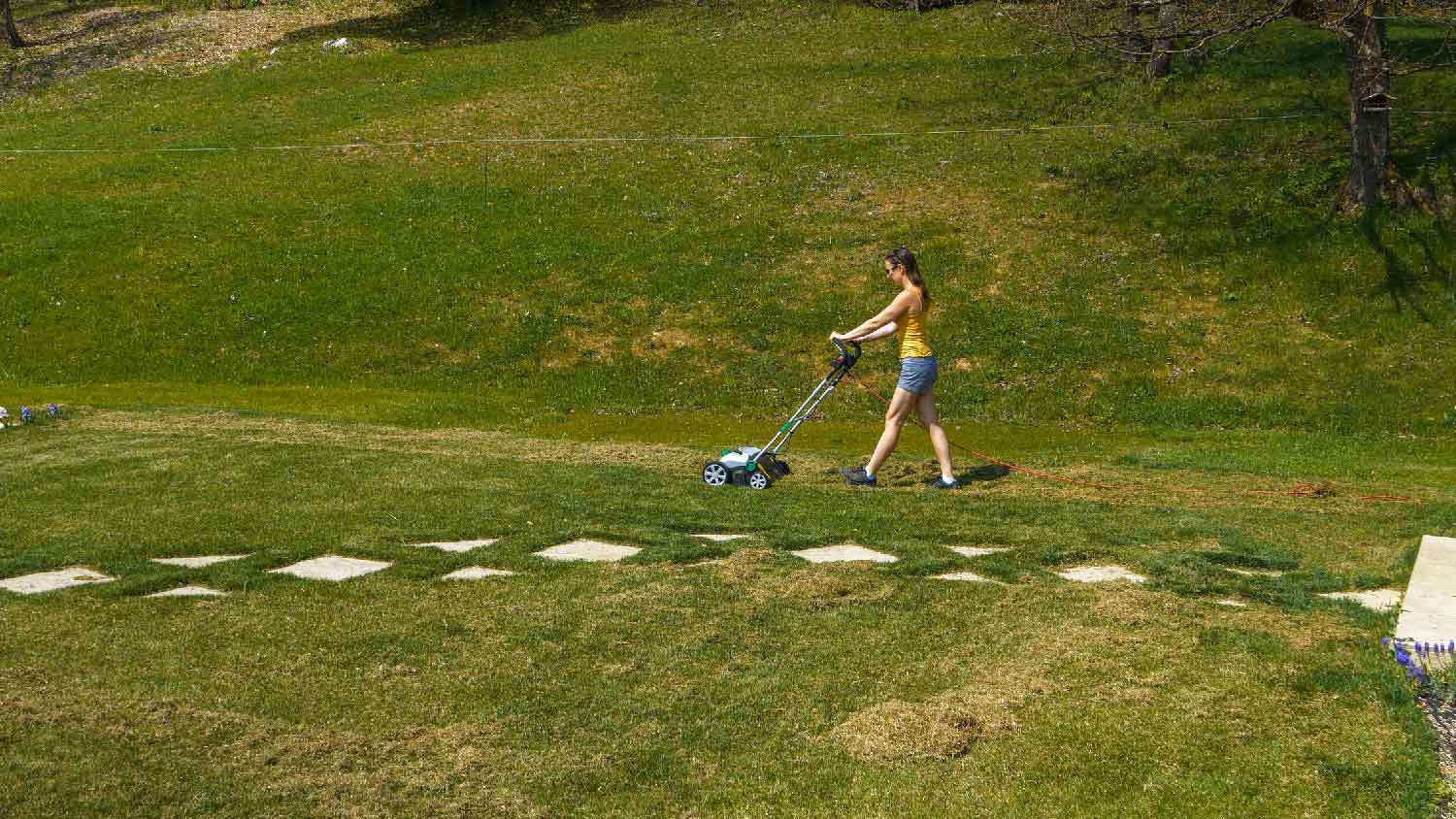
Considering a spike vs. core aerator? Here’s how to make your decision—and other affordable options for savvy gardeners to think about.