
•
Discover average lawn aeration cost, key price factors, and tips to save. Get a clear estimate for your yard and learn how to choose between DIY and hiring a pro.
Let’s air out their differences

Liquid aeration versus core aeration for a lawn both loosen compacted soil, but liquid uses a spray solution while core removes physical soil plugs.
Liquid aeration costs $80 to $150 while core aeration ranges from $75 to $250, with pricing based on your lawn size.
Your best lawn aeration choice depends on soil condition, timing needs, and whether you want faster results or longer-lasting benefits for your yard.
Hiring a local lawn aeration professional takes the guesswork out of choosing the right method, helping you get healthier grass with expert application.
Lawn aeration is a beneficial process that loosens up compacted soil in your yard, creating clearer paths for air to circulate and water and nutrients to reach the lawn’s root system. If your lawn is not as healthy as you’d like it to be, even with regular mowing and fertilizing, aeration can help. There are two main methods of lawn aeration. Core aeration involves pulling out plugs of soil about a half-inch in diameter. Liquid aeration, on the other hand, involves a liquid solution that works more slowly to break up the tight soil.
Here, we’ll walk you through what you need to know about liquid aeration vs. core aeration and most importantly, which is best for your lawn’s needs.
While liquid aeration and core aeration have the same goal for your lawn, both methods have different approaches. Here they are at a glance:
| Type of Difference | Liquid Aeration | Core Aeration |
|---|---|---|
| Method | Liquid solution | Soil plug removal |
| Lawn Preparation | Moist soil | Moist soil; marked |
| Schedule | Annual or as needed | Once or twice a year |
| Effects | Lasts longer | Not long-lasting |
| Average Cost Range | $80–$150 | $75–$250 |

When done properly, either liquid aeration or core aeration will improve your lawn, as well as sustain its healthy growth year after year. However, the way in which those optimal results play out will vary with each method.
Liquid aeration uses a liquid solution containing ammonium lauryl sulfate as the active ingredient. It is mixed with water and then sprayed evenly across the lawn, either hooked up to a garden pump spray or to a regular garden hose.
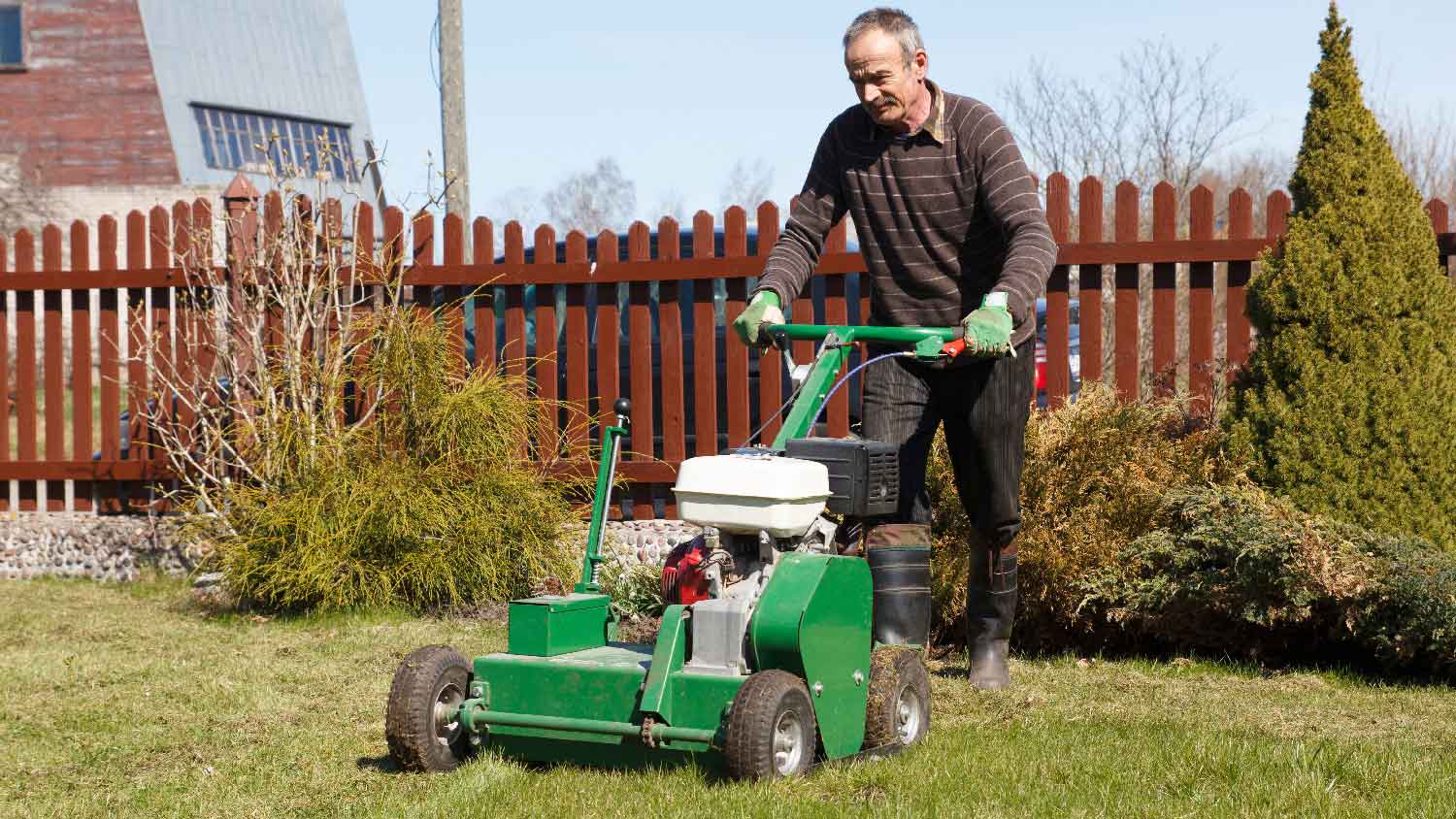
Core aeration requires more work, even if you are using an automatic aerator. That’s because the tool is literally digging out (coring) plugs of soil to create pathways for air, nutrients, and water to more easily reach the roots.

Moist soil is key before either core or liquid aeration. With core aeration in particular, you’ll need to make sure it’s moist enough for the aerator to be able to break through the soil to extract the plugs. You’ll also have to flag any obstacles in your yard, like sprinkler heads, so you don’t damage the core aerator or, more importantly, hurt yourself.
While you are indeed moistening the soil with the liquid aerator, it is beneficial to start with a moist (not wet) lawn beforehand so that the soil can better soak in the solution.
To make it easier for yourself, you might simply wait until the day after a rainstorm to aerate your lawn so that it’s still moist, but not sopping wet.
When to aerate your lawn depends on the method used and the condition of the lawn. Core aeration should be done once or twice a year in the spring and/or fall, depending on the growing season for your region and the type of grass. Liquid aeration can also be done in the spring and fall, but if your grass needs more help, it can be done multiple times as needed.
Both liquid and core aeration will benefit your lawn by breaking through tough, compacted soil—either literally with holes created by a core aerator or by an effective dose of liquid aerator penetrating deep into the soil. However, the timeline of the results will differ for both.
The benefits of core aeration kick in more quickly, because the aerator immediately relieves the compacted soil when it pulls out plugs of dirt. However, as the plugs disintegrate over time, the effects of aeration wear off, which is why it’s important to water and fertilize properly after aeration.
Liquid aeration, on the other hand, takes some time to work. When the liquid solution gets applied to the lawn, it needs time to be absorbed by the ground so it can work its magic on the root system. Because it gets fully absorbed into the ground, the results might be delayed, but they are longer lasting. They’re also cumulative, which means if you add another dose of liquid aerator during the growing season, the benefits will be even greater.
The cost of lawn aeration varies depending on the method used. Liquid aeration is the more inexpensive option, ranging from $80 to $150, while core aeration can range anywhere between $75 and $250. Both prices depend on the size of your lawn. Liquid aeration can be done as needed to achieve better results, while core aeration is only done once or twice a year. Call a lawn professional near you for a more specific quote for your lawn maintenance needs.
D1 Roofing delivers outstanding service from beginning to end, backed by a strong warranty and expert teams. I highly recommend them for their excellence in meeting and surpassing expectations with unmatched communication. Choosing D1 Roofing was flawless decision
 Division 1 Roofing LLC
We had our houses windows and back door replace this summer by Window Depot USA of Central. He gave us grate advise and saved my family lots money. The team did a fantastic job with installation. If you need help, they sure get job done right!
 Window Depot USA of Central Ohio
Wonderful. I am going to have them remove and replace my driveway in the spring.
 All Star Paving and Sealing
We were having 2”x 2” tile installed . There was a small installation error and the new additional replacement tile was from a different lot and the colors didn’t match. Joe assured us that he would rectify everything , which he did without hesitation. We decided to go with the 18” x 36” tile...
 CarifaTile
We had a 20+ year old landscape lighting system that needed replacement. Midwest Lightscapes worked with us to design a much improved lighting system, lighting the exterior of the house and the back yard. Installation of the 45 light system took one and one-half days, and went very smoothly....
 Midwest Lightscapes
Did an amazing job transforming my yard. Also installed sod in places, would recommend to everyone.
 Cardinal Landscaping & Construction LLC
They show up and they did take us on as a client which seems to be a problem with other lawn care providers. We have multiple properties and this one was located close to downtown and no one really wants to mess with it.
The worker came out when he was supposed to come. He informed me he would honor the Angie's List deal, but would not do any more work for me since my son in law owns lawn care company as well, even though they do not do the same type of work. He said he did not feel comfortable giving me...
 Bello Giardino LLC
E & L Lawn Care was super. They were very responsive before and after service. They were efficient and were able to complete the job within 1 day. I have had concern about one section of sod - the owner was pro-active and did a visit to evaluate. I have no doubt they will stand behind...
 E&L lawn care
From average costs to expert advice, get all the answers you need to get your job done.
Discover average lawn aeration cost, key price factors, and tips to save. Get a clear estimate for your yard and learn how to choose between DIY and hiring a pro.
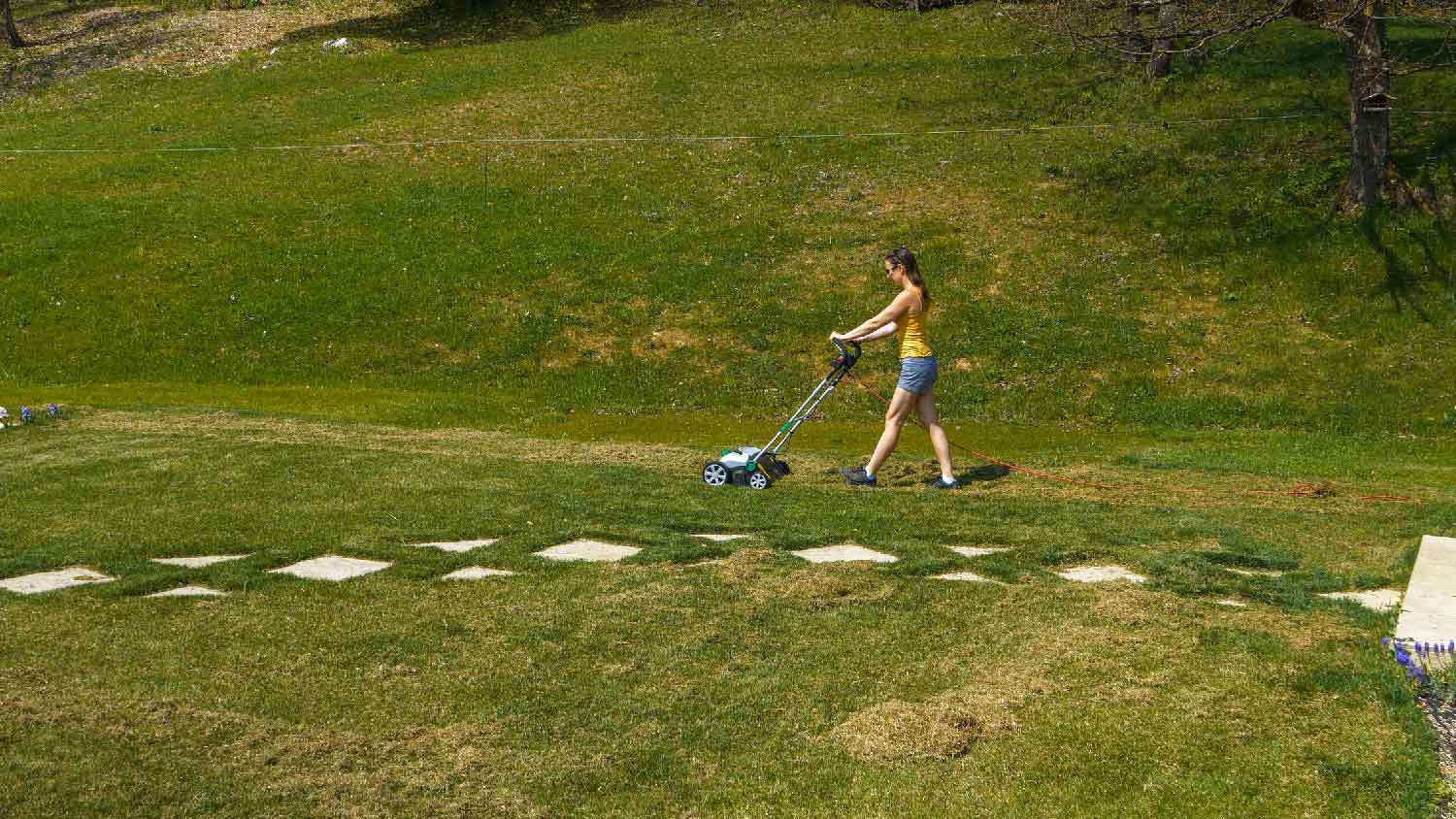
Considering a spike vs. core aerator? Here’s how to make your decision—and other affordable options for savvy gardeners to think about.
If you’re considering an easier lawn aeration method, you may be wondering, “Does liquid aeration work?” We discuss the process and benefits.
What is core aeration, exactly? Check out our guide to learn more about this effective lawn aeration method and figure out if it’s right for you.

Are you wondering, “Who can I hire to aerate my lawn?” Learn how to find and hire a local lawn service to get the job done and make your yard look healthy.
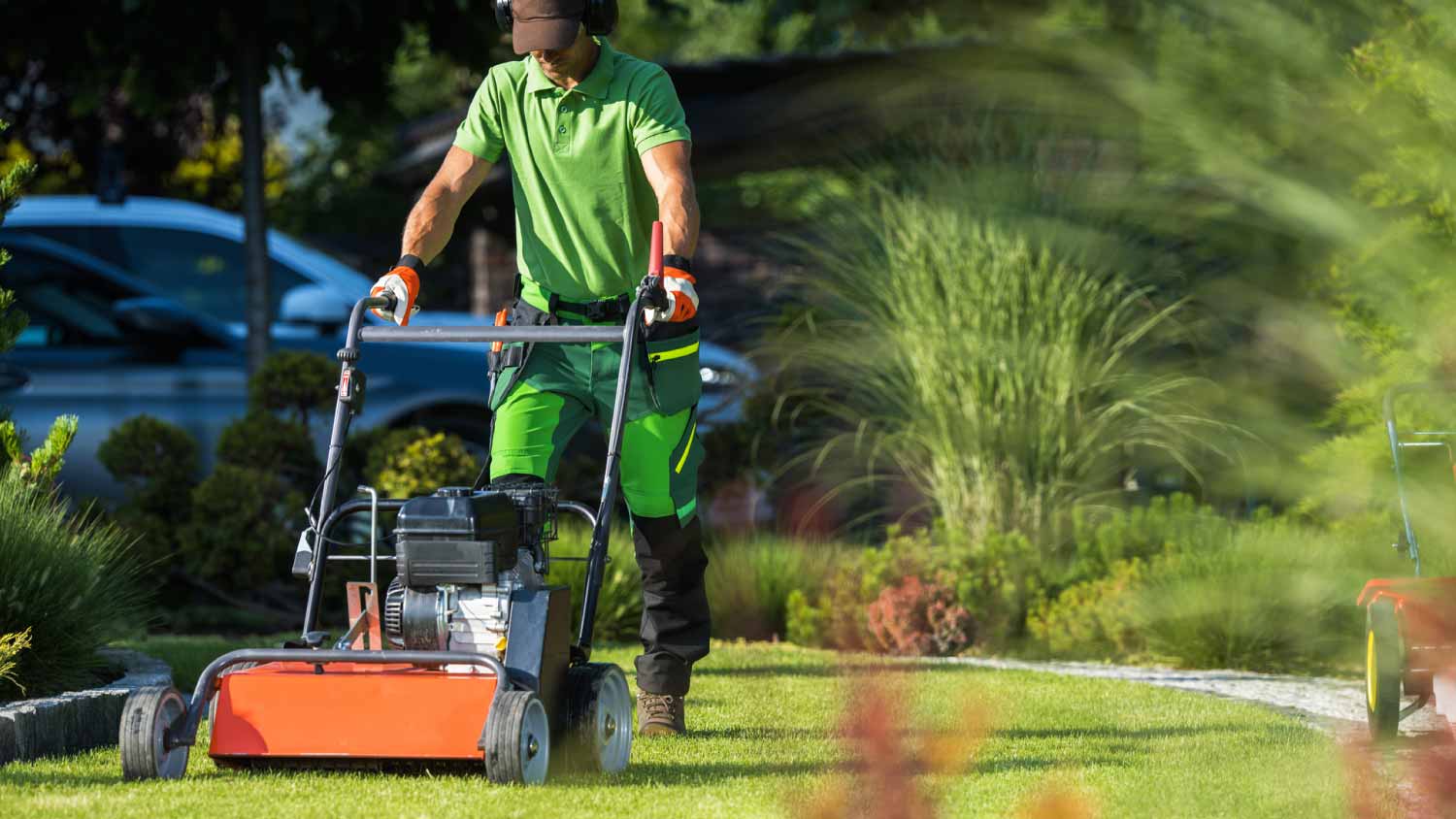
Spike vs. plug aerator: which is better and what should you buy? Learn which one is right for you and your lawn with this comparison.