


Tile varies dramatically in price, but there’s something for every budget. This guide will help you plan for tile installation costs, no matter the project.
Flooring costs depend on your project and location. Check with a local pro for your specific job.

Tile floor installation costs between $800 and $3,000, and your tile choice and room size drive totals.
Your tile type and water-absorption rating affect your project cost, ceramic and vinyl cost less than stone or glass.
You should account for old tile removal, subfloor repairs, and floor leveling, which add $150 or more.
Hiring a local tile floor installation professional ensures your floors are level and polished, reducing wasted materials from cutting errors.
In 2026, the national average cost to install tile floors is $1,900. It often runs from $800 to $3,000, with price driven by room size, tile type, and installation location.

The cost of tile installation varies widely because several factors, from tile type to room size to site conditions, each pull the final price in different directions. The sections below break down how each factor affects what you will pay.
Project size affects your tile floor installation cost because larger rooms require more labor hours and more materials, with tile alone running $0.50 to $35 per square foot depending on the type you choose. The table below compares average material and total tile floor installation costs across seven room sizes, from a half bath to a luxury-sized kitchen:
| Room Size in Square Feet | Room Type | Average Material Cost in 2026 | Average Total Cost in 2026 |
|---|---|---|---|
| 20 | Half bath | $20–$240 | $300–$400 |
| 40 | Full bath | $40–$480 | $600–$800 |
| 70 | Luxury-sized bathroom | $70–$840+ | $1,050–$1,400 |
| 130 | Small kitchen | $130–$1,560 | $1,950–$2,600 |
| 160 | Medium kitchen | $160–$1,920 | $2,400–$3,200 |
| 200 | Large kitchen | $200–$2,400 | $3,000–$4,000 |
| 250 | Luxury-sized kitchen | $250–$3,000+ | $3,750–$5,000 |
Tile floor labor costs $3 to $15 per square foot, though some professional tile contractors charge an hourly rate of $30 to $120 instead.

Tile floor material costs range from $0.50 per square foot for budget ceramic tile to $300 per square foot for premium glass tile. Ceramic and vinyl are the most affordable but are more susceptible to damage, while porcelain tile—the other most common choice—is more durable. Natural stone, marble, slate, and cement cost the most, and natural stone's added durability makes the higher price worth it for homeowners who prioritize longevity.
The table below compares average material costs per square foot across 11 tile types:
| Type of Tile Floor | Average Cost (Per Square Foot) in 2026 |
|---|---|
| Ceramic | $0.50–$7 |
| Porcelain | $3–$10 |
| Vinyl | $1–$3 |
| Natural stone | $5–$35 |
| Marble | $5–$25 |
| Granite | $2–$40 |
| Slate | $10–$16 |
| Travertine | $3–$17 |
| Wood-look porcelain | $3–$12 |
| Cement | $10–$30 |
| Glass | $200–$300 |
Outdoor tile installation costs more than indoor work because exterior projects often require thicker pavers and additional site preparation such as excavation or regrading. Slate tile, for example, runs $10 to $16 per square foot indoors but can reach $9 to $40 per square foot for an outdoor installation.
Tile strength is rated on the Porcelain Enamel Institute (PEI) scale from I to V, with higher-ranked tiles generally being more expensive, though style, design, and manufacturer also influence the final price. Here’s a breakdown of each rating:
Class I: Suitable only for walls
Class II: Ideal for walls and flooring in low-traffic areas
Class III: Good for countertops and moderate foot traffic
Class IV: Ideal for flooring in all parts of a home
Class V: Extra durable and long-lasting, great for high-traffic zones
| Porosity Rating | Best For | Not Suitable For | Average Cost in 2026 |
|---|---|---|---|
| Non-vitreous | Spaces with limited moisture, such as a decorative inlay | Bathrooms, mudrooms, or exteriors | $1–$5 per square foot |
| Semi-vitreous | Rooms with some moisture, such as a laundry room or kitchen | Bathrooms, mudrooms, or exteriors | $4–$8 per square foot |
| Vitreous | Rooms with moisture, such as bathrooms and mudrooms | Exteriors in freezing climates | $4–$8 per square foot |
| Impervious | Rooms with high moisture or frost, such as bathrooms and exteriors | Budget-friendly applications | $5–$10 per square foot |

Tile size affects project cost, and choosing slabs over standard tiles adds a meaningful premium regardless of material. Marble tiles, for instance, run $5 to $25 per square foot, while marble slabs cost $10 to $50 per square foot. Common floor tile sizes include 12-by-12, 16-by-16, and 12-by-24 inches, while slabs typically start at 24-by-24 inches and can reach as large as 4-by-8 feet. The table below shows how tile size affects cost:
| Tile Size in Inches | Average Cost in 2026 |
|---|---|
| 12 x 12 | $0.50–$25 |
| 16 x 16 | $2.50–$30 |
| 12 x 24 | $3.50–$50 |
| 24 x 24 | $4–$60 |
| 24 x 48 | $5–$70 |
| 48 x 48 | $7–$80 |
If you have existing tile floors, removal is a required first step before new installation can begin, and the cost to remove tile floors runs about $5 per square foot, covering both the removal work and any subfloor damage that occurs in the process.
A sturdy, uniform subfloor is essential for a successful tile installation, and any damaged or uneven subfloor must be repaired, replaced, or resurfaced before work begins. Repair or replacement runs $40 to $65 per square foot, with resurfacing adding another $3 to $10 per square foot.
Floor leveling is a necessary step before tiling in most projects, and skipping it risks an uneven, flawed finished surface. Expect to pay $2 to $30 per square foot for this work.
Oddly shaped spaces or areas exposed to uncommon elements, such as a room adjacent to a fireplace, can increase tile installation costs beyond standard estimates. Consult a tile contractor to get an accurate picture of how your specific layout and conditions will affect the total.

While it’s possible to install new tile floors yourself, you’ll almost certainly get a better result when you hire a local floor tile contractor. These experts have the tools and equipment needed to ensure safe work and an outstanding end result, offering higher home values and a longer-lasting floor in your home. While tile floor pros add about $4 to $30 per square foot to this project, their expertise means the costs are more than worth it.
There are several reasons to work with an expert when installing tile floors, such as:
Completing the flooring installation much more quickly
Reducing wasted materials due to cutting errors and breakage
Getting a professional, polished look for your completed floors
Accessing wholesale prices on quality tile materials
Help with subfloor repairs, if needed

Now that you know a bit more about the costs involved in installing tile floors, here are a few tricks to help you stay within your budget.
Choose a budget-friendly material, such as vinyl or ceramic.
Opt for standard-sized tiles instead of custom.
Go with a simple floor pattern.
Test your tile on a small space first before buying more material.
Pick larger tiles to reduce labor costs.
Remove old flooring yourself.
Home is the most important place on earth, which is why Angi has helped more than 150 million homeowners transform their houses into homes they adore. To help homeowners with their next project, Angi provides readers with the most accurate cost data and upholds strict editorial standards. We extensively research project costs to develop the pricing data you see, so you can make the best decisions for you and your home. We rely on reputable sources, including the U.S. Bureau of Labor Statistics, academic journals, market studies, and interviews with industry experts—all to ensure our prices reflect real-world projects.
Want to help us improve our cost data? Send us a recent project quote to [email protected]. Quotes and personal information will not be shared publicly.
Consult with your pro on materials to find one that strikes a balance between your budget and desired look
See if your professional is available to perform subfloor services and other structural repairs, if needed
Consider tile strength classifications to ensure your chosen materials will be durable and long-lasting
If you’re good people wanting to do business with good people, hire Matt. He is a consummate professional and utterly competent. He installed a water heater in my home at a price that beat competitors by hundreds of dollars with a promise to support the unit for its life (even after its 6 yr...
 Greene's Plumbing Services
Joseph did a great job with the staircase and trim. Timely and efficient, clear communication about the work, very fair pricing. For the stairs in particular, done very skillfully in an old house (1893) in a tight spiral, and very creative with how to do the handrail. Did a nice job with...
 Vouis Trim Carpentry L.L.C.
This company does it right. Firstly, I want to say that Landan was a joy to work with. He was so kind, transparent, and had everything under control. His entire team showed up ready to work and they were all very respectful of the fact that we were in an office space. A little backstory – we...
 Krumlauf Floors
Finished Basements Plus was wonderful from beginning to end! First, they came out quickly for an estimate. I had 4 estimates and theirs was by far the best. (2 of the estimates were more than $20K higher than for the exact same work). Beyond their fair pricing, the work was excellent. They...
 Finished Basements Plus Inc.
Very professional, knowledgeable and helpful! Completed the install on time and as expected.
 Ward's Services
Cole has been handling plumbing and general contracting for our four properties over the past three years, and he’s always done a great job. Most recently, he installed a sink and countertop in our retail store where none existed before, and it turned out exactly how we needed. He’s...
 ANB Renovations LLC
Excellent, Prompt, Courteous Service!!! They were super friendly and quite personable. I felt very comfortable with the gentlemen that did the installation. They installed it exactly where I asked them to and they did an excellent job!! I loved their service so much.
 Tether House
Window Depot did an amazing job installing the windows in my basement! The process from start to finish was by far more than what I expected. I would highly recommend Window Depot if you want professionalism from the the consultation to the installation. Dont settle for mediocre when you can...
 Window Depot USA of Central Ohio
AFS was excellent from start to finish. Jess, the sales associate, was fantastic...very knowledgeable and very professional. The installation crew was excellent. I couldn't be more pleased with the process. Best of all, my new floor looks fantastic!
 America's Floor Source
We were having 2”x 2” tile installed . There was a small installation error and the new additional replacement tile was from a different lot and the colors didn’t match. Joe assured us that he would rectify everything , which he did without hesitation. We decided to go with the 18” x 36” tile...
 CarifaTile
From average costs to expert advice, get all the answers you need to get your job done.
Tile varies dramatically in price, but there’s something for every budget. This guide will help you plan for tile installation costs, no matter the project.
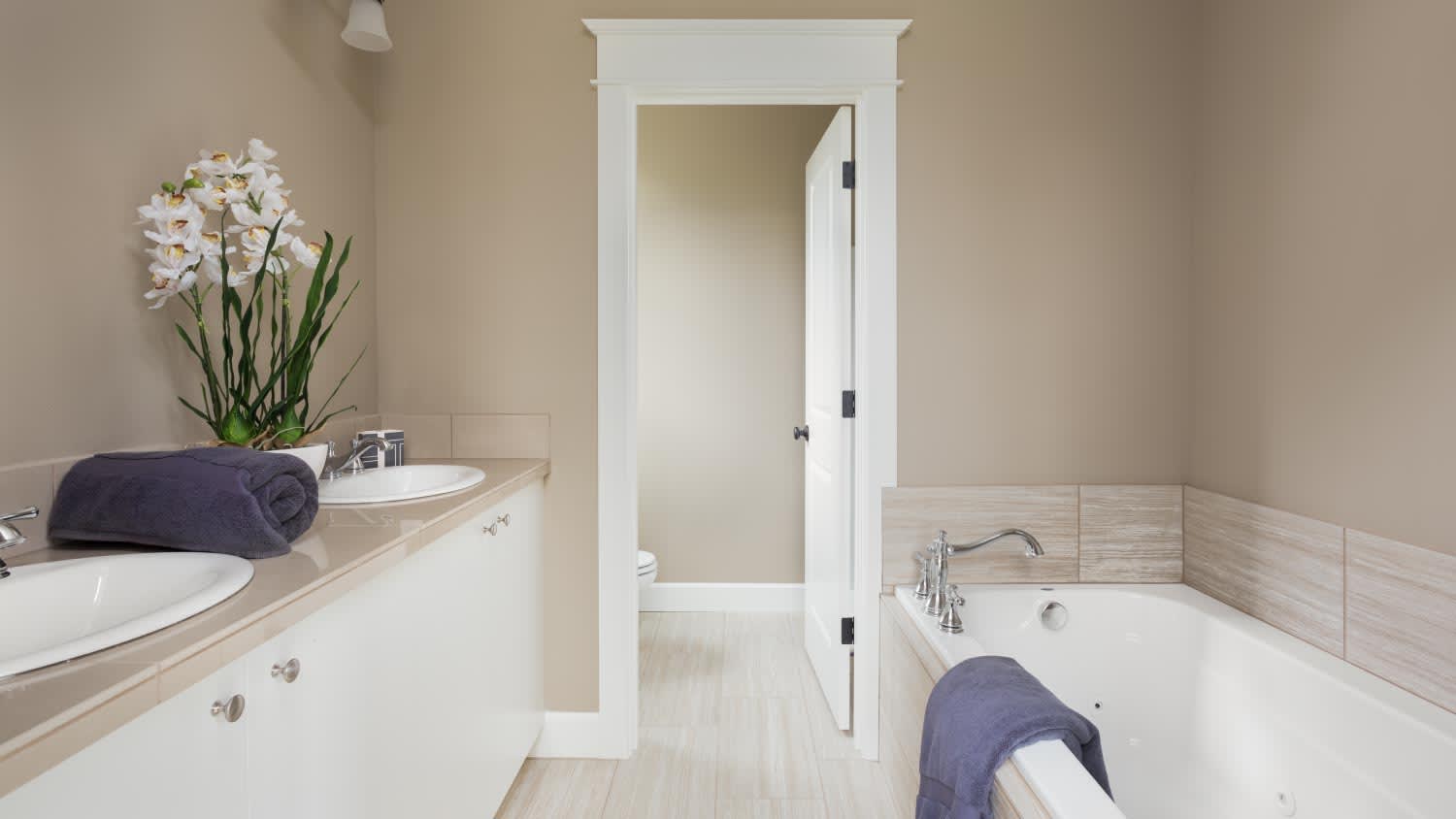
The cost to install porcelain tile depends on materials, size, and whether you DIY or hire a pro. This guide will help you choose the perfect porcelain tile for your home and budget.
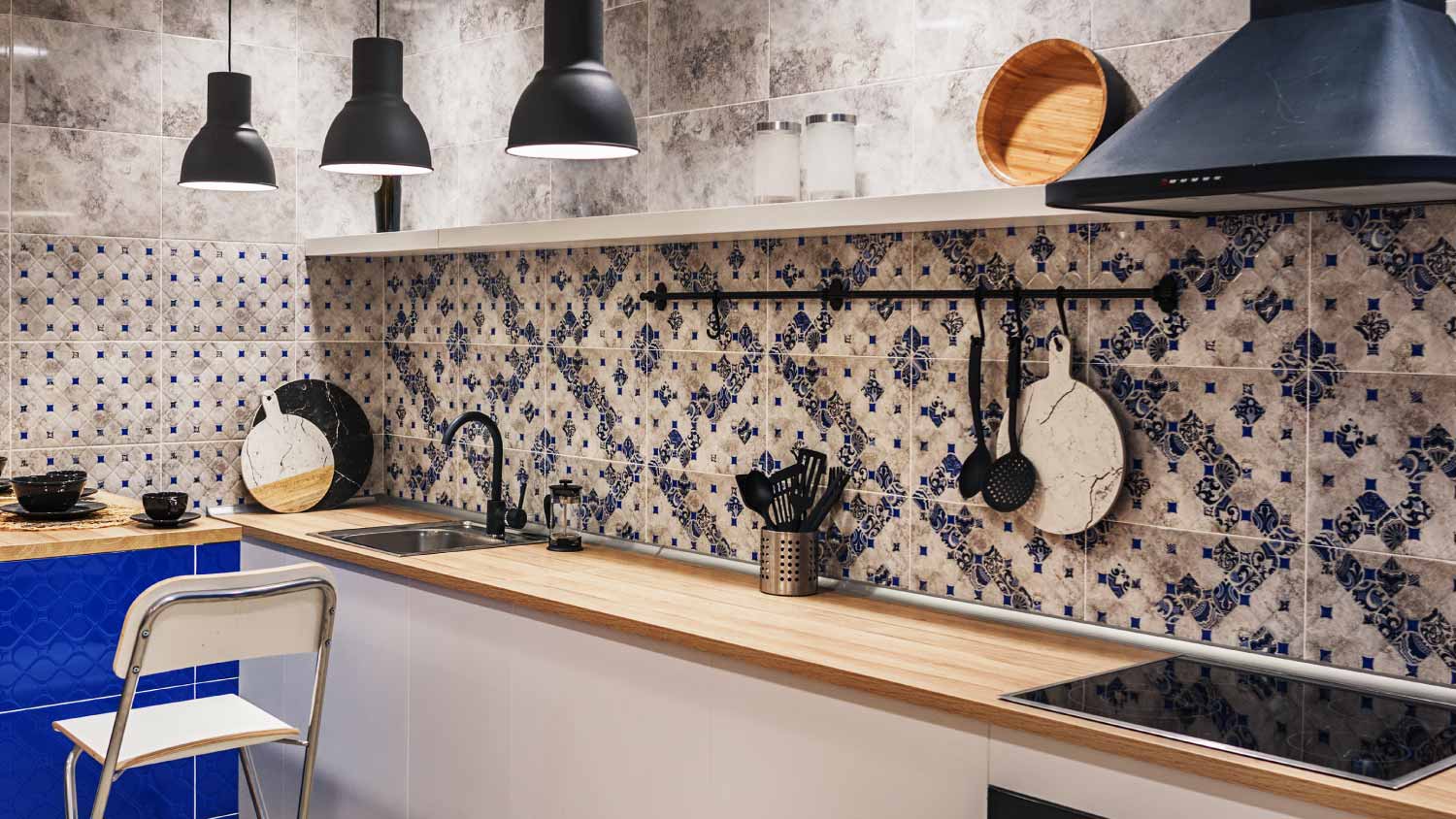
Whether it’s on your floor, walls, or shower, ceramic tile can add style to your space. So, how much does ceramic tile installation cost? Let’s break it down.
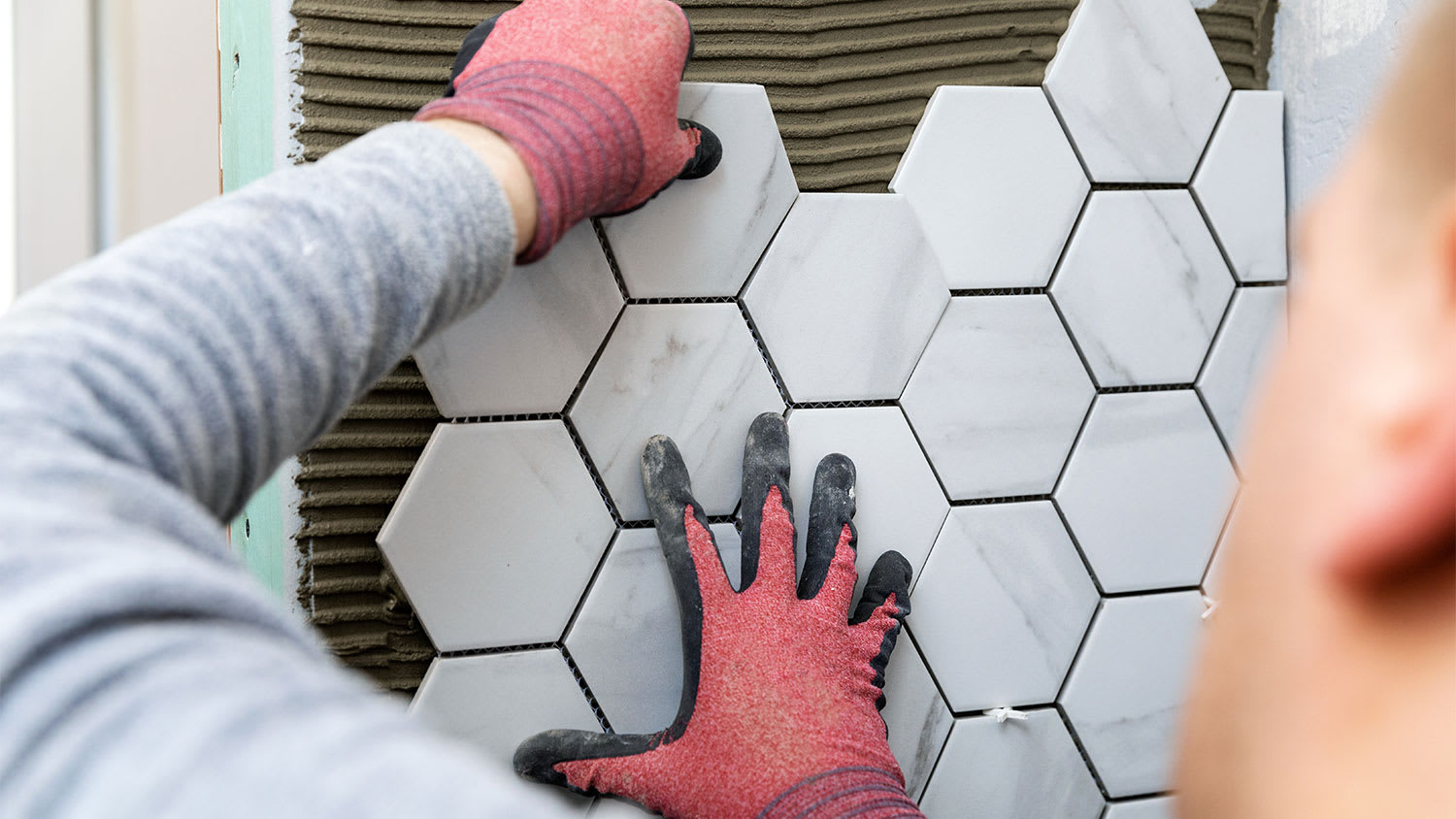
Learn how to hire a qualified tile installer with confidence. Find tips on vetting pros, questions to ask, and what to expect from your tile project.
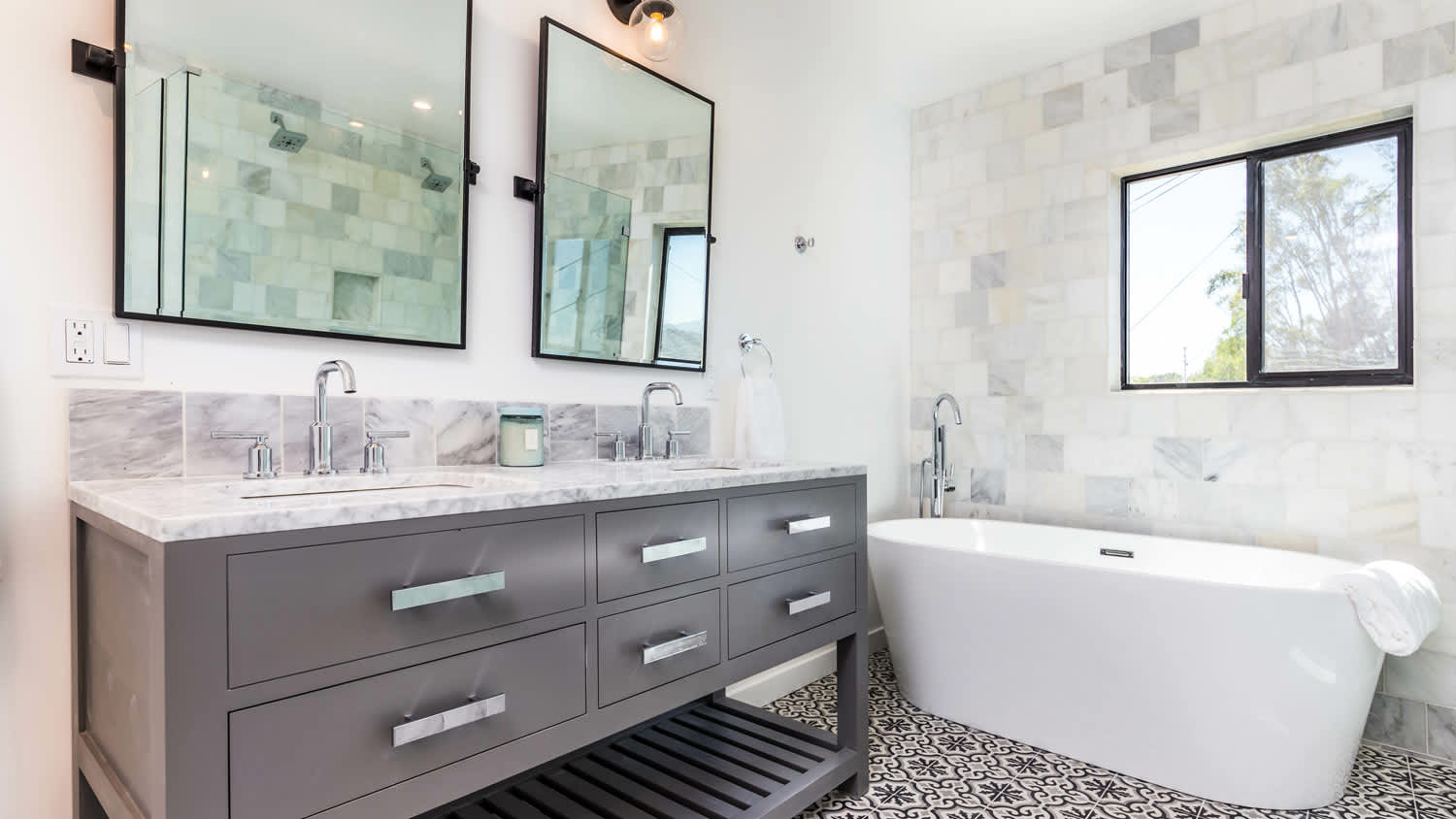
This article explores the benefits of hiring a tile contractor to install tile for a bathroom remodel. Here’s what you need to know to find the right pro for your project.

Who to hire for stone tile and marble installation? Learn which pros handle the work, what they do, and how to compare your options. Start here.