

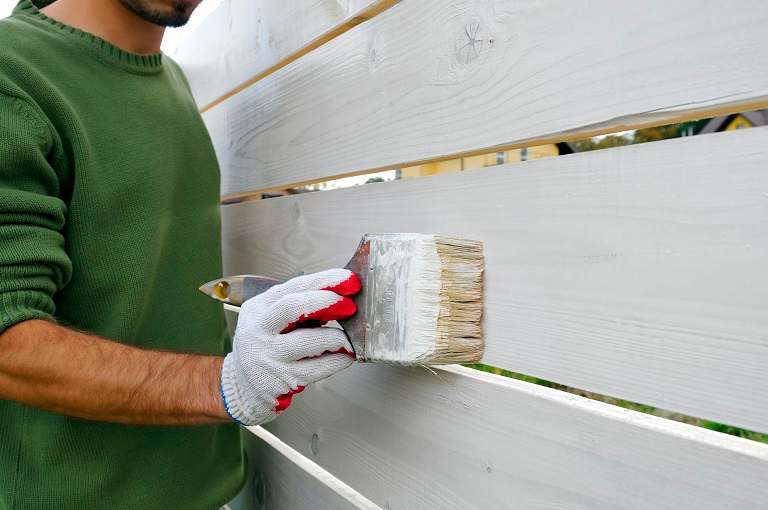
Looking to give your fence a refresh? This guide explores the cost to stain a fence—and the cost to paint it, too— so you can budget for your project.
Fencing service costs depend on your project and location. Check with a local pro for your specific job.

Vinyl fence installation costs $2,340 to $6,001, and your style, height, and length set your final price.
Your yard slope, soil, and obstacles affect labor time, while fence thickness and add-ons raise material needs.
Plan for your gate installation at $300 to $1,500, plus separate old fence removal and disposal charges.
Hiring a local vinyl fence installation professional ensures precise layout and strong posts, helping you avoid repairs later.
In 2026, the national average cost of vinyl fence installation is $4,164, based on 5,504 verified projects from Angi Pros. Most homeowners pay between $2,340 and $6,001, with style, labor needs, and total fence length driving the spread. Most vinyl fences cost $15 to $40 per linear foot, and adding a gate runs $300 to $1,500 on top of that.
Vinyl fence installation runs $15 to $40 per linear foot for a standard 4- or 6-foot-tall fence, covering both materials and labor. Materials account for $10 to $30 per linear foot, while labor adds $5 to $10 per linear foot on top of that. Factors like how level your lawn is, your chosen fence style, and extras such as additional gates can push labor rates up to $35 to $50 per hour. The table below breaks down the average cost of vinyl fencing per linear foot:
| Linear Foot | Average Cost |
|---|---|
| 4 | $60–$160 |
| 6 | $90–$240 |
| 8 | $120–$320 |
| 10 | $150–$400 |
| 12 | $180–$480 |
Vinyl fence installation costs vary by state, with labor and materials running higher in areas with a greater cost of living. The table below breaks down average vinyl fencing costs by state:
| State | Average Cost to Install (Per Linear Foot) in 2026 |
|---|---|
| California | $25–$50 |
| Texas | $20–$40 |
| Florida | $22–$45 |
| New York | $30–$60 |
| Illinois | $25–$50 |
| Pennsylvania | $20–$45 |
| Arizona | $22–$50 |
| Ohio | $20–$40 |
| North Carolina | $20–$42 |
| Georgia | $20–$43 |
Beyond fence size and basic installation, several additional factors can meaningfully affect your total vinyl fence budget.
A vinyl fence contractor charges $5 to $10 per linear foot for labor, covering the full scope of work from planning the fence layout and digging post holes to installing panels, adding post tops, and hanging a gate.
Fence height is one of the most direct cost drivers in vinyl fence installation, with a 6-foot fence running $25 to $40 per linear foot. Consider your priorities around curb appeal, privacy, and safety when deciding which height best fits your property.
Vinyl fence posts average $25 each, and the number you need depends on your panel width. A 100-foot fence requires 14 posts with 8-foot panels but 18 posts with 6-foot panels. Wider panels cost more upfront but deliver better overall value by reducing the post count and the associated labor and cement required to dig and fill each hole. Local building codes can also influence your post costs by mandating specific spacing and burial depth requirements.
Vinyl fence gates cost $300 to $1,500 to purchase and install, with prices rising for high-end features or when matching the gate to an existing fence proves difficult.
Upgrading beyond a standard white vinyl fence can add $1 to $30 per linear foot to your installation costs, depending on the enhancements you choose.
Color: A manufacturer's standard white line might cost $25 per linear foot, whereas their wood-grain or black finishes could cost $40 to $60 per linear foot.
Thickness: Residential vinyl fences are 0.135 to 0.150 inches thick. While thinner ones cost less, they don't always last as long and might not survive in strong winds.
Hardware: Opting for designer-grade rather than builder-grade handles, hinges, and posts bumps up prices. They won't be more functional, but they might look sleeker.
Decorative embellishments: If you want a polished, unique finish, you might want to shell out for design elements like latticework, woven patterns, lights, or post caps.
If you have an existing fence to take down, hiring a pro for fence removal costs typically runs $3 to $5 per linear foot.
A stump sitting in your fence line will cost around $100 to $150 to remove, while full tree removal costs an average of $750.
The style you choose is a key factor in your vinyl fence cost, and the three most popular options are picket, three-rail, and privacy fence. The table below breaks down average vinyl fence costs across different styles:
| Vinyl Fence Style | Description | Average Cost per Linear Foot in 2026 |
|---|---|---|
| Picket | Short fence, Americana vibe | $14–$20 |
| Three-rail | Three horizontal rails between posts, charming and homey | $15–$25 |
| Privacy | Provides separation and security, little space between panels | $25–$60 |
Even a well-installed vinyl fence will need occasional upkeep, with repairs averaging $30 per foot for wind damage or general wear. Keeping the fence clean extends its life, and the average cost to pressure wash a fence is $225.

Wood fencing is generally less costly than vinyl, and if you install a wood fence, you can save on labor by planning carefully and building the right skills. Vinyl fence is a key driver of overall cost, as the breakdown below shows:
| Vinyl Fence | Wood Fence |
|---|---|
| Low maintenance | Regular cleaning, staining, and replacement required |
| Synthetic materials for a sleek appearance | Natural look |
| More costly | Less costly |
| Susceptible to sun damage | Potential rot, warping, and decay from weather damage |
Hiring a professional vinyl fence installer costs more upfront, but you benefit from faster installation, precise alignment, and a durable, long-lasting fence. Pros bring specialized tools and experience, making the process smoother and often saving you money on mistakes or repairs.
Installing a vinyl fence is a detailed project that requires expertise and careful planning. Here are some of the top reasons to work with a pro:
Fence installers ensure posts, panels, gates, and surrounding property aren’t damaged during installation.
They have the tools and techniques needed to level posts, secure panels, and properly anchor your fence.
Working with a pro ensures your fence is straight, sturdy, and installed correctly, reducing the risk of costly repairs.
Bundling fence installation with gate hardware or landscaping preparation can save on overall project costs.
If you want to take on parts of the project yourself, here are a few DIY tasks that can help save time and labor costs:
Clear and level the area where the fence will be installed, removing rocks, debris, or vegetation.
Mark your property lines and fence layout in advance to guide the installers.
Remove obstacles like furniture, tools, or garden features that could interfere with the installation.
Installing a vinyl fence can enhance your yard’s privacy, security, and overall aesthetic, but costs can add up quickly if you’re not careful. Fortunately, there are some simple ways to manage your expenses and still get the look you want. Here’s how you can keep your vinyl fence project budget-friendly:
Get multiple quotes: Reach out to several fencing professionals to gather quotes. This not only helps you find the best deal but also gives you a sense of fair market pricing. Make sure to verify reviews and expertise before committing to a contractor.
Consider DIY: If the project is straightforward—such as a short, level fence with no complex corners or gates—you might save on labor costs by installing the fence yourself. Most vinyl fencing systems come with easy-to-follow instructions.
Opt for standard styles and colors: Customizations like wood-grain textures, uncommon colors, or intricate patterns can quickly add to your project costs. Stick with standard white panels and common styles to save money.
Plan your layout: Take time to measure your yard and plan the layout efficiently. You can easily reduce material and labor costs by avoiding irregular layouts. Also, use longer fence panels wherever possible to reduce the number of posts you’ll need.
Hire during off-peak seasons: Fencing contractors sometimes lower their prices during the traditionally slower months like late fall and winter. Scheduling your installation during these times might lead to lower labor costs.
Remove obstacles yourself: If there’s an old fence or tree in the way, you can save on removal fees by tackling these tasks yourself. Renting tools like post hole diggers or stump grinders may still be cheaper than paying a pro.
These simple strategies can keep the cost of your vinyl fence installation under control while still giving your home a long-lasting and great-looking outdoor feature.
While the return on investment (ROI) for a wood fence can decrease after the first five years due to wear and tear and damage from weather, vinyl fences stand up better over time. You can expect a well-maintained fence to have an ROI of about 30% to 40%. Moreover, your fence can add to the curb appeal of your home and provide an increased sense of security and a safe place for children and pets to enjoy the yard.
For these reasons, a fence can be a worthwhile addition to your home. On the flip side, a poorly maintained fence can lower your home value because it can affect the overall appearance of your property and discourage potential buyers.
Fences are primarily a means of privacy, but they’re also helpful for homeowners with pets. They are not designed to keep people out. If you’re looking to increase your home’s security, we recommend other methods, such as installing security cameras.

Be ready to provide details about your property, including boundary lines, soil conditions, and any existing obstacles, as these factors help your pro determine the best fence layout and installation method.
If your budget allows, ask your pro about optional upgrades like decorative post caps, gates, privacy panels, or reinforced posts for added durability.
Be prepared for unexpected costs, such as addressing uneven terrain, removing old fencing, or encountering underground utilities that require rerouting.
Discuss your timeline and site accessibility with your pro, as yard layout, weather conditions, and required permits can affect how long the installation takes.
Home is the most important place on earth, which is why Angi has helped more than 150 million homeowners transform their houses into homes they adore. To help homeowners with their next project, Angi provides readers with the most accurate cost data and upholds strict editorial standards. We’ve surveyed thousands of real Angi customers about their project costs to develop the pricing data you see, so you can make the best decisions for you and your home. We pair this data with research from reputable sources, including the U.S. Bureau of Labor Statistics, academic journals, market studies, and interviews with industry experts—all to ensure our prices reflect real-world projects.
Want to help us improve our cost data? Send us a recent project quote to [email protected]. Quotes and personal information will not be shared publicly.
A reliable team for moves across state. My switch to a new place needed careful lifting through tight hallways. The movers checked the doorway first, then carried heavier pieces with slow, controlled movements. Their patience helped prevent damage, and I?d choose them again.
We have used Window Warriors many times with no issues. They arrived on time and were very professional . We have pets and Window Warrior team treated them very well, well trusted team.
 Window Warrior of Columbus, Inc.
We have bought and sold numerous times over the past 50 years. Sherman Hall and Top Line are top notch. Thorough and detailed, he explains every possibility, probability, and eventuality. High class and pleasant. The best.
 Top Line Home Inspections, LLC
Our homes curb appeal skyrocketed thanks to Custom Paint Jobs LLC s exterior painting.
 Custom Paint Jobs, LLC
Window Depot did an amazing job on my deck. I wasnt sure what I wanted to do, but their composite decking was affordable and will last a long time. I am excited to have family over, and I am no longer embarrassed by my backyard. Jeff and the ground crew were polite, respectful, and caring for...
 Window Depot USA of Central Ohio
Storms Mobile Welding was great to work with. They were prompt, professional and did an overall excellent job on the project. I highly recommend.
Great job...edging and pre clean up went well with a great job with seal coat. Friendly, efficient and professional.
 All Star Paving and Sealing
Did an amazing job transforming my yard. Also installed sod in places, would recommend to everyone.
 Cardinal Landscaping & Construction LLC
We hired Andrew and the team from Midwest Lightscapes for a custom lighting design and installation on a Victorian Village home. The house had outdated low-voltage halogen outdoor lights and many of them were not working. Andrew designed and installed a new system including uplighting on the...
 Midwest Lightscapes
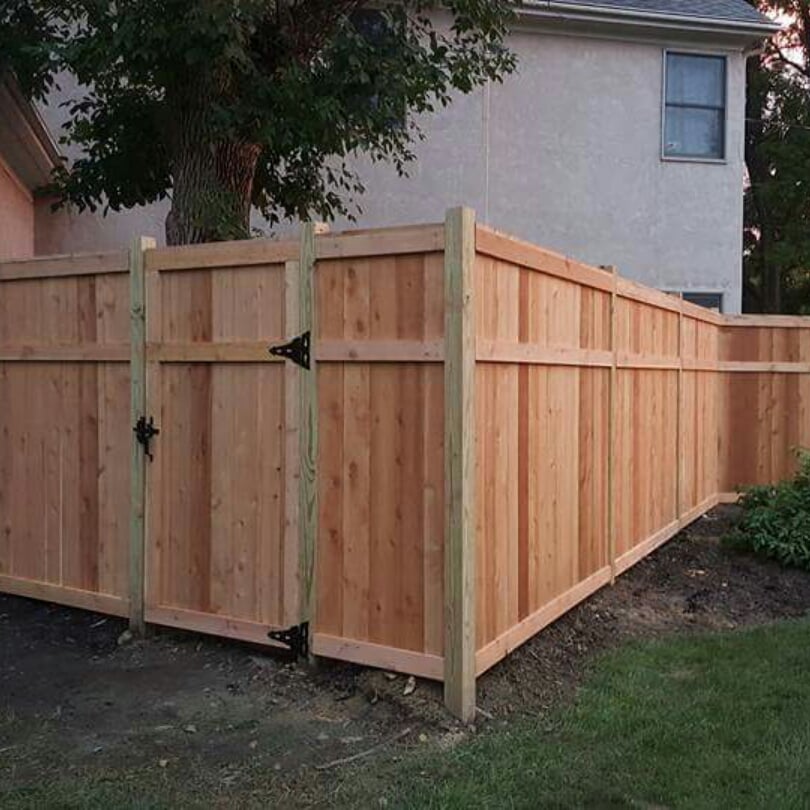
The work was completed in a day and a half. They cut small trees, pulled out an old swing set, pulled out railroad ties and left the place spotless when the job was complete. I am very happy with the fence and their efforts were above and beyond my expectations.
 Elite Fence
From average costs to expert advice, get all the answers you need to get your job done.
Looking to give your fence a refresh? This guide explores the cost to stain a fence—and the cost to paint it, too— so you can budget for your project.
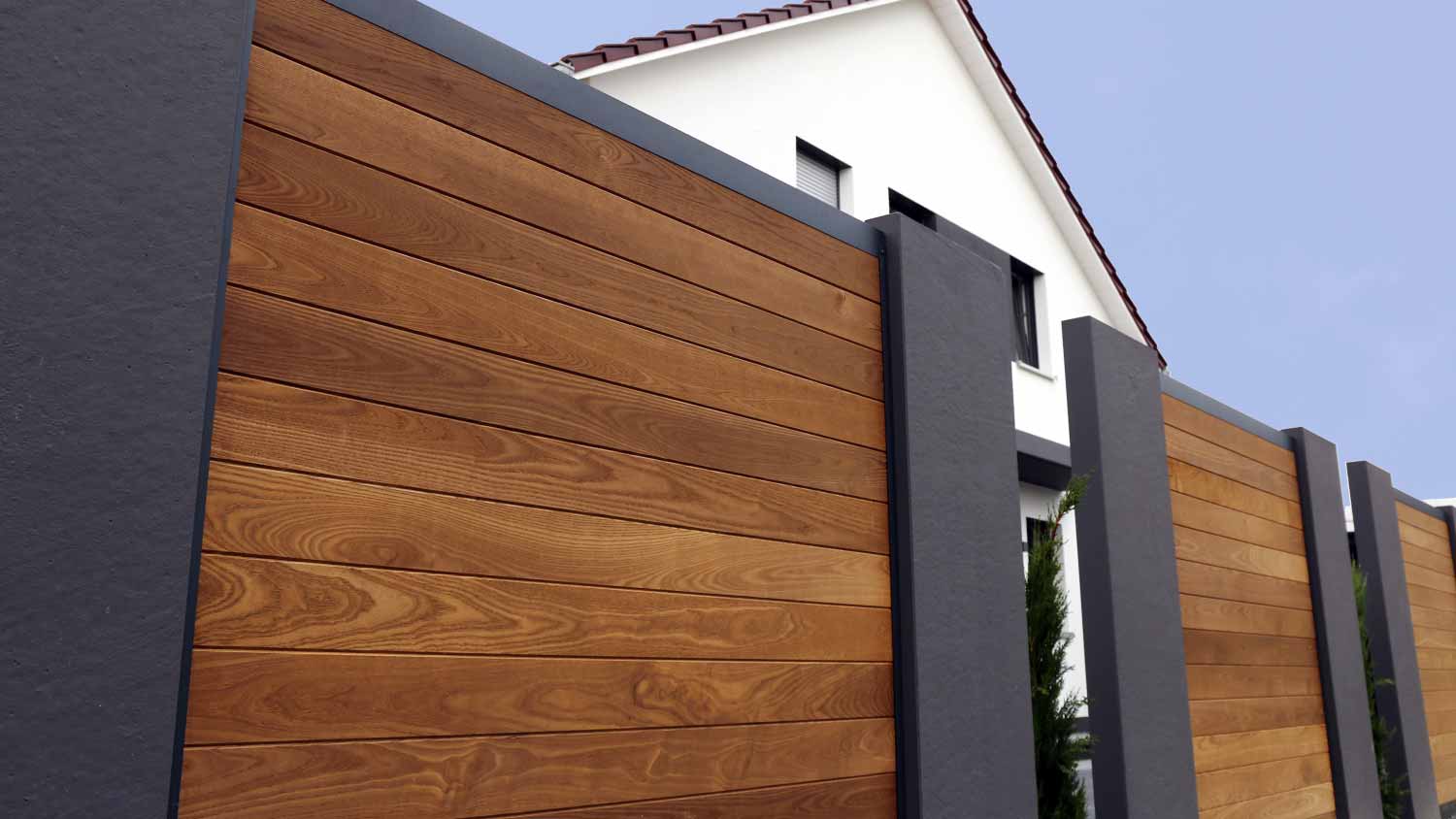
Find composite fencing costs based on fence type, labor, and more in this guide. You can expect your project to cost $11 to $45 per linear foot.
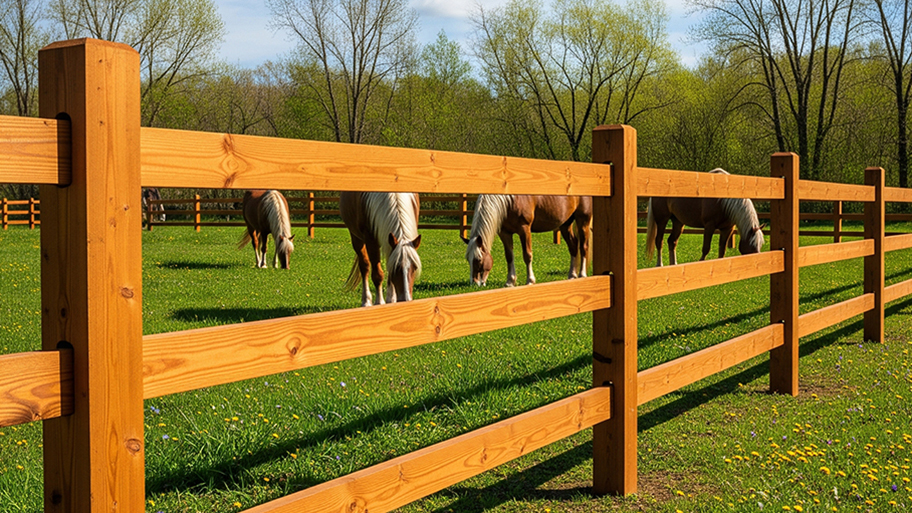
Looking for that rustic charm only a split rail fence can provide? Use this split rail fence cost guide to get an idea of what your fence will total.

Learn how to hire a vinyl fence installer by comparing quotes and verifying credentials to ensure your new fence is sturdy, secure, and built to last.
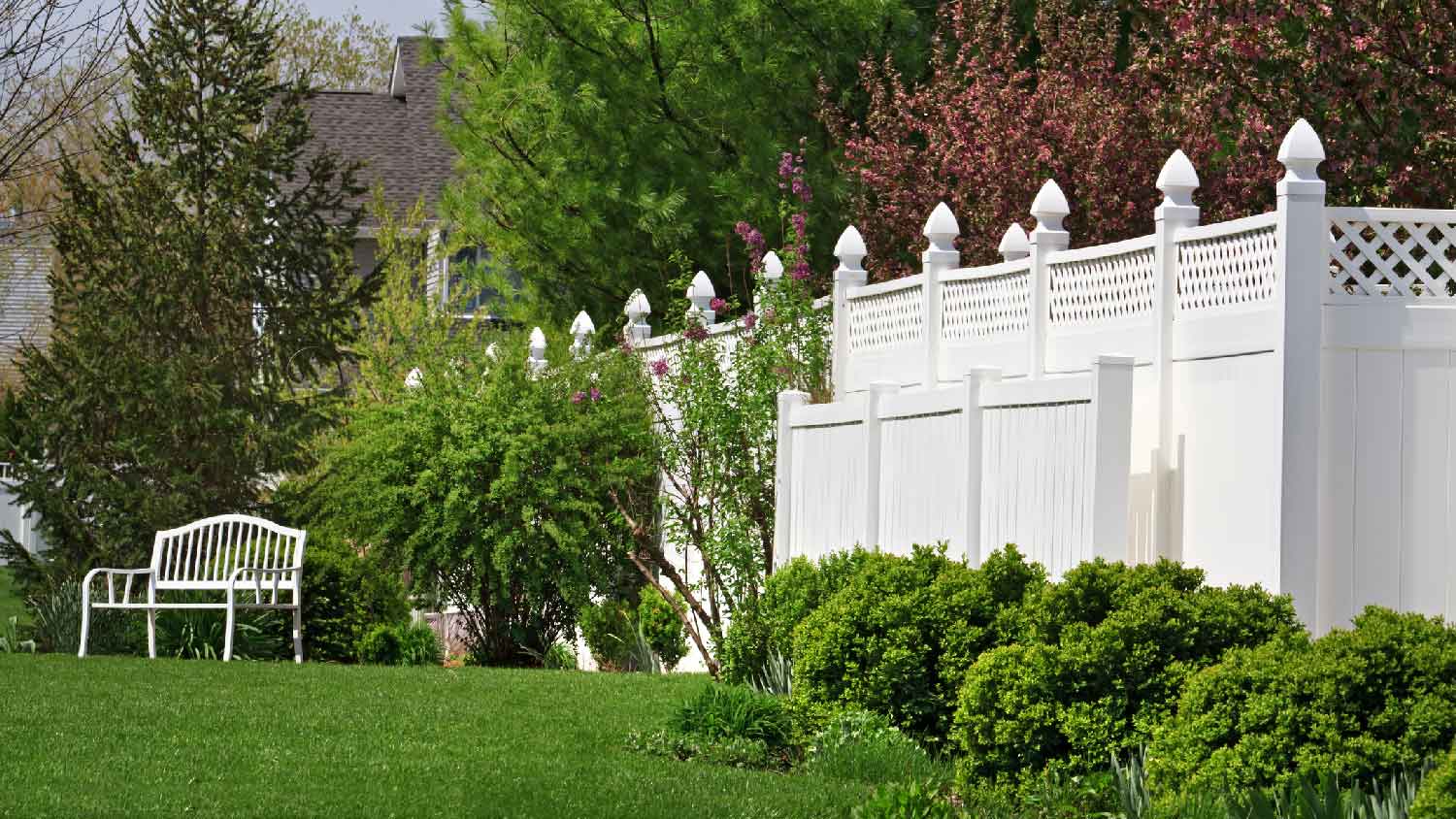
Choosing a vinyl, PVC, or plastic fence offers benefits over wooden fencing, like improved durability. Learn about the many types of vinyl fencing available.

Still on the fence about what type of fence is right for your yard? We’re breaking down the key differences between vinyl vs. wood fence options.