
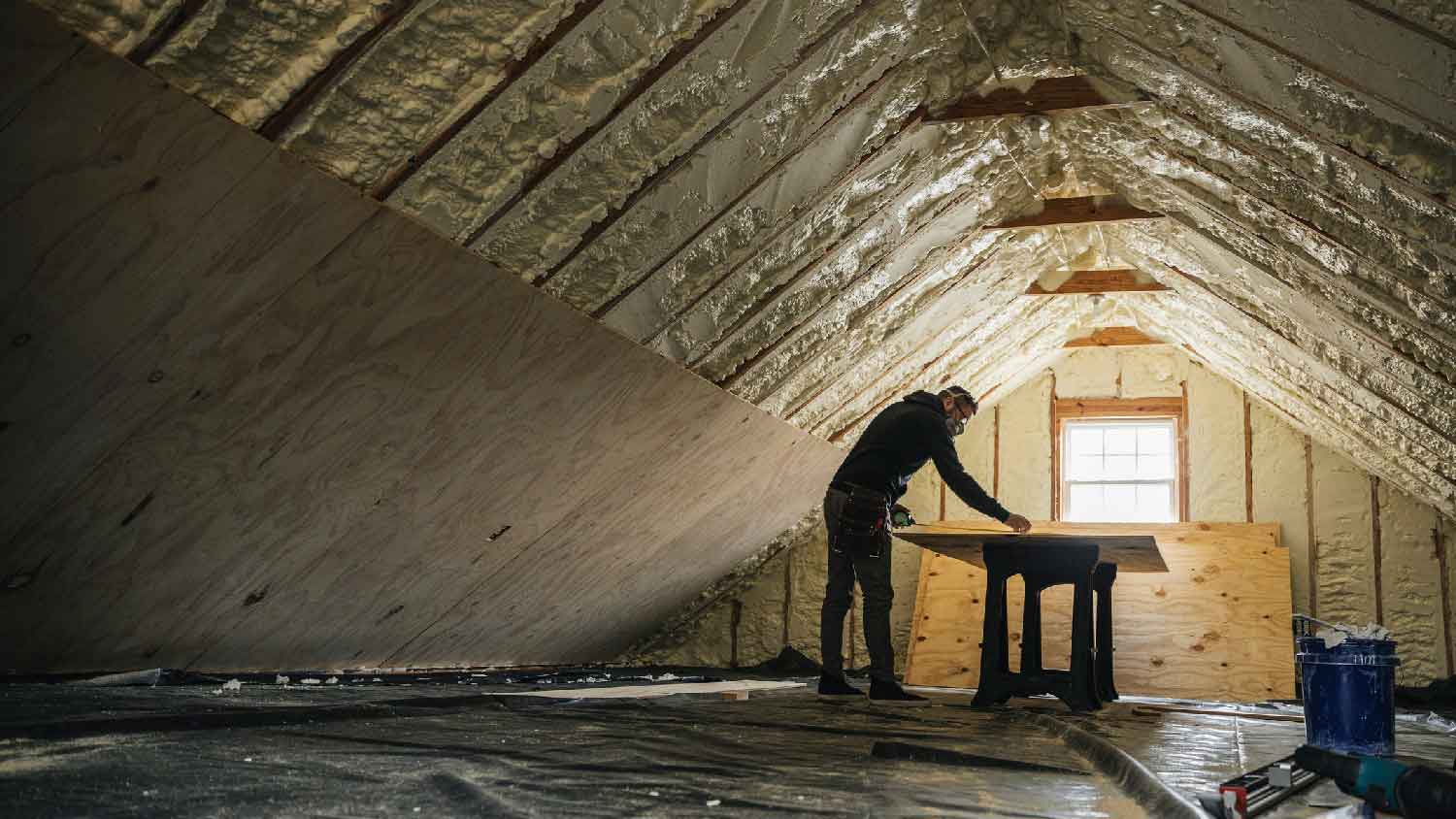
Your attic insulation removal cost will vary based on multiple factors, including why you're removing it and how easy it is to complete the task.
You should remove old insulation in many cases, including when experiencing a pest infestation or water damage

Replacing insulation in your attic or walls removes contaminated materials from pest droppings, water damage, or mold that reduce energy efficiency.
Expect to pay $1.50 to $8.75 per square foot for insulation replacement, including labor and removal costs, so addressing problems early helps.
You should remove old insulation before installing spray foam or faced insulation to ensure proper air sealing and prevent moisture pockets.
Hiring a local spray foam insulation professional provides safe removal of old materials and expert installation that keeps your home energy-efficient and comfortable.
If your home’s insulation has reached the end of its life span, you may wonder: should you remove old insulation before adding new? Fortunately, in most cases, you don’t have to remove old insulation before you add a fresh layer. However, you should consider the type and amount of insulation you have as well as its current condition. Here’s what you need to know about whether to remove your insulation before calling a pro to install new insulation.
Whether you’re renovating your home office or sprucing up the kitchen, you might find you need to first remove the old insulation. Ineffective insulation leads to higher energy bills, poorly functioning HVAC units, multiple moisture-related problems, and more.
Here are a few scenarios where you should absolutely replace your home’s insulation before installing new insulating materials.
If you’re hiring a local spray foam insulation contractor, you should remove any pre-existing insulation before going ahead with the project. Why? Spray foam insulation creates an ultra-tight air seal, which is one of the primary reasons homeowners end up choosing this type of insulation.
A tight air barrier means lower energy bills, reduced noise throughout the home, and an increase in the effectiveness of your heating and air conditioning units. But spray foam cannot expand to create that sought-after air seal if there’s a bunch of old insulation in the way.
A competent pro will bring a powerful vacuum to suck up old fiberglass or cellulose so the spray foam can squeeze its way into every nook and cranny. If needed, the same pro will carry away old fiberglass batts so that you don’t have to haul away junk yourself.
Faced insulation features a vapor barrier, otherwise known as a vapor retarder, that prevents moisture from moving from one space to another. This facing, as it’s called, also protects the surface of the insulation and helps fasten it to various building components. Faced insulation is incredibly useful when it comes to reducing moisture and preventing mold, but only if it’s placed correctly.
A general rule of thumb? Don’t install faced insulation on top of existing insulation unless it’s the final insulating layer and the barrier is placed toward the interior of the home. Any other setup creates a moisture pocket, which is a breeding ground for mold and rot.
Rodents and other pests love to make their home inside of loose-fill insulation and fiberglass batts. Both are pretty cozy, after all. If your insulation has become a critter condo, remove it before adding any new insulating materials. Why? Rats and related pests leave behind urine and droppings, which permeate the insulation itself and can spread some pretty bad diseases.
There is no real way to separate these nasty substances from the insulation, so your best bet is total removal. Before installing insulation, sanitize and disinfect the area for added peace of mind.
Water may make for a refreshing drink, but it should not go anywhere near your insulation materials. If you’ve experienced a roof leak, flood, or even just spilled condensation from an air conditioner, you should check on your insulation.
Insulation holds moisture for a long time and becomes the perfect environment for mold spores and mildew. Yuck. Even worse? Water damage causes the insulation to lose its effectiveness and ability to reduce energy loss—also known as insulation R-value. This will slow down the transfer of heat throughout your home and make it hotter inside in the summer and colder inside in the winter. And most people don’t want to live in a sauna or experience a winter wonderland inside.
Remove that old waterlogged insulation before adding anything new. You can, however, be surgical about it by learning how to cut insulation. Getting rid of only the affected patches of insulation can save you on replacement insulation costs, which can go for anywhere between $1.50 and $8.75 per square foot, including labor and removal costs.

You don’t always have to remove old insulation. Sometimes it’s totally acceptable—or even best—to add new insulation to old insulation to make one big happy insulating family.
Loose-fill insulation is great for adding to pre-existing insulation. You can squeeze some in anywhere, and there are no potentially harmful chemical interactions between mixing loose-fill and other types of insulation.
Even cooler? Adding new loose-fill insulation to old insulation should add to your home’s R-value, saving you money on that monthly energy bill and increasing the overall effectiveness of your building’s insulation.
Of course, you should only add loose-fill insulation to old insulation if the old stuff is in good shape. If there is water damage, mold, rodents, or evidence of fire damage, toss that old insulation out as a precautionary measure.
The same goes for batt or rolled insulation, whether it’s made from fiberglass or cellulose. These insulation types retain their R-values and continue to operate effectively so long as they avoid moisture, mold, rodents, and the like. So mix and match to your heart's content, with one major caveat.
If you have conducted an energy audit and the report indicated a multitude of misaligned insulation rolls or batts, removal could be the easiest option. Misaligned insulation still has its insulative properties, but the misalignment has rendered it useless.
Depending on the design of your house, a qualified pro could recommend removal and reinstallation or something called the “lift and fill” method. In this scenario, technicians lift up each roll or batt and blow loose-fill insulation underneath, creating a cushion to fix the alignment issue.
How long it takes to remove the insulation varies by the size of your home, the type of insulation, and any complications that may arise, but anticipate this project taking anywhere between four and 24 hours to complete for a standard 1,500-square-foot space.
Removing old insulation can be a time-consuming project. You need to have a dumpster on site to dispose of the old insulation and, in some cases, specialized equipment to get the job done. Here’s a breakdown of each type of insulation and how the removal method could affect the time it takes to dispose of the insulation.
Batts and rolls removal: Fiberglass insulation removal is one of the most straightforward types of insulation to remove. The same goes for cellulose and rockwool insulation that come in batts and rolls. You simply remove each piece of insulation and dispose of it. It can be laborious, however, to dispose of these materials.
Blown-in insulation removal: This material requires a bit of a learning curve, as you need an insulation vacuum to do the job. However, it’s a quick process because the vacuum disposes of the insulation into a bag for an easy cleanup.
Foam board insulation removal: Foam board panels are another easy type of insulation to remove, as you just need to take the old panels out of the wall and dispose of them. Their light weight makes for an easy disposal process.
Spray foam insulation removal: You’ll find that spray foam insulation is one of the more challenging and time-consuming types of insulation to remove because it's a permanent material. With this insulation, you need to use a knife, saw, or specialized equipment to scrape away the spray foam.
According to Angi data, only about 8% of common batt and roll insulation projects involve repairing or replacing this type of insulation. So, homeowners can expect batt and roll insulation to have good longevity, making it a worthwhile investment.
If your home improvement project includes insulation, you’ve likely looked into hiring insulation contractors to insulate your attic, crawlspace, rim joists, or open walls. After all, insulation can irritate your eyes, throat, and lungs, cause itchy skin, and trigger allergy symptoms and asthma.
Old houses, especially, can have asbestos insulation, which can contain dangerous particles that carry carcinogen risks. It’s important to know what asbestos insulation looks like to protect yourself from exposure. Vermiculite insulation is another dangerous type of insulation used in older houses that contains trace amounts of asbestos.
It’s best to play it safe and contact a local insulation company to remove old insulation. Your pro knows how to install new insulation and remove old insulation. They also have all the tools and skills to safely remove old insulation so that you don’t have to put yourself in harm’s way.
I would recommend this company to anyone! He showed up on time, was friendly, completed a very difficult repair on our dryer vent cover, was responsive, and pricing was extremely fair and competitive. I would have him back to do any of our repairs or cleanings without hesitation!
 U.S.A. Dryer Vent, LLC
Best cleaning I've had at my property
I conferred with 2 other contractors before Armstrong Electric. Nick and his crew showed me that the project was not as convoluted as the other contractors made it appear to be. They completed the entire project on time. They were professional, friendly and cleaned up after at completion. I...
 ARMSTRONG ELECTRIC, LLC
The technician was very professional and friendly. He answered all my questions and was very thorough. He left the fireplace area very clean . He inspected from the roof and advised me as to other work that might need to be done. There was no pressure there. I was very satisfied with the...
 Supreme brick & chimney
Our exterior looks brand new thanks to Custom Paint Jobs LLC. Theyre the best in town!
 Custom Paint Jobs, LLC
Excellent experience with hiring Tether House to Mount our 77’ Samsung TV in our bedroom. Fast, friendly, and knowledgeable. Highly recommend.
 Tether House
The techs on my project, Shawn and Cliff, were great. They were prompt, courteous, and efficient. I am very happy with the results and would definitely contact Mr. Electric for any future electrical projects.
 Mr. Electric of Columbus
We had our houses windows and back door replace this summer by Window Depot USA of Central. He gave us grate advise and saved my family lots money. The team did a fantastic job with installation. If you need help, they sure get job done right!
 Window Depot USA of Central Ohio
Beginning with the estimate, Larry and Peyton were super helpful in getting my new condo's interior re-painted. Not only was the job well done, but also done in a super timely manner as promised.
 Five Star Painting of Plain City and Powell
Great job...edging and pre clean up went well with a great job with seal coat. Friendly, efficient and professional.
 All Star Paving and Sealing
From average costs to expert advice, get all the answers you need to get your job done.
Your attic insulation removal cost will vary based on multiple factors, including why you're removing it and how easy it is to complete the task.
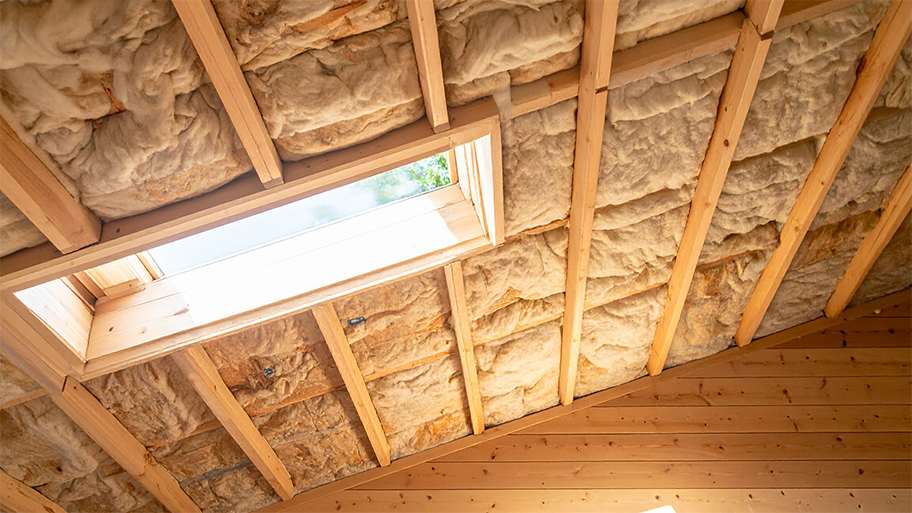
Insulating your attic can massively improve your home’s efficiency and reduce electric bills. Use this guide to find out what attic insulation will cost you.

New insulation can make your home more comfortable and boost energy efficiency. Use this insulation cost guide to get an accurate estimate for the installation.

Read our step-by-step guide and learn how to remove fiberglass insulation. Our instructions will help you remove this tricky material quickly and safely.

The insulation R-value can make all the difference in keeping your home insulated, but it depends on where you live. Keep reading to learn about R-values.

It may keep your home warm and toasty, but is insulation dangerous? Learn four potential insulation health hazards, and how to prevent them from occurring.