

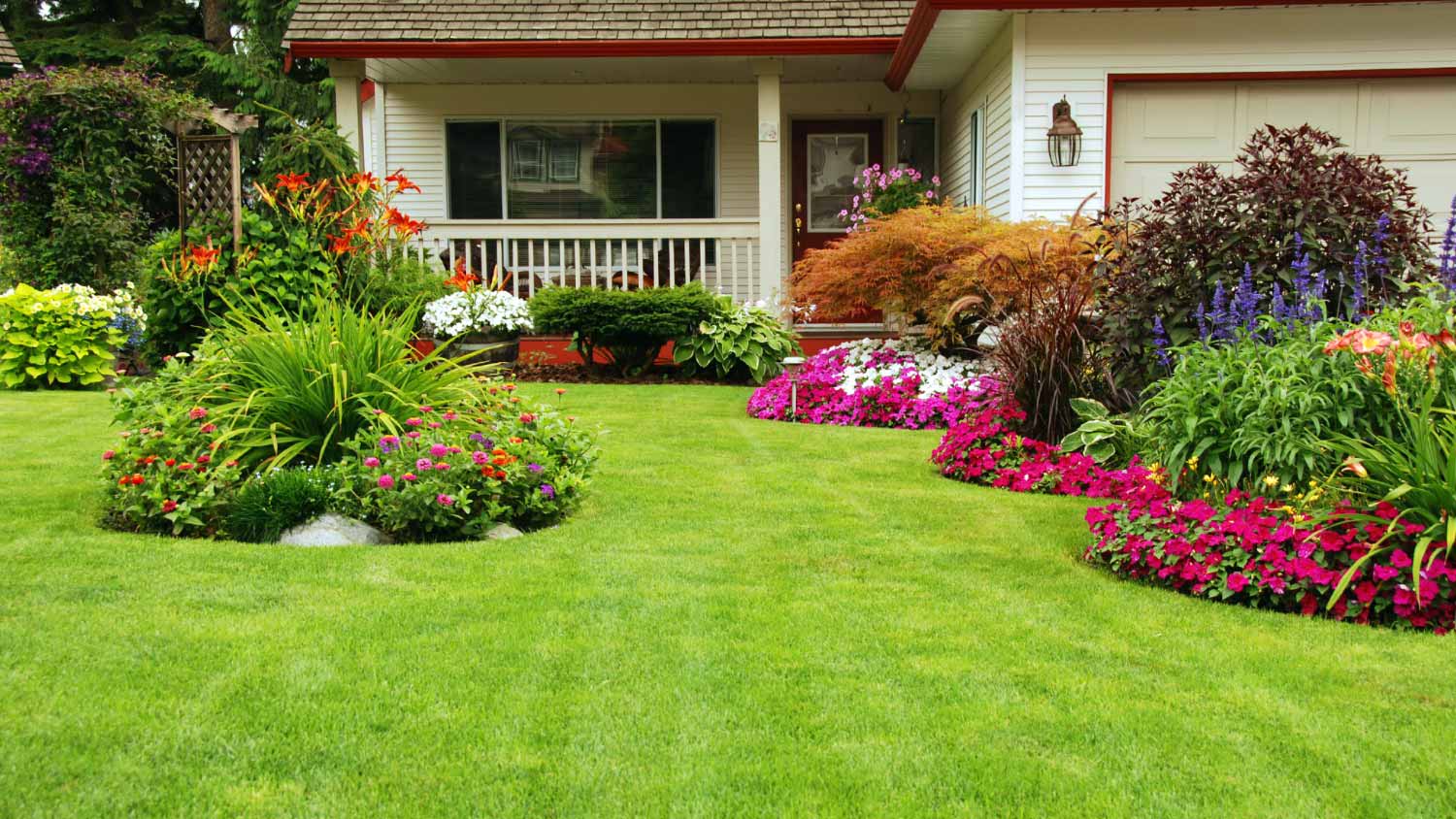
The cost to renovate your lawn depends on the extent of the damage. Our guide will show you how much lawn renovation costs.
Compare these cool-season grasses to find the most suitable turf

Ryegrass versus fescue matters because ryegrass germinates faster and handles cold better, while fescue tolerates heat and drought more effectively for your lawn.
Ryegrass requires regular replanting in harsh winters, while fescue's deep roots make patch repair difficult and new seeds germinate slowly in your yard.
Your choice depends on climate and maintenance preferences: ryegrass suits cooler northern regions, while tall fescue thrives in transitional zones with varying temperatures.
Hiring a local lawn care professional provides reliable guidance on selecting the right grass type and completing seeding or sodding for your specific climate.
Ryegrass vs. fescue is a popular debate if you’re deciding on a cool-season grass that can create a beautiful, thriving turf carpet in cooler climates. While they have similar needs, a few key features and requirements differentiate the two. Here are the main differences between ryegrass vs. fescue grass to help you choose which will work best for your outdoor space.

Ryegrass and fescue are both classified as cool-season grasses, meaning they grow faster during the colder months and can withstand cold climates. Knowing what makes them different, though, can help you choose the best option for your lawn. Ryegrass is fast-growing, can withstand colder temperatures, can prevent erosion, and helps ward off pests and diseases. Fescue grass is better at tolerating heat and drought and can handle a significant amount of foot traffic. Fescue is also thick, rich in color, and can grow very tall.
Great experience from start to finish. They responded to my inquiry quickly and came out to give me a quote the same day. My yard was overgrown with weeds and needed lots of trimming. The guys came out and pulled all of the weeds by hand to get them out by the roots and trimmed up nicely. They were able to come up with a treatment plan within my budget to get my lawn and yard looking great again. Very professional, efficient and knowledgeable.

Ryegrass is a perennial grass that is among the fastest-growing types of grass. While this grass type gained popularity for its use in pastures and agriculture, it is becoming more popular for lawns.
| Pros | Cons |
|---|---|
| Fast germination and seed growth | Not tolerant of extreme heat or cold |
| Cold tolerant | May require regular replanting |
| Ideal for erosion control | Patchy appearance |
| Pest- and disease-resistant | Requires regular mowing |
Best for:
Cooler, northern climates
Homeowners who want to grow their lawn quickly
Winter grass in southern climates
Ryegrass is a great grass for kickstarting the lawn-care process. It is a very durable grass that germinates faster than any other type of grass seed. The grass is great for lawns in the northern part of the country, particularly the Pacific Northwest because it is happiest in cool seasons and has great cold tolerance.
Depending on where you plant ryegrass, it can be durable but not as durable as some of the hardier grass types. While ryegrass thrives in cool environments, it suffers in the bitter cold and can require annual replanting, depending on the harshness of the winter. Ryegrass also does not pair well with extreme heat or dry air, meaning a hot summer can discolor and kill the lawn.

Fescue grass is a cool-season grass that maintains its dark green color year-round. It’s a very popular choice for residential turf because it's strong and easier to maintain than most other options.
| Pros | Cons |
|---|---|
| Handles drought and heat | Needs regular mowing |
| Withstands foot traffic | Not very cold tolerant |
| Relatively low-maintenance | Vulnerable to pests and diseases |
Best for:
Areas that experience both warm and cool seasons
Homeowners looking for a low-maintenance grass
Those who don’t mind mowing their lawn frequently
Fescue is drought-resistant, heat-resistant, and sturdy against moderate to heavy foot traffic. It’s versatile enough to thrive in partial shade and direct sun, plus it requires less fertilizer than most other types of grass.
While fescue’s maintenance requires minimal effort, it does require it often. This type of grass can quickly grow out of control without regular mowing. The deep-rooted nature of the grass also makes patch repair nearly impossible and newly-added seeds can be slow to germinate, so investing in the cost to resod is often the best way to deal with damage. It’s also not very cold tolerant—prolonged cold weather can make its blades look sparse and thin.

Ryegrass and fescue are popular types of grasses for different reasons. Depending on your needs and location, one may be a better fit than the other. Don’t hesitate to hire a local lawn service pro to help you choose the best option for your lawn needs. Here’s a comparison to help you determine your perfect lawn.
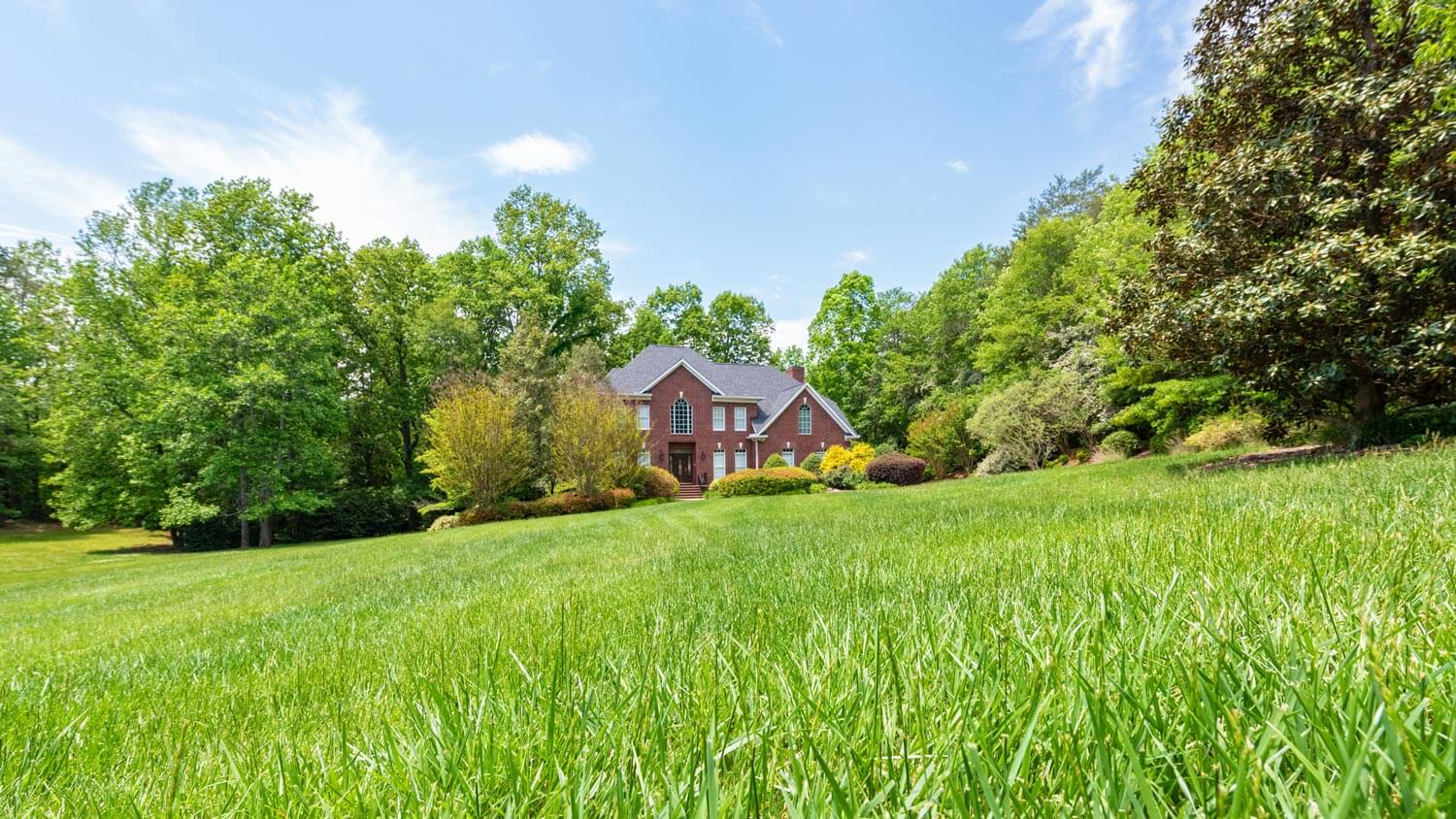
Ryegrass is a thinner, shorter grass that is easy to keep uniform, and you can make patch repairs quickly and easily. Fescue is a thicker, richer grass that grows taller and is more vibrant in color. Both grasses are beautiful in the right environment, but fescue gives the look that most people think of when they picture a lush, healthy lawn.
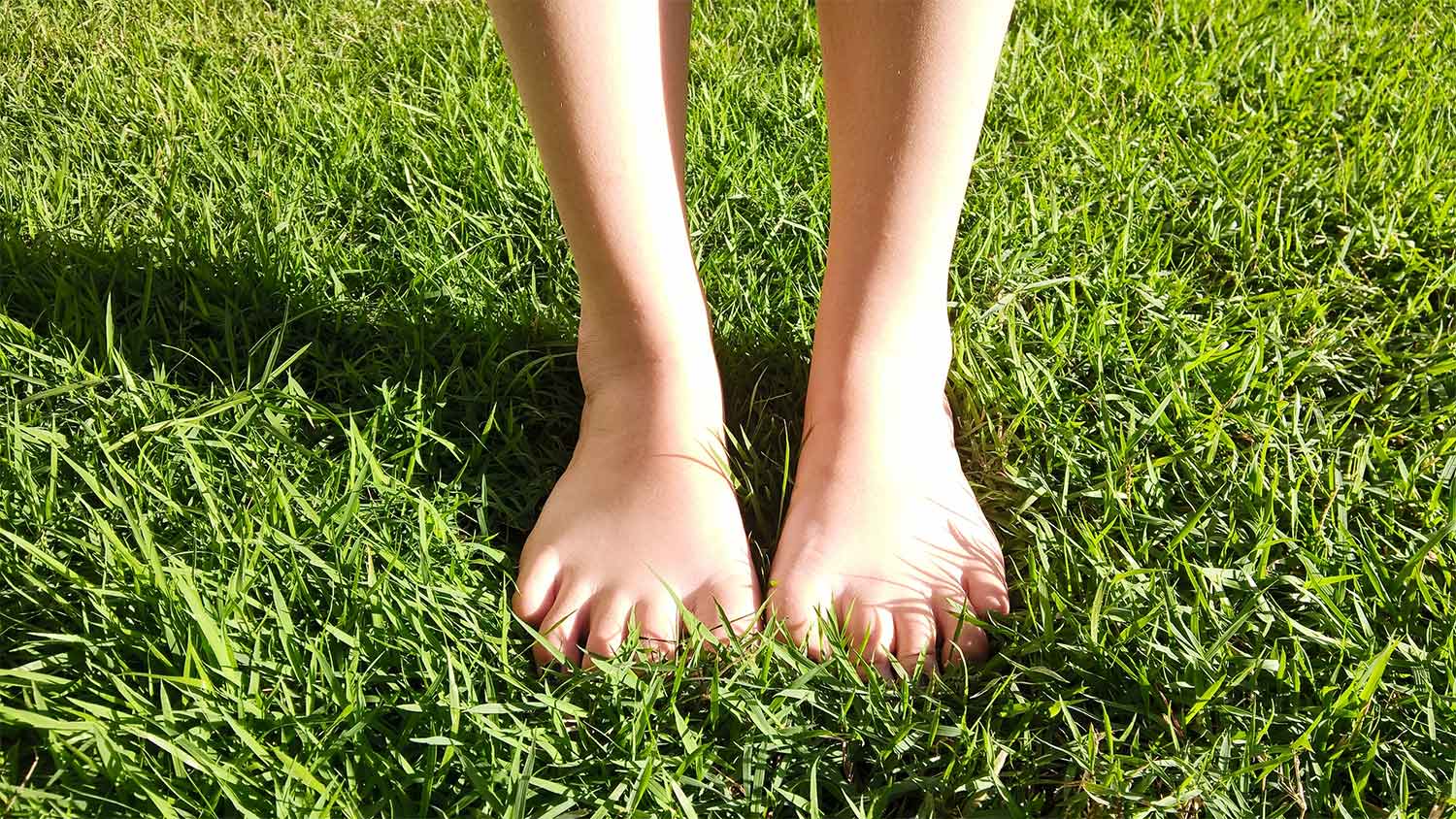
Fescue’s deep grass roots absorb ample nutrients from the soil, allowing the grass to grow thick and full-bodied. However, this tough plant is also fairly rough to the touch. Ryegrass’s fast-growing nature keeps the grass more delicate and soft to the touch. Of the two grasses, ryegrass is the better choice for a barefoot run.
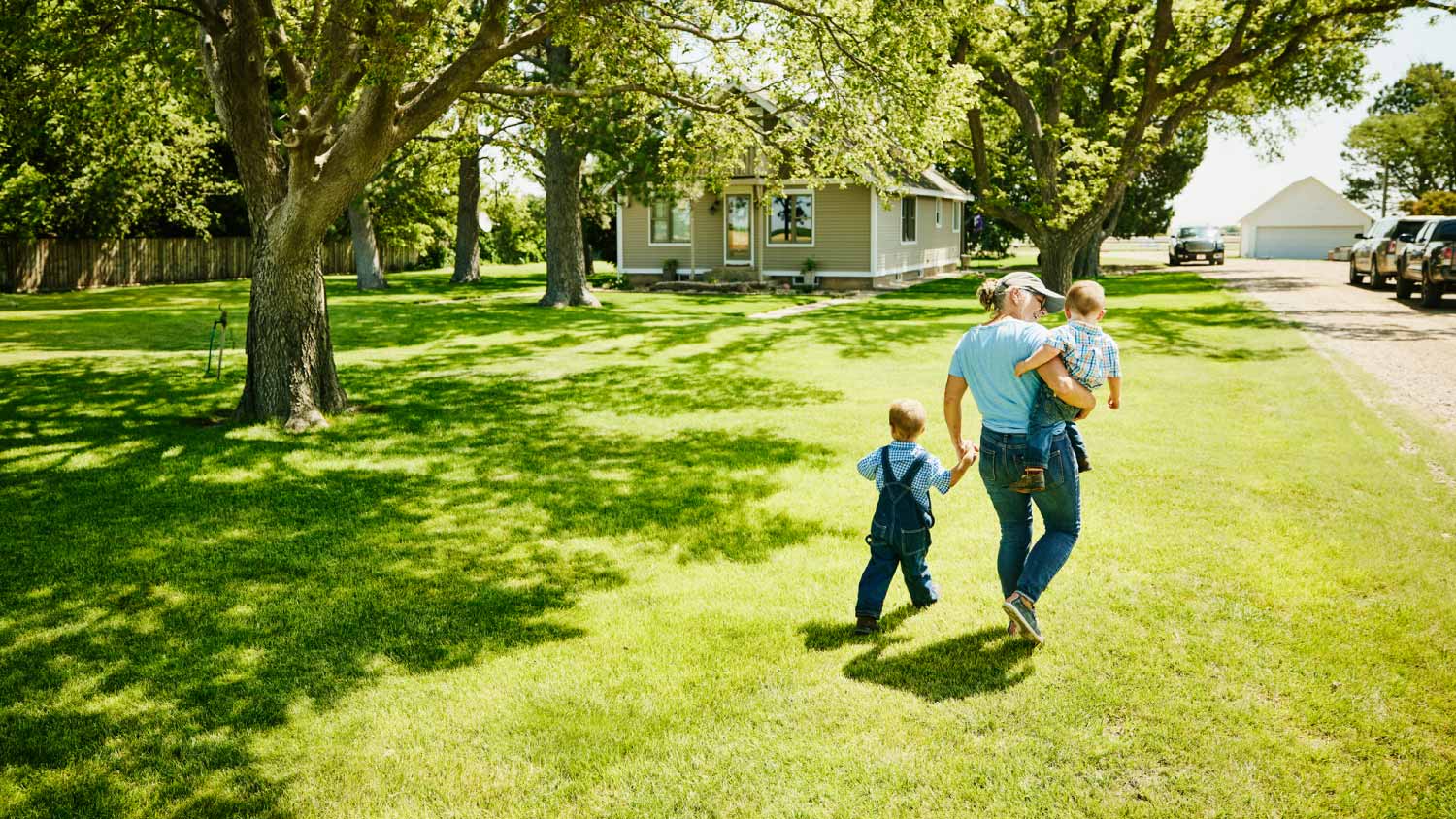
One of the best things about having a lawn is walking through it and feeling the touch of nature. Unfortunately, too much of a good thing can harm the grass. Of the two grasses, ryegrass is more delicate, meaning you’ll need to be lighter on your feet to avoid crushing or killing it.
If you live in a colder region, ryegrass may be the right choice for your lawn. While fescue and ryegrass are both cool-season grasses, ryegrass tends to fare better in colder climates.
While fescue is a cool-season grass, it can also handle relatively high temperatures, meaning that lawns in warmer states will have better success with it.
Both grasses are quite efficient when it comes to watering, and, depending on your needs, they require deep, thorough watering. The recommended watering for both grasses is 1 to 1½ inch per week, meaning once to three times per week of lawn watering, depending on the season and temperatures. However, fescue is the more drought-resistant choice, so it’s more likely to continue thriving if you fall behind on watering.
Ryegrass likes dry, well-drained soils with a pH of 5.5 to 7.5 because its fine root system doesn’t fare well in compacted soil. Tall fescue prefers moist, well-drained soil with a pH of 4.5 to 9.0. The roots of tall fescue are thick and strong, giving it a high tolerance to soil compaction. This preference is part of what makes tall fescue such a great variety for high-traffic areas.
Ryegrass needs at least eight hours of full sun in order to thrive. Fescue is a type of grass that grows well in shade, only needing about four hours of full sun, so it’s a perfect choice for shadier outdoor spaces.
Ryegrass and fescue are both susceptible to diseases, and both can play host to common lawn pests such as webworms, thrips, and grubs. However, ryegrass has a much quicker recovery against damage from geese and other digging animals.
D1 Roofing delivers outstanding service from beginning to end, backed by a strong warranty and expert teams. I highly recommend them for their excellence in meeting and surpassing expectations with unmatched communication. Choosing D1 Roofing was flawless decision
 Division 1 Roofing LLC
We had our houses windows and back door replace this summer by Window Depot USA of Central. He gave us grate advise and saved my family lots money. The team did a fantastic job with installation. If you need help, they sure get job done right!
 Window Depot USA of Central Ohio
Wonderful. I am going to have them remove and replace my driveway in the spring.
 All Star Paving and Sealing
We were having 2”x 2” tile installed . There was a small installation error and the new additional replacement tile was from a different lot and the colors didn’t match. Joe assured us that he would rectify everything , which he did without hesitation. We decided to go with the 18” x 36” tile...
 CarifaTile
We had a 20+ year old landscape lighting system that needed replacement. Midwest Lightscapes worked with us to design a much improved lighting system, lighting the exterior of the house and the back yard. Installation of the 45 light system took one and one-half days, and went very smoothly....
 Midwest Lightscapes
Did an amazing job transforming my yard. Also installed sod in places, would recommend to everyone.
 Cardinal Landscaping & Construction LLC
They show up and they did take us on as a client which seems to be a problem with other lawn care providers. We have multiple properties and this one was located close to downtown and no one really wants to mess with it.
The worker came out when he was supposed to come. He informed me he would honor the Angie's List deal, but would not do any more work for me since my son in law owns lawn care company as well, even though they do not do the same type of work. He said he did not feel comfortable giving me...
 Bello Giardino LLC
E & L Lawn Care was super. They were very responsive before and after service. They were efficient and were able to complete the job within 1 day. I have had concern about one section of sod - the owner was pro-active and did a visit to evaluate. I have no doubt they will stand behind...
 E&L lawn care
From average costs to expert advice, get all the answers you need to get your job done.
The cost to renovate your lawn depends on the extent of the damage. Our guide will show you how much lawn renovation costs.
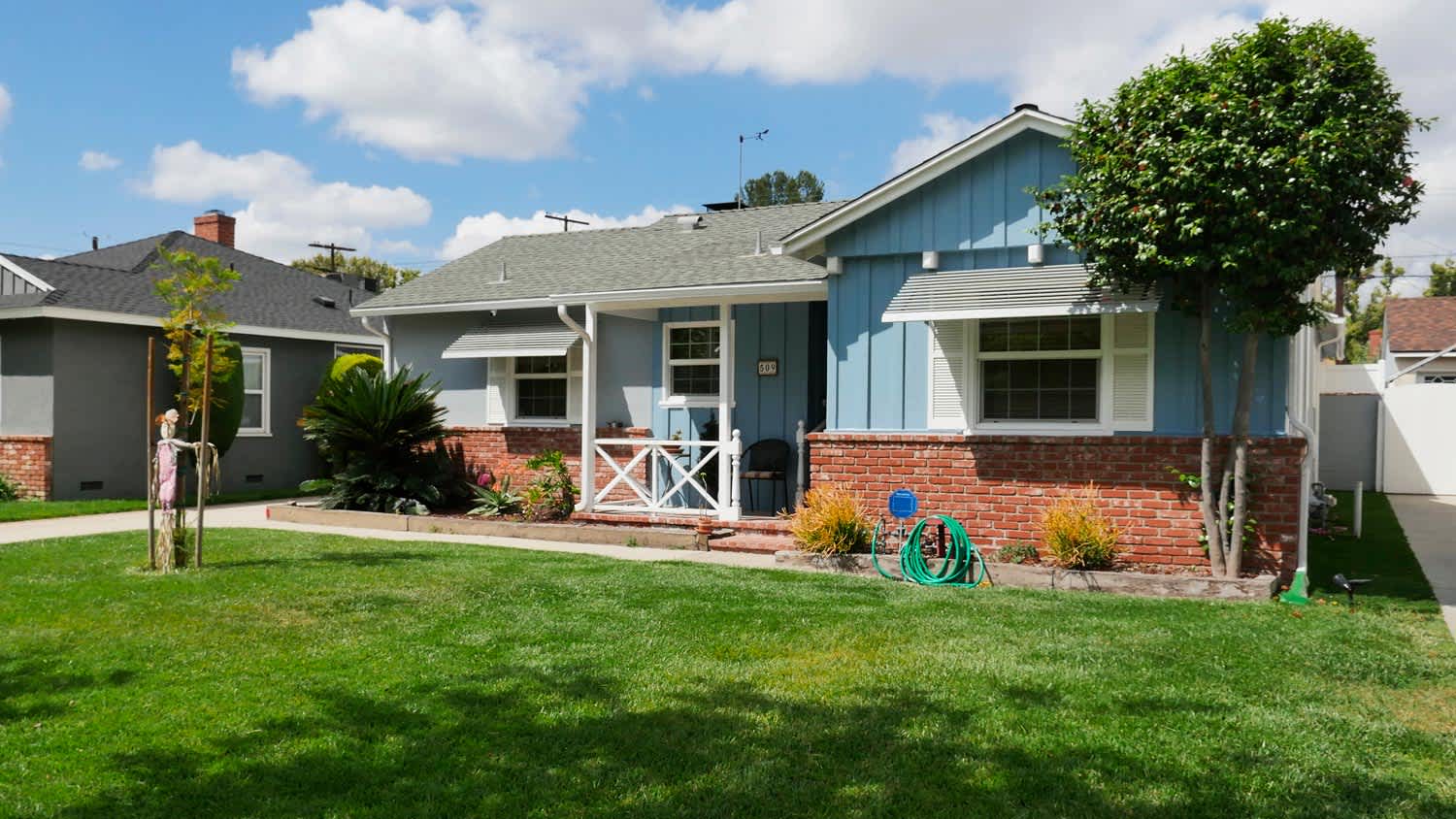
The cost to reseed a lawn can vary depending on the size of your yard and the condition of the soil. We’ll help you figure out the true cost of reseeding or overseeding your lawn, along with whether or not you should hire a professional.
The best grass that grows in shade depends on where you live, your soil type, and more. Here’s what you need to know to have the perfect lawn.
When it’s time to reseed the lawn, you’ll need a grass that works for your yard. Learn the differences between fescue vs. Bermuda, two popular grass seeds.
Kentucky bluegrass and tall fescue are two popular grass seed choices for cooler climates. Find out the differences between Kentucky bluegrass vs. tall fescue.
Fescue grasses are among the top choices for northern and central lawns in the U.S. This hardy, dependable turf grass is a go-to from Montana to Missouri.