

•
Discover the cost to fertilize your lawn, including average prices, key factors, and tips to help homeowners budget for a lush, healthy yard.
This often overlooked lawn-care task can have a profound effect

Lawn lime raises soil pH to reduce acidity, helping your grass absorb nutrients more effectively and supporting healthier growth when pH drops below 6.0.
Professional lime application costs $50 to $150 per hour, and testing your soil annually helps you spot pH patterns and time applications accurately.
You should apply lawn lime in spring or fall when your grass is actively growing, and always dethatch and aerate beforehand for deeper soil penetration.
Hiring a local lawn care professional keeps calculations accurate and application safe, helping you avoid over-liming while restoring your yard's health and balance.
Beyond basic and frequent lawn care tasks like mowing and watering, periodic maintenance tasks also exist, which require a greater investment of time. One example is applying lime to your yard, and learning what lime does for your grass is the first step.
Applying lime is a lesser-known task that has a profound and beautiful effect on your lawn. If you’re unsure when or how to apply lime to your lawn, don’t hesitate to consult a lawn care professional. Discover what lime does for grass and how to use it to your lawn's advantage.
When working with lawn fertilizer and other chemicals, take measures to prevent the products from contacting your skin and eyes. Be sure to wear protective gear like gloves and a dust mask to stay safe.

Lawn food comes in several forms, and many lawn owners understand its importance and what fertilizer does for their grass. However, fewer are aware of the role of pH in lawn care—that's where lime enters the picture. Despite containing calcium and other nutrients, lime doesn't fertilize. Instead, lime raises the lawn's pH balance to make it less acidic. Bringing soil pH into balance helps fertilizer to be more effective and produce beautiful results in your yard.
Not every lawn requires lime application. Lime helps balance the pH of acidic soils by making it more alkaline. Most lawn grasses grow best when pH levels are between 6.0 and 7.2. In other words, grass grows best in neutral soil.
Acidic soils can have tell-tale signs that raise suspicion that the condition exists and it's time to add lime. Here are the types of lawn conditions that lime can help eliminate.
Extensive weeds growing
Thinning grass in patches
Yellowing or browning grass
Applying fertilizer doesn’t improve grass health
Increase in pests or lawn diseases
Mossy appearance
Several types of lime exist for lawn use, including two primary varieties, each available in multiple forms for application. Your chosen type depends on your soil's needs and application method preference. Both primary lime types are available in liquid and solid forms.
Dolomite lime: This is one of the two primary types of lime. It comes from calcium deposits and contains magnesium carbonate, which can help with photosynthesis.
Calcitic lime: This lime variety also comes from calcium deposits but contains less of the magnesium component.
Liquid lime: This lime type is sprayable using a hose-end sprayer or direct sprayer and is useful for entire lawns or spot-treating specific areas.
Granulate and pelletized lime: These variations of lime are useful in conjunction with drop or broadcast spreaders when treating an entire lawn or large areas.
Lime application can occur anytime your lawn's soil pH balance drops to near 6.0. Adding a quick soil pH test to your lawn maintenance schedule will tell you when to apply lime. After a few years, a pattern may emerge to help you plan the task in the future. Remember a few application best practices when applying lime to your lawn.
Apply lime in spring or fall for the best results.
Avoid applying lime if rain is in the forecast over the next couple of days.
Don't apply lime to a wet lawn.
Wait until your lawn is actively growing and not dormant or stressed.

Follow the steps below to know when, how much, and how to apply lime to your lawn when necessary.
Before deciding your lawn requires lime, test the soil's pH balance. Garden centers and home center retailers sell a variety of soil testing kits for home use. Many municipalities also offer soil testing information or services to help you understand your soil conditions.
The soil test results will determine your soil's pH level, among other details. From the test, you can estimate how much lime your lawn needs by cross-referencing it with information about the lime product you intend to use.
Determine the difference between the pH from the test results and your desired pH level and choose the appropriate amount for application. The calculation relates to the amount of lime it takes per specific square footage to raise the pH level by a precise amount.
Dethatching your lawn is an excellent springtime lawn-care task. It's also important to perform the job before applying lime to give the application its best chance at reaching and absorbing into the soil.
Aerating your yard before applying lime can provide an excellent opportunity for the lime to penetrate deep into the soil. You can rent lawn aeration equipment and do the work yourself or hire a local lawn aeration company to perform the task for guaranteed results.
Carefully following the instructions of the lime product, apply the lime using a sprayer, drop spreader, or broadcast spreader over the entire area you're treating. Depending on the application method, follow a distinct pattern to ensure even coverage. To ensure high-quality results, consider hiring a professional lawn care service near you to tackle the lime application.
If necessary, based on the lime product you use, lightly water your lawn after application, but avoid giving it a deep soaking. Follow the directions of your chosen lime product to determine how long after application you should apply water. Some lime products require immediate watering, while others require a several-hour waiting period.
Applying lime to your lawn likely isn't an annual event, so it's helpful to remember a few tips to complete the task effectively and safely.
Adhere to the calculations for the amount of lime to put on your lawn. Applying too much will harm the grass and possibly kill it.
Wear appropriate safety gear for the lime product you choose. Proper gear may include gloves, glasses, dust mask, or protective work boots and clothing.
Choose a calm day with little to no wind to apply lime to your grass.
Test your soil annually to determine a pattern of soil pH. Afterward, test the soil every couple of years, depending on your lawn's pH statistics, and apply lime when necessary.
Applying lime to a lawn is a borderline DIY task. While the application process isn't difficult, lime is a powerful product and can be harmful if touched, depending on the product. Perhaps the more crucial factor is knowing the correct amount of lime to apply to achieve the best results.
To avoid miscalculating or just to keep your weekend free, consider hiring a nearby lawn care service to perform the soil testing and lime application to ensure the best results for your yard. That way, you can ensure professional results and look forward to a restored and healthy yard.
D1 Roofing delivers outstanding service from beginning to end, backed by a strong warranty and expert teams. I highly recommend them for their excellence in meeting and surpassing expectations with unmatched communication. Choosing D1 Roofing was flawless decision
 Division 1 Roofing LLC
We had our houses windows and back door replace this summer by Window Depot USA of Central. He gave us grate advise and saved my family lots money. The team did a fantastic job with installation. If you need help, they sure get job done right!
 Window Depot USA of Central Ohio
Wonderful. I am going to have them remove and replace my driveway in the spring.
 All Star Paving and Sealing
We were having 2”x 2” tile installed . There was a small installation error and the new additional replacement tile was from a different lot and the colors didn’t match. Joe assured us that he would rectify everything , which he did without hesitation. We decided to go with the 18” x 36” tile...
 CarifaTile
We had a 20+ year old landscape lighting system that needed replacement. Midwest Lightscapes worked with us to design a much improved lighting system, lighting the exterior of the house and the back yard. Installation of the 45 light system took one and one-half days, and went very smoothly....
 Midwest Lightscapes
Did an amazing job transforming my yard. Also installed sod in places, would recommend to everyone.
 Cardinal Landscaping & Construction LLC
They show up and they did take us on as a client which seems to be a problem with other lawn care providers. We have multiple properties and this one was located close to downtown and no one really wants to mess with it.
The worker came out when he was supposed to come. He informed me he would honor the Angie's List deal, but would not do any more work for me since my son in law owns lawn care company as well, even though they do not do the same type of work. He said he did not feel comfortable giving me...
 Bello Giardino LLC
E & L Lawn Care was super. They were very responsive before and after service. They were efficient and were able to complete the job within 1 day. I have had concern about one section of sod - the owner was pro-active and did a visit to evaluate. I have no doubt they will stand behind...
 E&L lawn care
From average costs to expert advice, get all the answers you need to get your job done.
Discover the cost to fertilize your lawn, including average prices, key factors, and tips to help homeowners budget for a lush, healthy yard.

Hydroseeding can speed up grass growth and provide extra nutrients for your soil. Learn all about DIY hydroseeding and the steps to take for a great lawn.
A bumpy, uneven lawn can create a safety hazard, impede water drainage, make mowing difficult, and more. Learn how to level a lawn and when to call a pro.

If you notice brown patches, thin blades, or weeds on your lawn, you should call a lawn care company. Here’s who to call for lawn problems.
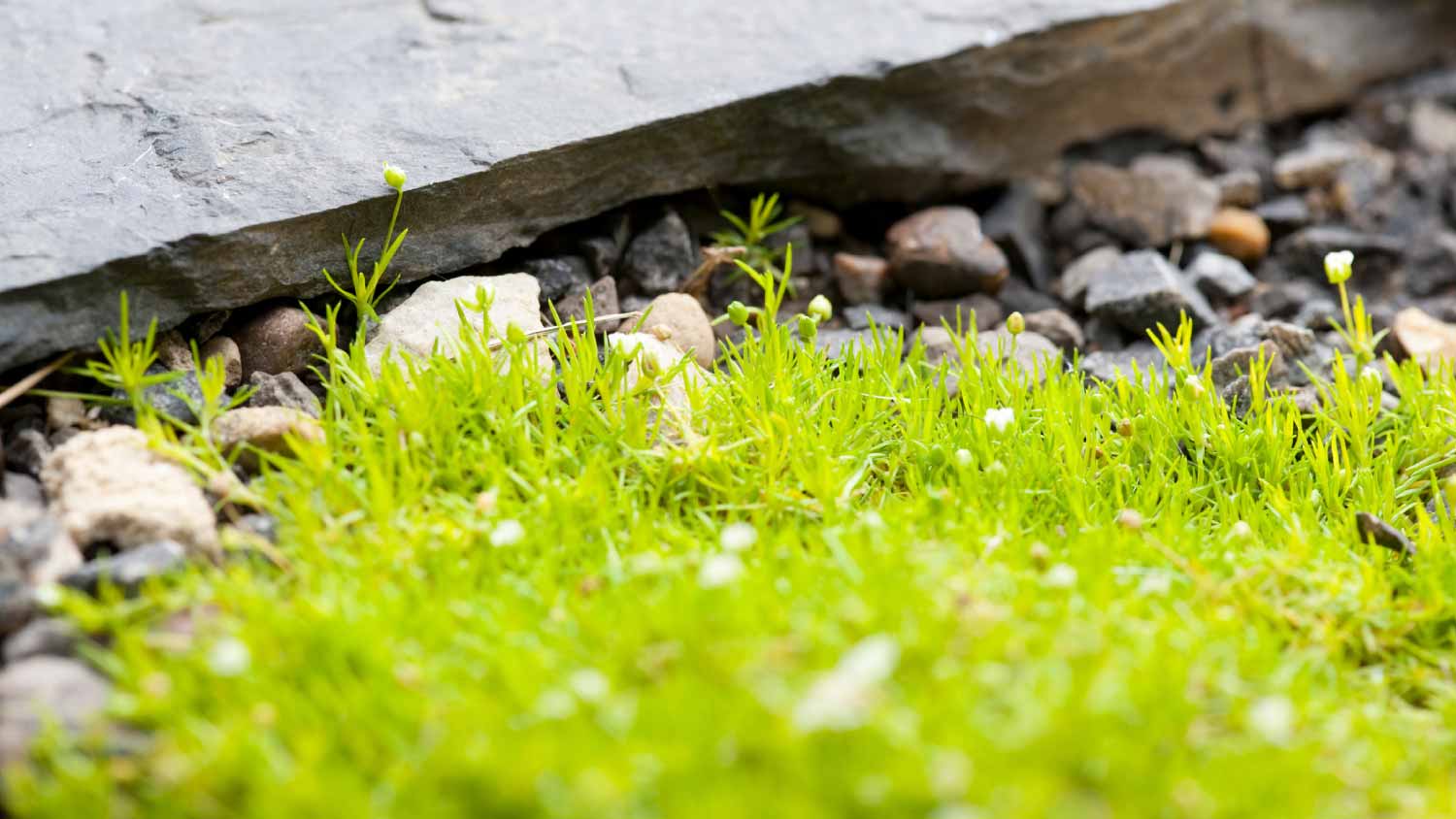
Why is moss growing in your lawn? Learn what makes moss grow and how you can get rid of it and make your lawn the envy of your neighbors.
Learn how to mow a lawn no matter the type of grass and condition. Achieve a beautifully cut lawn that looks professional using this guide.