

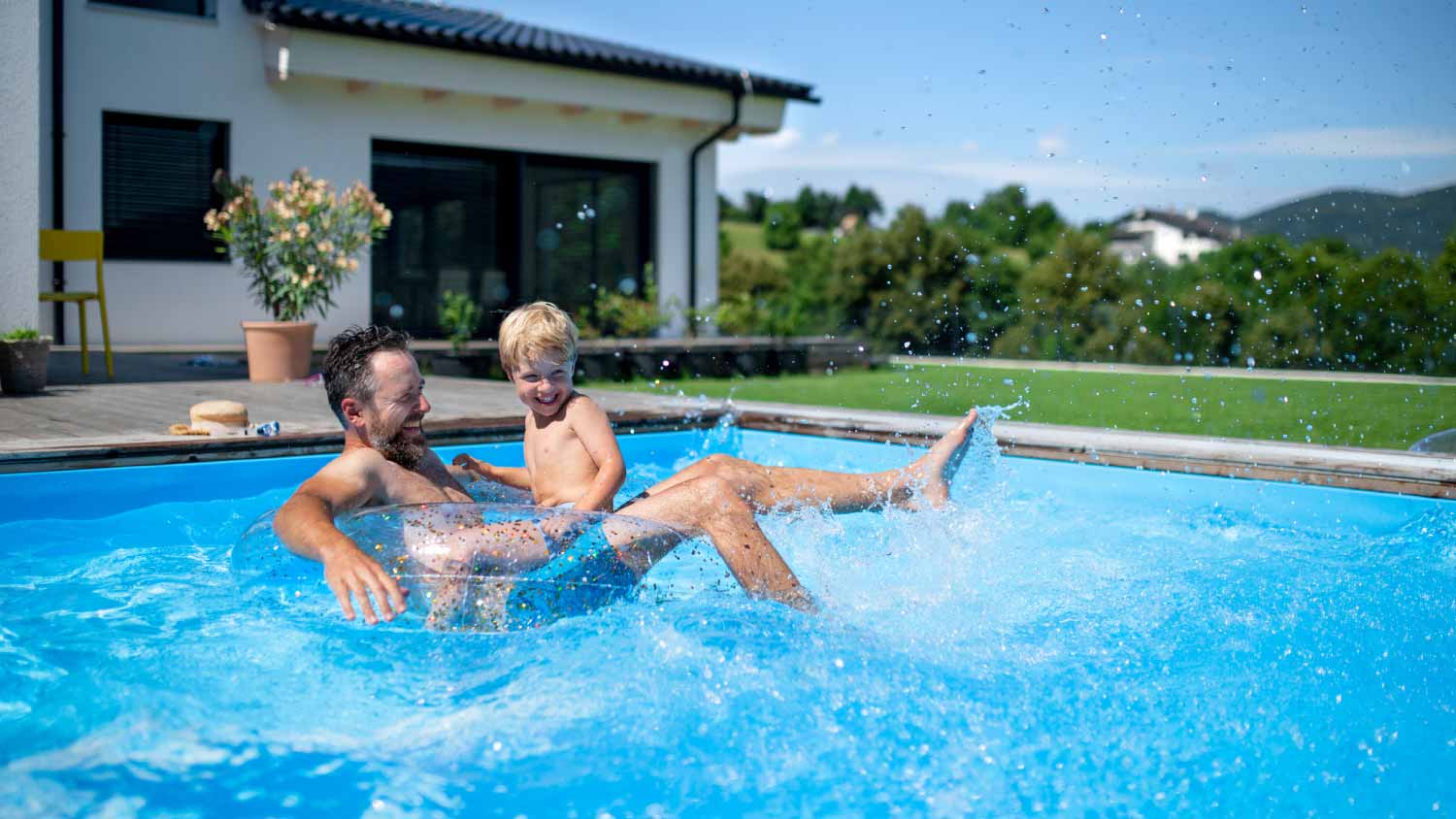
Knowing you have a pool leak is one thing, but finding it is another. We'll cover pool leak detection costs and what to expect from the repair bill.
Let's solve the case of the disappearing H2O

Your pool loses water faster when high temperatures, humidity, and wind increase evaporation, and a pool water evaporation chart helps you compare seasonal losses.
Pools without covers lose up to a quarter-inch of water daily in summer, while heated pools and water features speed up evaporation even more.
You can run a simple bucket test to determine if your pool is losing water from normal evaporation or if you have a leak that needs attention.
Hiring a local swimming pool installation professional provides reliable support for leak detection and repairs, keeping your pool structure safe and preventing costly underground damage.
Pools are a fun way to cool off on hot days, but noticing that your pool is losing water can raise serious concerns. Typically, pools lose water for one of two reasons: evaporation or a leak. Evaporation naturally occurs in any body of water, but it may increase under certain conditions, such as hot, humid weather. Leaks, however, indicate a bigger problem that a professional may need to address.
Read on to learn whether your pool is naturally evaporating or has a leak that needs fixing.
Pools in perfect working order will naturally lose water over time. It's typical for residential pools without a cover to lose up to a quarter-inch of water per day due to evaporation during the summer. Adding things like an enclosure and a pool cover can help slow down evaporation. Heated pools and pools with water features, like fountains, may also evaporate faster than pools without these components.
Here are the outlet types you find in most U.S. homes:
15-amp, 120-volt (2-prong and 3-prong): The standard household outlet for lamps, TVs, and chargers.
20-amp, 125-volt: A higher-power outlet for kitchens, laundry rooms, and workshops.
240-volt (20-amp to 50-amp): A large-appliance outlet for dryers, ranges, and EV chargers.
GFCI: A shock-protection outlet for kitchens, baths, and other wet areas.
AFCI: A fire-protection outlet for bedrooms and living spaces.
Tamper-resistant: A child-safe outlet with internal shutters, now standard in new homes.
Weather-resistant: A corrosion-resistant outlet built for outdoor use.
Convenience types: Switched, combination, USB, smart, and rotating outlets.

All bodies of water experience evaporation, but some conditions cause it to increase. For example, high temperatures, lots of humidity, and high winds can increase your pool's evaporation rate. Pools without enclosures or tree cover will also evaporate faster than those with shade and protection because they are more exposed to the weather elements.
Because the weather affects evaporation so much, you're likely to see much more evaporation during warmer seasons than you would during the cooler months. If you notice your pool losing more water than usual during cooler months, you may have a leak.
The amount of water that evaporates from your pool depends on the temperature of the water, the air temperature, how humid it is, and the velocity of the air that passes above the water’s surface. However, you can still get a rough idea of average evaporation losses to determine if your pool is losing water at an above-average rate.
Below is a general water evaporation chart per season based on minimal activity. These estimates are for a 400-square-foot pool located in an arid location. If more people use your pool and make a splash, you’ll find the water rate can increase by as much as twice these rates.
| Season | Inches Lost (Per Month) | Gallons Lost (Per Month) |
|---|---|---|
| Spring | 7.8 | 1,950 |
| Summer | 10.1 | 2,450 |
| Fall | 5.7 | 1,400 |
| Winter | 2.8 | 712 |
For information on evaporation rates in your area, check with your state or local government for evaporation data to help you compare your pool’s evaporation rates to the average in your region.
Although pools are constructed to be watertight, several issues can cause leaks. For instance, seals can deteriorate, especially if you aren't performing regular pool maintenance. Additionally, if your pool's plumbing fittings or accessories, like light fixtures, stop working as intended, leaks can occur.
It's essential to find leaks early so you don’t lose money on wasted water, heat, and chemicals. You’ll want to patch your pool liner as soon as possible if that’s the issue to ensure things don’t get any worse.
But it's also critical to detect them to preserve your pool's overall structure. Leaks left unaddressed can wash away your pool's fill dirt and cause other costly problems.
Nothing’s better than lounging in your pool on a hot day. Don’t let a leak put a damper on your fun in the sun. Learn how to identify leaks before they can turn into a huge problem (and mess).
Water loss is just one sign of a leak in your pool. Several other signs that indicate your pool may have a leak include:
Look for any wet or mushy spots in the grass between your pool and its equipment pad.
Leaks that occur below the surface can shift the ground your pool sits on, causing cracks. Therefore, cracks in your pool's concrete or tiles could mean there’s an underground leak.
When water drains from a leak, your pool's chemicals drain with it. Inconsistent chemical levels can be a major red flag. As you’re cleaning your pool and performing maintenance, keep a close eye on your chemical levels and be on the lookout for changes in your usual chemical balances.
Typical levels for pool chemicals are as follows:
pH levels: 7.2–7.8
Total alkalinity: 80–120 ppm
Salt: 2,700–3,400 ppm
Cyanuric acid: 30–50 ppm
Calcium hardness: 200–400 ppm

If you suspect your pool is losing more water than it should, you can run a simple test to determine whether it's leaking.
This test will help you determine whether your pool is evaporating as it usually would or whether it has a leak. Make sure no people or animals use the pool during the test, or it will skew the results. Additionally, if it rains during the test, you'll need to start over on another day.
Fill your pool to its normal water level.
Add some of your pool water to a bucket, filling it to about 1 inch from the top.
Place the bucket on the first or second step of your pool so that it's submerged about 5–6 inches into the water.
Use a marker or pen to mark where the water stops both inside and outside of the bucket.
Wait 24 hours.
Check the water levels inside and outside of the bucket.
If the water outside of the bucket dropped more than it did inside of the bucket, then you likely have a leak.
If you're fairly sure your pool is leaking, then the next step is to find the origin, so you can get back to enjoying your pool ASAP.
As effective as the bucket test is at helping you identify whether or not your pool has a leak, it won’t help you identify where the leak originated. To find the source of your pool leak, you’ll need to perform a more in-depth test called the dye test.
Perform this test on a day with low wind, and turn off your pool's filtration system so the water is as still as possible.
For the test, you'll need:
Leak-finder dye or dark food coloring
Goggles
A snorkel
Follow these steps for the dye test:
Fill your pool to its normal water level.
Go to where you suspect a leak is occurring.
Add a few drops of dye or food coloring.
Observe where the dye flows.
The dye or food coloring will naturally flow toward your leak. If you have a leak at the bottom of your pool, you'll likely need some goggles and a snorkel so you can effectively follow the dye's path.
Once you determine the leak's location, you can attempt to fix it yourself or call a local pool service to help you.
If this test doesn't lead you to the leak, your underground plumbing may be the culprit. If this is the case, you may want to call a professional to identify the leak's location so you don’t inadvertently damage your pool's plumbing.
You may locate a pool leak in any part of your pool that holds water, but a few areas are more likely to be the issue than others. Here are some of the most common pool leak locations.
This is the first place you should look for a leak. If your skimmer materials are damaged or worn over time, the area where the skimmer attaches to the pool can start to leak. You should also check around the piping exiting the skimmer to see if any leaks have developed.
While leaks can be common in your pool’s return piping, the pipes themselves can be hard to access if they’re buried underground. Instead, you can check the ground around your pool for soft, wet areas that may have formed because of an underground leak.
A main drain leak is one of the toughest pool leaks to spot due to the drain’s location at the bottom of the deepest part of the pool. You may want to contact your pool builder or service company about getting access.
Any openings in the structure of your pool can be prone to leaks. This includes the watertight seal around your pool lights or jets, which can wear down over time. Your pool service company can help you to reseal the areas around these fixtures.
Structural leaks vary in how easy they are to spot. Some are as obvious as cracks in the surface or tiling of your pool, while others are so subtle they require the dye test to locate. If your pool’s structure is aging, it may be time to call a pool renovation company for repairs or resurfacing.
If you think your pool is losing water because of a leak, you’ll want to take a few basic steps to properly identify the problem. Some of the best steps you can take include the following:
Turn off your pool pump and auto-fill system if you have one.
Look for common leakage signs like excessive moisture, cracks, or chemical imbalances.
Run the bucket test to determine if your pool is actually leaking.
Run the dye test to find the origin of the leak.
Attempt to fix the leak yourself or call a pro, depending on the situation.
It’s normal to lose an inch or less of water to evaporation in a typical week. However, if your bucket test results point to a leak, it’s a good idea to call in a local pool professional. A certified pool technician can help you find out exactly why your pool is losing water and locate the exact source of the leak to make repairs.
It’s important to address pool leaks promptly to prevent them from growing and causing more expensive damage down the line. Investing in routine maintenance and repairs will save you time and money in the long run.
If you’re good people wanting to do business with good people, hire Matt. He is a consummate professional and utterly competent. He installed a water heater in my home at a price that beat competitors by hundreds of dollars with a promise to support the unit for its life (even after its 6 yr...
 Greene's Plumbing Services
Joseph did a great job with the staircase and trim. Timely and efficient, clear communication about the work, very fair pricing. For the stairs in particular, done very skillfully in an old house (1893) in a tight spiral, and very creative with how to do the handrail. Did a nice job with...
 Vouis Trim Carpentry L.L.C.
This company does it right. Firstly, I want to say that Landan was a joy to work with. He was so kind, transparent, and had everything under control. His entire team showed up ready to work and they were all very respectful of the fact that we were in an office space. A little backstory – we...
 Krumlauf Floors
Professional Team, smooth to communication chain and schedule flexibility. Follows proper construction procedure and completes task on time.
 Pegasus Concrete
Very professional, knowledgeable and helpful! Completed the install on time and as expected.
 Ward's Services
Cole has been handling plumbing and general contracting for our four properties over the past three years, and he’s always done a great job. Most recently, he installed a sink and countertop in our retail store where none existed before, and it turned out exactly how we needed. He’s...
 ANB Renovations LLC
Excellent, Prompt, Courteous Service!!! They were super friendly and quite personable. I felt very comfortable with the gentlemen that did the installation. They installed it exactly where I asked them to and they did an excellent job!! I loved their service so much.
 Tether House
I hired windows depot USA of central to install new windows in house in Oshawa. Ilya was very professional from the start, not only did he offered a great price, he also made sure the installation was on time. I am very satisfied with final outcome. The windows look great and the overall...
 Window Depot USA of Central Ohio
The guys did an outstanding job and we had a great experience with CarifaTile. I appreciated that Joe reviewed the quotes with me and set expectations prior to the install. The crews showed up as scheduled and always left the areas clean upon leaving the house. We will definitely use...
 CarifaTile
Did an amazing job transforming my yard. Also installed sod in places, would recommend to everyone.
 Cardinal Landscaping & Construction LLC
From average costs to expert advice, get all the answers you need to get your job done.
Knowing you have a pool leak is one thing, but finding it is another. We'll cover pool leak detection costs and what to expect from the repair bill.
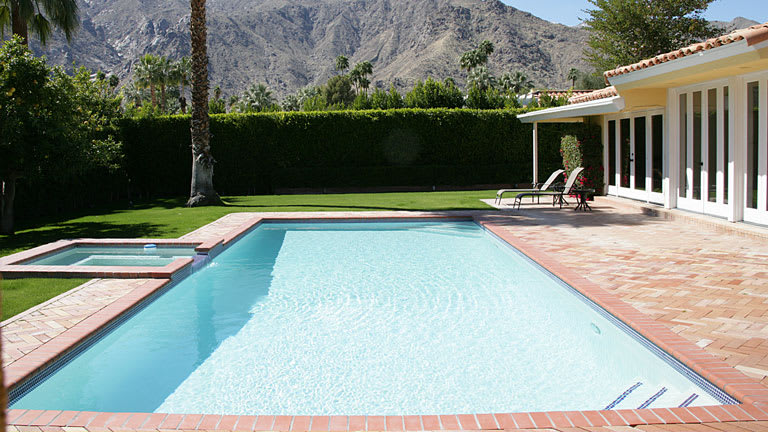
From small leaks to broken pool pumps, how much do pool repairs cost? We'll break down what to expect from your pool repair bill no matter the size of the fix.
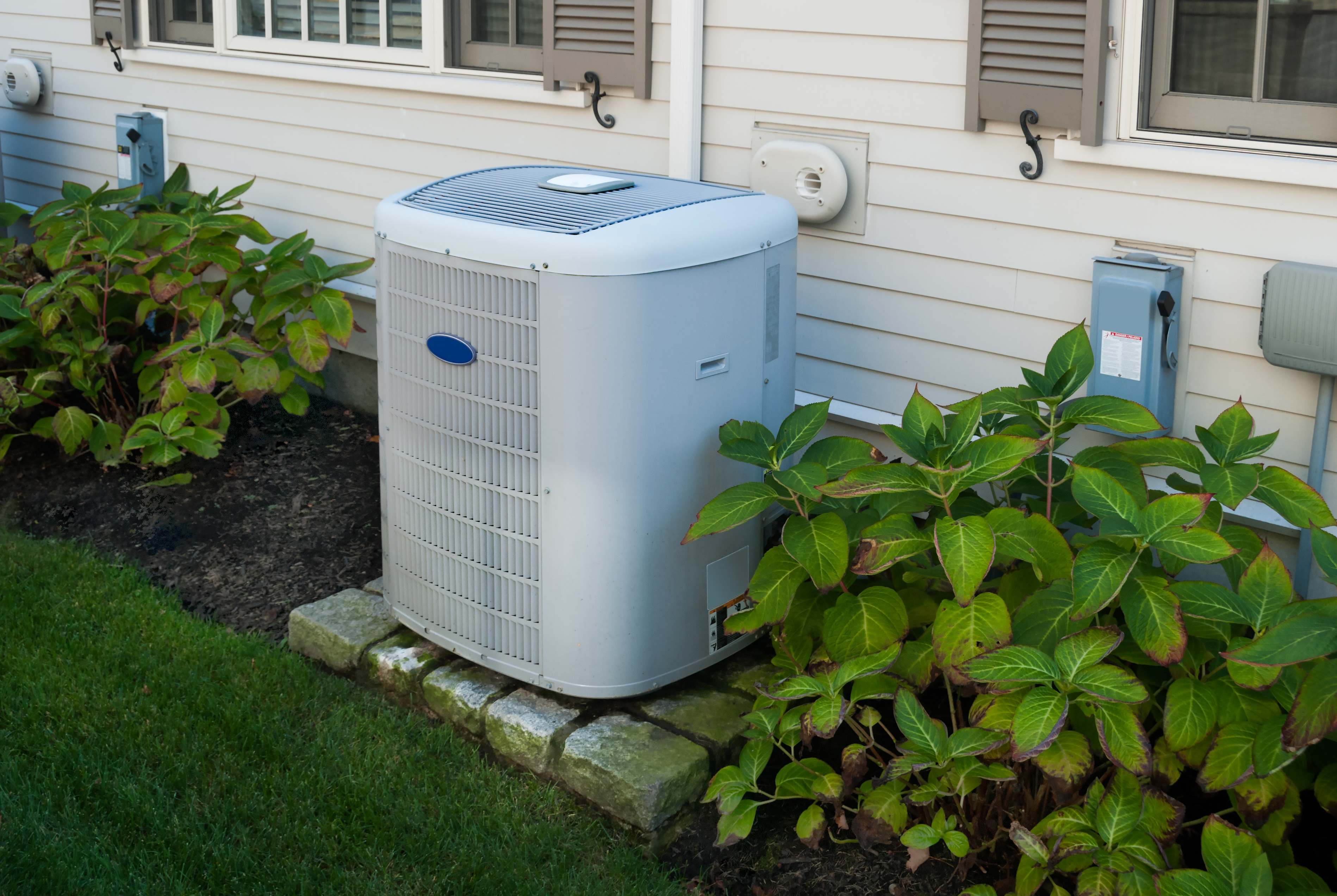
Leaking AC coils can compromise your entire home cooling system. Look for these six signs of a leaking evaporator coil, and schedule a repair ASAP.
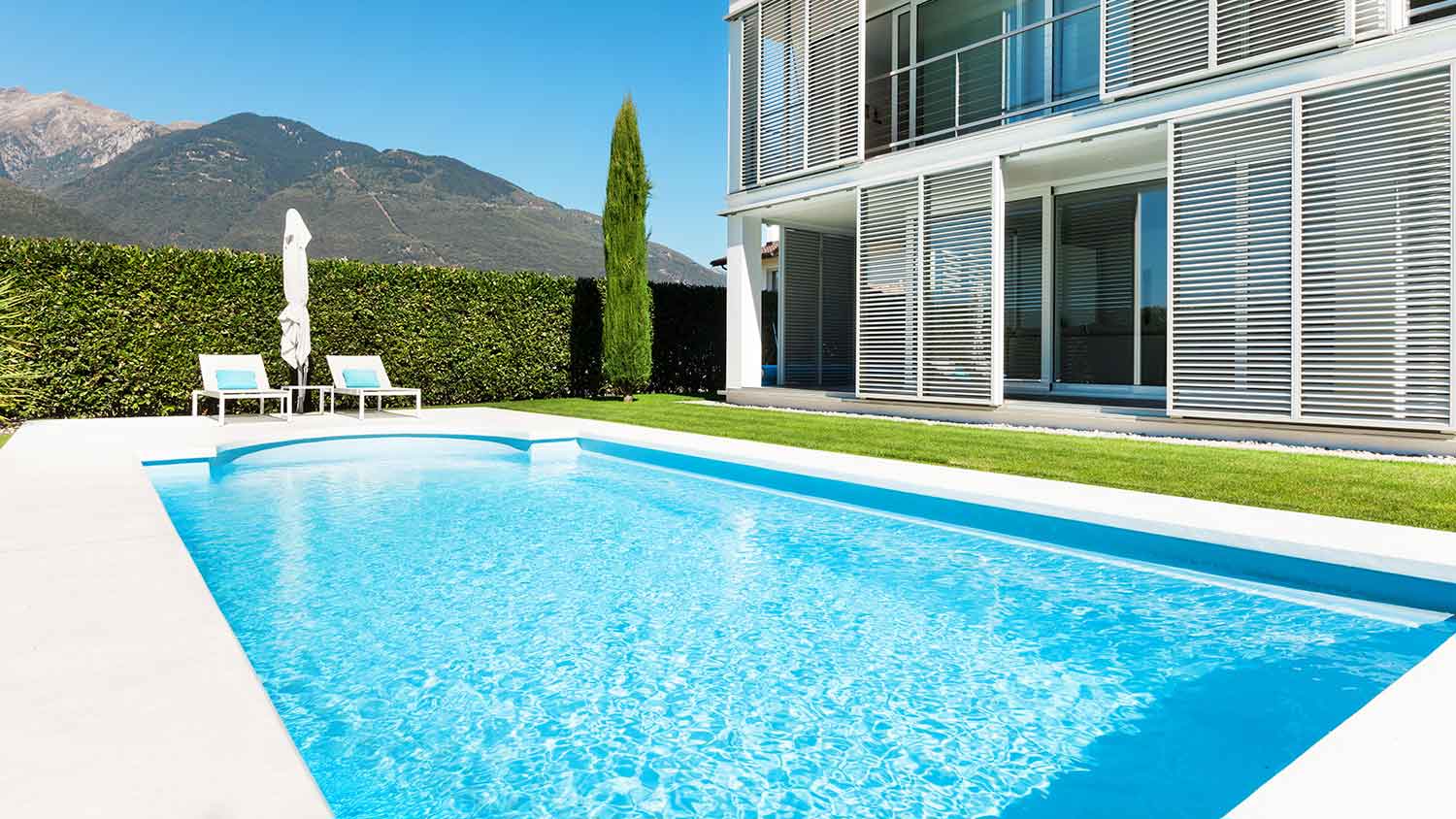
Don’t let a leaky pool spoil your outdoor fun. Learn who to call to check for pool leaks so you can get back to enjoying your pool as quickly as possible.
A perfectly level ground is crucial for a safe and enjoyable pool experience. Learn who to hire to level the ground and prepare your backyard oasis.
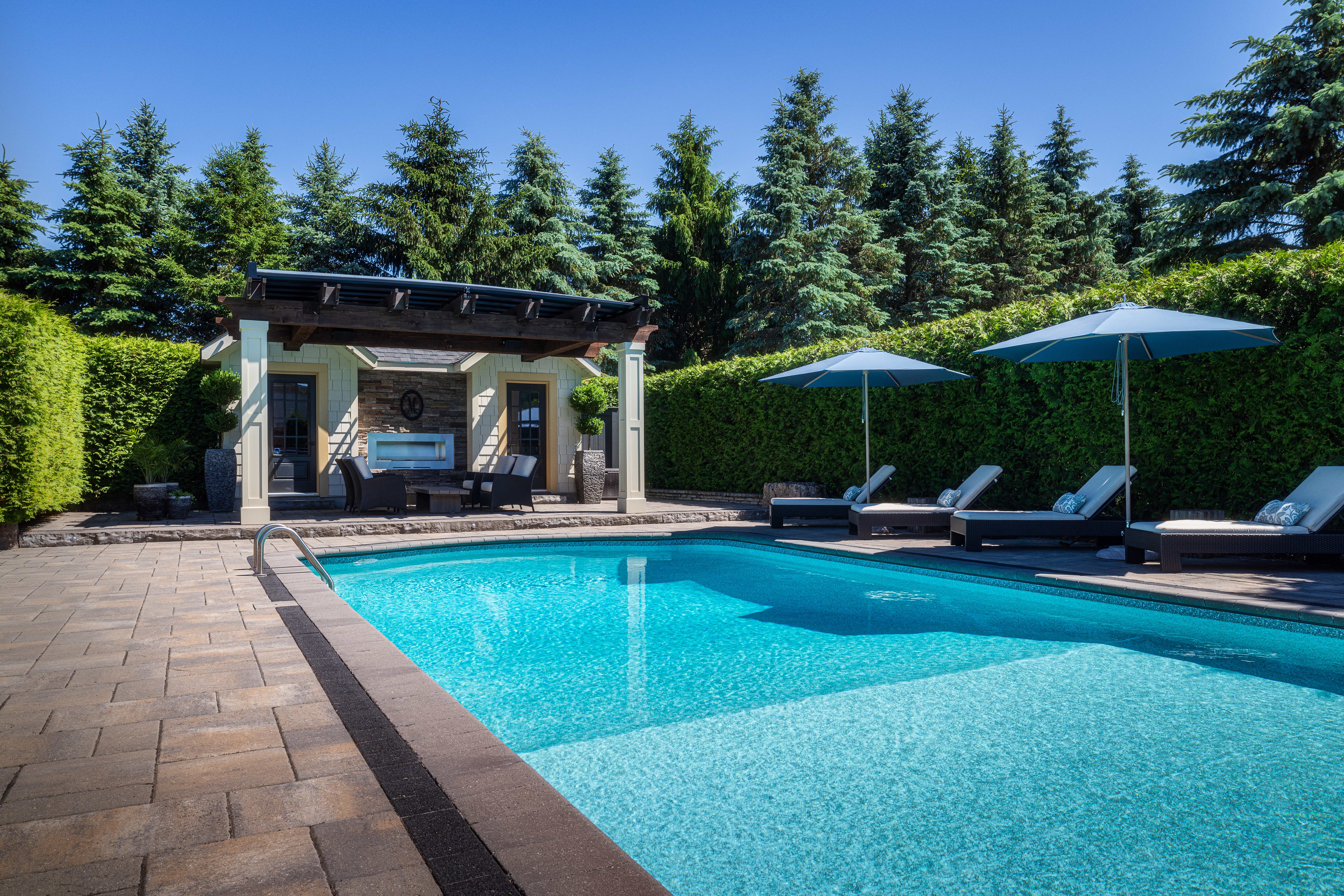
Discover the top signs of pool leaks, from water loss to algae growth. Learn when to call a pro and how to keep your pool safe and efficient.