

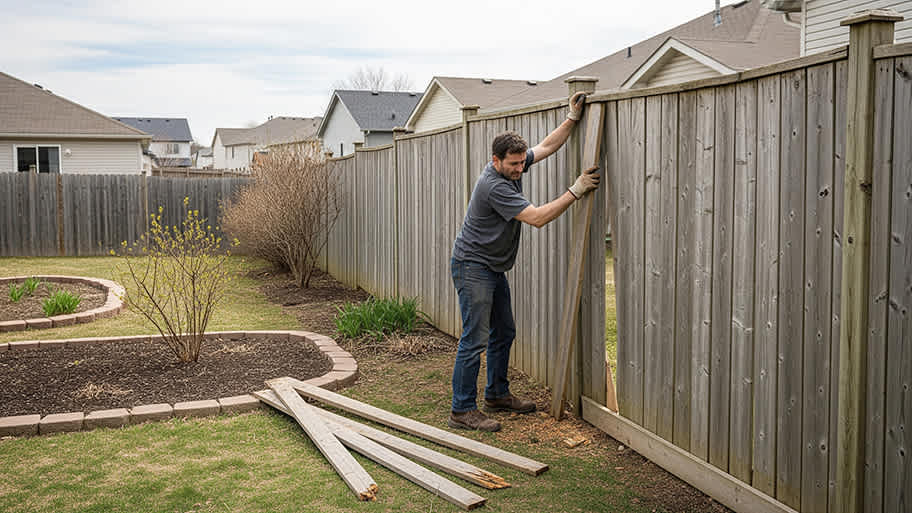
Fence removal costs are highly variable, depending mainly on the size and type of fence. Read on and learn why labor will always be your biggest spend.
Find the fence that fits

Choosing between different types of fences depends on your purpose, whether you need privacy, security, pet containment, or simply defining your property boundaries.
Expect to pay $2 to $4 per linear foot for electric fencing or $1,500 to $8,000 for concrete fence installation, with costs varying by material and project size.
Your fence choice should balance aesthetics with function, considering factors like HOA regulations, climate conditions, maintenance needs, and how the style complements your home.
Hiring a local fencing professional removes guesswork from material selection and installation, ensuring your fence meets local codes and stands up to weather conditions.
Whether you plan on tackling the project yourself or hiring a pro, installing a fence is a big decision. Your fence will set the tone for outdoor playdates, pool parties, and any other gatherings you like to host in your yard. There are many different types of fences that can serve a wide variety of purposes, so take some time to weigh the pros and cons of different yard fencing options.
Here are the outlet types you find in most U.S. homes:
15-amp, 120-volt (2-prong and 3-prong): The standard household outlet for lamps, TVs, and chargers.
20-amp, 125-volt: A higher-power outlet for kitchens, laundry rooms, and workshops.
240-volt (20-amp to 50-amp): A large-appliance outlet for dryers, ranges, and EV chargers.
GFCI: A shock-protection outlet for kitchens, baths, and other wet areas.
AFCI: A fire-protection outlet for bedrooms and living spaces.
Tamper-resistant: A child-safe outlet with internal shutters, now standard in new homes.
Weather-resistant: A corrosion-resistant outlet built for outdoor use.
Convenience types: Switched, combination, USB, smart, and rotating outlets.

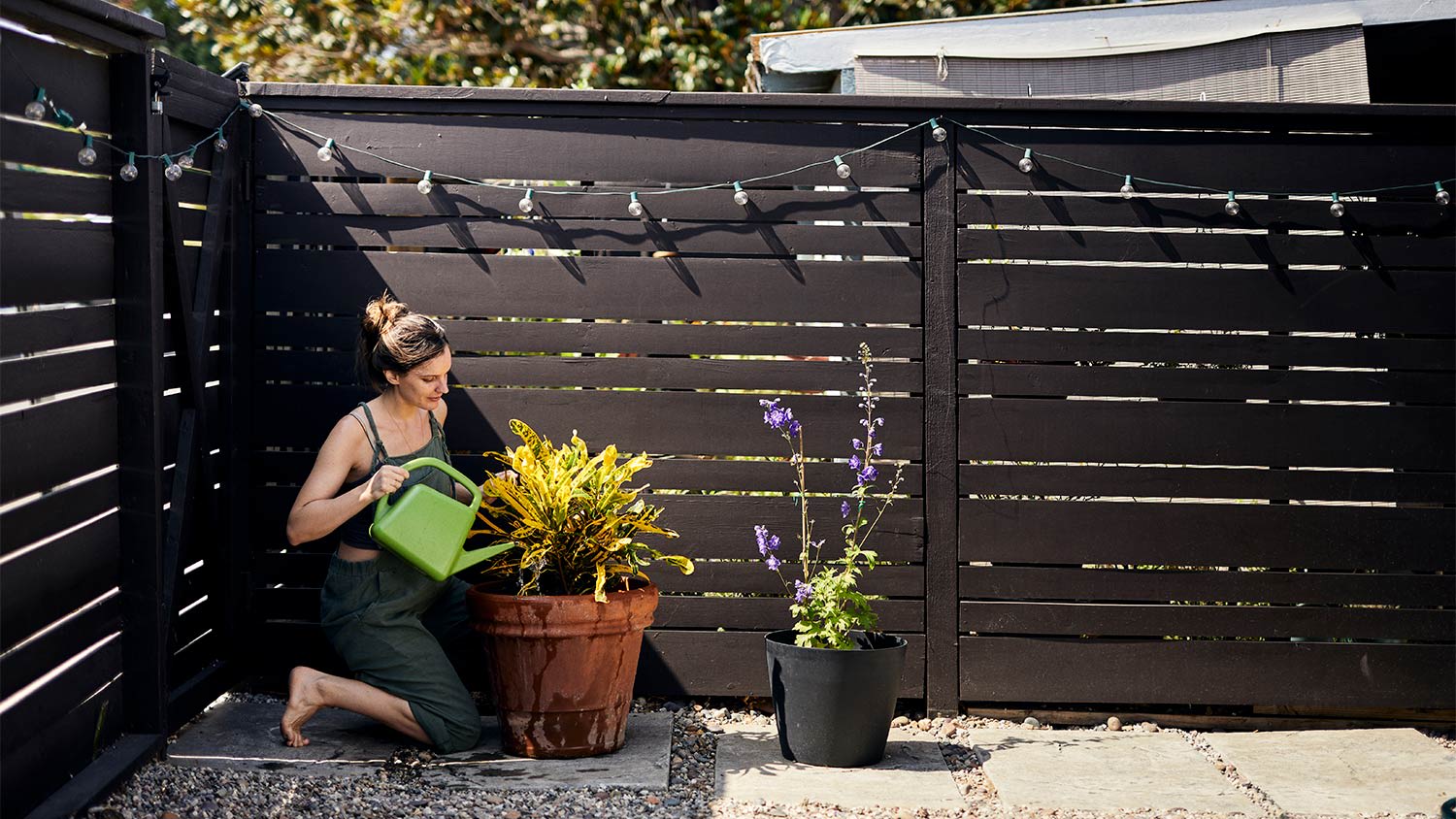
Wood is one of the most common types of fences for yards because it can serve multiple purposes while appealing to many tastes. Typically, builders use cedar and pine for wood fences, but you can also use fir, redwood, and spruce.
Compared to other materials, wood is one of the more affordable options. Keep in mind, however, that wood is sensitive to the elements and weather fluctuations. It's prone to fading and requires regular maintenance every few years, so account for the cost of staining the fence and upkeep when budgeting.
| Pros | Cons |
|---|---|
| Affordable | Prone to rot |
| Easy to paint or stain | Requires maintenance |
| Can provide privacy | Can attract pests |
| Can block sound | May need repairs |
Best for: Budget-conscious folks looking for maximum privacy

Composite is a blend of wood and plastic polymers that builders use for both fencing and decking. Because manufacturers can make composite from recycled materials, this type of fencing is an environmentally friendly option.
Composite fencing comes in various styles and colors, and you can install horizontal versus vertical fencing for a modern aesthetic. Of all the other fence options listed here, composite is on the more expensive side and requires professional installation, so keep this in mind when budgeting.
| Pros | Cons |
|---|---|
| Environmentally friendly | Can't be painted |
| Low maintenance | Factory color can fade |
| Long-lasting | Higher price tag |
| Various colors available | Prone to mold |
Best for: Environmentally conscious homeowners looking for a stylish option

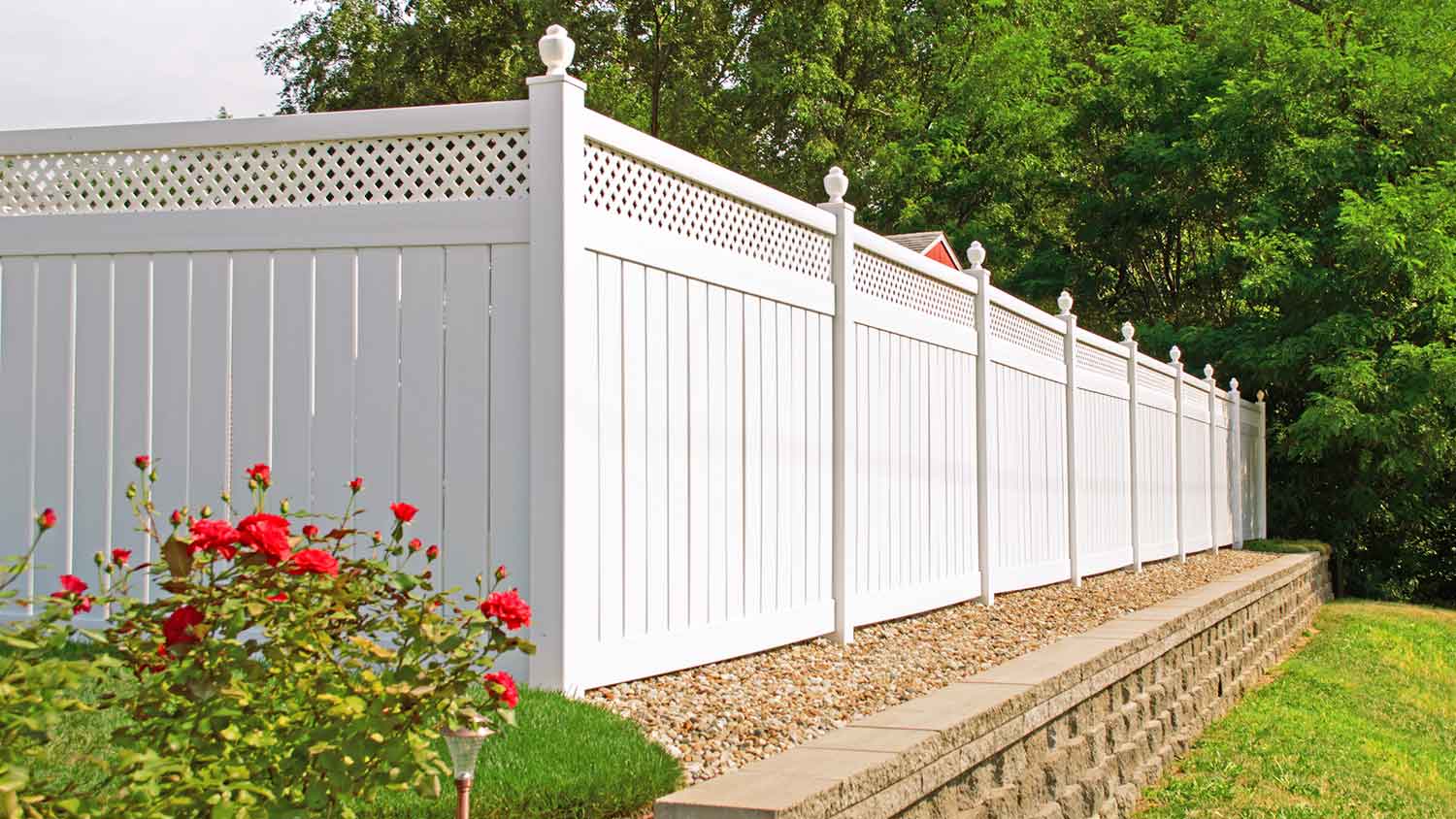
Vinyl fencing is a versatile option that comes in a variety of styles and colors. Use a solid, tall vinyl fence to add privacy and security to your yard. Or, use a white picket-style fence to increase your curb appeal and enclose your property.
While this option has a higher up-front cost, over time, it requires less maintenance, making this a cost-effective choice over its life. Keep in mind that the cost to install vinyl is higher because it requires precision, as imperfections in height are more evident.
| Pros | Cons |
|---|---|
| Affordable | Higher installation cost |
| Low maintenance | Can weaken over time |
| Wide range of styles | Not heat resistant |
| Wind resistant | Environmental concerns |
Best for: Homeowners looking for a durable, easy-care and budget-friendly fence

Aluminum fences are low maintenance, strong, and easy to install, making them a good choice for a wide range of fence installation projects. Because aluminum is lightweight and malleable, installers can build it on either a flat or sloped yard. It’s also both fade- and moisture-resistant. Moreover, powder-coated aluminum fences provide protection from rust and prevent the paint from peeling and chipping.
Most often, aluminum fencing comes standard with spacing between the poles, making this a less ideal option if you’re seeking more privacy and security. However, if you’re looking for a visually appealing way to section off your property, this is a great choice for an ambitious DIY project.
| Pros | Cons |
|---|---|
| Long lifespan | Limited privacy |
| Lightweight | Posts bend easily |
| DIY available | Higher cost |
| Low maintenance | Not weather resistant |
Best for: Homeowners looking for a long-lasting option where privacy isn't a concern

Wrought iron is a type of metal fencing that can add an elegant and decorative look to your home. Because it has an extensive manufacturing process, crafted by a blacksmith reheating the iron repeatedly, it’s extremely strong and has a long lifespan (which also makes it more costly).
Pure wrought iron is no longer commercially available, and steel ornamental fencing has replaced it. However, you may be able to put pieces of existing fencing together to create a custom fence in your yard. Sometimes, you can purchase wrought iron in small quantities for restoring or conserving a property.
While an expensive option, you can easily use wrought iron fencing for gates and fences in smaller areas, such as gardens or entryways.
| Pros | Cons |
|---|---|
| Strong and durable | Highest cost |
| Long-lasting | Can be heavy |
| Visually appealing |
Best for: Homeowners looking for a sophisticated, long-lasting fence at any price

Chain link fencing is a tried-and-true way to section off your property and create a barrier of entry. In certain cases, confident DIYers can install this type of fence over the course of a weekend. Chain link fence covering is a popular option for containing animals or children and defining property lines in your yard.
While many types of chain link fences are bare metal, black chain link fences have a vinyl coating. They tend to look more elegant than standard chain link fences.
| Pros | Cons |
|---|---|
| Affordable | Less secure |
| Easy installation | Limited privacy |
| Low maintenance | Low resale value |
Best for: Homeowners looking for a basic fence to keep pets and kids safe

Wire fences serve a range of practical purposes, from keeping animals out to keeping them in, even if they don't have the friendly-next-door-neighbor look that other options do. You have your pick of hog wire, barbed wire, or tightly woven chicken wire fencing. Each type is DIY-friendly to build, though you will need to take extra precautions with barbed wire to avoid injury.
Wire fencing costs pennies per square foot, but you'll typically pay by the roll. Rolls of barbed wire fencing, for example, will cost between $60 and $110 for 1,320 feet. While you can select from a range of wire gauges, weaves, and extra protection, such as barbs, you will still need to connect the fence material to posts that you’ve anchored in the ground for stability.
| Pros | Cons |
|---|---|
| Low cost | Not very sturdy |
| Easy DIY | Not attractive |
| Maintenance free | Can cause injury |
Best for: Homeowners looking for a quick and simple way to define their property boundaries or keep pets in a yard

A corrugated metal fence marries form and function. The solid metal panels create an excellent privacy barrier, keeping passersby from seeing what's going on in your yard. The panels also help to block sound and wind.
Often, corrugated metal fences are surrounded by wooden frames, giving them an industrial-chic appearance. The fences are incredibly durable and affordable when compared to other metal fence options.
| Pros | Cons |
|---|---|
| Excellent privacy | Not everyone's taste |
| Affordable | Can rust |
| Long-lasting | Tricky to DIY |
Best for: Homeowners who want a lot of privacy and who like an industrial look

If you're hoping to make a big statement with a long-lasting design, consider installing a stone or brick fence along your property. The work of a mason is costly, between $70 and $110 an hour for labor alone, as are the materials, which can cost up to $80 per square foot.
On the other hand, the variations of masonry fences are endless. Choose from natural stone, stone veneer, brick, concrete, and even stucco. While some masonry fences also act as retaining walls, others simply play the role of a privacy fence or a fence to mark your property line. Masonry also pairs well with other materials, such as wrought-iron details, aluminum gates, or even wooden accents.
| Pros | Cons |
|---|---|
| Customizable | Expensive |
| Highly durable | Tricky installation |
| Increased curb appeal | Higher-maintenance |
Best for: Homeowners seeking a custom, classic fence style

If you still think of concrete fences as cumbersome, ugly, industrial chunks of blocks, think again. Though still limited in styles compared to other fencing options, concrete fencing comes in various shapes and forms in today’s market.
As one of the most durable fence types, concrete fencing provides top-notch security, privacy, and decent sound reduction. It can also withstand the harshest weather and human tampering.
Concrete fencing installation with precast panels costs $1,500 to over $8,000. However, since well-built concrete fencing requires little to no maintenance, the savings in the long run often justify the higher up-front investment.
| Pros | Cons |
|---|---|
| Extremely durable | Higher up-front cost |
| Low maintenance need | Limited styles and designs |
| Good soundproof effect | Once built, it’s permanent |
Best for: Homeowners seeking top-notch privacy and security and are willing to invest

Electric fences feature electrified wires that shock anyone—person or animal—who comes into contact with them. They're commonly used on farms or in rural areas to keep livestock safe or prevent critters from getting into a yard.
Since electric fences are pretty barebones, they're usually not the most aesthetically pleasing option. They also may not be the safest pick, particularly for homes with children or in areas with a lot of kids and pets.
| Pros | Cons |
|---|---|
| Low cost | Can cause injury |
| Easy to turn off | Requires electricity |
| Can protect animals | Not attractive |
Best for: Homeowners in rural areas who have animals they want to protect

You can't see an invisible fence, but your dog knows it's there. Traditionally, an invisible fence system consisted of a wire buried in the ground and a collar worn by a pet. If a dog approached or crossed the wire, they would receive a shock.
Newer invisible fence models are wireless and use GPS and geofencing to keep a dog in a yard. The dog still wears a collar, but no longer gets an electrical zap. Instead, their collar starts beeping as they approach the boundary. It then vibrates and may zap the animal if they continue on.
Not every dog responds to an invisible fence collar, and some may have medical conditions that make them unable to tolerate the beeps, vibrations, or zaps. It's also important to understand that an invisible fence may keep your pet in the yard, but it won't provide privacy or keep other animals out.
| Pros | Cons |
|---|---|
| Can contain your pet | Needs electricity |
| Invisible | Can be cruel |
Best for: Pet owners who want to keep their dog in the yard
Invisible electric fencing may not be for everyone, and not all dogs respond to it.
Amelia Weiber, PDT-KA, CCBC, and fear-free certified technician and trainer who runs Caring Behavior Animal Behavior Consulting and sits on the advisory board for Daily Paws, noted that “electric fences can result in behavioral side effects and may not be able to keep a dog safely in the yard so they should be avoided as a containment option.”
Before choosing an invisible electric fence, talk to your veterinarian. Additionally, some states and counties may not allow this type of fencing, so always check local ordinances.

If you aren’t sure which type of fence to choose, consider the following factors:
Purpose: First, think about why you’re building the fence. Whether you need to contain your pets, create extra privacy, or define your property lines, understanding the purpose of the fence can help you decide which type is best.
Cost: Fencing materials come in a range of price points. Electric fences are some of the most affordable options, running between $2 and $4 per linear foot. Steel is on the pricier end, with these fences costing $17 to $90 per linear foot.
Aesthetic: Maybe you love the classic look of a white picket fence, or perhaps you prefer the industrial vibe of corrugated metal. Either way, your personal preferences can help guide your decision, too.
HOA regulations: If you’re part of a homeowners association (HOA), there might be rules about what types of fences you can install. For example, your fence may have to be a certain style or match other fences in your neighborhood.
Still on the fence? (Pun intended.) Reach out to a local fence pro to learn more about these options and find the best one for your home.
A reliable team for moves across state. My switch to a new place needed careful lifting through tight hallways. The movers checked the doorway first, then carried heavier pieces with slow, controlled movements. Their patience helped prevent damage, and I?d choose them again.
We have used Window Warriors many times with no issues. They arrived on time and were very professional . We have pets and Window Warrior team treated them very well, well trusted team.
 Window Warrior of Columbus, Inc.
We have bought and sold numerous times over the past 50 years. Sherman Hall and Top Line are top notch. Thorough and detailed, he explains every possibility, probability, and eventuality. High class and pleasant. The best.
 Top Line Home Inspections, LLC
Our homes curb appeal skyrocketed thanks to Custom Paint Jobs LLC s exterior painting.
 Custom Paint Jobs, LLC
Window Depot did an amazing job on my deck. I wasnt sure what I wanted to do, but their composite decking was affordable and will last a long time. I am excited to have family over, and I am no longer embarrassed by my backyard. Jeff and the ground crew were polite, respectful, and caring for...
 Window Depot USA of Central Ohio
Storms Mobile Welding was great to work with. They were prompt, professional and did an overall excellent job on the project. I highly recommend.
Great job...edging and pre clean up went well with a great job with seal coat. Friendly, efficient and professional.
 All Star Paving and Sealing
Did an amazing job transforming my yard. Also installed sod in places, would recommend to everyone.
 Cardinal Landscaping & Construction LLC
We hired Andrew and the team from Midwest Lightscapes for a custom lighting design and installation on a Victorian Village home. The house had outdated low-voltage halogen outdoor lights and many of them were not working. Andrew designed and installed a new system including uplighting on the...
 Midwest Lightscapes
The work was completed in a day and a half. They cut small trees, pulled out an old swing set, pulled out railroad ties and left the place spotless when the job was complete. I am very happy with the fence and their efforts were above and beyond my expectations.
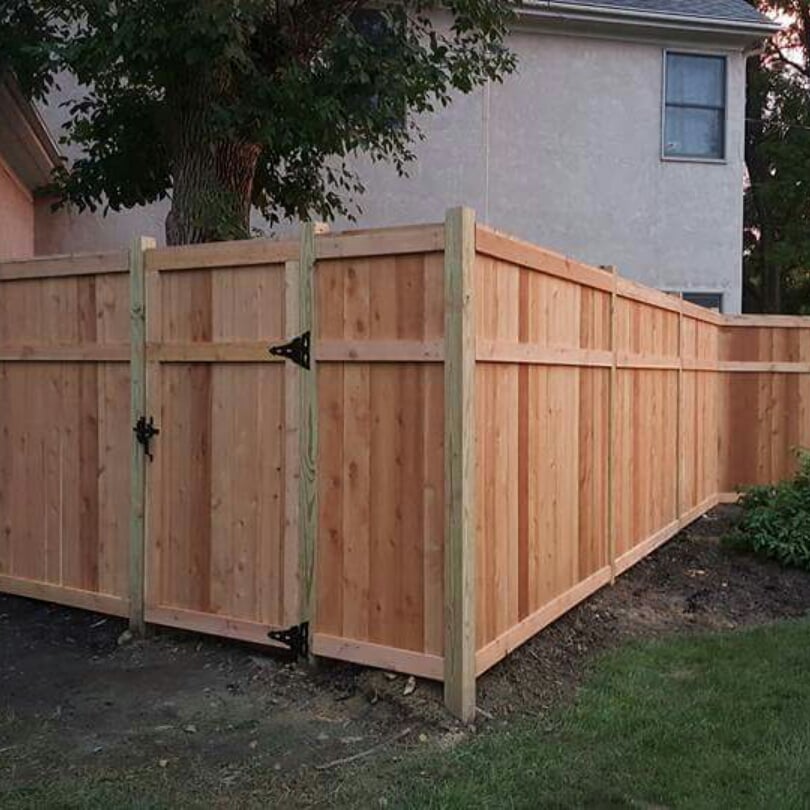 Elite Fence
From average costs to expert advice, get all the answers you need to get your job done.
Fence removal costs are highly variable, depending mainly on the size and type of fence. Read on and learn why labor will always be your biggest spend.
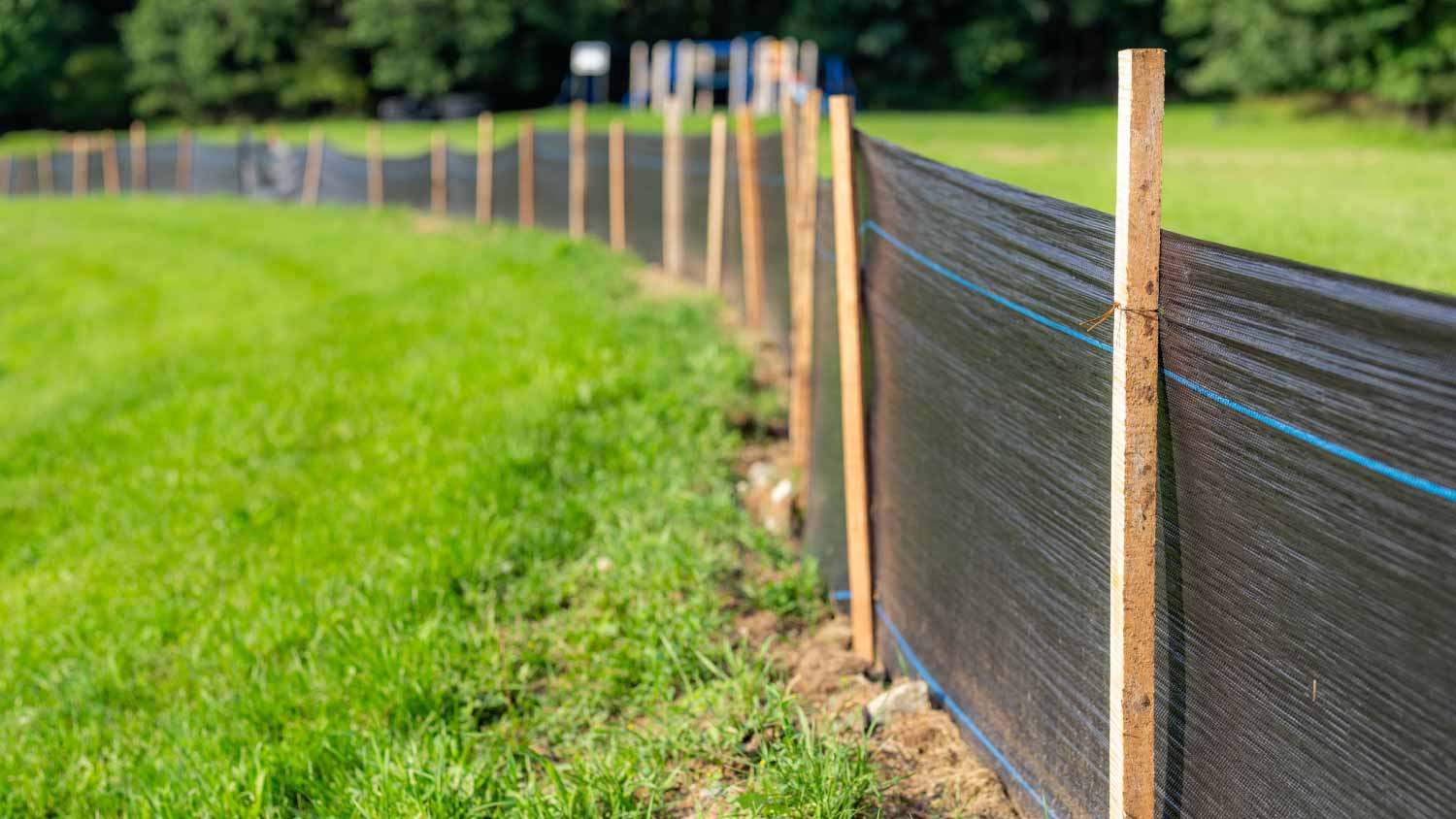
Silt fence installation costs vary depending on the size of the lot, the fencing type, and the installation technique. Use this guide to get the budget right.
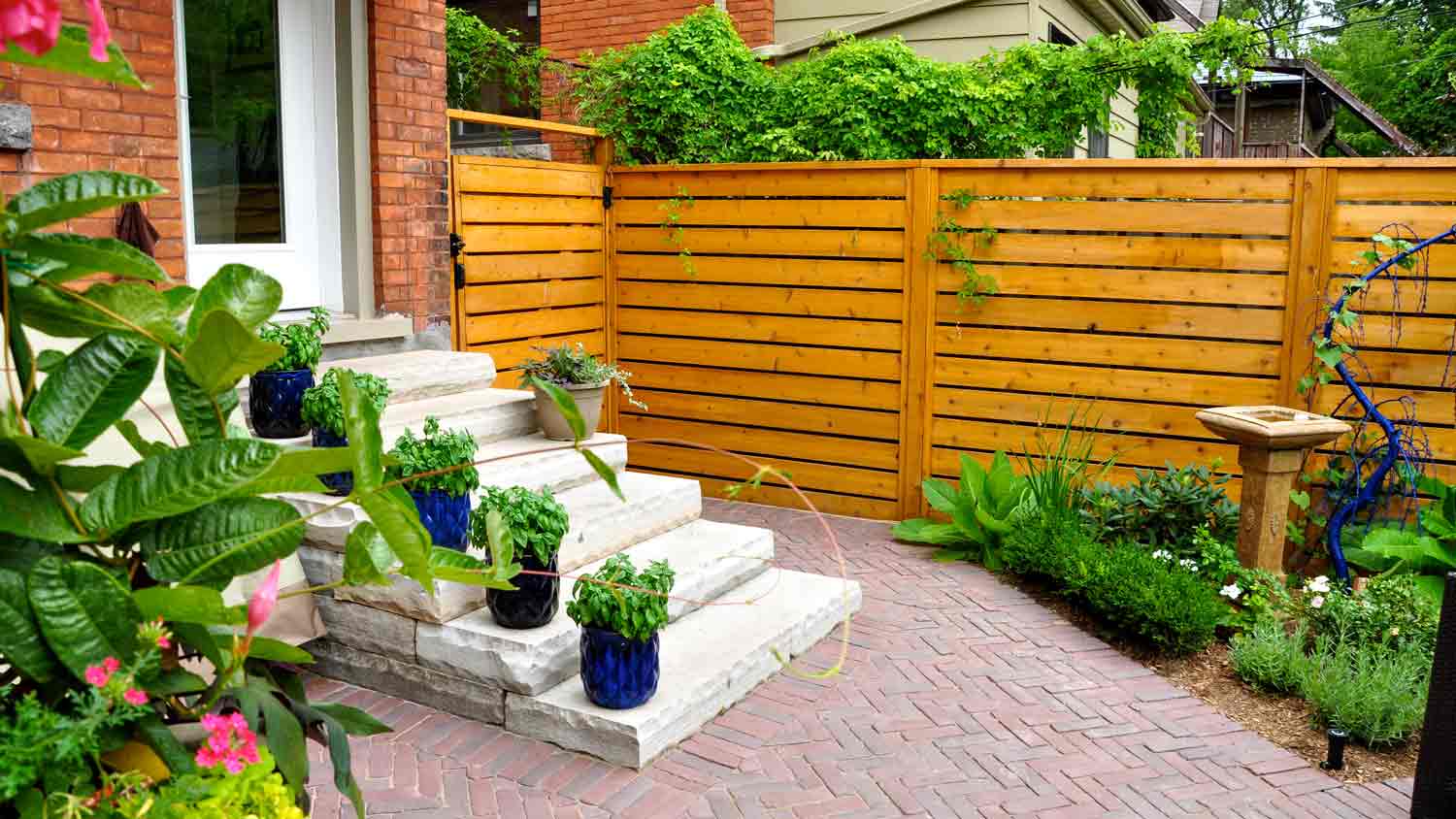
Get a clear estimate of wood fence repair costs. Learn what impacts price, compare repair types, and find tips to save on your next fence project.
If you’re investing in a fence, you should carefully weigh the pros and cons of vinyl fencing. While it has many advantages, it comes at a higher cost, too.
Are you a classic picket fence family or looking for a bit more privacy? From style to material, this guide helps you choose the best type of wood fencing for your home.
Concrete flooring is a durable, low-maintenance option for your home. Learn the pros and cons of concrete floors to decide if they’re right for you.