

A new fence adds privacy, improves safety, and even boosts curb appeal. But how much does fence installation cost? Find out in this guide.
Don’t fence yourself in—explore both options

Horizontal fences feature boards running parallel to the ground for a modern look, while vertical fences have boards running upward for your traditional style.
Horizontal fencing costs more than vertical fencing because you need higher-grade lumber and on-site installation, while vertical options come in pre-made packs.
Vertical fences work better on sloped terrain and offer you more privacy with tighter board spacing, while horizontal designs suit level ground with modern homes.
Hiring a local fence company provides confident guidance on choosing between horizontal and vertical designs, keeping your installation smooth and your property secure.
Whether you have a dog running around or want to add some privacy to your yard, a fence is a great option. Before diving into the different types of fences or finding a local fence contractor, you must first decide if you want your fence boards to run horizontally or vertically.
While it may seem like a small decision, it has a big impact on the cost and appearance of your final product. Let’s compare horizontal vs. vertical fences to see which is right for your backyard remodeling project.
Horizontal fences are often stronger than vertical fences because they require higher-grade lumber, but they are more expensive to install. Vertical fences offer an easier DIY job and lower-cost installation on average, but they aren’t as durable as horizontal fences.

Unlike traditional vertical fences, horizontal fences feature pickets that run parallel to the ground, or from side to side.
| Pros | Cons |
|---|---|
| Unique design | More expensive |
| Features strong lumber | On-site installation |
| Durable against elements | Less home security |
Best for:
Modern or contemporary homes
Homeowners who aren’t too concerned about privacy
Properties with a home security system
Homes located in regions prone to inclement weather
Big-budget projects
One of the most appealing perks of a horizontal fence is its unique design. Traditional fences are vertical, so choosing a horizontal design will make your home stand out in the neighborhood. Horizontal fences are also stronger than their vertical counterparts since they require higher-grade lumber. The durability of their material means less weather impact because ground moisture doesn’t affect the ends of the pickets.
Ask your fence installation pro about the benefits and drawbacks of horizontal and vertical fences for your property. If you want wider board spacing with a sleek look, they might suggest a horizontal fence since vertical stringers would be visible with wider spacing.

One notable downside to horizontal fences is that they’re more expensive than vertical fences. That’s because they must be bought piece by piece. Since you can’t buy horizontal fences in packs, you or your fencing pro will have to build a horizontal fence on-site, which adds to fence installation costs.
The design of horizontal fences makes them less secure than vertical fences, because their ladder-like slats can allow trespassers to scale the structure more easily. Even at its tightest, horizontal fences leave a 1/8-inch gap between boards. While it may not seem much, it’s enough to see through, so there’s not as much privacy.

Vertical fences are more traditional and feature boards or pickets that run from the ground up.
| Pros | Cons |
|---|---|
| Less expensive | Less modern and unique |
| Easier installation | May sag in some areas |
| Works on uneven ground | Less durable lumber |
| Increased privacy and security | Deteriorates more quickly |
Best for:
Older, traditional homes, such as an American Colonial-style
Homeowners working with a smaller budget
Properties with sloped or uneven terrain
Locations with dry weather
One of the biggest perks of a vertical fence is its price. Vertical fences cost less than horizontal fences because they are made from less expensive wood and can be assembled off-site. Vertical fence packs are designed to be efficiently assembled during installation. For this reason, vertical fences are the best bet for a DIY fence project.
These types of fences also work well on uneven ground. You can stagger vertical fence packs, even on a steep slope. And much like horizontal fences, vertical fences are also quite sturdy. Their weight is evenly distributed and they have horizontal stringers installed to reinforce that sturdiness, as well.
Finally, vertical fences make better privacy fences and offer more security than horizontal fences, since the boards are closer together and not easy to climb.
One of the drawbacks of a vertical fence is that it doesn’t have as much aesthetic value or stand out as much as a horizontal fence. But for some homeowners who prefer a traditional look, this can actually be a perk. Another con is that vertical fences are more impacted by severe weather. The most sensitive part of a fence is its ends, which in the case of a vertical fence face up toward the sun and elements and down into the ground. This means vertical fences deteriorate faster over time in areas with more moisture. They can also be prone to sagging.

Now, let’s take a look at which fence comes out on top for appearance, durability, security, and more.
There aren’t many people who will say that a vertical fence is more attractive than a horizontal one. Horizontal fences are sleek, modern, and unique—giving your home a standout look in the neighborhood. And if your home already has a modern design, a vertical fence will likely stand out as well (but in the wrong way).
Horizontal fences must be installed on fairly level ground, so they’re a little less flexible regarding where you can install them. If your back or front yard is sloped, you’ll likely have to resort to a vertical fence—regardless of your design preference.
Horizontal fences are prone to sagging if not reinforced with posts or cross beams. But they’re made from higher-grade lumber than traditional vertical fences. That said, vertical fences already include reinforcements that make them very durable. So when trying to decide which is more durable, it's not black and white.
Even at their tightest, horizontal fences leave enough of a gap between slats that someone can look through. These gaps also give someone enough leverage to climb your fence easier than if the posts were vertical. So if you’re looking for a fully private solution, vertical fences are your best bet.
Most of the time, vertical fences are more affordable than horizontal ones for a few reasons. For example, vertical fences are made from less expensive wood and are sold in pre-made packs while horizontal fences are taller and must be installed on-site. While many other factors are at play, it’s safe to say a horizontal fence will cost you more.
Vertical fences are created so that very handy homeowners can install them on their own. That’s not to say it isn’t a big job, because it is. But horizontal fence installation requires more experience and expertise and is best left to a local fence contractor near you.
The most susceptible parts of a fence are the exposed ends. And with vertical fences, those ends are facing upward (toward the sun, rain, snow, etc.) and down into the ground (which gets wet or has bugs). So if you live in an area with higher moisture levels, your vertical fence will wear out faster.
Installing a fence offers up to a 70% return on investment (ROI), but it’s hard to tell which type of fence has the biggest impact. A fence made from higher-quality materials and with a unique design will likely have the best ROI. But, either one is good from a resale value.
A reliable team for moves across state. My switch to a new place needed careful lifting through tight hallways. The movers checked the doorway first, then carried heavier pieces with slow, controlled movements. Their patience helped prevent damage, and I?d choose them again.
We have used Window Warriors many times with no issues. They arrived on time and were very professional . We have pets and Window Warrior team treated them very well, well trusted team.
 Window Warrior of Columbus, Inc.
We have bought and sold numerous times over the past 50 years. Sherman Hall and Top Line are top notch. Thorough and detailed, he explains every possibility, probability, and eventuality. High class and pleasant. The best.
 Top Line Home Inspections, LLC
Our homes curb appeal skyrocketed thanks to Custom Paint Jobs LLC s exterior painting.
 Custom Paint Jobs, LLC
Window Depot did an amazing job on my deck. I wasnt sure what I wanted to do, but their composite decking was affordable and will last a long time. I am excited to have family over, and I am no longer embarrassed by my backyard. Jeff and the ground crew were polite, respectful, and caring for...
 Window Depot USA of Central Ohio
Storms Mobile Welding was great to work with. They were prompt, professional and did an overall excellent job on the project. I highly recommend.
Great job...edging and pre clean up went well with a great job with seal coat. Friendly, efficient and professional.
 All Star Paving and Sealing
Did an amazing job transforming my yard. Also installed sod in places, would recommend to everyone.
 Cardinal Landscaping & Construction LLC
We hired Andrew and the team from Midwest Lightscapes for a custom lighting design and installation on a Victorian Village home. The house had outdated low-voltage halogen outdoor lights and many of them were not working. Andrew designed and installed a new system including uplighting on the...
 Midwest Lightscapes
The work was completed in a day and a half. They cut small trees, pulled out an old swing set, pulled out railroad ties and left the place spotless when the job was complete. I am very happy with the fence and their efforts were above and beyond my expectations.
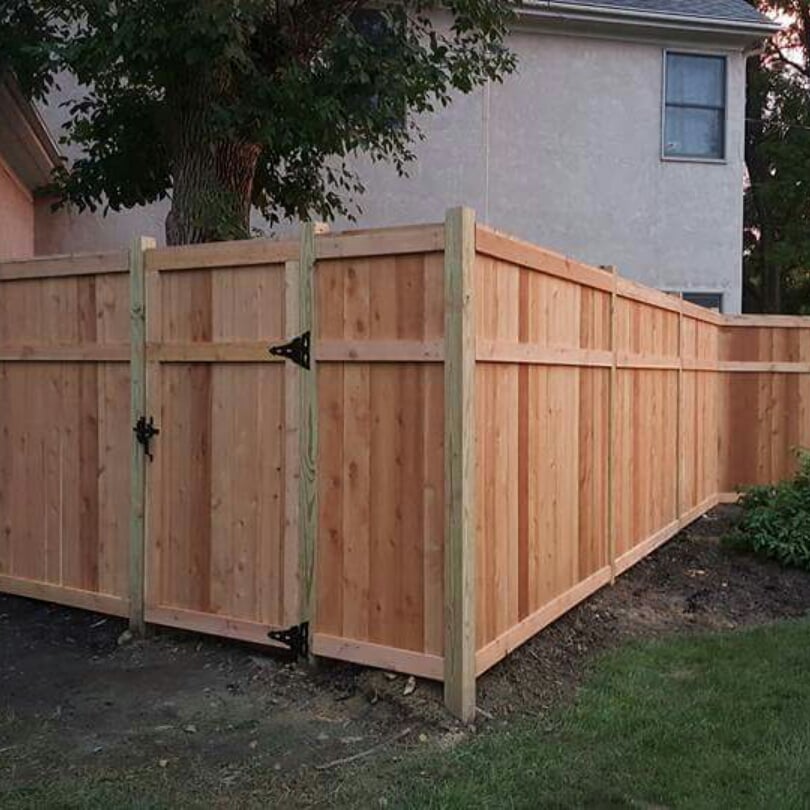 Elite Fence
From average costs to expert advice, get all the answers you need to get your job done.
A new fence adds privacy, improves safety, and even boosts curb appeal. But how much does fence installation cost? Find out in this guide.
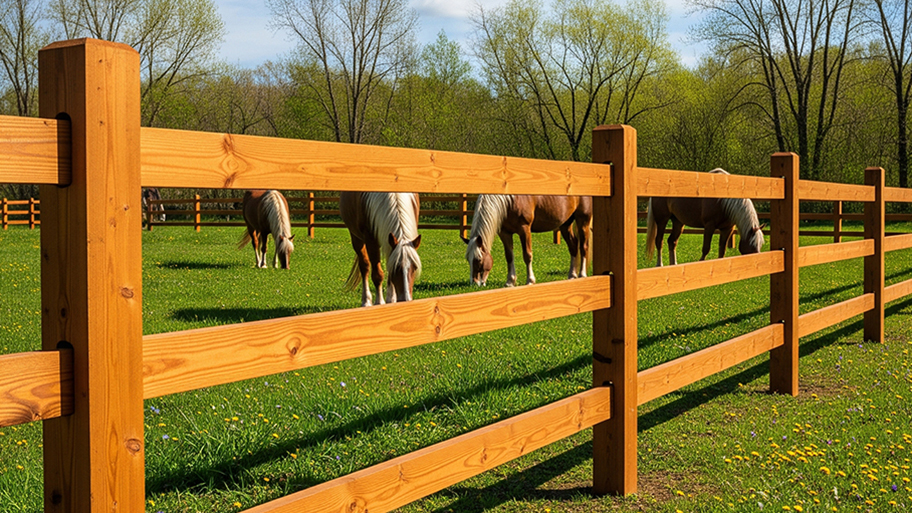
Looking for that rustic charm only a split rail fence can provide? Use this split rail fence cost guide to get an idea of what your fence will total.

Chain-link fences are among the most affordable options available. Use this chain link fence cost guide to see what your fence installation will total.
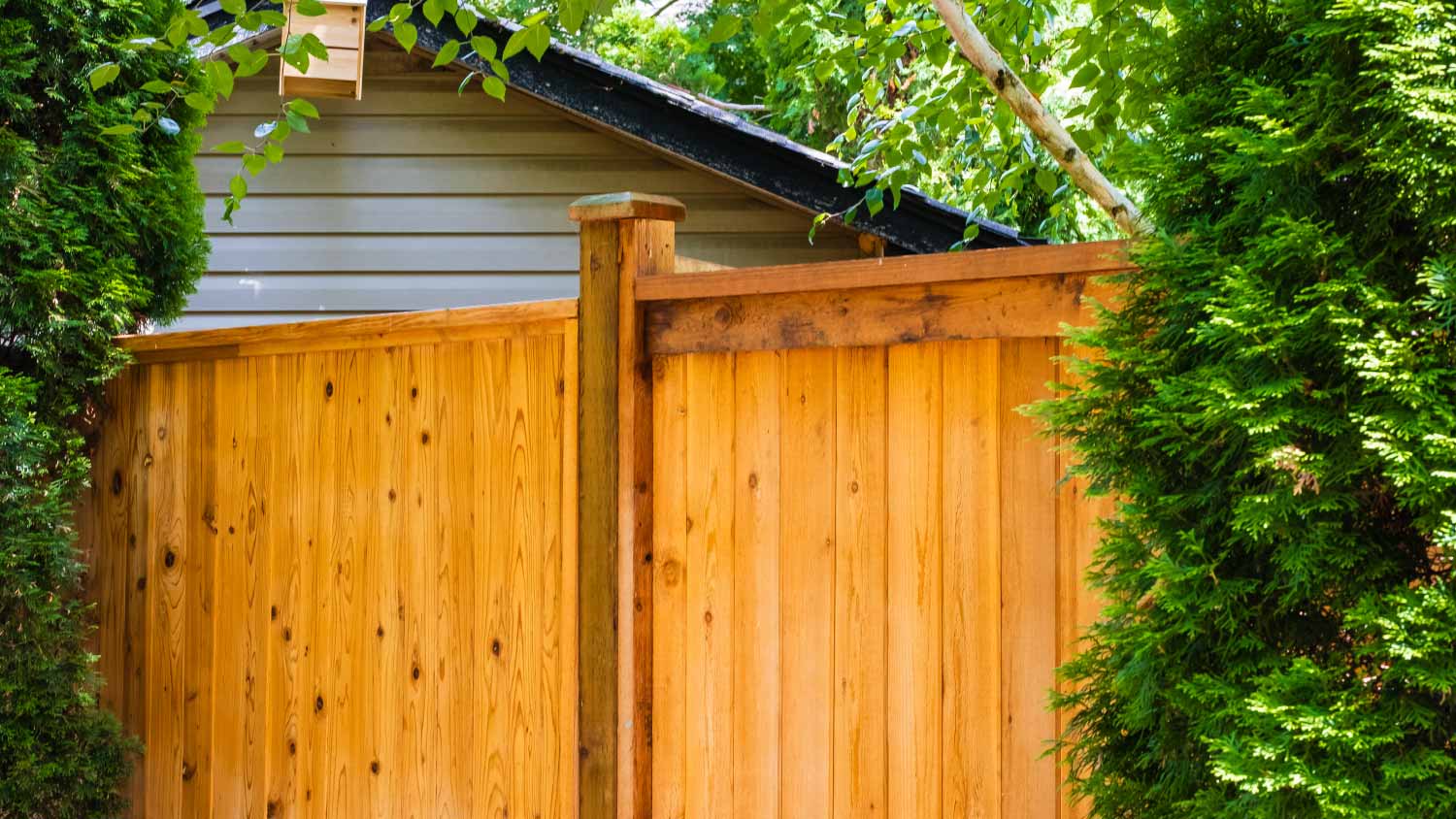
Cedar fences are a perfect blend of nature, style, and affordability. Use this guide to find your perfect design and upgrade your yard.
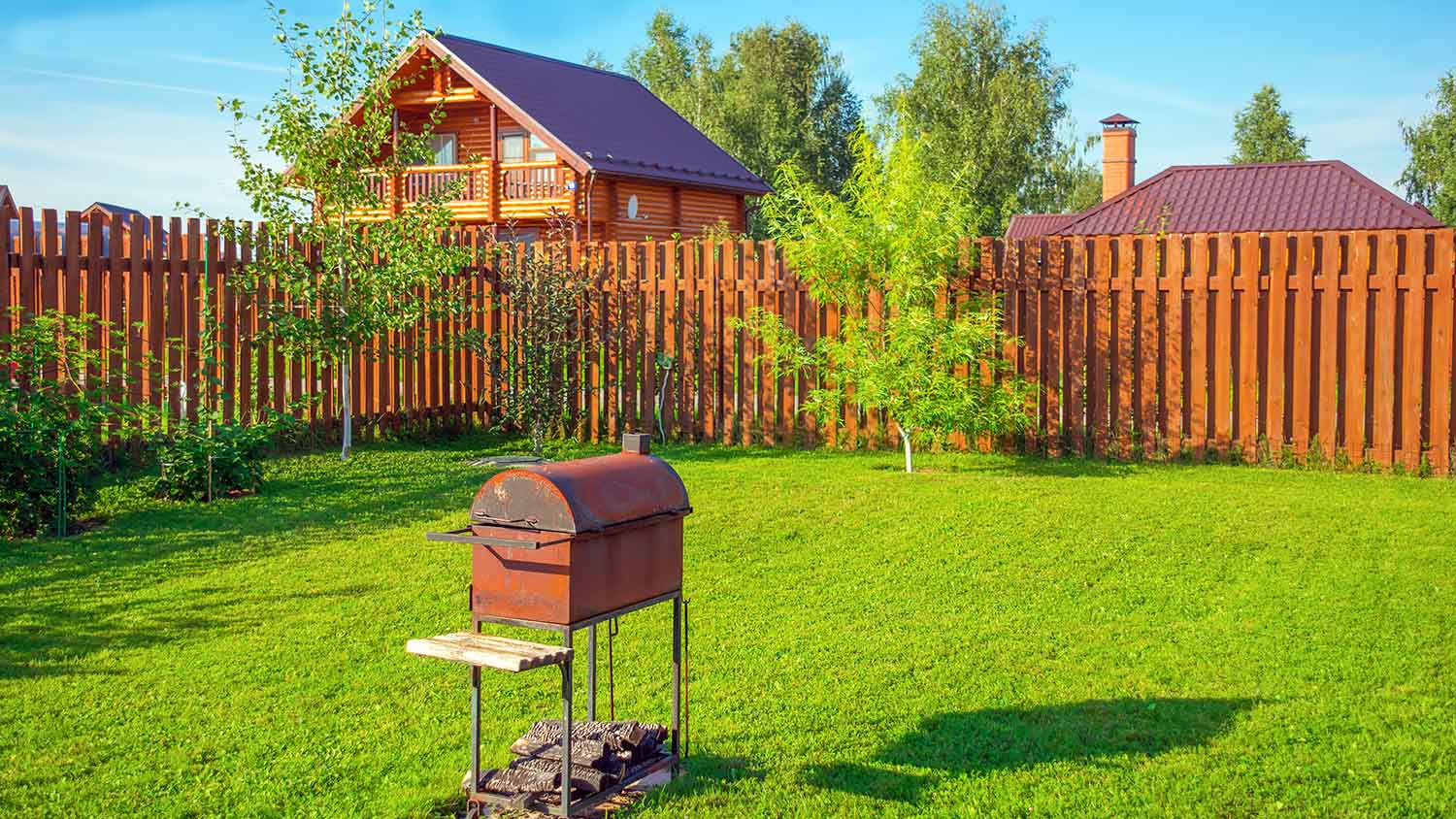
A shadow box fence adds privacy to your yard while maintaining its aesthetics. Just what is a shadow box fence? This guide has all the answers you need.
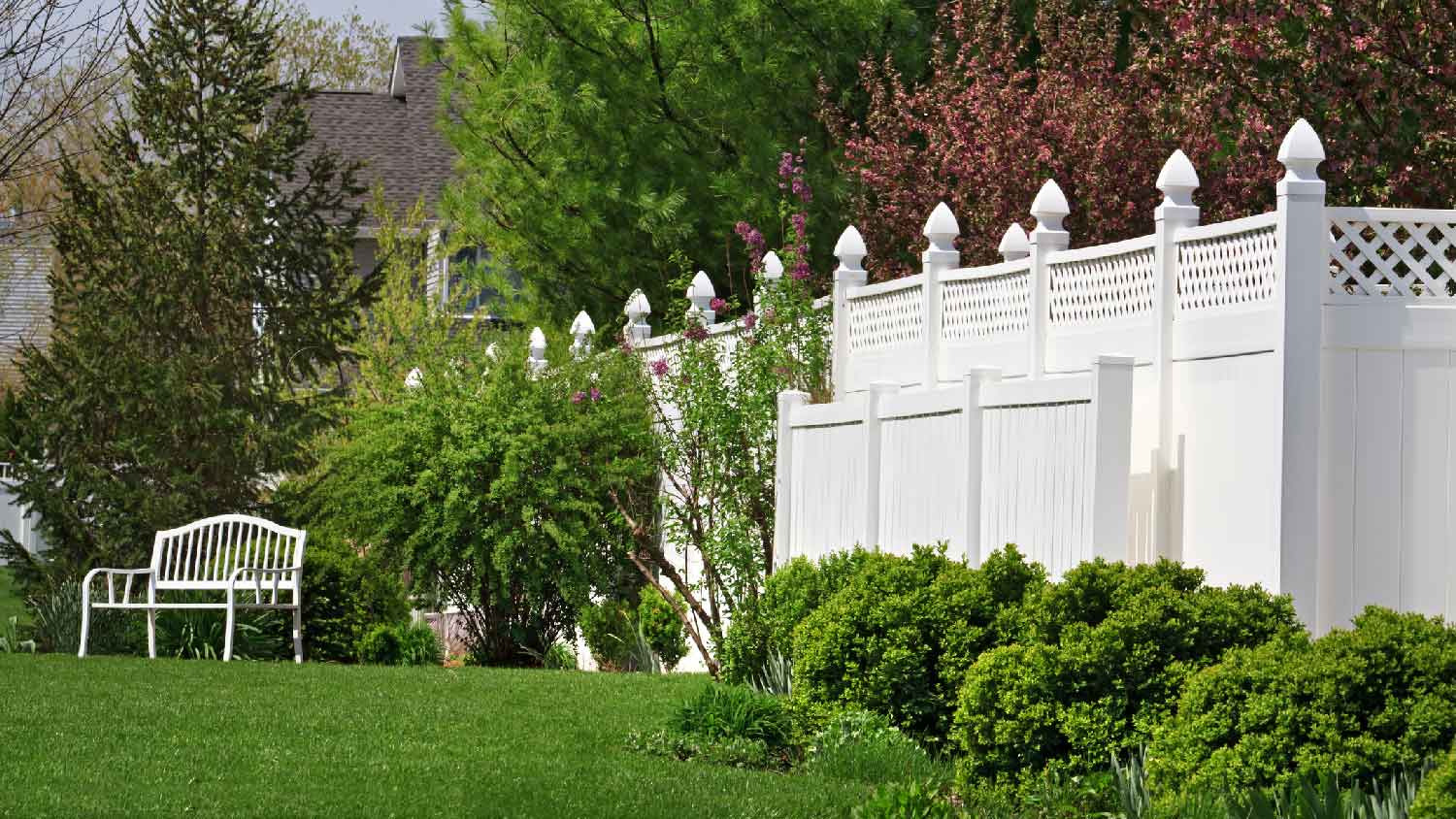
Choosing a vinyl, PVC, or plastic fence offers benefits over wooden fencing, like improved durability. Learn about the many types of vinyl fencing available.