
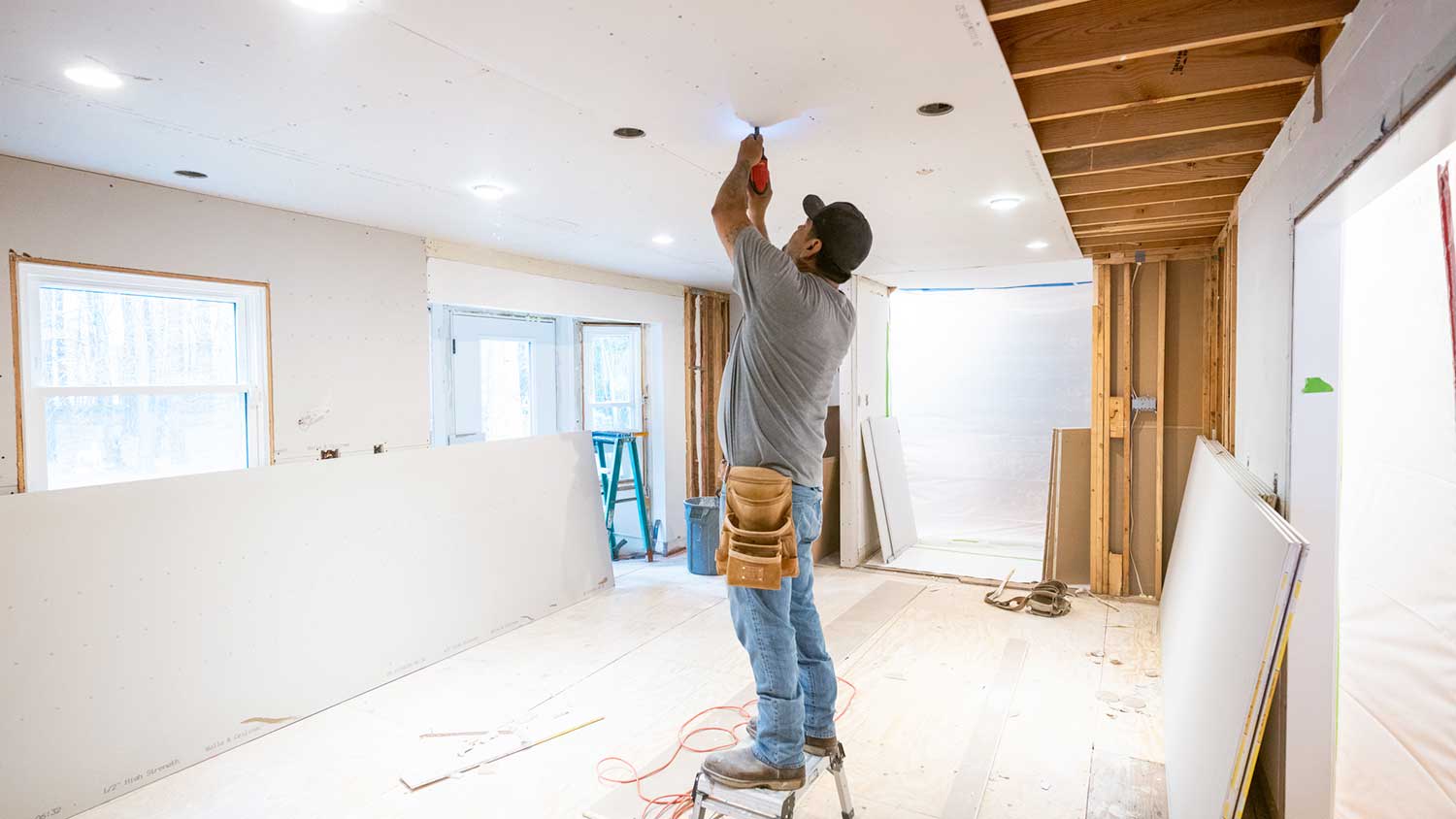
Not sure whether to install Trusscore’s PVC panels or drywall? Comparing the costs can help. Let’s take a look at the typical Trusscore versus drywall costs.
See how this newer lightweight solution sizes up against an old classic

Lightweight drywall means your 4-foot by 8-foot sheets weigh about 25% less, around 39 pounds instead of 51.
You pay about $0.02 more per square foot for lightweight sheets, and the lower weight helps with carrying and transport.
For your ceiling, lightweight sheets resist sagging better, while standard drywall holds up well in high-traffic rooms where walls get bumped.
Hiring a local drywall professional keeps your installation smooth and efficient, whether you're working with lightweight sheets or need fire-rated options for specific rooms.
Although drywall is found in most of our homes, the majority of homeowners don’t give it a second thought. This material, made from gypsum sandwiched between two layers of backing paper, actually revolutionized the construction industry. Though it’s become a standard material for wall and ceiling surfaces, relatively recent innovations have changed the game. Lightweight drywall is less clunky and easier for DIYers to manage. But how does lightweight versus standard drywall stack up? We’ll guide you through the differences.
Drywall comes in different sizes and thicknesses regardless of whether you choose a lightweight or standard option. The main difference between lightweight versus standard drywall is the heft. Lightweight drywall is about 25% lighter than the traditional option, which makes it easier to install, carry, and transport.
In turn, standard drywall tends to have more options when it comes to thickness and fireproofing. This is ideal if you need to use a specific type of drywall beyond the typical 4-foot by 8-foot, 1/2-inch sheet.

Lightweight drywall (sometimes called ultralight drywall) is made from similar materials to standard drywall—mainly a mineral called gypsum mixed with other additives. The difference is the addition of a gaseous foaming agent. The foaming agent creates tiny bubbles in the gypsum slurry, leading to a lighter product.
Overall, lightweight drywall is about 25% lighter than standard drywall. A 4-foot by 8-foot, 1/2-inch sheet weighs around 39 pounds, about 12 pounds less than standard drywall. The difference becomes greater as panels grow in size and thickness.
| Pros | Cons |
|---|---|
| 25% lighter than standard drywall | May not meet fire resistance requirements |
| Easier to install | Fewer options available |
| More resistant to sagging | Slightly higher material cost |
| More affordable to transport | May be more brittle |
Best for:
DIYers managing materials themselves
High-volume projects that don’t require fireproofing
Ceilings, where gravity can cause sagging
The main benefit of lightweight drywall is its weight. Drywall can become extremely cumbersome when you’re dealing with multiple sheets, and the weight adds up quickly. For example, 25 sheets of lightweight drywall will weigh around 300 pounds less than standard drywall, depending on the thickness. The weight makes it easier to manage, both for contractors and DIYers, and it can reduce transportation costs.
Additionally, certain manufacturers claim lightweight drywall is less susceptible to sagging, especially when hung on a ceiling. Since it creates less dust during the drywall installation process, it also requires less cleanup.
The biggest con to lightweight drywall is its availability—it’s not readily available in every thickness. Some brands do not manufacture ¼-inch or ⅝-inch sheets. Even if they do, the ⅝-inch option is typically not rated for fire resistance, which is a requirement in garages and rooms with furnaces.
Additionally, some contractors believe the material is more brittle, which makes it more likely to crack. That said, lightweight drywall does meet all the standards set by the International Building Code, International Residential Code, and ASTM C1396 Specification for Gypsum Board. It should hold up when installed correctly.

Though there are some alternatives to drywall, standard drywall is found in most homes in the United States. In the past, building interiors were made from plaster. Over the last few decades, though, drywall rose to popularity as a solution that is easier to install and repair and more fire resistant.
Like lightweight drywall, standard drywall is primarily made from gypsum that’s mixed into a paste with other additives and sandwiched between two layers of heavy paper. It weighs about 51 pounds for a 4-foot by 8-foot, ½-inch sheet.
| Pros | Cons |
|---|---|
| Readily available in different thicknesses | Large size |
| Fire-resistant options | Heavy and difficult to maneuver |
| Slightly more affordable | Not ideal for solo DIYs |
Best for:
Garages and furnace rooms that require Type X (or fireproof) drywall
Repairing damaged drywall
Placing drywall over existing wall materials
The biggest pro of standard drywall is its availability. You can readily purchase a wealth of thicknesses—from ¼ inch (which is ideal for skimming) to Type X drywall (which is used in areas that require greater fire resistance). Standard drywall is also slightly more affordable, which can make a difference in a larger job.
Naturally, the biggest con of standard drywall is the weight. The most common size sheet weighs around 51 pounds, and it’s usually sold in a bundle of two. That means the typical DIYer will need to lug more than 100 pounds out of the hardware store, and most projects require more than a couple of sheets.
Standard drywall is also prone to sagging on ceilings, especially if joists are spaced 24 inches on-center. Proper screw placement, along with using the correct size drywall screws, can help prevent issues.

When comparing lightweight versus standard drywall, there’s no one right answer. These two materials are neck and neck in several categories, sharing similarities in maintenance, durability, and price. To choose the right option, you’ll have to really dive into your specific installation project.
When it comes to price, there’s no clear winner. It depends on the installation. Lightweight drywall costs about $0.02 cents more per square foot, but the expense is easy to offset with more affordable shipping and weekly specials or seasonal sales at your local hardware store or online retailers. If you’re purchasing larger volumes of drywall, the price difference becomes more significant.
Both lightweight and standard drywall look virtually identical. There is no significant difference in appearance, and you can use either material for walls and ceilings in standard residential applications.
If you want a good finish on your wall, it's absolutely worth it to pay for professional taping and mudding. Many DIYers are tempted to pay someone to hang the drywall and do the rest themselves, but this is one area where a skilled contractor can make a huge difference.
Though you’ll have no problem finding lightweight drywall in the most common drywall sizes, standard drywall has more variety. You can readily purchase sheets that are 1/4-inch thick, which you can use for repairs and put over existing wall material. You can also purchase fire-rated options (known as Type X drywall), which is a requirement for certain areas that need extra fireproofing—like garages or rooms near a furnace.
Both lightweight and standard drywall meet standards set by the International Building Code, International Residential Code, and ASTM C1396 Specification for Gypsum Board. The durability should be similar, though anecdotal evidence points to slight differences. Lightweight drywall may perform better on ceilings and reduce instances of potential sagging. Standard drywall may hold up better in high-traffic areas that are more likely to get dented or nicked. Neither poses a problem when installed correctly.
The ease of installation depends on how much drywall you need, but lightweight drywall is the clear winner. Drywall installation is quite rigorous, especially if you’re installing larger sheets, thicker sheets, or just a lot of sheets at once.
Since lightweight drywall is lighter, it’s easier to work with. This doesn’t just benefit DIYers. Local drywall installers may be able to install your drywall faster, take on larger projects, and reduce the likelihood of injuries from strain.
Both standard and lightweight drywall are maintained and repaired the same way. The only difference would be when you need to make repairs to existing drywall using a 1/4-inch sheet for patching. That thickness is typically only available in standard drywall, but there are other repair methods you can use instead.
Cancelled appointment two hours after they were supposed to come for drywall work.
 Hutch And Sons Drywall Services
Involved an extensive bathroom remodel, including removing tub & installing walk in shower, new drywall, custome tile work to ceiling, plumbing, etc. Overall, job was done on time and on budget. Nick & his team were very professional and had high attention to detail. Quality was great. Highly...
 Stamos Flooring and Remodeling LLC
We have had a great experience with Rising Height for the past five years on a number of miscellaneous renovation projects. They laid flooring for us and had a very good sub do the finish. Installed drywall for a vaulted ceiling, finished an attic/loft with new subfloor, framing and drywall,...
 Rising Height Unlimited
Mr. Lopez was super nice and professional. He repaired our drywall just as he described during the estimate phase. Our dining room wall looks great again! Thanks Mr. Lopez!
On 11/3/15, I called Todd of Todd's Roofing and left a message. He promptly called my back and I indicated that I needed a roof repair for a roof that had a leak. He explained his basic prices, gave me the I'm not the cheapest or the highest speech, and he agreed to come by the property...
We had no power to any of the electrical outlets in the MBR. We'd had an intermittent problem for a few years and they finally went out all together. We live on the 3rd floor of a 100 year old building and I know from past experience the wiring has been added to in hodgepodge ways over the...
Excellent work; great attention to detail; makes good suggestions but always goes along with what the customer requests; clean and tidy; intelligent; very reasonable rates. I would definitely hire him again for other home projects. He can do a variety of different jobs including: drywall,...
We had used them before and received good service. They repeated that service this time, working hard to provide the work we needed in a limited timeframe. Specific thanks go to Tim, Ty, Cooper (and his poor old car whose axle broke in front of our house) and Mr. Good. They all worked hard...
From average costs to expert advice, get all the answers you need to get your job done.
Not sure whether to install Trusscore’s PVC panels or drywall? Comparing the costs can help. Let’s take a look at the typical Trusscore versus drywall costs.
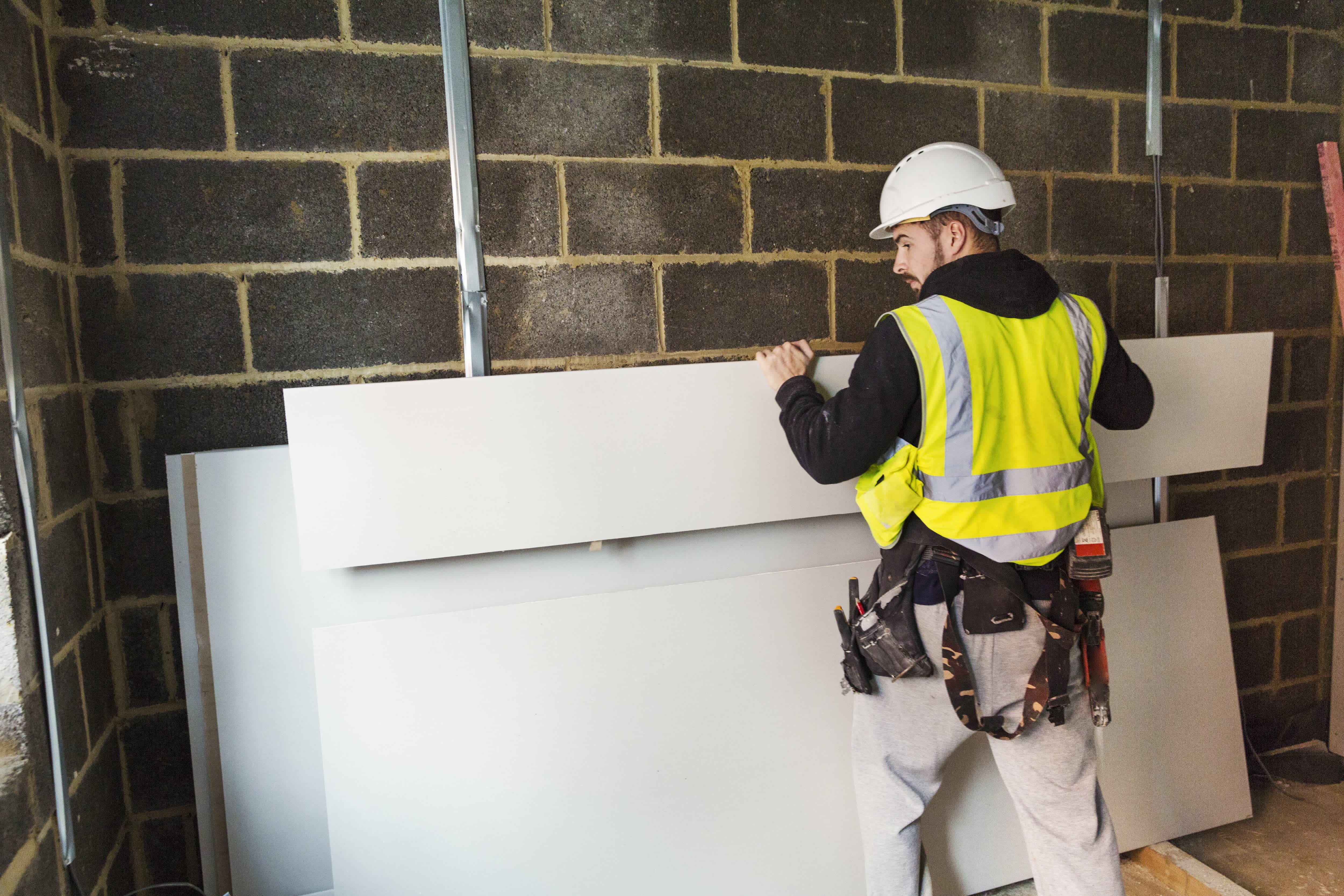
The terms drywall and Sheetrock are often used interchangeably, but one is a brand and one is a specific product. Find out which one you need in this guide.
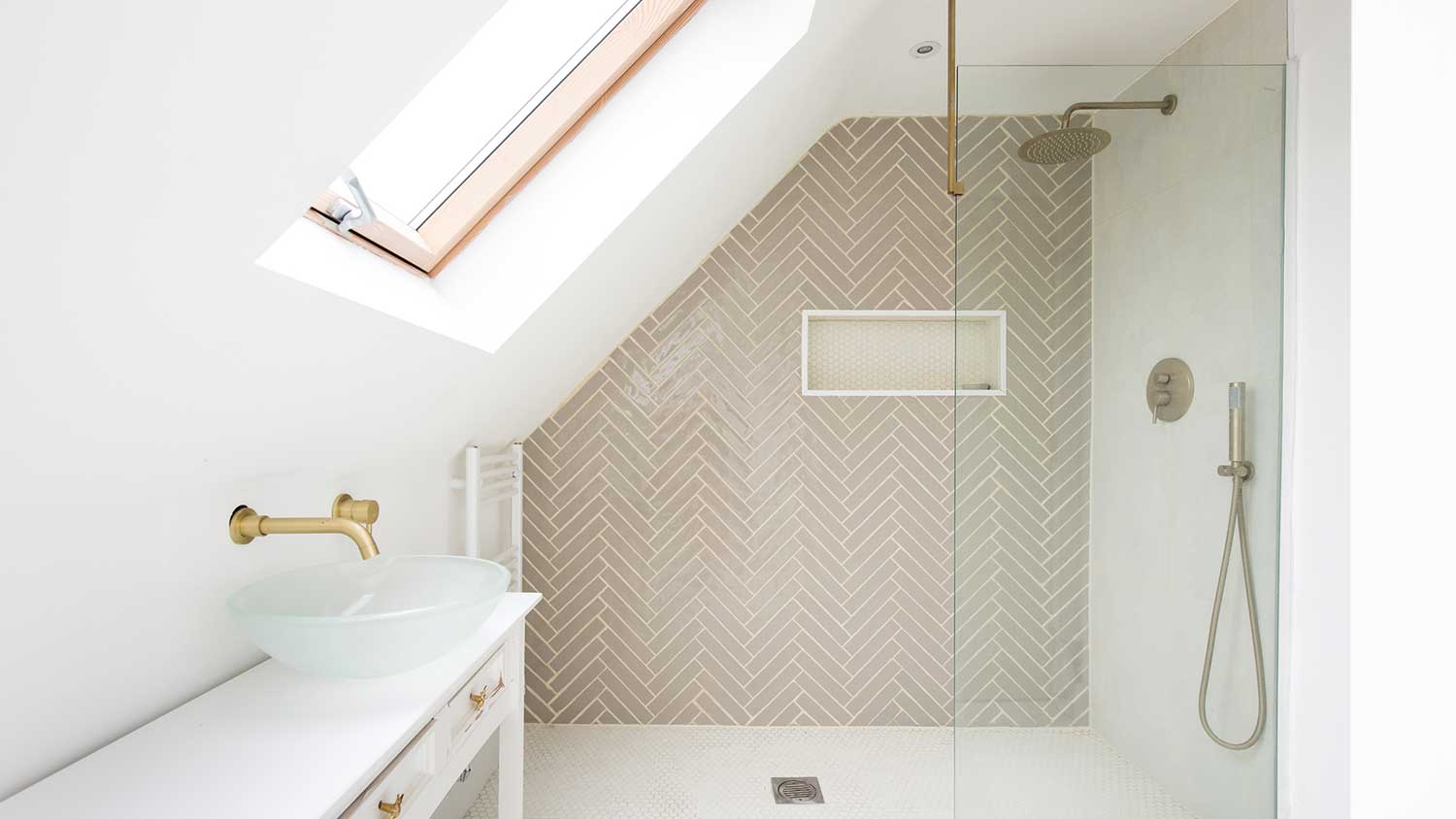
Looking for the best moisture-resistant drywall for your next home project? Compare purple drywall vs. green drywall to narrow down your search.
Not sure what type of interior wall material to choose for your home? We’re breaking down the great debate between blueboard vs drywall. Read on to learn more.
When it comes to putting up new walls, you have more options than just drywall. Compare OSB versus drywall to see which is best for your needs.
While both Type C vs Type X drywall are fire resistant—the two should not be used interchangeably. Use this guide to help you choose the drywall for your next project.