
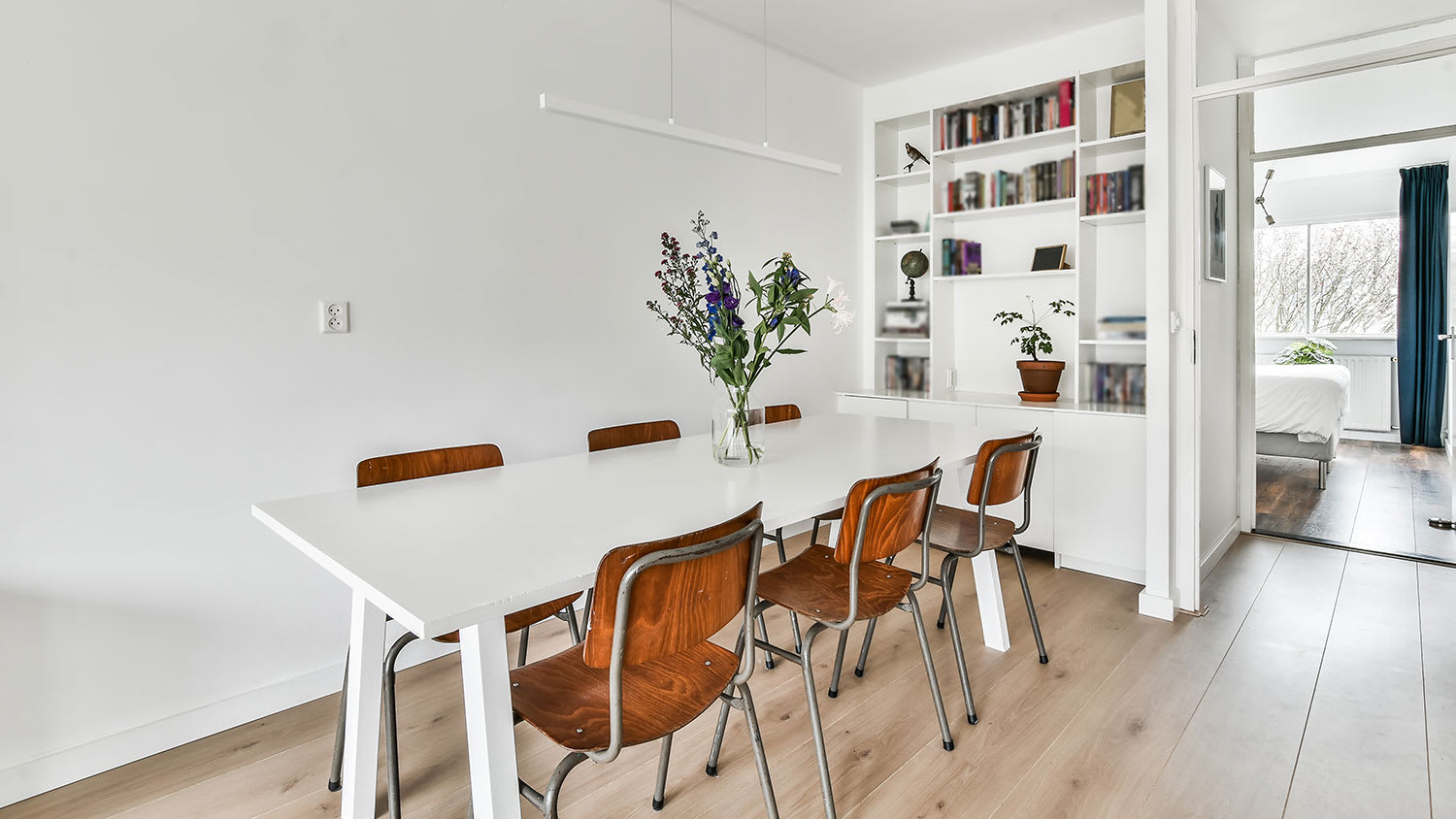
Whether you want to spruce up a few dents and dings or fix a large surface area, investing in drywall repair costs can return your walls to a smooth, flush look.
Size isn’t all that matters—there’s a lot to consider when choosing a screw

Standard drywall screw sizes for 1/2-inch drywall are 1 1/4 inches or 1 5/8 inches long with a #6 or #8 gauge for your walls.
Coarse thread screws work best when you're securing drywall to wood studs, while fine thread screws grip metal studs without damaging them.
Your screw choice depends on drywall thickness, stud material, and location, with ceilings needing longer screws to handle gravity and ensure secure attachment.
Hiring a local drywall professional takes the guesswork out of screw selection and ensures your drywall stays secure and level for the long haul.
If you’re planning to install drywall, you’ll need to start learning a lot about screws. While the gauge (or thickness) of the screw is vitally important, you’ll also have to choose the right length and the right type of thread. The ideal combination will keep your drywall in place and help prevent pesky popped screws that will ruin your wall’s paint job. This guide will help you determine what size drywall screws to use, along with the ideal thread for every situation.
There are two measurements when it comes to drywall screw size: the gauge (or the thickness of the screw) and the length. On product labels, you’ll often find the gauge listed after the length. For example, a screw may be listed as 1 1/4 inch x 6, meaning it’s 1 1/4 inches long and has a #6 gauge.

Drywall screws come in standard sizes depending on the thickness of your drywall. Most residential drywall installations use drywall that is 1/2-inch thick, requiring standard drywall screws that are:
1 1/4 inches long with a #6 or #8 gauge
1 5/8 inches long with a #6 or #8 gauge
When in doubt about which screws to use, ask a drywall contractor for guidance. Keep in mind that while these are the most common drywall nail sizes for home renovations, you may want to use other sizes. Let’s explore the specifics.
Most residential drywall installations use a #6 or #8 gauge drywall screw. Screws with a #6 gauge have a thread diameter of roughly 3.5 millimeters. They’re slightly smaller than #8 screws, which have a thread diameter of roughly 4.2 millimeters. You’ll use either one in slightly different scenarios:
#6 screw: Use if your studs are new or in good condition
#8 screw: Use if your studs are made from older or damaged wood or you need extra grip on newer wood studs
Though you may be tempted to use wood screws in drywall, drywall screws are designed to secure drywall. They have a sharper point, which helps the screw pierce through the paper, and a bugle head, which keeps the screws in place without tearing the paper.
Beyond gauge, you’ll also need to consider drywall screw length. For thicker drywall, you’ll use longer screws. Though a good drywall contractor will have the right type of screws on hand, here are some guidelines if you plan to DIY your drywall project:
1/2-inch drywall: This is the most common type of drywall in homes. Use 1 1/4-inch or 1 5/8-inch screws. Some homeowners prefer to use the smaller size to avoid damaging metal studs.
1/4-inch drywall: Thin drywall is sometimes used to skim walls and ceilings or to cover curved areas. Use 1-inch or 1 1/4-inch screws.
5/8-inch drywall: Fire code may require a slightly thicker drywall in certain areas of your home. Use 5/8-inch drywall in garages and walls near your furnace. This drywall thickness requires 1 5/8-inch or 2-inch screws.
Once you find the right length screw, you’ll need the right amount. On average, you can expect to use 32 screws per sheet of drywall, but you’ll need more if you choose a large or extra-large sheet.

The type of thread is just as important as the sizing and ensures a strong hold without damaging the drywall or the stud. You’ll need to use different types of thread for wood or metal studs.
Coarse thread screws: Coarse thread screws (or W-type screws) work best to secure drywall to wood studs. The wider threads provide more grip on the wood grain.
Fine thread screws: Fine thread screws (or S-type screws) work best to secure drywall to metal studs. They’re self-threading and have sharp points that help grip the metal without damaging it. Coarse thread screws will essentially strip the screw holes as you try to screw them in.
Self-drilling screws: If you don’t want to drill pilot holes, you can use a self-drilling drywall screw. Self-drilling screws with a fine thread are best for metal studs or frames.
Trim-head screws: This type of screw attaches wood trim to drywall. The head is smaller and easier to conceal than the screws used to hang your drywall.
Even if you use screws with the ideal thread, you may want to glue your drywall for added security.
A few factors impact what size drywall screws are best for your installation—but size isn’t the only thing that matters. You should also care about thread and coatings. To find the right fit, consider the materials, location, and thickness of your walls. Keep these factors in mind when choosing drywall screws, or hire a local drywall installer to handle your project from start to finish.
To figure out what size screw to use, you’ll need to determine the thickness of your drywall. Screws that are too short won’t properly anchor the drywall, but screws that are too long can damage your stud.
You’ll find the thickness of the drywall on the sheet. If not, you can use a ruler or caliper against the edge of the drywall to determine the thickness. Most homeowners use drywall that’s 1/2 inches thick, but there are certain scenarios where you may choose an alternative size.
| Drywall Thickness (in Inches) | Drywall Screws (in Inches) |
|---|---|
| 1/4 | 1 or 1 1/4 |
| 3/8 | 1 or 1 1/4 |
| 1/2 | 1 1/4 or 1 5/8 |
| 5/8 | 1 5/8 or 2 |
Studs are made from wood or metal. Each material responds best to a different type of thread. You also have a bit more leeway to switch up the gauge on a wood stud because the material is more forgiving. Here’s what you should use:
| Stud Material | Gauge |
|---|---|
| Wood | #6 or #8 |
| Metal | #6 |
Thanks to gravity, drywall located on your ceiling will need a screw with more grip than drywall on your walls. When choosing between two screw sizes, opt for the larger screw for ceilings. Assuming your drywall is 1/2-inch thick, the following chart shows ideal screw sizes, as well as when to use coarse versus fine drywall screws.
| Location | Thread | Size |
|---|---|---|
| Wall (wood stud) | Coarse | 1 1/4 inch x 6 or 8 |
| Wall (metal stud) | Fine | 1 1/4 inch x 6 |
| Ceiling | Coarse | 1 5/8 inch x 6 or 8 |
Drywall screws can have a coating to help prevent corrosion. For most interior applications, homeowners can use phosphate-coated drywall screws, which are black in color. If you’re installing drywall in an area that experiences high levels of moisture and humidity, you can choose zinc-coated drywall screws.
| Location | Type of Coating |
|---|---|
| Indoor | Phosphate |
| Outdoor | Zinc |
| Moist or humid areas | Zinc |

You may be wondering: What about drywall nails, though? Hanging your drywall with nails or screws is a hotly debated topic. Every contractor and DIYer swears by their own method, but each has pros and cons.
Overall, drywall screws are more secure and sturdier than nails. As a result, they’re less likely to pop out and ruin the look of your drywall, but they can sometimes break during installation. When compared to drywall nails, screws are harder to hide and more expensive.
On the other hand, drywall nails are easier to install and cost less up front. Plus, they blend into drywall better than screws. However, drywall nails are more likely to come out of the wall than screws, leaving a visible mark on the way out.
Cancelled appointment two hours after they were supposed to come for drywall work.
 Hutch And Sons Drywall Services
Cole has been handling plumbing and general contracting for our four properties over the past three years, and he’s always done a great job. Most recently, he installed a sink and countertop in our retail store where none existed before, and it turned out exactly how we needed. He’s...
 ANB Renovations LLC
I would recommend this company to anyone! He showed up on time, was friendly, completed a very difficult repair on our dryer vent cover, was responsive, and pricing was extremely fair and competitive. I would have him back to do any of our repairs or cleanings without hesitation!
 U.S.A. Dryer Vent, LLC
I cant stop admiring my newly painted walls. Custom Paint Jobs LLC made my house feel brand new.
 Custom Paint Jobs, LLC
Excellent experience with hiring Tether House to Mount our 77’ Samsung TV in our bedroom. Fast, friendly, and knowledgeable. Highly recommend.
 Tether House
Excellent customer service and knowledge. I was recommend to him from my neighbour. My front door and window came in great and were installed beautifully perfectly, I m very satisfied with their excellent work, so decided to order one more big bow window for my living room. I cant wait for...
 Window Depot USA of Central Ohio
Would hire again. Wall looks great. Happy with job.
 Central Paving
Involved an extensive bathroom remodel, including removing tub & installing walk in shower, new drywall, custome tile work to ceiling, plumbing, etc. Overall, job was done on time and on budget. Nick & his team were very professional and had high attention to detail. Quality was great. Highly...
 Stamos Flooring and Remodeling LLC
We have had a great experience with Rising Height for the past five years on a number of miscellaneous renovation projects. They laid flooring for us and had a very good sub do the finish. Installed drywall for a vaulted ceiling, finished an attic/loft with new subfloor, framing and drywall,...
 Rising Height Unlimited
Mr. Lopez was super nice and professional. He repaired our drywall just as he described during the estimate phase. Our dining room wall looks great again! Thanks Mr. Lopez!
From average costs to expert advice, get all the answers you need to get your job done.
Whether you want to spruce up a few dents and dings or fix a large surface area, investing in drywall repair costs can return your walls to a smooth, flush look.
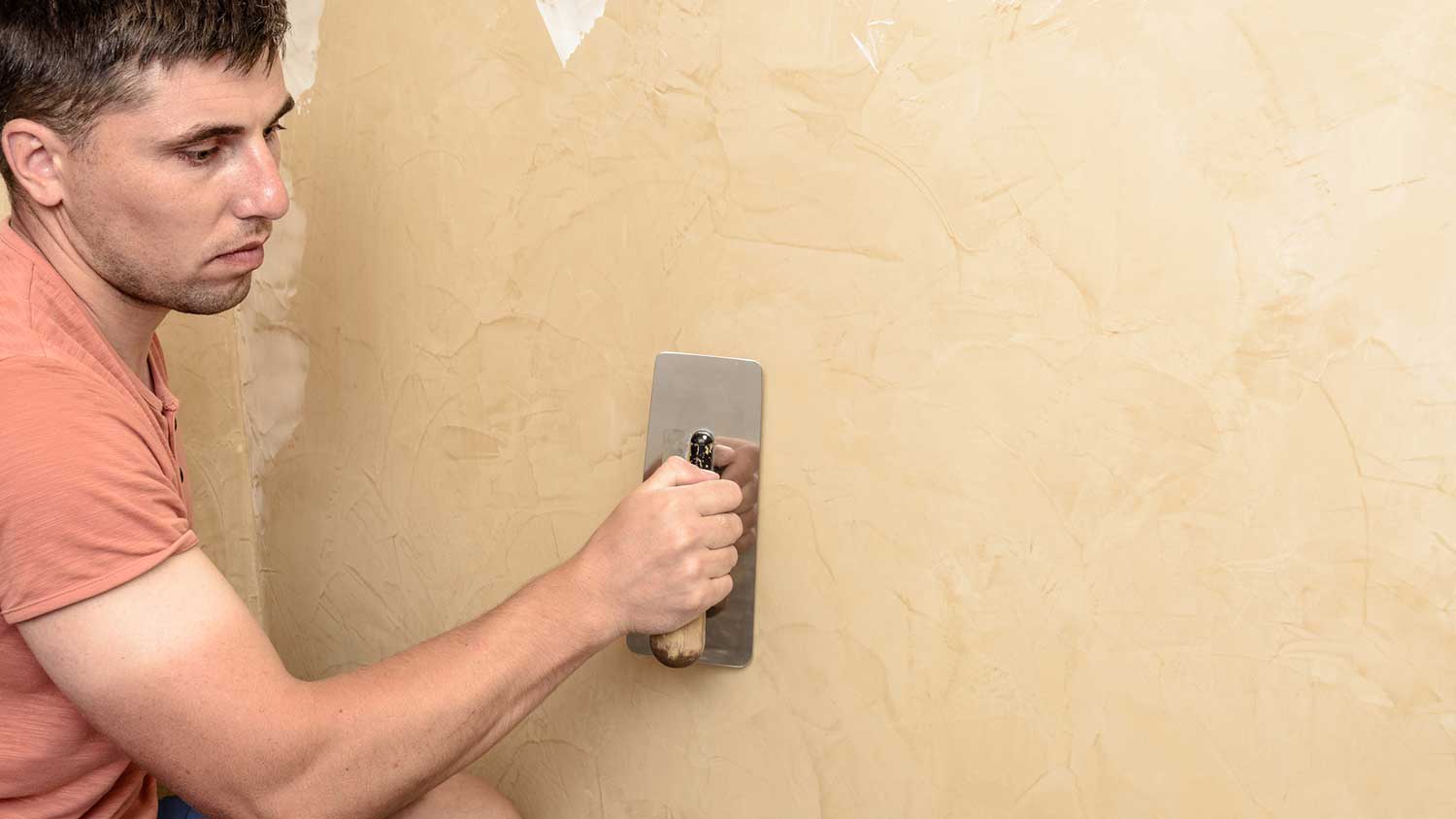
Drywall texture can create an attractive finish and add dimension to your home’s walls. This guide breaks down the factors that influence the cost to texture drywall.
The cost to replace plaster with drywall can quickly add up. This guide will help you budget for this project and decide if it's worth the effort and cost.
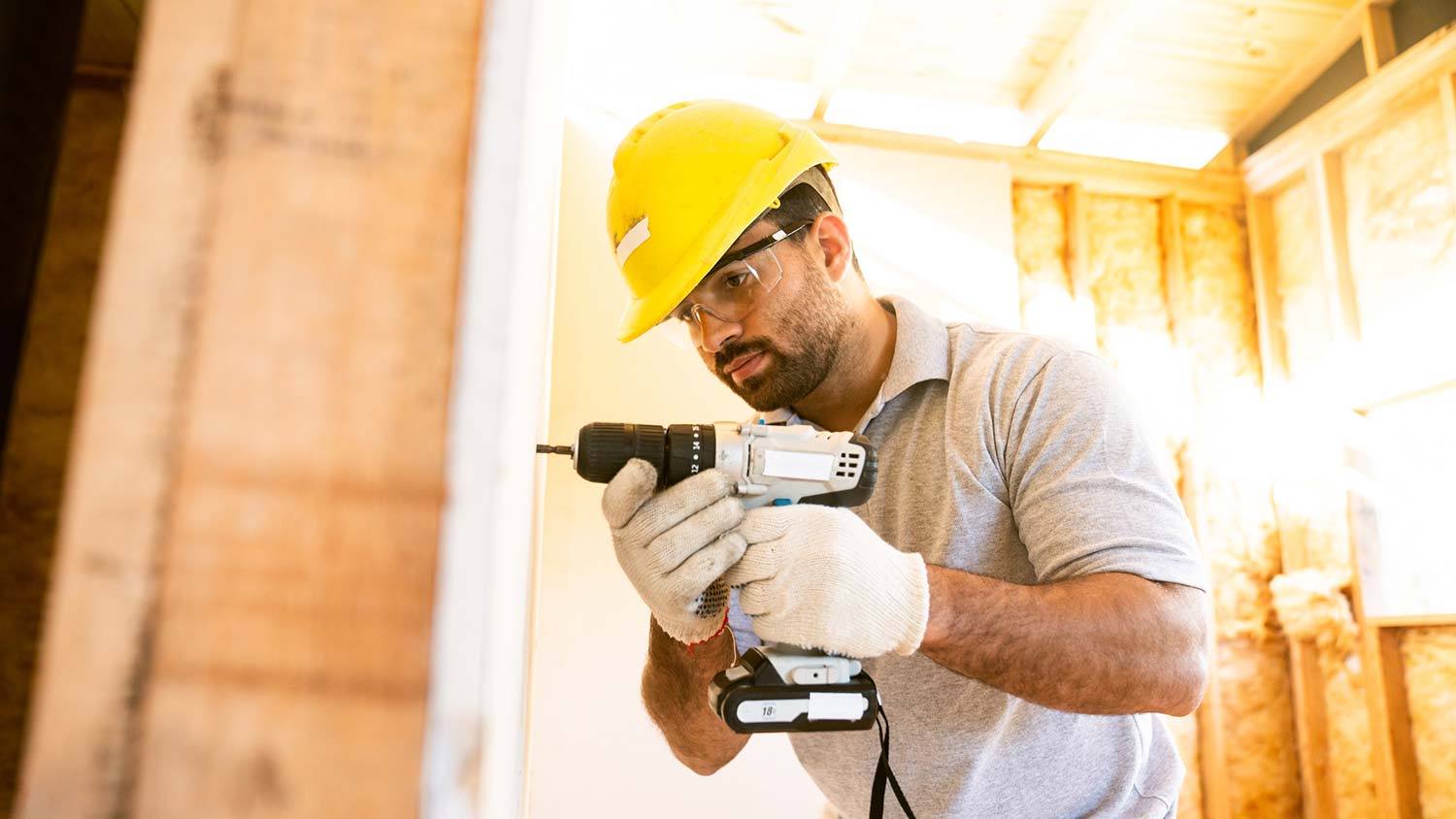
Before you dive into a drywall project, you’ll need to know how many screws to use per sheet of drywall. This guide will help you calculate the total number.
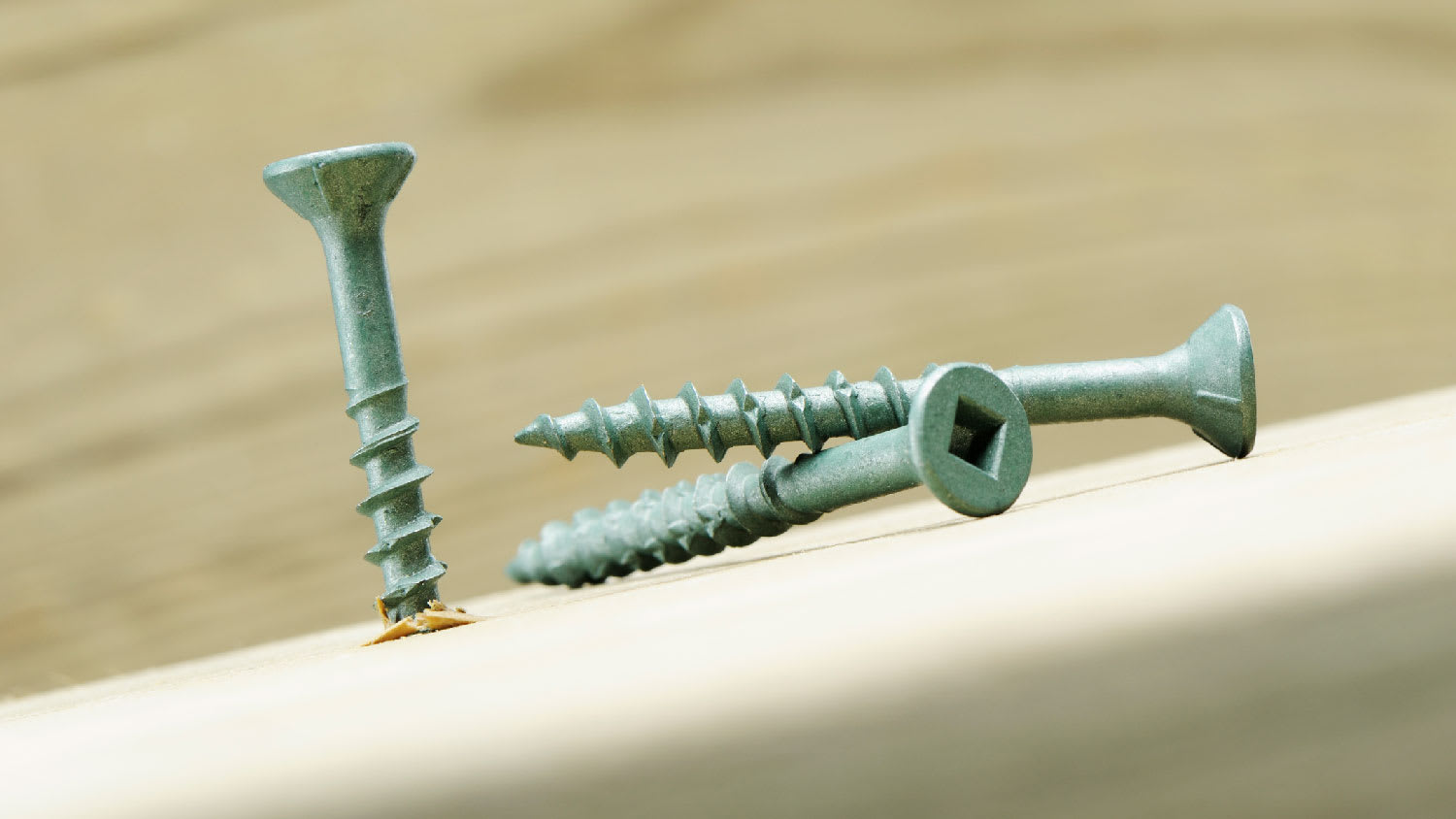
Confused about drywall screws versus wood screws? Learn their key differences, best uses, and which one to choose for your next project.
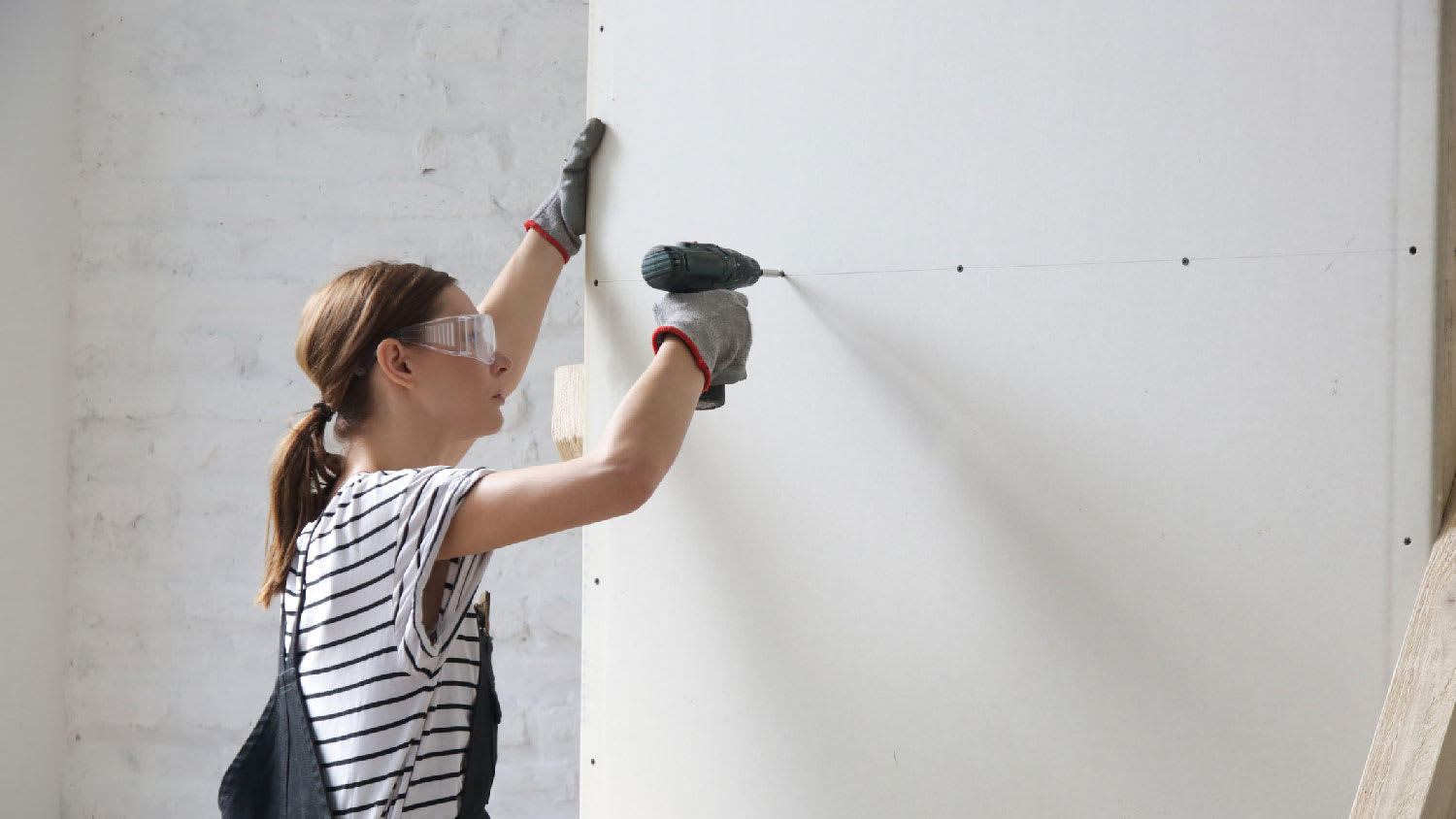
Looking to secure your drywall? Find out the pros, cons, and key differences between coarse versus fine drywall screws with this guide.