

Drywall texture can create an attractive finish and add dimension to your home’s walls. This guide breaks down the factors that influence the cost to texture drywall.
Drywall service costs depend on your project and location. Check with a local pro for your specific job.

For a 500-square-foot space, you’ll pay $1,375 to $1,875 for Trusscore Wall&CeilingBoard materials before taxes and delivery.
The drywall type you choose drives your budget, standard sheets cost less than soundproof or specialty panels.
Wall removal adds $1,000 to $10,000 to your project, so confirm load-bearing status and plan repairs.
Hiring a local drywall professional limits your exposure to crystalline silica dust and protects your household indoor air quality during installation.
In 2026, the national average cost for Trusscore materials runs $2.75 to $3.75 per square foot. Most homeowners pay between $660 and $900 for a 500-square-foot space, with the spread driven by panel type, regional pricing, and delivery fees.
When choosing between Trusscore and drywall, several key factors shape the total cost of your project, including materials, project size, labor, and prep work.
Trusscore Wall&CeilingBoard runs $2.75 to $3.75 per square foot, making it more expensive than drywall costs at $0.40 to $3 per square foot, with prices for both varying by location. The type of drywall you select drives where you land in that range, with standard drywall at $0.40 to $0.50 per square foot on the low end and soundproof drywall at $1.85 to $3.00 per square foot on the high end. Here is how material costs compare across common project sizes:
| Material | Average Cost per Square Foot in 2026 |
|---|---|
| Trusscore | $2.75–$3.75 |
| Drywall | $0.40–$3 |
Project size directly determines your total material spend, and costs scale significantly as square footage grows, so it is worth calculating your room dimensions before budgeting. The table below shows how material costs break down by project size for both Trusscore and drywall:
| Project Size in Square Feet | Average Cost of Trusscore (Materials Only) in 2026 | Average Cost of Drywall (Materials Only) in 2026 |
|---|---|---|
| 100 | $275–$375 | $40–$300 |
| 250 | $690–$950 | $100–$750 |
| 500 | $1,375–$1,875 | $200–$1,500 |
| 750 | $2,100–$2,800 | $300–$2,250 |
| 1,000 | $2,750–$3,750 | $400–$3,000 |
| 1,250 | $3,400–$4,700 | $500–$3,750 |
| 1,500 | $4,125–$5,625 | $600–$4,500 |
| 2,000 | $5,500–$7,500 | $800–$6,000 |

Trusscore installation costs less in labor than drywall because a room's worth of panels can be completed in an afternoon, while drywall installers can take several days to install drywall in a single room. For Trusscore, a local handyperson or certified installer typically charges $50 to $150 per hour, per handyperson costs. Drywall professionals charge $50 to $100 per hour, but the multi-day timeline means your total labor bill will run considerably higher than a comparable Trusscore project.

Prep costs for both Trusscore and drywall depend on the current condition of your space and the scope of work required before installation begins. If you need to remove a wall first, budget an additional $1,000 to $10,000 depending on the wall's material and whether it is load-bearing or non-load-bearing. Installing over existing drywall, by contrast, keeps prep costs minimal.
Trusscore carries lower ongoing costs than drywall because its PVC panels resist mold, moisture, and surface damage without requiring regular maintenance or repairs. Drywall is more vulnerable to dents, cracks, holes, and drywall to sustain water damage, and when issues arise, drywall repair costs between $300 and $920 depending on the specific problem.
As homeowners begin looking for a trusted professional in their area to perform repairs, one key factor to keep in mind is hiring a company that specializes in texture matching rather than hiring the first general contractor that shows up.
Instead of hiring a handyperson or local drywall installer, you might be thinking about installing your own Trusscore or drywall. On a single-room Trusscore installation, you’d save between $200 and $750 in labor. For drywall, the average savings range from $690 to $2,200.
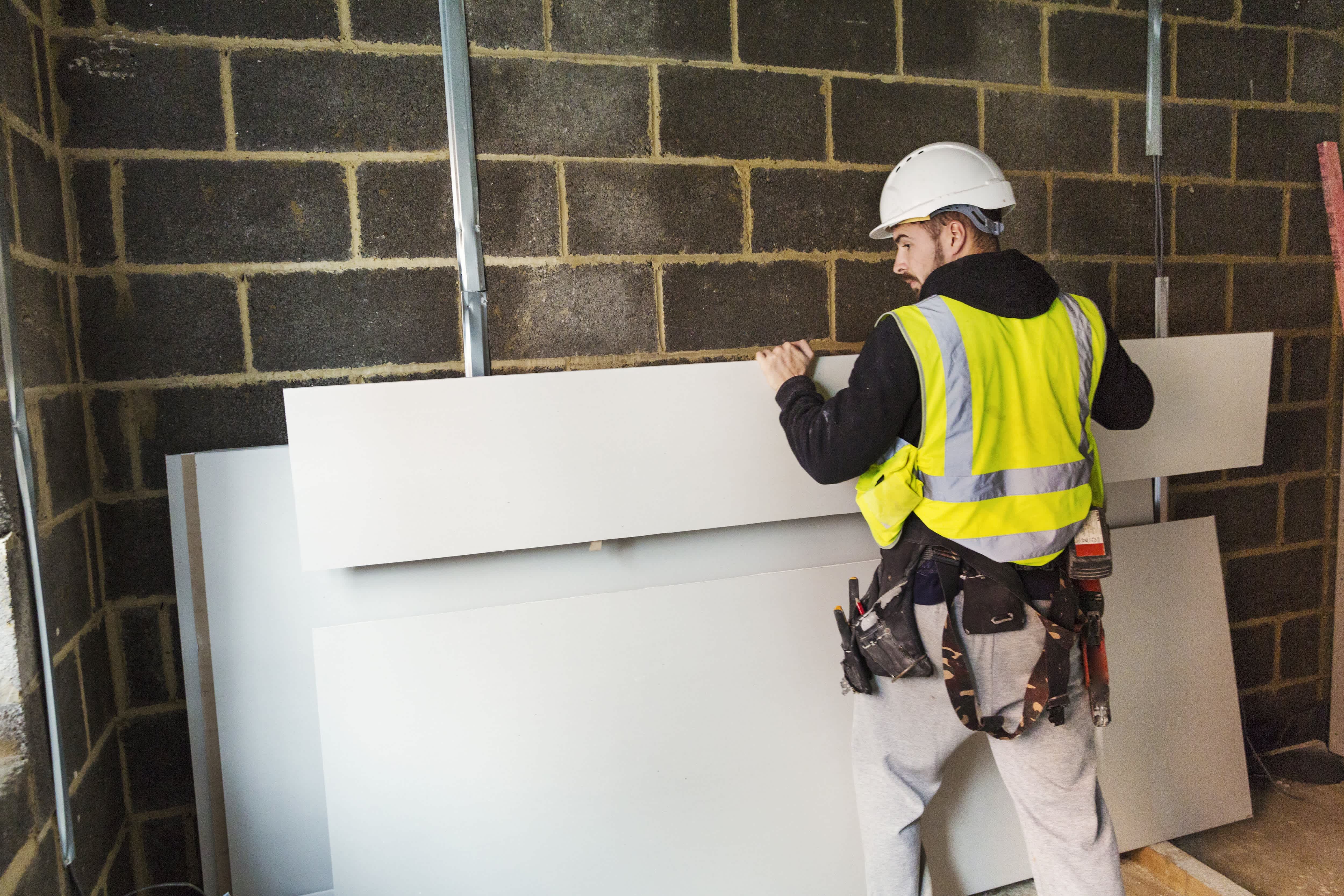
But before you decide to DIY this project, make sure you have the right skills and tools for the job. Trusscore panels are easier and faster to install than drywall due to their interlocking design and lighter weight. In addition to the panels, you’ll need several common tools, including a drill, saw, tin snips, and a level.
Hanging drywall is harder than installing Trusscore. You should allow several days for this project, which includes cutting, hanging, and mudding the drywall. You’ll need many of the same tools required for Trusscore installations, as well as a drywall rasp and a drywall outlet cutout tool.
Crystalline silica is a toxic dust that's often generated during drywall installation, which can cause respiratory issues if exposed over time. A professional drywall installation company has the right tools to protect your home and ensure safe air quality after your project is completed.

Keep in mind: Drywall sheets weigh around 50 pounds each. If you don’t have a friend to help you position the panels against the wall, you should also buy a drywall lift, which will increase your project costs by a couple hundred dollars, or hire a pro.

You might also consider tackling related projects while installing Trusscore panels or drywall. Examples include:
Cost to remove a popcorn ceiling: $930–$3,050
Cost to paint a room: $400–$1,600
Cost to install an outlet: $100–$450
Regardless of whether you’re installing Trusscore or drywall, there are a few ways to reduce the costs of your project, including:
Prepare the space: Before your handyperson or drywall installer arrives, prepare the area by removing everything from the walls and covering the floors. This can help your pro get to work quickly and reduce labor costs.
Skip the extras: In addition to wall panels, Trusscore also sells trims and organizational systems that integrate with the panels. Skip these add-ons if you’re trying to save money. Similarly, there are multiple levels of drywall finishes, with the highest-end ones requiring the most labor. Picking a lower-level finish will help you save on labor costs.
Shop around: To make sure you’re getting a fair price, compare quotes from at least three contractors before choosing one.
Home is the most important place on earth, which is why Angi has helped more than 150 million homeowners transform their houses into homes they adore. To help homeowners with their next project, Angi provides readers with the most accurate cost data and upholds strict editorial standards. We extensively research project costs to develop the pricing data you see, so you can make the best decisions for you and your home. We rely on reputable sources, including the U.S. Bureau of Labor Statistics, academic journals, market studies, and interviews with industry experts—all to ensure our prices reflect real-world projects.
Want to help us improve our cost data? Send us a recent project quote to [email protected]. Quotes and personal information will not be shared publicly.
Cancelled appointment two hours after they were supposed to come for drywall work.
 Hutch And Sons Drywall Services
Cole has been handling plumbing and general contracting for our four properties over the past three years, and he’s always done a great job. Most recently, he installed a sink and countertop in our retail store where none existed before, and it turned out exactly how we needed. He’s...
 ANB Renovations LLC
I would recommend this company to anyone! He showed up on time, was friendly, completed a very difficult repair on our dryer vent cover, was responsive, and pricing was extremely fair and competitive. I would have him back to do any of our repairs or cleanings without hesitation!
 U.S.A. Dryer Vent, LLC
I cant stop admiring my newly painted walls. Custom Paint Jobs LLC made my house feel brand new.
 Custom Paint Jobs, LLC
Excellent experience with hiring Tether House to Mount our 77’ Samsung TV in our bedroom. Fast, friendly, and knowledgeable. Highly recommend.
 Tether House
Excellent customer service and knowledge. I was recommend to him from my neighbour. My front door and window came in great and were installed beautifully perfectly, I m very satisfied with their excellent work, so decided to order one more big bow window for my living room. I cant wait for...
 Window Depot USA of Central Ohio
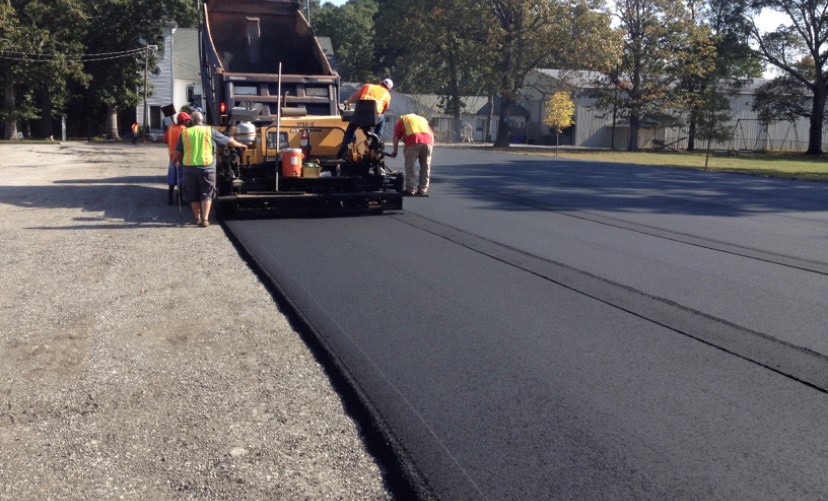
Would hire again. Wall looks great. Happy with job.
 Central Paving
Involved an extensive bathroom remodel, including removing tub & installing walk in shower, new drywall, custome tile work to ceiling, plumbing, etc. Overall, job was done on time and on budget. Nick & his team were very professional and had high attention to detail. Quality was great. Highly...
 Stamos Flooring and Remodeling LLC
We have had a great experience with Rising Height for the past five years on a number of miscellaneous renovation projects. They laid flooring for us and had a very good sub do the finish. Installed drywall for a vaulted ceiling, finished an attic/loft with new subfloor, framing and drywall,...
 Rising Height Unlimited
Mr. Lopez was super nice and professional. He repaired our drywall just as he described during the estimate phase. Our dining room wall looks great again! Thanks Mr. Lopez!
From average costs to expert advice, get all the answers you need to get your job done.
Drywall texture can create an attractive finish and add dimension to your home’s walls. This guide breaks down the factors that influence the cost to texture drywall.

Installing drywall is the most common way to finish your home’s interior. Use this drywall installation cost guide to see what your project is likely to cost.
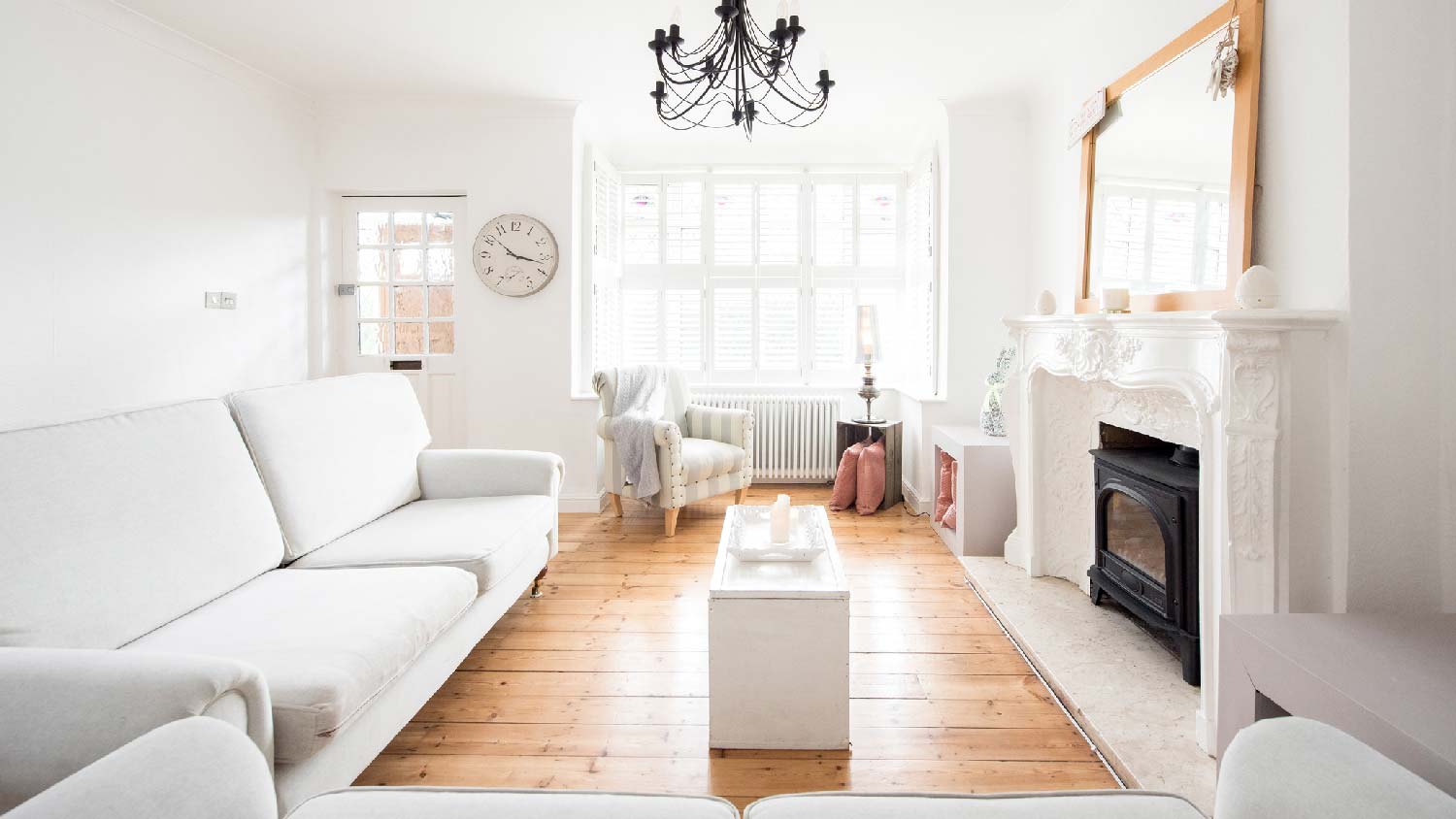
The cost to replace plaster with drywall can quickly add up. This guide will help you budget for this project and decide if it's worth the effort and cost.
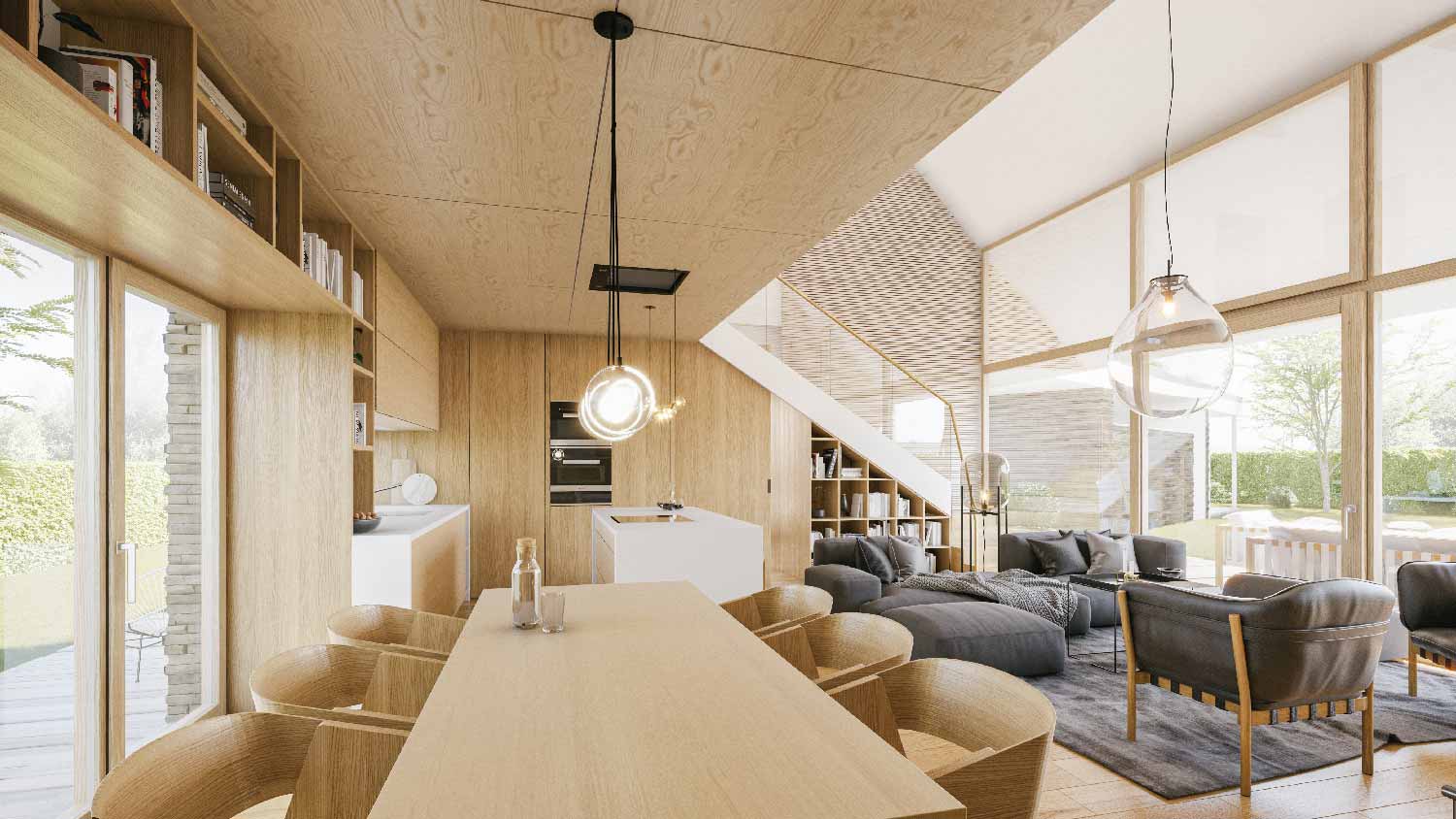
If you’re choosing between drywall and plywood for your home’s interior walls, they both offer a durable, paintable surface, but they also come with downsides.
The terms drywall and Sheetrock are often used interchangeably, but one is a brand and one is a specific product. Find out which one you need in this guide.
When it comes to putting up new walls, you have more options than just drywall. Compare OSB versus drywall to see which is best for your needs.