
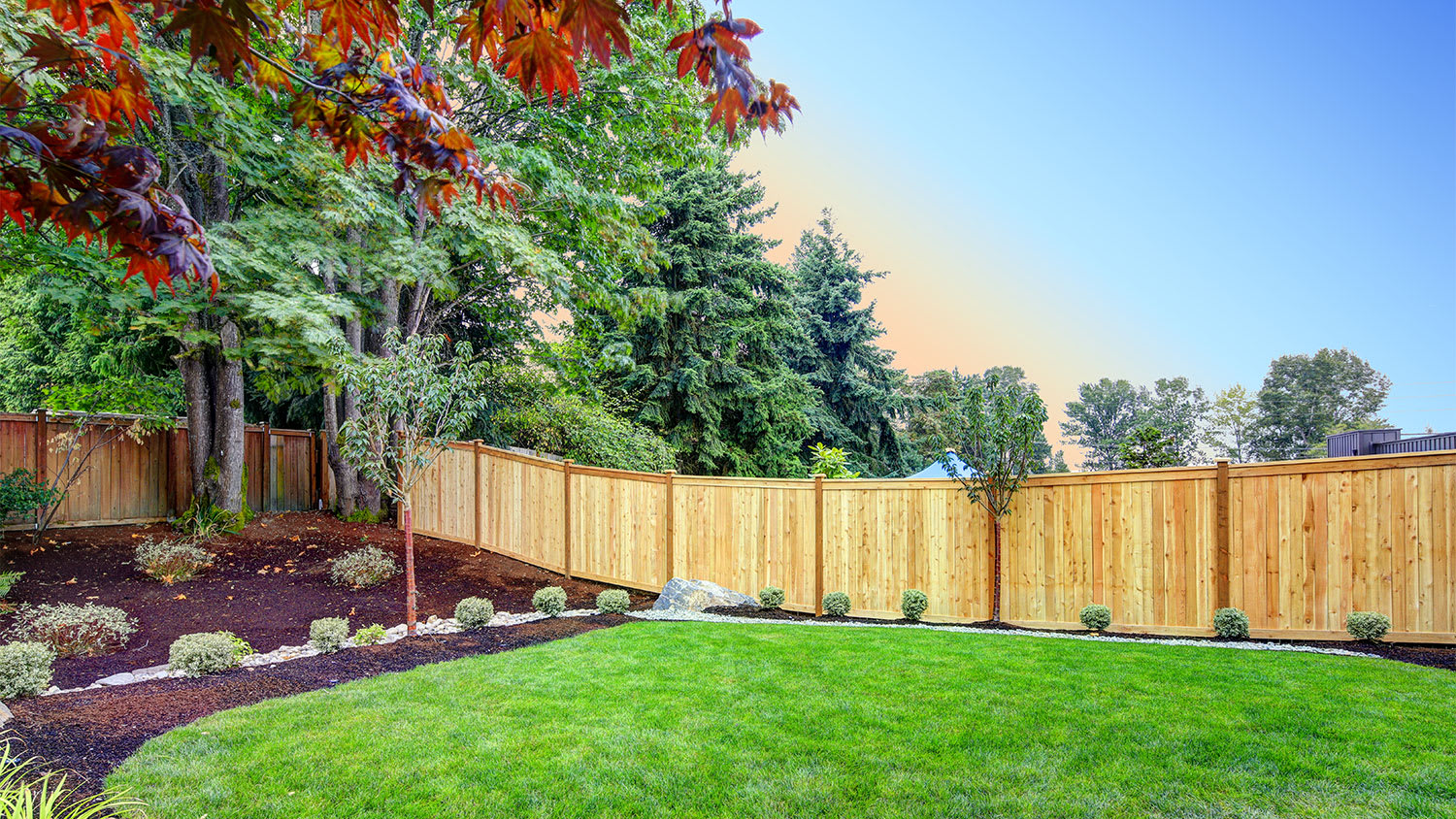
Tired of seeing unsightly grass and weeds sprouting under your fence line? You've come to the right place. Try these foolproof prevention methods.
Stop the spread and keep your flower beds a grass-free zone

Grass spreads into your flower beds through tillers and rhizomes, which are new shoots and underground runners that help grass plants expand beyond lawn boundaries.
Expect to pay $50 to $100 per hour for lawn care services, and addressing grass spread early prevents more extensive flower bed restoration work later.
Install barrier edging or dig a shallow moat around your flower beds to create physical separation that blocks grass from migrating into your garden areas.
Hiring a local lawn care professional provides reliable support with identifying your grass type and implementing effective barriers, keeping your flower beds grass-free without damaging surrounding plants.
While a luscious lawn is coveted among homeowners, grass also has a pesky habit of spreading into unwanted areas, such as flower beds. Luckily, you can learn how to stop grass from growing in flower beds with a few DIY landscaping methods. Learn how to stop grass from growing where it shouldn’t with these tips, and don’t hesitate to hire a local lawn care professional for assistance.
Some types of grass can spread quickly due to tillers, which are new shoots that grow next to the grass plant, or rhizomes, which are underground runners that pop up from a grass plant a distance away. Tillers and rhizomes allow grass plants to quickly spread and thicken and are common reasons why grass spreads beyond the boundaries of a lawn and into gardens and flower beds. However, regular maintenance and preventative landscaping can help control grass growth around your home and garden.

The first step to prevent grass from growing in areas where it shouldn’t is to keep the lawn tidy and well-kept. Maintaining clear and defined edges is essential. Establish a routine of regularly trimming your lawn’s edges and pushing back the soil within the lawn’s boundaries with a hoe. This method will keep grass from migrating to your flower beds or other unwanted areas.
Placing a barrier between your grass and flower beds is an effective solution to stop grass from growing where it shouldn’t. Plus, it adds a bit of elegance to your home’s landscaping.
You can install many kinds of lawn edging, but materials such as steel, bricks, or plastic edging will be most successful in separating your lawn from flower beds. You place these materials a few inches into the ground and create a solid barrier, making it more difficult for grass to grow around. Other edging materials, such as rocks or tile, will also work in creating separation but are less effective in stopping grass since they aren’t placed as deep into the soil.
Add more distance between your lawn and flower beds by digging a shallow moat. Use a small spade to dig a small ditch about six inches wide around the edge of your lawn. As you dig, throw excess dirt to the flower bed side to elevate it. The border at the edge of the lawn should be a sharp drop for a clean, manicured look.
This border, also known as an English border, is a cost-effective way to prevent grass from growing into your flower beds. The moat allows you to see any grass or weeds that start to make their way closer to your flower beds and a little weeding will keep you on top of the rogue blades that pop up from time to time.
Stop any grass growth in its tracks by adding a thick layer of mulch. The mulch will smother the grass and as an added benefit, will provide extra nutrients to the soil to help your garden or flowers flourish. You can continue adding mulch as needed throughout the spring and summer to help your plants stay healthy and keep any grass growth at bay.

While the grass-stopping methods mentioned above are surefire ways to keep your grass in line, consider trying these tips to make the process easier and more effective.
Check your flower beds and garden regularly to see if new grass is popping up. Weed any stragglers that appear by hand.
Keep up on lawn maintenance and trim the edges so overgrowth doesn’t occur.
Mow the lawn at the highest setting to slow grass growth on your lawn. This cut setting will prevent grass from growing and spreading to other areas.
If you’ve tried the above grass-stopping methods to no avail, it’s time to contact your local lawn care pros for help. A local lawn care service can identify the reasoning behind your creeping grass, recommend a landscaping plan, and then implement it. The cost of hiring a professional landscaper is $50 to $100 per hour for a range of smaller lawn care services.
Addressing the problem yourself will cost less, but sometimes the experts may be more successful and will tailor their approach to stop the grass from growing where it shouldn’t without hurting your other landscaping.
D1 Roofing delivers outstanding service from beginning to end, backed by a strong warranty and expert teams. I highly recommend them for their excellence in meeting and surpassing expectations with unmatched communication. Choosing D1 Roofing was flawless decision
 Division 1 Roofing LLC
We had our houses windows and back door replace this summer by Window Depot USA of Central. He gave us grate advise and saved my family lots money. The team did a fantastic job with installation. If you need help, they sure get job done right!
 Window Depot USA of Central Ohio
Wonderful. I am going to have them remove and replace my driveway in the spring.
 All Star Paving and Sealing
We were having 2”x 2” tile installed . There was a small installation error and the new additional replacement tile was from a different lot and the colors didn’t match. Joe assured us that he would rectify everything , which he did without hesitation. We decided to go with the 18” x 36” tile...
 CarifaTile
We had a 20+ year old landscape lighting system that needed replacement. Midwest Lightscapes worked with us to design a much improved lighting system, lighting the exterior of the house and the back yard. Installation of the 45 light system took one and one-half days, and went very smoothly....
 Midwest Lightscapes
Did an amazing job transforming my yard. Also installed sod in places, would recommend to everyone.
 Cardinal Landscaping & Construction LLC
They show up and they did take us on as a client which seems to be a problem with other lawn care providers. We have multiple properties and this one was located close to downtown and no one really wants to mess with it.
The worker came out when he was supposed to come. He informed me he would honor the Angie's List deal, but would not do any more work for me since my son in law owns lawn care company as well, even though they do not do the same type of work. He said he did not feel comfortable giving me...
 Bello Giardino LLC
E & L Lawn Care was super. They were very responsive before and after service. They were efficient and were able to complete the job within 1 day. I have had concern about one section of sod - the owner was pro-active and did a visit to evaluate. I have no doubt they will stand behind...
 E&L lawn care
From average costs to expert advice, get all the answers you need to get your job done.
Tired of seeing unsightly grass and weeds sprouting under your fence line? You've come to the right place. Try these foolproof prevention methods.

Have a shady backyard but still want lush grass? Learn how to choose the best grass seed for shady areas and care for it like a pro.

Did you know that grass has two annual dormancy periods? When does grass stop growing and how and when should you shake up your weekly mowing schedule?
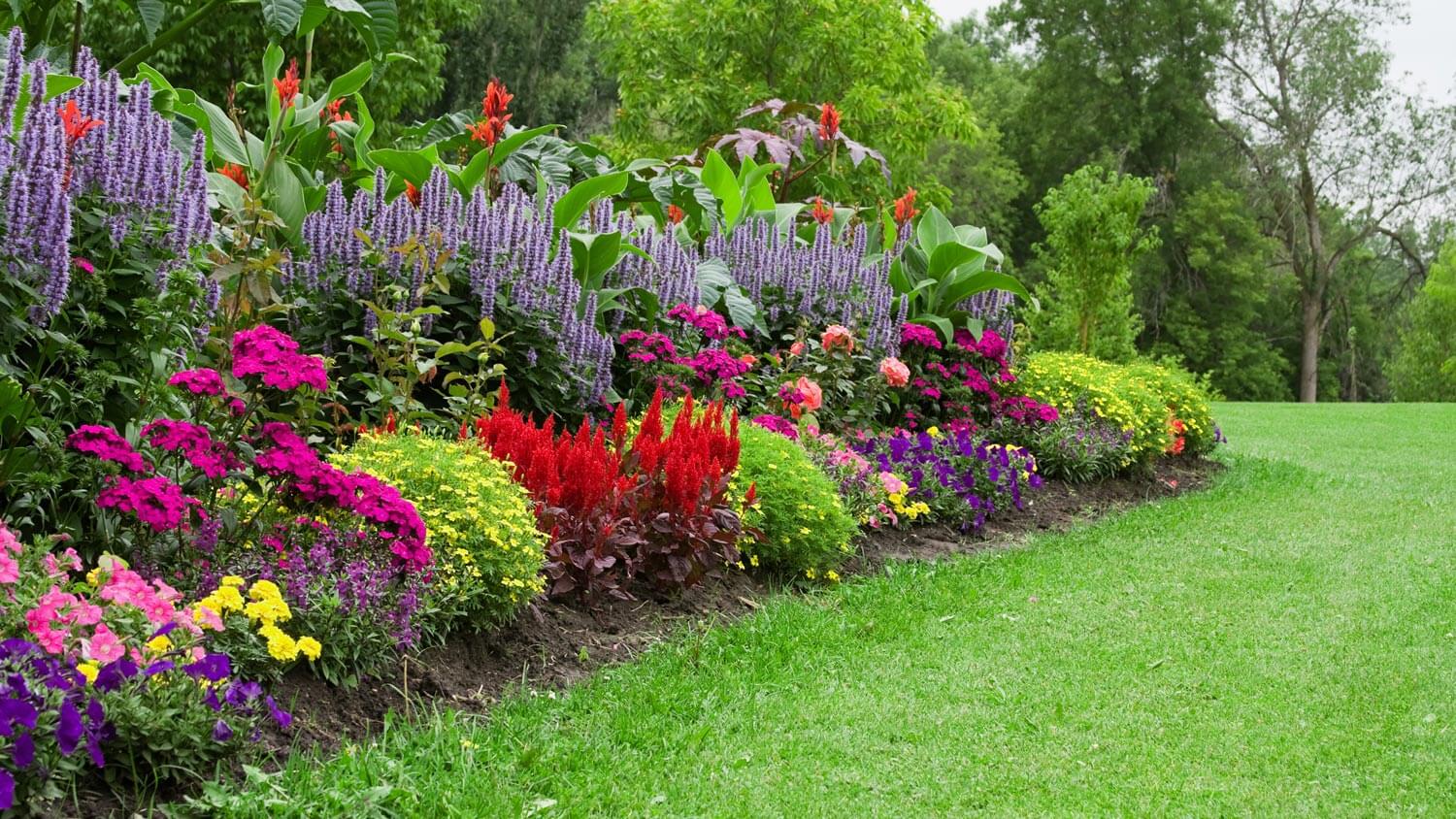
You garden for the beautiful flowers, but you'll need to know how to kill grass in your flower beds to maintain healthy soil. Learn how in this guide.
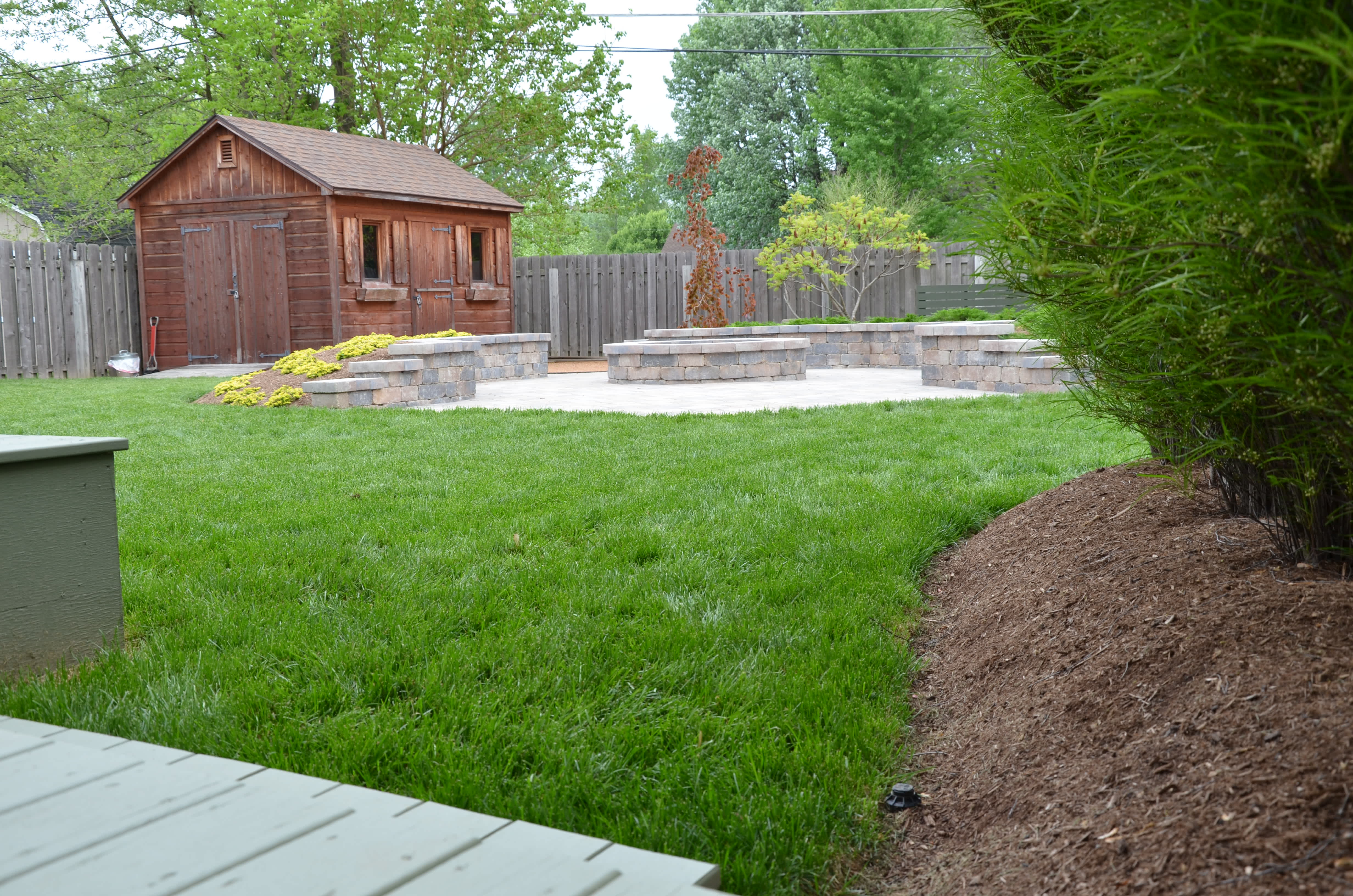
Late summer to early fall is one of the best times to establish new lawn growth for many parts of the country. Learn how to grow new grass this fall.

How long to water your grass depends on the type of grass, the season, where you live, and more. Learn when to stop watering grass with this guide.