
Killing grass can be a slow process that takes neglect, time, or herbicide. Throw in some muscle to prepare the land for fresh grass seed or a garden.
It may take a grassroots effort to weed out this pesky grass imposter

Orchard grass in a lawn grows faster than turf grass, forming pale green clumps that disrupt your lawn's level appearance and spread quickly.
Expect to pay $13 to $20 for herbicide and $1 to $2 per square foot for sod to replace areas damaged by orchard grass removal.
You can remove wild orchard grass by digging it out manually, applying white vinegar repeatedly, or using sheet mulch to start fresh with new turf.
Hiring a local lawn treatment professional provides reliable help with large-scale orchard grass removal and ongoing maintenance to prevent the weed from returning.
Even if you've played by all the rules and cared for your lawn with precision, persistent weeds like orchard grass have a way of inviting themselves to the party. There are several ways to master orchard grass control—either manually, chemically, or in extreme cases, by starting fresh with a new lawn.
When those tall sprouts of grassy imposters ruin the lush, level look of your turf, here's what you can do about it.

Orchard grass—scientific name Dactylis glomerata—is a grass-like perennial often used in pastures and grazing fields. The weed grows in dense clumps with multiple shoots that can reach up to 3 feet tall.
You can identify orchard grass in a few ways. First of all, it will likely grow faster than your turf grass as well as in thick clusters. The blades are pale green with a hint of blue and are often rough to the touch. As they mature, the stems split at the base, grow taller, and produce tufts of grass seeds.
As a cool-season grass, you'll often find orchard grass in the northern midwestern states, especially mixed in with common turf grass mixes like tall fescue grass. The weed is very hardy in a range of weather and can live in partial shade.
The biggest complaint about orchard grass is its appearance. While the weed looks a bit like grass when it's young, it will quickly surpass the rest of the turf, even when regularly mowed. It is also a lighter color than most turf grass, so you end up with a polka-dot look you never intended.
Orchard grass control is necessary to keep it from spreading quickly and skillfully or carrying it to the rest of you—and your not-so-happy neighbor's—lawn as well.
A bottle of a glyphosate-based solution—the common compound found in non-selective herbicides—costs between $13 and $20 for home use. Weeding tools, such as hoes, rakes, and spades, will also cost between $10 and $40. Sheet mulching, on the other hand, costs between $30 and $150 per cubic yard for the mulch.
You will also need to fill in the space with new sod. You'll pay between $1 to $2 per square foot for the cost of sod installation. The total cost to kill orchard grass will depend on the amount you're looking to remove and your chosen method.
A dedicated crew revitalized our landscape by removing old plants, brick borders, large bush stumps, and an aged rhododendron. They expertly graded the soil, laid landscape fabric, and planted vibrant new bushes, covering them with fresh black mulch. They reused many of the existing bricks for a border along the walkway and one side of the house and hauled away all of the debris and old bricks that were not used.
Hepp Landscaping
Glenshaw, Pennsylvania

The right method for removing orchard grass will come down to the amount of the pesky weed currently in your lawn. Small patches of young orchard grass spotted at the start of spring are much easier to remove by hand than a multitude of patches across the whole lawn. Keep in mind that you may need to combine several of these methods to get rid of the weed for good.
The most labor-intensive, yet chemical-free method of orchard grass control is to remove it by hand. Pulling weeds by hand is a bit of an art form, especially with deep-rooted plants like these.
The option is much easier if you're removing young plants at the beginning of the season—such as mid-spring to early summer—when the roots are shallow.
Let's go through the basics.
Choose a weeding tool such as a flame weeding rake or hoe with a forked end.
Dig around the outside of the root ball with your tool, careful not to sever the root.
While wearing gardening gloves, reach to the bottom of the roots and pull up gently.
Remove any signs of torn remaining rooms in the hole.
Replace the space with new turf or soil with grass seed.
Whether you choose chemical-based or at-home herbicides like vinegar, keep in mind that you'll likely kill some of the surrounding grass as well. White vinegar will dry out and kill plants after several applications, as well as loosen the roots for easier manual removal.
Here's what to do:
Fill a spray bottle with white vinegar.
Spray on your orchard grass patch from the soil to the top of the stem.
Once the plant turns brown or gray, remove it manually with the steps above.
Fill in the space with turf and appropriate grass seed.
You can use non-selective herbicides like glyphosate for killing orchard grass when absolutely necessary. This solution is best used as spot treatment for undesired grass. To be most effective, weeds must be actively growing when glyphosate is applied. It's important to consult your local homeowners association and town lawns about the use of the product.
If you need to remove orchard grass in a hurry, here's how to go about it:
After putting on protective gloves and goggles, read the instructions on your herbicide package. If necessary, mix your glyphosate concentrate with the right water proportions.
Spray the solution on your weed, careful not to spray surrounding grass.
Wait for the plant to shrivel and reapply if necessary.
Remove from the ground with gloves.
Torches and flame weeders allow you to target specific plants to kill both the weed above ground and dry out its roots. However, you should only use fire to remove weeds in non-flammable areas like stone patios.
To be safe, wait to use the torch after a day of rain. Never use torches in dry seasons or periods of drought, and check with your local fire laws before going this route.
Clear the area of flammable debris.
Wear goggles, gloves, work-safe shoes, and non-flammable clothing.
Follow the instructions on your flame weeder for ignition.
Apply the flame for several seconds until it burns away.
After cooling, brush the weeds away from the stones.
Orchard's grass adept abilities to spread could leave you with a full lawn of weeds. If you've tried the options above and are looking to start from scratch, then this method is for you. Sheet mulching is the process of layering a biodegradable shield, such as cardboard or newspaper, on your lawn and then topping it with mulch.
Over several months, all plants beneath the covering die and decompose, leaving you with fresh soil.
Here’s how to control orchard grass with sheet mulch:
Remove as much orchard grass and other weeds by hand as possible.
Mow your grass to its shortest setting.
Water the area.
Cover with cardboard or up to 10 sheets of black-and-white newspaper.
Water this barrier.
Cover with up to 6 inches of natural mulch.
Water again and keep the area moist.
Remove after six months to reveal new soil.

Weeds notoriously make another appearance even after we're convinced we got them for good. Follow these orchard grass prevention tips to ensure it stays away permanently.
After removing the visible patches of orchard grass, the best thing you can do to keep it away is to maintain a healthy lawn.
Encouraging strong root growth, providing balanced nutrients, and overseeding with high-quality seeds will thicken your turf and push out weeds like orchard grass. Talk to a local lawn care professional to help you effortlessly maintain your lawn year-round.
The quality of your grass seed is crucial to preventing its return as well. Take a look at your grass seed the next time you head to the garden center. Most turf seed contains some percentage of "crop seeds" outside of the advertised variety.
In many cases, orchard grass sneaks into these seed mixtures. Opt for a mixture that has 0% crop seeds from a brand you trust.
And if you're fed up with keeping orchard grass out of your pristine blanket of tall fescue, it may be time to opt for a different ground cover crop altogether. Not only is planting ground cover plants an excellent organic weed-killing tactic, but they're beautiful as well.
Varieties like creeping juniper, creepy thyme, dead nettle, and oregano don't leave enough nutrients for weeds like orchard grass to take over.
The specific job of orchard grass control will come at different price points depending on the removal method and how far it's spread. Professional landscaping costs an average of $50 to $150 an hour, depending on the extent of the job.
Basic maintenance, like mowing and weed whacking, may cost as little as $25 to $50 an hour. Many landscaping companies also offer year-round packages that include services like weed treatment, reseeding, and dethatching.
We recommend calling in a professional landscaper if you have widespread orchard grass issues and do not want to rip up your lawn from scratch. Professional landscapers will know how to act quickly and efficiently without harming as much of the surrounding turf.
D1 Roofing delivers outstanding service from beginning to end, backed by a strong warranty and expert teams. I highly recommend them for their excellence in meeting and surpassing expectations with unmatched communication. Choosing D1 Roofing was flawless decision
 Division 1 Roofing LLC
We had our houses windows and back door replace this summer by Window Depot USA of Central. He gave us grate advise and saved my family lots money. The team did a fantastic job with installation. If you need help, they sure get job done right!
 Window Depot USA of Central Ohio
Wonderful. I am going to have them remove and replace my driveway in the spring.
 All Star Paving and Sealing
We were having 2”x 2” tile installed . There was a small installation error and the new additional replacement tile was from a different lot and the colors didn’t match. Joe assured us that he would rectify everything , which he did without hesitation. We decided to go with the 18” x 36” tile...
 CarifaTile
We had a 20+ year old landscape lighting system that needed replacement. Midwest Lightscapes worked with us to design a much improved lighting system, lighting the exterior of the house and the back yard. Installation of the 45 light system took one and one-half days, and went very smoothly....
 Midwest Lightscapes
Did an amazing job transforming my yard. Also installed sod in places, would recommend to everyone.
 Cardinal Landscaping & Construction LLC
They show up and they did take us on as a client which seems to be a problem with other lawn care providers. We have multiple properties and this one was located close to downtown and no one really wants to mess with it.
The worker came out when he was supposed to come. He informed me he would honor the Angie's List deal, but would not do any more work for me since my son in law owns lawn care company as well, even though they do not do the same type of work. He said he did not feel comfortable giving me...
 Bello Giardino LLC
E & L Lawn Care was super. They were very responsive before and after service. They were efficient and were able to complete the job within 1 day. I have had concern about one section of sod - the owner was pro-active and did a visit to evaluate. I have no doubt they will stand behind...
 E&L lawn care
From average costs to expert advice, get all the answers you need to get your job done.
Killing grass can be a slow process that takes neglect, time, or herbicide. Throw in some muscle to prepare the land for fresh grass seed or a garden.
You garden for the beautiful flowers, but you'll need to know how to kill grass in your flower beds to maintain healthy soil. Learn how in this guide.
Will vinegar kill grass and weeds? Get the scoop on what vinegar does to grass, when to use it, and things to consider.

Need to know how to kill a tree? If it’s disrupting your foundation or plumbing, learn how to kill the tree and its roots with these tips.
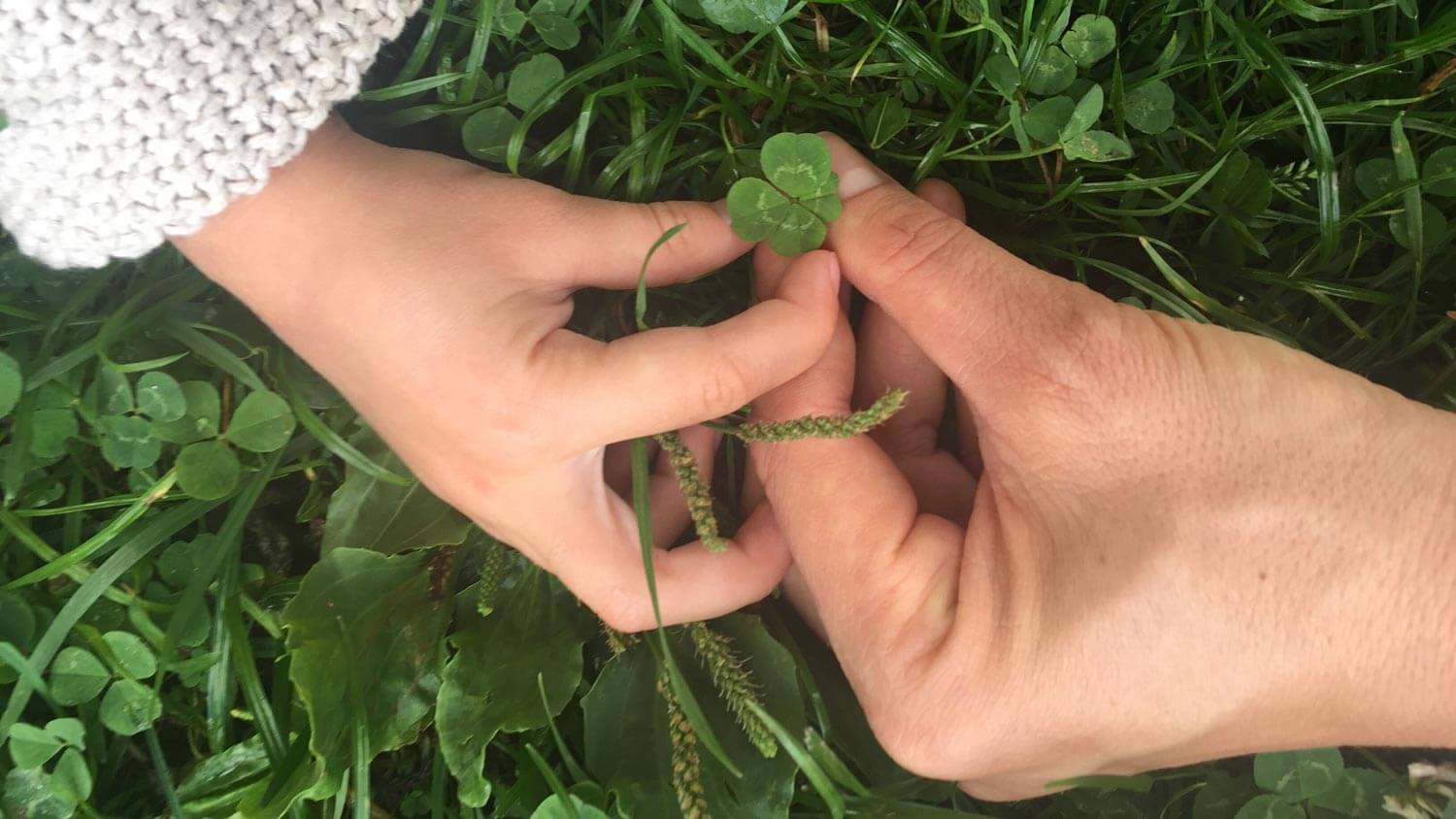
Need to know how to kill clover in your lawn? Learn the best methods to get rid of clover weeds without killing your grass or other plants.
Fertilizer burns can result in discolored or dead grass. These nine tips will help prevent lawn burn and keep your yard looking healthy and green with fertilizer.