
•
Get transparent power seeding cost info to learn what impacts pricing, how to save, and whether to DIY or hire a pro for your lawn’s best results.
A healthy lawn starts with a proper foundation

Preparing the soil for grass seed creates the best foundation for your new lawn by ensuring proper pH levels and soil structure for strong root growth.
Your soil prep work needs testing first to check if the pH sits between 6.0 and 7.0 before you amend with limestone or sulfur.
Tilling the ground four to seven inches deep and raking away debris gives your grass seed the loose, clean surface it needs to germinate successfully.
Hiring a local lawn seeding professional handles pH testing, soil amendments, and seed spreading so your new lawn starts healthy from day one.
Accidentally creating a healthy lawn from seed is an extreme rarity. Installing grass seed may appear easy, but the job requires substantial preparation work, including learning how to prepare soil for grass seed. Regardless of the type of grass seed, adequate soil prep is crucial for making the most of your investment. Follow this guide to get your soil ready for grass seed to help ensure the success of your new lawn.
Grass seed is pretty fantastic stuff. With some care and patience, grass seed can grow into a beautiful new lawn within a few months. However, even the best grass seed will only perform as it should if specific conditions are in place for germination and growth.
The main purpose of preparing your soil for grass seed is to create the best possible starting conditions for your new lawn. By ensuring the soil structure is chemically correct and suitable for sustaining new roots, soil preparation before seeding is much easier than trying to repair an unhealthy lawn later. That’s why it’s worth hiring a lawn seeding professional to help prepare for and complete the spreading process.
Prepare your soil for grass seed immediately before spreading the seeds. Depending on the type of grass you intend to grow and the growing season in your location, that may mean performing the task in mid- to late-spring after any chance of frost or up until about 90 days before the start of a dry season for the best results. Consult a professional lawn seeding service about the best timing to spread grass seed based on your soil type and climate area.
Spreading the grass seed is one of the last of several steps necessary to give it the best chance of growing up healthy.
Grasses grow best in mostly neutral soil. Neutral soil has a pH level of 7.0. Grass can tolerate slightly acidic soil down to around 6.0 pH. However, if the ground you intend to plant is too far out of that range—too acidic or too alkaline—your new grass may struggle to be healthy in the long term. You can test the soil using a kit or hire a local soil testing company to tell you the soil's status and recommend the right amending solution.

Getting rid of existing grass and vegetation helps you start from a clean slate and makes the rest of the seeding work easier. Remove clumps of existing grass with a shovel and use a garden tiller to break up hard soils.
After taking care of the big clumps, use the garden tiller to turn the rest of the soil in the entire area down to between four and seven inches deep. This step eliminates the difficulty of planting grass seed in hard dirt. Rake away any vegetation, clumps, twigs, roots, and debris.
Following the results from your test kit or instructions of your professional lawn seeder's advice, amend the soil with limestone, sulfur, compost, manure, or other product, depending on whether it starts as acidic or alkaline.
Limestone and similar products will increase the pH, while sulfur will decrease it. Mix the product into the ground by spreading the correct amount over the surface and tilling the area again.

If you plan to install a sprinkler system for your new lawn, now is the time to have your local sprinkler installation company do the work before the grass seed goes down. Be sure to talk with your sprinkler professionals about the ideal timing for planting grass seed post-installation.
The final step before spreading the grass seed is to even out the surface of your lawn. Use a rake or shovel to fill in low spots with soil from high spots, or fill in low places by adding new loose soil or compost from a garden center.

Spread the grass seed and cover it with a thin layer of new soil from a garden center or a loose covering of straw mulch and water appropriately for your chosen grass type. Don’t forget to spread starter fertilizer at the same time as the seed if necessary, depending on the soil test results and the kind of seed.
Properly preparing the soil is one of several steps necessary for ensuring the success of your new lawn. Follow these tips before and after soil prep for the best results.
Choose an appropriate grass seed variety for your climate and location.
Determine and choose the correct time of year for starting a new lawn. Spring to early summer is the best time in cold climates. However, slightly later in the season is often okay too.
Learn and follow the appropriate watering guidelines for the grass type you choose. Keep the top two inches of soil damp until the seeds germinate and become established.
Your new lawn requires around eight weeks before it's time to mow the new grass.
Make a plan for how and when to fertilize new grass seed, depending on the type of lawn. Your lawn may require you to fertilize several weeks before planting new seeds.
Installing a new lawn using grass seed can be very time and labor-intensive. While the job is undoubtedly doable by DIYers with a weekend of free time, getting down and dirty with the task can require some hard work and the current tools and equipment.
If the job seems like a bit much to handle, or you just want assurance that the finished product is done correctly, a local lawn seeding company can handle the work for you. These lawn seeding pros can provide top-notch recommendations on how to prepare your soil for planting grass, and then they’ll take care of the seed installation so you can get back to enjoying the season.
D1 Roofing delivers outstanding service from beginning to end, backed by a strong warranty and expert teams. I highly recommend them for their excellence in meeting and surpassing expectations with unmatched communication. Choosing D1 Roofing was flawless decision
 Division 1 Roofing LLC
We had our houses windows and back door replace this summer by Window Depot USA of Central. He gave us grate advise and saved my family lots money. The team did a fantastic job with installation. If you need help, they sure get job done right!
 Window Depot USA of Central Ohio
Wonderful. I am going to have them remove and replace my driveway in the spring.
 All Star Paving and Sealing
We were having 2”x 2” tile installed . There was a small installation error and the new additional replacement tile was from a different lot and the colors didn’t match. Joe assured us that he would rectify everything , which he did without hesitation. We decided to go with the 18” x 36” tile...
 CarifaTile
We had a 20+ year old landscape lighting system that needed replacement. Midwest Lightscapes worked with us to design a much improved lighting system, lighting the exterior of the house and the back yard. Installation of the 45 light system took one and one-half days, and went very smoothly....
 Midwest Lightscapes
Did an amazing job transforming my yard. Also installed sod in places, would recommend to everyone.
 Cardinal Landscaping & Construction LLC
They show up and they did take us on as a client which seems to be a problem with other lawn care providers. We have multiple properties and this one was located close to downtown and no one really wants to mess with it.
The worker came out when he was supposed to come. He informed me he would honor the Angie's List deal, but would not do any more work for me since my son in law owns lawn care company as well, even though they do not do the same type of work. He said he did not feel comfortable giving me...
 Bello Giardino LLC
E & L Lawn Care was super. They were very responsive before and after service. They were efficient and were able to complete the job within 1 day. I have had concern about one section of sod - the owner was pro-active and did a visit to evaluate. I have no doubt they will stand behind...
 E&L lawn care
From average costs to expert advice, get all the answers you need to get your job done.
Get transparent power seeding cost info to learn what impacts pricing, how to save, and whether to DIY or hire a pro for your lawn’s best results.
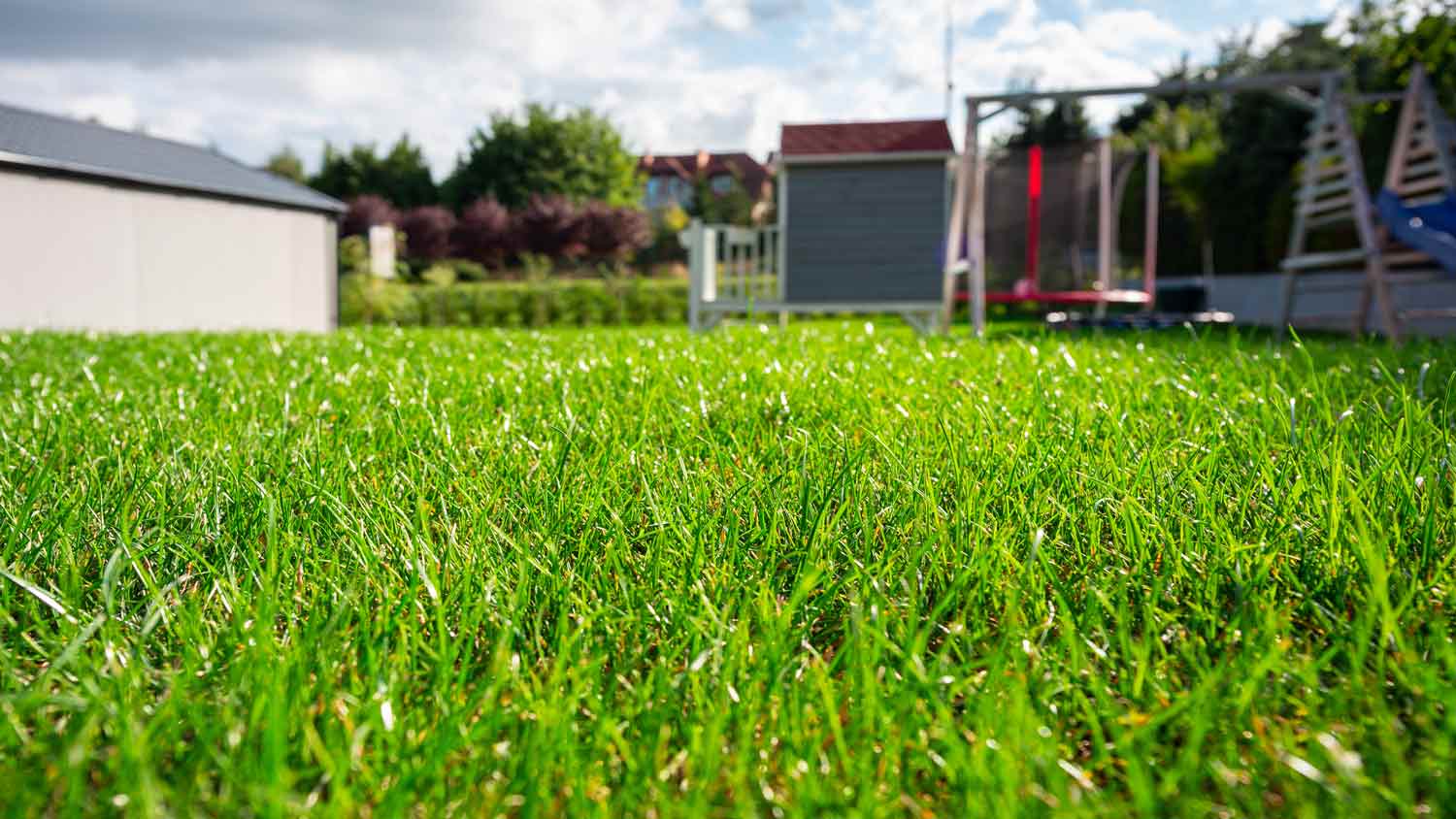
Will grass seed germinate on top of soil? Yes, and it’s the ideal way to start a new lawn. Find out how (and why) to plant grass seeds on top of soil.
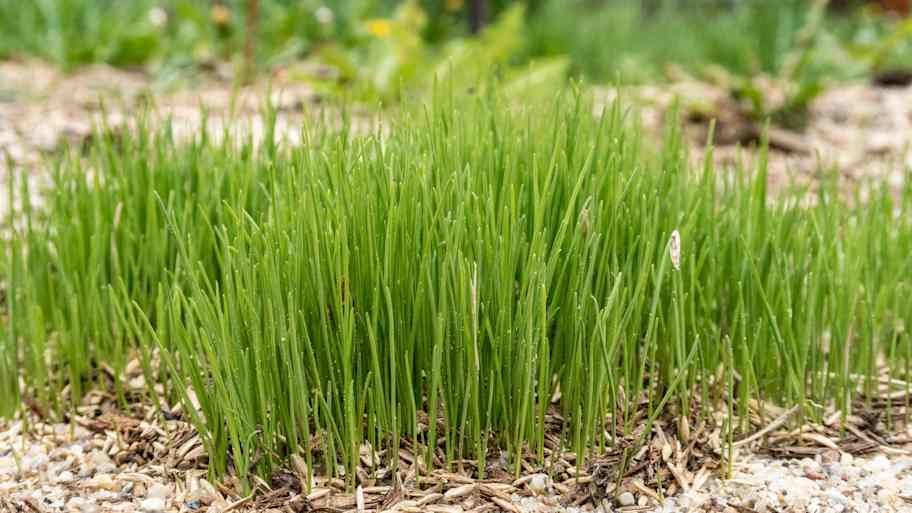
Ready to give your yard a fresh start? With these tips for grass seed planting, your lush lawn dreams are one step closer to becoming a reality.
Read tips on how to germinate your grass seed successfully, and learn how to tell if germination has happened or when you need to begin again.

Grass seeds thrive in soil rich in nutrients, but a potting mix will not support your grass’ long-term health. Find out which type of soil is best for grass.
Patchy or sparse lawn? It’s nothing a little seeding can’t fix. Follow these eight simple yard seeding tips for a vibrant lawn.