
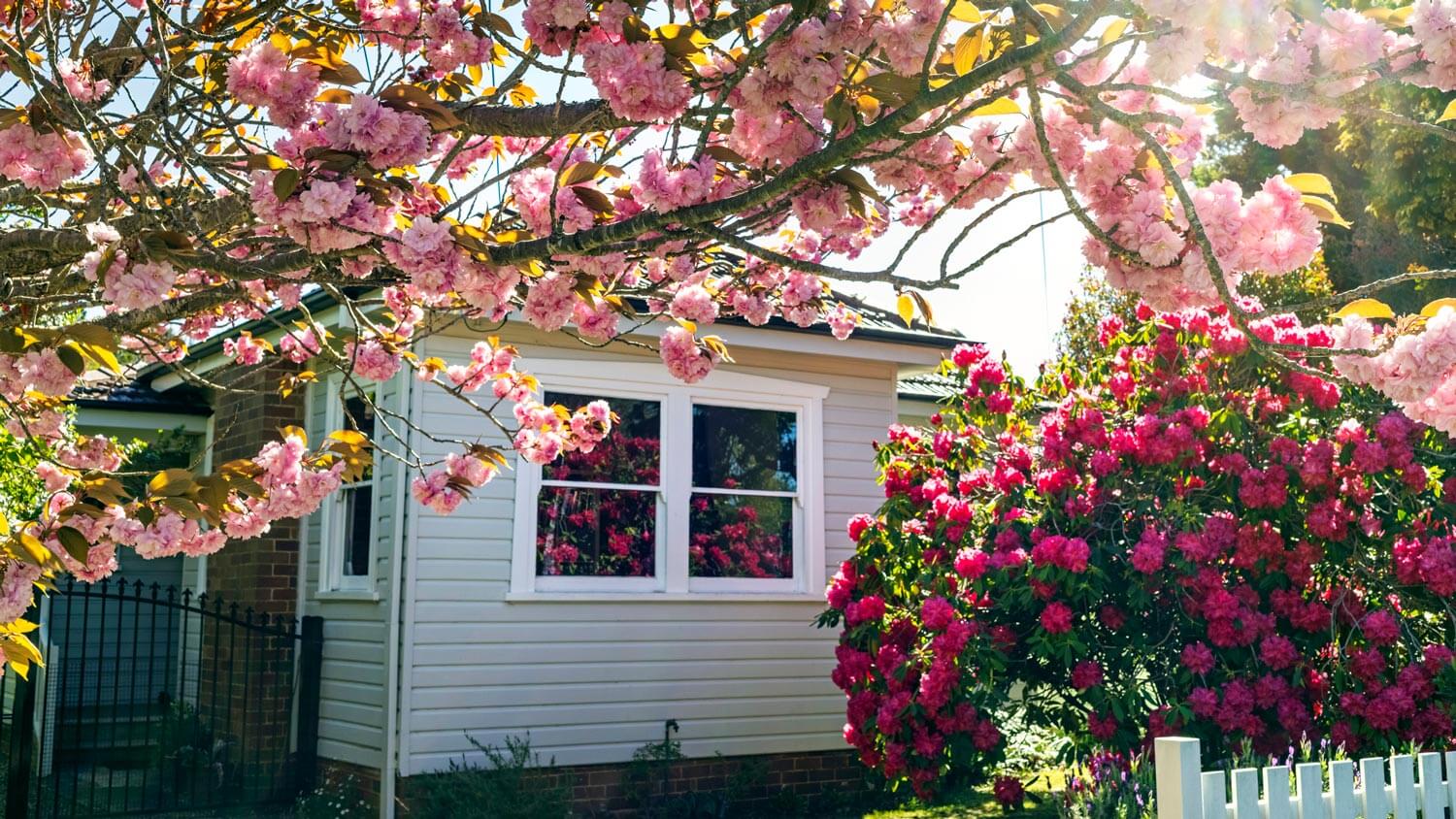
Hoping to reinvigorate your current garden with a few new blooms, veggies, or trees? We'll take it step by step, from choosing new plants to helping them grow.
Sometimes, it’s better late than never

Your best planting calendar depends on your USDA hardiness zone, plant maturity time, and frost dates, helping you calculate the latest safe planting date.
Cool season vegetables like kale, radishes, and broccoli tolerate late planting better than warm season crops, giving you flexibility when starting your garden late.
You can transplant perennials anytime between the last frost and autumn, and they will bloom the following season if they don't flower immediately.
Hiring a local gardening professional provides expert guidance on optimal planting times and plant selection for your specific zone and growing season.
Life gets busy no matter the season. If spring slipped by before you’ve had a chance to plant your garden, don’t sweat it. You can still grow a healthy garden in late summer or beyond as long as you know what to plant. This guide will show you the art of late garden planting—because sometimes the last second is the only second you have.
Every different plant species has an ideal environment and schedule, whether you’re dealing with veggies, flowers, herbs, shrubs, or fruit. Most of the time, you can find this information on the back of the seed packet. Though it varies based on the plant and your USDA plant hardiness zone, in most of the United States, the best time to plant your garden is either spring (to bloom in late spring or summer) or fall (to bloom the following spring). Here are some general guidelines:
Warm season vegetables: After the last frost, preferably once soil temperatures are consistently above 50 degrees Fahrenheit
Cool season vegetables: Early spring, as soon as you can work with the soil
Perennials: Early spring or fall, depending on the variety
Annuals: On or after the last frost, unless it’s a hardy variety. You can plant hardy annual seeds in early spring.
Bulbs: Fall, about six weeks before the first ground freeze
Keep in mind that each plant is different. For example, flowering annuals like alyssum and calendula will thrive if you plant them one to two weeksbefore the last frost, but your tomatoes might freeze to death if you don’t wait for warmer weather.
So, how late is actually too late? It depends on the type of weather your plant needs to thrive and how long it takes your plant to mature. You can calculate the absolute last late planting date with three pieces of information:
Maturation date: The maturation date (or estimated harvest time) of your plant is how long your plant will take to go from seed to fruit or flower. You can find this information on the back of the seed packet, and it varies from plant to plant. For example, most veggies and annuals take 50 to 75 days to mature.
Cold or heat tolerance: Know the outer limits of what weather your plant can tolerate and the temperatures it requires to flower or produce fruit. For example, spring-blooming bulbs like tulips need 12 to 16 weeks of cold weather to bloom, but other plants stop growing after the first frost.
First or last frost date: You can find frost dates in the Farmer’s Almanac. This info is how you’ll know the growing season for your particular bloom.
Once you have this information, it’s a matter of math. For example, if you have squash that takes 65 days to mature and cannot tolerate frost, you can plant it up to 65 daysbefore the first frost and still have a modest harvest. Keep in mind that you’ll probably need a little leeway. Factors like soil quality, water, and sunlight affect the maturation date. If you’re not sure, consult a gardener near you.
Each plant hardiness zone has a different growing season (the time between the last frost and the first frost) which dictates how late you can plant. As a general rule, your plant should have enough time to mature before the end of the growing season. You can find your plant hardiness zone on the USDA’s website. Though the exact date varies, keep these general growing season ranges in mind:
Zone 1: Late May to late August
Zone 2: Mid-May to early September
Zone 3: Early May to mid-September
Zone 4: Late April to early October
Zone 5: Mid-April to mid-October
Zone 6: Early April to late October
Zone 7: Late March to early November
Zone 8: Mid-March through late November
Zone 9: Expect frost sometime in January (in other words, you can grow almost year-round).
Zone 10–13: No frost, but plants will require irrigation
Remember, some zones (like Zone 1 and 2) experience extreme weather with a limited growing season. Late planting may be difficult. Even in the most hospitable climates, some plants do better late in the season as temperatures drop, while others prefer warm weather. You’ll have more flexibility with a transplant from a nursery than a seed.

If you choose the right veggie variety, you can start your garden in late spring or summer and still get a modest harvest. Cool season veggies tend to do best late in the season, though some warm season veggies are quick growers. Consider these vegetables for late planting:
Basil
Beans
Beets
Broccoli
Brussels sprouts
Cabbage
Carrots
Cauliflower
Collard Greens
Cucumber
Garlic
Green Onion
Kale
Parsley
Radishes
Squash
Spinach
Turnips
Even if you get your garden or landscaping started late, some flowers will bloom well through late summer and early fall. In fact, you can transplant perennials anytime between the last frost through autumn. If they don't flower that season, then they will the next. Depending on your zone, some of the best flowers for late planting include:
Ageratum
Alyssum
Black-eyes Susans
Cleome
Coneflower
Cornflower
Echinacea
Forget-me-nots
Hydrangeas
Iceland poppies
Marigold
Pansies
Salvia
Siberian Iris
Wallflower
Zinnia
If you miss the growing season, go for a flower that requires a good freeze. You can plant bulbs and native wildflowers in autumn for spring blooms. If you’re looking for specific blooms to spruce up your yard at specific times, consult a local landscaper to ensure you have the most optimal placement and that you plant them at just the right time.
Custom Paint Jobs LLC made our home feel like a piece of art. Thank you for your creativity!
 Custom Paint Jobs, LLC
Window Depot did an amazing job on my deck. I wasnt sure what I wanted to do, but their composite decking was affordable and will last a long time. I am excited to have family over, and I am no longer embarrassed by my backyard. Jeff and the ground crew were polite, respectful, and caring for...
 Window Depot USA of Central Ohio
First of all, the gentleman I dealt with (Cam?) was very responsive to my many questions and concerns throughout the project, which is a huge plus to me. From the first time I met him for the estimate all the way til the completion of the job, he and his crew were professional and respectful....
 All Star Paving and Sealing
We had a 20+ year old landscape lighting system that needed replacement. Midwest Lightscapes worked with us to design a much improved lighting system, lighting the exterior of the house and the back yard. Installation of the 45 light system took one and one-half days, and went very smoothly....
 Midwest Lightscapes
Another great success for me on home advisor. This company did an awesome job on my landscaping and stayed within my budget. The best part, the work was complete within 2 days of my initial request. Professional and responsive. I highly recommend!
 Blue Ring Residential Services, LLC
The company no showed on me twice. The 2nd time was no call no show. They were responsive to set up the first appointment to perform the "landscape cleanup". 3 hours after their initial scheduled appointment time they called me to let me know they had some "problem" with the truck and their...
 Ruby Home and Hauling Services
Received ideas for future landscape plans...quote to do the work seemed a bit high but I did not have any other quotes to compare it to, so perhaps that is the going rates. <br />
 Landscapes By Terra, Inc
All around they have done a really great job. <br /> I have used JL Landscapes for the past 8 years. I own and operate my own commercial/residential real estate company where we own, operate, and maintain our own properties. JL Landscapes has been our exclusive landscaper for both our...
 J.L. Landscapes
Bought a half a cord of firewood from Pitzer with stacking last month. I waited to report so I could see how the wood burned. <br /> <br /> I have three pet peeves regarding landscapers, but Pitzer scored "A"s regarding all three. First, rather than having customers "leave a message" and...
 Pitzer Landscaping
I left a message on Sunday requesting to schedule a time to obtain an estimate/walk-through and received a return call in the morning of the following Monday. Mark worked with me and agreed to schedule the estimate/walk-through for the following Saturday. When Mark arrived for the...
From average costs to expert advice, get all the answers you need to get your job done.
Hoping to reinvigorate your current garden with a few new blooms, veggies, or trees? We'll take it step by step, from choosing new plants to helping them grow.
If you want your garden to yield more crops with minimal effort, start planning for plant guilds. Find out how companion plants can help boost your garden.
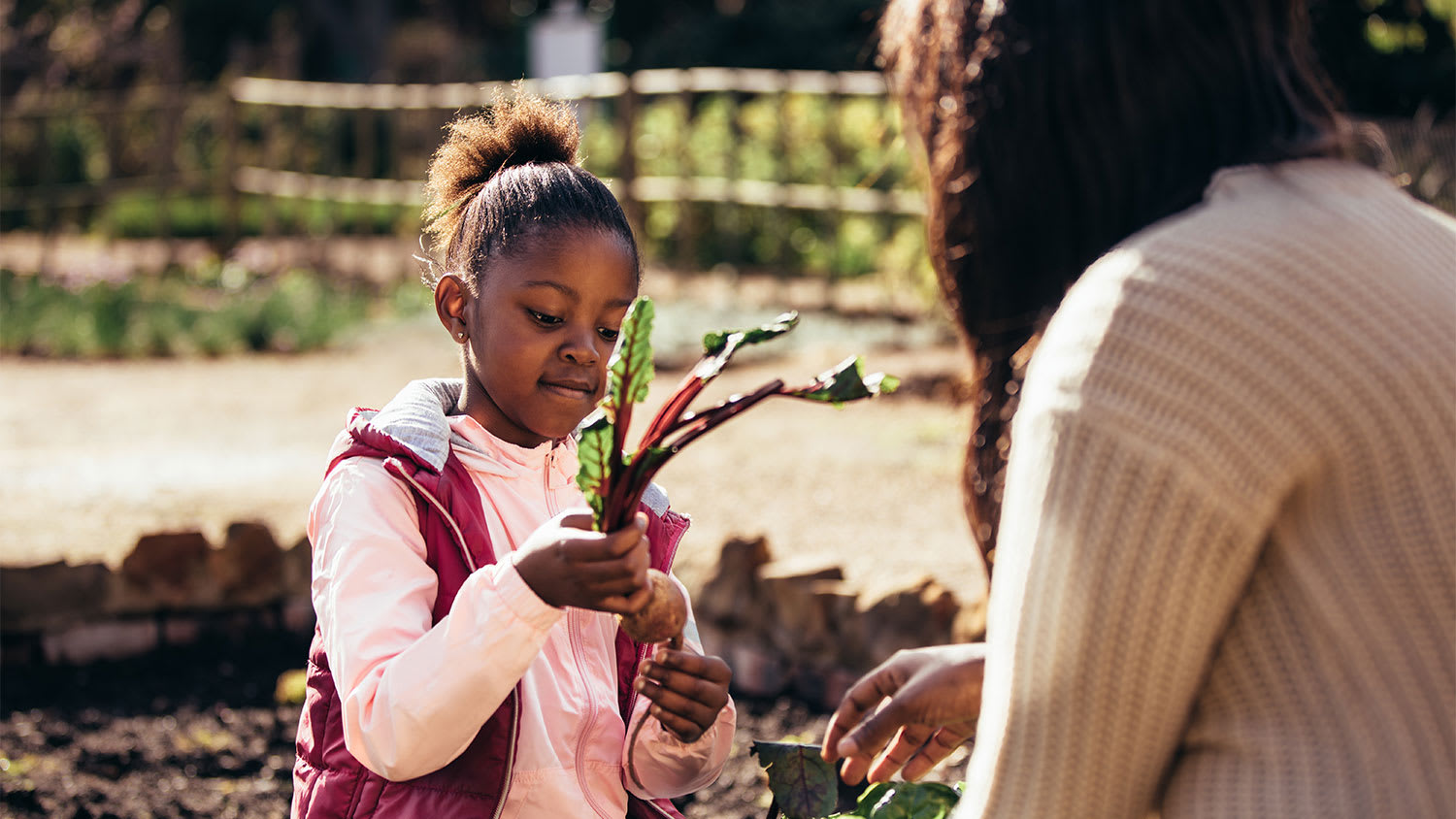
Knowing how to plant a vegetable garden can seem daunting if you weren’t born with a green thumb. Luckily, you just need a little know-how, water, and sunshine.
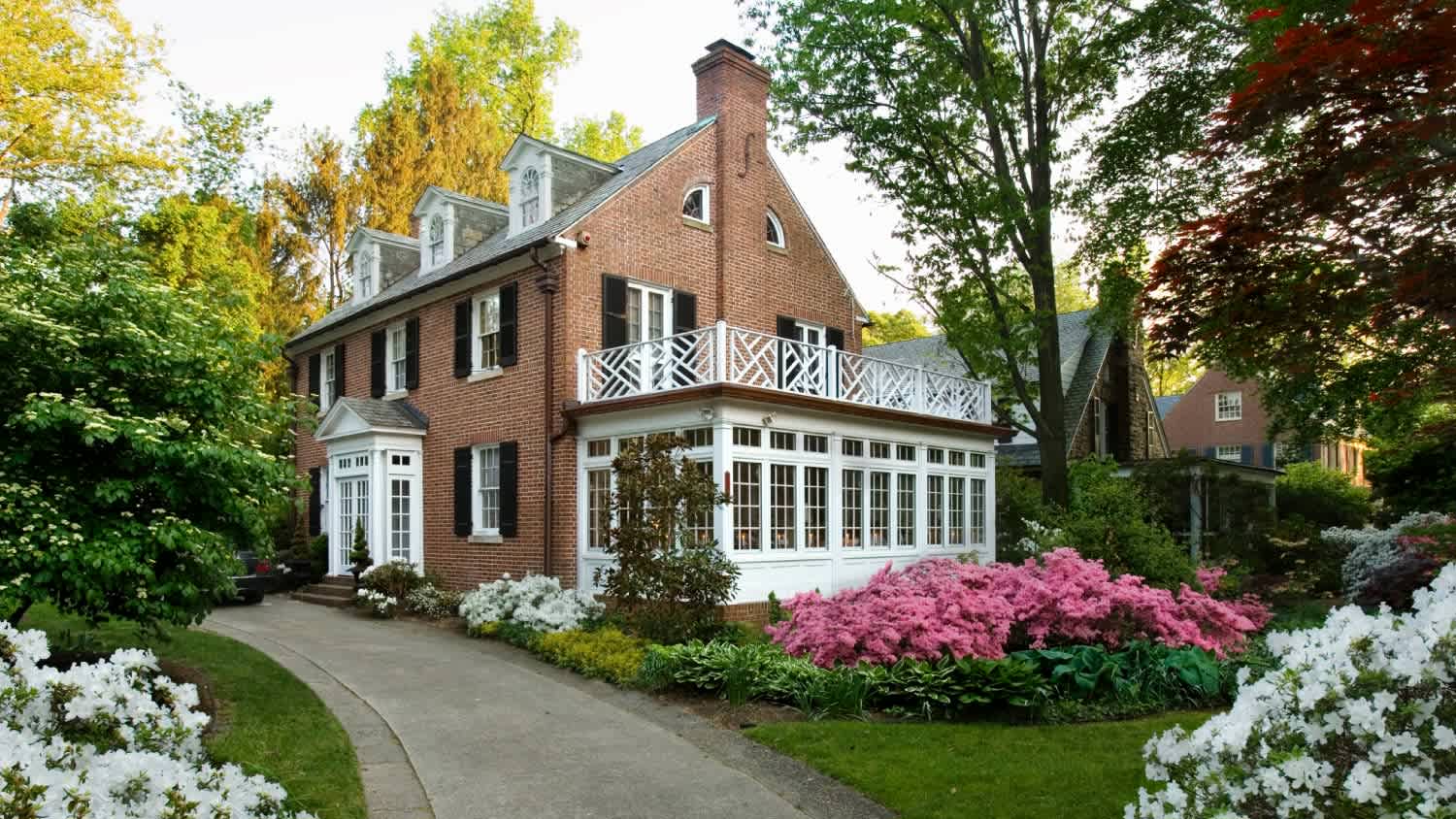
Looking for home gardening inspiration? Check out advice from nine gardening influencers on how to grow a healthy garden and have fun along the way.
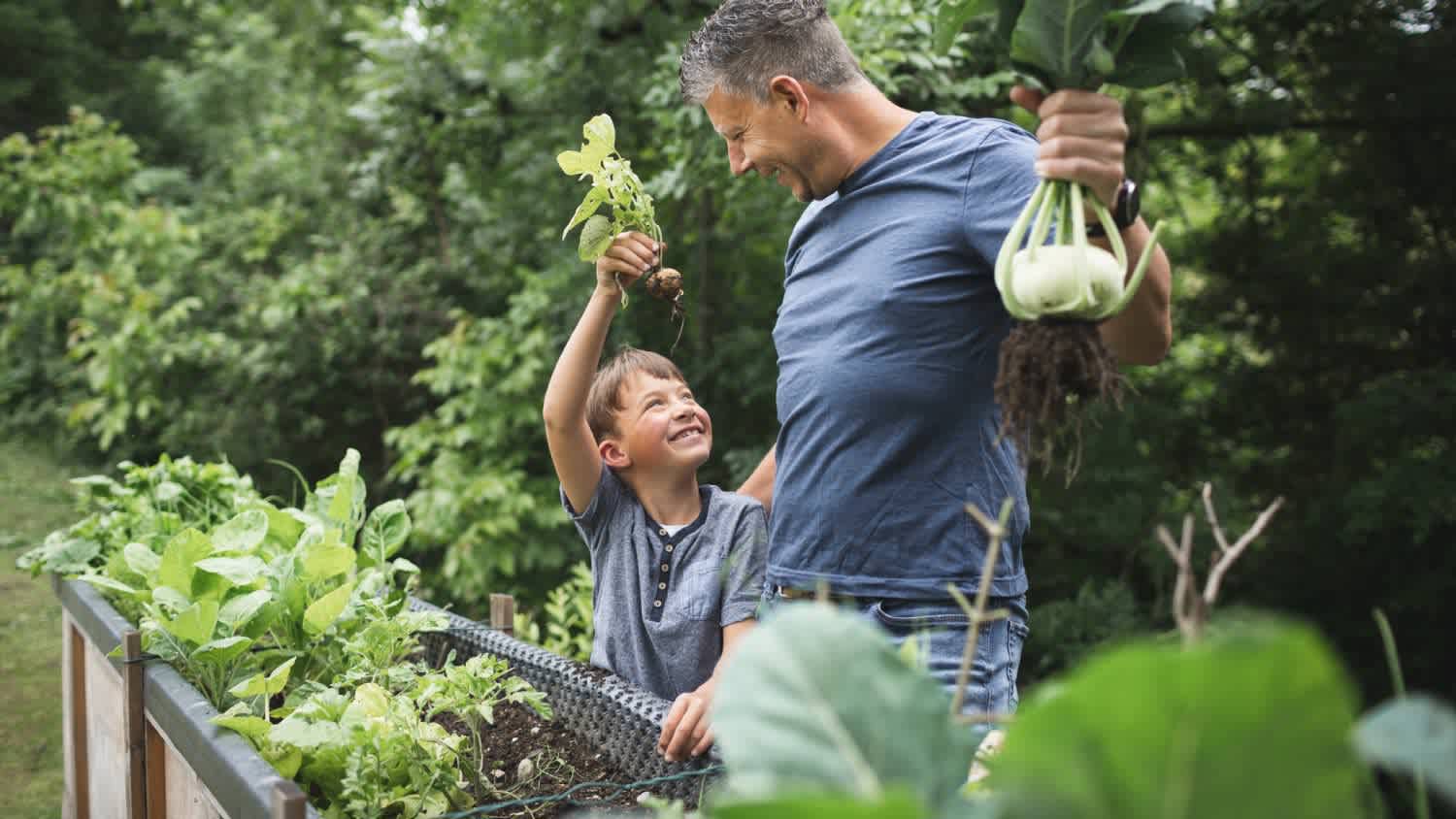
Raised garden beds can make your gardening life easier by keeping your soil healthy and extending your growing season, not to mention making it simple to keep weeds under control.
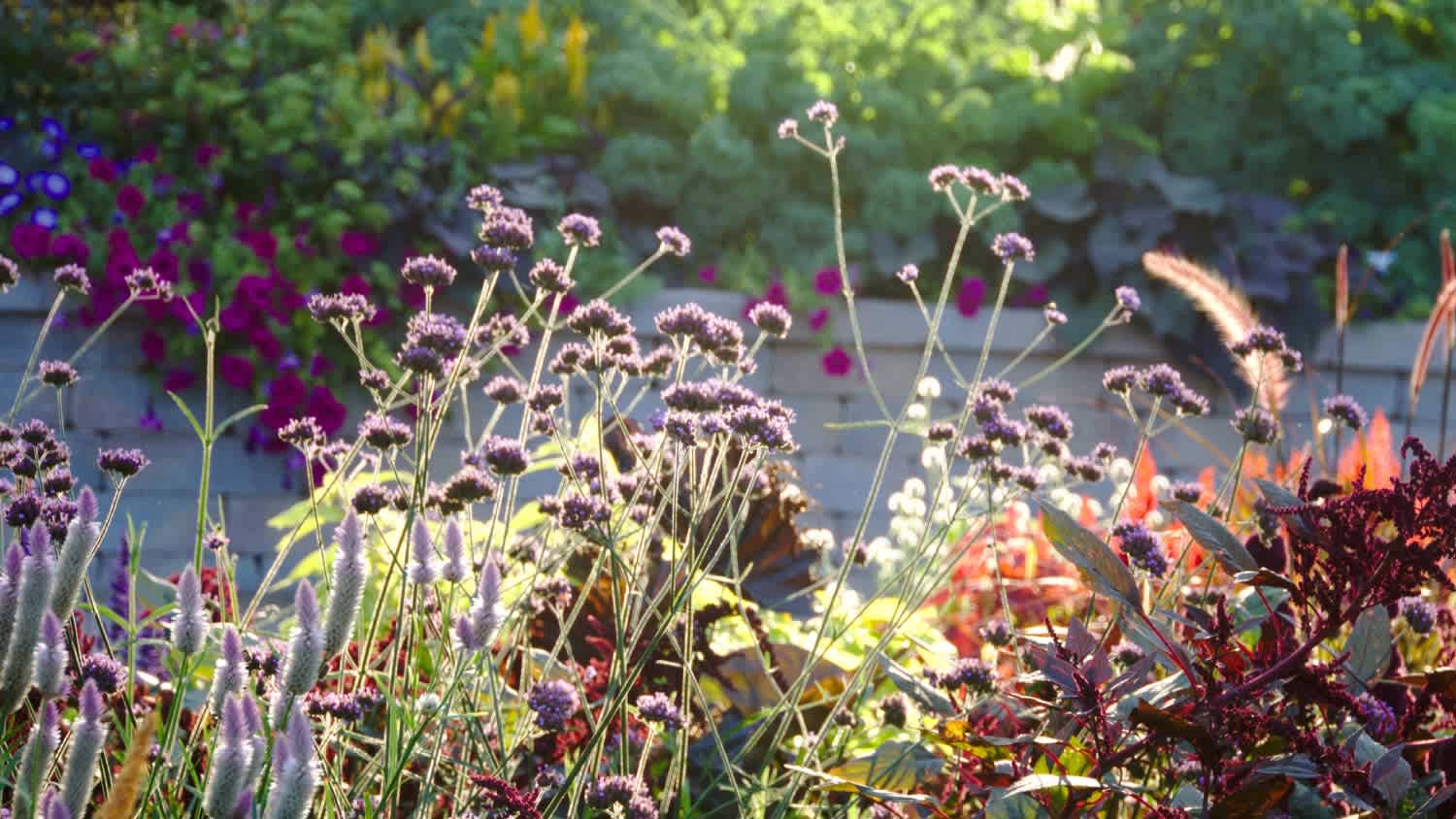
Intrigued by jewel garden plants and want to include them on your property? Read on for a complete guide to these beautiful, bright varieties.