
Find out how much it costs to plant a tree based on the number of trees, their size, where you want to plant them, and DIY versus professional costs.
Plant these pretty perennials like a pro

Planting tulip bulbs in mid-to-late autumn gives your bulbs the 2.5 to 3.5 months of cold they need to produce vibrant spring blooms.
Expect to pay $15 to $30 for a bag of 50 tulip bulbs, making this an affordable way to add color to your garden.
Your tulip bulbs need well-draining soil and proper depth (6 to 8 inches) to prevent rot and support healthy root development through winter.
Hiring a local landscaping professional simplifies larger garden projects by coordinating tulip planting with complementary blooms and managing soil conditions for the best results.
Nothing says spring like bright, colorful tulip blooms. This plant is an easy grower, and though it’s technically considered a perennial, most gardeners treat them as annuals. When fall rolls around, it’s time to pop new bulbs in the ground. This complete guide will show you how to plant tulip bulbs.
Tulips are a flowering perennial technically classified as a bulbous herb. Though we typically don’t think of them as an essential part of an herb garden, some people do eat the petals if they’re not allergic. Avoid eating the bulbs, which have high concentrations of toxic alkaloid and glycoside compounds.
This practice originated in the Netherlands during the famine at the tail end of World War II. Before that, tulip bulbs were used as currency in Holland because of their soaring value.
In modern times, tulips are used as decorative plants and they’re very affordable. If you want to grow them at home, you’ll typically start with a bulb rather than a seed. This bulb is essentially an underground stem that has all the makings of an adult plant. It’s ready to grow as soon as the conditions are right.
The cost of professional landscaping is typically around $50 to $150 per hour, so the price depends on exactly what needs to be done. You may need to mulch your flower beds before planting or you may want someone to arrange your pots. If you do it on your own, tulip bulbs are inexpensive. You can purchase a bag of 50 bulbs for between $15 to $30.

Tulips are typically planted in mid-to-late autumn or early winter before the first heavy freeze—but it depends on your USDA zone. Tulips need 2.5 to 3.5 months of temperatures below 50 degrees Fahrenheit in order to flower, and they won’t always grow roots if soil temperatures are above 60 degrees.
Most years, you’re looking at the following planting schedules:
Zones 1–3 should plant in September or October
Zones 4–5 should plant in late September–early November
Zones 6–7 should plant in October–mid-December
Zones 8–10 should chill their bulbs for 10–14 weeks in the refrigerator before planting them sometime between November–January
As a rule, plant your tulips after the first frost. This should be about six to eight weeks before you get the type of hard frost that freezes the ground solid. You’ll start to see growth in late winter or spring, but it depends on the type of tulip.
Tulip bulbs are simple to grow. It’s all about the timing, but from there, the plant pretty much handles itself. Here’s how to plant tulip bulbs in the fall.

Before you plant your tulips, test the soil temperature regularly. Avoid planting until the soil temperature is no longer rising above 60 degrees Fahrenheit. If you live in USDA zones 8 through 10, you have to take a bit of an alternative method.
Chill your bulbs in a refrigerator set at 35 to 45 degrees Fahrenheit for 10 to 14 weeks before planting in late fall and winter.
The best place to plant tulips depends on your USDA zone. In zones 6 and below, aim for a spot with morning sun and afternoon shade. In zones 7 through 10, choose an area with full-sun.
Since too much moisture is a killer for tulip bulbs, well-draining soil is a necessity. Ideally, soil should be dry or sandy and neutral to slightly acidic. If you’re planting your bulbs in a container, make sure there’s adequate drainage. Potted tulips are an excellent front porch decorating idea—just don’t waterlog the bulbs.

Before you plant tulips, you’ll need to prepare the soil. Loosen soil with a garden fork or tiller to a depth of 12 to 15 inches. The soil should be fertile, so consider mixing in a 2- to 4-inch layer of compost.
Tulip bulbs need to be planted fairly deep and with enough space for plants to breathe. Make holes:
6–8 inches deep
4–6 inches apart
The exception to the rule is if you’re planting your tulip bulbs in a garden bed of mulch. Research has shown that 2 inches is the prime depth to produce the lushest foliage. Just make sure that 2-inch covering remains throughout the plant’s lifespan.

Place your bulb in the hole with the pointed end facing up, then cover it with soil.
Immediately water your bulbs after planting. Bulbs don’t like excessive moisture, but they do need water to start the growing process. Give them a good soak.

If you didn’t add compost previously, use a balanced flower fertilizer. This technically isn’t necessary unless you want to grow your plants as true perennials. The bulb actually has nutrients to help the plants grow, but those nutrients do run out.
Once you’ve planted your bulbs, you need to focus on growing your tulips. It’s pretty similar to growing other types of fall flower bulbs, and simple enough that beginning gardeners have great luck. If you’re not familiar with the process, these steps will teach you how to grow tulips the right way.
If you have issues with pests, take steps to protect your bulbs. Mice and moles are a common problem that you can deter by putting a little kitty litter, crushed gravel, or thorny leaves (think: holly) in the hole before you plant. If that doesn’t do the trick, you may have to use wire cages around your bulbs.
Tulip bulbs are a set-it-and-forget-it type of plant. As long as it rains every week, you don’t need to water them. If there’s a dry spell, just make sure they get water weekly until the ground freezes. Always avoid watering your tulips unless you’re experiencing a drought. Wet soil can rot the bulbs.
When foliage appears, fertilize your tulips with the same type of fertilizer you used when you planted the bulbs. Make sure you give them a good watering to help the fertilizer absorb.
Tulips aren't the best perennial. They may not come back every year, and if they do, they’re typically not as vigorous as the year before. That being said, if you want to treat your tulips as perennials, snip the flowers off once the blooms have passed. Leave the foliage in place and allow it to die off on its own. This helps feed the bulb for the next season. Once the foliage loses its color, snip it away.
Most homeowners can handle planting tulip bulbs on their own, providing they have fertile soil with some sunlight. There are some cases where you might want to hire a professional. If your tulips are part of a larger landscaping project or a full garden of various blooms, consider calling a local landscaper or gardener near you. They’ll be able to choose plants that work well with the bulbs—both with the timing of the blooms and the soil conditions.
You can plant tulip bulbs very early in spring, but there’s no guarantee they’ll all root and put out healthy blooms. It’s better to plant them during the winter if you missed the typical autumn window.
It depends on your USDA plant hardiness zone. Generally, you should aim for:
September–October in zones 1–3
Late September–early November in zones 4–5
October–December in zones 6–7
November–January in zones 8–10
You don’t need to prepare tulip bulbs unless you live in a warmer climate. If you live in USDA zones 8 to 10, chill your bulbs for 10 to 14 weeks in a refrigerator set at 35 to 45 degrees Fahrenheit. Avoid putting your bulbs in a crisper alongside other vegetables. Instead, opt for a storage freezer without produce.
Plant one tulip bulb per hole, and make sure your holes are 4 to 6 inches apart.
Custom Paint Jobs LLC made our home feel like a piece of art. Thank you for your creativity!
 Custom Paint Jobs, LLC
Window Depot did an amazing job on my deck. I wasnt sure what I wanted to do, but their composite decking was affordable and will last a long time. I am excited to have family over, and I am no longer embarrassed by my backyard. Jeff and the ground crew were polite, respectful, and caring for...
 Window Depot USA of Central Ohio
First of all, the gentleman I dealt with (Cam?) was very responsive to my many questions and concerns throughout the project, which is a huge plus to me. From the first time I met him for the estimate all the way til the completion of the job, he and his crew were professional and respectful....
 All Star Paving and Sealing
We had a 20+ year old landscape lighting system that needed replacement. Midwest Lightscapes worked with us to design a much improved lighting system, lighting the exterior of the house and the back yard. Installation of the 45 light system took one and one-half days, and went very smoothly....
 Midwest Lightscapes
Another great success for me on home advisor. This company did an awesome job on my landscaping and stayed within my budget. The best part, the work was complete within 2 days of my initial request. Professional and responsive. I highly recommend!
 Blue Ring Residential Services, LLC
The company no showed on me twice. The 2nd time was no call no show. They were responsive to set up the first appointment to perform the "landscape cleanup". 3 hours after their initial scheduled appointment time they called me to let me know they had some "problem" with the truck and their...
 Ruby Home and Hauling Services
Received ideas for future landscape plans...quote to do the work seemed a bit high but I did not have any other quotes to compare it to, so perhaps that is the going rates. <br />
 Landscapes By Terra, Inc
All around they have done a really great job. <br /> I have used JL Landscapes for the past 8 years. I own and operate my own commercial/residential real estate company where we own, operate, and maintain our own properties. JL Landscapes has been our exclusive landscaper for both our...
 J.L. Landscapes
Bought a half a cord of firewood from Pitzer with stacking last month. I waited to report so I could see how the wood burned. <br /> <br /> I have three pet peeves regarding landscapers, but Pitzer scored "A"s regarding all three. First, rather than having customers "leave a message" and...
 Pitzer Landscaping
I left a message on Sunday requesting to schedule a time to obtain an estimate/walk-through and received a return call in the morning of the following Monday. Mark worked with me and agreed to schedule the estimate/walk-through for the following Saturday. When Mark arrived for the...
From average costs to expert advice, get all the answers you need to get your job done.
Find out how much it costs to plant a tree based on the number of trees, their size, where you want to plant them, and DIY versus professional costs.
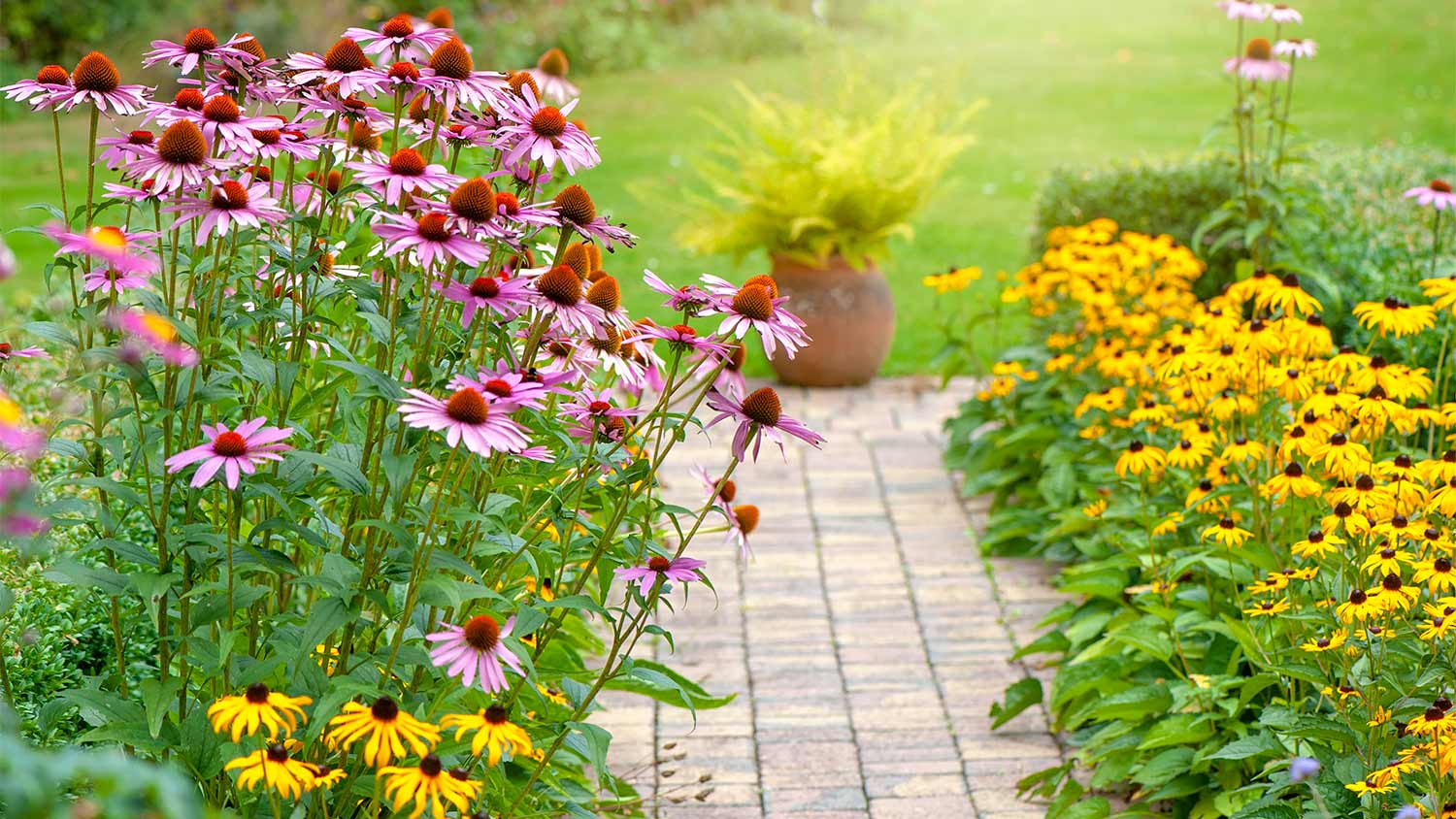
Native bulbs specific to the Midwest can thrive in a variety of growing conditions. Grow a bountiful garden with these best native bulbs for the Midwest.
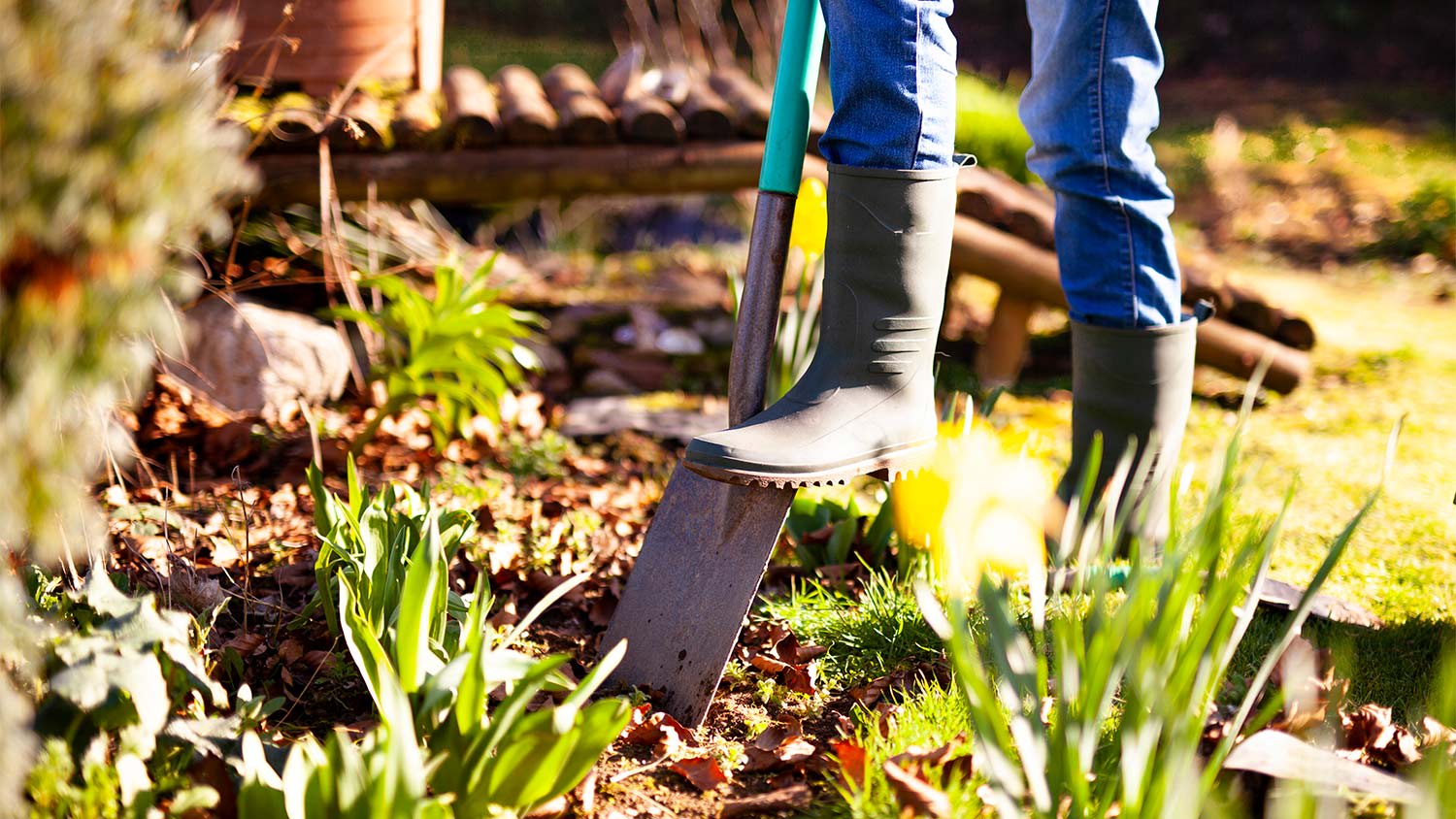
Although spring is the prime growing season, it’s not the best time to start all plants. To learn which types are better suited for planting in the fall or summer, read on.
Between planting zones, the fall harvest, and spring frost dates: knowing when to plant your garden can be tricky. Pick the right moment with this guide.
You don’t always need a pro for recessed lighting fixes. Learn how to change a recessed light bulb on your own for an easy, affordable home repair.

Wondering what to do in your garden in the fall? Before the winter months come, you’ll want to make sure to perform some essential tasks like mulching your beds and planting bulbs to ensure a beautiful garden in the spring.