
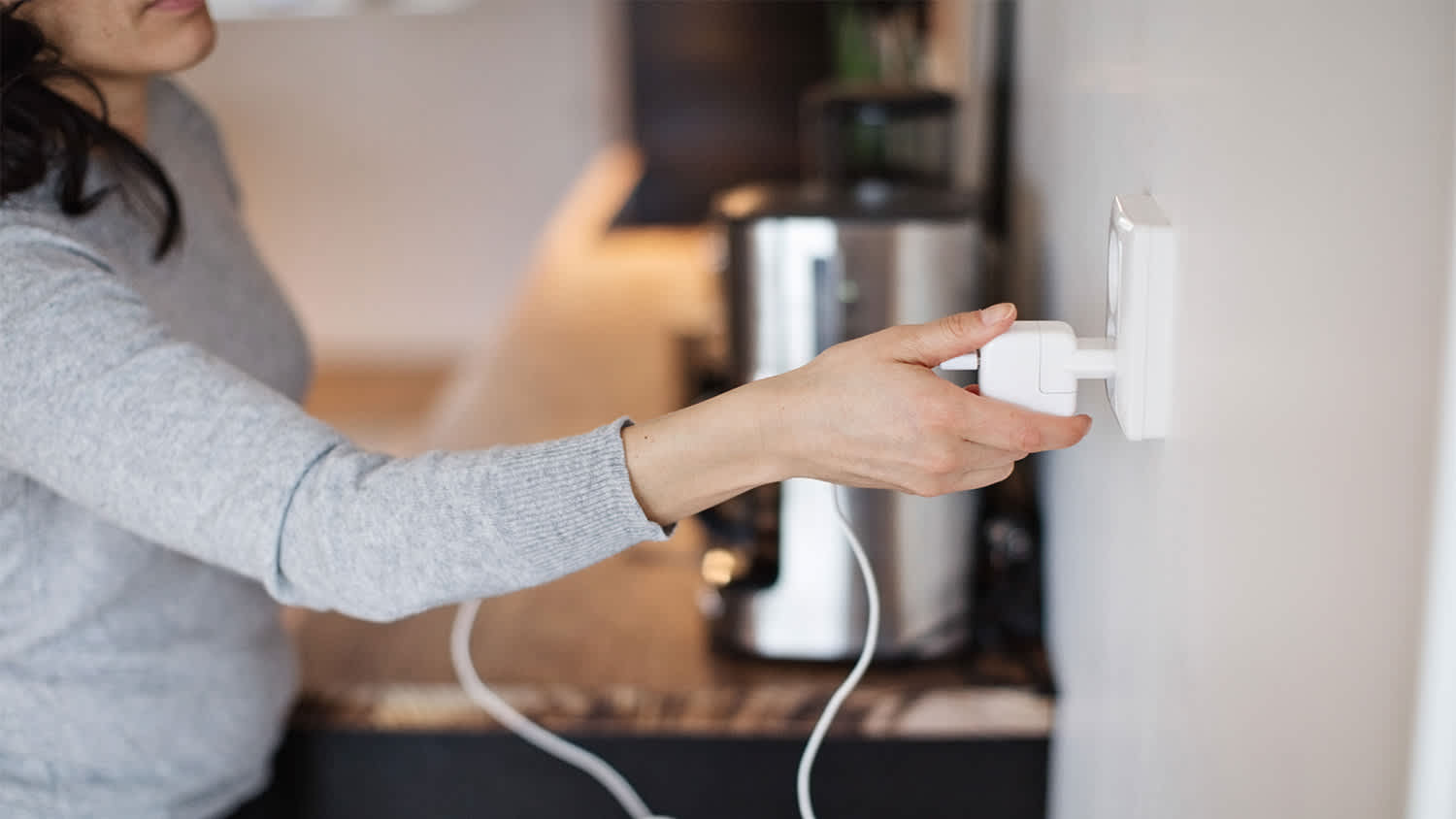
If your circuit breaker keeps tripping when you use the toaster or coffee maker, learn why it’s happening and how to fix it.
It’s important to address tripping circuit breakers ASAP

A circuit breaker that keeps tripping signals dangerous wiring problems like short circuits or ground faults that can lead to electrical fires in your home.
Expect to pay $500 to $4,000 to replace an electrical panel when breakers trip repeatedly, with single breaker replacement costing around $100 for simpler fixes.
Your frequent breaker trips could indicate overloaded circuits from new appliances, faulty wiring, or malfunctioning appliances that need immediate attention to prevent damage.
Hiring a local electrical professional provides reliable help diagnosing short circuits, ground faults, and wiring damage before these issues cause fires or shocks.
A circuit breaker tripping once is usually not a big deal—in fact, it’s bound to happen when plugging in a few gadgets while the fan is running and the lights are on. But is it dangerous if a circuit breaker keeps tripping?
Repeated circuit breaker shut-offs could indicate a serious problem with your wiring, one that may lead to electrical fires or similar hazards. You should seriously consider hiring a licensed electrician to inspect the breaker and identify the problem.
A circuit breaker is a switch designed to protect an electrical circuit from damage caused by an overcurrent. When an electrical current is too much for the circuit, the breaker “trips” or shuts off the flow of electricity. If you have too many devices plugged in and active simultaneously, your circuit breaker may shut off to keep your home safe from electrical fires or shocks.

If your circuit breaker trips frequently, like multiple times a month or every day, something is seriously wrong. The issue could cause electrical damage or an electrical fire. Here’s what could be happening.
A short circuit can occur when the wires in an outlet become frayed or partially disconnected, and the hot wire connects to the neutral wire. That badly disrupts the circuit, and it will cause a tripped breaker.
However, short circuits don’t always happen constantly when wiring is slowly fraying. You may be able to restore the circuit, only to have the breaker trip again a few minutes or hours later. That’s a sign a constant short circuit is forming, which leads to significant damage and electrical fires. Look for burns on outlets and the smell of burning. That’s a sign you need to shut off the system, monitor it closely, and call an electrician ASAP. If it looks like any electrical component is burning, call the fire department first.
Adding more or updated appliances to a room (especially a kitchen or laundry room) may draw on more electrical current than your home can handle. Large appliances can put a serious strain on a single circuit, which then overloads with small actions like flipping on the laundry room lights or trying to use the microwave oven.
Frequent breaker trips can damage your appliances and wiring. It’s best to call an electrician for an inspection, and consider upgrading your wiring and circuit breakers to a higher amperage to handle the new load. Otherwise, you may need to offload some of your appliances to another circuit.
Sometimes appliances can trip breakers when they overheat, especially large appliances like dryers, air conditioners, refrigerators, and ovens. This often occurs when they are working harder than intended.
Dryers are a common culprit if they get overloaded or have internal clogs. Likewise, refrigerators may overload if their condenser becomes too dusty to work properly. Cleaning and maintenance of major appliances can prevent overheating, but you should inspect whether the appliance is malfunctioning.
If you can’t narrow down the cause and a single breaker keeps tripping without any clear pattern, arrange for an inspection of the breaker box. While uncommon, breakers can malfunction, especially after several years. In that case, replacing a single breaker costs about $100 and should fix the problem.
Sometimes internal damage can cause recurring, momentary ground faults that eventually cause damage and electrical fires. Hidden leaks inside the walls may also be the cause of shorting out wires.
These ground faults will always trip your nearby GFCI outlets, which is another sign something is seriously amiss. It’s a good reason to hire an electrician for a thorough inspection if you can’t figure out the cause of frequent tripped breakers on the same circuit.
Occasional circuit breaker trips are not a major cause for concern. These infrequent trips have several common causes:
Plugging in too many devices in the same circuit: If the number of devices start drawing on more amps than the wiring can put out, it will overload and the circuit breaker will shut that down. If this only happens every several months or so, it’s probably because of certain events, like plugging in a lot of lights for Christmas, or plugging in fans and AC in one room during 4th of July. This is one cause of circuit breaker trips that you can prevent with careful power management.
A ground fault: Ground faults occur when the electrical current suddenly finds a pathway of less resistance than the wiring and jumps to ground itself there, like a metal part in an electrical box or a puddle of water. Ground faults aren’t common and are often caused by some kind of obvious malfunction, but they can be dangerous. A circuit breaker will shut off electricity when this kind of fault is detected.
Natural power surges: A power surge is a surprising spike in electricity. Surge protectors are more suited to stopping power surge damage, but they can trip circuit breakers too, especially if the amps increase along with the volts. Expected power surges from lightning or power coming back on after an outage can cause breakers to flip.

Learning how to reset a circuit breaker is fairly simple. After turning off your lights or appliances, you’ll need to locate your electrical panel (usually in a garage, basement, or utility room) and find the row of switches that provides power to your room or appliance that’s out of power. Flip the switch off, then on again to reset the circuit breaker. Then, check to see that power has been restored by plugging in an appliance.
If you’ve tried the above steps and the issue continues, it may be time to call a local electrician to take a look at your electrical panel and determine the source of the problem. A licensed professional with years of experience will likely be able to identify the issue and give you a quote for repair in no time.
You should also call an electrician if you notice any of the problems below:
Old or damaged wiring
Heat coming from components
Burning smell
Scorch marks
Damaged wiring
A professional electrician may recommend that you replace your electrical panel if the circuit breaker continues to trip, especially if your current panel is over 40 years old. The cost the replace your electrical panel ranges from $500 to $4,000, depending on the type of panel and how much amperage is required to run your everyday appliances and gadgets. Most modern homes require an electrical panel with 200 amps, but if you have appliances with higher energy demands, you may need a panel with more amps.
You may also want to upgrade your amp service, which is a bit more complicated than replacing your breaker box. Consider your current amp service and the size of your home when deciding whether you need an amp service upgrade. A local electrician can provide more information and an accurate price quote.
I recently had Mosby Electric perform an electrical installation on 8-14-2026, and I couldn’t be more satisfied with the service. From the moment I called, their team demonstrated fast arrival and professionalism. The electricians were highly knowledgeable, completing the installation...
 Mosby Electric
Great company! Price was competitive, technician showed up on time and completed the job (exterior electric Radon fan replacement) quickly. Would hire them again.
 MaGen Property Inspections and Radon Mitigation
I conferred with 2 other contractors before Armstrong Electric. Nick and his crew showed me that the project was not as convoluted as the other contractors made it appear to be. They completed the entire project on time. They were professional, friendly and cleaned up after at completion. I...
 ARMSTRONG ELECTRIC, LLC
The techs on my project, Shawn and Cliff, were great. They were prompt, courteous, and efficient. I am very happy with the results and would definitely contact Mr. Electric for any future electrical projects.
 Mr. Electric of Columbus
Victor was wonderful. He was on time, professional, and explained everything he was doing. He was thorough and figured out that the problem was electrical instead of with my HVAC system. Very knowledgeable. I will be using this company in the future for any HVAC needs. Thanks!
 Hubbs Heating & Air LLC
They were excellent. They did a great job. I was totally satisfied. They put tremendous effort in making sure the work was completed. They were great. They provided immediate response to any inquires I made. I would hire them again. I would recommend them to anyone who needs electrical work....
 JCB & Associates, LLC DBA Property-Tech Industries
Initially, the repairman could not find the problem. Apparently, there was some electrical shortage, but he could not find the definite problem. He left, but called back later to say he had a new idea. He returned and replaced the light switches on the doors. The refrigerator seemed to return...
 Appliance Pro LLC
The initial quoted price from a walk-through seemed high, but we discussed that the quote represented worst case scenario (re-wiring to two floors) and we were excited about the opportunity to have the work done in a timely manner with closing for fire safety reasons, etc. When the job was...
I have to tell you I am all about customer service - I will go out of my way and even pay more for it if you give me great customer service. <br> <br>In a world where this is hard to find, these guys were awesome! I can not sing their praises enough. They were prompt, personable, funny, got...
 Waibel Electric
When I challenged the markup on the generator, Bruder Electric withdrew its bid. They only want naïve customers.
From average costs to expert advice, get all the answers you need to get your job done.
If your circuit breaker keeps tripping when you use the toaster or coffee maker, learn why it’s happening and how to fix it.
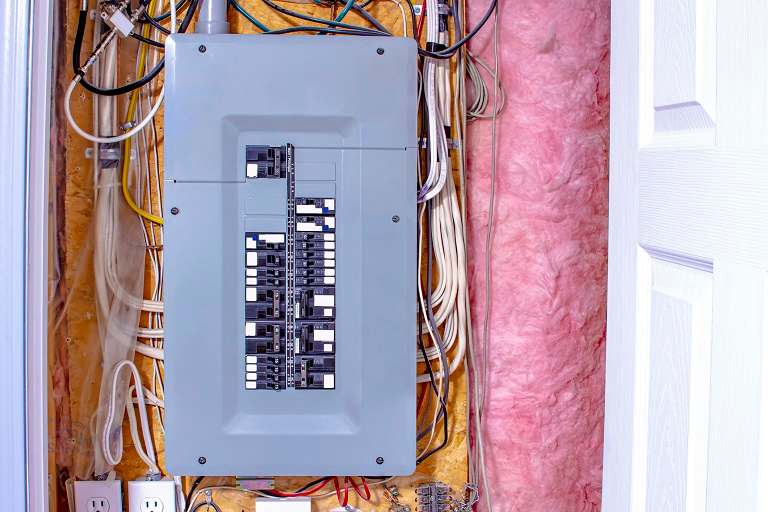
When you need to figure out how to find what is tripping your circuit breaker, our guide can walk you through the possible causes and how to identify them.

If you’ve got a short circuit for tripped breakers, you’re not alone. There’s nothing more frustrating than appliances that trip breakers, causing you to lose power. Learn which appliances are prone to tripping and what you can do about it.
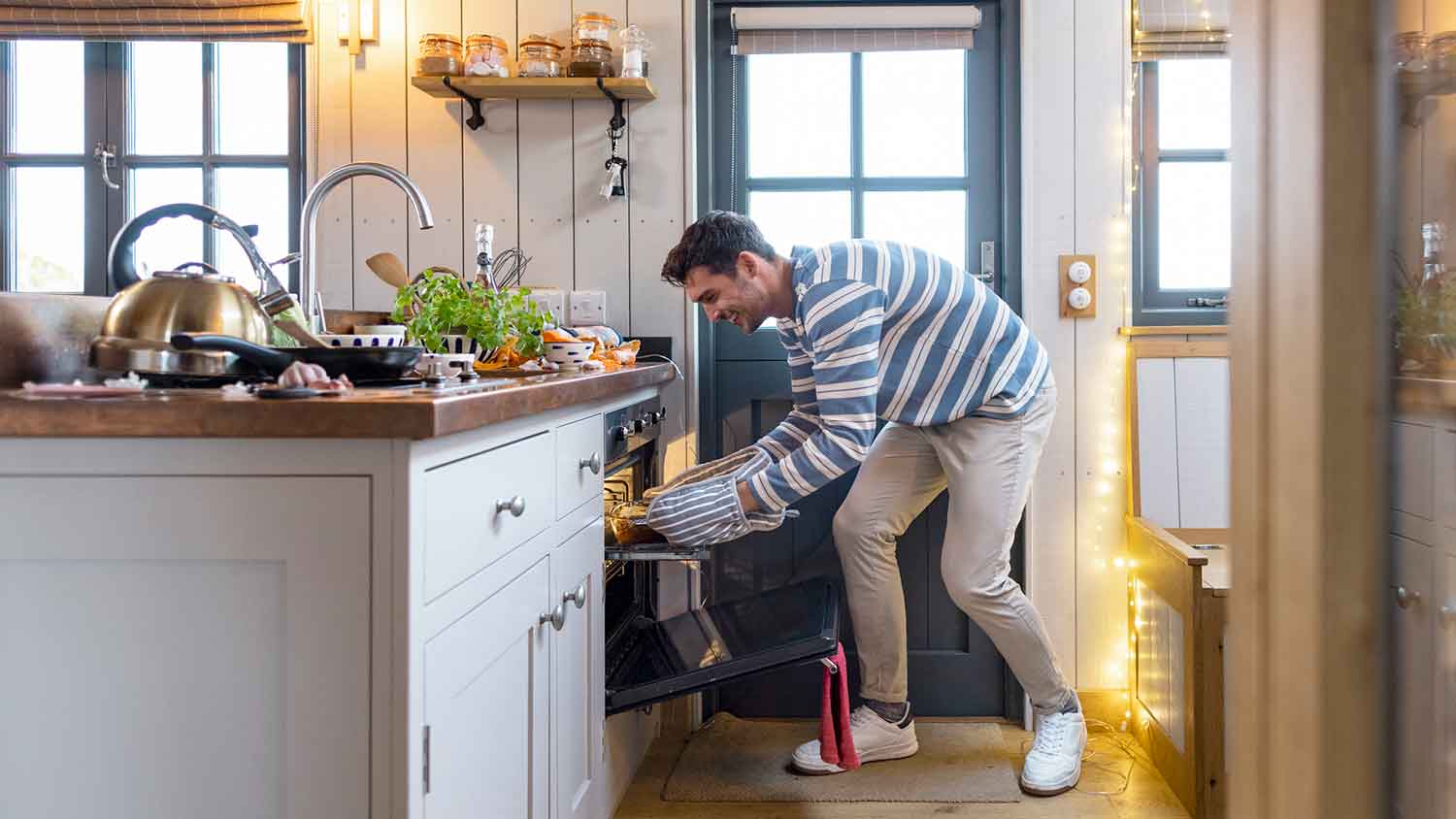
If your oven keeps tripping a breaker, you're either dealing with an issue with your oven or a problem with your home's wiring. Here's how to troubleshoot why your oven is tripping your breaker repeatedly.

Wondering how to tell if a circuit breaker is bad? There are several warning signs you should know to help keep your family, home, and electronics safe from shortages and fires. Keep reading to learn the signs to watch out for with circuit breakers.
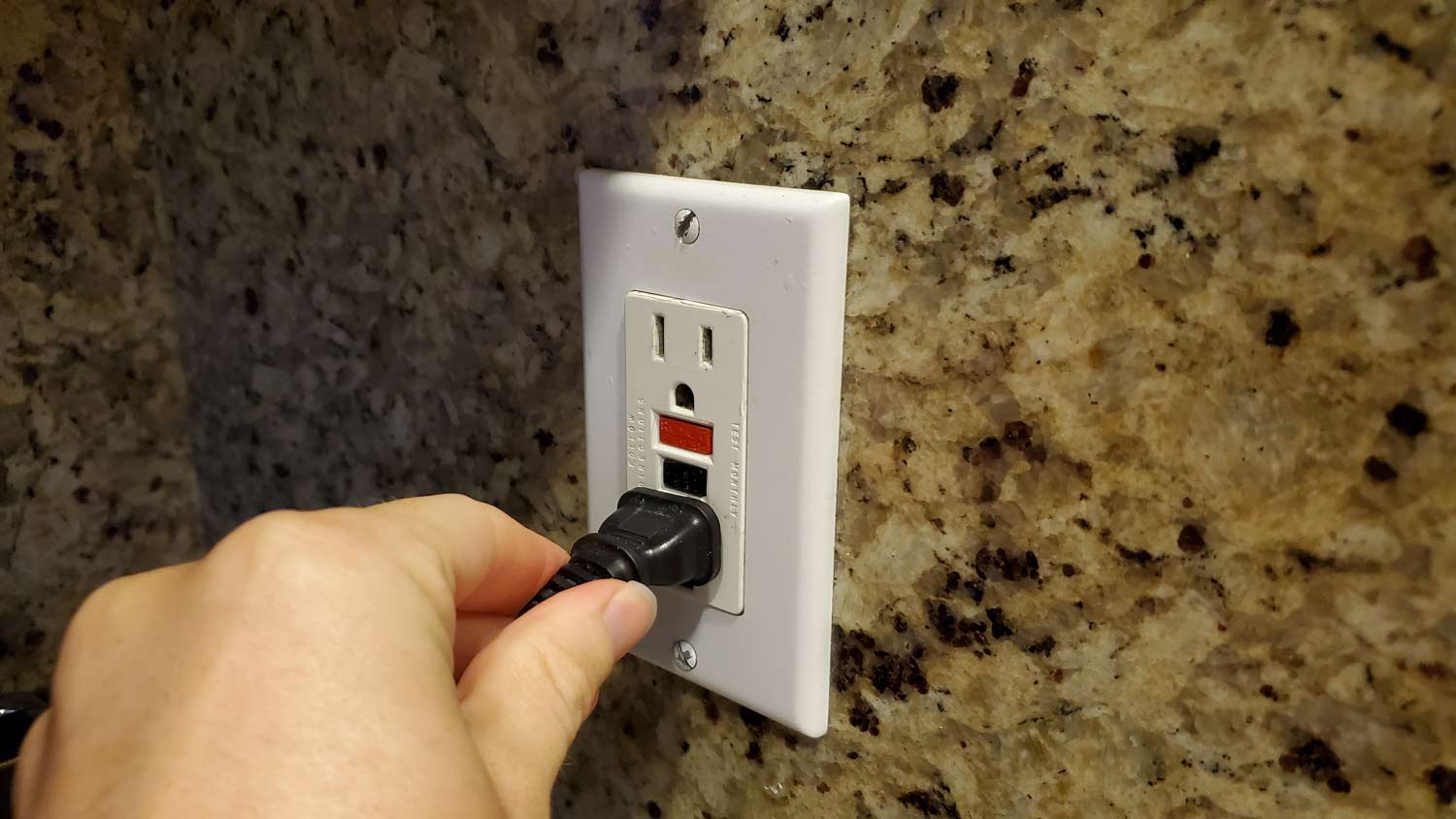
Your GFCI outlets should trip when there’s a potential electrical hazard. If you’re unsure why your GFCI keeps tripping, this guide can help you find the cause.