

Our guide can help you determine the source of the circuit tripping and how to correct it in order to keep you and your home safe.
Here's why your oven keeps tripping you up with a tripped breaker

Your oven circuit breaker trips when the appliance draws more power than your home's electrical system can handle, often from overloaded circuits or aging wiring.
Expect to pay $800 to $4,000 for electrical panel upgrades or $50 to $150 per hour for appliance repairs, so addressing breaker trips early helps you avoid higher costs.
A tripping breaker means you should unplug your oven immediately to prevent fires, then check if other appliances share the same circuit before using it again.
Hiring a local appliance installation professional keeps your kitchen running smoothly by diagnosing terminal block issues and faulty fans while ensuring your home stays safe.
If your oven keeps tripping the breaker, this is a serious matter that needs to be addressed ASAP to avoid fire dangers at your home. While the problem is serious, the fix can sometimes be simple. Here's a look at how to troubleshoot why your oven is tripping the breaker repeatedly.
DIY oven repair can be extremely difficult without prior professional experience. Consider tapping into a pro's expertise to ensure the job is completed safely and correctly.

A circuit breaker is an electrical switch in your home that's designed to protect an electrical circuit from damage caused by excess electrical current. When they sense faults, circuit breakers interrupt the electrical flow. While it can be frustrating when an appliance suddenly shuts off, this is actually an indicator that your circuit breaker is working just as it should to protect your home's electrical system from fire damage.
Did you just start to experience a tripping breaker after getting a new oven? The new appliance could be triggering circuit overload. Circuit overload happens when an appliance needs more current than your home's current electric circuit can handle. While it's more common with pools, hot tubs, and other appliances that draw electricity heavily, it could happen with something as basic as a stove. Circuit overload could also be an issue if you've recently increased the number of appliances in use in your kitchen. For example, adding a microwave or toaster oven could cause your appliance load to draw more electricity than your current circuit can handle.
There are several ways to correct the issue when an oven keeps tripping the breaker due to circuit overload. The simple fix is to move one or two appliances to a new circuit that can handle the additional load. If your household has simply outgrown its current electrical load, it may be time to bring in an electrician to upgrade your electric panel. This is often necessary in older homes with older panels with limited circuits. By adding a new panel with additional circuits, you can enjoy stable and steady power to your kitchen appliances. On average, electricians charge $50 to $100 per hour for labor. Upgrading an electrical panel can cost between $800 and $4,000 in most homes.

If the circuit breaker's wiring is coming into contact with another wire or metal part, this accidental contact is called a ground fault. When a ground fault occurs, electricity is directed to the wrong place. Common reasons why this might happen in your kitchen include:
Faulty oven
Insulation breaking down
Corrosion or moisture
Ground movement
Improper wiring
If you believe you have a ground fault, it's best to call an electrician to handle the situation. You should also keep the oven unplugged until the problem can be fixed. The most common fix for a ground fault is to repair or replace the faulty portion of your circuit.
Frayed or broken wires could be the reason your oven keeps tripping the breaker. While frayed wiring is a more common problem in homes with older electrical systems, rodents chewing at wiring can cause issues in any home. If you also notice flickering lights, dimming lights, or visible scorch marks surrounding your kitchen outlet, it's more likely that your tripped breaker is caused by damaged wires.
Unfortunately, rodents chewing through your wires is an electrical fire waiting to happen. The most important thing you can do is to shut off the power supply to the affected area of your home. With the power disconnected, you can safely cover any exposed or frayed wires with electrical tape. This type of repair should be left to licensed local electricians. If you want to prevent recurring wire damage by bringing in pest control experts, pest control services cost about $171 on average.

Your oven's terminal block is located right in the center of the appliance. You've probably never taken a good look at this feature because it’s hidden away behind your oven's back panel. This is the hub of electrical activity in your oven because it's where its power cord connects to the electrical circuitry. A faulty, loose, or corroded terminal block can lead to power fluctuations that are strong enough to trip your home's breaker.
While you may be tempted to open up your oven's back panel to see if your terminal block looks damaged, you'll want to avoid handling this task by yourself unless you're already an expert at repairing appliances. In some cases, the terminal block may simply have a loose connection caused by loose screws. As one of the most complicated parts of an oven, the terminal block can easily be damaged with one wrong move. Unlike breaker issues that require the help of an electrician, a defective terminal block in an oven is something that can be fixed by local appliance installers or repair technician for a cost somewhere between $50 and $150 per hour. However, repair costs can vary based on whether you have a convection vs conventional oven.
Your oven's fan plays an important role in maintaining an even temperature throughout the oven during baking sessions. If the fan stops working, the buildup of heat that occurs could trigger your breaker. Leading up to the breaker tripping, you may notice that your food is cooking unevenly if you have a broken oven fan.
If your oven fan has stopped working properly, the most common way to fix the problem is to replace it with a new fan. The first step is sourcing a replacement fan for your oven model. With the oven unplugged, you'll need to remove the door in order to remove the back plate located inside your oven. After unscrewing the plate, you can replace the broken oven fan with a new one. Like the other fixes on this list, replacing a broken oven fan is something that's best handled by an appliance repair professional. Oven repair cost that includes fan replacement averages $190.
Positive experience. As previously stated, the replacement/repair could not be completed (no fault of the plumbing tech) b/c misinformation was rec?d by property management maintenance. Thanks to the plumbing tech for your efforts. Appreciate you!
 The Waterworks
Carpet repair done well. Scheduling was easy. Showed up on time.
 BR Flooring Installation
As usual with ECO, tech Jordan was outstanding, very professional, very knowledgeable, and very thorough with repairs made to tankless water heaters. Very highly recommend ECO!!!
 Eco Plumbers, Electricians, and HVAC Technicians
I would recommend this company to anyone! He showed up on time, was friendly, completed a very difficult repair on our dryer vent cover, was responsive, and pricing was extremely fair and competitive. I would have him back to do any of our repairs or cleanings without hesitation!
 U.S.A. Dryer Vent, LLC
Everything from initial contact to completion was absolutely top notch. We contacted the business during off hours to leave a message, and the owner still reached out to feel out the issue within minutes. We were scheduled and repaired within 48 hours. I cannot say enough about the...
 Supreme brick & chimney
Ace Fireplace Services came to the rescue for my chimney repair. They were quick to pinpoint the issue and worked their magic to fix it. My chimney is now in excellent shape, and I'm a satisfied customer.
 Ace Fireplace Services
On Sunday 2/26 I requested quotes via Angi from 4 refrigerator repair businesses. Northwest Appliance responded to me Monday morning (2/27) and my refrigerator was repaired by noon the same day. Great communication, they did everything they said they would. The technician had the parts on...
Excellent! We were very satisfied with the service provided and the entire experience from start to finish. Very friendly and professional staff. I was able to instantly get in contact with them for a quote and the response time and overall communication remained quick and easy throughout the...
 Prime Cleaning Service
Description says they handle window repair including rotten hardwood - they called me back right away but didnâ t leave a voicemail. I followed up 3 days later and they said they donâ t do that kind of work.
 Window-Gurus
I needed reliable, affordable help the day of with moving a couple of appliances and misc items. It was a relief to hear back from Tanzillo almost instantly that morning so I could stop looking and move on to plan and prepare. Every part of the move was friendly and professional. Next time I...
 Tanzillo Concrete & Landscape
From average costs to expert advice, get all the answers you need to get your job done.
Our guide can help you determine the source of the circuit tripping and how to correct it in order to keep you and your home safe.
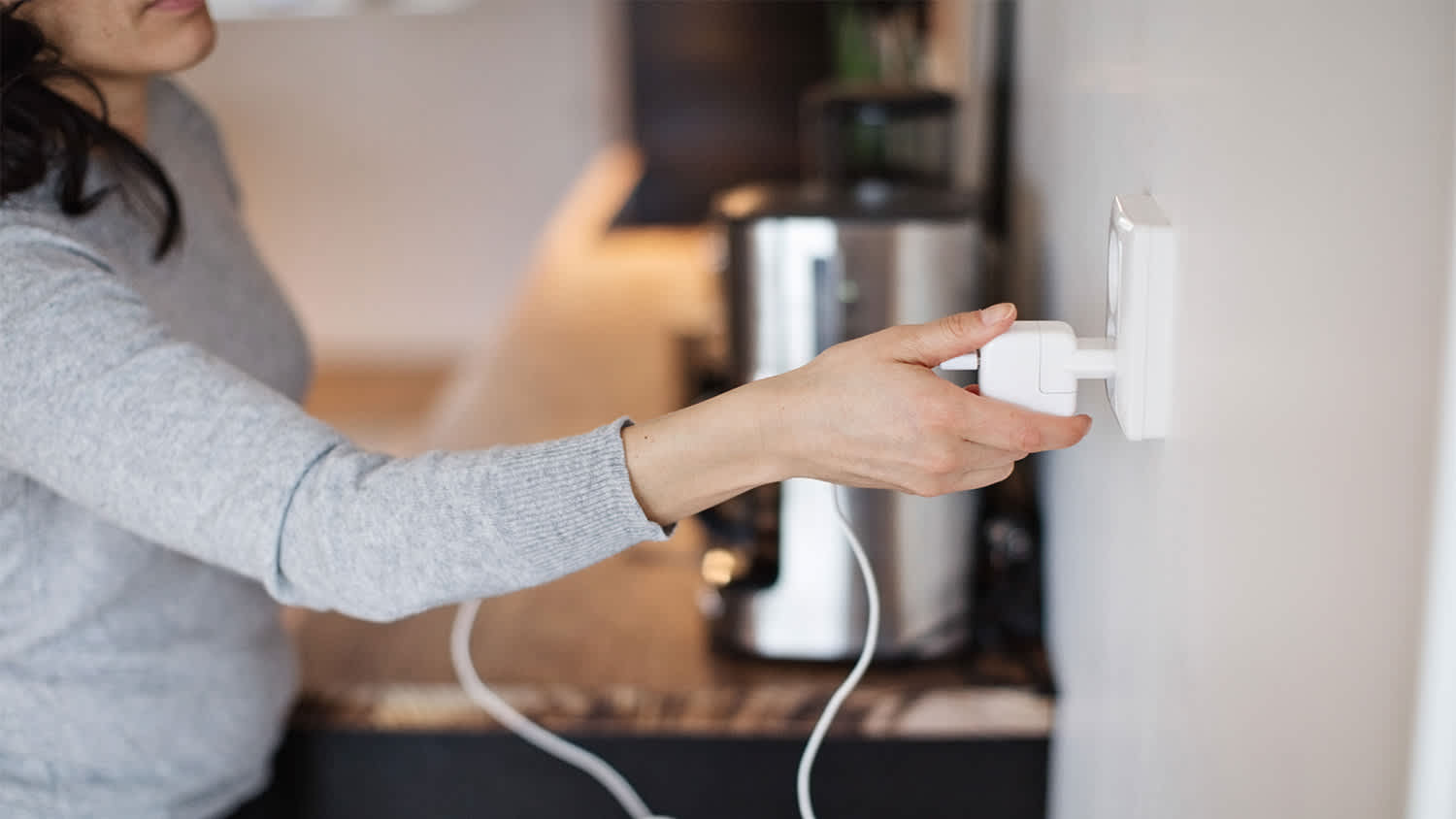
If your circuit breaker keeps tripping when you use the toaster or coffee maker, learn why it’s happening and how to fix it.
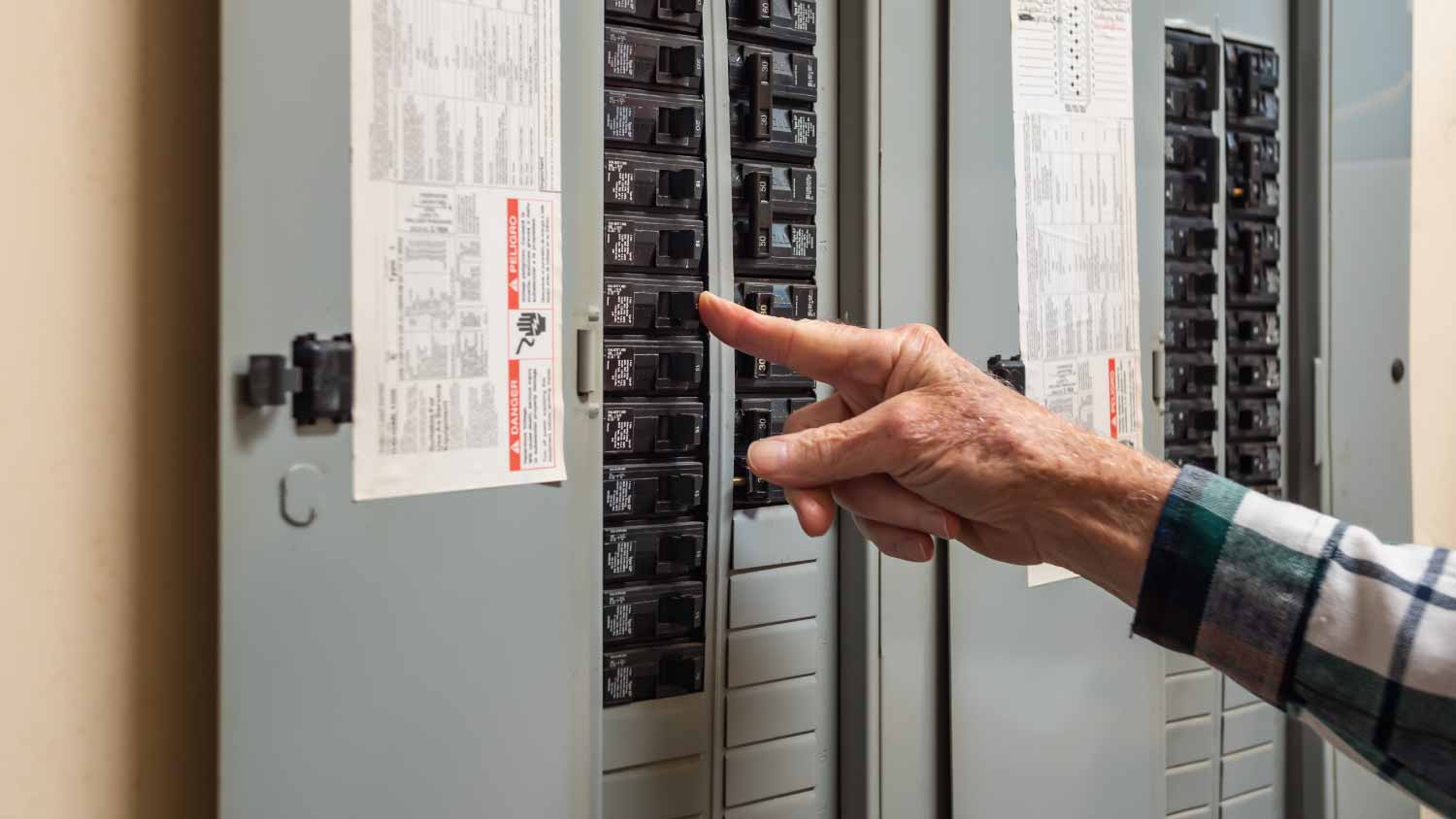
You may be able to diagnose a simple electrical issue yourself with our easy-to-use tips for learning how to tell if a breaker is tripped.

If you’ve got a short circuit for tripped breakers, you’re not alone. There’s nothing more frustrating than appliances that trip breakers, causing you to lose power. Learn which appliances are prone to tripping and what you can do about it.
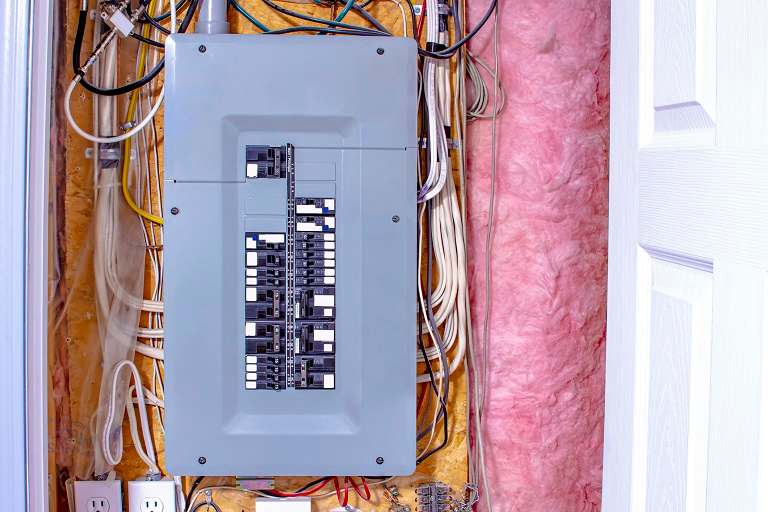
When you need to figure out how to find what is tripping your circuit breaker, our guide can walk you through the possible causes and how to identify them.
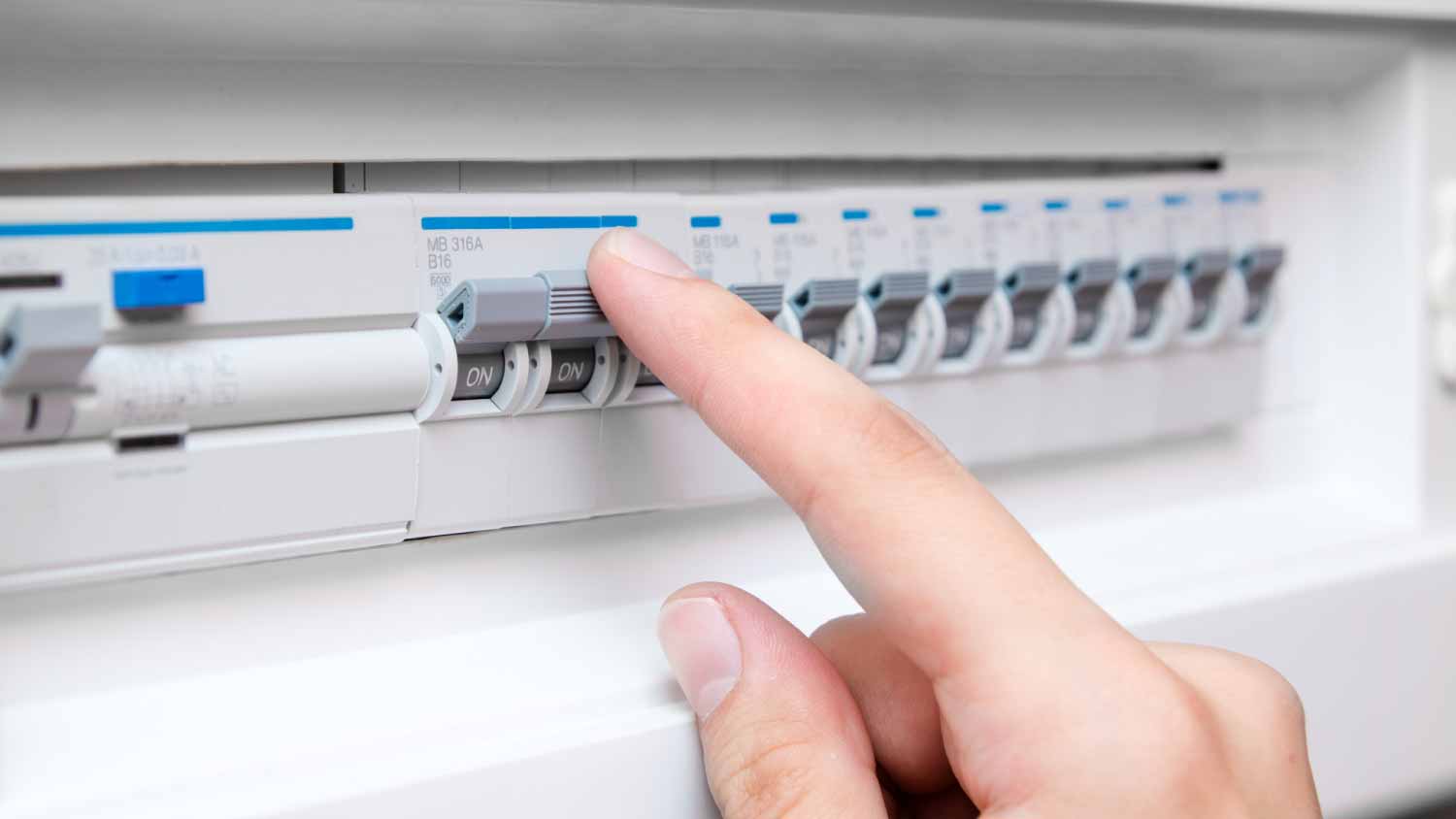
When the AC circuit breaker keeps tripping, who to call is your first concern. An HVAC technician can troubleshoot your system and get you back up and running.