

•
Discover natural stone flooring costs for your home. Learn about material, labor, and installation factors to budget confidently for your flooring project.
Combine strength and beauty to create flooring that rocks your interior

Pebble stone epoxy flooring combines natural stones with durable epoxy resin, creating a moisture-resistant surface you can install over existing concrete or plywood subfloors.
Expect to pay $3 to $7 per square foot for professional pebble stone epoxy installation, including both materials and labor for your project.
Your epoxy stone floor needs proper surface preparation, including thorough cleaning, priming, and allowing adequate drying time between coats for lasting durability.
Hiring a local flooring company provides expert guidance on surface preparation and epoxy application, ensuring your floor cures properly without exposure to harmful chemical fumes.
If you would like to incorporate natural stone in your home, there are many great flooring options to choose from. While there are sophisticated stones like travertine and marble, there is also a different option if you are more interested in a down-to-earth and wallet-friendly solution: epoxy stone flooring. Whether you are DIYing or calling in a pro, epoxy stone flooring (interchangeably called epoxy pebble flooring) makes a great choice for many reasons.
If you are looking for a low-maintenance way to incorporate natural elements into your home, you may want to consider epoxy stone flooring. This flooring blends natural stones and epoxy, with the epoxy working as a durable glue to hold and seal it all together. It showcases the natural beauty of stone and readily installs in many areas of the home, both in and out of doors.
You can install stone epoxy flooring over existing flooring. While most people opt to install it on concrete, you can also install it on plywood subfloors. It is a great choice if your subfloor or concrete is damaged because the small pebbles fill any cracks, though you will still need to repair any major damage before installation. Nevertheless, this type of flooring can save you on the costs of replacing the subfloor.
Epoxy stone flooring is not the only epoxy option when it comes to floors. Standard epoxy floors do not have stone or pebbles and are made in a wide range of colors, including metallics, and have a smooth surface. You also have options like epoxy paint or epoxy floor coverings for a variety of customizations that go beyond what you will find with linoleum and hardwood.
| Pros | Cons |
|---|---|
| Moisture resistant | Installation time |
| Durable | Chemical fumes during installation |
| Low maintenance | Slippery when wet |
| Cost effective |
Epoxy stone flooring works well for driveways and walkways, where it adds a touch of elegance to a natural material. But its versatility extends to the indoors, too. Here are some of its benefits and advantages over other types of flooring, indoors and out.
Epoxy creates a moisture resistant surface that is good for pool areas, patios, driveways, and walkways. It is also ideal for garages and basements. If you are installing epoxy pebble flooring outside, there are UV-rated and weatherproof epoxies that offer higher durability. The UV protection helps to ensure the flooring will maintain its original bright colors.
And because it is moisture resistant, you do not have to worry about water pooling on the surface, which can lead to mold and other types of damage.
If installed properly, the epoxy stone flooring can last for years with high resistance to mold. In general, this type of flooring will last longer than carpet and tile. Unlike carpet and tile, epoxy stone flooring can withstand worst-case scenarios that involve chemical or oil spills, high heat, and extreme temperature changes.
Epoxy stone flooring is nonporous, so you do not have to worry about liquids seeping into its surface, causing mold or discoloration. Additionally, loose stones and chipped areas are easily fixed with an epoxy repair kit.
However, epoxy flooring can be damaged by dropping heavy objects. An impact can break the seal and create large cracks, requiring the replacement of large portions of the epoxied area.
Installing stone epoxy flooring costs $3 to $7 per square foot, including materials and labor. In comparison, carpet installation costs fall between $3 to $11 per square foot, with tile running between $15 to $20 per square foot. It is comparable to either, and even at the high end of epoxy flooring costs, can save money over more expensive carpets and tile options.
Although there are many great reasons to choose epoxy pebble flooring for your home and property, it is not the best fit for every situation. Consider these disadvantages when weighing your possibilities.
The installation time for this type of flooring varies depending on the location of the project, whether indoors or outdoors. Either location typically takes two to six days and, during that time, you cannot use the epoxied area. Many people, however, find the investment of time and money to be worthwhile.
The fumes from liquid epoxy and partially-cured epoxy can cause respiratory issues, and you should never inhale epoxy dust that is present during the curing process. Consequently, if you are doing the installation yourself, you need to use proper safety equipment to avoid inhaling these harmful fumes.
The best practices for installation include allowing the floor to properly cure for 24 to 72 hours and doing a thorough cleaning after the curing process. While the floor cures, avoid the area and ventilate well if it is indoors. The good news is that, once the floor is cured, you do not have to worry about chemical fumes or toxicity.
If you are susceptible to chemical fumes, consider hiring a professional flooring installer or explore other floor covering options.
Epoxy flooring can be slippery when wet, but pebble/stone epoxy flooring tends to be more slip-resistant than other types. The pebbles or stones naturally offer a better grip. Plus, you can opt for a non-slip additive for improved grip in slick places like poolside, walkways, and driveways.
In general, the materials for epoxy stone floor installation cost between $1 to $2 per square foot, with the total costs, including labor, falling between $3 to $7 per square foot. Additional factors, such as a difficult-to-reach location or a more expensive pebble or stone, may drive up the price. Check with a local contractor in your area, as labor and material costs can vary by location.
Installation takes some time, but it is DIY-able if you have some experience.
Clean the installation surface: This type of floor can work over a concrete or plywood subfloor, but either will need a thorough cleaning before installation. In some cases, that could mean scraping the floor to remove adhesive, and in others it could mean pressure washing the area. The area must be free of debris, adhesives, oils, chemicals, and any other substance that could interact with the epoxy.
Prime the installation surface: Both concrete and plywood subfloors require a primer to seal and waterproof the surface. Check the epoxy manufacturer’s recommendations to ensure the primer and epoxy will work together. Let the primer dry before moving to the next step.
Mix the epoxy and stone: Mix the epoxy according to the manufacturer's instructions, then mix the stones with the epoxy. Make sure the stones are completely coated before applying them to the installation surface.
Apply the epoxy mix: Pour the mix in small batches and use a trowel to spread the stones evenly across the floor. Watch for bare patches and fill in holes as needed with the epoxy/stone mix.
Let the area dry: Let the area dry according to the manufacturer's instructions. The drying time varies by the climate and location, with outdoor locations requiring a longer drying time. During this time, do not use the area.
Clean the surface: Blow or sweep off the surface to get rid of loose pebbles or dust.
Apply another layer of epoxy: Use a roller to apply another coat of the epoxy over the area (no pebbles unless you want to fill the floor in).
Let the top coat dry: Do not use the area until the top coat has completely dried. The epoxy can take longer to dry in humid climates.
Epoxy stone flooring is fairly low maintenance. You will need to:
Sweep to remove debris and dirt
Clean grease and spills with water, a gentle soap, and a sponge
Use a soft brush to clean any cracks or crevices on the pebbled surface
Use a pressure washer occasionally (outdoor areas only)
This company does it right. Firstly, I want to say that Landan was a joy to work with. He was so kind, transparent, and had everything under control. His entire team showed up ready to work and they were all very respectful of the fact that we were in an office space. A little backstory – we...
 Krumlauf Floors
Terrible experience. Walls/trim/floors/cabinets/doors all have drip marks, overspray, etc. Tiling at the fireplace had to be redone by another vendor due to incorrect and shoddy install by Profect. Contractor had his children in our house while he was on site without prior authorization or...
 Profect painting & exteriors
Finished Basements Plus was wonderful from beginning to end! First, they came out quickly for an estimate. I had 4 estimates and theirs was by far the best. (2 of the estimates were more than $20K higher than for the exact same work). Beyond their fair pricing, the work was excellent. They...
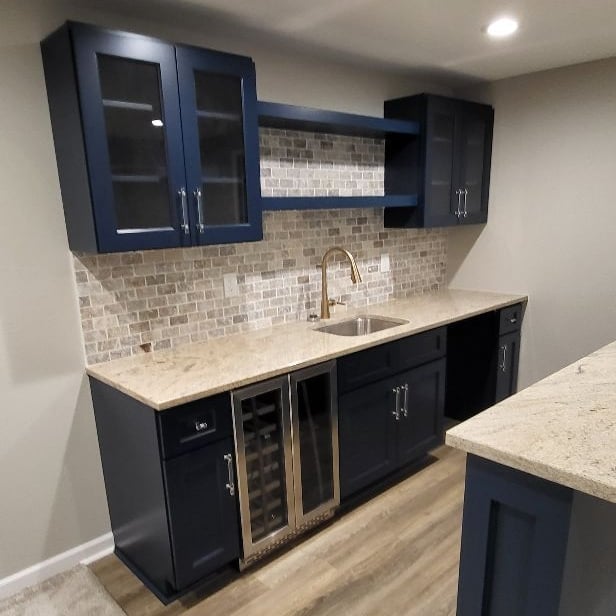 Finished Basements Plus Inc.
AFS was excellent from start to finish. Jess, the sales associate, was fantastic...very knowledgeable and very professional. The installation crew was excellent. I couldn't be more pleased with the process. Best of all, my new floor looks fantastic!
 America's Floor Source
We were having 2”x 2” tile installed . There was a small installation error and the new additional replacement tile was from a different lot and the colors didn’t match. Joe assured us that he would rectify everything , which he did without hesitation. We decided to go with the 18” x 36” tile...
 CarifaTile
We hired Jim to replace our hardwood floors with new hardwood. He and his helper Jerry did a fantastic job. Their work ethic is impeccable!! We would highly recommend McColl Floors!
This was our second experience with The Waterworks and both times have been Exceptional! This time, Michael P. was our technician. He arrived on time, was super professional and respectful of our home and he even wore booties, a face mask, gloves and protected out kitchen floors with drop...
 The Waterworks
Chaz, the owner, was very responsive and he communicated with us throughout the entire process. The overall cost was in the middle compared to the three estimates we received. The installation crew was very professional. Chaz was considerate enough to send a crew back to our home to repair...
 Unique Hardwood Floor LLC
After our last tile guy took 3 weeks and all the tiles were uneven it was so great to find a true tile installer that takes pride in his work. Flooring Solutions is A quality, on time, and keep the job area clean. Will use over and over.
 Flooring Solutions
Despite written and verbal direction they installed floor in wrong room.
From average costs to expert advice, get all the answers you need to get your job done.
Discover natural stone flooring costs for your home. Learn about material, labor, and installation factors to budget confidently for your flooring project.
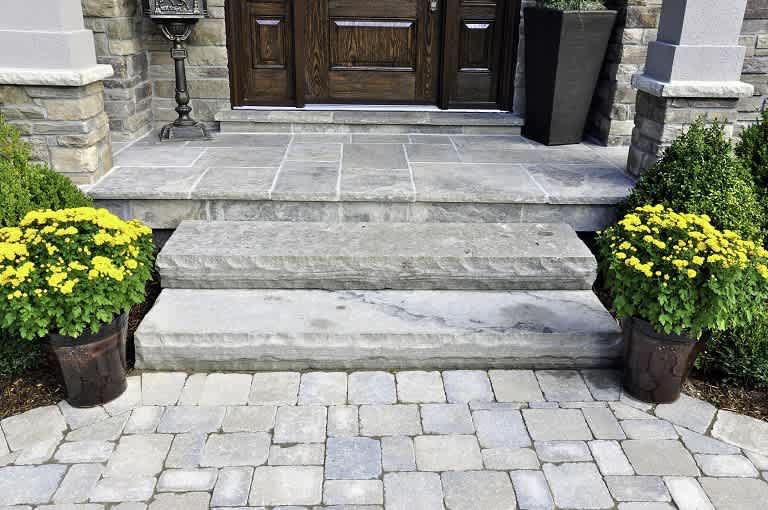
The cost of stone steps can vary considerably depending on the material you choose and how much labor is required. This guide shows you the cost of popular stone steps and all the extra fees you need to consider when tackling this project.
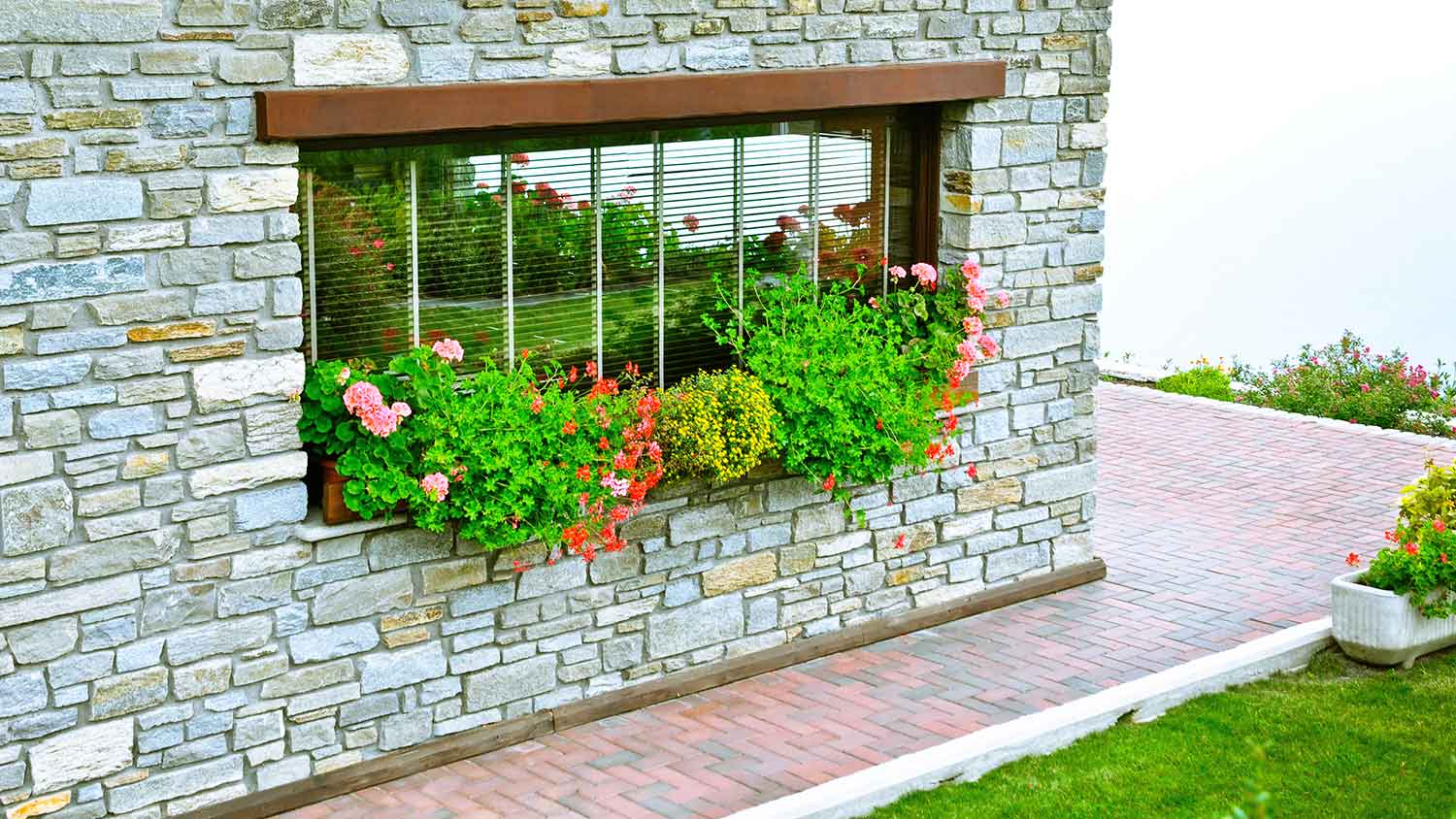
While a stone wall typically costs thousands of dollars, the value it brings to your home can raise its value both aesthetically and monetarily.
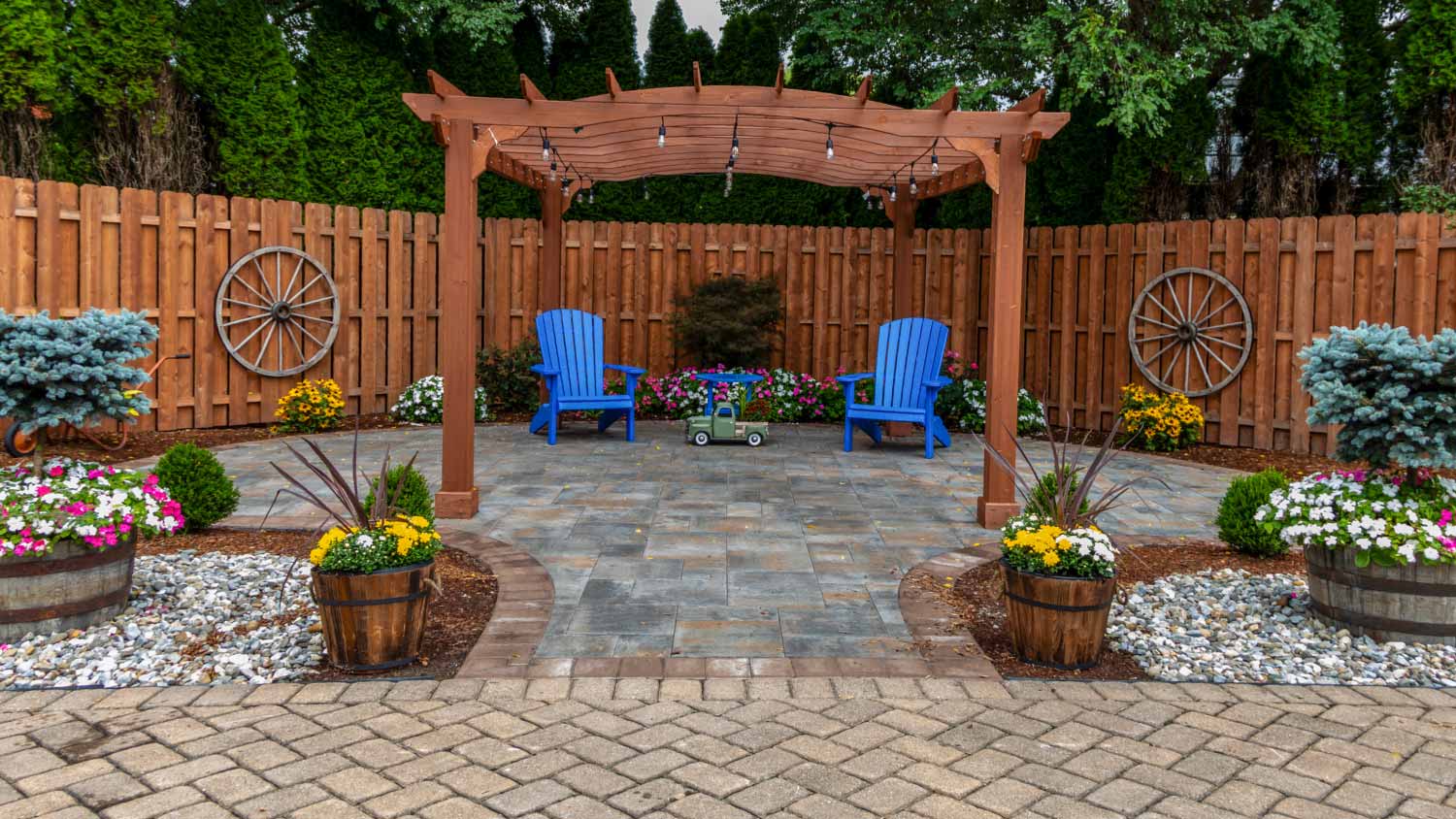
Learn about the key differences between concrete pavers and natural stone pavers and find the better option for your home.
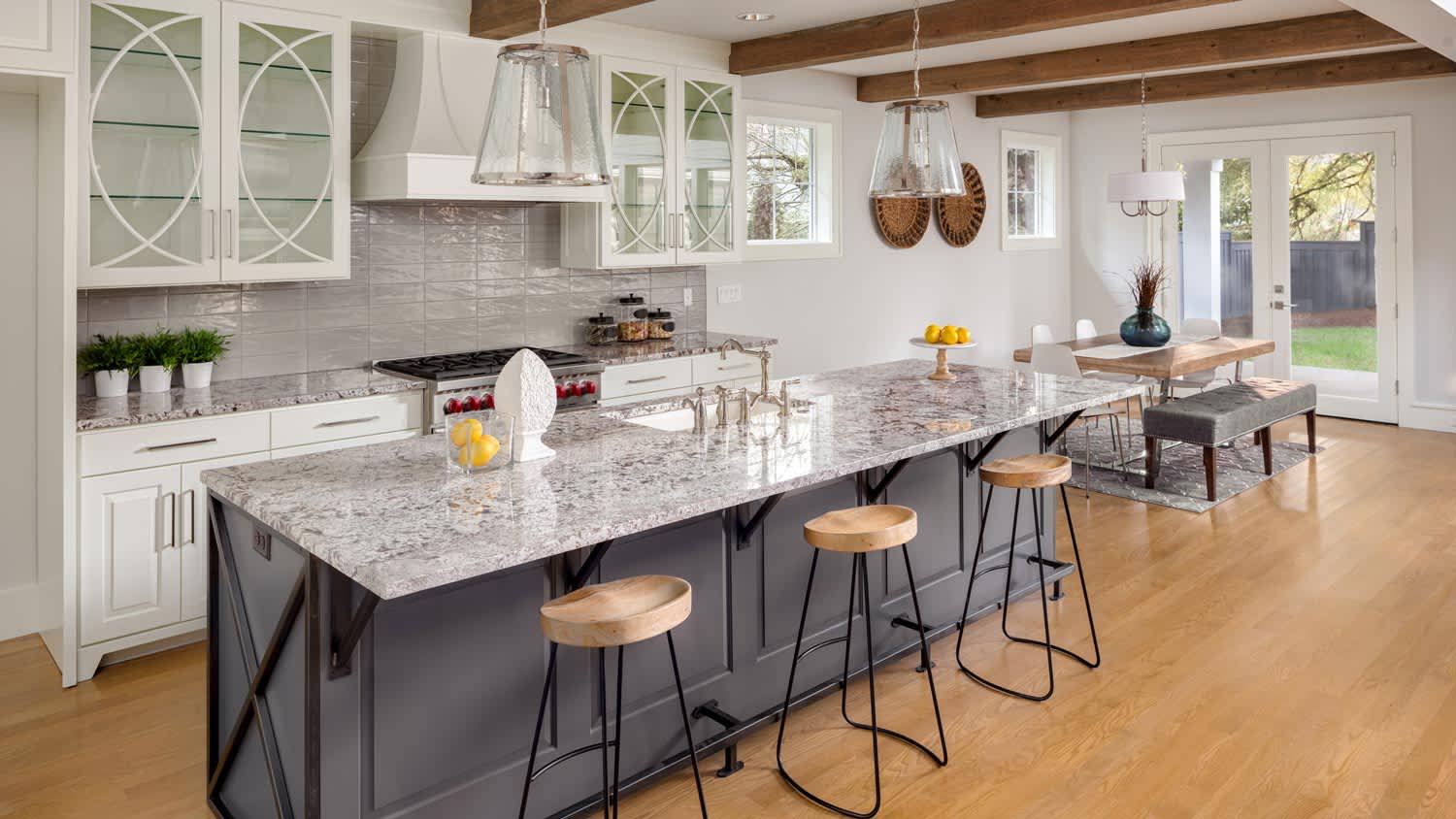
Are you weighing engineered stone vs. natural stone countertops? Both offer many of the same benefits, but there are differences in price, durability, and appearance.
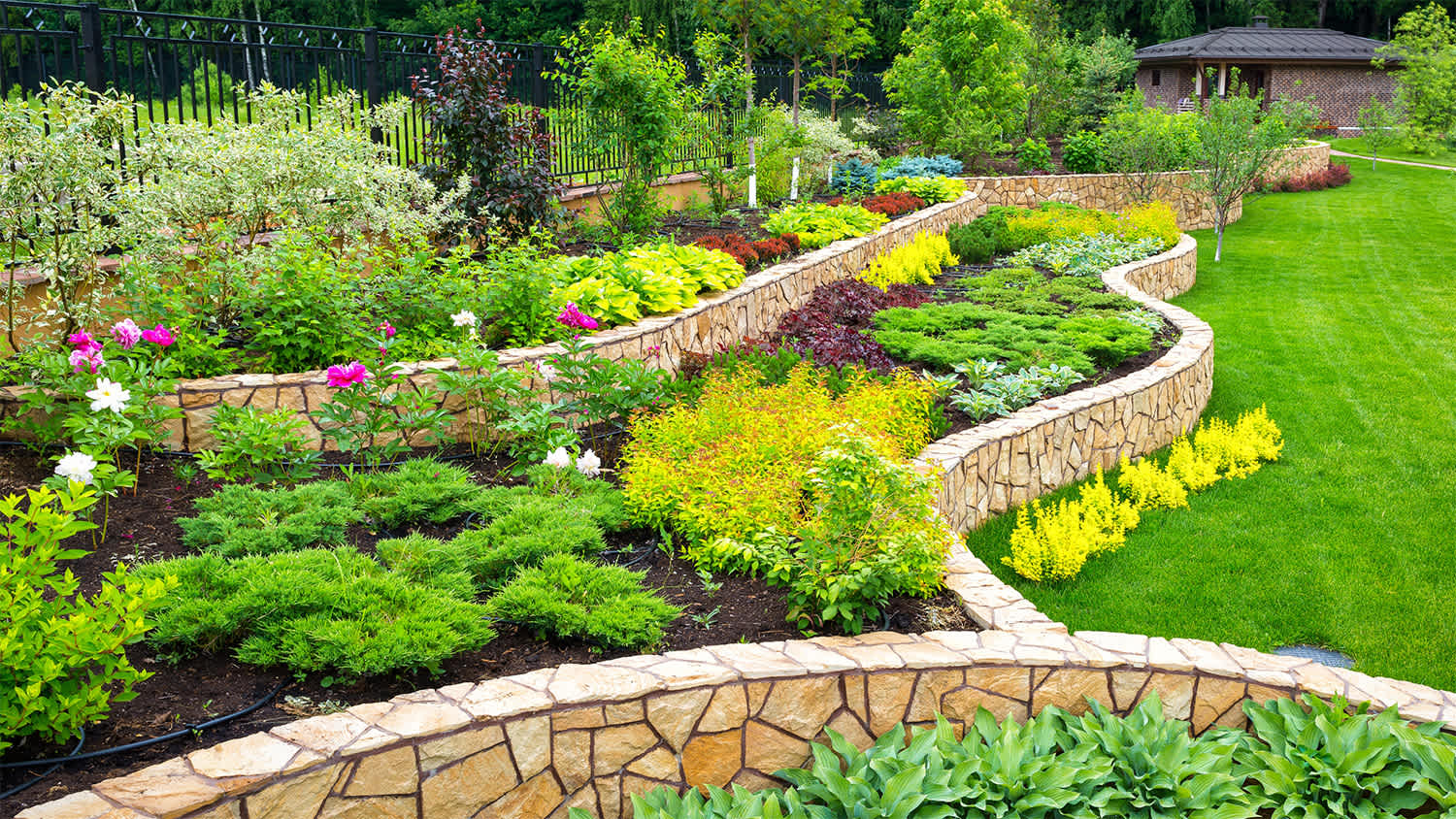
Leftover natural stone and bricks don’t need to end up in a landfill. Once a remodeling home project is complete, you can use luxury remnants like marble and quartzite as art, coasters, side tables, and more. Get inspired with these tips.