

Whether you're dreaming up a new office or a peaceful sunroom, home addition costs will shape your design. Learn how much a home addition costs in Boston, MA.
Kitchen and bathroom remodel costs depend on your project and location. Check with a local pro for your specific job.

The most common room addition project in Boston, MA, involves finishing a basement, which costs between $16,200 and $81,200.
The room size and the type of room you want are the two most important cost factors to consider.
The average cost of permits for a room addition in Boston is about $570, so budget accordingly.
Hire a remodeling company in Boston, MA, for room addition projects for legality, safety, and quality.
The average cost of a room addition in Boston, MA, is $51,984, and most projects total between $22,635 and $78,626. Your costs will depend mostly on the size of the space you’re adding and the type of room addition you want. The cost of living in Boston is at least 50% higher than the national average, which means room addition costs are higher than in most other areas.
Some residents in Boston, MA, pay as little as $7,581 for a room addition, but prices can climb to $135,375 or higher, depending on a few key factors. Consider the following to avoid surprises in your total costs.
The size of your new room is one of the biggest factors that affect the overall cost, as each additional foot you want will add between $90 and $220 to your total, based on local labor and material prices. Basically, the bigger the room you want to add on, the more you can expect to pay for the project. Here's a breakdown of average prices.
| Room Size | Average Cost Range |
|---|---|
| 20’x20’ | $34,700–$86,600 |
| 12’x12’ | $12,500–$31,200 |
| 10’x12’ | $10,400–$26,000 |
| 400 sq. ft. | $34,700–$86,600 |
| 500 sq. ft. | $43,300–$108,300 |
| 600 sq. ft. | $52,000–$130,000 |
| 1,000 sq. ft. | $86,600–$216,600 |
Different types of room additions have different installation requirements, which can tack onto the cost of your addition. For example, if you're adding a primary suite with an attached bathroom, you'll need to pay extra for things like bathroom plumbing, which can add between $1,620 and $4,330 to your total.
Here's what you can expect to pay, depending on the type of room you want to add.
A bedroom addition costs $54,200 on average, depending on its size and features. Larger bedrooms with more space, windows, and walk-in closets will all drive your costs higher. Small bedrooms for kids or guests will be much easier on your wallet. Adding a bedroom can increase your home’s value and make it more appealing to potential buyers when it comes time to sell.
Adding a new bathroom costs an average of $23,800 in Boston, MA, but it significantly increases the value of your home. You can expect a 47% to 67% ROI on your bathroom addition, making it one of the best options for value. A half bathroom, which includes only a sink and toilet, takes up much less space and is a more affordable project, costing between $4,550 and $13,000.
The cost to build a primary bedroom with a bathroom ranges from $32,500 to $108,300, but it can vary quite a bit depending on the details. For example, if you add a particularly large suite or high-end features, like custom cabinetry and marble countertops, the project can easily climb beyond that range.
A new kitchen installation costs between $37,900 and $102,900 in Boston, with an average price of $70,400. Certain features like islands and appliances account for a lot of that price, so it’s possible to cut expenses in many ways.
A bump-out addition requires installing a new foundation to support a new section of your home so that it expands your existing living space and often adds new amenities. Bump-out additions cost around $4,330 to $32,500, depending on the amount of space you’re adding. Because there’s little electrical work and rarely any plumbing, bump-outs are more affordable than many additions.
While bump-out additions can add value and utility to your home, they’re not often possible in Boston. The average lot size in the area is just over 950 square feet, and the average home size is 1,700 square feet, meaning 850 square feet per level. Most properties have minimal yard space to expand into, making bump-outs rare in the city.
Are you looking to create a separate dining room or build a new version of your current dining room? Expect to pay between $3,250 and $54,200 in Boston. High-end lights or chandeliers, a wet bar, and other amenities will add significantly to the price.
Finishing a basement refers to converting a basement space into a fully livable room complete with lights, heating, and more. The cost to finish a basement ranges from $16,200 to $81,200, depending on the amount of work you need to do. A half-finished basement will take notably fewer materials, for example.
Most homes in Boston, MA, have basements, as they’re required for utility lines to run underground without the risk of freezing in the cold climate. The prevalence of basements, combined with the general lack of yard space, makes basement finishing the most common option for room additions in this city.
Finishing an attic is similar to finishing a basement, although the addition tends to be simpler and less expensive. Most owners finish an attic to turn it into an extra bedroom, office, or lounging area. Expect to spend between $10,800 and $54,200 on the cost of finishing an attic.
A garage can serve many purposes, but it’s often an excellent spot for a game room, extra bedroom, or office. It’s also a lower-cost project than many kinds of additions, with less wiring and plumbing work needed. Converting a garage to a room costs between $6,500 and $29,200.
Adding a bonus room above the garage costs an average of $125 per square foot, with the average project totaling $48,700. However, the cost varies based on factors like whether you need to build a staircase or change the structure of your existing garage. Significant structural changes can add $10,800 to $43,300 or more.
Most homeowners in Boston pay between $5,420 and $7,480 on the cost of adding a laundry room to their home. However, if you decide to upgrade your appliances, replace or install a sink, or install more shelving, the cost can reach as high as $10,800 or more.
Thanks to their small size and nonexistent plumbing requirements, mudrooms are often the least expensive rooms to add on. A 36-square-foot mudroom at the entrance of a home or a new entryway costs between $3,900 and $7,800, depending on the type of flooring and storage you add.
Since most homes in Boston have just 850 square feet per floor, there’s usually minimal space to convert an existing area into a formal mudroom or foyer. As such, these room additions are relatively uncommon in the city.
Depending on construction, a window-filled sunroom can serve as a play area, a second living room, or even a small indoor greenhouse. Expect the average three-season sunroom to cost between $10,800 and $43,300.
Sunrooms are another uncommon room addition in Boston for two reasons. First, property size is extremely limited, with the average resident having just 950 square feet of land, most of which is taken up by the home itself. Second, the climate is relatively cold, making sunrooms less desirable than they would be in warmer cities.
Adding an in-law room or rooms to your home can require numerous special considerations, including privacy and access concerns that could increase the project's cost. Adding an in-law suite costs approximately $47,700 to $108,300, depending on its size and complexity.
Another option for an in-law or guest suite to consider is building an accessory dwelling unit (ADU) or a home addition. Unfortunately, ADUs aren’t very common in Boston, as regulations restrict building to specific residential zones, and most homeowners have minimal space on their property to build a standalone ADU.
When you hire a remodeling company in Boston, MA, to build your room addition, you can expect 40% to 60% of your total to go toward labor alone, which means spending between $20,800 and $31,200. This is much higher than you’d pay in most other cities, mostly because the local cost of living is at least 50% higher than the national average, which pushes labor prices up.
In addition to labor, you’ll need to pay for permits for your room addition project. The City of Boston charges a $50 primary fee, plus $10 per $1,000 of the estimated project cost. Given the average cost of $51,984 for a room addition in your area, you’re looking at an average permit fee of $570.
There’s a good chance you’ll need to bring in other professionals to complete your room addition project, especially if you’re adding a bathroom or kitchen that requires utilities. Here are some additional costs to consider.
Electrician: $1,250
Plumber: $1,080–$10,800
HVAC pro: $2,170–$3,250
Structural engineer: $80–$275 per hour
Architect: $140–$275 per hour
Foundation contractor: $10–$45 per sq. ft.
Adding a room to your home will usually increase the value, but it depends on your existing space, the type of room you’re adding, and whether you’re building a bump-out or converting existing square footage. Something like a bathroom addition will usually provide the highest return on investment, reaching as high as 70%.
To help homeowners plan their next project, Angi provides readers with carefully researched cost data and upholds strict editorial standards. We start with national average project costs, which we collect by analyzing competitor information, retailer material costs, and input from professional contractors. We then apply local price index data to calculate location-specific estimates that reflect what homeowners typically pay in their local area. To do that, we use data from the U.S. Bureau of Economic Analysis (BEA), including its Regional Price Parities (RPPs), which measure price differences across cities. This helps us account for differences in labor, materials, and overall cost of living, so estimates in higher- or lower-cost areas better reflect real-world local pricing.
Every estimate undergoes a thorough editorial review to verify accuracy, consistency, and alignment with observed market conditions.
Want to help us improve our cost data? Send us a recent project quote to [email protected]. Quotes and personal information will not be shared publicly.
I called Joe at SILMAC to gut and remodel my bathroom. I had used him and his company 15 years ago to remodel my entire apartment in Back Bay and he had done a fantastic job. Happy to say Joe and SILMAC have not lost a step. The bathroom came out beautifully. Joe listens carefully and gives...
 SILMAC Construction Inc.
They were great. Willing to go the extra mile. The work was complete on time as promised. Workmanship was excellent. If I have to remodel another bathroom I will hire them.
 We Flip Home Solutions Corporation
I needed my kitchen floor restored due to a pluming issue which caused a flood and ruined the entire flooring. This made it difficult to navigate as I am elderly and wheelchair-bound. National Floors Direct showed up and did an excellent job installing the new wood and were very friendly...
 National Floors Direct Inc
We recently completed a major renovation with Bay State Remodeling at our home in the South End, and the experience exceeded every expectation. The project included adding a new bedroom and bathroom, renovating two additional bathrooms, installing new floors throughout, painting, and...
 Bay State Remodeling
We recently had our bathroom renovated, and we are extremely happy with the results. The team was professional, punctual, and paid great attention to detail. The quality of the workmanship is excellent, and the project was completed on time and within budget. They kept the workspace clean and...
 Upper Room Construction Inc.
Adrian Gunn renovated my small galley kitchen. Adrian is professional, thorough, an excellent carpenter, efficient, hard worker, excellent communicator- gets back to you asap or shows up when he is supposed to. I cannot say enough about Adrian. He was a pleasure to work with for my kitchen...
 Gunn Carpentry Inc
I couldn’t be happier with how my kitchen renovation turned out! From start to finish, the experience was smooth, professional, and honestly exciting. What was once a dated and cramped space is now the heart of my home. Now, my kitchen is where everyone gathers, and I absolutely love showing...
 Hawk Building, LLC
The complete remodel of my two bathrooms, including one that had to be totally gutted. The work was beautiful. Everyone was punctual and very respectful of my home. Everyday they cleaned up so that I was never inconvenienced by the work being done. I highly recommend Like My House for any...
 Like My House Corporation
Mike and company did a great job! He made 30 year kitchen cabinets look brand new! I highly recommend them!
 Final Finish Surface Refinishing
Jefferson and his team did an incredible job on my bathroom remodel. The space is small, so I wasn't sure what to expect but his team completely transformed the space into a beautiful, modern primary bath. Jeff's recommendations really came together to bring my vision to life and optimize the...
 Dream Kitchen USA
From average costs to expert advice, get all the answers you need to get your job done.
Whether you're dreaming up a new office or a peaceful sunroom, home addition costs will shape your design. Learn how much a home addition costs in Boston, MA.
Updated flooring can make any room in your home feel brand new. Explore flooring installation costs in Boston, MA, from materials to labor costs.
Find out the average soundproofing cost in Boston, MA. Learn what you can expect to pay for acoustic materials and local labor to keep your home quiet.
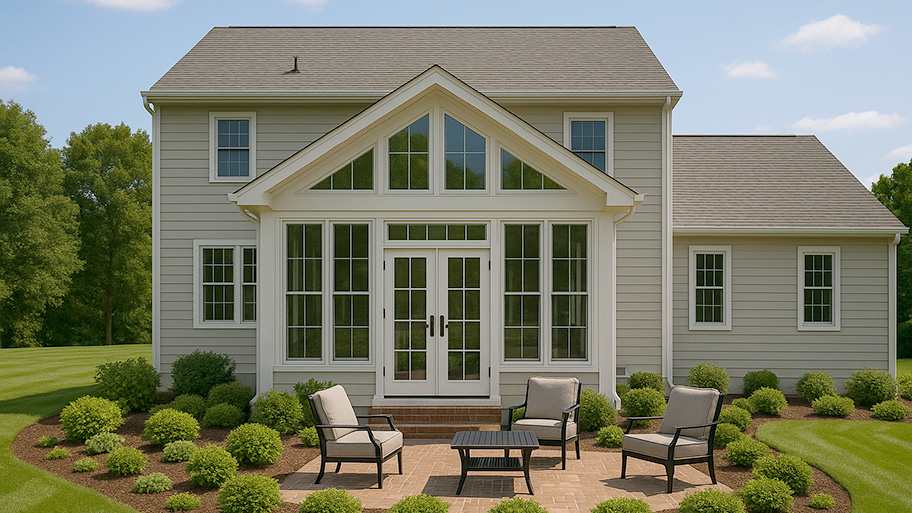
Both offer livable space in a home, but there are many differences between the two. Learn the pros and cons to decide between a sunroom and a room addition.
Learning how to build a room addition is the ultimate renovation daydream. While it's best to leave this one to the pros, here's what you can expect.
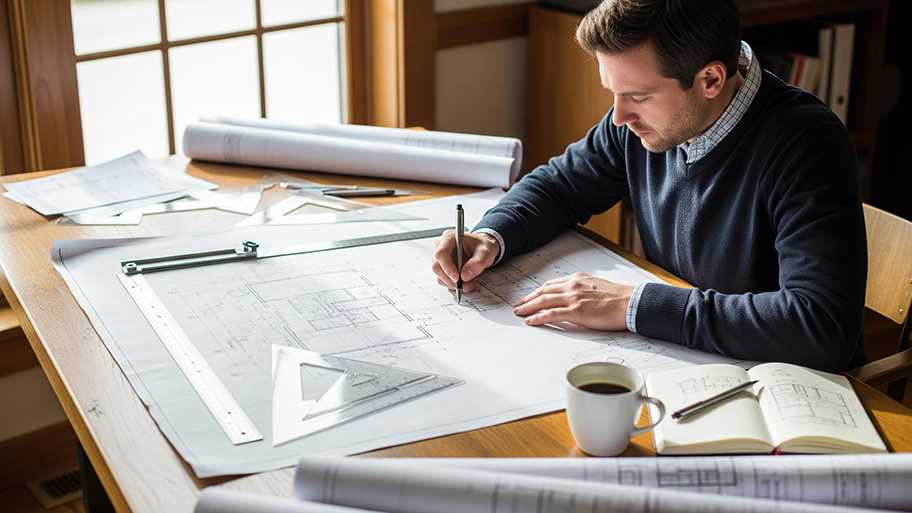
Find out the average blueprints cost in Boston, MA. Learn what you can expect to pay for local architectural plans and get your home build started right.