
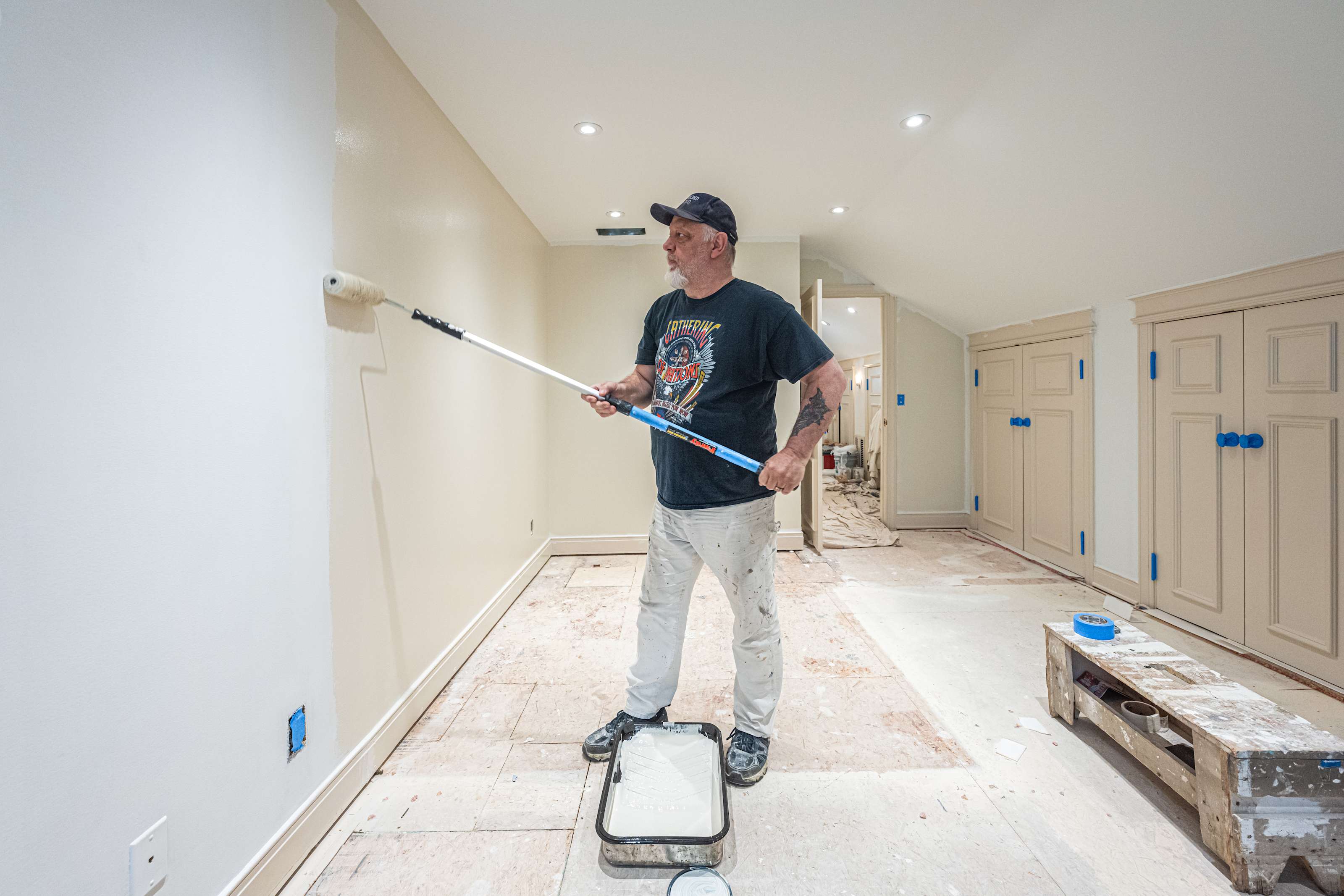
How much does it cost to paint a room in Indianapolis, IN? Learn what you’ll pay, depending on room size, paint type, the pro you hire, and more.
Kitchen and bathroom remodel costs depend on your project and location. Check with a local pro for your specific job.

Homeowners in Indianapolis, IN, can expect to pay between $75 and $180 per square foot to add a room to their home.
The type of room addition and its size are the most significant cost factors.
Labor makes up 10% to 20% of your overall cost, and your contractor will likely hire additional subcontractors to complete the work.
Hiring a remodeling contractor in Indianapolis, IN, ensures your room addition is done well and can yield a potential ROI of 24% to 35%.
A room addition in Indianapolis, IN, costs $45,936 on average, ranging from $20,001 to $69,478, depending on the size and type of project. While Indianapolis residents enjoy a moderate cost of living compared to other major U.S. cities, home additions still represent a significant investment. Having a realistic budget in mind during planning can help you know what to expect. This guide breaks down the costs associated with various room addition options.
Popular room additions in Indianapolis, IN, often involve adding living or functional space. For most additions, construction and labor costs average between $75 and $180 per square foot. However, the exact amount will depend on the type of room addition and its size.
The size of your new room is one of the biggest factors that affect the overall cost. Basically, the bigger the room you want to add on, the more you can expect to pay for the project. Here's a breakdown of average prices by square foot.
| Room Size | Average Cost Range |
|---|---|
| 20’x20’ | $30,600–$76,600 |
| 12’x12’ | $11,000–$27,600 |
| 10’x12’ | $9,190–$23,000 |
| 400 sq. ft. | $30,600–$76,600 |
| 500 sq. ft. | $38,300–$95,700 |
| 600 sq. ft. | $46,000–$114,800 |
| 1,000 sq. ft. | $76,600–$191,400 |
Different rooms have different installation requirements, which can tack onto the cost of your addition. For example, if you're adding a primary suite with an attached bathroom, you'll need to pay extra for things like bathroom plumbing, which typically costs around $1,440 to $3,830.
Here's what you can expect to pay, depending on the type of room you want to add.
A bedroom addition costs $47,900 on average, depending on its size and features. Larger bedrooms with more space, windows, and walk-in closets will be on the higher end of the range. Small bedrooms for kids or guests will be much easier on your wallet. Adding a bedroom can increase your home’s value and make it more appealing to potential buyers when it comes time to sell.
Adding a new bathroom costs $21,100 on average, but it significantly increases the value of your home. Depending on where you live, you can expect a 47% to 67% ROI on your bathroom addition. A half bathroom, which includes only a sink and toilet, takes up much less space and is a more affordable project, costing about $4,020 to $11,500.
The cost to build a primary bedroom with a bathroom ranges from $28,700 to $95,700, but it can vary quite a bit depending on the details. For example, if you add a particularly large suite or high-end features, like custom cabinetry and marble countertops, the project can easily cost over $95,700.
A new kitchen installation costs between $33,500 and $90,900, with average prices around $65,000. Certain features like islands and appliances account for a lot of that price, so it’s possible to cut expenses in many ways.
A bump-out addition expands a current room and often adds new amenities. Bump-out additions cost around $3,830 to $28,700, depending on the amount of space you’re adding. Because there’s little electrical work and rarely any plumbing, bump-outs are more affordable than many additions.
Are you looking to create a separate dining room or build a new version of your current dining room? Expect to pay between $2,870 and $47,900. High-end lights or chandeliers, a wet bar, and other amenities will add significantly to the price.
Finishing a basement refers to converting a basement space into a fully livable room complete with lights, heating, and more. The cost to finish a basement ranges from $14,400 to $71,800, depending on the amount of work you need to do. A half-finished basement will take notably fewer materials, for example.
Finishing an attic is similar to finishing a basement, although the addition tends to be simpler and less expensive. Most owners finish an attic to turn it into an extra bedroom, office, or lounging area. Expect to spend between $9,570 and $47,900 on the cost of finishing an attic.
A garage can serve many purposes, but it’s often an excellent spot for a game room, extra bedroom, or office. It’s also a lower-cost project than many kinds of additions, with less wiring and plumbing work needed. Converting a garage to a room costs between $5,700 and $25,800.
Adding a bonus room above the garage costs around $110 per square foot, with the average project amounting to about $43,100. However, the cost varies based on factors like whether you need to build a staircase or change the structure of your existing garage. Significant structural changes can add $9,570 to $38,300 or more.
Most people pay between $4,790 and $6,700 on the cost of adding a laundry room to their home. However, if you decide to upgrade your appliances, replace or install a sink, or install more shelving, the cost can reach as high as $9,570 or more.
Thanks to their small size and nonexistent plumbing requirements, mudrooms are often the least expensive rooms to add on. A 36-square-foot mudroom at the entrance of a home or a new entryway costs around $3,450 to $6,890, depending on the type of flooring and storage you add.
Depending on construction, a window-filled sunroom can serve as a play area, a second living room, or even a small indoor greenhouse. Expect the average three-season sunroom to cost between $9,570 and $38,300.
Adding an in-law room or rooms to your home can require numerous special considerations, including privacy and access concerns that could increase the project cost. Adding an in-law suite costs around $42,100 to $95,700, depending on its size and complexity. Another option for an in-law or guest suite to consider is building an accessory dwelling unit (ADU) or a home addition.
Due to the complexity of the job, DIY room additions are quite rare. Most homeowners hire a remodeling contractor in Indianapolis, IN, for the entire job. For fees totaling between 10% and 20% of the total project cost, your contractor will be responsible for drawing up the necessary plans, obtaining the proper permits, and handling the subsequent inspections.
Your contractor will also hire and manage any additional subcontractors, such as electricians, HVAC technicians, plumbers, designers, and engineers, necessary to complete the work.
While contractors and their subcontractors can handle all the tasks necessary to complete the work on your room addition, some homeowners choose to manage all or part of the job themselves. In this case, there will be additional pros to consider hiring besides the usual plumbers, electricians, framers, and finishers.
Architect costs: $2,770–$8,870
Indianapolis-area structural engineer costs: $275–$390
Interior designer costs: $4,640–$18,100
Indianapolis-area roofer costs: $7,180–$23,000
Indianapolis-area HVAC pro costs: $4,790–$12,000
Landscaper costs: $1,210–$5,090
Home additions can add value to your home, provided the work is of professional quality and all the necessary permits are finalized and documented. Homeowners in Indianapolis who add livable, functional space to their existing homes often see returns on their investment between 24% and 35%. Additionally, the project adds square footage to the home, which often boosts its marketability when it's time to sell.
To help homeowners plan their next project, Angi provides readers with carefully researched cost data and upholds strict editorial standards. We start with national average project costs, which we collect by analyzing competitor information, retailer material costs, and input from professional contractors. We then apply local price index data to calculate location-specific estimates that reflect what homeowners typically pay in their local area. To do that, we use data from the U.S. Bureau of Economic Analysis (BEA), including its Regional Price Parities (RPPs), which measure price differences across cities. This helps us account for differences in labor, materials, and overall cost of living, so estimates in higher- or lower-cost areas better reflect real-world local pricing.
Every estimate undergoes a thorough editorial review to verify accuracy, consistency, and alignment with observed market conditions.
Want to help us improve our cost data? Send us a recent project quote to [email protected]. Quotes and personal information will not be shared publicly.
Completely remodeled our kitchen floor. Fair pricing. Great communication and excellent work ethic. HIGHLY recommend.
We had such a great experience working with this team and the bathroom turned out beautiful. Will definitely use them again for future projects.
 So Cal Builders & Design Inc
Kamil Construction, ????? ?We had our bathroom completely remodeled and couldn?t be happier with the results. The team was professional, respectful, and paid close attention to every detail. They helped bring our vision to life and the finished bathroom looks absolutely...
 Kamil Construction, LLC.
If you want great service you call these guys. They offered not only a fair price but even better work. Kitchen looks fantastic, can’t wait to hire you again for the bathroom!!
Resolution 2 Remodel are true renovation professionals. From start to finish, they were ethical, responsive, and exceptionally detail-oriented. Their team delivers high-quality craftsmanship at a fair and transparent price, which is hard to find in this industry. We hired them to build a...
 Resolution 2 Remodel LLC
We've asked TMorgan to help us on two different projects, on two different houses, and we're so glad we contacted them for both! Once was to build a bathroom addition onto a small house, and the second was to renovate a bathroom/laundry room/kitchen! The crews were always kind, the...
 T. Morgan Construction, Inc.
I couldn’t be happier with the kitchen remodel done by Step Up Remodeling and Gabriel! From start to finish, the experience was nothing short of exceptional. Gabriel and his team were highly professional, attentive to detail, and always respectful of our time and space. From the initial...
 Step Up Construction
The kitchen is exceptional. From start to finish, the entire process was nearly seamless and professional. The teamâ s attention to detail and commitment to quality craftsmanship exceeded my expectations. They transformed my outdated kitchen into a modern, functional space that perfectly...
David at Whale Creek Co. made my kitchen project less stressful, and more affordable! I came to him with the idea of using old barn wood for my kitchen flooring without knowing any details other than having the wood supply. He was enthusiastic about taking on a project outside-the-box. David...
 Whale Creek Co
A very experienced technician came out and plummed me a 2nd bathroom. We turned a closet into a bathroom.
From average costs to expert advice, get all the answers you need to get your job done.
How much does it cost to paint a room in Indianapolis, IN? Learn what you’ll pay, depending on room size, paint type, the pro you hire, and more.

Updated flooring can make any room in your home feel brand new. Explore flooring installation costs in Indianapolis, IN, from materials to labor costs.
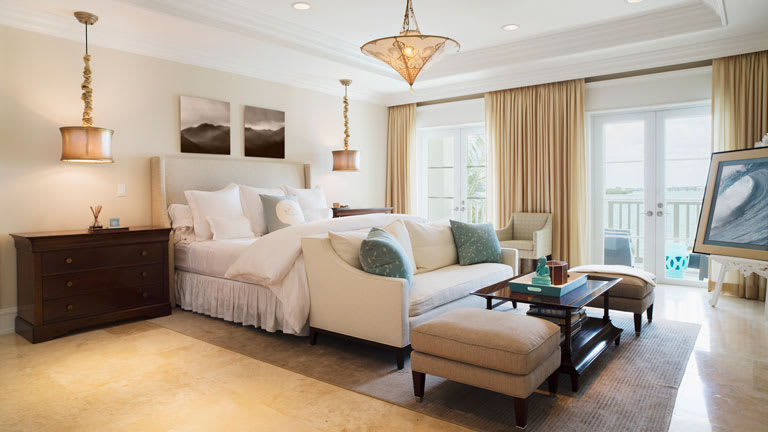
The cost to add a bedroom and bathroom in Indianapolis, IN, can pay off with an increase in your home’s value and more space. Costs vary by project scope.

Installing drywall is the most common way to finish your home’s interior. Use this drywall installation cost guide to see what your project is likely to cost in Indianapolis, IN.
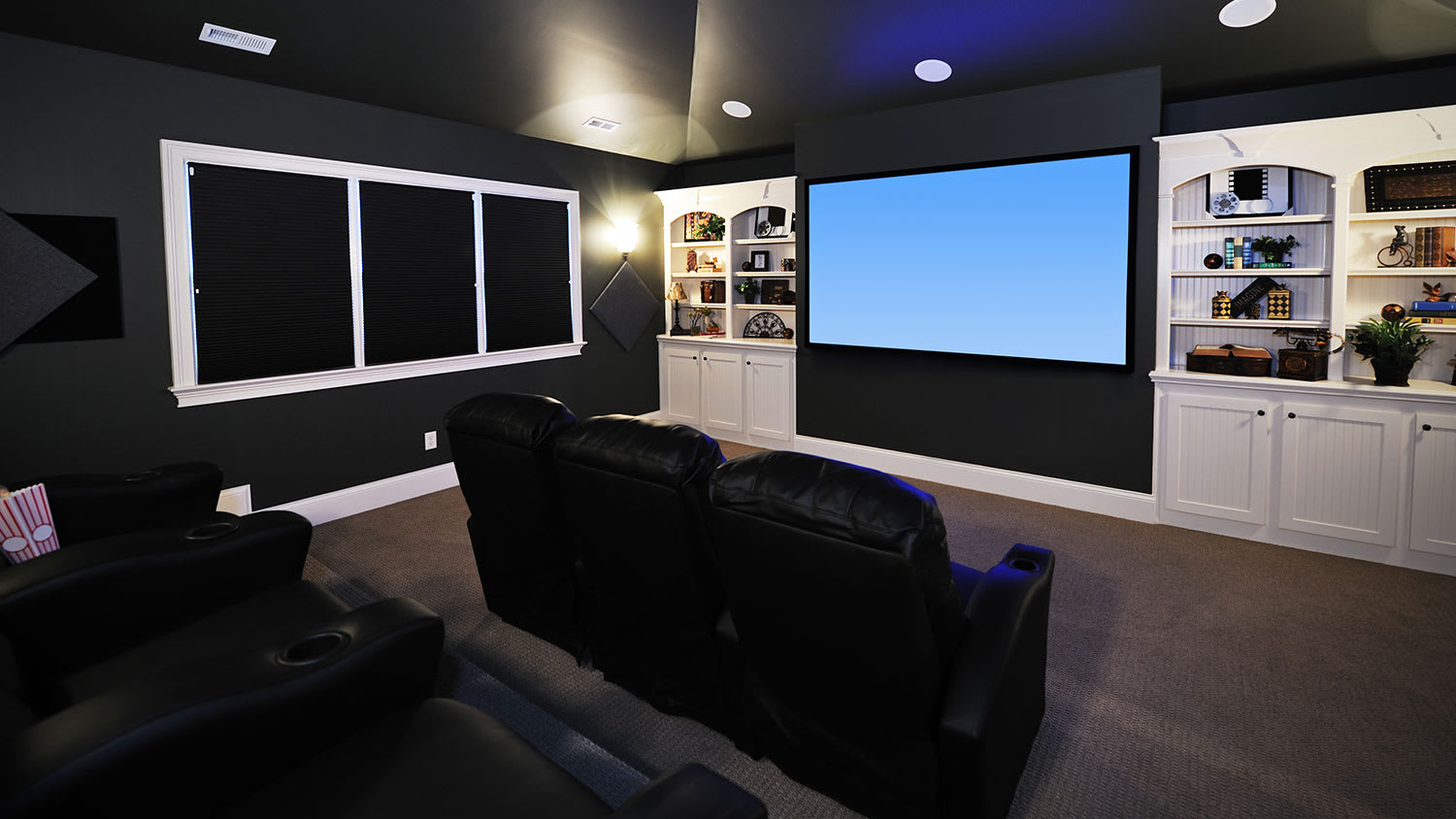
Find out the average soundproofing cost in Indianapolis, IN. Learn what you can expect to pay for local acoustic treatments and get a quieter home today.
Learn about all the factors, including sewer line length and excavation, that determine how much trenchless sewer line replacement costs in Indianapolis, IN.