


One of the best ways to expand your home is to build up. Let’s break down the cost to add a second story in Los Angeles, CA.
Kitchen and bathroom remodel costs depend on your project and location. Check with a local pro for your specific job.

Home addition projects cost between $21,886 and $83,367 on average, with your final total depending on whether you build out or up.
Your room type and finishes determine complexity, with kitchens and bathrooms requiring plumbing and electrical work that bedrooms don't need.
Remember to budget for building permits ranging from $150 to $7,500 and site prep costs between $1,500 and $5,000 for your project.
Hiring a local architect professional ensures your addition meets building codes and helps keep your household safe during construction.
In 2026, the national average home addition cost is $50,991, based on 5,609 verified projects from Angi Pros. Most homeowners pay between $21,886 and $83,367, with the spread driven by addition type, size, and the complexity of required plumbing or electrical work. Prices can climb to $160,000 for a full second-story addition, so your final cost largely depends on how you plan to use the new space.
Home additions cost $80 to $200 per square foot when building out and $300 to $500 per square foot when building up, with a 10x10 room averaging $12,500 for a ground-level build or $40,000 for a second-story build. Room complexity and finishes also shape where your total lands within those ranges. A bedroom costs $80 to $160 per square foot, while a bathroom costs $150 to $200 per square foot due to the added plumbing work. Home addition costs vary further based on project size, as shown in the breakdown below:
| Project Size (Square Feet) | Bump-Out Build | Second Story Build |
|---|---|---|
| 60 | $4,800–$12,000 | $18,000–$30,000 |
| 80 | $6,400–$16,000 | $24,000–$40,000 |
| 100 | $8,000–$20,000 | $30,000–$50,000 |
| 150 | $12,000–$30,000 | $45,000–$75,000 |
| 200 | $16,000–$40,000 | $60,000–$100,000 |
| 300 | $24,000–$60,000 | $90,000–$150,000 |
| 400 | $32,000–$80,000 | $120,000–$200,000 |

The cost to add a room depends on the type and size of the space you're building, as well as the utilities and finishes each room requires. Kitchens and bathrooms require plumbing work that bedrooms don't, while an unfinished attic addition may skip the electrical and HVAC systems that bedrooms need. Home addition costs by room type are broken down in the table below:
| Room Type | Average Cost Range in 2026 |
|---|---|
| Attic | $40,000 |
| Bathroom | $35,000 |
| Bedroom | $62,500 |
| Dining room | $30,000 |
| Kitchen | $55,000 |
| Laundry room | $8,000 |
| Living room | $30,000 |
| Mudroom | $12,000 |
| Sunroom | $47,000 |
| Detached garage | $26,400 |
| In-law suite | $82,750 |
| Second-story | $175,000 |
Labor accounts for 40% to 60% of your total home addition cost, typically $28,000 to $42,000, with most of that going to a home addition contractor who handles foundation work, framing, roofing, and finishing. Specialists such as plumbers and electricians may be subcontracted, but their costs are included in the contractor's overall pricing. Some contractors offer free estimates, but projects requiring substantial consulting or design work may add $150 to $1,000 to your upfront costs.
Here’s what you might pay for various home addition tasks:
Foundation pouring: $5–$37 per sq. ft.
Framing: $4–$16 per sq. ft.
Roof installation: $4–$11 per sq. ft.
Interior finishes: $30–$300 per sq. ft.
A local architect charges $2,400 to $14,000 to design a home addition, with the final cost depending on the scope of your project and the size of the addition. You may also need a structural engineer to draw up plans before your local building department will approve the build. Here are some expected costs:
Drawing up blueprints: $800–2,700
Structural drawings: $500–$2,000
As-built drawings: $700–$1,300
Most home additions involve several subcontractors. A general contractor bundles these services (and their fee) into one total cost, but if you act as your own project manager, you’ll hire each specialist separately at the rates outlined below:
Interior painter cost: $2–$6 per square foot
Roofer cost: $4–$11 per square foot
Electrician cost: $50–$100 per hour
HVAC technician cost: $100–$250 per hour
Plumber cost: $45–$200 per hour
Carpenter cost: $75–$125 per hour
Structural engineer cost: $200–$1,500
Landscaper cost: $1,200–$6,200
Your geographic location directly shapes what you'll pay for a home addition, since contractor labor rates track closely with the local cost of living. Homeowners in rural areas or regions with a low to moderate cost of living will generally pay less for labor than those in high-cost metro areas.
Several additional factors can affect your home addition budget, so it's worth reviewing each one before finalizing your plans.
Remember that if you add square footage to your home, the cost of your homeowners insurance will increase accordingly. Before you embark on this project, speak to your insurance company about expected costs.
The permits you need for a home addition average $1,300 but can range from $150 in rural areas to $7,500 in some cities, depending on your municipality's requirements. Permit types may include structural, electrical, plumbing, gas, and other locally mandated approvals, so check with your local building department early to understand the full cost of a building permit for your project.
Building materials for a home addition span a wide price range, and choosing luxury or high-end options at every stage can push your total toward $160,000. The table below breaks down average material costs for a home addition:
| Home Addition Material | Average Cost in 2026 |
|---|---|
| Bathroom vanity | $300–$2,200 |
| Drywall | $1.50–$3 per sq. ft. |
| Exterior Door | $500–$2,300 each |
| Flooring | $2–$25 per sq. ft. |
| Insulation | $0.30–$6.75 per sq. ft. |
| Interior Door | $350–$1,200 each |
| Kitchen cabinets | $2,000–$11,000 |
| Roofing | $1.50–$30 per sq. ft. |
| Siding and Trim | $1–$30 per sq. ft. |
| Window | $300–$2,500 each |
On average, site prep for a home addition costs between $1,500 and $5,000. You may not need any site prep in some cases, while other home addition projects may require grading land, demolishing concrete patios, removing trees, and other work that can add to your total.
Home additions are expensive projects to begin with, and many home improvement projects can go over estimate, usually anywhere from 5% to 20% of the project quote due to unexpected costs or change orders. It’s a good idea to make some effort to save on the cost without sacrificing quality. There are a few key things you can do to save.
Choose standard finishes. Materials account for an average of 50% of your total, so choose budget-friendly options over luxury ones wherever possible.
Opt for a simple home addition floor plan with standard height ceilings.
Complete some tasks yourself, such as painting the family room or installing light fixtures.
Compare bids from at least three home addition contractors to ensure the best value.
Research whether you qualify for tax credits or refunds. Sometimes, home additions are considered capital improvements with energy-efficient designs.
Build an extension out from your existing house instead of adding to the second floor. This can instantly reduce your costs by up to 50%.
When financing a home addition, you have a range of loan options depending on your financial situation. These include:
HELOC loans: A home equity line of credit is ideal for homeowners who don’t know what their total will be and have equity in their home to draw from.
Home equity loans: These are like HELOCs, but you get the funds in a lump sum, so they’re best if you have some equity and know what your home addition will cost.
Personal loans: These loans have a quick approval process but often have higher interest rates. However, they don’t require that you have equity in your home.
Credit cards: Credit cards are often best for small extension costs due to the low borrowing limit. They provide rapid approval and don’t require equity but have some of the highest interest rates.
Cash-out refinance: This involves refinancing a home you have equity in and taking out the equity to fund your home addition costs.
As with all these loan options, always speak with a financial advisor before refinancing your home for home projects.
Home additions provide an ROI of between 20% and 50%. If you can save money during the project, you could see up to an 80% return. Your ROI depends heavily on the type of addition you build and the project's cost.
When it comes to putting an addition on your home, hiring a professional contractor near you will ensure that your project is completed efficiently, correctly, and up to code. Pros will bring their years of experience, access to the right tools, and industry knowledge that could prevent costly or even dangerous mistakes. The cost of a professional team depends on your location and the project's size.
A construction project as large as a home addition can be a stressful and costly endeavor. Given the numerous steps, processes, and permits required, it is essential to contact a professional.
Construction pros have crucial knowledge of safety codes and permit requirements, especially when it comes to electrical, plumbing, and structural soundness.
They will coordinate timelines and manage subcontractors, ensuring the project stays on track and saving you the headache.
Skilled builders can spot potential problems early and handle them safely and efficiently.
A home addition that seems doable might balloon in cost: National averages suggest around $50,000, but many projects exceed $100,000 when complexity rises. However, there are a few tasks that you might be able to DIY to keep those prices down.
Painting on your own can save $300 to $800, depending on the size of the room.
DIY cleaning and waste disposal can keep labor costs lower, but you must research potential hazardous materials to determine if they require specific disposal methods.
Let the pros handle wiring, but you can install light fixtures yourself.
Discuss the full scope of your project, including electrical, plumbing, painting, and moving.
Ask about permits you’ll need to construct your addition.
Be prepared to adjust your budget depending on whether you are building the addition from scratch or atop an already constructed portion of the home.
Plan out exact dimensions for the addition, including space for insulation, venting, and electric/plumbing.
Home is the most important place on earth, which is why Angi has helped more than 150 million homeowners transform their houses into homes they adore. To help homeowners with their next project, Angi provides readers with the most accurate cost data and upholds strict editorial standards. We’ve surveyed thousands of real Angi customers about their project costs to develop the pricing data you see, so you can make the best decisions for you and your home. We pair this data with research from reputable sources, including the U.S. Bureau of Labor Statistics, academic journals, market studies, and interviews with industry experts—all to ensure our prices reflect real-world projects.
Want to help us improve our cost data? Send us a recent project quote to [email protected]. Quotes and personal information will not be shared publicly.
Jason has helped me with multiple household projects, with the most recent being new door installation. He has always showed up on time and organized and has done an incredible job! Jason is very professional and he's now my go-to for anything around my house that needs to be fixed or...
 Huff Garage Rescue, LLC
Cole has been handling plumbing and general contracting for our four properties over the past three years, and he’s always done a great job. Most recently, he installed a sink and countertop in our retail store where none existed before, and it turned out exactly how we needed. He’s...
 ANB Renovations LLC
1st Choice Renew is simply the best! We hired them for a complete home renovation, and they transformed our space into something truly amazing. The team attention to detail and commitment to quality were evident throughout the project. They were easy to work with, very responsive, and always...
 Save A Dime
This company went above and beyond with their work, chimney sweeps are usually pretty messy, but the clean up was spot on.!! Josh explained every thing that he was doing, and the things that he was checking to make sure the chimney was safe for me and my family. He was very professional,...
 Supreme brick & chimney
Custom Paint Jobs LLC turned our outdated bathroom into a modern masterpiece.
 Custom Paint Jobs, LLC
Excellent customer service and knowledge. I was recommend to him from my neighbour. My front door and window came in great and were installed beautifully perfectly, I m very satisfied with their excellent work, so decided to order one more big bow window for my living room. I cant wait for...
 Window Depot USA of Central Ohio
If I could give 10 stars for Kitchen Tune Up, I would. I cannot say enough good things about my experience with Kitchen Tune Up and the entire team involved in the process of my kitchen project. They went above and beyond as far as service and quality with my cabinets, paint, countertops, and...
It was wonderful working with Yordy and his team. They were very professional and are experts in what they do. They have completed the work on time, with better quality and with in fairly reasonable price. We just started with backsplash work , but liking his work, we went on to provide...
 Flooring Solutions
We were having 2”x 2” tile installed . There was a small installation error and the new additional replacement tile was from a different lot and the colors didn’t match. Joe assured us that he would rectify everything , which he did without hesitation. We decided to go with the 18” x 36” tile...
 CarifaTile
They work that 360 did on my kitchen cabinets is nothing short of amazing. I still cannot believe the difference from before and after. Jon and Jeff were both so incredibly professional throughout the whole process and their communications with me were constant and consistent. These guys...
 360 Painting Columbus
From average costs to expert advice, get all the answers you need to get your job done.
One of the best ways to expand your home is to build up. Let’s break down the cost to add a second story in Los Angeles, CA.
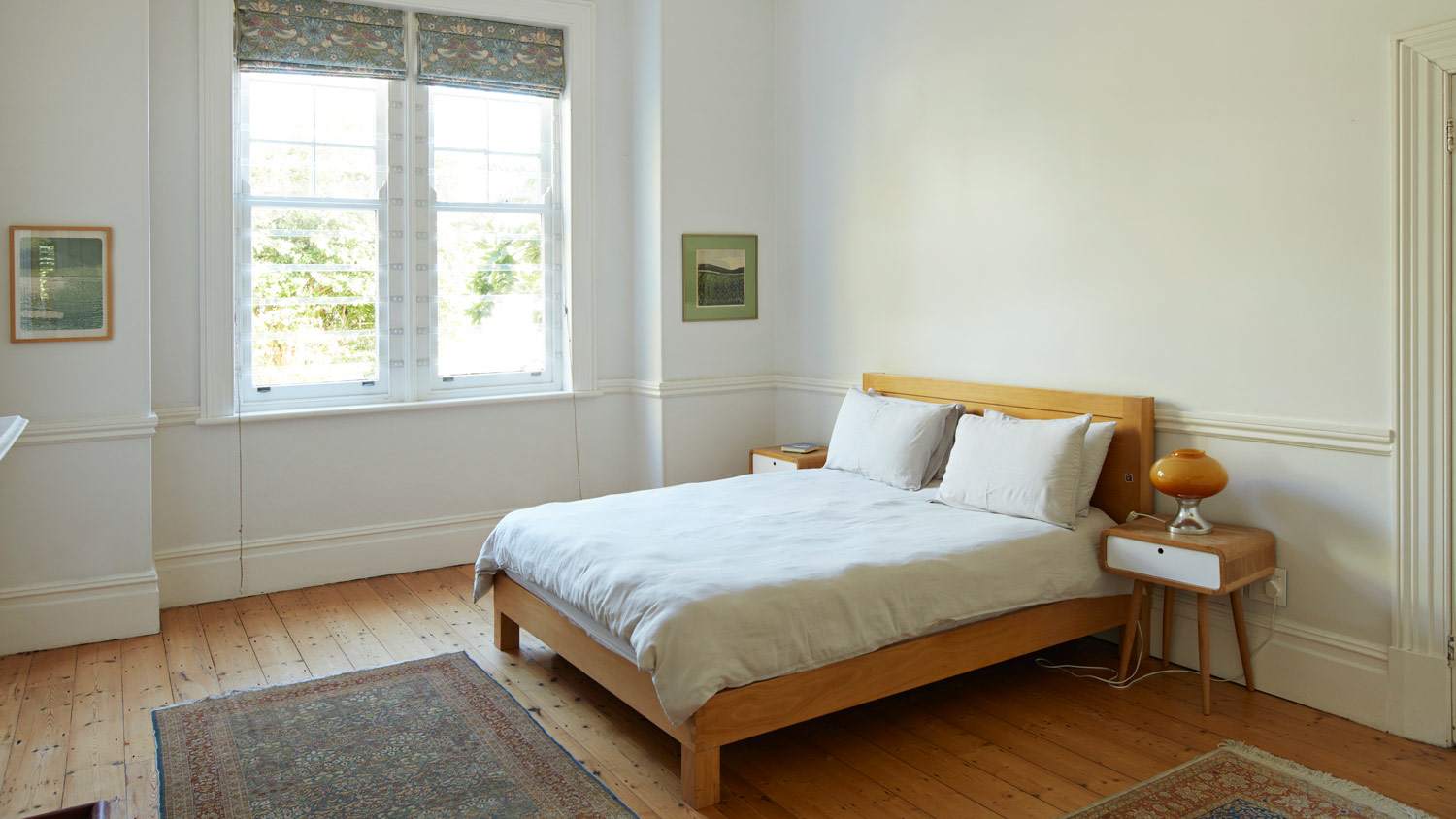
Building an addition can increase your home's value and provide more space to live, but it does come at a cost. Read on to learn how much it costs to build a room addition based on factors like location, type, and size.
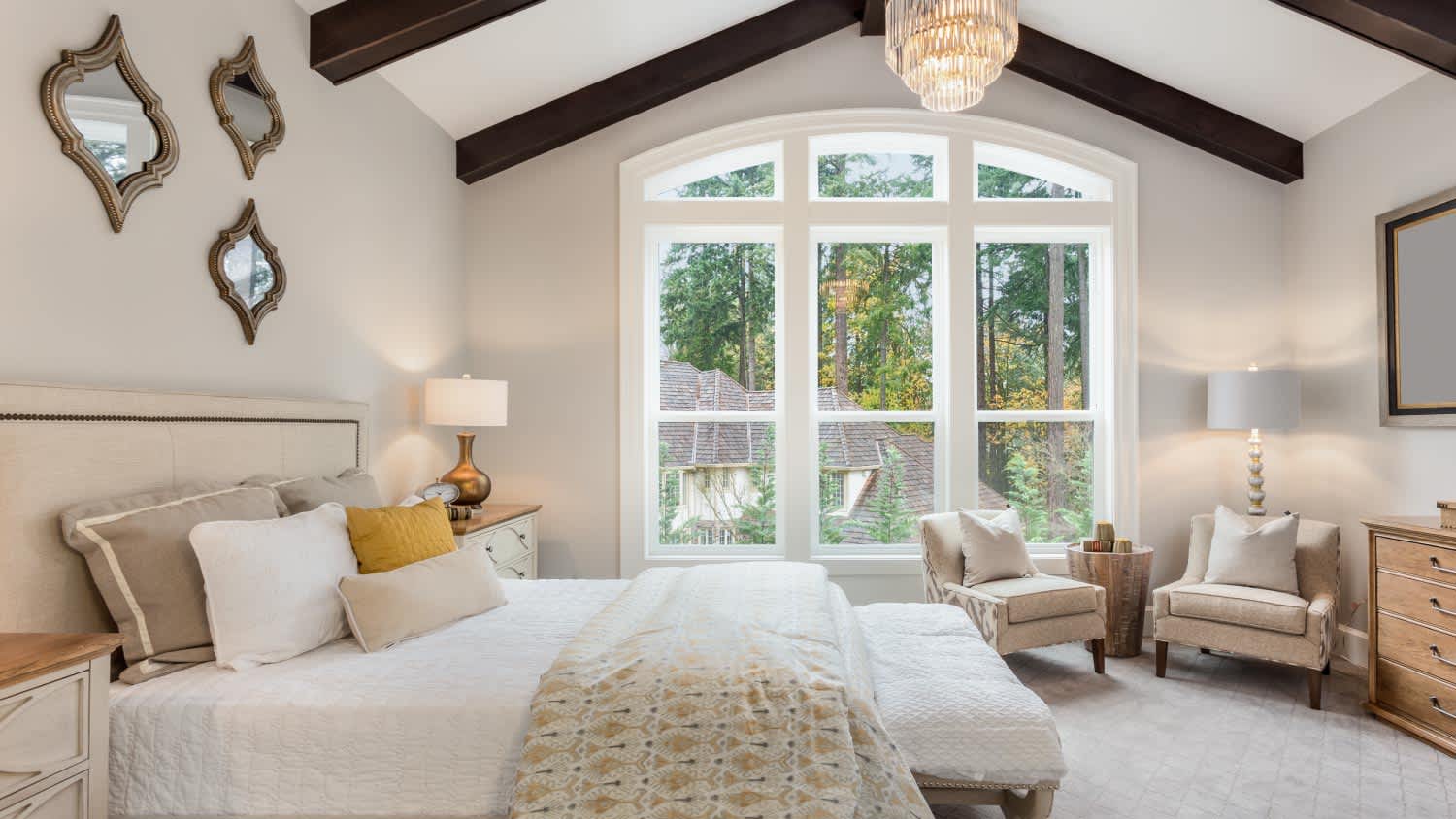
Discover average bedroom addition costs, including cost factors, labor rates, and tips to help you budget for your new bedroom addition project.
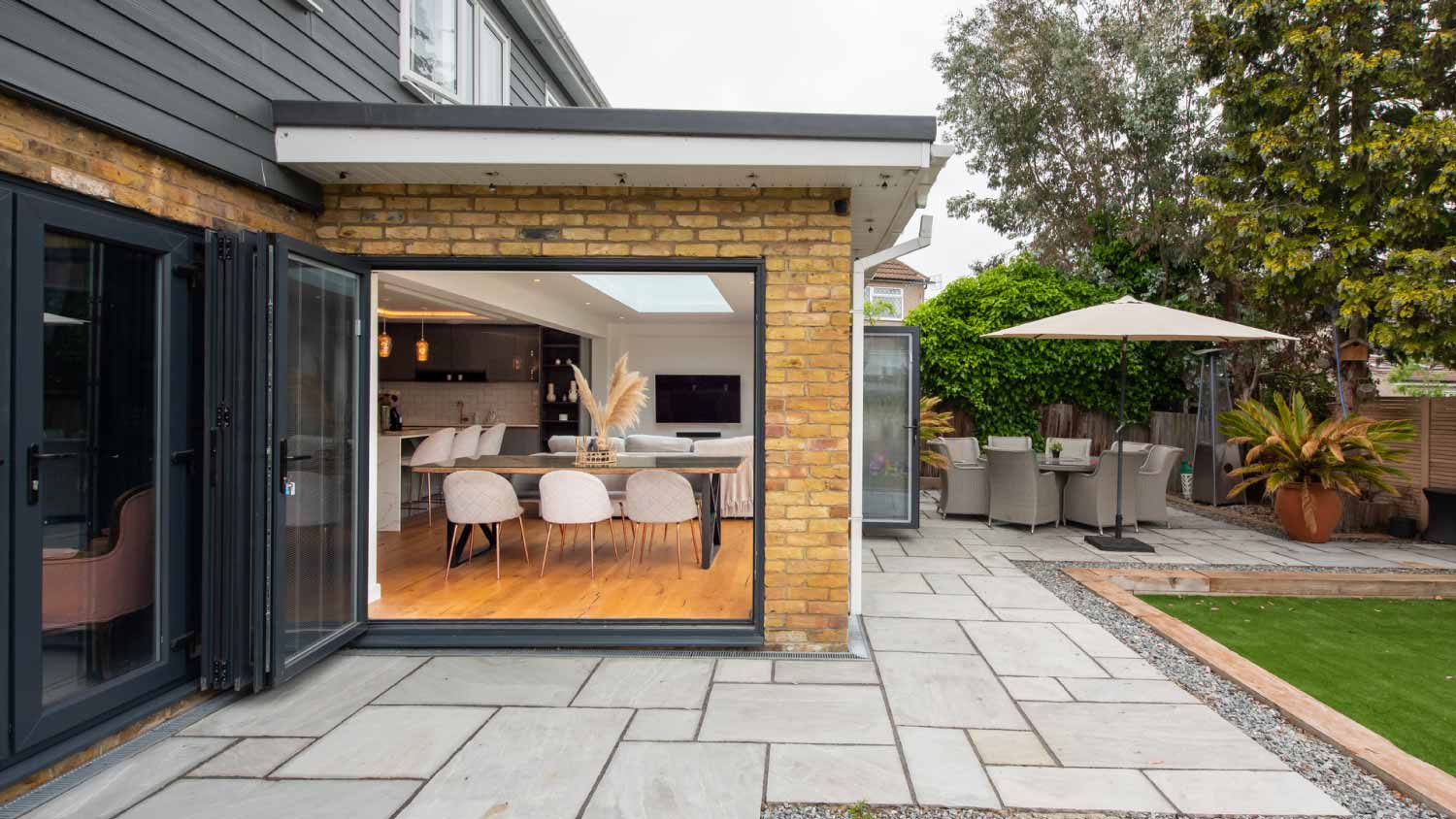
Dreaming of additional square footage and extra living space? Learn who builds home additions to make sure you get the best professional for the job.
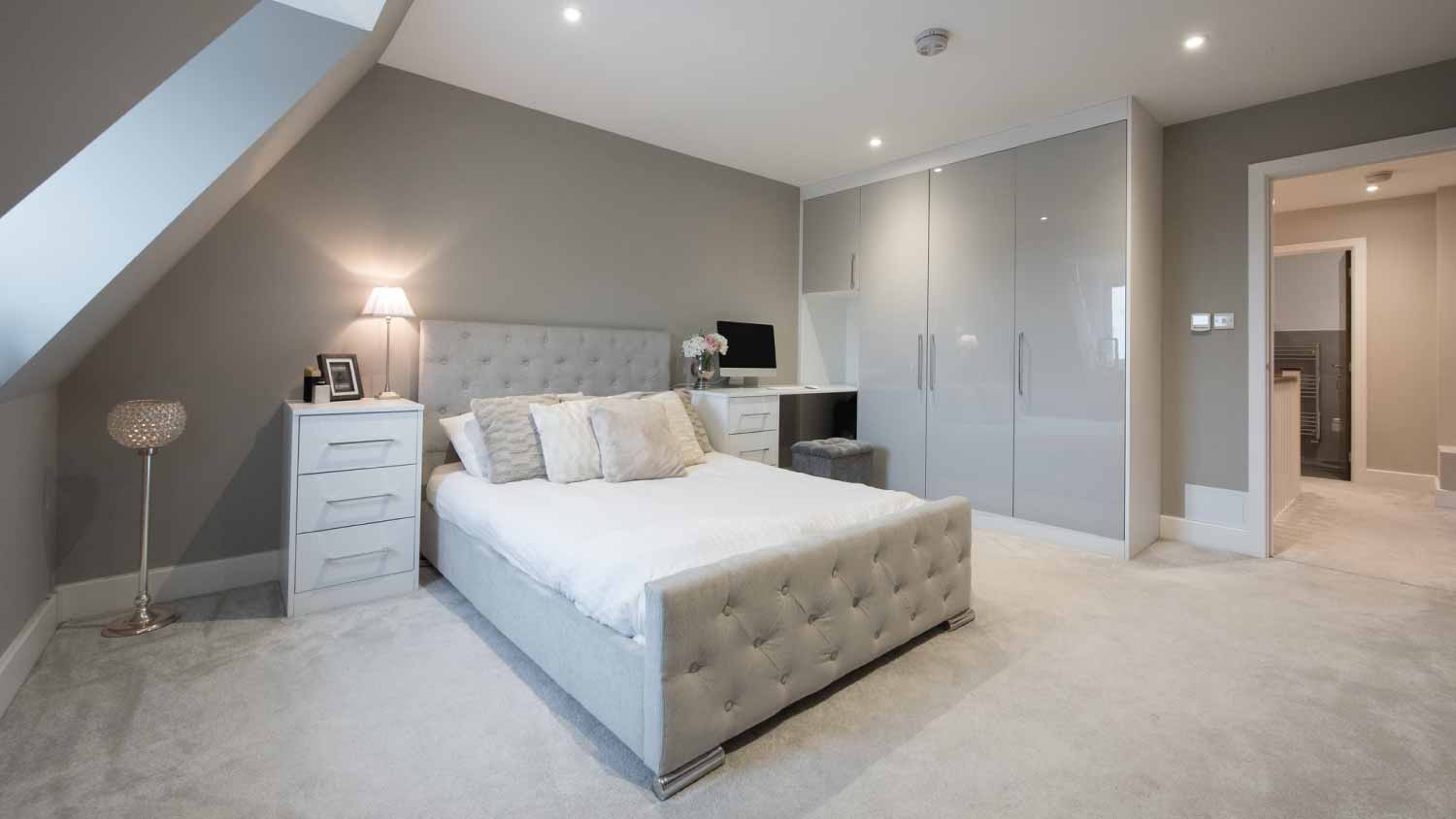
Building an addition can help you gain valuable living space in your home. Learn how much value an addition can add to your home and which additions add the most.

If your family is growing, you don’t need to look for a bigger house, you can simply consider building a home addition. Read these tips to learn how to tackle designing your dream home addition project from concept to blueprint.