
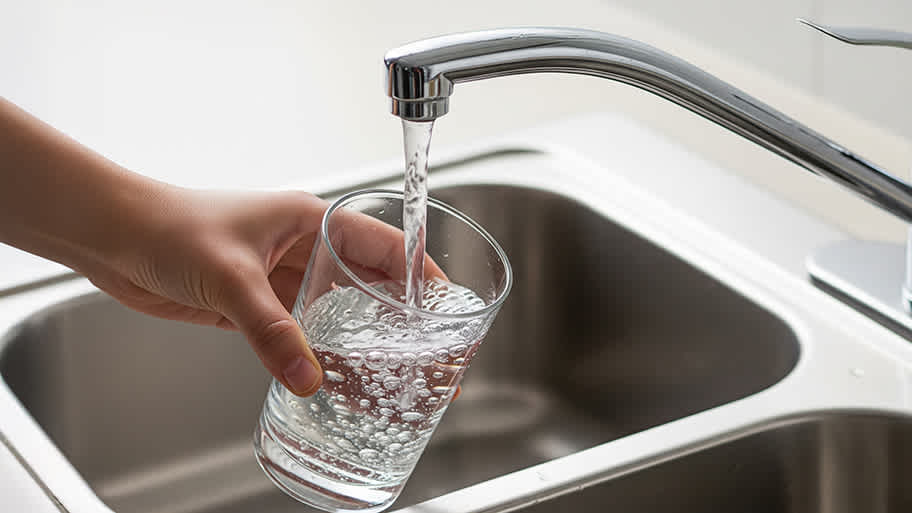
On average, a reverse osmosis water filter costs around $2,200, but there are a few variables that impact the total price. Learn about them in this guide.
It’s a move forward for your tap water

An RO system works by pushing your tap water through multiple filters and a semipermeable membrane that removes up to 98% of dissolved solids and contaminants.
Expect to pay up to $4,800 for a whole-house reverse osmosis filtration system, and professional installation keeps your water safe and your system running efficiently.
Your filtered water tastes better because the reverse osmosis process removes chlorine, bacteria, lead, pesticides, and dozens of other impurities that affect flavor and odor.
Hiring a local water softener installation professional provides reliable setup and ensures your RO system filters work correctly for years of clean, fresh water.
Tired of having to lug large water jugs or cartons of water bottles around your house? A home water filtration system is an easier way of getting a fresh, clean glass of water any time you need it without the extra exercise. There are many types of water filters on the market, but a reverse osmosis (RO) system is often touted as the most effective for home use. Read on to learn about how a reverse osmosis water filter works and whether it’s right for you.
In a simple three-stage reverse osmosis system, water passes through sediment and carbon filters in addition to the reverse osmosis membrane, after which it is kept in a storage tank so that it’s ready for you at the tap. More complex—and more expensive—RO systems have more stages of water filtration. Here’s how it works:
Water is first sent through a sediment pre-filter that removes dirt, rust, sand, and silt from the water.
A home filtration system and water softener can greatly improve the quality and safety of your water at a relatively low cost. Compared with purchasing bottled water for drinking and cooking, replacing expensive appliances, and time spent cleaning showers and bathrooms, water filtration and softening equipment can be very cost-effective.
Next, a carbon filter removes VOCs, chlorine, and other contaminants from the water. Some of the more complex systems might have two carbon filters at this stage, or they might have one as a pre- and post-filter, including one that “polishes” water right before it comes out of the tap.
The semipermeable membrane contains small pores that allow water to pass through while leaving behind up to 98% of total dissolved solids. If this were the process of osmosis, water would become more concentrated as it passes through the filter system in an effort to keep things even on both sides of the filters. However, because this is reverse osmosis, the water becomes less concentrated as the pollutants are pulled out.
A reverse osmosis filtration system can produce clean water at a rate of 2 to 3 ounces per minute. That would make for a very slow fill of your water glass, which is why the storage tank is an important part of any RO system. This is where the clean water is stored so that it’s ready and waiting for you when you turn on the faucet.
According to Angi customers, about 36% of homeowners notice strange tastes or odors in their drinking water. From chemical or rotten egg smells to metallic or salty flavors, these warning signs may point to plumbing corrosion, bacteria, or other water quality concerns. The safest step is to call a professional who can diagnose the issue and ensure your home’s water stays clean and safe.

Here are some of the key benefits of installing a reverse osmosis water filtration system in your home:
The reverse osmosis water filtration process pulls out dozens of pollutants and other impurities, including bacteria, lead, pesticides, nitrates, fluoride, sulfates, Arsenic V, and perfluorooctane sulfonic acid (PFOS), among many others.
Your tap water will taste better, thanks to the removal of all those contaminants that were causing it to smell and taste bad in the first place.
You need a pro to install a reverse osmosis system, but water filter maintenance is an easy DIY job. Just make sure you have the compatible replacement parts on hand so that you don’t have to interrupt the flow of your filtered water.
Although a whole-house reverse osmosis filtration system can cost as much as $4,800, it works out to be mere pennies per gallon of filtered water. Considering what you might have already been paying for monthly water delivery service or cases of water bottles from your local big-box store, a reverse osmosis system will pay itself off over time.
Using a home water filtration system and filling a reusable bottle can provide significant cost savings and environmental benefits over plastic bottled water.
Even if it didn’t hurt your wallet much to purchase all those bottles of water at your local big-box store, you still might have worried about recycling all those bottles instead of sending the plastic to the dump. With a reverse osmosis filter, you can rely on your tap water, instead.
A local water softener installer company can give you more specific information about how an RO water filtration system will work for your specific needs.
If you’re good people wanting to do business with good people, hire Matt. He is a consummate professional and utterly competent. He installed a water heater in my home at a price that beat competitors by hundreds of dollars with a promise to support the unit for its life (even after its 6 yr...
 Greene's Plumbing Services
As usual with ECO, tech Jordan was outstanding, very professional, very knowledgeable, and very thorough with repairs made to tankless water heaters. Very highly recommend ECO!!!
 Eco Plumbers, Electricians, and HVAC Technicians
Did a great job replacing the ice maker and water regulator on my refrigerator. He was quick and thorough, very friendly and professional. If I needed a heart transplant I'd want him to do it!!!
We had a gutter blockage that was causing water to sheet down the side of the house and ultimately it started to come in at a window (need mortar people next). Called around 7:30am, and he responded by 8am. He was able to come out the same morning and do a look over and clean out. He also...
Scott checked our large crawl space for mold and water infiltration and recommended a viable solution. The crew was efficient and they cleaned up well after the job. The job was expensive but I am confident that I won't have to deal with the problem again. Highly recommend.
 AdvantaClean of Dublin
They were the most through inspecting the water system in my house. Even going the extra mile to get the water professionally tested for contamination.
 Hague Water Conditioning, Inc.
It went very well. The drain is absorbing all the access water. I had other estimates a year earlier and Hughes was right on. I will use them, again.
 Hughes Construction Co
Very well. Have already used them again to fix hot water heater
 Service Olympians
The Paul Davis team was very professional and went the extra mile to take care of my water damage. The work was very high quality and done in a timely manner. I would highly recommend their services.
 Paul Davis Restoration
Honesty is hard to find in business today. GBR met me today at a 3 story building regarding my being told that I needed to tuckpoint the brick because of water leaks. The owners took the time to evaluate the situation and advised me that I did not need their service at all. They pointed me...
 GBR Masonry Inc
From average costs to expert advice, get all the answers you need to get your job done.
On average, a reverse osmosis water filter costs around $2,200, but there are a few variables that impact the total price. Learn about them in this guide.
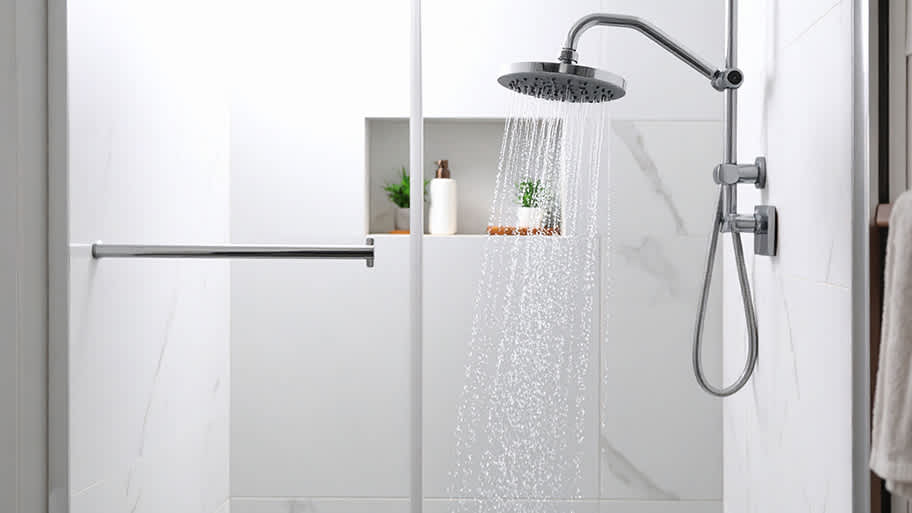
Water softener repair costs can add up, but they’re almost always worthwhile. Use this guide to see what your project is going to cost before you get started.

When it comes to reverse osmosis versus filtered water for your household’s needs, both have clear advantages. See which one fits your home here.
Looking to freshen up your home water supply? Consider the pros and cons of a water softener system versus reverse osmosis with this guide.
Considering reverse osmosis versus carbon water filtration for your home? Carbon filters can remove some impurities, but RO removes a lot more.

Learn more about water filtration and which type of system is best for your home.