

Filtered water is different from distilled water, mainly in terms of the purification process, health benefits, and cost of the system.
It’s time to purify any cloudiness and confusion between distilled and purified water

Distilled water is created by boiling water and collecting the vapor, while purified water is filtered through reverse osmosis or deionization methods.
Water distillers cost $1,200 to $4,000, while purified water systems like ion exchangers cost $500 to $3,000 and reverse osmosis systems average $2,200.
Distilled water removes all minerals and contaminants for maximum purity, while purified water keeps healthy minerals like calcium and magnesium for better taste.
Hiring a local water softener installation professional keeps your whole-home purification system running smoothly, handling proper setup and ongoing filter maintenance with confidence.
Whether you’re perusing the water aisle in a grocery store or looking up ways to get rid of hard water in your home, two common options may catch your eye: distilled and purified water. While they share some similarities, the main difference is that distilled water is made by boiling water and collecting the steam it creates, resulting in an extremely high level of purity. On the other hand, purified water isn’t quite as clean and often contains leftover (healthy) minerals, like calcium and magnesium. Let’s clear up any confusion between the two so that you can choose the best water for your home.
Both types of water undergo processing to remove impurities (such as bacteria, algae, and lead), but distilled water also gets rid of healthy minerals and electrolytes. The processing method can differ, too, since distilled water is only produced through distillation. Purified water can be made in that manner, but there are other methods, as well. In the end, distilled water comes out purer—and pricier—than purified water.
Distilled water is the most pure form of purified water. It’s made using one method: boiling water and collecting the water vapor. What you get from this process is 99.9% pure water that’s free from almost all contaminants and minerals—including beneficial ones, like calcium, magnesium, and fluoride.
| Pros | Cons |
|---|---|
| Exceptionally pure | More expensive |
| Safe for drinking | Uses more energy |
| Won’t increase mineral buildup in appliances | Lacks healthy minerals |
Best for:
Immunocompromised individuals who need highly pure water
People living in areas with poor water quality
Parents who feed their babies with formula
Distillation is one of the most effective methods for removing contaminants from water, resulting in water that’s almost 100% pure. This is especially valuable for people with certain health conditions because distilled water doesn’t include any bacteria, viruses, or pesticides.
Because the distillation process removes chemicals and minerals, some people use distilled water in their cars, home appliances, or aquariums so that they don't have to worry about mineral buildup.
Distilled water is more expensive than other types of purified water. The distillation process requires a large tank, which increases the price of installation and your ongoing energy costs. Plus, it takes up more space in your home than a water purification system.
In addition, distilled water is so pure that very few, if any, particles remain in the water after the distillation process. However, not all minerals are harmful. In fact, many minerals, like calcium, magnesium, and fluoride, are beneficial to your body in small quantities.
Purified water is water that’s been filtered to remove impurities. There are several types of purified water (including distilled water), but they’re all at least 95% pure. Purified water isn’t limited to just the distillation method alone—though you can definitely use a distiller to create purified water. Two other methods for purifying water include reverse osmosis and deionization.
| Pros | Cons |
|---|---|
| Less expensive | Doesn’t remove as many contaminants |
| Includes healthy minerals | Requires regular filter changes |
| More energy efficient | Some systems remove fluoride |
Best for:
Anyone who wants cleaner, fresher-tasting water
Folks looking for filtered water that still contains healthy minerals and electrolytes
People searching for a more compact, cost-effective alternative to a distilled water system
Unlike distilled water, purified water often does contain healthy minerals—be it through remineralizing the water for flavor and health or through its less intense purification process. These systems are also less expensive to install and more compact than water distillers.
Reverse osmosis and ion exchanger systems are more eco-friendly than a water distiller, which must constantly boil water as part of the distillation process. As a result, you’ll save on energy costs.
The main downside of purified water is that it often contains more contaminants than distilled water. This may be a concern for people with compromised immune systems and certain health conditions.
In addition to removing impurities, some water purification systems also remove fluoride, which might be an issue if you’re a fan of fluoridated drinking water. Finally, while the energy costs may be lower with a reverse osmosis or ion exchanger system, you need to factor in the price of replacement filters.

Let’s look at how distilled and purified water compare in terms of water cleanliness, cost, installation, and more.
Distilled water is the most purified water possible. Distillation removes 99.9% of impurities, while purification removes around 95% of impurities from water, depending on the system and its capabilities.
Since your water distiller needs to consistently boil water, you’ll find your energy bills may also boil over your usual monthly expenses. Reverse osmosis and ion exchangers used in water purification are far more energy efficient because they don’t require heating of water to achieve purification.
On average, water distillers range from $1,200 to $4,000. Water purification systems are less expensive. Ion exchangers cost between $500 and $3,000, and reverse osmosis systems cost $2,200 on average.
However, while water purification systems may cost less than water distillers upfront, you'll need to change the filters routinely to maintain your water softener—which can add up over time.
Some purified water systems can be installed as either point-of-entry or point-of-use systems. Point-of-entry systems are whole-home systems that treat your entire home. They’re larger, and the process occurs in a tank. Meanwhile, point-of-use systems are installed in one location, like your shower or beneath your kitchen sink. These systems treat your water on demand, so they don’t require large storage tanks.
A distilled water system needs a boiling chamber, condensing coils, and a storage tank to treat and store the water. They are much larger, so factor in the size of your water softener when making a decision for your filter. If you want a smaller water distiller for drinking water or small applications, you can purchase a distiller that looks similar to a kettle, which distills around 1 gallon of water.
If you’re installing a point-of-entry purification system, it’s best to work with a local water softener installation company, as these systems can be large and require knowledge of how to install a water softener.
Allie Ogletree contributed to this piece.
If you’re good people wanting to do business with good people, hire Matt. He is a consummate professional and utterly competent. He installed a water heater in my home at a price that beat competitors by hundreds of dollars with a promise to support the unit for its life (even after its 6 yr...
 Greene's Plumbing Services
As usual with ECO, tech Jordan was outstanding, very professional, very knowledgeable, and very thorough with repairs made to tankless water heaters. Very highly recommend ECO!!!
 Eco Plumbers, Electricians, and HVAC Technicians
Did a great job replacing the ice maker and water regulator on my refrigerator. He was quick and thorough, very friendly and professional. If I needed a heart transplant I'd want him to do it!!!
We had a gutter blockage that was causing water to sheet down the side of the house and ultimately it started to come in at a window (need mortar people next). Called around 7:30am, and he responded by 8am. He was able to come out the same morning and do a look over and clean out. He also...
Scott checked our large crawl space for mold and water infiltration and recommended a viable solution. The crew was efficient and they cleaned up well after the job. The job was expensive but I am confident that I won't have to deal with the problem again. Highly recommend.
 AdvantaClean of Dublin
They were the most through inspecting the water system in my house. Even going the extra mile to get the water professionally tested for contamination.
 Hague Water Conditioning, Inc.
It went very well. The drain is absorbing all the access water. I had other estimates a year earlier and Hughes was right on. I will use them, again.
 Hughes Construction Co
Very well. Have already used them again to fix hot water heater
 Service Olympians
The Paul Davis team was very professional and went the extra mile to take care of my water damage. The work was very high quality and done in a timely manner. I would highly recommend their services.
 Paul Davis Restoration
Honesty is hard to find in business today. GBR met me today at a 3 story building regarding my being told that I needed to tuckpoint the brick because of water leaks. The owners took the time to evaluate the situation and advised me that I did not need their service at all. They pointed me...
 GBR Masonry Inc
From average costs to expert advice, get all the answers you need to get your job done.
Filtered water is different from distilled water, mainly in terms of the purification process, health benefits, and cost of the system.

Distilled water is one of the purest forms of water you can have in your home, but what is distilled water exactly? Keep reading to find out more.
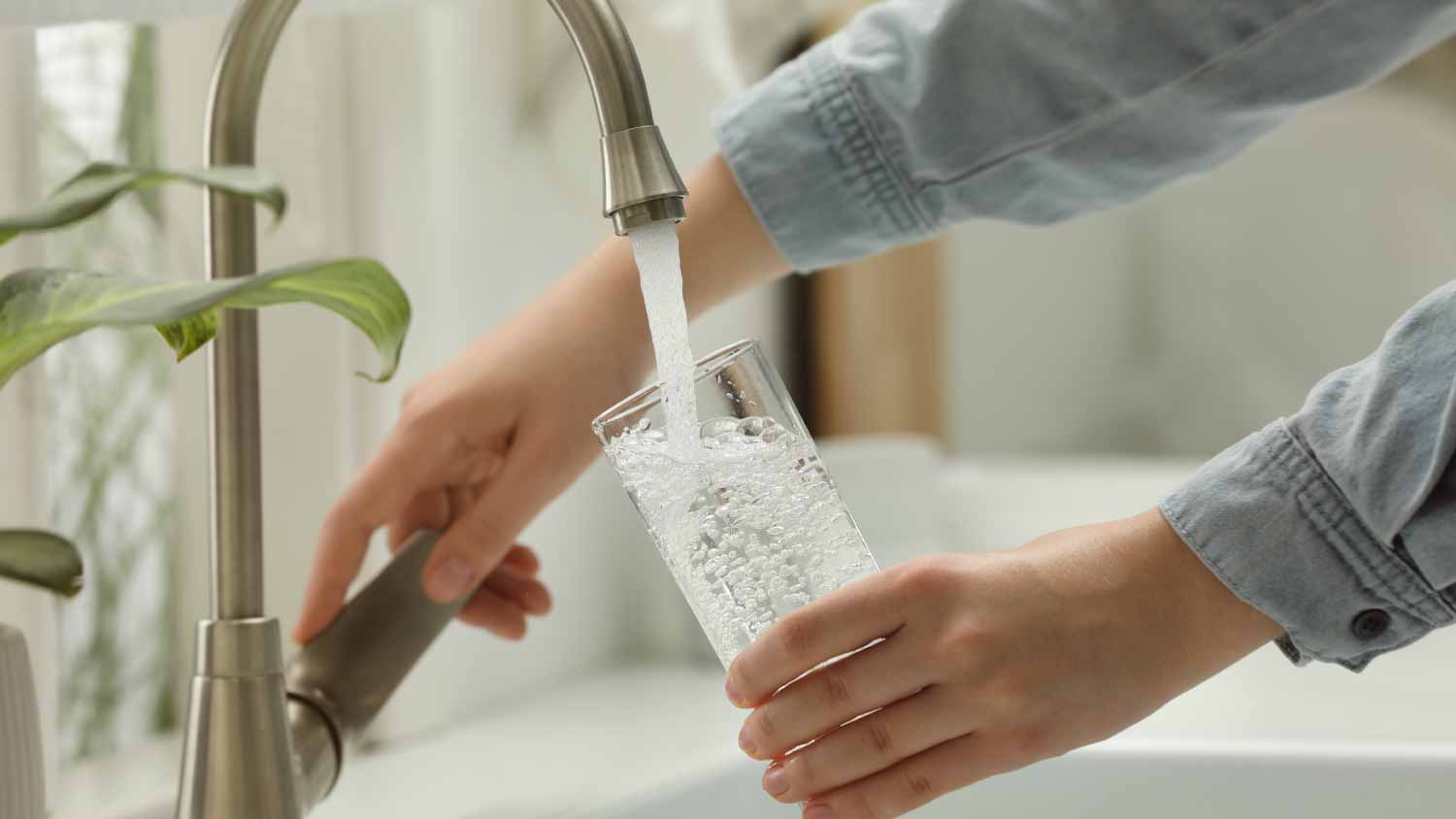
A water purifier removes contaminants but is often used at the municipal level. Learn why a water filter is better for home water purification.
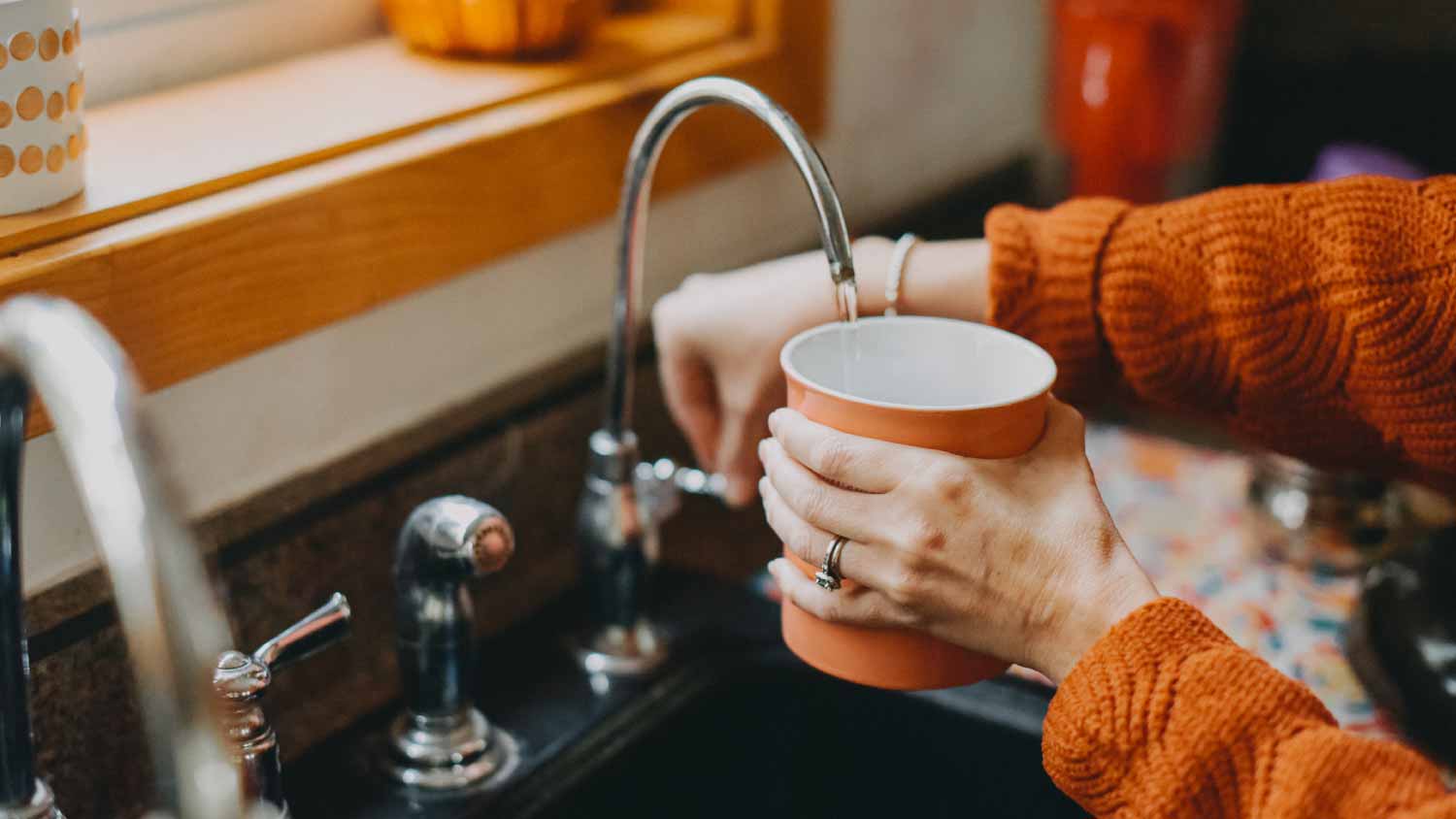
Discover the key differences between a water filter versus water purifier. Find out which option is best for your household's water needs.

Learn more about water filtration and which type of system is best for your home.

When it comes to reverse osmosis versus filtered water for your household’s needs, both have clear advantages. See which one fits your home here.