
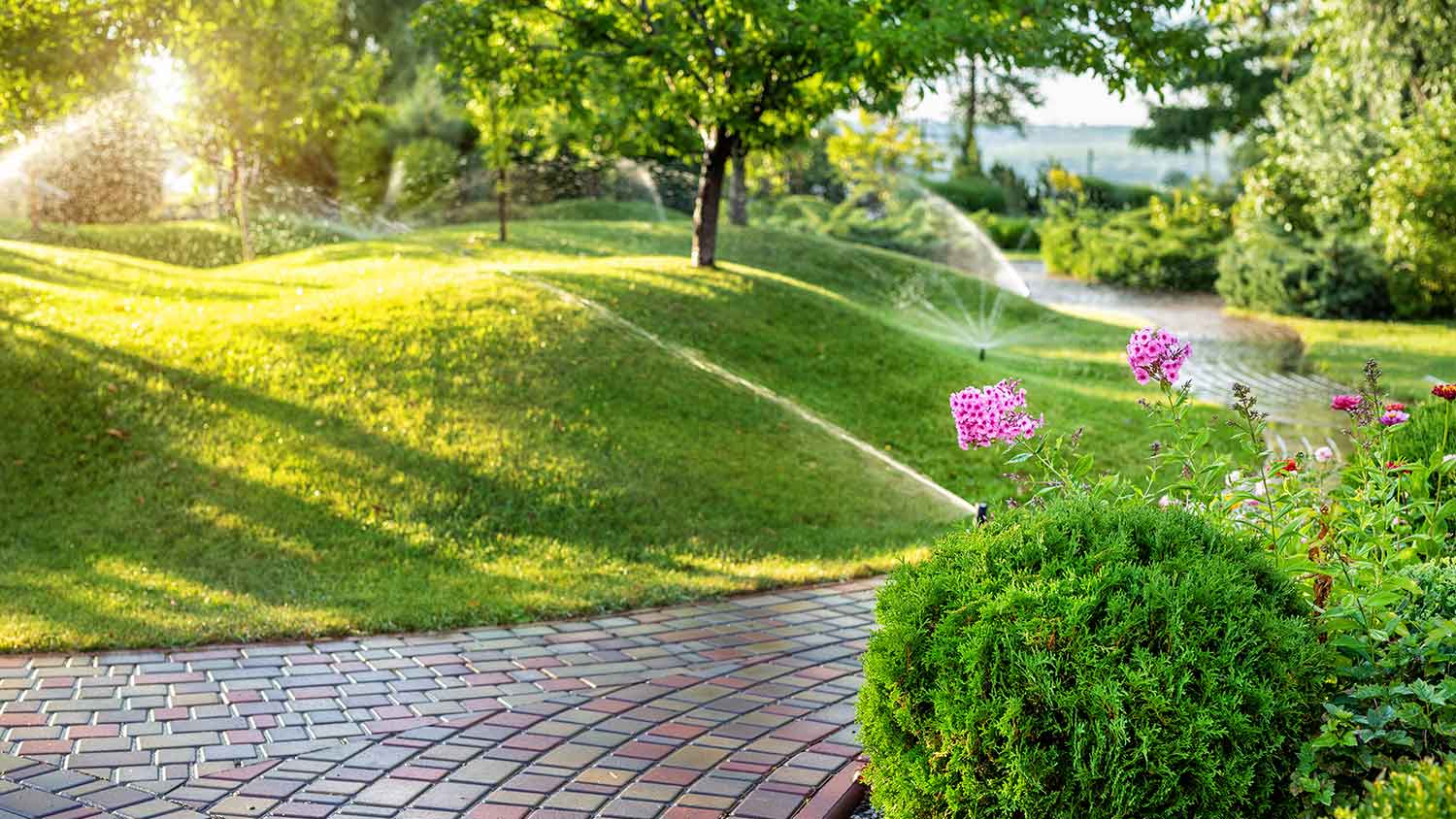
A lawn sprinkler can make light work of watering your yard. Find out how much a sprinkler system installation costs based on lawn size, system type, and other factors.
The grass is always greener… on a well-watered property

Installing a bathtub liner gives your existing tub a fresh look without the full replacement cost, as long as your tub has no cracks or drainage issues.
Expect to pay $500 to $2,800 for DIY materials or around $6,400 for professional installation, while tub replacement costs $2,000 to $9,400.
You'll need to clean your tub thoroughly, remove all hardware, apply primer and adhesive, then carefully fit the liner to avoid trapping moisture underneath.
Hiring a local bathtub repair professional provides reliable help with proper sealing and adhesive application, preventing water damage and mold from improper installation.
Bright green grass, a blooming flower garden, and plump fruits and veggies all require a precise and consistent amount of water. To achieve a healthy lawn and garden, you should learn how to install a sprinkler system. Sprinklers help provide water at consistent intervals so that your plants never go thirsty. Here’s how to install an irrigation system to help your landscape thrive.
Map out the layout yourself, or tap a landscaping company for guidance. Use landscape flags or stakes and string to mark the path of the lines. If you’re giving your entire property an update, consider installing sprinklers before landscaping to avoid damaging the new lawn and garden.
You’ll also want to consider what types of sprinklers you want. Pop-up sprinklers are popular because they sit just underground away from lawnmowers and weed whackers until the timer turns on the system. However, you can enjoy sprinkler benefits, like a healthy lawn and a low-maintenance veggie garden, no matter what type you choose.

Before you can dig trenches and lay sprinkler lines, there are a few legal obligations. To prep for installing sprinklers, be sure to:
Check that your design meets local building codes, including backflow preventer requirements.
Apply and obtain appropriate permits for your project.
Call 811 to have any utility lines on your property marked.
Measure your property’s water source for pounds per square inch (PSI) and gallons per minute (GPM) to determine what sprinkler parts you’ll need.

You can use a trencher machine to dig narrow lines along the path of the sprinkler system. Make sure to avoid any areas marked as utility lines, and follow the strings you placed for mapping out the sprinkler system. The trenches should be 8 to 12 inches deep.
Shut off the water supply, then locate the main water line for your property. For warmer climates, you can connect your sprinkler pipes to an outdoor spigot for the water supply. For cooler climates, you’ll need to locate the main water line underground.
Because this process involves cutting into the main water line, you should hire a plumber for this step. In some cities, only licensed pros can legally access and alter the main water line.

A few feet away from where the sprinklers connect to the water source, dig a hole that’s 18 inches deep and 3 feet wide. Layer up to 2 inches of gravel at the bottom. This is where you’ll place the valve box.
Following the manufacturer’s instructions, assemble the valve box. It should contain the sprinkler valves that control water flow to each sprinkler zone, a master valve that controls the entire system, and a manifold that carries water to the various valves.

Follow the sprinkler system’s manual for wiring the sprinkler valves and the master valve. If you’re unsure how to handle the wiring, call a sprinkler installation pro or local electrician for assistance.
Here’s one of many helpful sprinkler maintenance tips: Make sure you jot down what color wires you assign for the sprinkler valves for each watering zone. The common wire is white, but the other wires can be color-coded to your preferences. If you need to inspect or make repairs for specific zones in the future, knowing the wire color coding will make the process easier.
Based on the design layout, use pipe cutters to cut the pipes for the trenches. Then, begin laying the pipes in the trenches, connecting them together as you go with connectors and PVC cement. Continue this process until the pipes for all trenches are connected.

Once you’ve arranged and connected all the sprinkler lines around your yard, you can hook up the lines to the valves. Use elbow pipes to connect the lines around and into the valve box. Make sure the pipes now connect from the main water source to the backflow preventer to the valves and then to the sprinkler lines.
Before attaching the sprinkler heads, make sure the master valve and sprinkler valves are off, then turn the water supply back on. Now, open the master valve and open each sprinkler valve one at a time to flush the system. Close the valves and shut the water back off before continuing.
To add sprinkler heads, you’ll need to connect risers to the sprinkler lines using cement and fittings, then screw on each sprinkler head to each riser.
With the lines and sprinkler heads in place, you can wire the sprinklers to the timer, or controller. Follow the manufacturer’s instructions for wiring or hire an electrician.

Now, it’s time to get your sprinklers ready to spray. Turn the water supply back on. Go to the timer, also known as the controller, to program the spray settings for each sprinkler zone. Turn on the sprinkler system and check that each sprinkler is spraying the appropriate area. Adjust any sprinkler heads as needed.
If a sprinkler zone isn’t working, the valve for that zone may have incorrect wiring or a faulty solenoid. When troubleshooting your sprinkler system, make sure the power and water are turned off before inspecting the wiring. Be sure to hire a sprinkler installation pro if you’re not confident in handling wires. Otherwise, you could be shocked.
Once you’re satisfied with the water coverage, make sure the timer is set to your programmed settings and let the sprinklers handle irrigating your landscape.
Installing a sprinkler system costs $800 for permits, inspection, and planning, plus around $0.20 to $1 per square foot of lawn that you’re irrigating. If you don’t own a trencher for digging sprinkler lines, you’ll need to budget $100 to $150 per day to rent one. In total, you’ll spend an average of $1,500 to $2,000 to install a sprinkler system.
Backflow testing is not a DIY job. You could face legal consequences if you try to conduct a backflow test on your sprinklers without certification. Call a sprinkler pro to complete this test quickly, safely, and legally.

Expert installation adds between $100 and $1,600 to the project total, but hiring a sprinkler installer near you is worth the investment. When DIYing, you risk damaging the sprinkler pipes, installing too many or too few sprinkler heads per zone, or even digging into utility lines by mistake.
Any one of these mistakes can lead to an overwatered lawn that attracts pests, a patchy and dried out lawn, or a flooded property. Digging into utility lines can also pose risks of power outages, gas leaks, shocks, fires, and other disasters in addition to costly fines.
Cody did a great job!
 Itzelpainting
Wonderful. I am going to have them remove and replace my driveway in the spring.
 All Star Paving and Sealing
We had a 20+ year old landscape lighting system that needed replacement. Midwest Lightscapes worked with us to design a much improved lighting system, lighting the exterior of the house and the back yard. Installation of the 45 light system took one and one-half days, and went very smoothly....
 Midwest Lightscapes
Did an amazing job transforming my yard. Also installed sod in places, would recommend to everyone.
 Cardinal Landscaping & Construction LLC
Always been satisfied with the service work and how they have taken care of my pool.
Bill Gerhardt sold the company to his employees at the end of 2019, apparently without a workable succession plan and without notifying prospective customers of this fact. Most aspects of the maintenance contract have not been fulfilled: no installation of anual plantings per contract, no...
They show up and they did take us on as a client which seems to be a problem with other lawn care providers. We have multiple properties and this one was located close to downtown and no one really wants to mess with it.
I was very happy with the service provided by AK Irrigation. They responded quickly to my email, and the woman I spoke with was polite and professional. I was able to get an appointment that same week. <br /> The technician (Tyler) arrived on time. He was very knowledgeable, and worked...
 AK Irrigation
The worker came out when he was supposed to come. He informed me he would honor the Angie's List deal, but would not do any more work for me since my son in law owns lawn care company as well, even though they do not do the same type of work. He said he did not feel comfortable giving me...
 Bello Giardino LLC
E & L Lawn Care was super. They were very responsive before and after service. They were efficient and were able to complete the job within 1 day. I have had concern about one section of sod - the owner was pro-active and did a visit to evaluate. I have no doubt they will stand behind...
 E&L lawn care
From average costs to expert advice, get all the answers you need to get your job done.
A lawn sprinkler can make light work of watering your yard. Find out how much a sprinkler system installation costs based on lawn size, system type, and other factors.
Find out how much a lawn sprinkler system installation costs in Orlando, FL, based on lawn size, system type, and other factors.
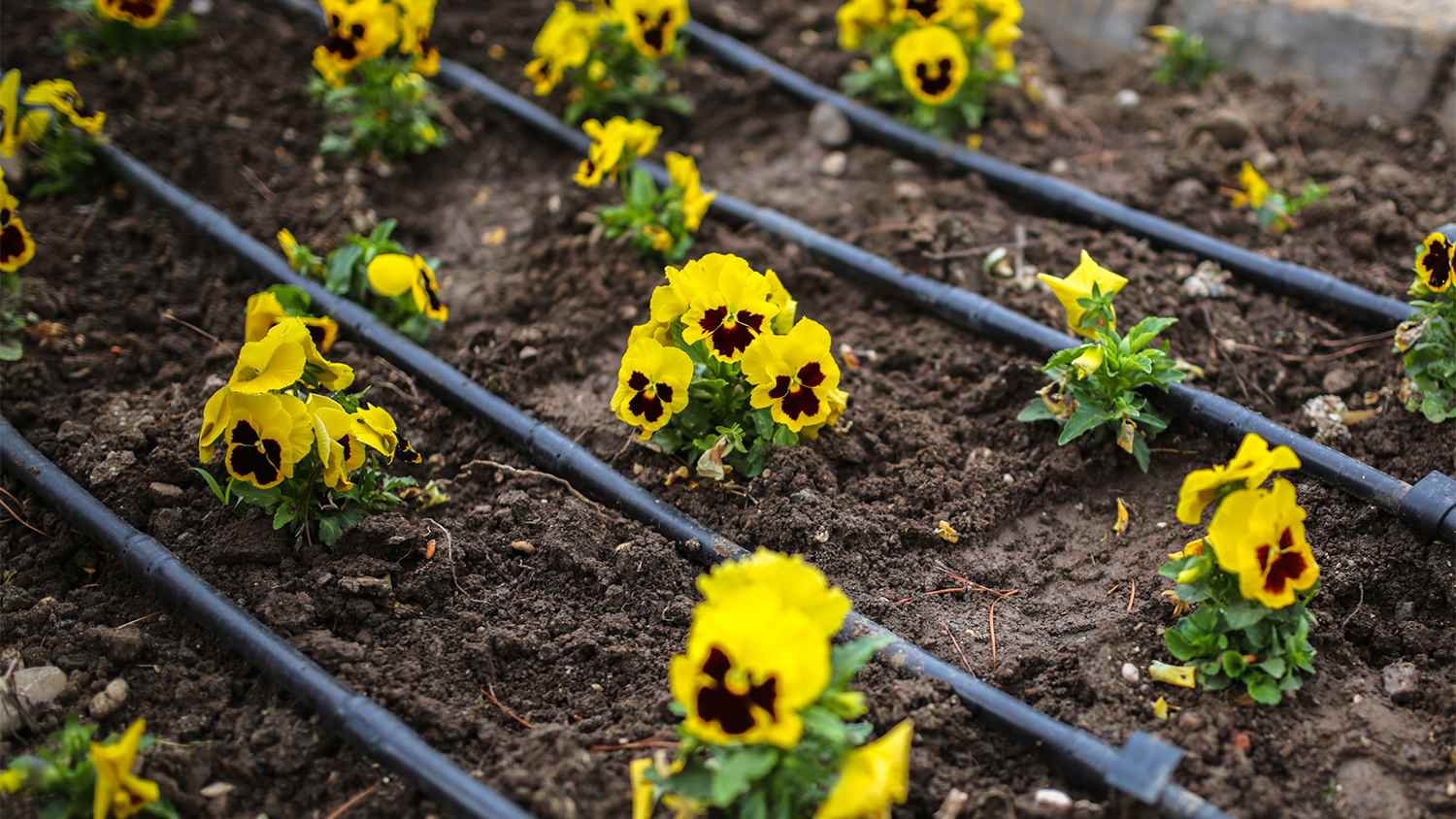
Discover drip irrigation system cost estimates, key price factors, and ways to save. Get transparent pricing to plan your home irrigation project confidently.
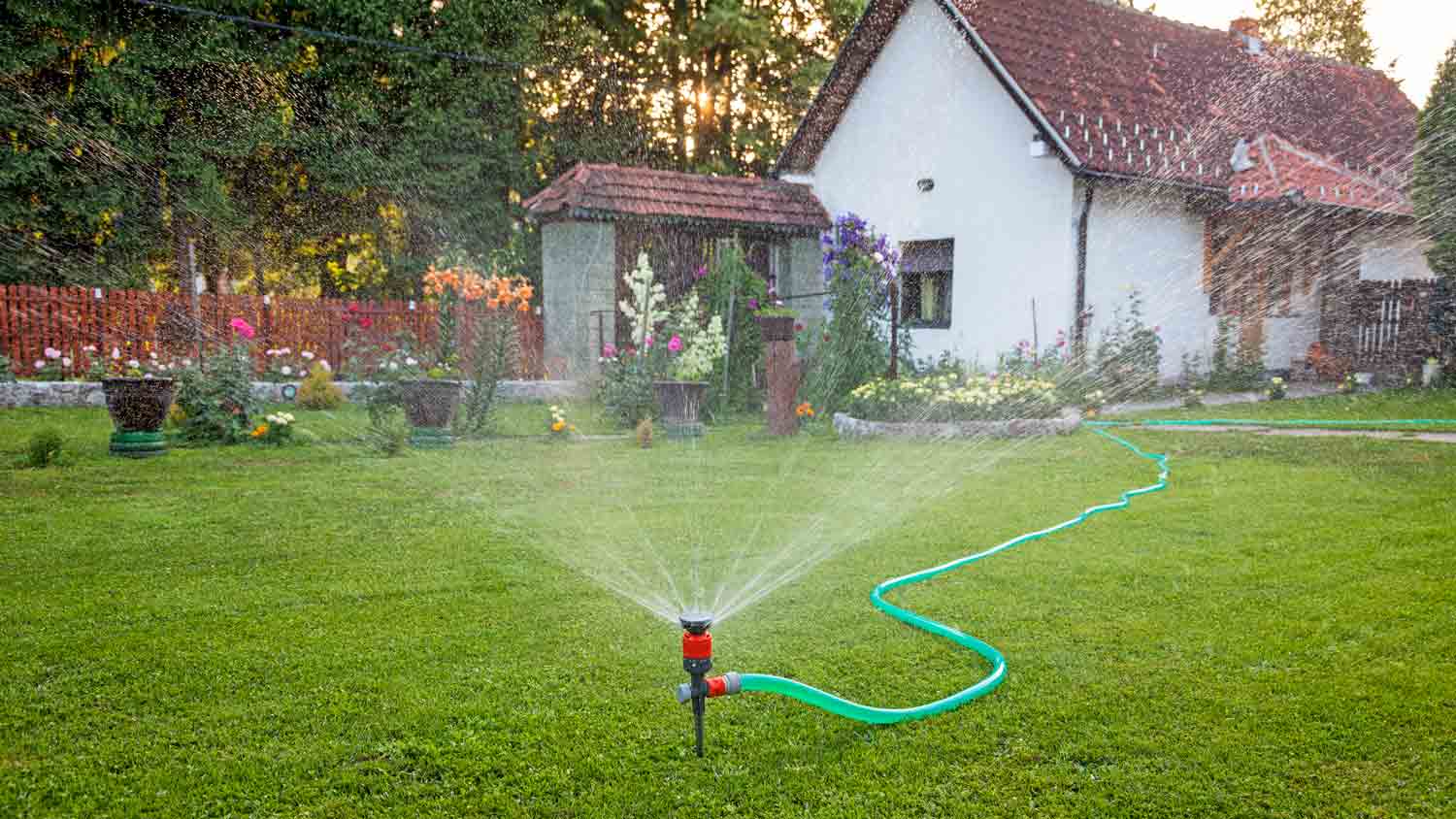
Need to repair a sprinkler or install a new one? Learn the parts of the sprinkler system and how they all work together to water your lawn and garden.
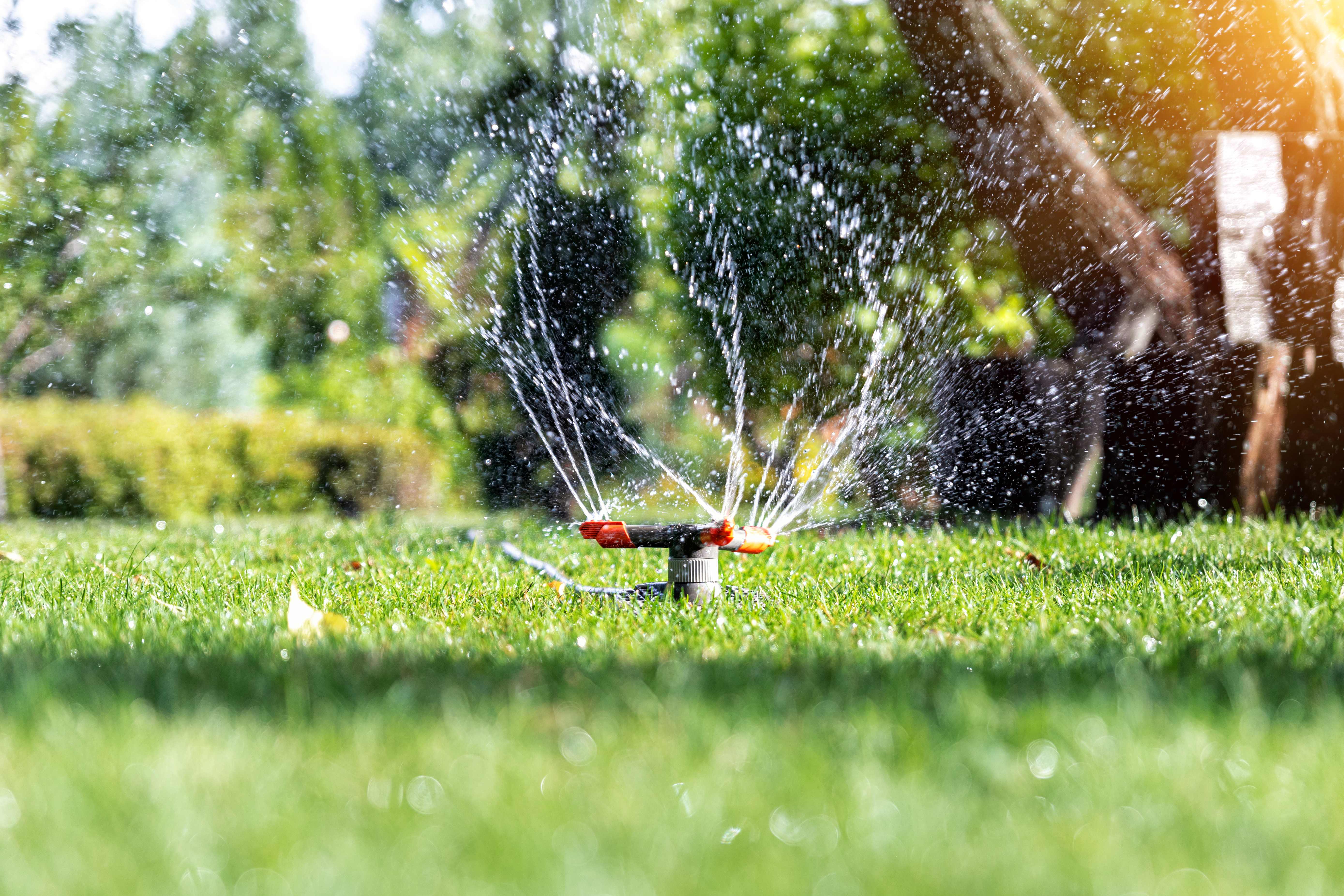
Looking to install a sprinkler system? Learn how to hire a sprinkler system installation pro, what qualifications to look for, and more.
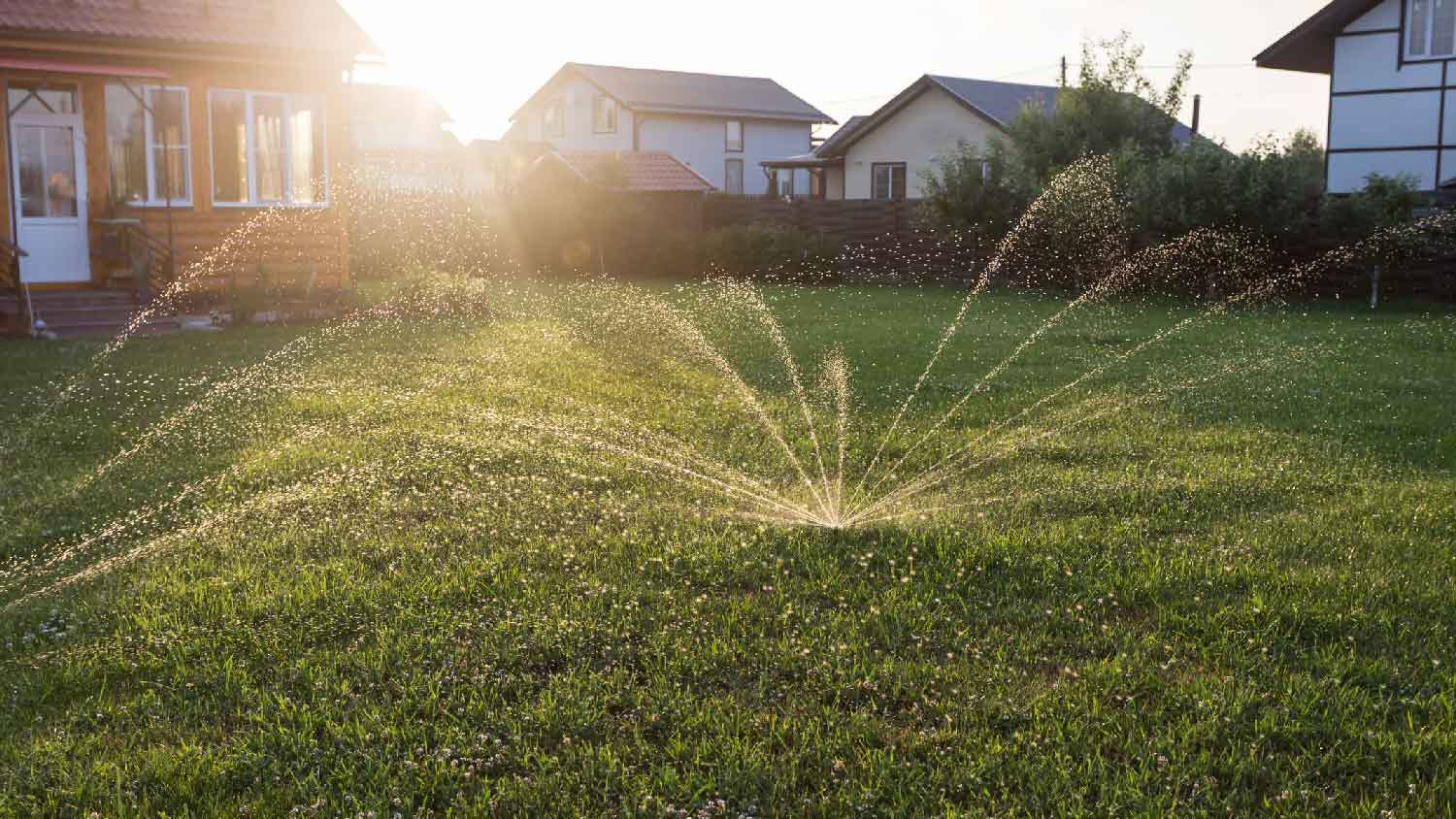
Need a pro to install a sprinkler system? Irrigation specialists can install sprinkler systems along your entire property, as well as some landscapers.