
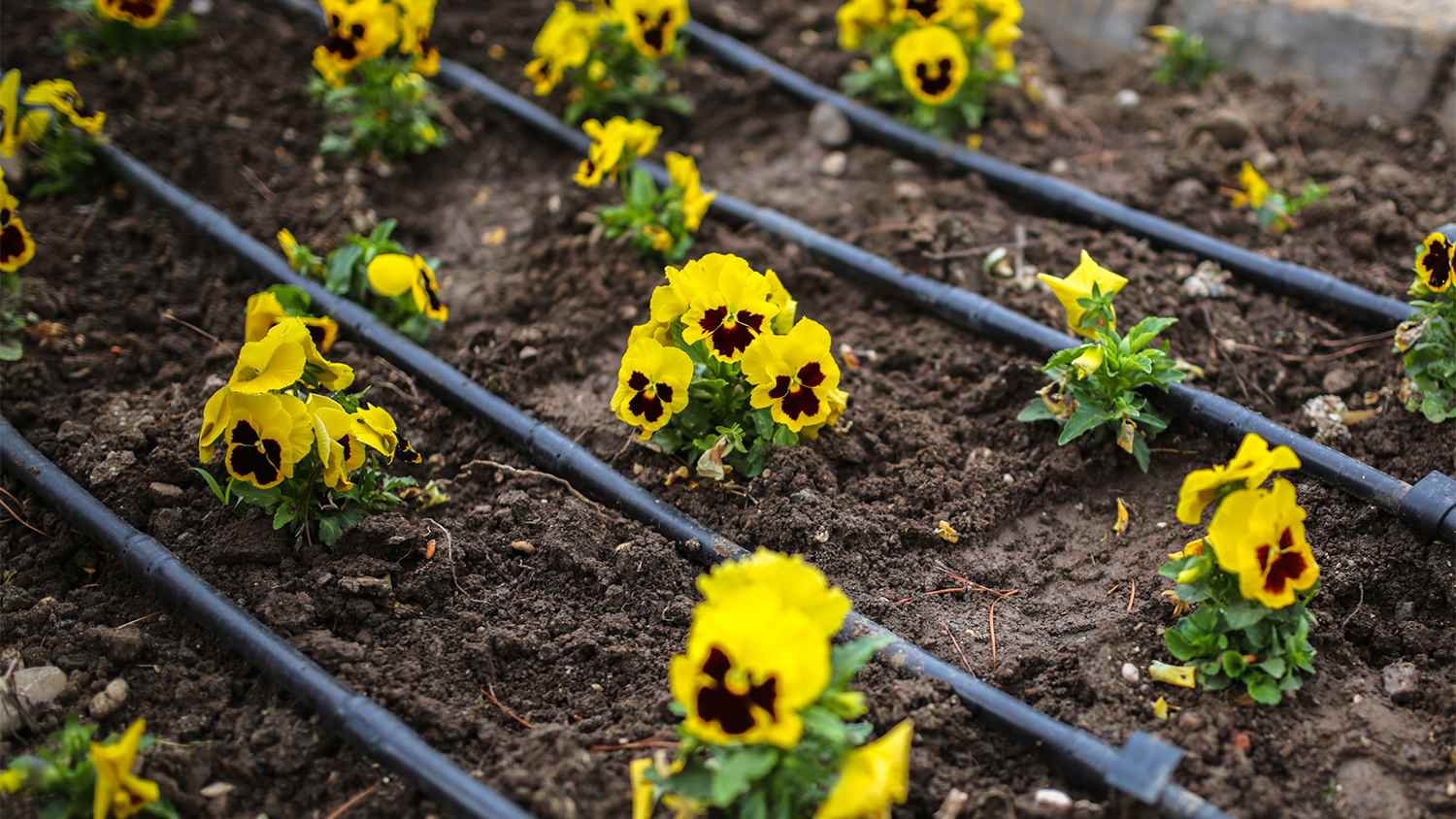
Discover drip irrigation system cost estimates, key price factors, and ways to save. Get transparent pricing to plan your home irrigation project confidently.
A sprinkle of care can help keep your irrigation system at its best

Your irrigation system maintenance schedule should include seasonal checks and professional inspections when turning the system on or off each year.
Replacing a single sprinkler head costs $15 to $20 when you handle the work yourself, making early repairs affordable and straightforward.
Cleaning your sprinkler heads at least once per year prevents dirt and debris from blocking water flow and creating brown patches in your lawn.
Hiring a local sprinkler installation professional provides reliable support with leak diagnosis, pressure adjustments, and system repairs that keep your yard healthy.
Whether it’s creating a play fountain for your kids, adding ambience to your slow-motion runs, or keeping your yard and flowers flourishing, your sprinkler system does a lot. To keep it working efficiently and effectively, proper irrigation system maintenance is key. Here are the best tips to care for your sprinklers.
Don't neglect your sprinkler system maintenance, such as annual cleanings and inspections. These upkeep tasks can help prevent costly issues like clogged pumps and leaking pipes.

An irrigation system has lots of small moving parts, which means there are multiple ways it could clog up or malfunction. You should check on your system at least once per season as the weather changes.
It’s also a good idea to get yearly or biannual professional sprinkler checkups and maintenance, ideally when turning on or shutting off your irrigation system for the season. That way, you can invest in the cost of sprinkler repairs before they become bigger problems. If you spot any issues, call a local sprinkler professional for a more in-depth analysis.
Dirt and other debris from the ground can easily clog up your sprinklers over time. If there are any blockages, areas of your lawn or garden could get missed and turn into dead or brown patches. It’s important to clean your sprinkler heads at least once per year to keep the system running efficiently. This typically entails removing the heads and soaking them in a cleaning solution—consult your manufacturer’s instructions to find out which cleaners to use.
Small sprinkler valve leaks are a slippery slope that can lead to larger drainage problems with your irrigation system. This can cause certain areas to get too much water, while others don’t get enough. Be sure to regularly check that water pressure stays consistent and that all areas are getting watered evenly.

Having your irrigation sprinklers running during a rainstorm isn’t just wasteful—it might also overwhelm your yard. If you don’t already have one, install a rain sensor that can shut programmed irrigators off based on soil moisture levels. Adjusting your system throughout the year based on weather and plant needs can also reduce water consumption.
If you notice more of a mist rather than a spray coming out of your sprinkler heads, this can compromise efficiency. The wind can carry water droplets from a mist and prevent them from reaching your plants. You can fix this issue with a water pressure regulator or booster pump. This step will avoid larger drainage problems from developing in the future.

Weeds, fungus, and disease can suck up more water than a healthy yard, so it’s important to stay on top of weed control. On top of that, they negatively plant health, often making your sprinkler system’s hard work be in vain. You can control weeds naturally with mulch or cardboard. Nab individual weeds by pulling them up by the root or spraying vinegar directly on the weed.
Grass and plants in landscaped beds typically require different amounts of water. Work with your trained irrigator, landscape professional, or university extension office to designate separate watering zones based on plant needs for your area and the time of year.

Once you know how much water your plants need, measure the output of your sprinkler to determine how long to run them. Set out tuna cans, measuring cups, or a flat cupcake pan and turn on your irrigation system or sprinkler. Water for 30 minutes and use a ruler to measure how much water got collected. Then, use this information to calculate how much time it takes to get the correct output from your sprinklers.
Adding 2 to 4 inches of mulch to beds keeps moisture in the ground, reducing the strain on your sprinkler system. The right type of mulch reduces evaporation, lessens temperature changes, and helps control weeds.
Whether you’re using an irrigation system, watering can, or garden hose, it’s always best to water early in the morning or late at night. Watering in the afternoon when the sun is at its hottest can lead to your soil drying out before the evening when lower temperatures and wind speeds reduce evaporation.
Smart technology is making lives easier in every field, including gardening and yard cultivation. Smart sprinklers can help you get the most luscious yard, brightest flowers, or best crop of veggies you’ve ever had.
You can set up a sprinkler system to deliver the perfect amount of water every day—that’s a pretty common feature. But smart sprinklers can also help you precisely configure your water output based on exactly what you’re growing and automatically adjust watering times based on a variety of factors, including the weather. This ensures that you’re not using your sprinklers too much, causing early wear and tear. With many systems, you’ll also get an alert to your device if something is wrong, cutting down on diagnostic time and allowing you to get to repairs quicker.
Cody did a great job!
 Itzelpainting
Wonderful. I am going to have them remove and replace my driveway in the spring.
 All Star Paving and Sealing
We had a 20+ year old landscape lighting system that needed replacement. Midwest Lightscapes worked with us to design a much improved lighting system, lighting the exterior of the house and the back yard. Installation of the 45 light system took one and one-half days, and went very smoothly....
 Midwest Lightscapes
Did an amazing job transforming my yard. Also installed sod in places, would recommend to everyone.
 Cardinal Landscaping & Construction LLC
Always been satisfied with the service work and how they have taken care of my pool.
Bill Gerhardt sold the company to his employees at the end of 2019, apparently without a workable succession plan and without notifying prospective customers of this fact. Most aspects of the maintenance contract have not been fulfilled: no installation of anual plantings per contract, no...
They show up and they did take us on as a client which seems to be a problem with other lawn care providers. We have multiple properties and this one was located close to downtown and no one really wants to mess with it.
I was very happy with the service provided by AK Irrigation. They responded quickly to my email, and the woman I spoke with was polite and professional. I was able to get an appointment that same week. <br /> The technician (Tyler) arrived on time. He was very knowledgeable, and worked...
 AK Irrigation
The worker came out when he was supposed to come. He informed me he would honor the Angie's List deal, but would not do any more work for me since my son in law owns lawn care company as well, even though they do not do the same type of work. He said he did not feel comfortable giving me...
 Bello Giardino LLC
E & L Lawn Care was super. They were very responsive before and after service. They were efficient and were able to complete the job within 1 day. I have had concern about one section of sod - the owner was pro-active and did a visit to evaluate. I have no doubt they will stand behind...
 E&L lawn care
From average costs to expert advice, get all the answers you need to get your job done.
Discover drip irrigation system cost estimates, key price factors, and ways to save. Get transparent pricing to plan your home irrigation project confidently.
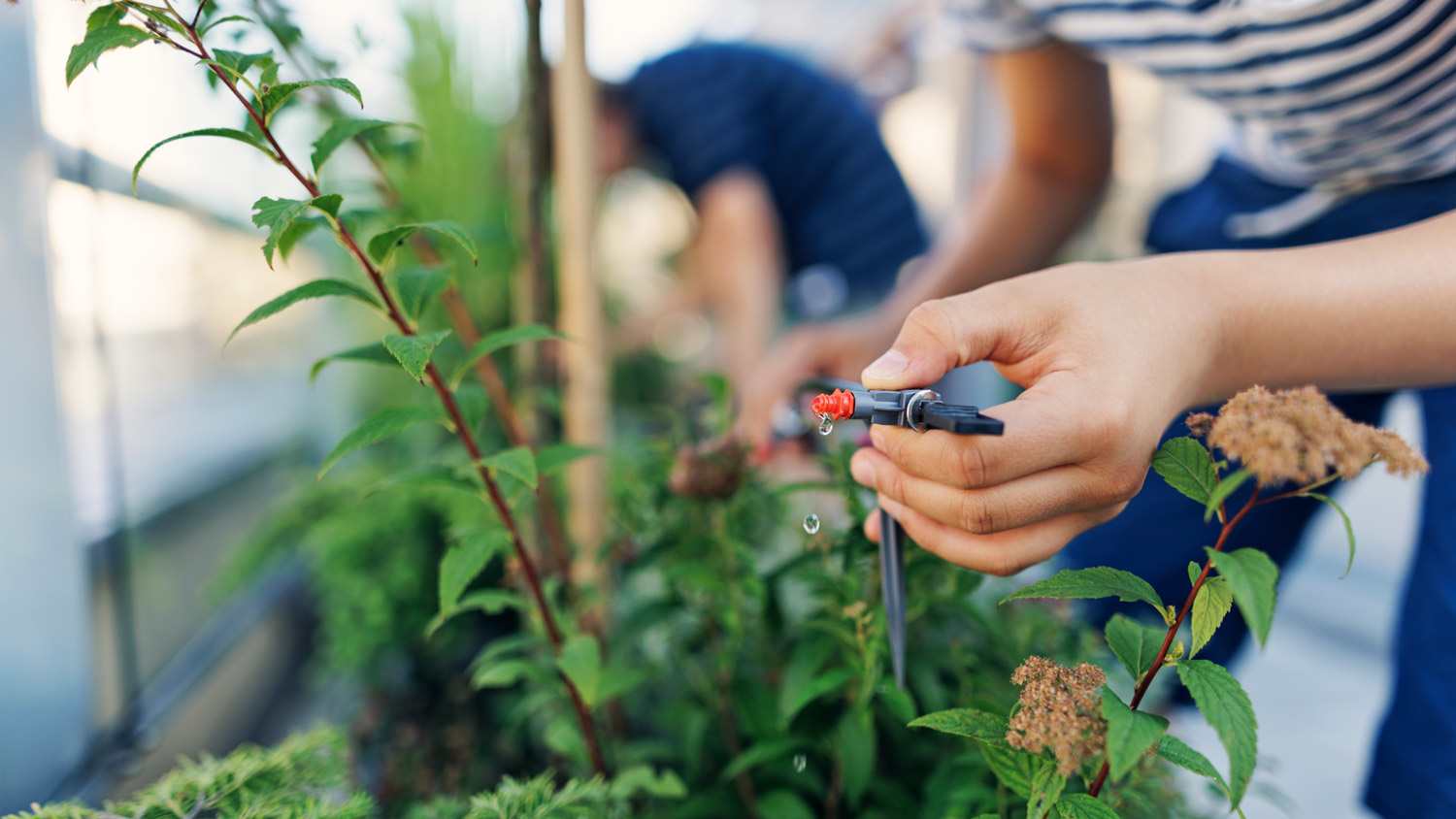
Drip irrigation vs. soaker hose: Which should a gardener choose? Here’s how to tell which of these watering options will work best for your landscaping needs.
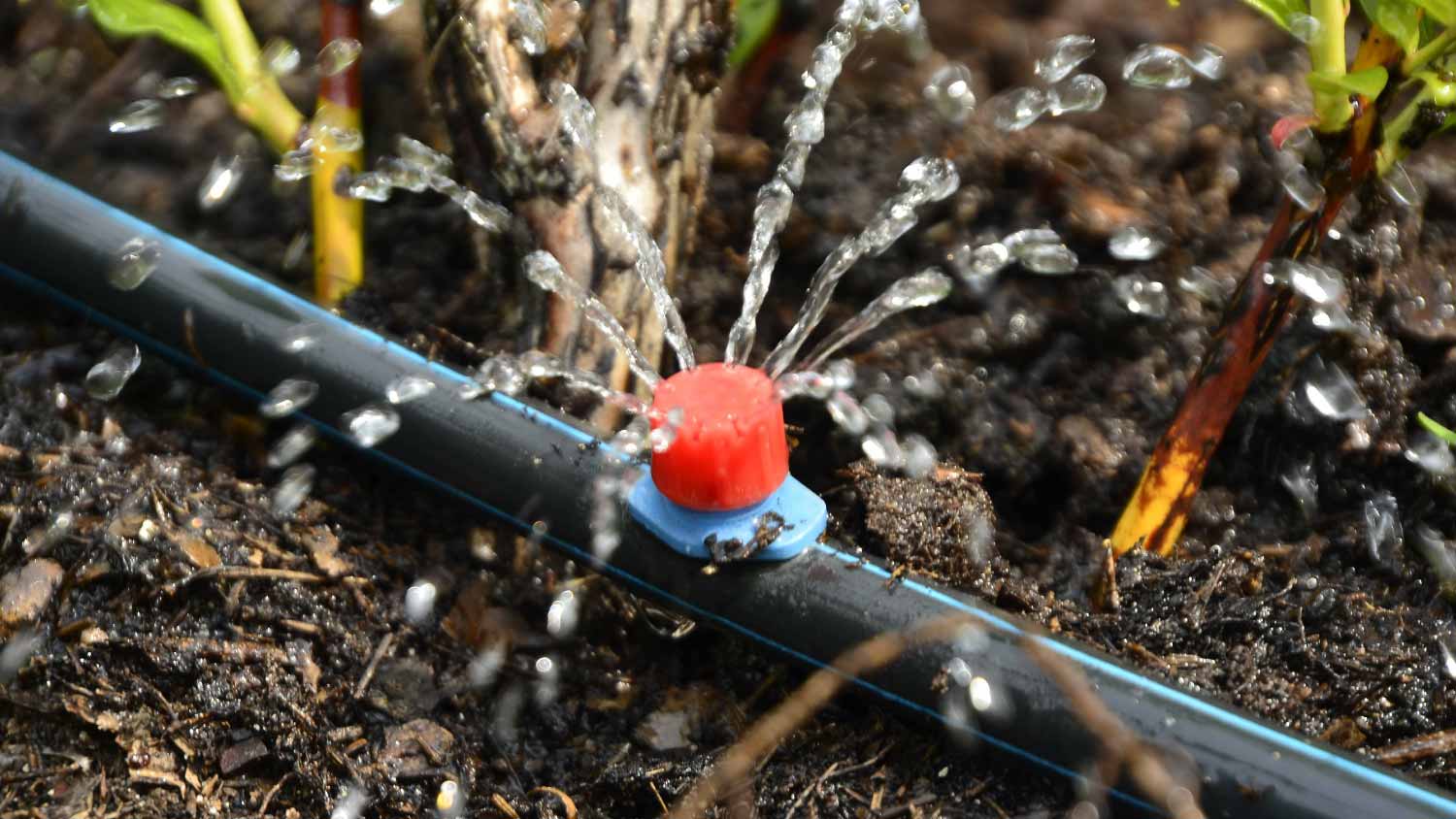
A sprinkler system saves time and money, but what are the pros and cons of a drip irrigation system? Here’s what you should consider.
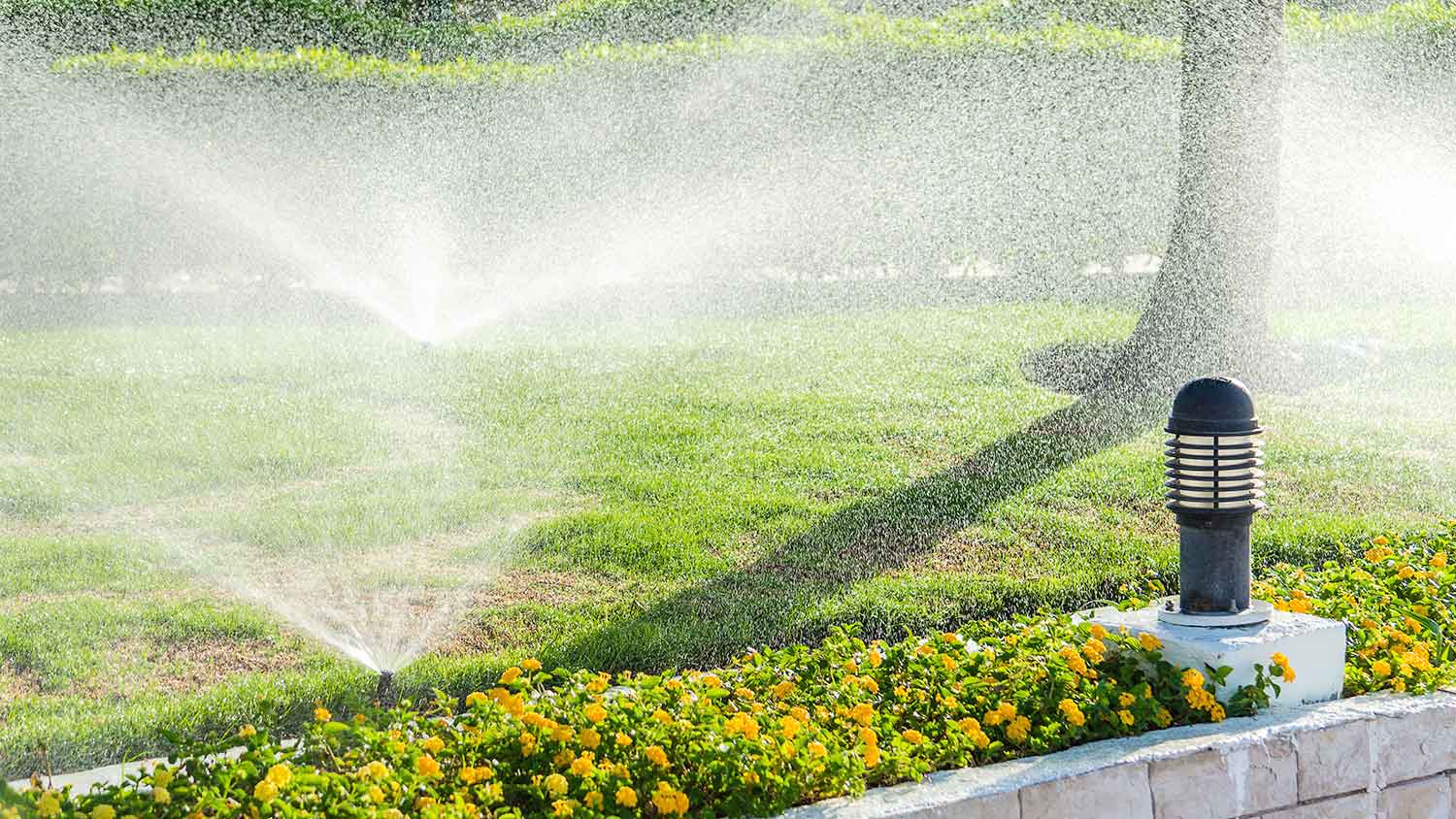
Irrigation can help your lawn, flower bed, and veggie gardens thrive. But what is irrigation? Follow this guide to learn how irrigation works.
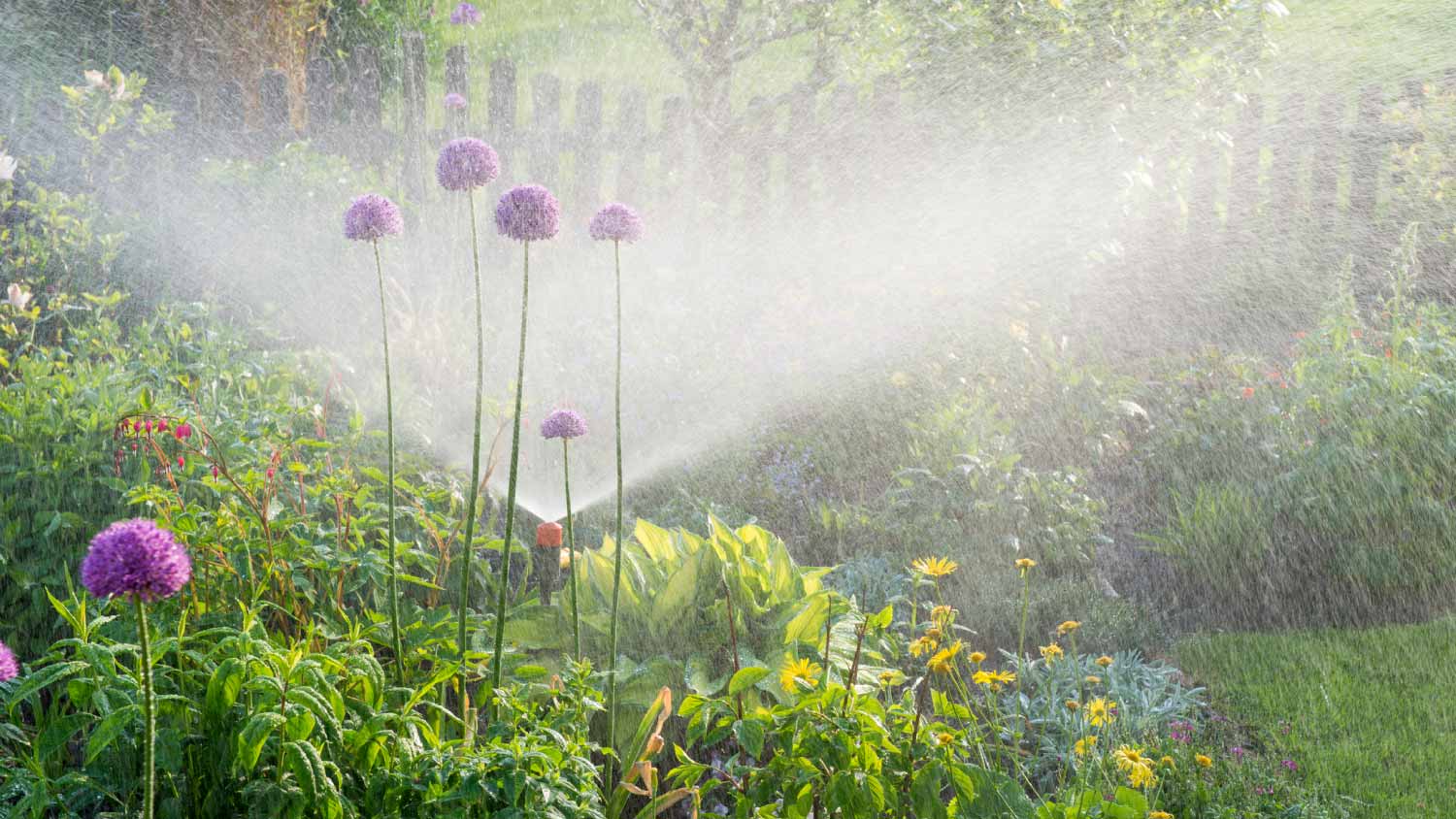
Overwatering your yard can affect the health of your plants by disrupting the underlying soil. So, how is over-irrigation damaging to soil? Let’s take a look.
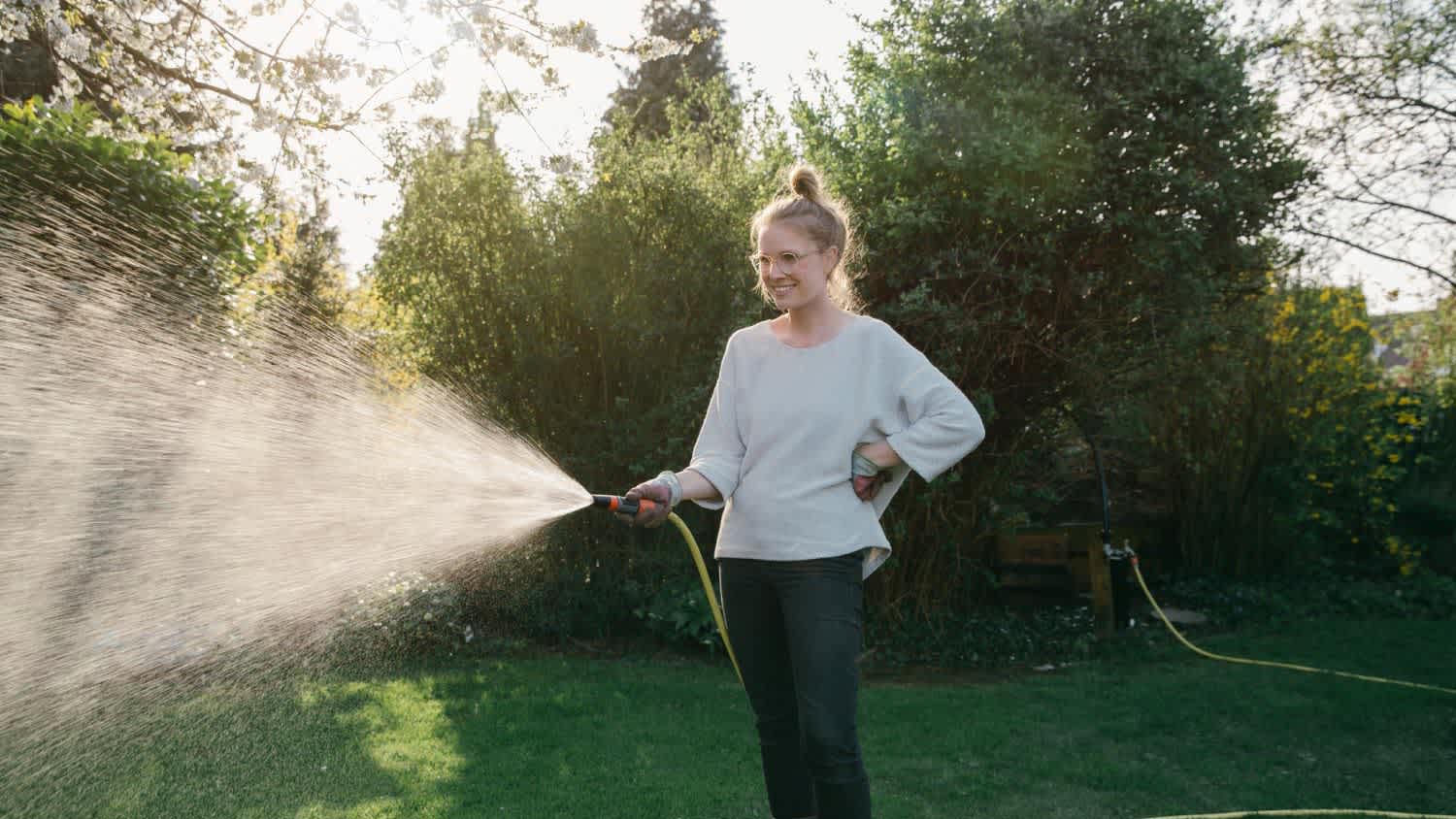
Keep your lawn and garden lush and healthy without wasting water with our expert irrigation tips, from when to water, to water conservation ideas.