


Removing an old lawn is often necessary to plant new grass or build a new outdoor structure. Find out what to budget for your lawn removal cost.
In the weeds? Here are some DIY ways to clear up your lawn


You can’t prevent the wind from blowing weed seeds onto your property, but you can do some relatively simple things to dissuade unwanted grasses from crowding up your lawn.
Add ground-covering plants: Certain plants compete for space and resources with weeds, crowding them out. Consider planting creeping thyme, lavender, oregano, ajuga, creeping juniper, and similar plants to prevent weeds from taking root.
Pull out weeds manually: Many types of weeds germinate quickly, releasing thousands of seeds into the atmosphere. In other words, stay on top of your game by manually pulling out weeds whenever you find new growth.
Mow regularly: Mow your lawn regularly and keep the grass blades at around 3 inches in length. These tall grass blades shade the undersoil, which helps reduce weed growth.
Water properly: Hose sprinklers should run around 4 hours per zone once per week, resulting in 1 inch of water on the lawn every week. A properly watered lawn helps create a deep root system which, in turn, crowds out weeds.
Use the appropriate fertilizer: Make sure to fertilize your lawn regularly and use an appropriate type of fertilizer for the plants you are cultivating.
Try an aeration service: Contact a local lawn aeration service and give core aeration a shot. This process helps improve the root system, reducing the thatch layer and increasing air circulation in the process. This helps create an optimal environment for your desired plants and gives weeds a reduced infiltration window.
Hiring a local weed control service is a surefire way to complete the job quickly, efficiently, and correctly. If you are overwhelmed by the number of weeds on your property, this is a great option. However, hiring a pro costs $100 to $200 and the aforementioned DIY solutions only cost the price of the materials. Give one of these DIY options a shot and bring out the paid professionals if you can’t quite get a handle on things, as weeds are finicky.
Kristin Salaky contributed to this piece.
You can’t prevent the wind from blowing weed seeds onto your property, but you can do some relatively simple things to dissuade unwanted grasses from crowding up your lawn.
Add ground-covering plants: Certain plants compete for space and resources with weeds, crowding them out. Consider planting creeping thyme, lavender, oregano, ajuga, creeping juniper, and similar plants to prevent weeds from taking root.
Pull out weeds manually: Many types of weeds germinate quickly, releasing thousands of seeds into the atmosphere. In other words, stay on top of your game by manually pulling out weeds whenever you find new growth.
Mow regularly: Mow your lawn regularly and keep the grass blades at around 3 inches in length. These tall grass blades shade the undersoil, which helps reduce weed growth.
Water properly: Hose sprinklers should run around 4 hours per zone once per week, resulting in 1 inch of water on the lawn every week. A properly watered lawn helps create a deep root system which, in turn, crowds out weeds.
Use the appropriate fertilizer: Make sure to fertilize your lawn regularly and use an appropriate type of fertilizer for the plants you are cultivating.
Try an aeration service: Contact a local lawn aeration service and give core aeration a shot. This process helps improve the root system, reducing the thatch layer and increasing air circulation in the process. This helps create an optimal environment for your desired plants and gives weeds a reduced infiltration window.
Hiring a local weed control service is a surefire way to complete the job quickly, efficiently, and correctly. If you are overwhelmed by the number of weeds on your property, this is a great option. However, hiring a pro costs $100 to $200 and the aforementioned DIY solutions only cost the price of the materials. Give one of these DIY options a shot and bring out the paid professionals if you can’t quite get a handle on things, as weeds are finicky.
Kristin Salaky contributed to this piece.

You can’t prevent the wind from blowing weed seeds onto your property, but you can do some relatively simple things to dissuade unwanted grasses from crowding up your lawn.
Add ground-covering plants: Certain plants compete for space and resources with weeds, crowding them out. Consider planting creeping thyme, lavender, oregano, ajuga, creeping juniper, and similar plants to prevent weeds from taking root.
Pull out weeds manually: Many types of weeds germinate quickly, releasing thousands of seeds into the atmosphere. In other words, stay on top of your game by manually pulling out weeds whenever you find new growth.
Mow regularly: Mow your lawn regularly and keep the grass blades at around 3 inches in length. These tall grass blades shade the undersoil, which helps reduce weed growth.
Water properly: Hose sprinklers should run around 4 hours per zone once per week, resulting in 1 inch of water on the lawn every week. A properly watered lawn helps create a deep root system which, in turn, crowds out weeds.
Use the appropriate fertilizer: Make sure to fertilize your lawn regularly and use an appropriate type of fertilizer for the plants you are cultivating.
Try an aeration service: Contact a local lawn aeration service and give core aeration a shot. This process helps improve the root system, reducing the thatch layer and increasing air circulation in the process. This helps create an optimal environment for your desired plants and gives weeds a reduced infiltration window.
Hiring a local weed control service is a surefire way to complete the job quickly, efficiently, and correctly. If you are overwhelmed by the number of weeds on your property, this is a great option. However, hiring a pro costs $100 to $200 and the aforementioned DIY solutions only cost the price of the materials. Give one of these DIY options a shot and bring out the paid professionals if you can’t quite get a handle on things, as weeds are finicky.
Kristin Salaky contributed to this piece.
Great experience from start to finish. They responded to my inquiry quickly and came out to give me a quote the same day. My yard was overgrown with weeds and needed lots of trimming. The guys came out and pulled all of the weeds by hand to get them out by the roots and trimmed up nicely. They were able to come up with a treatment plan within my budget to get my lawn and yard looking great again. Very professional, efficient and knowledgeable.
You can’t prevent the wind from blowing weed seeds onto your property, but you can do some relatively simple things to dissuade unwanted grasses from crowding up your lawn.
Add ground-covering plants: Certain plants compete for space and resources with weeds, crowding them out. Consider planting creeping thyme, lavender, oregano, ajuga, creeping juniper, and similar plants to prevent weeds from taking root.
Pull out weeds manually: Many types of weeds germinate quickly, releasing thousands of seeds into the atmosphere. In other words, stay on top of your game by manually pulling out weeds whenever you find new growth.
Mow regularly: Mow your lawn regularly and keep the grass blades at around 3 inches in length. These tall grass blades shade the undersoil, which helps reduce weed growth.
Water properly: Hose sprinklers should run around 4 hours per zone once per week, resulting in 1 inch of water on the lawn every week. A properly watered lawn helps create a deep root system which, in turn, crowds out weeds.
Use the appropriate fertilizer: Make sure to fertilize your lawn regularly and use an appropriate type of fertilizer for the plants you are cultivating.
Try an aeration service: Contact a local lawn aeration service and give core aeration a shot. This process helps improve the root system, reducing the thatch layer and increasing air circulation in the process. This helps create an optimal environment for your desired plants and gives weeds a reduced infiltration window.
Hiring a local weed control service is a surefire way to complete the job quickly, efficiently, and correctly. If you are overwhelmed by the number of weeds on your property, this is a great option. However, hiring a pro costs $100 to $200 and the aforementioned DIY solutions only cost the price of the materials. Give one of these DIY options a shot and bring out the paid professionals if you can’t quite get a handle on things, as weeds are finicky.
Kristin Salaky contributed to this piece.
You can’t prevent the wind from blowing weed seeds onto your property, but you can do some relatively simple things to dissuade unwanted grasses from crowding up your lawn.
Add ground-covering plants: Certain plants compete for space and resources with weeds, crowding them out. Consider planting creeping thyme, lavender, oregano, ajuga, creeping juniper, and similar plants to prevent weeds from taking root.
Pull out weeds manually: Many types of weeds germinate quickly, releasing thousands of seeds into the atmosphere. In other words, stay on top of your game by manually pulling out weeds whenever you find new growth.
Mow regularly: Mow your lawn regularly and keep the grass blades at around 3 inches in length. These tall grass blades shade the undersoil, which helps reduce weed growth.
Water properly: Hose sprinklers should run around 4 hours per zone once per week, resulting in 1 inch of water on the lawn every week. A properly watered lawn helps create a deep root system which, in turn, crowds out weeds.
Use the appropriate fertilizer: Make sure to fertilize your lawn regularly and use an appropriate type of fertilizer for the plants you are cultivating.
Try an aeration service: Contact a local lawn aeration service and give core aeration a shot. This process helps improve the root system, reducing the thatch layer and increasing air circulation in the process. This helps create an optimal environment for your desired plants and gives weeds a reduced infiltration window.
Hiring a local weed control service is a surefire way to complete the job quickly, efficiently, and correctly. If you are overwhelmed by the number of weeds on your property, this is a great option. However, hiring a pro costs $100 to $200 and the aforementioned DIY solutions only cost the price of the materials. Give one of these DIY options a shot and bring out the paid professionals if you can’t quite get a handle on things, as weeds are finicky.
Kristin Salaky contributed to this piece.
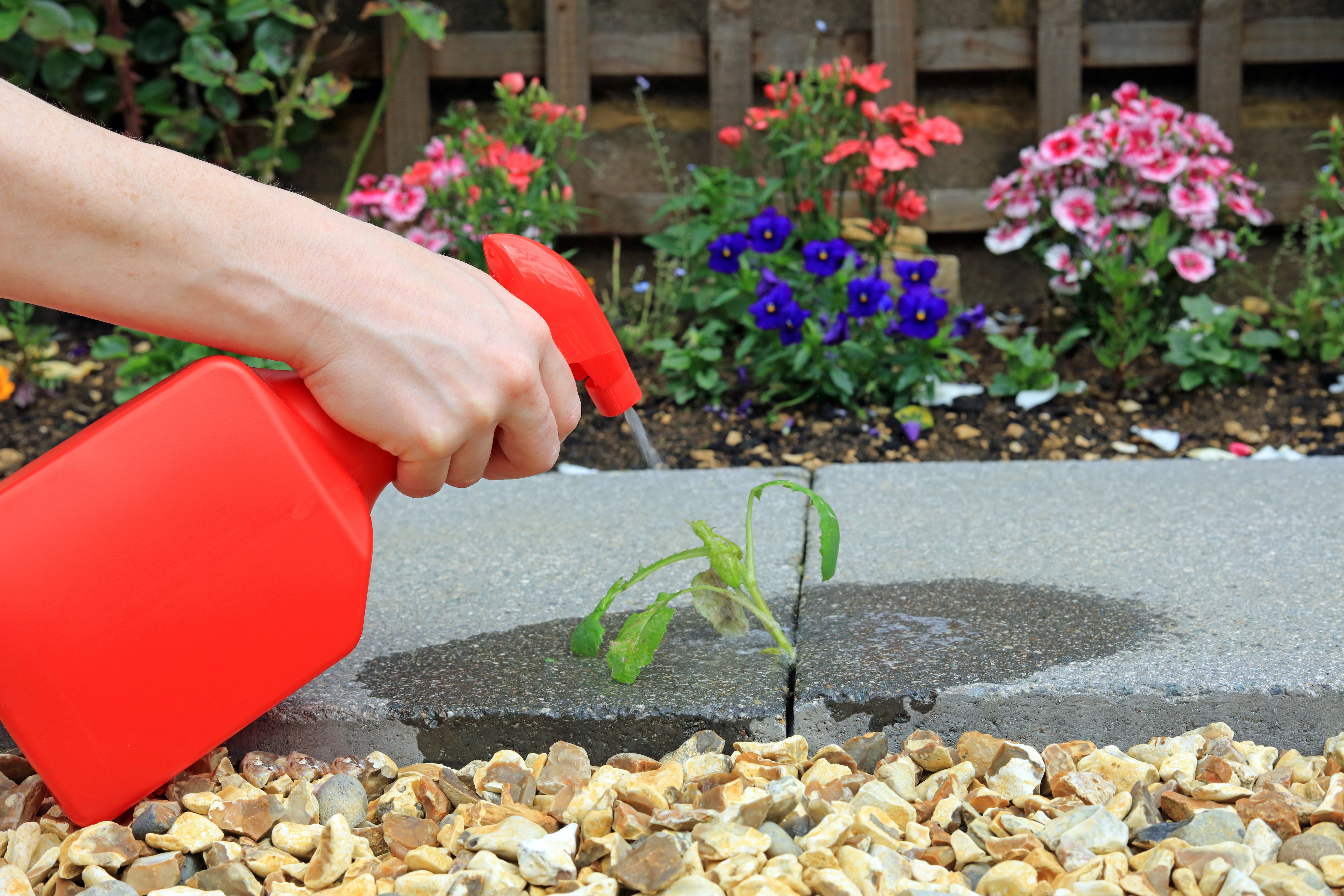
You can’t prevent the wind from blowing weed seeds onto your property, but you can do some relatively simple things to dissuade unwanted grasses from crowding up your lawn.
Add ground-covering plants: Certain plants compete for space and resources with weeds, crowding them out. Consider planting creeping thyme, lavender, oregano, ajuga, creeping juniper, and similar plants to prevent weeds from taking root.
Pull out weeds manually: Many types of weeds germinate quickly, releasing thousands of seeds into the atmosphere. In other words, stay on top of your game by manually pulling out weeds whenever you find new growth.
Mow regularly: Mow your lawn regularly and keep the grass blades at around 3 inches in length. These tall grass blades shade the undersoil, which helps reduce weed growth.
Water properly: Hose sprinklers should run around 4 hours per zone once per week, resulting in 1 inch of water on the lawn every week. A properly watered lawn helps create a deep root system which, in turn, crowds out weeds.
Use the appropriate fertilizer: Make sure to fertilize your lawn regularly and use an appropriate type of fertilizer for the plants you are cultivating.
Try an aeration service: Contact a local lawn aeration service and give core aeration a shot. This process helps improve the root system, reducing the thatch layer and increasing air circulation in the process. This helps create an optimal environment for your desired plants and gives weeds a reduced infiltration window.
Hiring a local weed control service is a surefire way to complete the job quickly, efficiently, and correctly. If you are overwhelmed by the number of weeds on your property, this is a great option. However, hiring a pro costs $100 to $200 and the aforementioned DIY solutions only cost the price of the materials. Give one of these DIY options a shot and bring out the paid professionals if you can’t quite get a handle on things, as weeds are finicky.
Kristin Salaky contributed to this piece.
You can’t prevent the wind from blowing weed seeds onto your property, but you can do some relatively simple things to dissuade unwanted grasses from crowding up your lawn.
Add ground-covering plants: Certain plants compete for space and resources with weeds, crowding them out. Consider planting creeping thyme, lavender, oregano, ajuga, creeping juniper, and similar plants to prevent weeds from taking root.
Pull out weeds manually: Many types of weeds germinate quickly, releasing thousands of seeds into the atmosphere. In other words, stay on top of your game by manually pulling out weeds whenever you find new growth.
Mow regularly: Mow your lawn regularly and keep the grass blades at around 3 inches in length. These tall grass blades shade the undersoil, which helps reduce weed growth.
Water properly: Hose sprinklers should run around 4 hours per zone once per week, resulting in 1 inch of water on the lawn every week. A properly watered lawn helps create a deep root system which, in turn, crowds out weeds.
Use the appropriate fertilizer: Make sure to fertilize your lawn regularly and use an appropriate type of fertilizer for the plants you are cultivating.
Try an aeration service: Contact a local lawn aeration service and give core aeration a shot. This process helps improve the root system, reducing the thatch layer and increasing air circulation in the process. This helps create an optimal environment for your desired plants and gives weeds a reduced infiltration window.
Hiring a local weed control service is a surefire way to complete the job quickly, efficiently, and correctly. If you are overwhelmed by the number of weeds on your property, this is a great option. However, hiring a pro costs $100 to $200 and the aforementioned DIY solutions only cost the price of the materials. Give one of these DIY options a shot and bring out the paid professionals if you can’t quite get a handle on things, as weeds are finicky.
Kristin Salaky contributed to this piece.
From average costs to expert advice, get all the answers you need to get your job done.
Removing an old lawn is often necessary to plant new grass or build a new outdoor structure. Find out what to budget for your lawn removal cost.

How much it costs to rent a lawn aerator depends on what kind you rent and how long you rent it for. Read on for the full details.
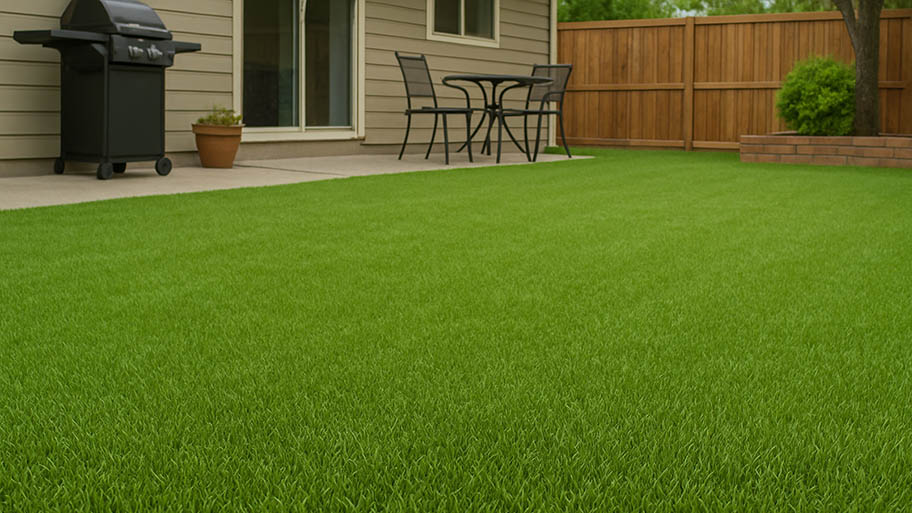
Artificial grass is a low-maintenance alternative to traditional turf. Learn how much artificial grass installation costs and what affects your price.
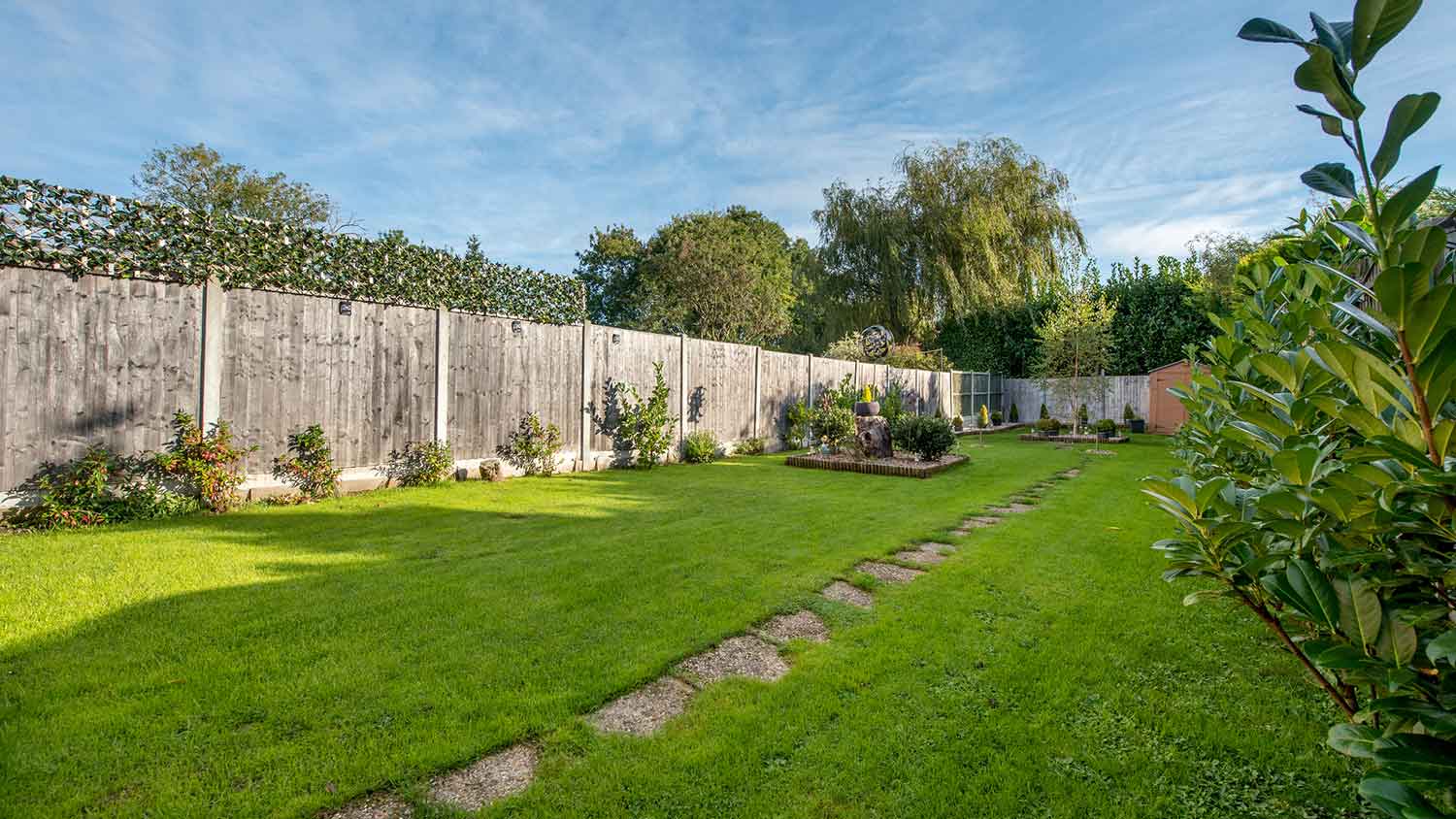
If your yard suffers from pooling water or erosion, here are the yard drainage questions you should be asking a contractor about fixing the situation.

While both grass types grow fast, crabgrass and Bermuda grass couldn’t be more different. Learn how to tell the difference between crabgrass vs. Bermuda grass.

Buffalo grass and Bermuda grass are two warm-season grasses, each with pros and cons. Find out the differences between Buffalo grass versus Bermuda grass.