•
Discover how much sump pump installation costs, including average prices, key cost factors, and tips to save on your basement waterproofing project.
A working sump pump will keep your home flood-free

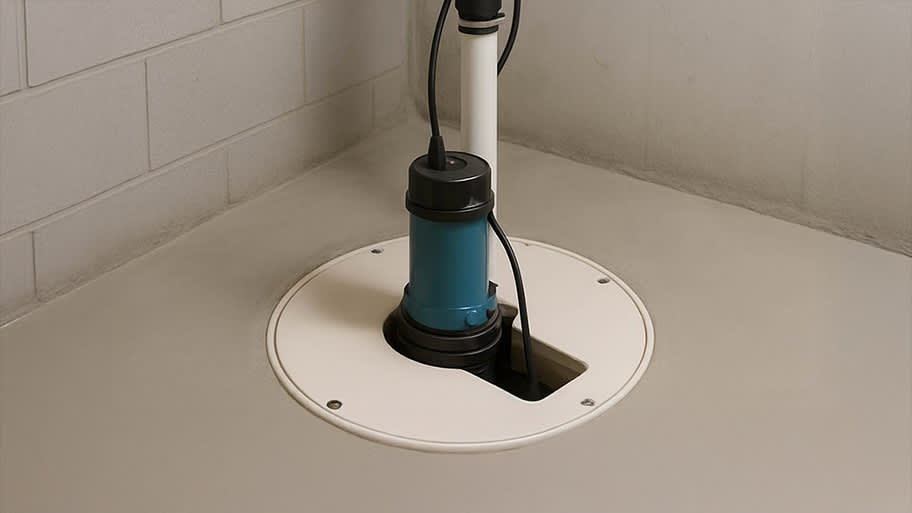
A sump pump diagram shows how water flows from your foundation drain into the sump pit, where the pump removes it through an exterior discharge pipe.
Expect to pay $300 to $750 for sump pump replacement and around $500 for repairs, with labor costs ranging from $45 to $200 per hour.
Your sump pump needs regular testing before rainy seasons, plus clearing blockages from the basin and discharge line to prevent flooding in your home.
Hiring a local sump pump installation professional keeps your system running smoothly, handling replacement work and ensuring proper discharge pipe setup for reliable water removal.
If you have a sump pump in your house, its inner workings might be somewhat of a mystery to you. After all, these devices are tucked away in basements and crawl spaces, operating without much fuss and requiring little maintenance. Still, it’s a good idea to get acquainted with your sump pump so that you can identify any issues before they lead to flooding, water damage, or other costly problems. Our diagram of a sump pump can help with that.
The various components of a sump pump work together to prevent flooding, water damage, and mold and mildew growth in your home. Understanding each part’s purpose and position can help you identify common sump pump problems and take the right steps to fix them.
For a visual representation of how these parts interact, check out this sump pump diagram.

First up: the sump pump itself. This device is located in the lowest part of your home, which is the basement or a crawl space. When the water reaches a certain level inside the sump pit, the sump pump will turn on and start pumping the water out of your house.
Also known as a basin, the sump pit is a hole in the floor of your basement or crawl space where the sump pump is installed. It holds groundwater and excess water from your home.
A sump pump tank (also called a basin or liner) is a cylinder-shaped vessel that fits snugly inside the sump pit and holds the water that enters the sump pit. Not all sump pump systems have tanks, but if they do, they’re often made from plastic, concrete, metal, or fiberglass.
Heads up: You might hear the terms “tank,” “pit,” and “basin” used interchangeably. They all refer to the same concept: An empty space in the ground that houses your sump pump and collects water.
A sump pump access cover is essentially a lid for your sump pit. Since a sump pit is an open hole in the ground, having a cover is important for safety reasons—especially if you have young children or pets. In fact, sump pump covers are required in many areas.
In addition, a cover can prevent dust and debris from getting into the basin, where it could damage your sump pump. It can also reduce the risk of radon—an odorless radioactive gas that can cause health problems, according to the U.S. Environmental Protection Agency—entering your home through the pit.
Once the sump pump removes water from the sump pit, it goes into the exterior discharge pipe. This pipe, which runs from the inside to the outside of your home, transfers water from the sump pump into an appropriate outdoor location. Depending on your local regulations and the layout of your property, your sump pump water could go into a few places, including a storm drain, natural waterway, or underground.
A foundation drain collects groundwater from around your home’s foundation. Its purpose is to protect your foundation’s structural integrity. After the water enters the drain, it then flows into your sump pump, where it’s distributed through the exterior discharge pipe.
A sump pump switch monitors the water level inside the basin. When it gets too high, the switch activates the sump pump. There are a few types of sump pump switches (including float switches and electronic switches), but they all serve the same purpose.
This one-way valve prevents water that’s been expelled from coming back into the sump pit. You’ll find it near the point where the discharge pipe meets the sump pump unit.

Regular sump pump maintenance can help you avoid flooding, water damage, and other costly problems. Here are some preventative tips to keep your sump pump in good shape.
Before the rainy season starts, make sure that your sump pump is working properly. To find out, pour a bucket of water into the basin. If it kicks on and starts removing the water, you’re good to go.
Debris and other objects can block your sump pump or discharge pipe, preventing it from running effectively. While you’re testing the pump’s function, check for any obstructions and, if necessary, unclog the sump pump or discharge line.
A dirty sump pump can smell like sewage, and too much dirt and debris can negatively affect a pump’s efficiency. To clean your sump pump, disconnect the power source and discharge line. Then, remove the pump from the basin and hose it off before draining any remaining water from the check valve. Finally, wipe the pump down with a rag and use a wet vacuum to suck up any leftover water inside the basin.
If your pump runs on electricity (as many do), consider investing in a sump pump backup. When your power goes out during a storm, having a backup system in place will keep your home dry and ward off water damage.
When your sump pump starts to act up, you might wonder if it makes more sense to fix it or replace it entirely. There are a few factors to consider here, including the sump pump’s age and condition, as well as the specific problem it has. (For context, replacing a sump pump costs between $300 and $750, while repairs cost around $500.)
In most cases, a sump pump lasts between seven and 10 years. If yours is just a few years old and only experiencing minor issues (like a faulty float switch), consider repairing it instead of getting a new one.
On the other hand, you might be due for a sump pump replacement if yours is more than a decade old, struggles to turn on or off, makes unusual sounds, or vibrates aggressively.
A sump pump installer near you will spend around an hour replacing a sump pump. Depending on where you live, you can expect to pay between $45 and $200 per hour for labor. If you’re especially handy, you should be able to replace a sump pump in a couple of hours (without a pro’s help).
You will have to find a sump pump that’s compatible with your existing setup, which can be confusing if you're not a pro. You might also have to buy and cut PVC to create a discharge pipe for your new sump pump. If you’re uncomfortable with those aspects of the job, call a pro who installs sump pumps.
This service was great. My air conditioner went out during the heat spell that we had. My husband has health issues and they came out that night and at 9:30pm the air conditioner was fixed and running. We are sooo very thankful, this is the company I will be using from now on and would...
 Mr. Mechanical Ohio
Joseph did a great job with the staircase and trim. Timely and efficient, clear communication about the work, very fair pricing. For the stairs in particular, done very skillfully in an old house (1893) in a tight spiral, and very creative with how to do the handrail. Did a nice job with...
 Vouis Trim Carpentry L.L.C.
Great experience!! Dion was prompt, professional and very polite. He is hands down the best plumber I have ever used.
 Mercenary Remodeling & Handyworks
Cole has been handling plumbing and general contracting for our four properties over the past three years, and he’s always done a great job. Most recently, he installed a sink and countertop in our retail store where none existed before, and it turned out exactly how we needed. He’s...
 ANB Renovations LLC
Matt is a consummate professional. The work turned out to be far more difficult than expected and rather than turn the job down, Matt rose to the occasion and completed a near impossible task. I can not recommend Greene's Plumbing Service more highly. On a scale of 1-5 I would give Matt a...
 Greene's Plumbing Service
The technician was very professional and friendly. He answered all my questions and was very thorough. He left the fireplace area very clean . He inspected from the roof and advised me as to other work that might need to be done. There was no pressure there. I was very satisfied with the...
 Supreme brick & chimney
Custom Paint Jobs LLC pays attention to every detail, ensuring a job well done every time.
 Custom Paint Jobs, LLC
When we had the winter freeze, I called Quantum Waterworks Waterline & Drain Cleaning Services and within 1 hour I received an e-mail and he sent someone out the next day and he was on time, he was nice and did the job quickly and cleaned up after himself. We had a leak in our kitchen from...
 Quantum Waterworks Waterline & Drain Cleaning Services, LLC
From the beginning , every appointment was met with punctuality! The day of installation, they arrived on time and worked tirelessly all day until the job was finished. ( Even through a very heavy down pour) Ilia, the owner is a professional, knowledgeable, and fair man. He is absolutely, and...
 Window Depot USA of Central Ohio
The service was excellent! They gave me a quote, and had it done 4 days later. My driveway looks amazing, very professional! I would definitely recommend their service to anyone. I have had neighbors stop by and ask for their information as well.
 All Star Paving and Sealing
From average costs to expert advice, get all the answers you need to get your job done.
Discover how much sump pump installation costs, including average prices, key cost factors, and tips to save on your basement waterproofing project.
Sump pump battery backup costs depend on the type and the design of the system purchased. Follow this guide to learn how to budget for your backup battery.
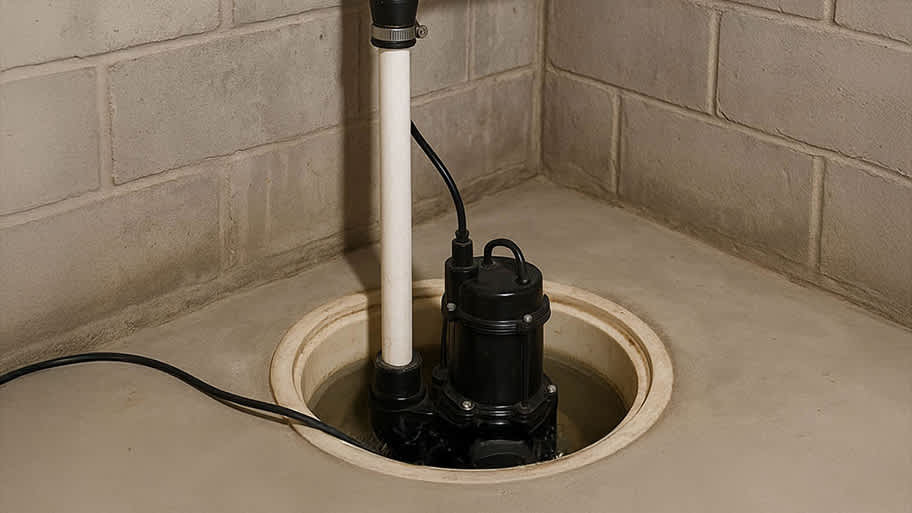
Sump pump replacement costs depend on the type of unit you have and the cost of labor, which varies by region. Read on to find out more about what to expect.
If something seems off with your sump pump, follow this guide to learn how to check if your sump pump is working (and what to do if it’s not).
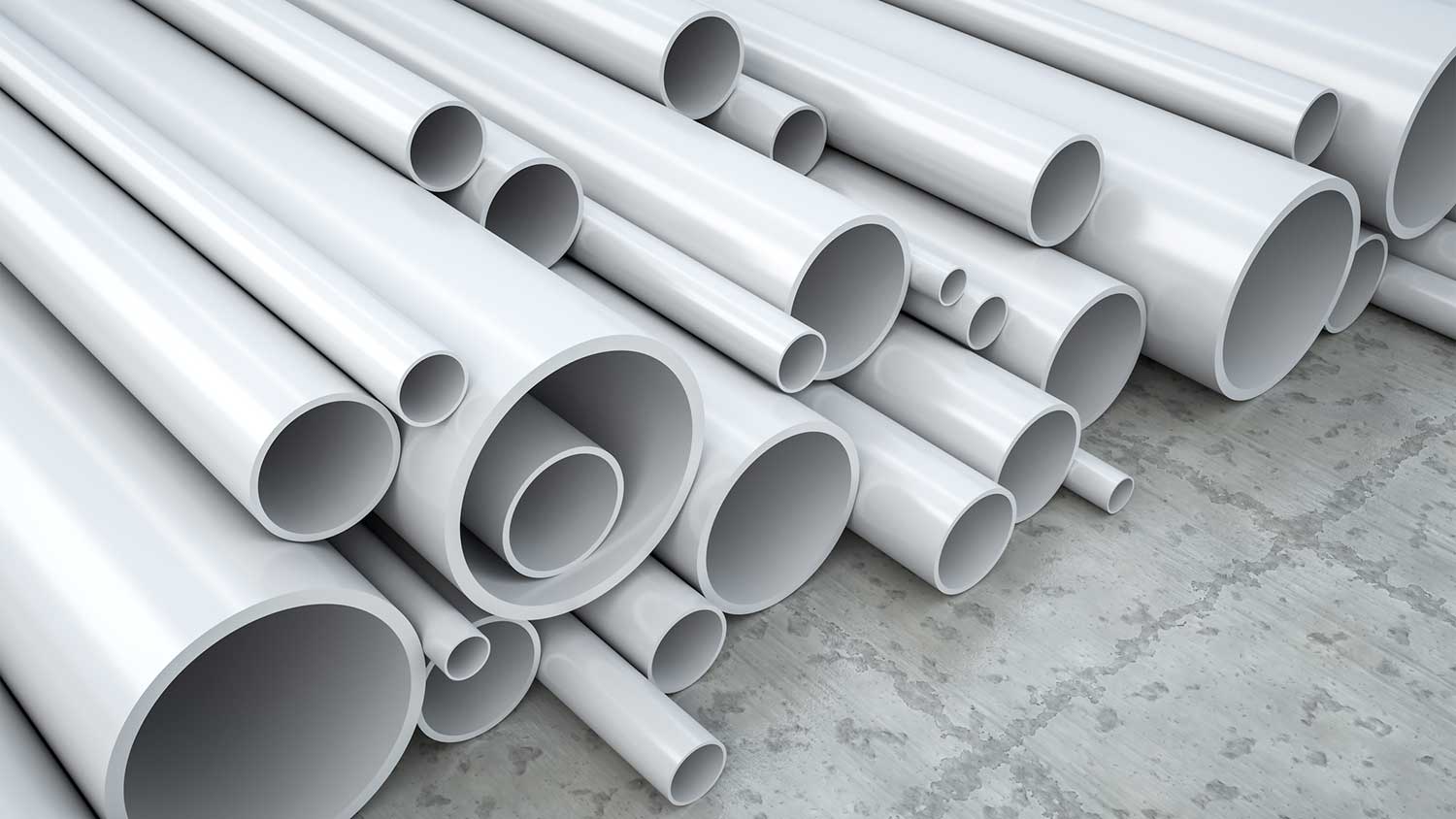
Sump pump discharge lines come in a couple of diameters and a range of lengths. Here’s how to determine the right sump pump pipe size for your installation.
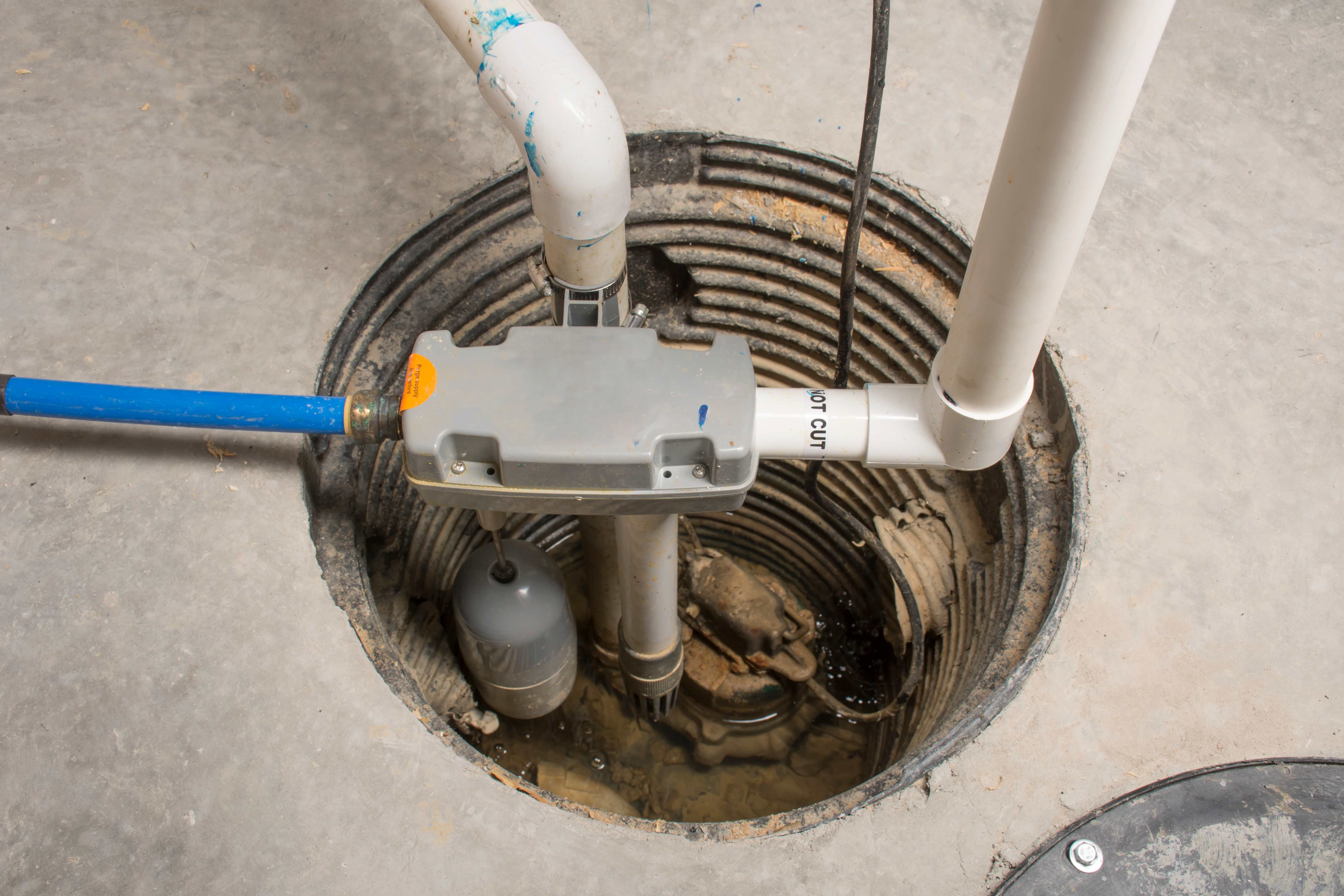
This essential sump pump maintenance checklist will keep you on schedule throughout the year and keep your sump pump operating efficiently.