

A French drain costs around $9,250 to install, but several factors will determine the final price you pay. Learn the cost to install French drains in this guide.
Don’t sweat the differences between these drain systems

A curtain drain redirects surface water away from your foundation using shallow trenches, while a French drain handles underground water with deeper trenches and perforated pipes.
Curtain drains cost less to install at around $10 to $25 per linear foot, compared to French drains at $40 to $100 per linear foot.
Your choice depends on where water collects: curtain drains work best for sloped properties with surface runoff, while French drains suit basement flooding from below ground.
Hiring a local French drain professional keeps your installation on track with proper trench depth and pipe placement for reliable water diversion.
Debating between installing a curtain drain vs. a French drain? Both of these drainage systems help divert water away from structures, but each is built and operates slightly differently. French drains are often used inside basements near the foundation to keep water out. Curtain drains are installed near homes built on slopes to redirect water. Let’s take a deeper dive into a curtain drain vs. french drain so you can choose which is right for your needs.
Curtain drains and French drains help move water away from your home or low-lying land. These home drainage system differ in the way they’re built. Curtain drains are shallower than French drains and consist of a ditch or trench above ground filled with gravel or crushed stone. The ditch is filled with waterproof lining along the edge of a foundation to keep water out. French drains are also trenches with gravel or other crushed material, but there’s usually a pipe underground to divert water and keep basements and other areas from flooding.

Curtain drains are shallow drainage systems that redirect water away from foundations and other structures. These systems work by giving the water an easier path to run off, reducing hydrostatic pressure that could compromise the integrity of your home.
Curtain drains are installed close to the ground’s surface. They are usually made from gravel, a single long pipe, and waterproof fabric. To make sure the water is diverted correctly, these drains are often connected to your home’s sub pump or dry well. Once installed, this type of drain requires little maintenance and is a low-cost solution to drainage issues.
| Pros | Cons |
|---|---|
| Less digging required to install than alternatives | Shallow depth doesn’t allow for relief from underground water issues |
| Low maintenance | Can’t keep up with large amounts of water |
| Adaptable to sloped terrain | More visible since it’s closer to the surface |
Best for:
People dealing with surface-level water problems.
Homeowners with small amounts of water to redirect.
Owners of sloped properties or clay soil.
Curtain drains exist near the surface of your land, typically around your foundation. They’re thin, shallow trenches that are easier to dig and install than French drains. You just need to dig the trench and fill it in with fabric and gravel, sometimes a pipe, depending on your needs.
The structure of curtain drains make them easy to maintain, too. As long as you don’t see excess water around your home constantly, upkeep is minimal to none for curtain drains.
Since curtain drains are shallow, they’re not meant for constant flooding or water that collects below ground-level. They’re best used to redirect water coming down from a slope or steep hill, not as a solution to flooding basements and low-lying areas.
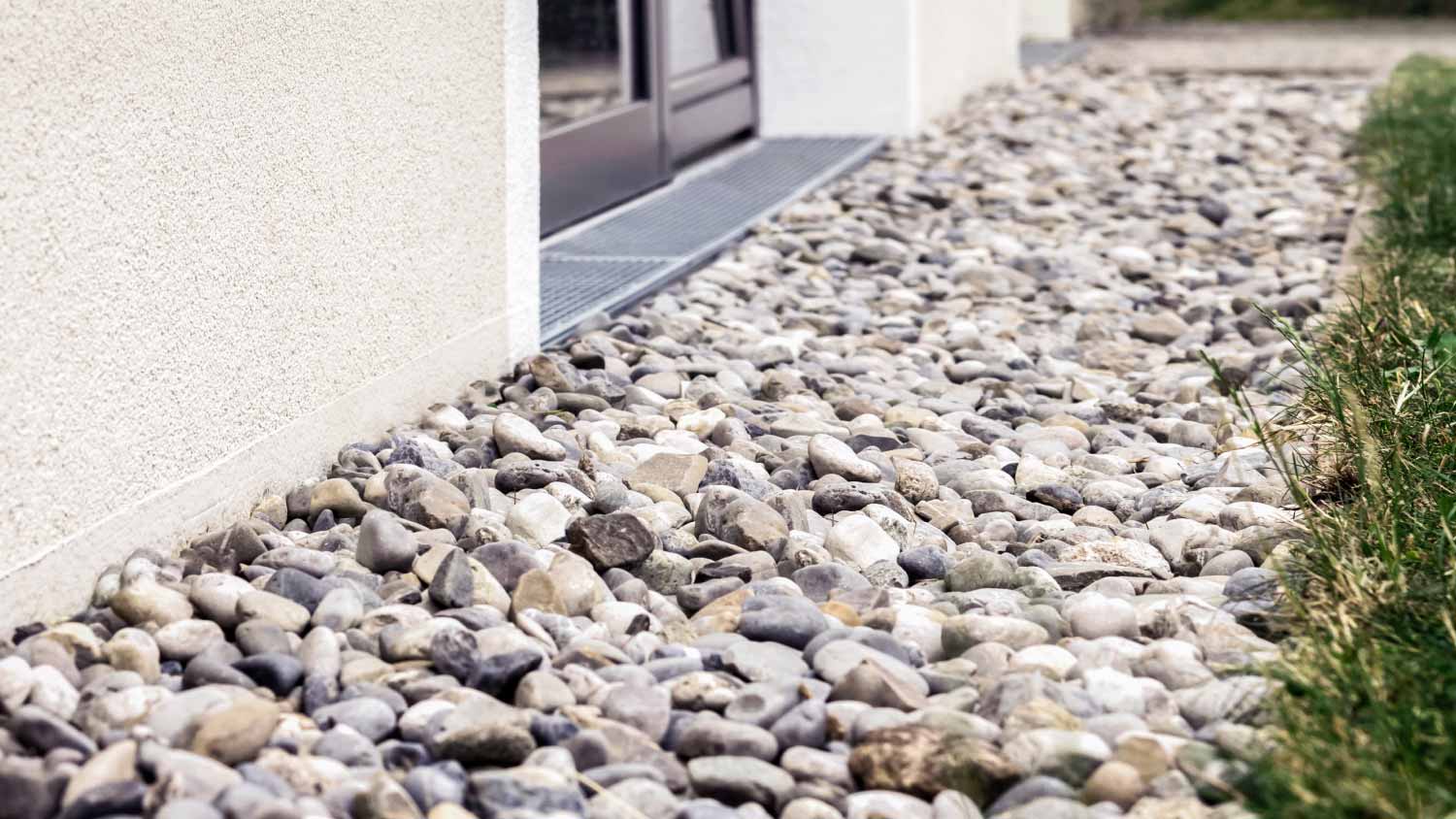
Your drain installer will cover curtain drains with gravel, helping their appearance. But it’s important to note that these drains are more visible than French drains, which are often placed in the basement. If rock isn’t the look you’re going for around your foundation, you may not appreciate a curtain drain.

French drains are a drainage system designed to redirect water away from your home at the ground level. These drains are filled with gravel and a perforated pipe, and they’re often used along the inside foundation of homes and other structures to prevent water damage or flooding. Located underground, French drains are out of sight and easy to incorporate into your current landscaping or basement area.
| Pros | Cons |
|---|---|
| Last for 10 to 40 years | Prone to root intrusion and clogging |
| Inexpensive solution to draining water | Need to be installed deep underground |
| Handle large amounts of water | Needs annual maintenance |
Best for:
Homeowners looking for a long-term solution to water issues.
Yards with large amounts of water to redirect.
Homeowners looking for a drainage solution that is out of sight in their yard.
French drains are one of the easiest solutions for basements that flood frequently. They help redirect the water seeping up into your basement during storms and winter melting. French drains are meant to handle larger amounts of water and can more easily redirect it through a pipe buried in the ground.
After installation, French drains can last 10 to 40 years as they’re not damaged unexpectedly, making the cost of installing a French drain well worth it.
Installation of a French drain is a major undertaking. Professional French drain installers will need to access your basement and put a large drain (or drains) in the middle or edges of your basement floor. French drain installation can be costly, ranging from $500 to $18,000. But this addition can ultimately save you from having to redo your foundation due to cracking from water build-up.
French drains are more prone to clogs than curtain drains because they’re dealing with underground water. If you have clay-like soil or debris, this can build up in the pipe, which will require maintenance from a professional plumber—often an expensive bill.
Choosing between a curtain drain and French drain is relatively simple. Ask yourself these questions:
Where is the water collecting?
Do you live on a hill and water collects in your driveway or other parts of your land? Then a curtain drain makes sense.
Does your basement frequently flood? Then the water is coming from below ground and a French drain should help.
When it comes to installation and maintenance, one option is easier to work with than the other. Here’s how they compare.
Curtain drains are located above ground, while French drains are in basements. These systems are tied in appearance, since they can each be hidden with a bit of gravel.
Short curtain drains that run along your house’s foundation cost about $10 to $25 per linear foot. Interior French drains are more complex to install, so they cost about $40 to $100 per linear foot.
Curtain drains have a key advantage over French drains when it comes to how easy they are to install. Curtain drains are installed closer to the surface than French drains. Because of this feature, a curtain drain is much easier to DIY install than a French drain.
A curtain drain wins when considering system repairs down the line. Curtain drains are installed near the surface, giving you more accessibility when a problem arises. You’ll need to hire a French drain professional for any necessary repairs to the underground drainage system.
After installation, both curtain drains and French drains are relatively easy to maintain. Keep an eye out for any extra water around your foundation or in your basement. If you see continuous flooding, it may be a sign that one or both of these drains need maintenance.
Cody did a great job!
 Itzelpainting
Wonderful. I am going to have them remove and replace my driveway in the spring.
 All Star Paving and Sealing
Did an amazing job transforming my yard. Also installed sod in places, would recommend to everyone.
 Cardinal Landscaping & Construction LLC
Always been satisfied with the service work and how they have taken care of my pool.
Bill Gerhardt sold the company to his employees at the end of 2019, apparently without a workable succession plan and without notifying prospective customers of this fact. Most aspects of the maintenance contract have not been fulfilled: no installation of anual plantings per contract, no...
They show up and they did take us on as a client which seems to be a problem with other lawn care providers. We have multiple properties and this one was located close to downtown and no one really wants to mess with it.
I was very happy with the service provided by AK Irrigation. They responded quickly to my email, and the woman I spoke with was polite and professional. I was able to get an appointment that same week. <br /> The technician (Tyler) arrived on time. He was very knowledgeable, and worked...
 AK Irrigation
The worker came out when he was supposed to come. He informed me he would honor the Angie's List deal, but would not do any more work for me since my son in law owns lawn care company as well, even though they do not do the same type of work. He said he did not feel comfortable giving me...
 Bello Giardino LLC
E & L Lawn Care was super. They were very responsive before and after service. They were efficient and were able to complete the job within 1 day. I have had concern about one section of sod - the owner was pro-active and did a visit to evaluate. I have no doubt they will stand behind...
 E&L lawn care
From average costs to expert advice, get all the answers you need to get your job done.
A French drain costs around $9,250 to install, but several factors will determine the final price you pay. Learn the cost to install French drains in this guide.
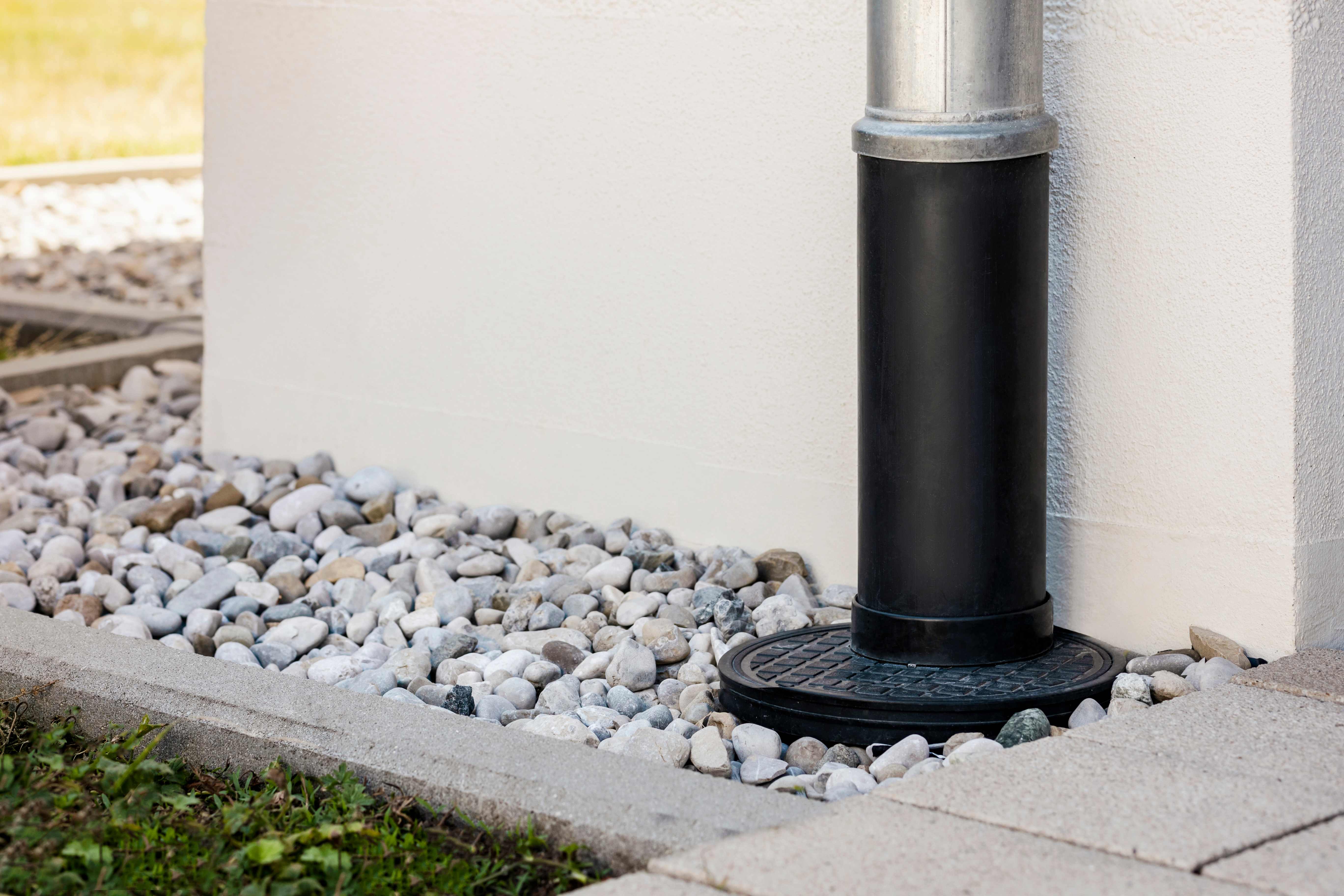
Discover basement drain installation cost, key price factors, and ways to save. Get expert tips to plan your basement drain project with confidence.
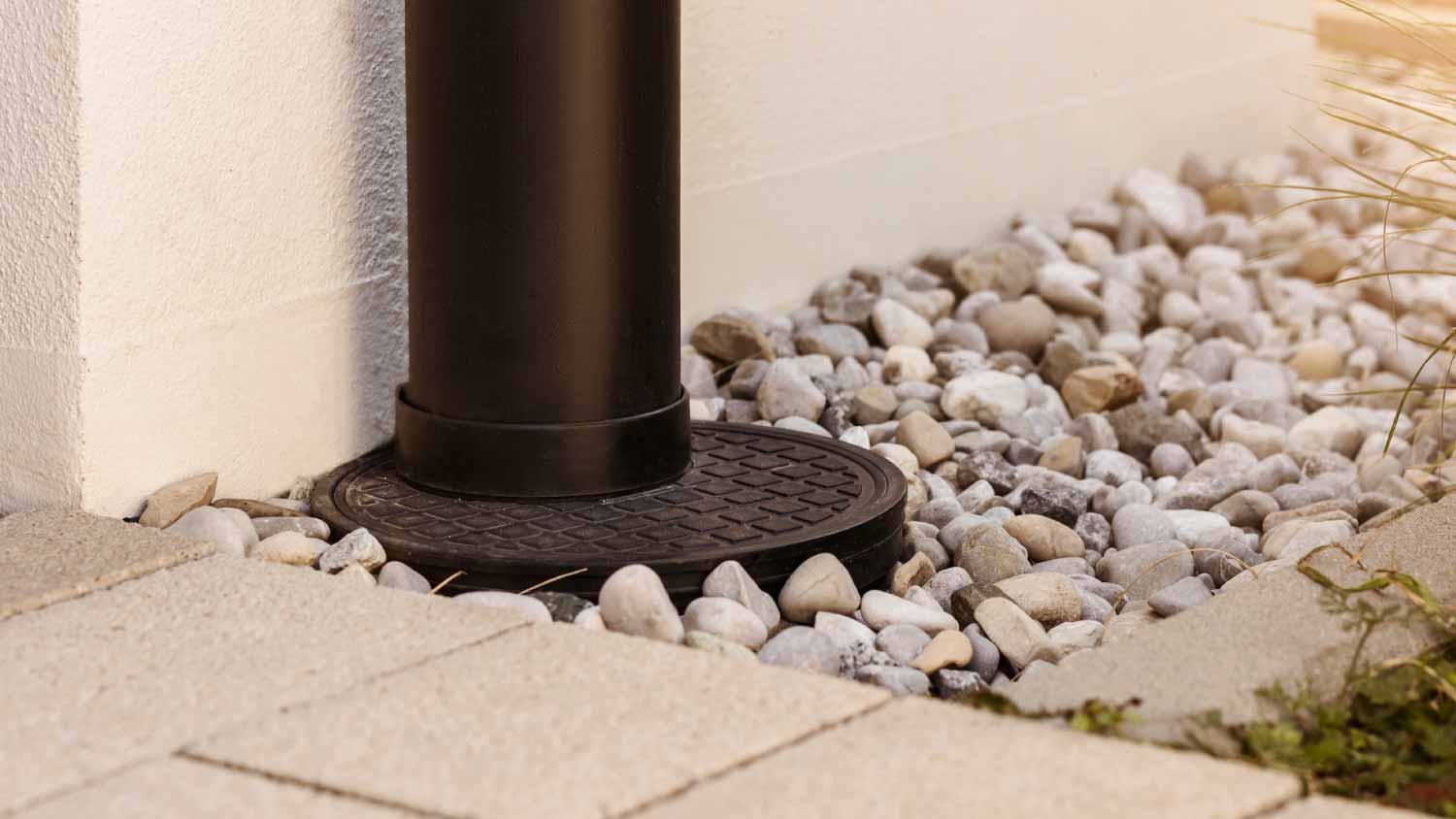
French drains help keep water away from the interior and exterior of your home. There are three different French drains to choose from, based on where water collects.
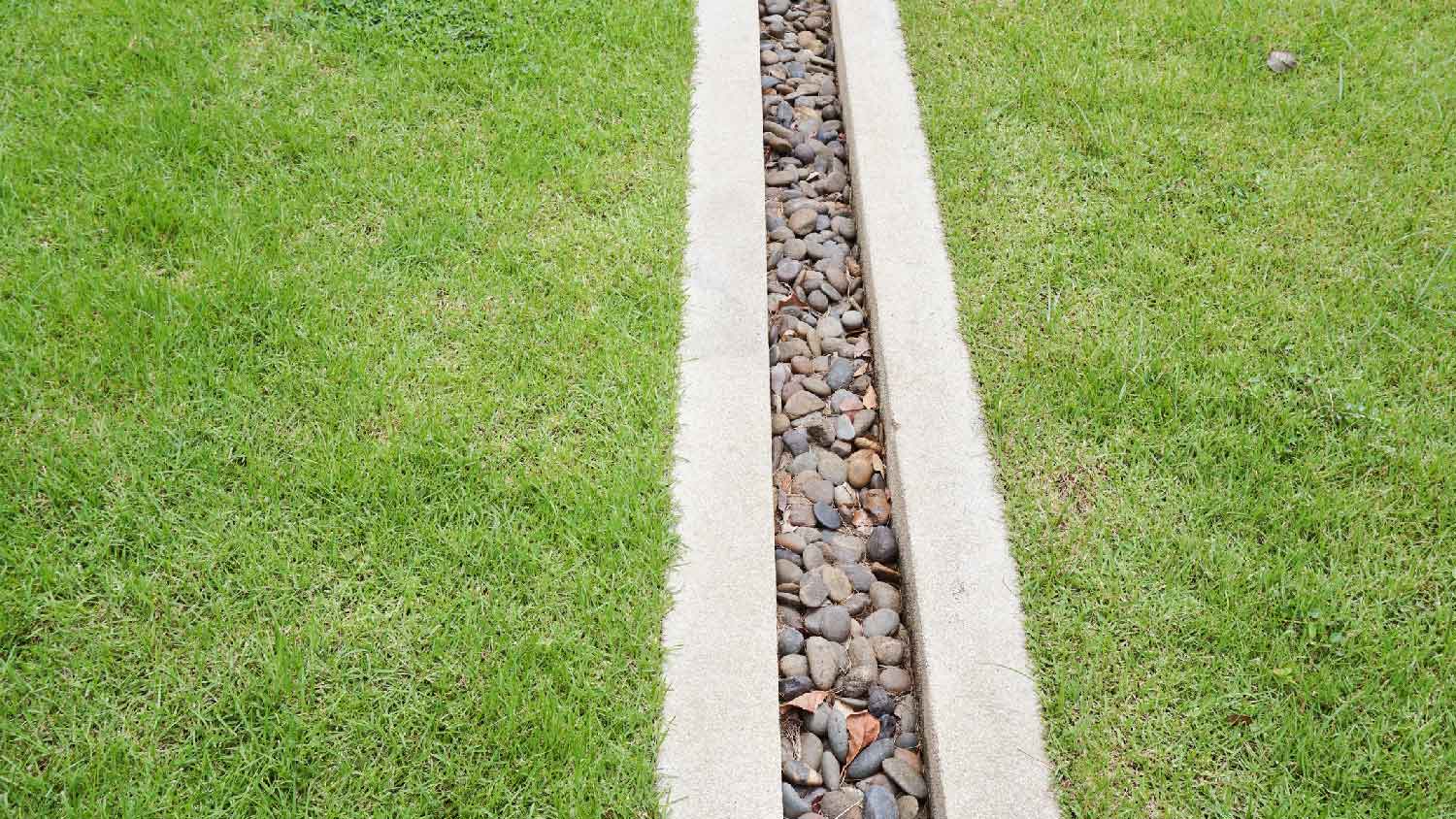
Ground and basement drainage issues can be fixed with the right kind of drain pipe. French drains and drain tiles offer similar solutions, but different applications.
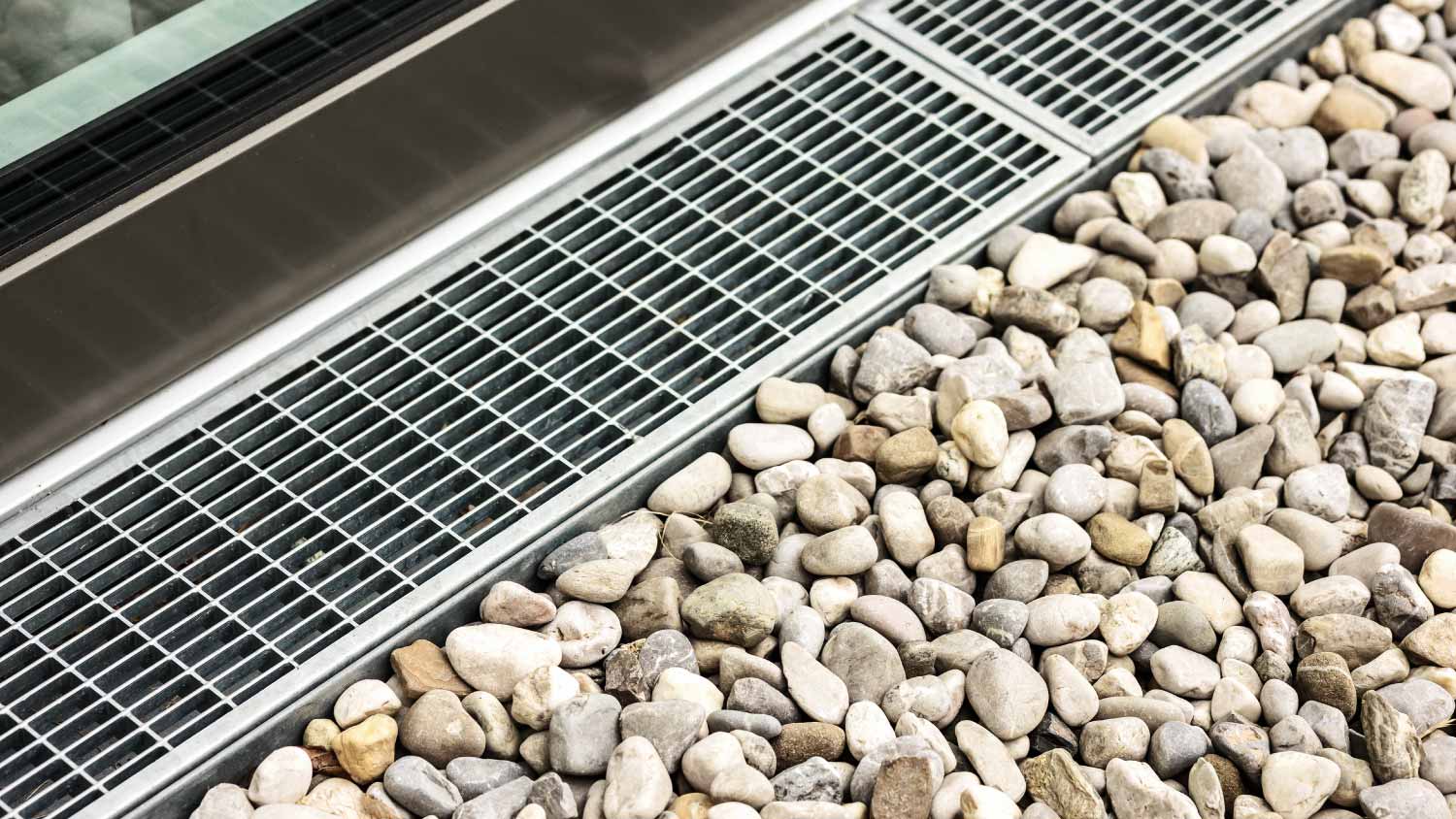
Deciding between a French drain and trench drain is a big decision. Check out the pros and cons of each, plus which drain system will work best for your home.
How deep is a french drain buried and how does it work? Learn how deep a french drain needs to be to work properly and other aspects to consider.