
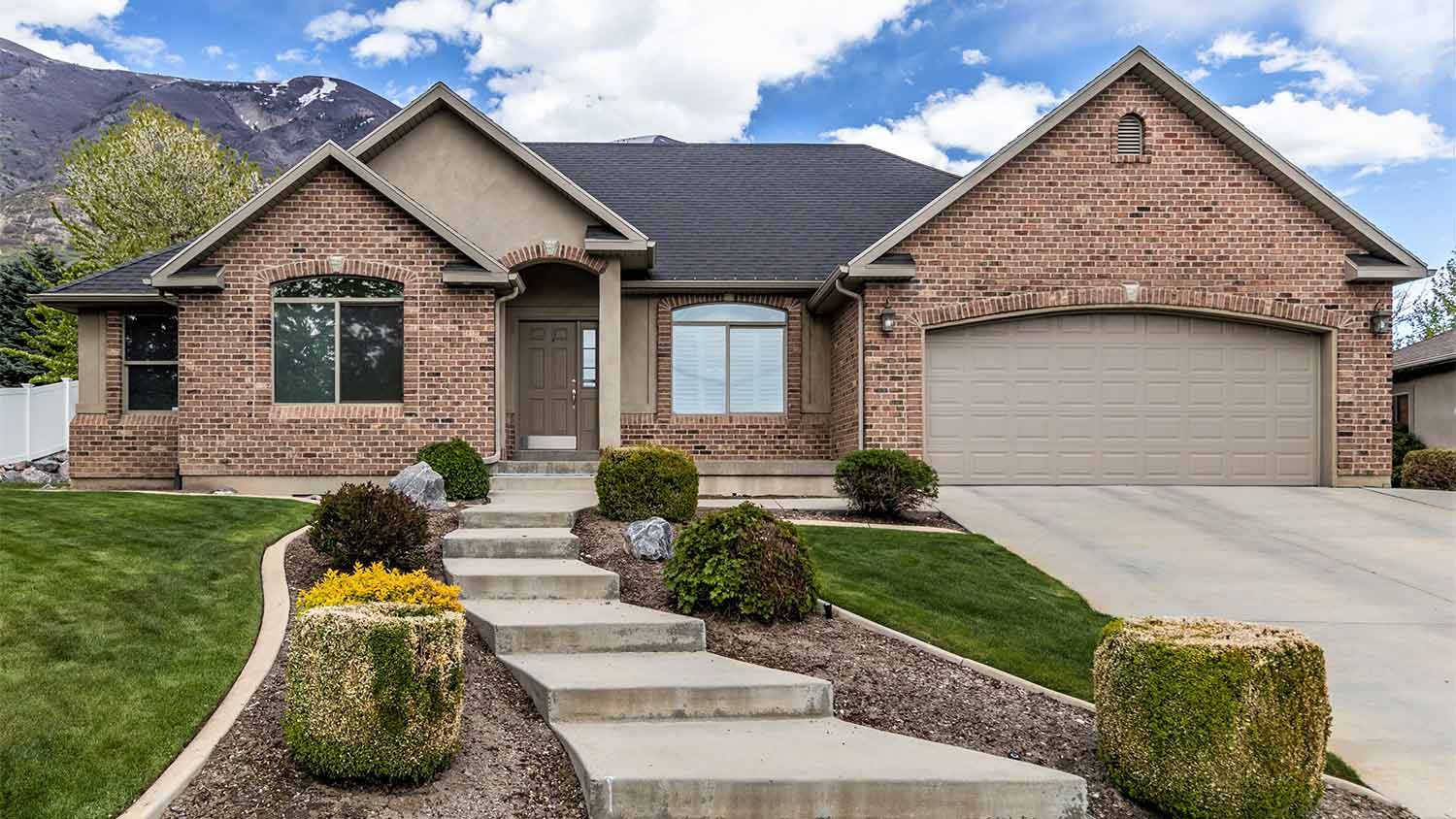
A French drain costs around $9,250 to install, but several factors will determine the final price you pay. Learn the cost to install French drains in this guide.
Shop around options similar to French drains

Trench drains work as an alternative to French drains when you need to prevent pooling water on driveways, patios, or other outdoor surfaces.
Conveyance swales and flumes offer low-cost drainage options for your yard, while sump pumps handle larger water volumes in basements and crawl spaces.
Your choice depends on rainfall amounts, soil type, terrain, and where water collects, so matching the drain system to your specific problem prevents future issues.
Hiring a local landscape architecture professional provides reliable guidance on selecting the right drainage solution and managing installation for your property's unique needs.
If your home has a water drainage problem and you’re not sold on French drains, it’s time to consider a French drain alternative.
French drains are common drainage systems meant to direct water into your yard to keep your basement dry. There are many French drain alternatives that work better with larger amounts of water or help prevent flooding in other places besides your basement. Let’s review the alternative options and when to hire a drain installation professional.
A french drain provides a sunken channel for water to disperse into the soil surrounding your home. Installing this type of system requires digging a trench and hooking up pipe connections, among other tasks, so it's best to hire a professional french drain installation company for this project.

| Type of Drain | Purpose |
|---|---|
| Trench Drains | Prevents pooling water in low-lying areas |
| Conveyance Swales | Helps prevent erosion |
| Flumes | Helps with storm runoff |
| Sump Pumps | Pumps water out of basements |

Although they rhyme with French drains, trench drains prevent surface water from pooling in unwanted areas, like driveways and patios. They are constructed by placing a long narrow channel covered by grated or slotted metal just below the ground’s surface. Once installed, water can flow into the channel while the grates or slots work to keep debris from clogging it.
| Pros | Cons |
|---|---|
| Easy to maintain | Clogs up with debris |
| Customized to suit many different environments | Grated drain is visible |
| Durable construction | More expensive than other alternatives |
| Prevents water from pooling | Requires professional installation |
Best for:
Homes with sloped driveways or patios that flood often
Near decks and pathways where pooled water could cause damage
Conveyance swales are drainage systems that help prevent erosion and flooding by redirecting water away from your home’s foundation. Typically, they consist of a depression or ditch and are sometimes filled with plants to help filter the water that collects in them. Swales focus more on flooding outside near hills and foundations while French drains are often in your basement.
| Pros | Cons |
|---|---|
| Easily hidden in your landscape | Require more space than other drainage systems |
| Low maintenance | Easily becomes clogged with debris or vegetation |
| Promotes ecological diversity | Often need to be supplemented with other drainage systems |
Best for:
Sustainability-minded homeowners with flooding issues
Those who want drainage solutions that blend into their natural landscape
Flumes are simple ways to divert large amounts of water. This type of drainage system consists of open channels made of concrete and are slightly curved on either side. A flume is often used in areas that experience frequent, heavy storms. Since it’s open, the system can handle surges of water, directing it away from your home and landscaping.
| Pros | Cons |
|---|---|
| Less expensive to install than French drains | Contributes to soil erosion in certain cases |
| Customizable to your yard size and drainage needs | Easily obstructed by debris and sediment |
| Low maintenance | Visually less appealing than other alternatives |
Best for:
Homeowners looking for a low-cost water drainage solution
Homes with limited space for complicated drainage systems

Sump pumps are attached to drainage systems or act as drainage systems on their own. They’re used to keep water out of basements, directing it outside of your home. A pit in the basement floor holds the sump pump and is made of valves that sense high water levels. When water reaches the pump, it automatically pumps the water out of the basement through a discharge line.
| Pros | Cons |
|---|---|
| Drain large amounts of water quickly | Costly to install |
| Used on its own or as part of a larger system | Requires regular servicing to maintain function |
| May increase property value | Power outages can cause pump failures |
| Keeps your foundation dry | Aesthetically unappealing |
Best for:
Homeowners who need to supplement existing drainage systems that can’t handle large amounts of water
Homes that frequently experience large amounts of water in basement areas
Selecting the right French drain alternative is crucial to effectively managing water issues. If you’re struggling to decide which drain works best for your needs, consult with a drain company in your area. They can answer your questions and give you a cost estimate.
To figure out which one is right for you, carefully consider a few of the following factors:
Amount of water to redirect: When choosing the right drain system, consider your average rainfall totals, if the water is pooling or running off from another location, and if your water problem is in a permeable or non-permeable place in your yard.
Soil type and terrain: You’ll need to choose a drainage solution that works for your soil type and terrain. The right drain option depends on the makeup of your soil, the gradient of any slopes, and natural drainage patterns. Some drainage systems are specifically designed to prevent erosion for fine soil.
Aesthetic preferences: If you care about how your drainage system looks, such as whether it can blend into your existing landscape, you should focus on more natural drainage systems like conveyance swales.
Installation and maintenance requirements: Certain drains are easier to install and maintain than others. You should pick a system that fits into your budget, timing constraints, and resources. Connecting with a landscaping company may help, so you can get a sense of what your problem areas are in your yard.
Impact on the environment: When draining water, you always want to be sure to maintain and protect the environment. You should keep in mind where the water is coming from and going to, as well as any contaminants it carries, and if you’re disrupting a natural habitat for local creatures.
Local regulations: Each state and individual city has its own requirements for drainage installation. You should seek out your local building regulations and codes before choosing a solution.
Cody did a great job!
 Itzelpainting
Wonderful. I am going to have them remove and replace my driveway in the spring.
 All Star Paving and Sealing
We had a 20+ year old landscape lighting system that needed replacement. Midwest Lightscapes worked with us to design a much improved lighting system, lighting the exterior of the house and the back yard. Installation of the 45 light system took one and one-half days, and went very smoothly....
 Midwest Lightscapes
Did an amazing job transforming my yard. Also installed sod in places, would recommend to everyone.
 Cardinal Landscaping & Construction LLC
Always been satisfied with the service work and how they have taken care of my pool.
Bill Gerhardt sold the company to his employees at the end of 2019, apparently without a workable succession plan and without notifying prospective customers of this fact. Most aspects of the maintenance contract have not been fulfilled: no installation of anual plantings per contract, no...
They show up and they did take us on as a client which seems to be a problem with other lawn care providers. We have multiple properties and this one was located close to downtown and no one really wants to mess with it.
I was very happy with the service provided by AK Irrigation. They responded quickly to my email, and the woman I spoke with was polite and professional. I was able to get an appointment that same week. <br /> The technician (Tyler) arrived on time. He was very knowledgeable, and worked...
 AK Irrigation
The worker came out when he was supposed to come. He informed me he would honor the Angie's List deal, but would not do any more work for me since my son in law owns lawn care company as well, even though they do not do the same type of work. He said he did not feel comfortable giving me...
 Bello Giardino LLC
E & L Lawn Care was super. They were very responsive before and after service. They were efficient and were able to complete the job within 1 day. I have had concern about one section of sod - the owner was pro-active and did a visit to evaluate. I have no doubt they will stand behind...
 E&L lawn care
From average costs to expert advice, get all the answers you need to get your job done.
A French drain costs around $9,250 to install, but several factors will determine the final price you pay. Learn the cost to install French drains in this guide.
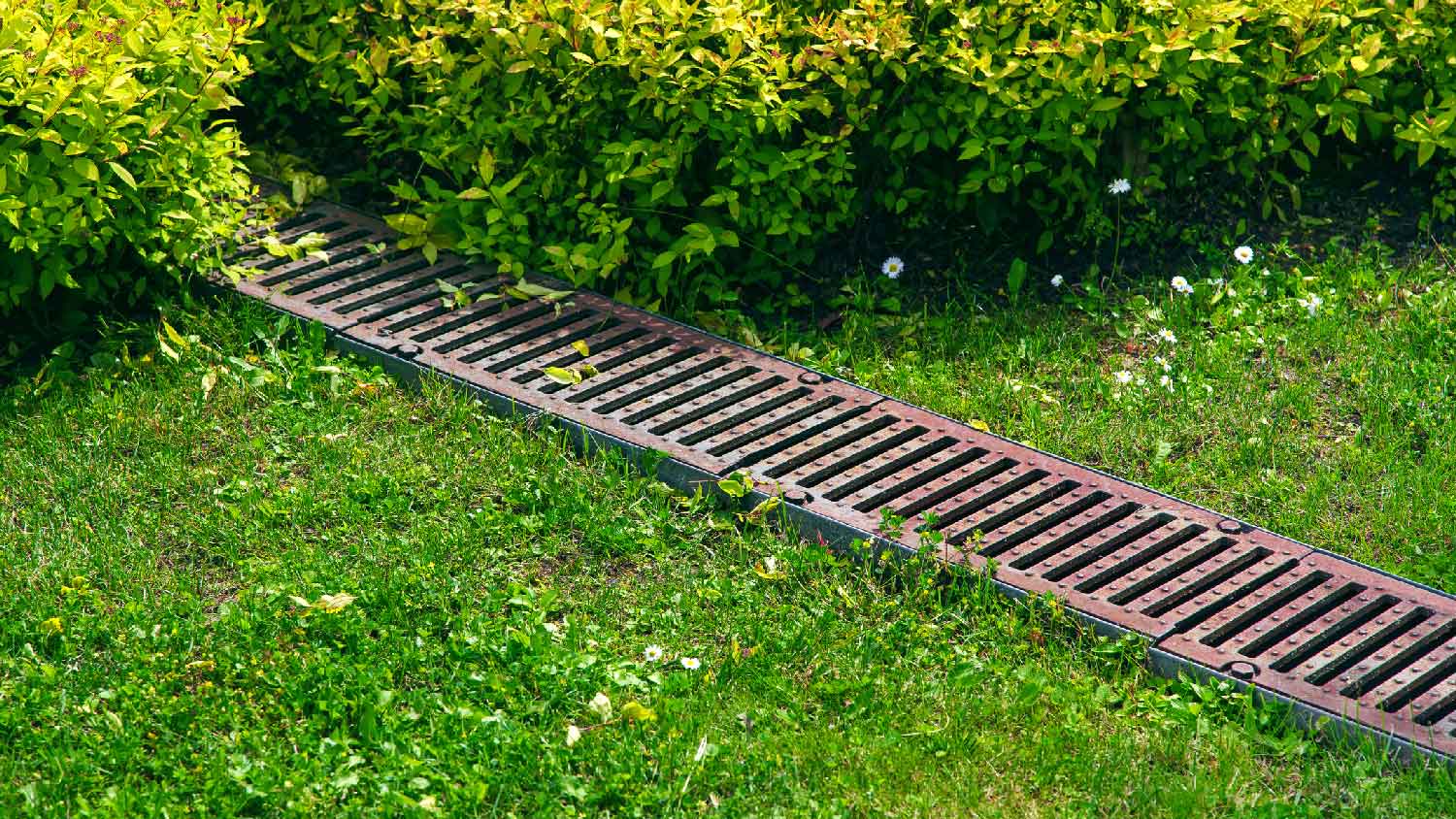
You’ve decided on a French drain system but need to determine whether the drain holes should face up or down. Our guide can point you in the right direction—literally.
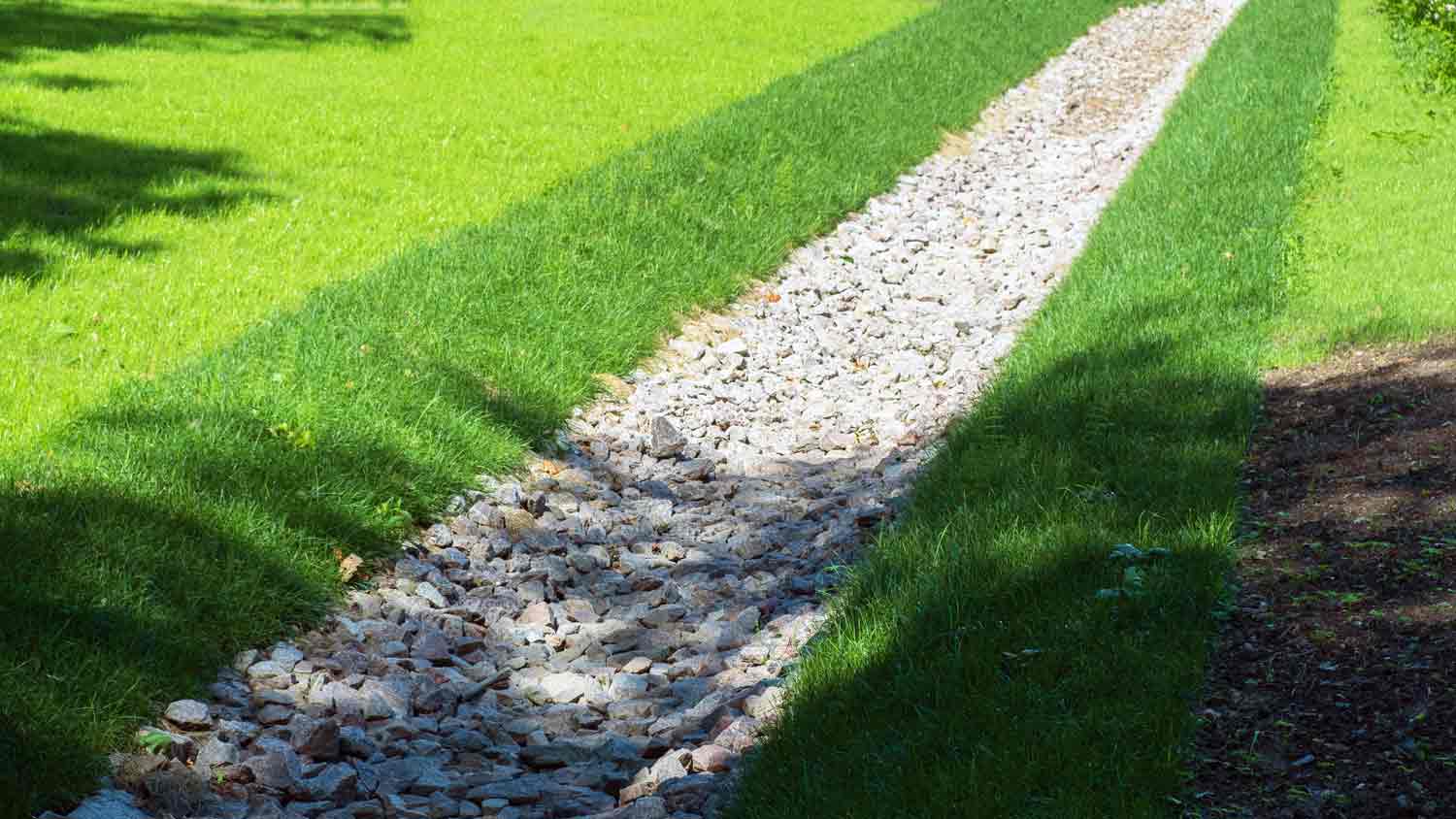
Inspecting and cleaning your French drain regularly is important for its function and longevity. Learn all about French drain maintenance.
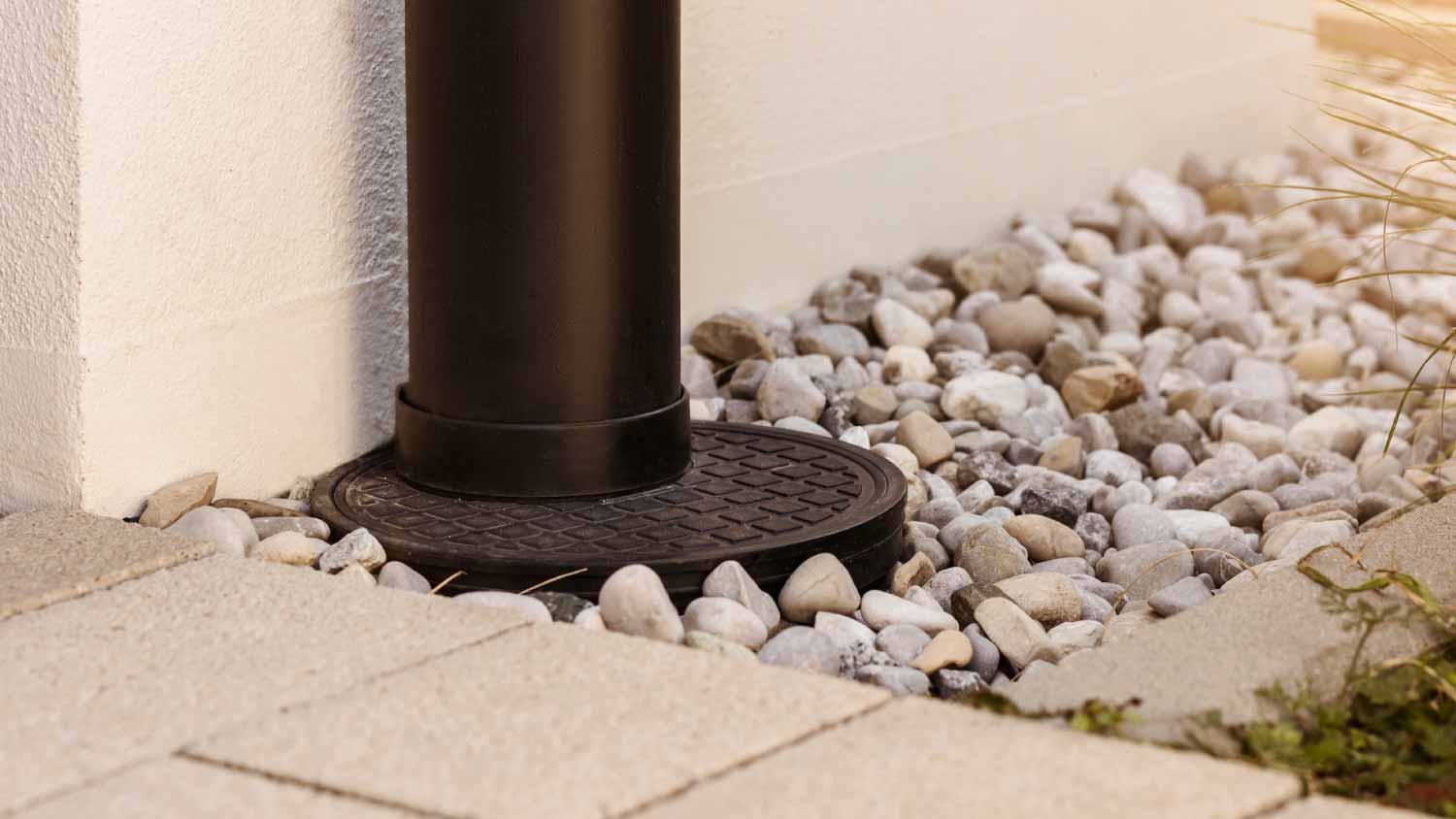
French drains help keep water away from the interior and exterior of your home. There are three different French drains to choose from, based on where water collects.
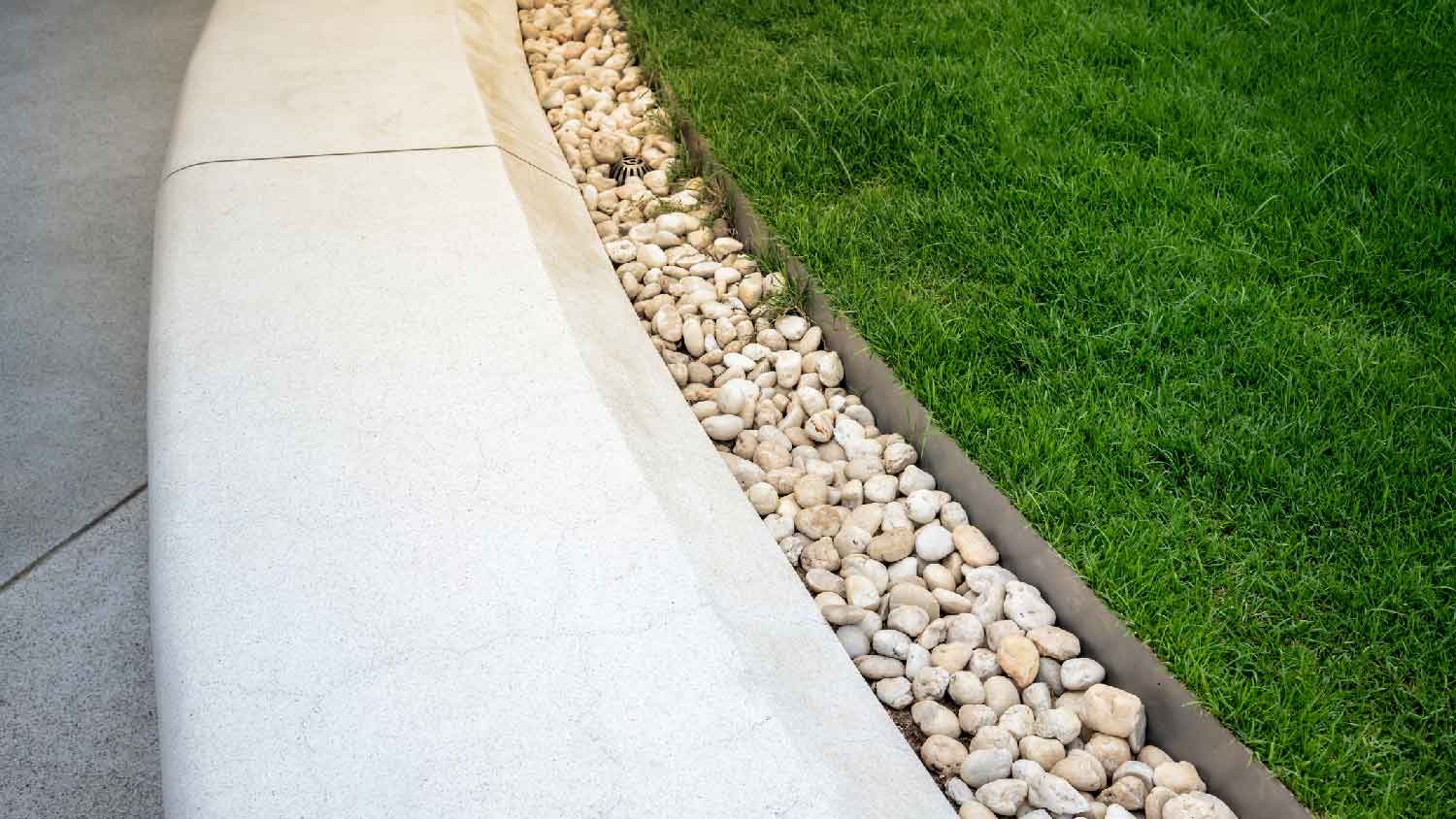
French drains can be an effective solution for pooling water and flooding. So, who installs French drains? Find out how to hire the ideal pro for the job.
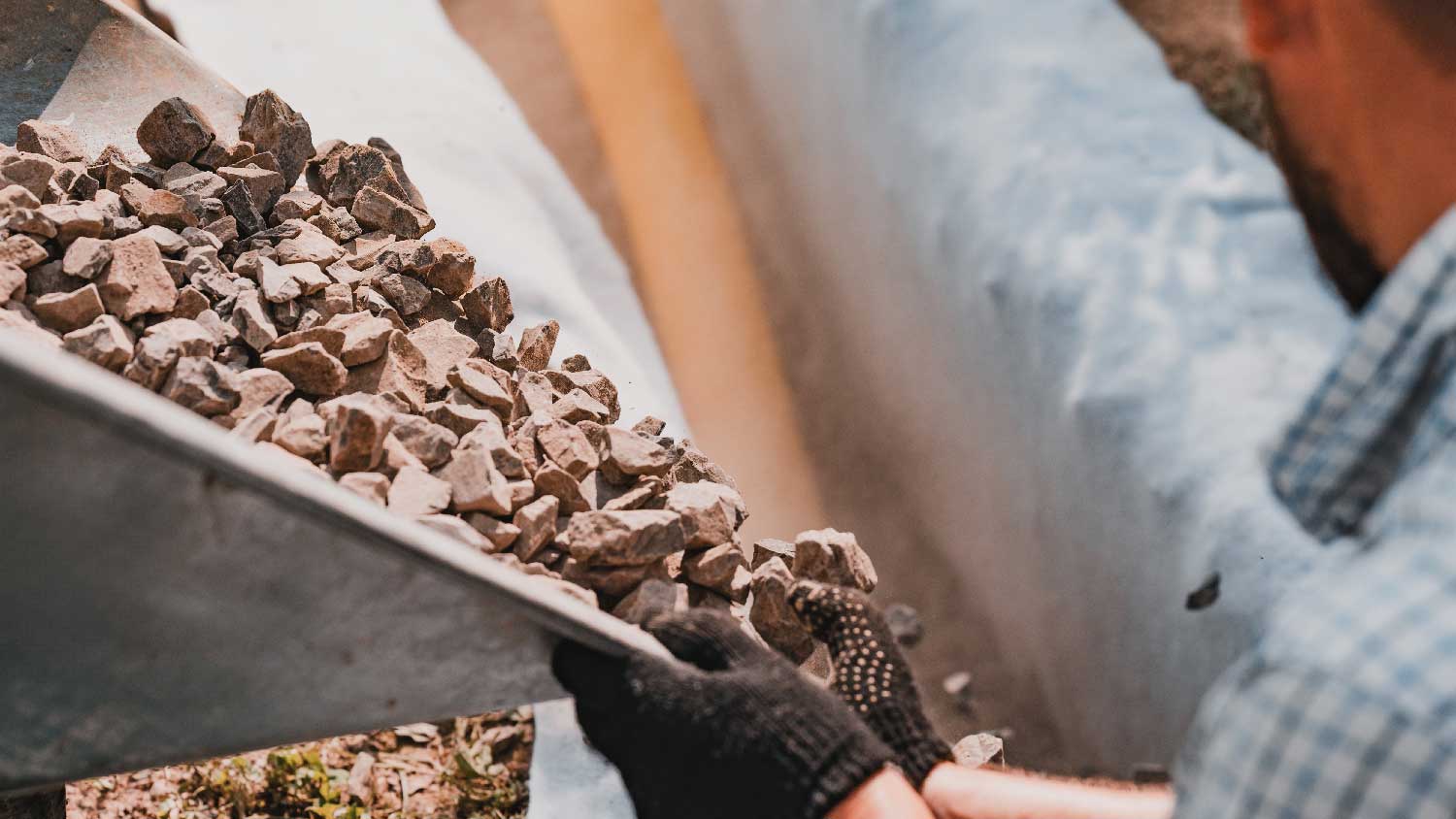
What are the best rocks for French drains? Learn which rocks top the list and which ones to avoid using for a French drain.