
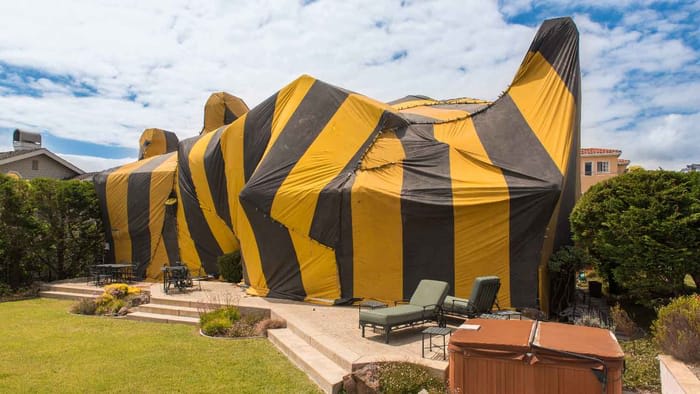
Tenting is a costly but effective way to exterminate termites. Learn the average termite tenting cost and everything that will factor into your budget.
Learn to identify the winged intruders around your home

Termites and flying ants both have wings and nest in wood, but termites eat the wood while flying ants only tunnel through it.
Expect to pay $80 to $500 for flying ant treatment and $250 to $1,000 for termite treatment, with termite removal also costing $3 to $20 per linear foot.
The right pest control approach depends on your infestation type: termites cause serious structural damage, while flying ants are less destructive but still require removal.
Hiring a local termite control professional provides reliable help identifying which winged pest you have and treating the infestation before damage spreads.
In the world of flying insects, there’s an often-mistaken identity that can cause confusion and concern: Flying carpenter ants vs. termites. The presence of either of these winged invaders is enough to send your anxiety through the roof, leaving you wondering if you are dealing with an ant problem, or something far more serious—termites.
By understanding their distinct features, you can easily identify these pests and take immediate action to protect your home and property. Here are the key differences between flying ants and termites.
| Type of Difference | Flying Ants | Termites |
|---|---|---|
| Size | ¾ inch | ¼–½ inch |
| Color | Black, brown, red | Red, brown, light yellow, tan |
| Number of Legs | 6 legs | 6 legs |
| Host Preference | Decaying wood | Wood |
| Habitat | Near moisture and moist wood | Dark, damp areas |
| Disease | Does not carry disease | Does not carry disease |

Flying ants and termites share some similar characteristics, but they have distinct differences in their appearance.
Flying ants and termites are relatively small pests, making it difficult to get close enough to distinguish between them. However, termites range from ¼ to ½ inch long, while flying ants reach ¾ inch long.
Flying ants can have black, brown, or red bodies, with two pairs of brown-colored wings. On the other hand, termite coloring depends on the species type. Drywood termites are typically red or brown, but dampwood termites are usually lighter shades of tan or yellow.
Termites can be recognized by their straight antennae, wide bodies, and two pairs of wings that are approximately the same size. If the bugs you’re seeing fit this description, it’s urgent to get a termite inspection ASAP.
On the other hand, flying ants have a pinched waist and beaded elbow-shaped antennae. Unlike termites, there is a noticeable size difference between their front and hind wings.
Flying ants have a diverse diet that includes seeds, nectar, food scraps, and other insects around the home. In contrast, termites prefer chewing on cellulose fibers that are found in various sources such as wood, plants, paper, and cardboard. Many types of termite treatment involve treating the affected wood to kill off existing termites and prevent new ones from moving in.
Flying ants can be found in open areas, though they make their nests by tunneling into wood. They typically nest in wood that is wet, damp, or in a state of decay. Although not nearly as common, they can inhabit dry wood as well. Termites also build their nests in wood, but you’ll rarely see them out in the open as you would with flying ants.
Both flying ants and termites exhibit swarming behavior, which can cause confusion between the two. Termite swarms typically happen during daylight hours, often in the spring season and after a rainstorm (although termite colonies remain active throughout the year).
Flying ants have a much shorter swarming period, which only takes place during warmer weather. Although it’s sometimes called “flying ant day,” the process typically happens over a few weeks, often having several peaks that span over a few days.

A major difference between flying ants vs. termites is the damage they cause. Termites feed on the wooden components of homes and can do serious structural damage if left untreated; this is why it’s urgent to take the proper steps to get rid of termites as soon as you suspect an infestation. Flying ants tunnel into wood and can cause damage as well, though they don’t eat the wood and are generally less destructive.
Aside from identifying the bugs, there are several other signs that can point to an infestation. For flying ants, you might see a trail of ants leading to your home or small wood shavings near where they have burrowed. Termites leave behind more noticeable damage, such as wood that sounds hollow when you knock, peeling or faded paint, and buckling laminate or hardwood floorboards.
Now that we understand the differences between these unwanted pests, let’s review how to get rid of them.
You can usually subdue flying ants by sucking up visible ones with a handheld vacuum. Commercial insecticides are also an option, but be advised that these are toxic to humans and pets and should only be used with extreme caution.
The surefire way to get rid of ants in your home is to hire an ant exterminator. Professional ant treatment costs range from $80 to $500, depending on the ant type and infestation severity. When getting quotes from local pest control companies, ensure they specialize in flying ant removal methods.
In cases of termite infestation, it’s highly advisable to skip the DIY and invest in the professional termite treatment, which typically costs between $250 and $1,000. The project cost of termite extermination will depend on treatment type, with termite fumigation and chemical termiticide costing the most and termite baiting and tenting the least. The average cost for termite removal ranges from $3 to $20 per linear foot.
A local termite exterminator has access to the most potent and fast-acting treatments available. If you want to banish these winged intruders, get in touch with a pro today to protect your home and restore your peace of mind.
Follow these tips to prevent termites and flying ants from returning to your home.
Cut back plants and branches that come in contact with your home
Store firewood far away from the home
Address moisture issues as soon as possible, as these can weaken or rot your wood
Eliminate food sources by properly storing food
Seal cracks around windows and baseboards
Inspect and repair rotting wood
Seal cracks around water and gas lines
Install bug screens around attic vents and foundation
Install a dehumidifier in crawl space
Repair leaky AC units and plumbing immediately
Remove rotting wood, dead trees, tree stumps
Use termite-resistant mulch in yard
A reliable team for moves across state. My switch to a new place needed careful lifting through tight hallways. The movers checked the doorway first, then carried heavier pieces with slow, controlled movements. Their patience helped prevent damage, and I?d choose them again.
This company does it right. Firstly, I want to say that Landan was a joy to work with. He was so kind, transparent, and had everything under control. His entire team showed up ready to work and they were all very respectful of the fact that we were in an office space. A little backstory – we...
 Krumlauf Floors
I had FabClean 614 clean my apartment, and she did an outstanding job. She was so professional and efficient. My apartment looks absolutely spotless every surface, every corner, all cleaned to perfection. Definitely highly recommend FabClean 614 if you're looking for top-notch cleaning...
 Fab Clean 614
Raven and crew does absolutely fantastic job. They are very professional if any concerns were to occur with any of her work she always took responsibility and finished out with a great job. I have worked with her business for a year and have always been satisfied. Very trusted business and...
 Creations of Transformation LLC
I would recommend this company to anyone! He showed up on time, was friendly, completed a very difficult repair on our dryer vent cover, was responsive, and pricing was extremely fair and competitive. I would have him back to do any of our repairs or cleanings without hesitation!
 U.S.A. Dryer Vent, LLC
Best cleaning I've had at my property
Ace Fireplace Services' chimney sweep service is truly exceptional. They used advanced technology to ensure a thorough cleaning process, and my chimney has never looked better. I highly recommend their services.
 Ace Fireplace Services
This company went above and beyond with their work, chimney sweeps are usually pretty messy, but the clean up was spot on.!! Josh explained every thing that he was doing, and the things that he was checking to make sure the chimney was safe for me and my family. He was very professional,...
 Supreme brick & chimney
Good workers and they do a good job.
 Mira Construction
Mary Cleaning Service is fantastic! The entire team is professional and pay a great deal of attention to detail. They do such a thorough job of cleaning my house. I would definitely recommend!
From average costs to expert advice, get all the answers you need to get your job done.
Tenting is a costly but effective way to exterminate termites. Learn the average termite tenting cost and everything that will factor into your budget.
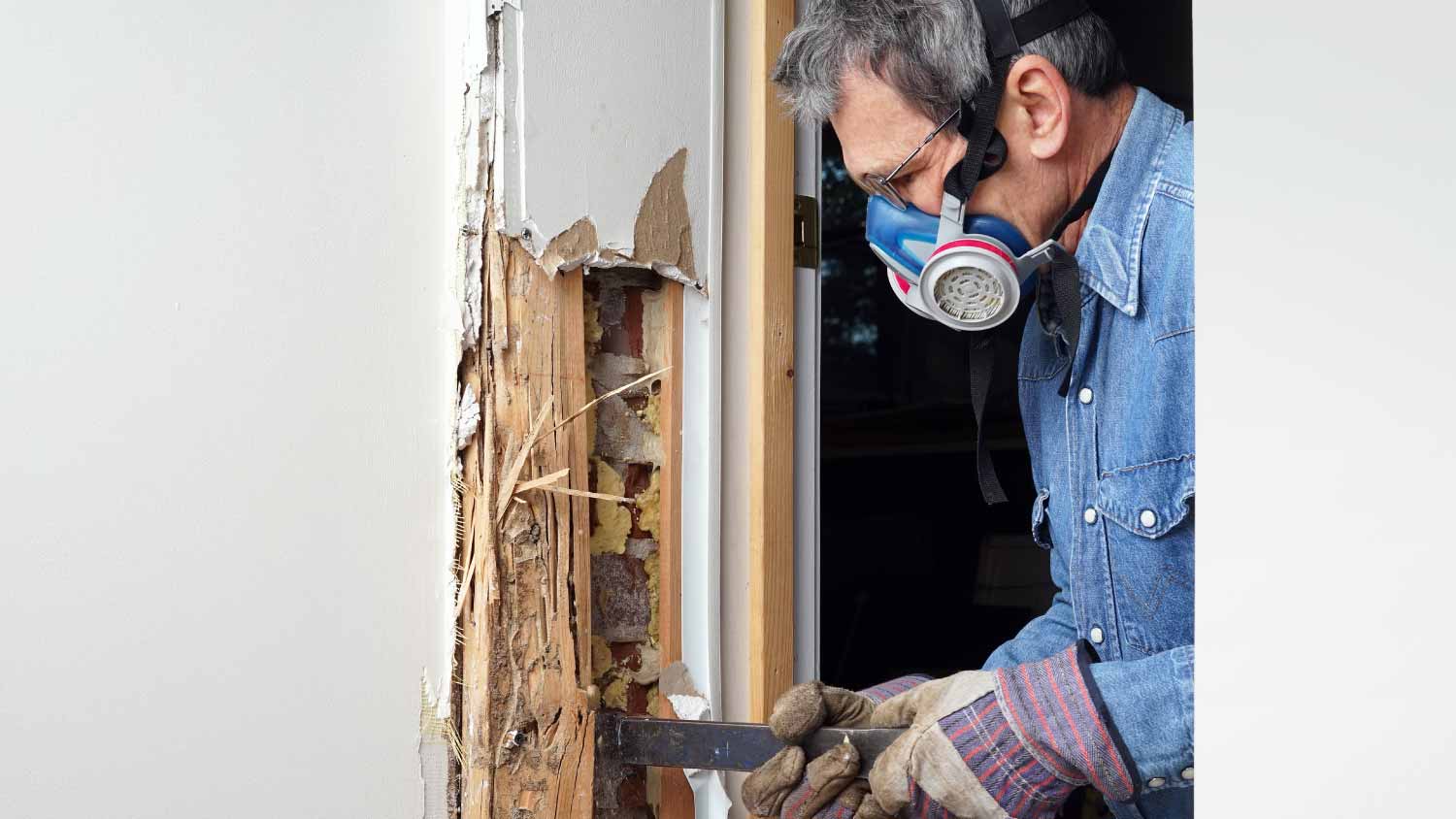
Termite damage repair costs can vary greatly based on the damage severity and location. Learn more about the associated costs of this project with our guide.

A termite swarm could indicate an infestation. Learn what termite swarms are, why they do it, and what it could mean for your home.
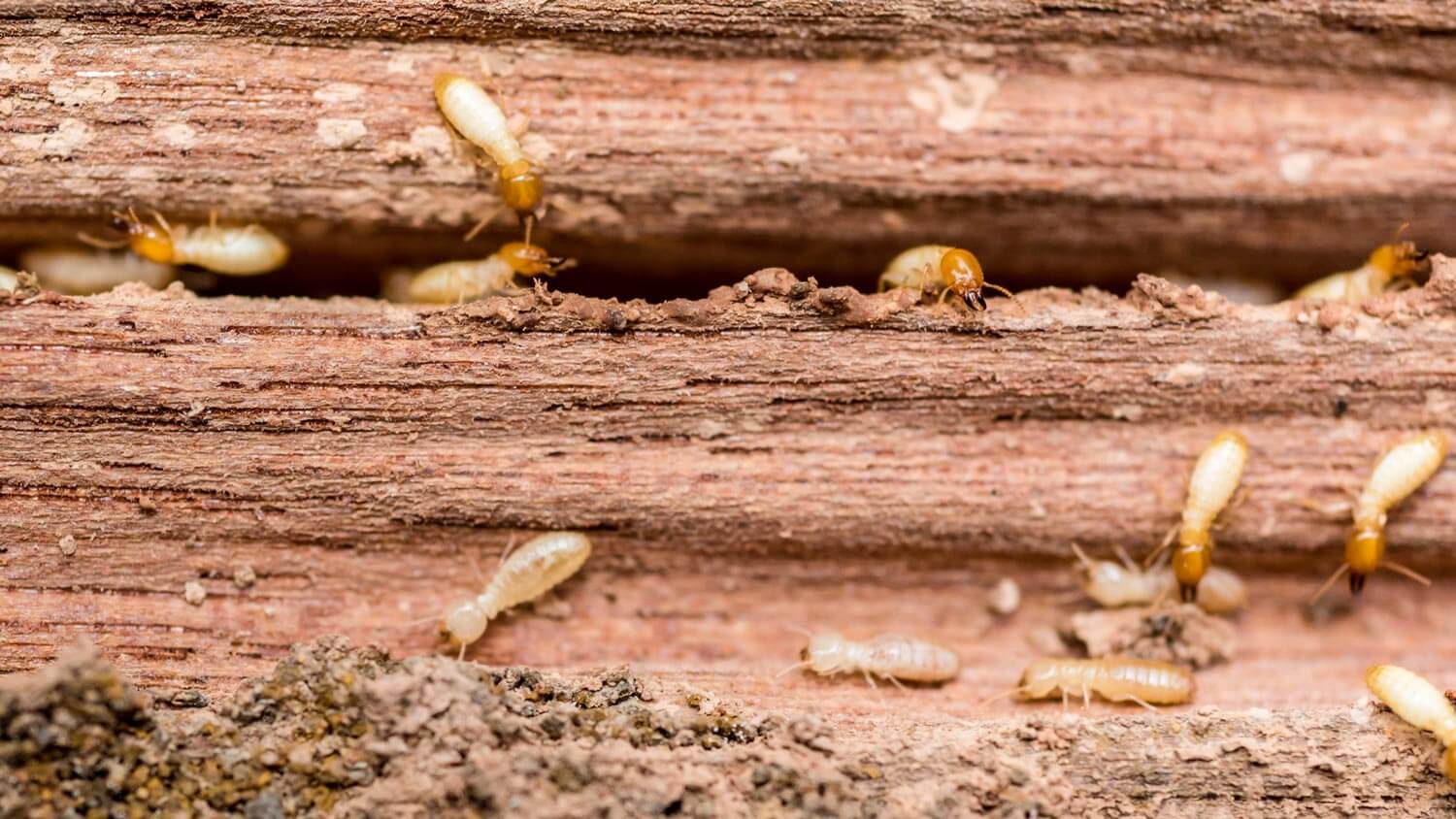
Not sure which pests you’re finding in your home? Review this guide to learn the key differences between termites vs. ants and how to prevent them.
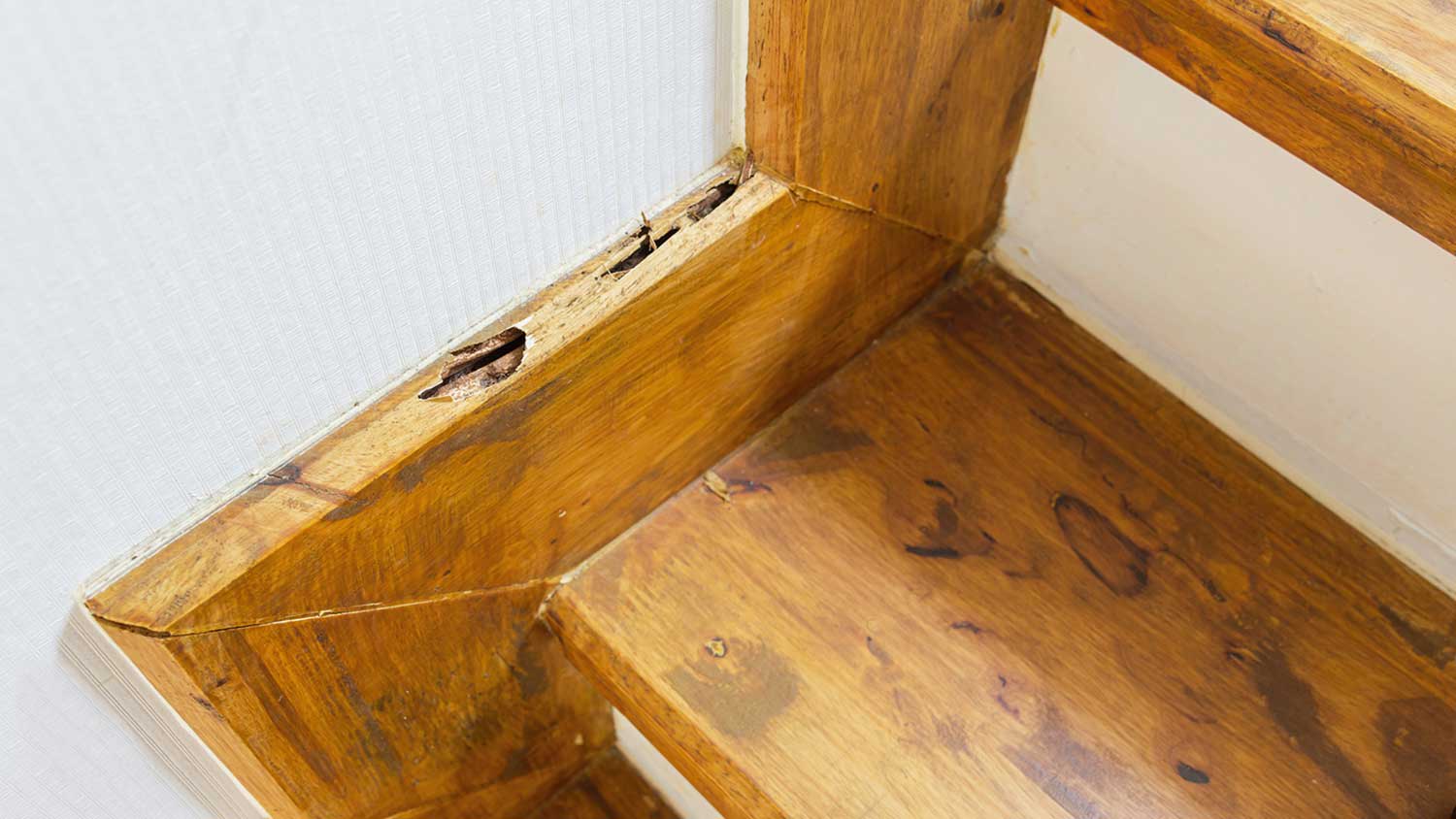
Learn the signs of carpenter ants vs. termites if there's wood damage in your home created by an invading pest colony.

Despite being a particularly unwelcome house guest, termites are quite fascinating. Learn 13 crucial termite facts every homeowner should know to help with prevention.