

•
Discover the average ant exterminator cost, factors impacting pricing, and how to save. Get expert tips to budget for ant removal and protect your home.
How to tell if your home is being nibbled by carpenter ants or termites

Carpenter ants and termites both damage wood, but carpenter ants burrow through it for nesting while termites eat the wood itself.
Typical termite treatment costs range from $230 to $1,000, so spotting the difference early helps you address the right pest quickly.
Your choice between carpenter ant or termite treatment depends on damage patterns: smooth tunnels with sawdust indicate carpenter ants, while mud tubes signal termites.
Hiring a local termite control professional provides reliable support for identifying damage patterns and completing inspections that protect your home from further issues.
Wood damage at your home is the calling card sign of carpenter ants vs. termites. While both types of pests can cause extensive damage and rot, one is capable of sowing destruction much faster than the other. Keep reading to learn about how to identify the signs of carpenter ants and termites to prevent these pests from making a snack out of your home.

| Type of Difference | Carpenter Ants | Termites |
|---|---|---|
| Size | 6–12 mm | 5–15 mm |
| Color | Black, brown, and red | Red to brown |
| Number of Legs | Six | Six |
| Host Preference | None | None |
| Habitat | Outdoor | Indoor/outdoor dark, damp areas |
| Disease | Can carry disease | Do not carry disease |
Both carpenter ants and termites will damage the wood in your home, but you’ll see different patterns in how they do it.
Imagine an art farm where you can see the very smooth tunnels the ants built under the soil. This is the same for carpenter ant tunnels, except they build them in moist wood in your home and not under the soil. As carpenter ants tunnel, they will leave sawdust-like piles behind them. That’s because they don’t actually eat the wood, they’re carving it away to live inside of it instead.
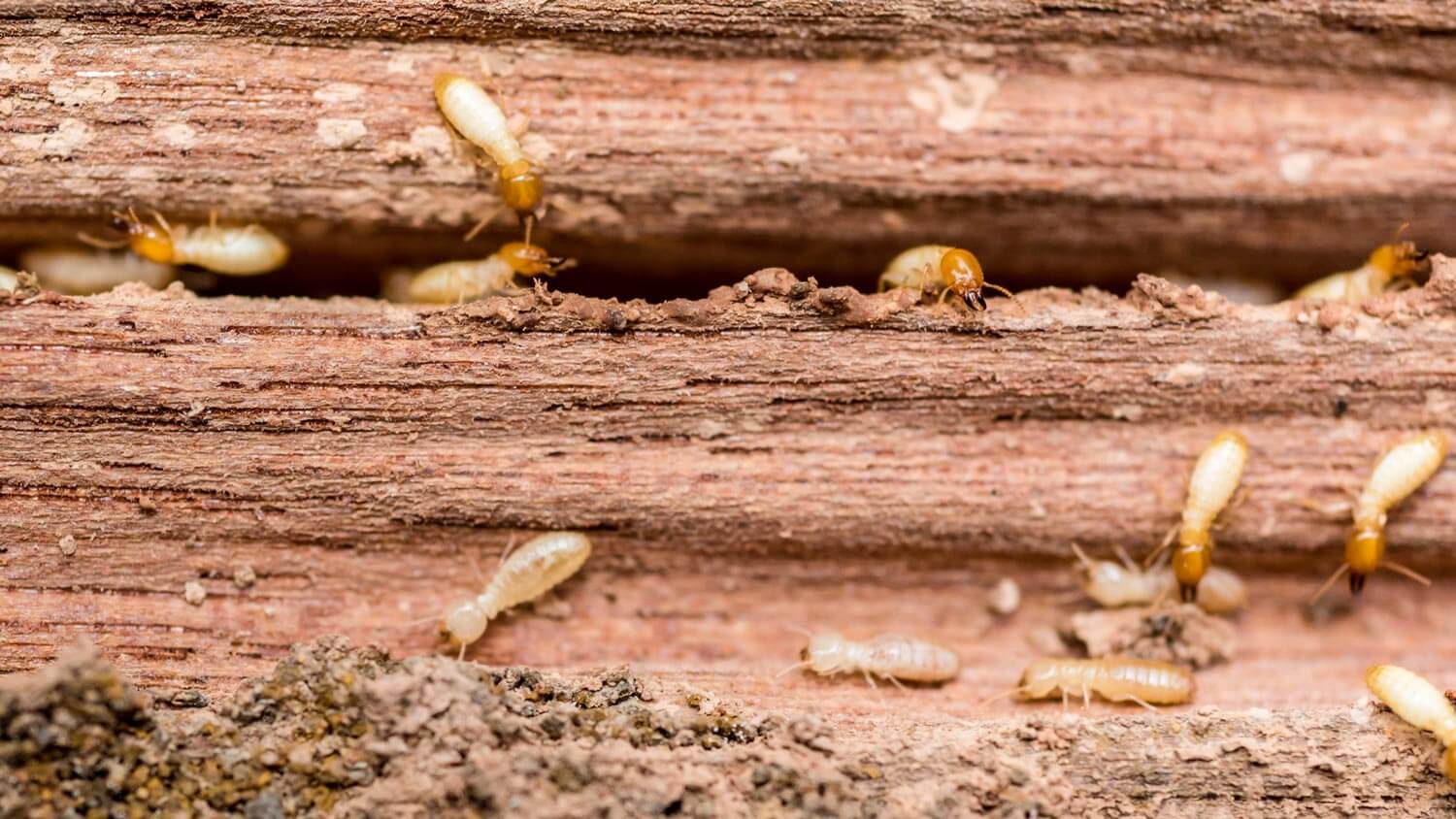
When termites are inside your home, you won’t see sawdust, but you will spot mud tubes. Mud tubes are the structures where termites live. Unlike carpenter ants, they consume the wood in your home. Instead of smooth tunnels, you’ll see irregular gnaw marks, and the wood will be hollow thanks to the termites.
Other signs of termite damage include peeling paint, as they’re consuming the wood and cellulose behind the paint, plus hard-to-open windows and bubbling laminate floorboards, as they’ve eaten the wood underneath and the laminate is exposed to moisture.

Do carpenter ants and termites look alike? This guide may help you to identify your pest on the spot.
Most carpenter ants and termites are about 10 millimeters in size. The standard size for carpenter ants is between 6 millimeters and 12 millimeters. With sizes reaching 5 millimeters to 15 millimeters, wood termites generally outsize carpenter ants by a hair. It's even possible for an infamous "winged" swarmer termite species to reach 25 millimeters long.
The color of your pest can be a better indicator than its size. Shades of black, red, brown, orange, and yellow make the coloring of carpenter ants far richer than the standard dark-brown hue of most termite species.
Termites have long, oval-shaped bodies. While carpenter ants also have oval-shaped bodies, their heart-shaped heads make them stand out. Compared to carpenter ants, termites have shorter lets, thicker waists, and straighter antennae.
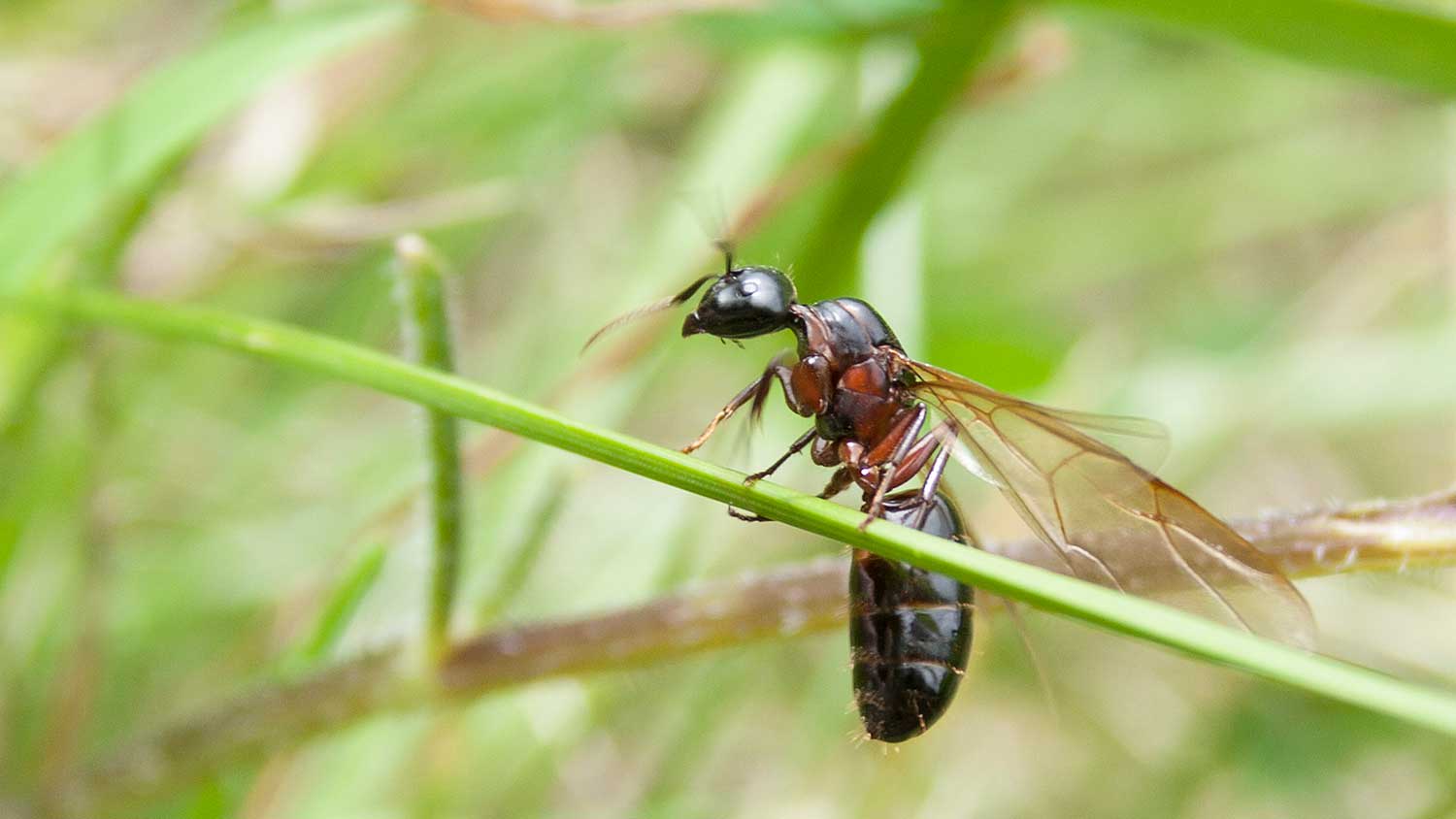
Both termites and carpenter ants are winged creatures. However, you can spot a carpenter ant by its front wings that are slightly larger than the back wings. A carpenter ant wings also have more of a "paddle" shape compared to a termite's pointed wings.
With termites and carpenter ants being six-legged creatures, counting extremities won't help you tell the difference. However, the trick for telling the difference is to look for the three distinct body segments found on the bodies of carpenter ants.

While carpenter ants and termites both destroy wood, their feeding habits are slightly different. In fact, termites and carpenter ants leave different footprints because only termites actually eat wood. Carpenter ants will only attack moist or rotting wood. While termites will also eat rotting wood, they will happily dive right into healthy and new wood.
Carpenter ants are simply digging through your wood for nest excavation. The telltale clues that you have carpenter ants are piles of wood shavings next to tiny holes in your wood. Galleries created by carpenter ants appear neat and efficient.
By contrast, termite galleries look sloppy because they have been filled in with layers of dirt and mud during feeding frenzies. If you see a mud tube on an outside wall of your home, this little passageway is the trademark sign of termites.
Termites and carpenter ants don't need hosts to survive. Their "host" is wood matter.
Termites do not bite people. While carpenter ants won't normally bite humans, they may attack with bites if something disturbs their nest. These painful pea-sized bites can break the skin. What's more, carpenter ants can spray a defensive chemical that causes the bite wound to sting.
Termites mostly swarm during daylight hours. They are most active after rainfall because they are attracted to moisture. Carpenter ants do most of their work after nightfall.

Most termites prefer to live in dry wood above ground level. Some species are soil dwellers. It's not uncommon to find termites living in walls, logs, furniture, and other sources of wood located either within or adjacent to a home. A professional termite removal service will search these areas for signs of damage during a termite inspection.
Carpenter ants typically nest in the wood of dead or decaying trees, branches, and stumps. Any rotting lumber that's next to or part of your home can also become a habitat for these pests.
A carpenter ant usually only lives six to 12 weeks. Each egg takes about 60 days to hatch into a full-grown worker ant. Due to their short lifespans, carpenter ants can take several years to build a colony. The entire colony can be wiped out quickly if the queen and workers are taken out.
Meanwhile, a termite can live for one to three years. This longer lifespan allows termites to create significant damage in your home. The queen of the colony can reign for decades, and ss she gets older, lay thousands of eggs in a single day.
While we don't generally need to worry about termites spreading disease, carpenter ants can carry salmonella, staph, E. coli, strep, and a variety of fungal diseases. If carpenter ants contaminate food sources, it can spread those diseases to humans.
Termites are not known to carry any diseases that are harmful to humans. The main health concern with termites is that their wood-destroying activity could trigger asthma attacks or allergic reactions in some people.
Due to their shared love of rotting wood, termites and carpenter ants require similar preventative measures.
Regular termite inspections from a qualified local termite expert is the best way to save your home from severe damage. With termite treatment costs ranging from $230 to $1,000, a quick inspection that keeps you ahead of the problem pays off.
Other ways to prevent termites include:
Address excess moisture around your home's foundation.
Eliminate wood-to-ground contact for decks and porches.
Use bait and monitoring systems.
Apply direct wood treatment to compromised wood.
Seal gaps around water and gas lines.
Fix leaky plumbing.
Seal cracks, crevices, and joints in your home.
Remove dead trees from your property.
Remove or elevate firewood.
Replace wood shingles.
The same rule about routine inspections applies for carpenter ants. Here are some other ways to get rid of carpenter ants and prevent them from infesting your home:
Address moisture areas around your home.
Cut back branches and tree limbs that create bridges to your home.
Seal cracks and openings near your foundation.
Seal areas where pipes and utility wires enter your home.
Remove or elevate firewood.
Eliminate wood-to-ground contact for decks and porches.
Avoid leaving food out.
Take trash out regularly.
A reliable team for moves across state. My switch to a new place needed careful lifting through tight hallways. The movers checked the doorway first, then carried heavier pieces with slow, controlled movements. Their patience helped prevent damage, and I?d choose them again.
This company does it right. Firstly, I want to say that Landan was a joy to work with. He was so kind, transparent, and had everything under control. His entire team showed up ready to work and they were all very respectful of the fact that we were in an office space. A little backstory – we...
 Krumlauf Floors
I had FabClean 614 clean my apartment, and she did an outstanding job. She was so professional and efficient. My apartment looks absolutely spotless every surface, every corner, all cleaned to perfection. Definitely highly recommend FabClean 614 if you're looking for top-notch cleaning...
 Fab Clean 614
Raven and crew does absolutely fantastic job. They are very professional if any concerns were to occur with any of her work she always took responsibility and finished out with a great job. I have worked with her business for a year and have always been satisfied. Very trusted business and...
 Creations of Transformation LLC
I would recommend this company to anyone! He showed up on time, was friendly, completed a very difficult repair on our dryer vent cover, was responsive, and pricing was extremely fair and competitive. I would have him back to do any of our repairs or cleanings without hesitation!
 U.S.A. Dryer Vent, LLC
Best cleaning I've had at my property
Ace Fireplace Services' chimney sweep service is truly exceptional. They used advanced technology to ensure a thorough cleaning process, and my chimney has never looked better. I highly recommend their services.
 Ace Fireplace Services
This company went above and beyond with their work, chimney sweeps are usually pretty messy, but the clean up was spot on.!! Josh explained every thing that he was doing, and the things that he was checking to make sure the chimney was safe for me and my family. He was very professional,...
 Supreme brick & chimney
Good workers and they do a good job.
 Mira Construction
Mary Cleaning Service is fantastic! The entire team is professional and pay a great deal of attention to detail. They do such a thorough job of cleaning my house. I would definitely recommend!
From average costs to expert advice, get all the answers you need to get your job done.
Discover the average ant exterminator cost, factors impacting pricing, and how to save. Get expert tips to budget for ant removal and protect your home.
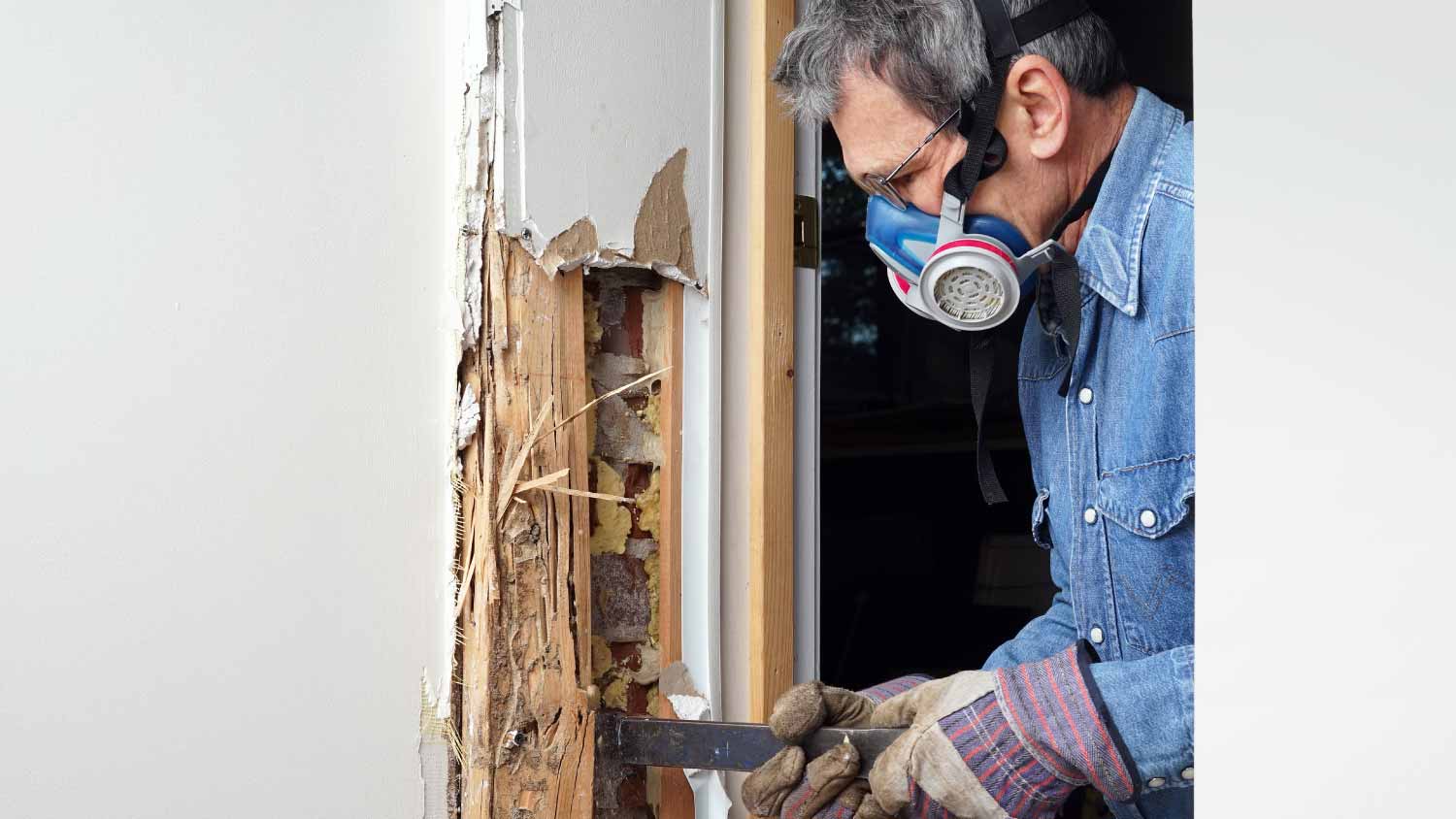
Termite damage repair costs can vary greatly based on the damage severity and location. Learn more about the associated costs of this project with our guide.
Want to get rid of the carpenter ants inside your home or out? Find out how to kill carpenter ants quickly and effectively, and prevent them from coming back.
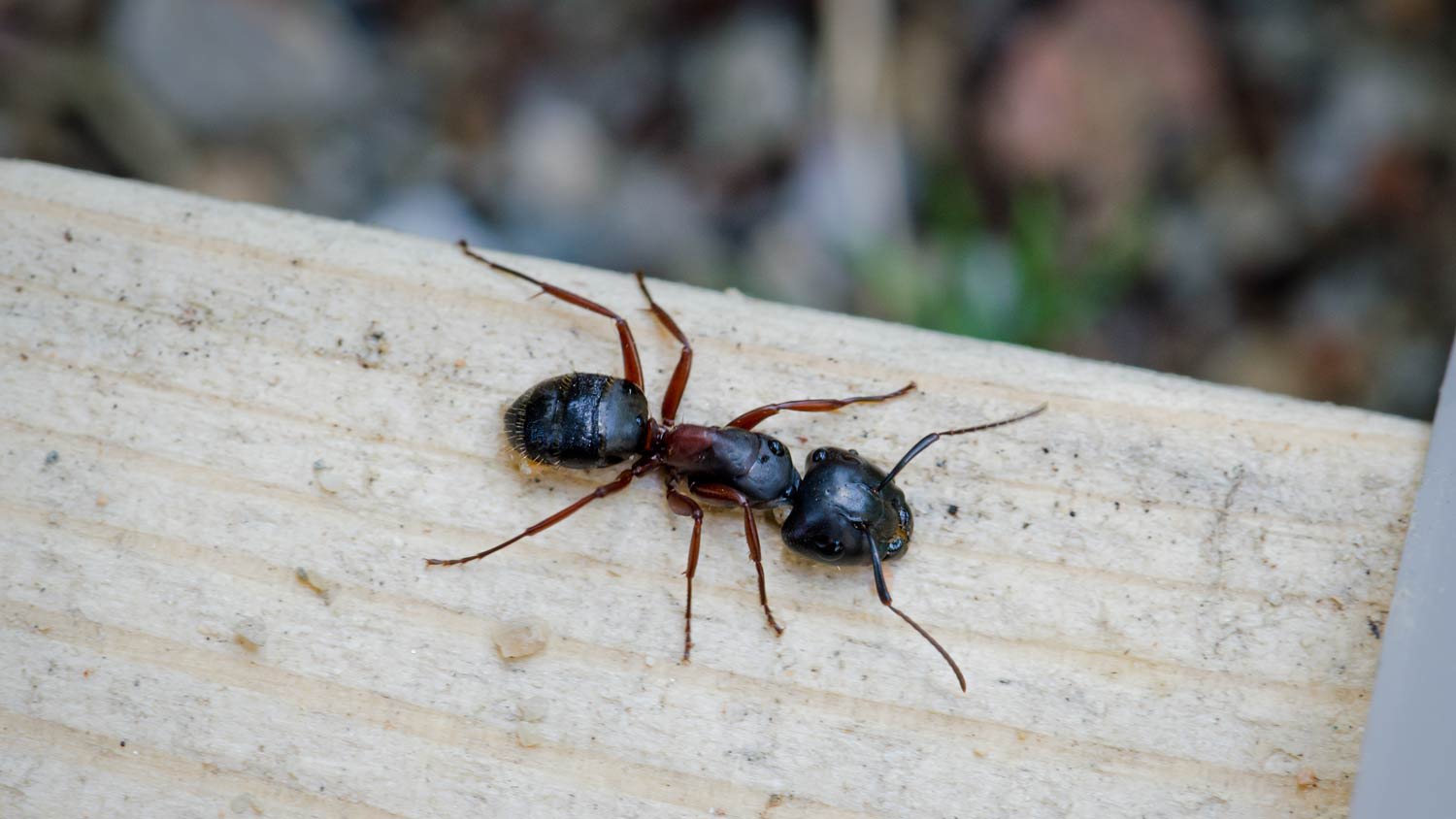
Learn the most common signs of carpenter ants and where to look for them in the house. We cover costs to remove them and prevention methods in our detailed guide.
Flying ants and termites are winged insects that are attracted to wooden structures. Find out the key differences between flying ants vs. termites.
Not sure which pests you’re finding in your home? Review this guide to learn the key differences between termites vs. ants and how to prevent them.