


When it comes to home buying, there’s nothing wrong with knowing everything about the house. If you think you’ve found the perfect place, a pre-home inspection checklist helps you talk to the inspector about your worries before their official visit.
Follow our complete list of the essentials you'll need in your first home

Your new home essentials list should cover key areas like kitchen supplies, bathroom necessities, bedroom linens, cleaning tools, and utilities to ensure you're fully prepared.
Local moves cost $880 to $2,600, while long-distance moves range from $2,700 to $10,000, so booking early helps you budget for your first home transition.
Start by securing insurance, changing locks, locating utility shut-offs, and unpacking room by room to make your move-in day smooth and organized for your household.
Hiring a local moving company takes the stress off your shoulders by handling heavy furniture and bulky items, letting you focus on settling into your new space.
The first home is a huge milestone in anyone's life. Whether you’re starting your first job, getting married, or moving out of the house you grew up in, getting your first apartment or buying a new home is something you should prepare for well before move-in day. There are many things to consider before deciding what to buy and what to do first. We’ve broken down the checklist of new home essentials below to get you started on your exciting adventure.
I had a challenging move with an oversized sofa and large art pieces. The movers arrived well-prepared with specialized equipment, including a heavy-duty dolly and protective covers for the artwork. They expertly handled every challenge, ensuring everything was transported smoothly without any damage to my property or belongings.

Before you cozy up on the couch, you have to have a plan in place to enjoy life in your new house. Utilizing move-in checklists will keep you prepared and informed leading up to the big day. Below are a few things to tackle before you move in, ideally as soon as possible.
Pay all deposits
Purchase home insurance or renters insurance
Book a freight elevator or parking space for move-in, if needed
Book a local moving company
Document moving expenses for tax returns or reimbursement
Contact utility, cable, and internet companies to discuss how to transfer bills
Update your address with the postal service and DMV
Secure important documents and warranties (now is the time to know if you have transferable warranties on appliances)
Take photos of any valuable items
Book a cleaning service for move-in (or plan to DIY it)
Make plans to board any pets during the move
Budget for emergencies by creating a separate savings account for unexpected home costs
Do a final walk-through with your property manager or real estate agent and ensure any needed repairs will be completed by move-in day
Take measurements for furniture in each room of your new apartment or house
For rentals, write down any pre-existing damages you don’t want to be charged for upon move-out
Get to know the restaurants, parks, doctors, and gyms in your new area
Donate or sell unwanted items, or call a junk hauling company to remove excess items
Make plans to dispose of or donate items that cannot be packed by a moving company based on their guidelines
Pack and label each box by room (the earlier, the better—bonus points if you use color-coded markers)
Prepare a “first night” box with the moving essentials you will need when you arrive at your new home
The big day has finally arrived. Chances are you’re excited, overly caffeinated, and if we’re being honest, a little nervous. Don’t worry—we’ve got you. Here’s what to do to make sure everything runs smoothly during your big move.
Before you start unpacking boxes and finding a new home for all of your belongings, there are a few essential boxes to check off your to-do list.
Change the locks on all of the exterior doors
Find the utility shut-off valves
Find the circuit breaker
If desired, paint the interior of your home
Turn on HVAC system to ensure proper functioning
When it's time to unpack and get everything in the right place, you should have the essentials ready to go in your new house. Here's what you should have to be prepared to make your new place your own.
Trash bin and recycling bin
Flatware, dishes, and cups
Pots, pans, and baking sheets
Drawer and other kitchen organizers
Cooking utensils
Dish soap and dishwasher detergent
Paper towels and paper towel holder
Kitchen towels and oven mitts
Mixing bowls and mixers
Small appliances (toaster, microwave, etc.)
Shower curtain and liner
Shower rings or hooks
Shower rod
Towel bars
Air freshener and soaps
Trash can
Plunger, toilet brush, and holder
Hand towels and bath towels
Toiletries (toothbrush and holders)
Pillows
Pillowcases
Pillow protectors
Comforters
Blankets
Sheets
Mattress
Mattress pad
Mattress protector
Clothes hangers
Accessory organizers
Door hooks
Mirrors
Drawer organizers
Shelf organizers
Shoe rack
Vacuum seal storage bags
Storage bins and organizers
Hamper
Blinds and shades
Curtains and drapes
Curtain rods
Window hardware
Curtain tie backs
Gloves
Bleach
Glass cleaner
All-purpose cleaner
Disinfectant
Broom
Dustpan
Duster
Vacuum cleaner
Mop
Buckets
Towels
Laundry detergent
Dryer sheets
Dish soap
Sponges
Toolbox and tools
Batteries and chargers
Candles and matches
Carbon monoxide detectors
Smoke detectors
Fire extinguisher—be sure to check expiration dates
First aid kit
Space heaters
Fans
Dehumidifier/humidifier
Air purifier
Home security devices or system
Iron and ironing board
Extra light bulbs
Step stool
Surge protectors
Wi-Fi router
Lawn and garden supplies, e.g., lawnmower, edger, shovel, hose, hose reel, etc.
Beds
Nightstands
Dressers
Area rugs
Bookcases
Shelving
Coffee
End tables
Doormats
Sofa
Chairs
Dining table
Lamps
Picture frames

The checklist doesn't stop after you move in—you still need to keep everything running smoothly as the months go on. It's always good to know what you should do every season. Keep this list handy and refer back to it to help you keep loving your home as much as the day you moved in.
Replace batteries in smoke and carbon monoxide detectors
Inspect the roof for damage or leaks
Clean windows, doors, and screens
Polish furniture
Dust light and other fixtures
Inspect deck and refinish as needed
Power wash windows and building siding
Inspect chimney (if applicable)
Check sprinkler heads and remove insulation from pipes and hoses
Fertilize the lawn
Schedule HVAC inspection
Flush or drain the water heater
Hire professional septic tank inspection, if needed
Clear leaves and debris from gutters and downspouts
Check for caulking deterioration (replace as needed)
Oil garage door opener, chain, door, and hinges
Clean kitchen exhaust filter
Clean dryer vent and washer hoses (outdoor and indoor)
Clean refrigerator freezer coils and drip trays
Inspect dishwasher, kitchen, and bathroom for leaks
Replace any faucet washers as needed (outdoor and indoor)
Seal any tile grout
Prune trees and shrubs that bloomed in the spring
Hire a professional to inspect the forced-air system
Aerate the lawn and rake leaves
Schedule professional fireplace cleaning
Seal cracks and gaps with caulk and replace weather stripping
Touch up the exterior with paint as needed
Inspect roofing for damage and leaks
Power wash windows and siding
Remove leaves and debris from gutters and downspouts
Fix cracks and gaps in driveway and walkways
Replace batteries in smoke and carbon monoxide detectors
Schedule professional carpet cleaning
Clean window and door screens
Vacuum lint from dryer vent
Check for water heater leaks
Check and fix loose or squeaky door hardware
Check for frayed cords and wires
Drain sprinkler system and hoses
Store hoses
Wrap insulation around outdoor faucets and pipes
Vacuum refrigerator from debris and clean coils and drip trays
Cover AC unit
Vacuum bathroom exhaust
Inspect roof, gutters, and downspouts monthly for ice dams
Check the basement for leaks regularly
Clean sink, tub, shower, and dishwasher drains
Considering the lengthy list of essentials you’ll need for your first home, you’ll probably want the help of movers. The cost of professional movers can vary based on the distance, the size of the home, and the number of crew members. Here is a quick breakdown of what you can expect to pay when hiring a professional moving company, including additional fees to expect:
Cost of crew per hour: Around $80 per crew member
Local moves: $880 to $2,600
Long-distance moves: $2,700 to $10,000+
Packing services: $280 to $2,200 extra, depending on the size of the home
Specialty items (pianos, safes, etc.): $100 to $2,000, depending on the size and weight of the item
When you’re moving into a new place, costs can vary greatly depending on whether you go the DIY route or hire the pros. Each option has pros and cons, regarding both price and convenience. Depending on the distance of the move, you could potentially save thousands of dollars by DIYing. You’ll just need to cover the cost of packing supplies and truck rental.
The biggest downsides to a DIY move are the added time and the physical effort. If you’re moving lots of boxes and furniture, a professional crew can get the job done in far less time. You also won’t have to worry about possible injuries. You may spend anywhere from $880 to about $10,000 for a long-distance move. If you want to save on costs, tackle all the packing yourself, and consider moving smaller items, leaving mostly furniture and bulky items to the pros.
My furniture was delivered today, and the whole move went smoothly. The final cost matched the original quote with no extra charges. The movers were friendly, professional, and handled everything with care. Even after the long distance, everything arrived in perfect condition. I’m very happy...
 Moving of America
Showed up on time and cleaned carpets well, but didn?t move furniture.
 Voda Cleaning & Restoration of Columbus
A reliable team for moves across state. My switch to a new place needed careful lifting through tight hallways. The movers checked the doorway first, then carried heavier pieces with slow, controlled movements. Their patience helped prevent damage, and I?d choose them again.
**Would rate a 0 if i could** NEVER USE THIS COMPANY!!!!! They shattered my tv console and dresser, lost a mirror, and never finished the move. The broken furniture cost me over $600 to replace. They left me with 6+ hours of personal labor moving my 1BR apartment, when I was quoted a FULL...
 All My Sons Moving & Storage
I could not have moved without the help of Jen Stover! I was in my house for nearly 20 years, so the thought of clearing it out while working full time was overwhelming. Jen takes great joy in sorting and organizing while asking the hard questions with patience and compassion. Jen is...
 Go and Stow Home Organizing
Excellent experience for me! They helped me a lot with my move. very reasonable price. Good communication with the office manager is excellent.
 Goodview Moving and Storage
I was concerned about my possessions safety throughout the move but Bridge View Van Lines took all necessary security measures to make sure everything arrived in mint shape I am really appreciative of their effort and commitment They made my long distance move seem simple
 Bridgeview Van Lines
This moving company is the best in Columbus, Ohio! They rescued me when my movers didnâ t show up. Do not ever use Plane Movers! They never showed up for my move, claiming that I never signed the contract. They didnâ t call me to follow up, communication was awful. The people that work for...
 All My Sons Moving & Storage
Ozie and Tyquese were great and worked fast. It was a good move
 All My Sons Moving & Storage
Just moved from PA to Columbus in a studio apartment and needed help with some heavy furnitures because I couldn't do it alone. I called Hyremovers and they did a great and timely job and also left my apartment walls intact. Great service!
From average costs to expert advice, get all the answers you need to get your job done.
When it comes to home buying, there’s nothing wrong with knowing everything about the house. If you think you’ve found the perfect place, a pre-home inspection checklist helps you talk to the inspector about your worries before their official visit.

Buying a home is the largest purchase most people make in their life. Here’s what you need to know if you’re considering buying your first home.

Your home may be your sanctuary, but emergencies can still strike. Stocking up on food, medicine, and other essential supplies can help keep you and your family safe. We’ll show you what to include in your home emergency supply kit checklist.
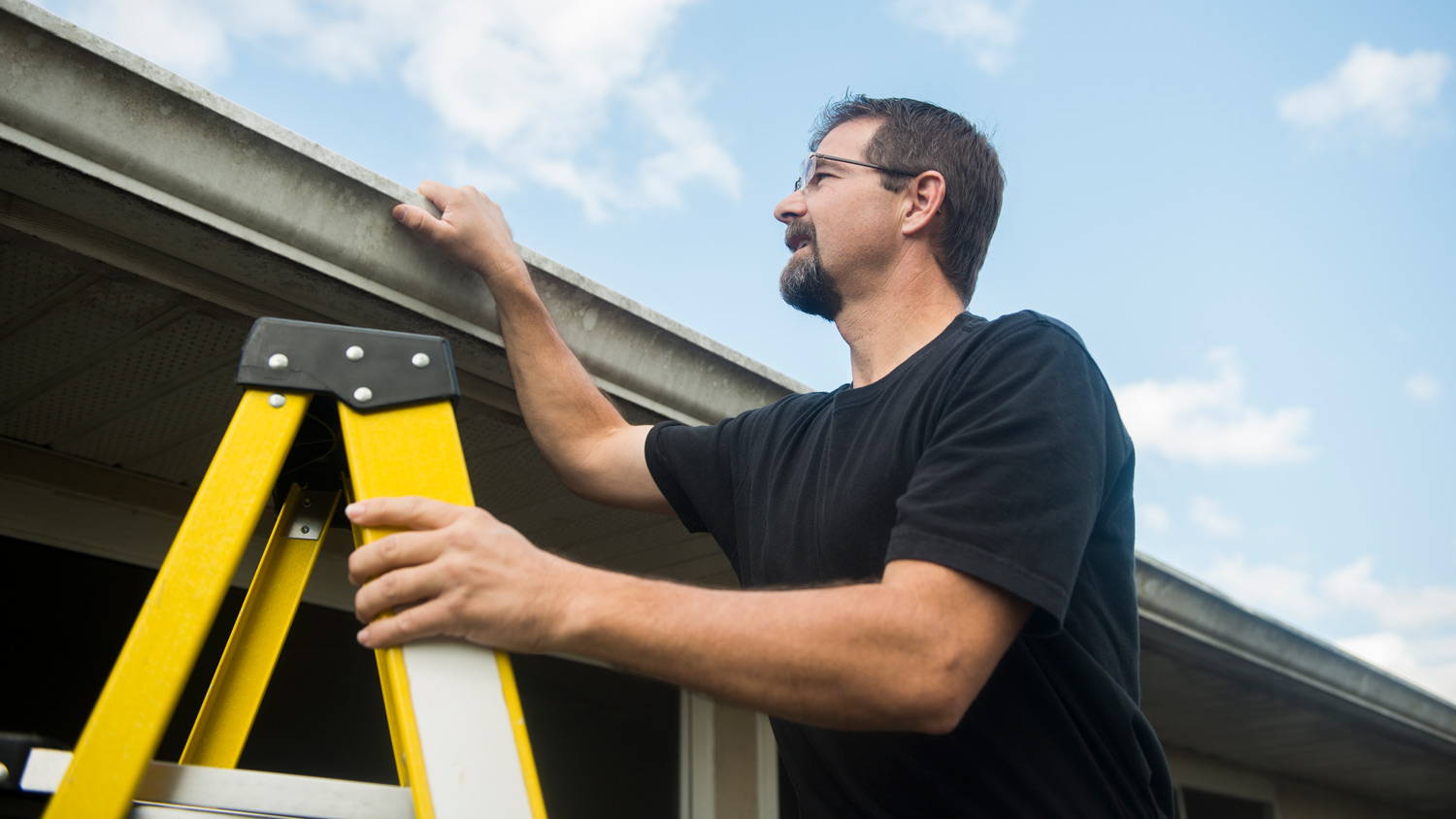
Armed with this detailed home inspection checklist for sellers, you can list your home with confidence. Tick all the boxes and put potential buyers at ease.
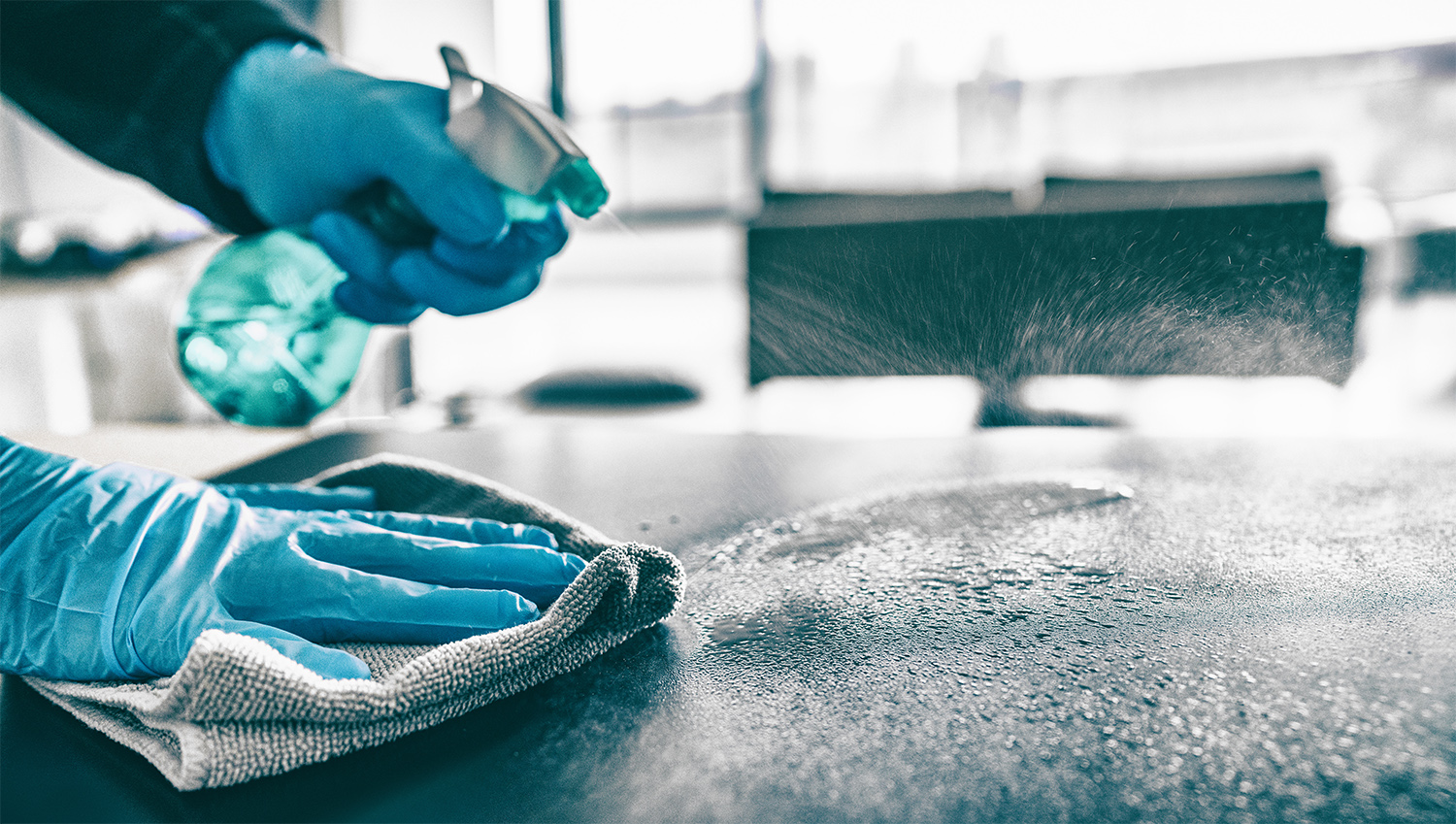
A home maintenance checklist can help you keep on top of necessary tasks and repairs. Learn how to keep your house in good condition and avoid costly problems.

Selling your home can get very complicated. Follow this home-selling checklist for the things you need to do before you sell your house, while it is listed, and what to do when you’re closing on a home sale to simplify the process.