

Smart home devices can make life much more convenient. Kick up your feet and let these smart home tools for living rooms do the hard work for you.
These universal design features can make accessibility a reality for those hard of hearing

Open-concept home designs for hearing loss improve visibility across rooms, letting you see facial expressions and sign language communication from the kitchen to the living room.
Smart home automation costs range from $200 to $1,650 on average, providing alerts through vibrations on your smartphone for doorbells, appliances, and security systems.
Wider hallways of at least 60 inches let you walk side by side with others, giving you space to communicate using sign language throughout your home.
Hiring a local structural engineering professional provides reliable guidance on safely opening up your floor plan and removing walls without compromising your home's structural integrity.
If you’re hard of hearing, then you know just how important it is to make changes in your home that make it comfortable, safe, and accessible. Whether you’re moving into a new home or need to remodel your existing one for hearing loss, making a plan can go a long way in securing your deaf-friendly house. Let’s break down what the features of a deaf-friendly home are to help you make a home suitable for those with hearing loss.

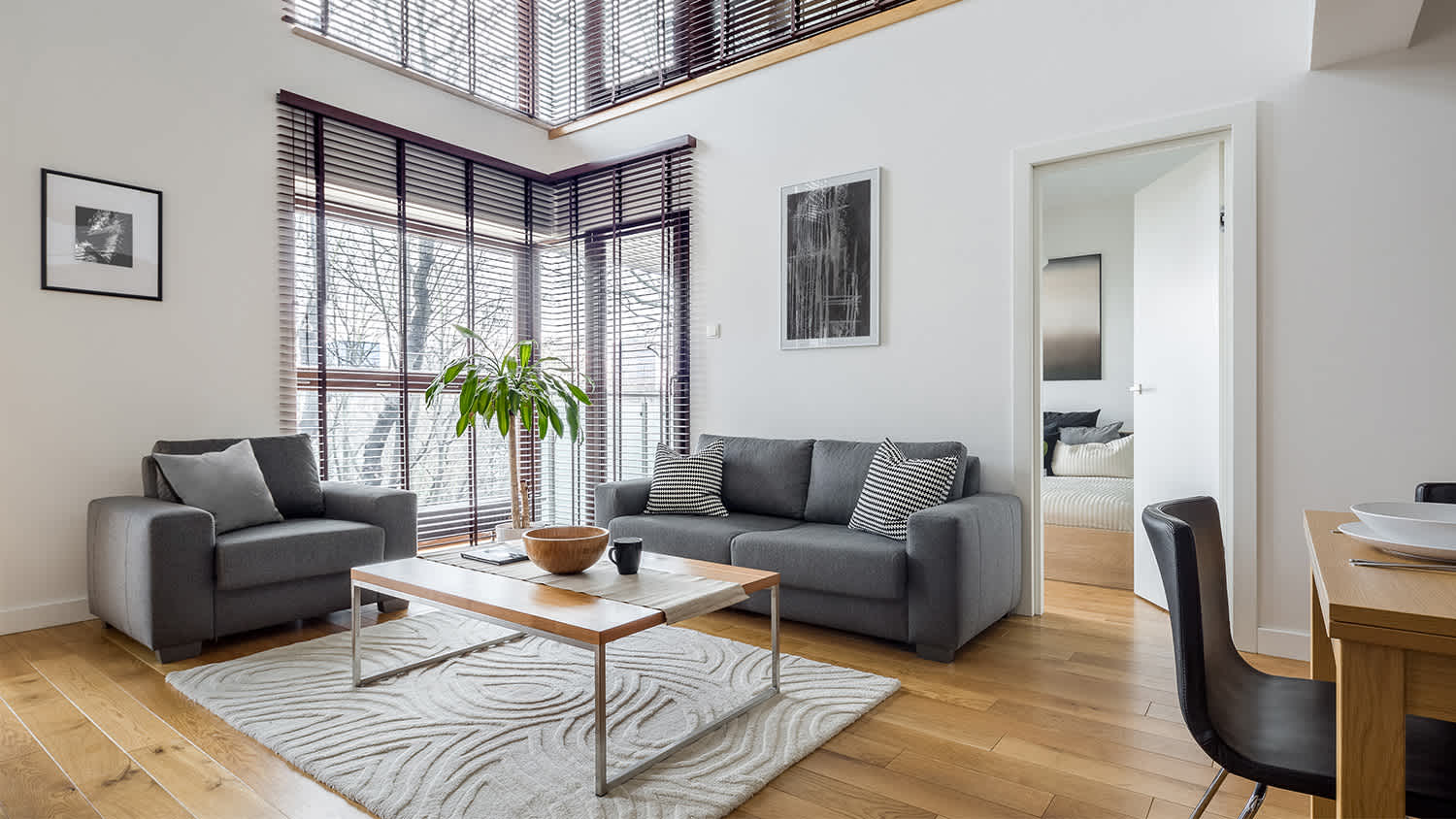
While many homeowners love an open-concept design plan, for those who are deaf, an open design adds another element to it—better visibility. If you’re shopping for the best deaf-friendly home or need an aging-in-place house plan, consider homes with wide open spaces, few closed rooms, and a horseshoe or U-shaped kitchen, living room, and dining space.
For existing homes, you may need to work with a local structural engineer to safely redesign the space and determine which walls you can knock down to open up the space without jeopardizing the structural integrity of your home.
Speaking of kitchens, kitchens are especially important for creating an open space that seamlessly flows into the living room, helping those hard of hearing see across multiple rooms and communicate with others.
Adding an island in your kitchen so that you can face the living room and have your back to the wall rather than having your back to the living room is another way to open the design plan to those who use sign language and facial expressions. It’s also a helpful aging-in-place kitchen design for those who recently became hard of hearing.
Another feature that can make your home more deaf-friendly is creating wider hallways. Whereas hearing people can walk in a single file line and still communicate down a hallway, someone who is hard of hearing may rely on American Sign Language (ASL) to communicate. ASL requires two people to walk two by two so that they can see each other talking.
There also needs to be enough space to use ASL in the hallway, making it crucial for hallways in a deaf-friendly home to be wider than a standard hallway. The average width of a hallway falls between 36 and 48 inches, so aim for at least 60 inches for two people to walk side-by-side. If widening your hallways is not an option, you can consider curbing your hallways to shorten the length and reduce the amount of time spent communicating in one.
If done correctly, lighting can make it easier for deaf people to see facial expressions and read lips. Avoid dark, cramped spaces with minimal natural light, as this can darken one’s facial features. Similarly, reduce the amount of natural light in a space, as too much sunlight can have the opposite effect and can cause glares or difficulties viewing one’s face.
Aim for consistent lighting by using sheer curtains over windows, strategic lighting, and minimal dark areas to promote better visibility throughout the house day and night.

Knowing how to use color theory in your home design can pair nicely with the effects of that consistent lighting just mentioned. Steer clear of busy wallpapers and dark and bright colors—including vivid whites, which reflect off faces and can cause eye strain. Instead, go for neutral colors that help bring out skin tones to make it easier to see facial cues and expressions. A few colors to consider include:
Soft blues
Soft greens
Whites with added grays
Consider the type of finish, too, opting for flat, eggshell, or satin finishes over glossy finishes like semi- or high-gloss paints.
It doesn’t take much for hearing aids to go haywire if there’s noise in the home. That’s why it’s important to soundproof your home and reduce unnecessary noise for those who use hearing aids. Here are some features of a deaf-friendly home by room with acoustics in mind:
Appliances: Replace outdated appliances that don’t operate efficiently. Put larger appliances like washers and dryers in rooms with closed doors or use curtains to muffle sounds. Shop for quieter brands, and stay on top of appliance maintenance work—hire a local appliance repair company at the first sign of unusual noises.
Ceilings: Avoid homes with high ceilings or lower the height of your ceiling to reduce echoing. If lowering them is out of your budget, you can even install acoustic ceiling tiles in homes with vaulted or high ceilings.
Doors: Install a door sweep or felt pads to quiet doors that slam or make loud noises when used.
Floorings: Ditch the echo chamber that comes with natural stone flooring, or the creaking associated with hardwood flooring, by installing carpet or tile with sound-absorbing underlayments. On the contrary, if you’re hard of hearing and rely on stomping as a signal, then you may wish to install hardwood to enhance this feature.
Walls: Like ceilings, homeowners can install acoustic panels to absorb unwanted sounds.
Windows: Windows can allow sound to seep through or rattle when wind or traffic passes by, especially if they're single-pane windows. Install double- or triple-pane windows, update caulking and weather stripping, and use blackout curtains that reduce outside sounds to make your home deaf-friendly.
Smart appliances can make a home even more suitable for deaf people. These appliances have features that connect to an app via your smart device. For instance, you can connect appliances to your smartphone to alert you when the laundry or dishes are done, which can serve as an excellent reminder for those who can't hear the sounds that are usually associated with the completion of these appliances.

Smart technology is another high-tech feature of a deaf-friendly home. If someone rings the doorbell, a video doorbell system can send a vibration to your smartphone to alert you to someone's presence. But smart home security automation goes much further than this.
If you’re hard of hearing, you can install security cameras around your home, window and door sensors, motion light sensors, smoke alarms, carbon monoxide detectors, and more. From there, program them to send vibrations to your phone to alert you during times of emergency.
Smart home automation costs range from $200 to $1,650 on average depending on which technology you choose. Consider working with a remodel design pro near you to create the best home design for a deaf-friendly home.
Exquisite workmanship from Custom Paint Jobs LLC. My home has never looked better.
 Custom Paint Jobs, LLC
Visited my home for estimate same day that I called. Painted on Saturday. Great job. Good price!
Window Depot did an amazing job on my deck. I wasnt sure what I wanted to do, but their composite decking was affordable and will last a long time. I am excited to have family over, and I am no longer embarrassed by my backyard. Jeff and the ground crew were polite, respectful, and caring for...
 Window Depot USA of Central Ohio
The guys did an outstanding job and we had a great experience with CarifaTile. I appreciated that Joe reviewed the quotes with me and set expectations prior to the install. The crews showed up as scheduled and always left the areas clean upon leaving the house. We will definitely use...
 CarifaTile
Beginning with the estimate, Larry and Peyton were super helpful in getting my new condo's interior re-painted. Not only was the job well done, but also done in a super timely manner as promised.
 Five Star Painting of Plain City and Powell
BJ Trim Carpentry rescued me in the middle of a do-it-yourself project. I found I needed more expertise than I had...and more TOOLS! BJ Trim Carpentry responded quickly and completed what I needed expertly, politely and with a little humor!
This brownstone is historical and the carpentry work is very detailed. I was very happy to secure a company in NY and living in OH to complete the request. Wood work on this brownstone has been existing since approximately 1888 and West side did a GREAT JOB. I will not be able to...
 Westside Home Improvement
We had a great experience with Mark Rodgers Construction. We were in the process of seeking out estimates for possible foundation work for our front porch. Mark came out himself to provide the estimate. Turned out that the company deals mainly with concrete, so we wouldn't be getting an...
 Mark Rodgers Construction
Overall this experience was incredible! I looked on Angies List for a cleaning service because I was planning a holiday party and wanted to make sure we found a reliable, thorough and efficient cleaning service to make sure everything was perfect for the party since we had co-workers and...
From beginning to end our experience with Joe was very good. He was professional and prompt in his estimate for the job and worked hard to meet our schedule so that he could remove our old backsplash the day before our new countertops were removed and return shortly after they were removed to...
From average costs to expert advice, get all the answers you need to get your job done.
Smart home devices can make life much more convenient. Kick up your feet and let these smart home tools for living rooms do the hard work for you.

Learn what home features Americans want and value most in our 2021 survey. From large kitchens to luxury features, get a fascinating insight into what men, women, and different age groups of homebuyers say they can’t live without.

Tiny houses are known for creative designs and space-saving storage solutions. Whether you’re downsizing to save money, reduce waste, or live a simpler life, these tiny house ideas will help you save space and get organized in your home.
Check out the stylish home features of 2026, including soaking tubs surrounded by plants, cocktail bars in the living room, and wallpaper with eclectic designs.

Love a potential home but unsure about the area’s safety? These tips can help you quickly evaluate the safety of your new neighborhood.
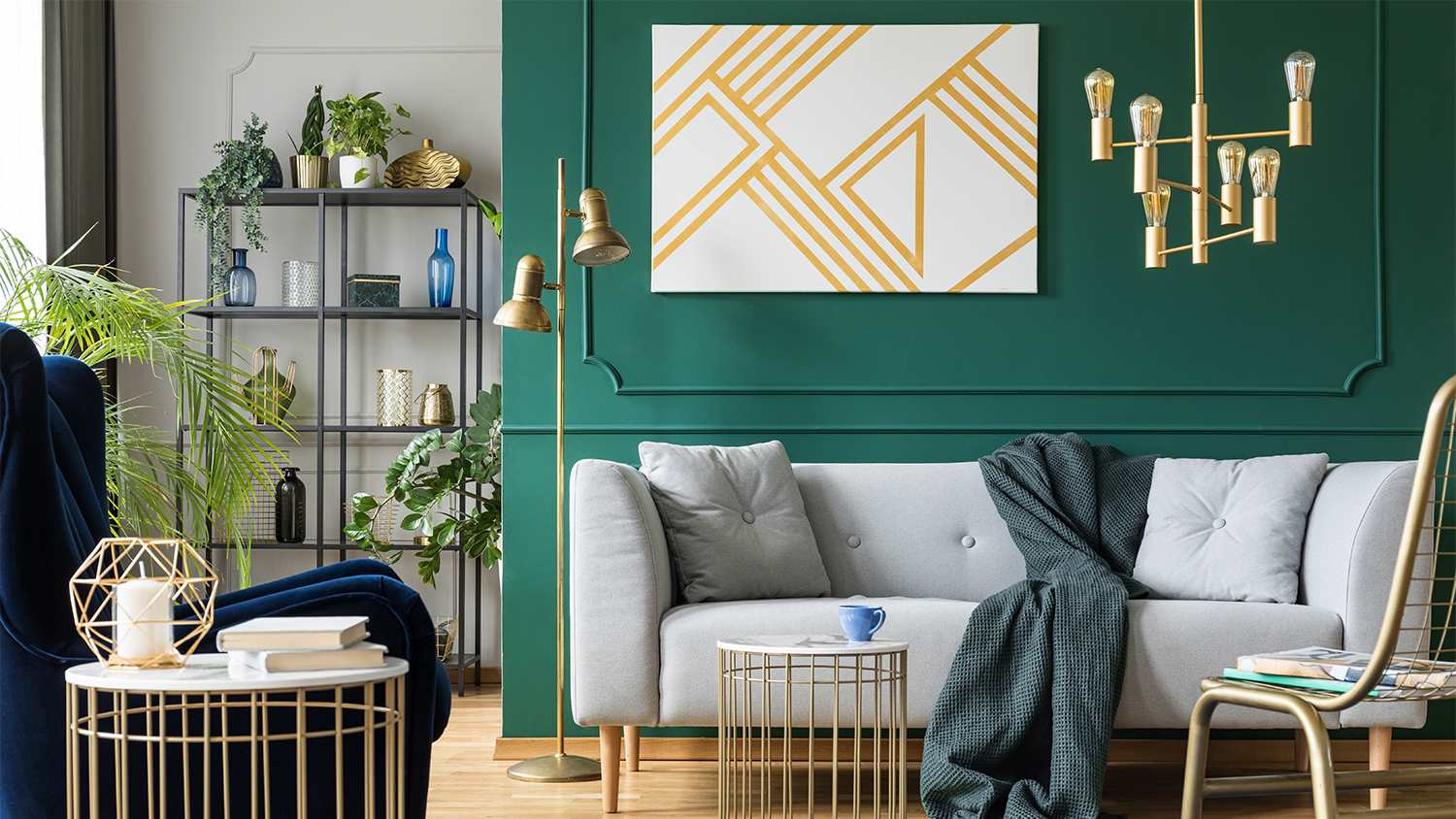
When it's done right, a feature wall can add style, personality, and depth to your space. Check out these aspirational feature wall ideas.