
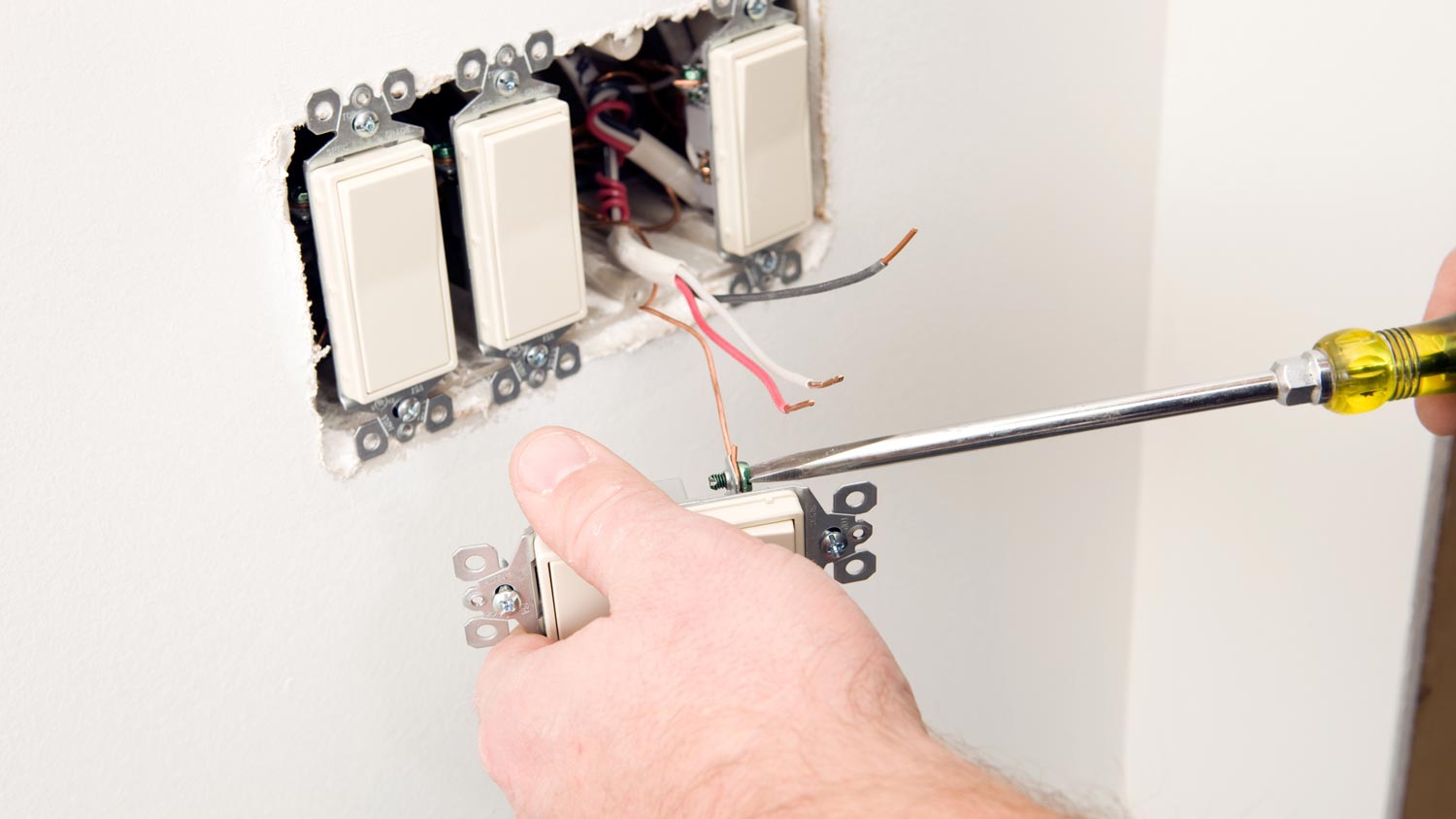
When comparing aluminum wiring versus copper wiring, read our explanations of the key factors to consider to help you make the safest and smartest choice.
Don’t get your wires crossed

An electrical wire types chart shows you how black and red hot wires carry electricity while white or gray neutral wires return circuits to the panel.
Ground wires protect your home from electrical surges by directing dangerous voltage into the ground, preventing shocks and keeping your electrical system safe.
Identifying house wiring colors helps you understand which wires power your outlets and switches, making small electrical projects less intimidating when you work safely.
Hiring a local electrical professional provides reliable guidance for wiring repairs and upgrades, keeping your home safe while handling complex electrical work confidently.
When asked to describe electrical wiring, what’s the first thing that comes to your mind? If your answer resembles a big tangle of multicolored spaghetti, you’re probably making things out to be more complex than necessary. In reality, a home typically only has a few wires in a given cable. As long as you know some basic wiring principles, you can get a lot of small electrical jobs done around the house.
Here’s a breakdown of the different types of electrical wires you may encounter around the house.
Important: Do not attempt to do electrical work unless you are certain the power is off and you can do the job safely. Always wear electrical gloves when working with your home’s wiring.
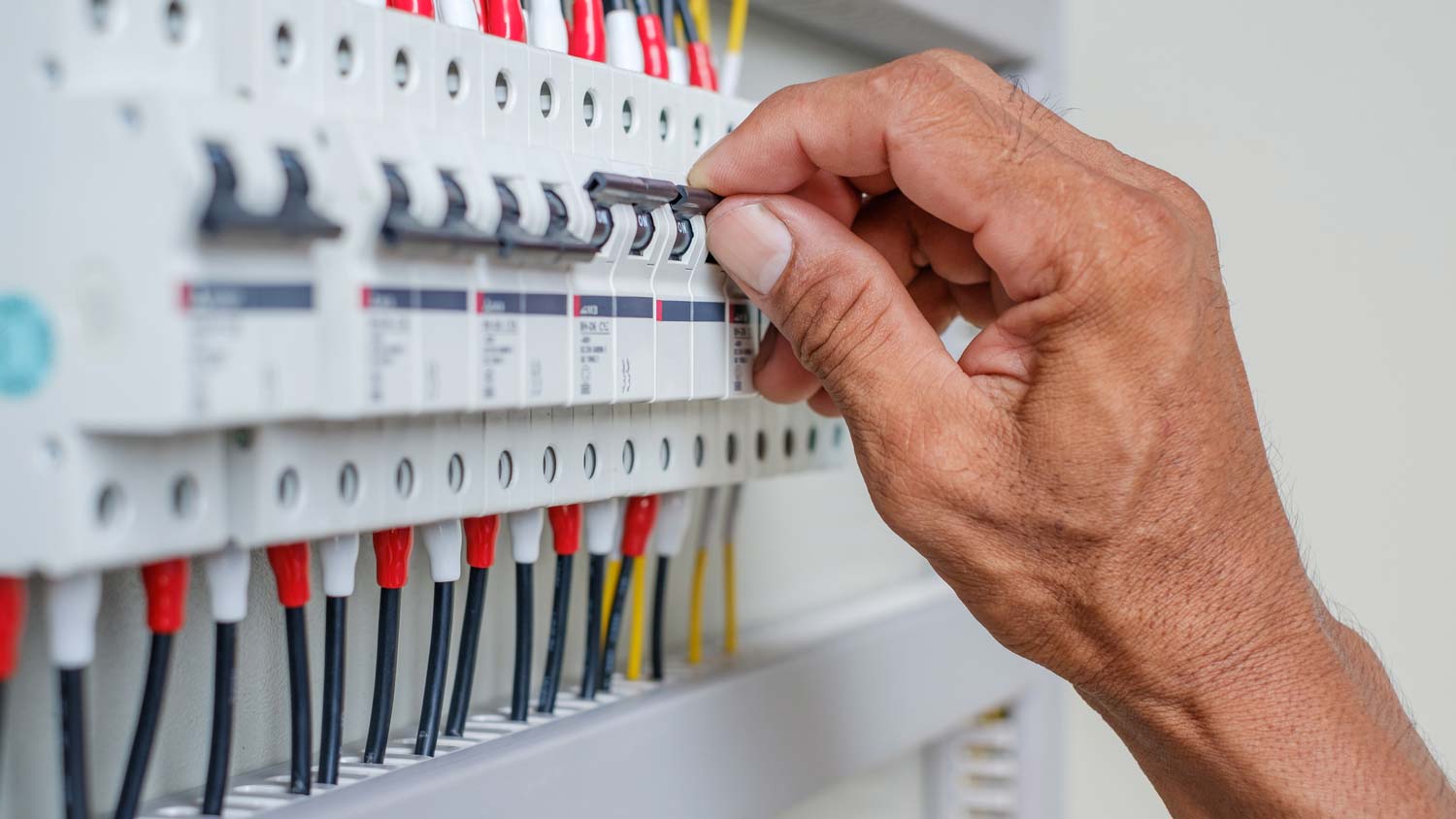
You’ll find several colorful electrical wires in your home’s walls, breaker boxes, and electrical boxes. Most wires are encased in sheathing material and bunched together in groups called cables.
Each wire serves a different purpose, and it’s important to familiarize yourself with the characteristics before you attempt to do any electrical work in your home. If you’re ever uncertain about electrical wiring, contact a licensed electrician near you to handle the job and protect yourself from electrocution or electrical fires.
This chart of electrical wire types can help you identify what you’re working with in a home with AC current.
| Color | Type of Wire | Description |
|---|---|---|
| Black | Positive hot wire | Live wires that bring electricity to your outlets, switches, and light fixtures |
| Red | Positive hot wire | Secondary live wires that are most commonly used in light switches |
| White or gray | Neutral wire | Wires that return the circuit to the panel box |
| Green, green with yellow stripes, or bare copper | Ground wire | Wires that protect you from electrocution by grounding the electrical circuit |
| Blue or red | Traveler wire | Wires designed for multi-way configurations |

Black hot wires are your typical wires that send power to light switches, electrical outlets, and light fixtures. You might see red and black hot wires used interchangeably for certain appliances or terminals, such as with double-pole breakers.
However, these two wire types are different in that black wires always appear in a two-conductor cable, while red wires appear in some two-conductors for 240-volt circuits and in three-conductor cables.

Also called secondary hot wires, red hot wires are also live wires like black wires. These red wires, however, most often serve as secondary wires in light switches. When your light switches on, this triggers the red wire to send power to your outlet as opposed to the black wire.
Red wires are frequently used in 240-volt outlets, which require a split configuration, with the red wire connecting to the light switch and the black wires connecting to and from the other half of the receptacle.

The white or gray wires are neutral wires. These wires return the circuit load to the source of power—typically the neutral bar in your electrical service panel. Contrary to the name, neutral wires may contain some voltage, making it important to handle these wires with caution. Improper connections can cause your wires to have an electric arc, which can shock you.

Ground wires are safety mechanisms that send electricity into the ground during an electrical power surge to protect you from electric shock. These wires are green, bare copper, or green with yellow stripes, and they snap into action in the presence of high voltage or atypical electrical currents, tripping the breaker or blowing the fuse to shut down the electrical flow.
While ground wires exist to protect you and your home, that does not mean they are completely safe to handle. Always shut off the power and check for voltage before touching the ground or any other wire.

Traveler wires are a type of hot wire most commonly used in three-way and four-way switch configurations. These wires typically come in pairs and have a blue coat to help you identify them from the other hot wires.
Great company! Price was competitive, technician showed up on time and completed the job (exterior electric Radon fan replacement) quickly. Would hire them again.
 MaGen Property Inspections and Radon Mitigation
I conferred with 2 other contractors before Armstrong Electric. Nick and his crew showed me that the project was not as convoluted as the other contractors made it appear to be. They completed the entire project on time. They were professional, friendly and cleaned up after at completion. I...
 Armstrong Electric LLC
The techs on my project, Shawn and Cliff, were great. They were prompt, courteous, and efficient. I am very happy with the results and would definitely contact Mr. Electric for any future electrical projects.
 Mr. Electric of Columbus
Victor was wonderful. He was on time, professional, and explained everything he was doing. He was thorough and figured out that the problem was electrical instead of with my HVAC system. Very knowledgeable. I will be using this company in the future for any HVAC needs. Thanks!
 Hubbs Heating & Air LLC
They were excellent. They did a great job. I was totally satisfied. They put tremendous effort in making sure the work was completed. They were great. They provided immediate response to any inquires I made. I would hire them again. I would recommend them to anyone who needs electrical work....
 Property-Tech Industries, LLC
Initially, the repairman could not find the problem. Apparently, there was some electrical shortage, but he could not find the definite problem. He left, but called back later to say he had a new idea. He returned and replaced the light switches on the doors. The refrigerator seemed to return...
 Appliance Pro LLC
The initial quoted price from a walk-through seemed high, but we discussed that the quote represented worst case scenario (re-wiring to two floors) and we were excited about the opportunity to have the work done in a timely manner with closing for fire safety reasons, etc. When the job was...
I have to tell you I am all about customer service - I will go out of my way and even pay more for it if you give me great customer service. <br> <br>In a world where this is hard to find, these guys were awesome! I can not sing their praises enough. They were prompt, personable, funny, got...
 Waibel Electric
When I challenged the markup on the generator, Bruder Electric withdrew its bid. They only want naïve customers.
We had no power to any of the electrical outlets in the MBR. We'd had an intermittent problem for a few years and they finally went out all together. We live on the 3rd floor of a 100 year old building and I know from past experience the wiring has been added to in hodgepodge ways over the...
From average costs to expert advice, get all the answers you need to get your job done.
When comparing aluminum wiring versus copper wiring, read our explanations of the key factors to consider to help you make the safest and smartest choice.
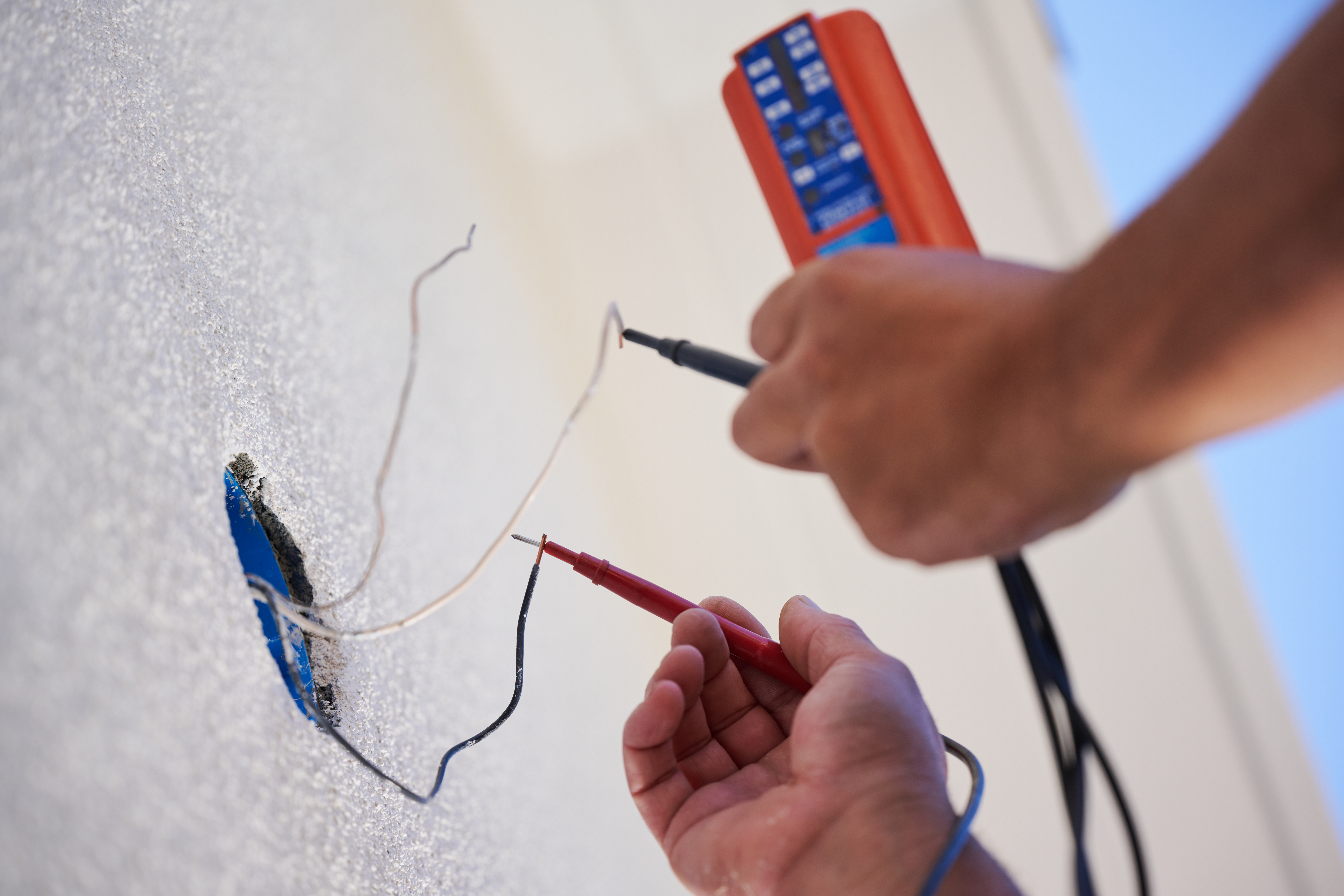
All home electrical wires follow standard color codes that identify how each one functions in a circuit. Learn about the colorful world of electrical wiring.
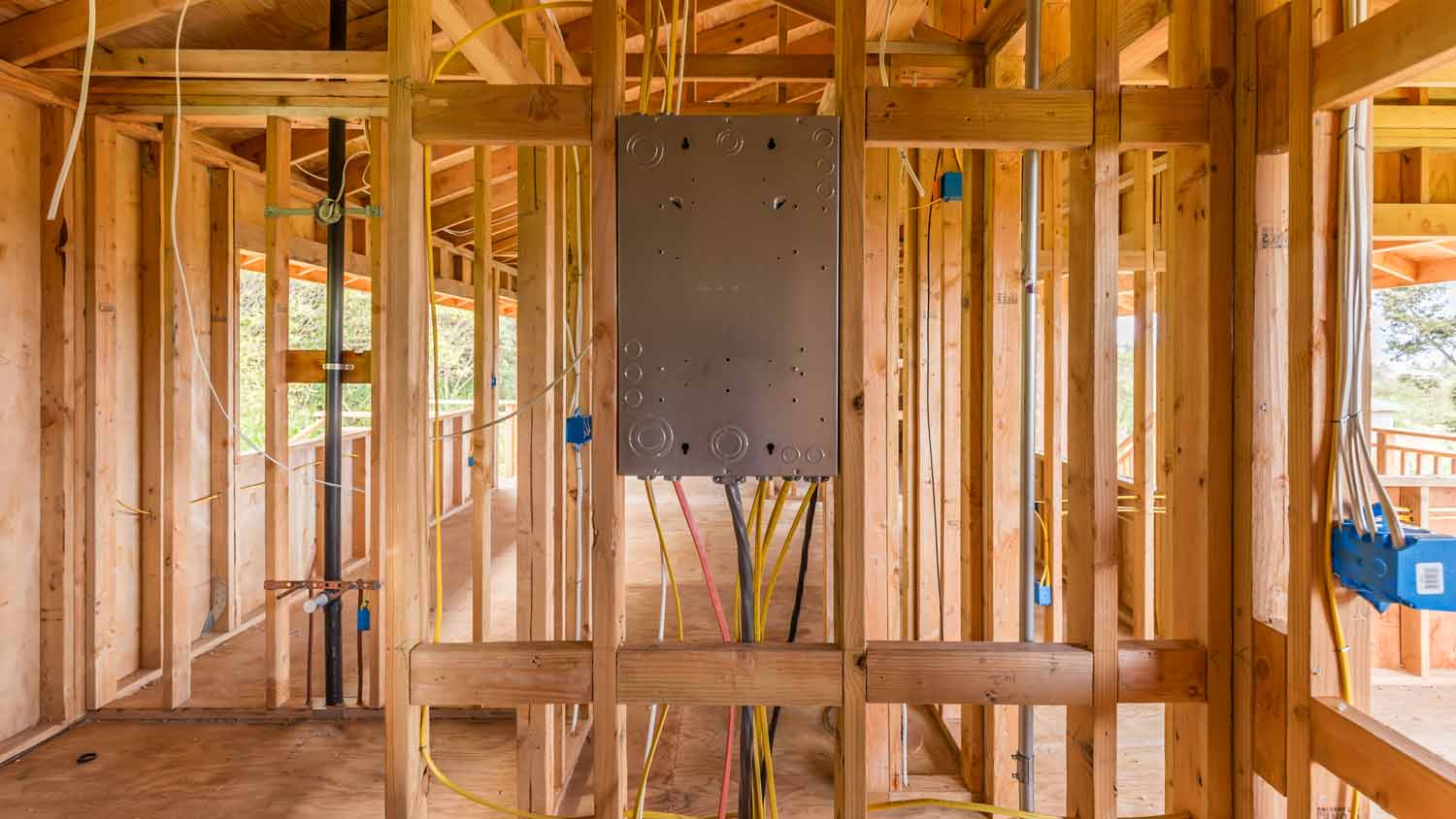
Electrical wiring is an essential part of new home construction. Learn how to devise a solid plan for all of your new home’s electrical needs.

Higher amp ratings require certain wire gauges to match the circuit. This can be confusing, so here’s what to know about wire gauges and your home’s outlets.
Planning out a 50-amp circuit? Selecting the right wire size is crucial. Find out how to determine the right 50-amp wire size.

It can be difficult to tell where the neutral or ground wires are located in your breaker box. Here’s what you need to know about your breaker box wiring.