
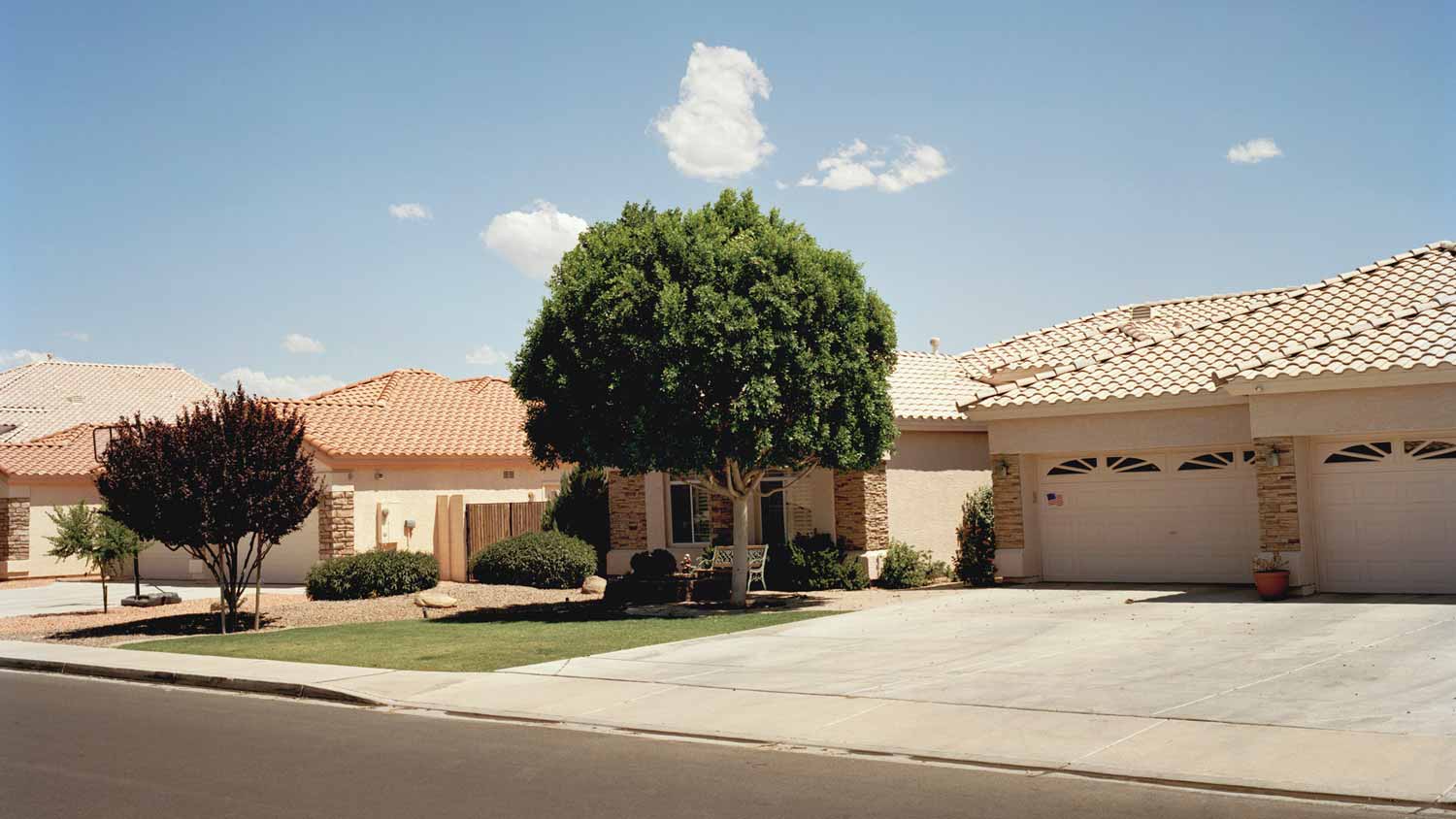
When designing a driveway, it's crucial to know the cost of your driveway apron—the transitional ramp that connects you to the road. Here's what to know.
The end of your driveway is the beginning of curb appeal

Your concrete driveway apron design benefits from matching materials with your driveway, creating visual flow that elevates curb appeal at the entrance.
Expect to pay $3 to $10 per square foot for concrete, $2 to $5 for asphalt, and $5 to $15 for pavers, excluding excavation and labor.
Your apron selection depends on durability needs and local regulations, as some municipalities control materials, dimensions, and slope requirements for garage transitions.
Hiring a local driveway paving professional provides reliable guidance on material selection and installation, ensuring your apron meets code requirements and complements your home.
Making the transition from your driveway to the road can be challenging if you’re unsure how to approach it. While a driveway apron idea may not be a big part of the design process, this section of the driveway is an opportunity to make your driveway stand out—or save money. Whether you’re going for wow factor, uniformity, functionality, or affordability, these driveway apron ideas will get you on the path.

Concrete can be plain but durable and does the job. A broom finish is standard, but you can discuss adding decorative finishes or details in the control joints with your concrete contractor. Typical concrete aprons are poured about 4 inches thick, but if heavy waste collection trucks or other utility vehicles drive on your apron, your concrete may be more susceptible to cracking. Ideally, pour your concrete apron 6 inches thick on an 8 to 10-inch crushed stone base. If you’re thinking of replacing your driveway, doing it all at once can lower the per-square-foot cost to repave your driveway if you do more of the job at once.

Even when a public walk passes through your paver driveway, installing a matching paver brick apron is a perfect finishing touch. Be aware that some areas allow municipalities to tear out your apron to work on drainage or other utilities—and they may not necessarily be obligated to replace your approach with the same materials. Aprons are often replaced with gravel, asphalt, or concrete with a broom finish. If you’re installing the whole driveway already, doing everything simultaneously can lower the driveway apron cost per square foot.

In some communities, you don’t necessarily have to delineate the driveway apron as a separate piece. While some areas and existing layouts have public walks passing through your driveway to create readymade distinctions, other scenarios let you take your driveway design to the road without breaking up its overall design and layout.

Materials like pavers naturally suit creating a perimeter border around your driveway, including where the end of the driveway apron meets the road or curb. Because pavers come in many different styles and colors, creating an attractive border to distinguish the apron from the rest of the driveway and the road should be no problem—the most difficult decision will be choosing which pavers to use.

Among the most cost-effective materials compared to concrete, pavers, and asphalt, gravel serves well as an apron. It tends to drain well and is easy to repair by simply regrading to fill in the holes and ruts that develop.

If you have an asphalt driveway, why not take it to the road? Asphalt is an excellent option for an apron, no matter what the rest of the driveway is made of, as it’s relatively easy to repair and reseal. It also holds up well in areas that use salt to keep roads clear in the winter and is somewhat reasonable to replace. As a bonus, it’s often among the materials that local road commissions will use to replace your apron if they do any utility work requiring demolition.

The range of color and pattern combinations available with stamped concrete is equal to, if not surpassing, that of pavers. Stamped concrete is an excellent choice for a driveway apron. You’ll want to weigh costs and benefits, as you’ll need to clean and reseal stamped concrete every year or two. If the road has a lot of gravel, you may damage the surface if gravel or stones end up on the apron and you’re driving over it frequently.
Also, if you live on a road that gets salted in the winter, you’ll need to be vigilant about keeping the concrete sealed, or the salt may end up peeling the concrete surface (that goes for any concrete). Finally, if you ever need to replace the driveway culvert, the apron must be replaced, too. But you're all set if you live in a subdivision or the apron is adjacent to a road with little to no loose stone.

Exposed aggregate concrete uses a decorative aggregate such as pea gravel rather than standard crushed stone. At just the right time, after the concrete is poured, graded, and given a preliminary finish, the surface is rinsed off to expose the aggregate inside the concrete. This process adds some cost compared to a regular broom finish, but the added visual appeal can elevate the look of a concrete slab.

You can pour concrete with color mixed into it, anything from red to earth tones to blues and greens (which tend to cost a bit more because of the pigment cost). The concrete can still be finished with a broom texture like a standard concrete driveway. Integral color without the stamping or patterns added can be a way to add character to your apron and driveway that’s usually more cost-effective than stamped concrete or pavers.

Whether you pour standard concrete or add integral color, you can add an interesting touch by asking your concrete contractor to add a swirled trowel finish that gives the apron the look of scales or a fan pattern, which works naturally due to the radius of the concrete finisher’s arm radius as they work across the slab. The best way to determine the options available is to discuss with a local driveway paving contractor.
It's up to you how utilitarian or ornamental you want your new driveway apron to be. Ideally, you'll be designing your apron in conjunction with concrete or masonry pros specializing in driveways. This will give you access to some great planning tools and ideas. Here's a look at the steps to put on your checklist as you design your custom driveway apron:
Select Your Materials: Based on your personal style and the terrain on your property, you'll choose concrete, gravel, pavers, or another option. It's important to do this first because the material you choose will determine what you can do in terms of adding accent stones or applying color.
Create Your Grid: When using stones or pavers, creating your apron is like putting a puzzle together. Every piece has to fit. A driveway pro can use 3D software or sketches to plug in your design to show you what it will look like. A template is also helpful for determining accurate pricing for the amount of materials needed to cover your apron.
Plan the Entry: Do you want a natural-looking entry or dramatic demarcation for your driveway? Consider using landscaping to border the transition from the apron to the driveway with a garden. You can also use entry pillars with built-in lighting or an entry gate to frame your apron.
Decide If You Want a Driveway Border: While not required, a driveway border can create visual variety and interest by integrating stone or ornate stamped concrete that's been stained or cut differently from the main driveway.
Archie did a good job cleaning up the driveway before he laid down the sealer. It looks good. He was gracious and even helped me bring up my groceries. His rate was comparable to another company who came out to give me a quote and he talked to me personally rather than just text me a quote...
 Pro Seal Roofing & Paving
D1 Roofing delivers outstanding service from beginning to end, backed by a strong warranty and expert teams. I highly recommend them for their excellence in meeting and surpassing expectations with unmatched communication. Choosing D1 Roofing was flawless decision
 Division 1 Roofing LLC
This company went above and beyond with their work, chimney sweeps are usually pretty messy, but the clean up was spot on.!! Josh explained every thing that he was doing, and the things that he was checking to make sure the chimney was safe for me and my family. He was very professional,...
 Supreme brick & chimney
Our homes curb appeal skyrocketed thanks to Custom Paint Jobs LLC s exterior painting.
 Custom Paint Jobs, LLC
Very well! Two men came to do the work. They were both polite, punctual and professional in manner. When they finished, Cameron explained about preserving an asphalt driveway, as I had never had one in the past. I will definitely be calling them in the future.
 All Star Paving and Sealing
Fantastic! Top Line was early for the appointment and very knowledgeable and took time to explain everything they had found during the home inspection. The report included clearly defined issues and what they recommended to remedy the same. The report also included many pictures to help...
 Top Line Home Inspections, LLC
Working with Peter and his crew was a breeze. They were exceptionally polite and did a neat job to repair and seal our driveway. I will definitely talk to them first for additional work.
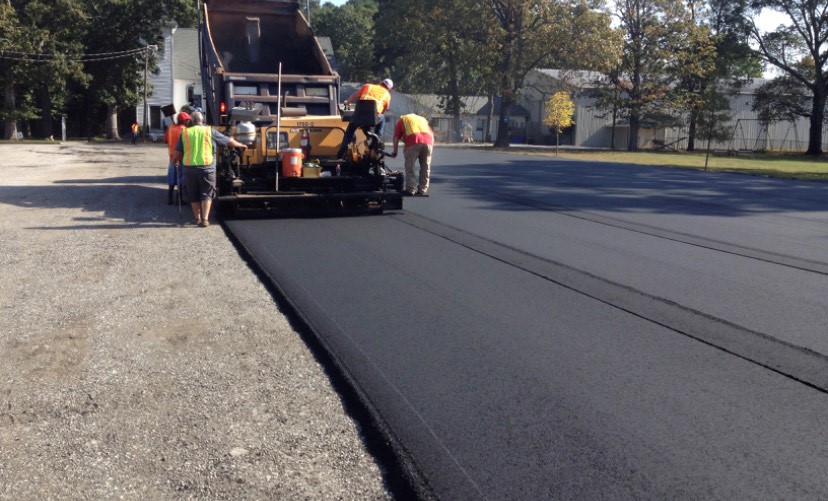 Central Paving
The preformed a really good job the staff is incredible never been so happy with my home, A brand new driveway is like a face lift!!
 Pristine Paving
Called Mark on a Thursday morning. Not really knowing if he could help me or not. I was having driveway, flooding issues due to a clogged channel drain and I was trying to figure out what direction to take. Heavy rains had come on Monday and again on Thursday leading to flooding in my garage...
 Mark Rodgers Construction
Had already met with 2 other contractors before Blue Ring, and Blue Ring's price quote for the work was better than either of the other 2, and the came out the next morning and cleaned up a very large fallen tree branch from a storm that was blocking my driveway. Work was completed in...
 Blue Ring Residential Services, LLC
From average costs to expert advice, get all the answers you need to get your job done.
When designing a driveway, it's crucial to know the cost of your driveway apron—the transitional ramp that connects you to the road. Here's what to know.
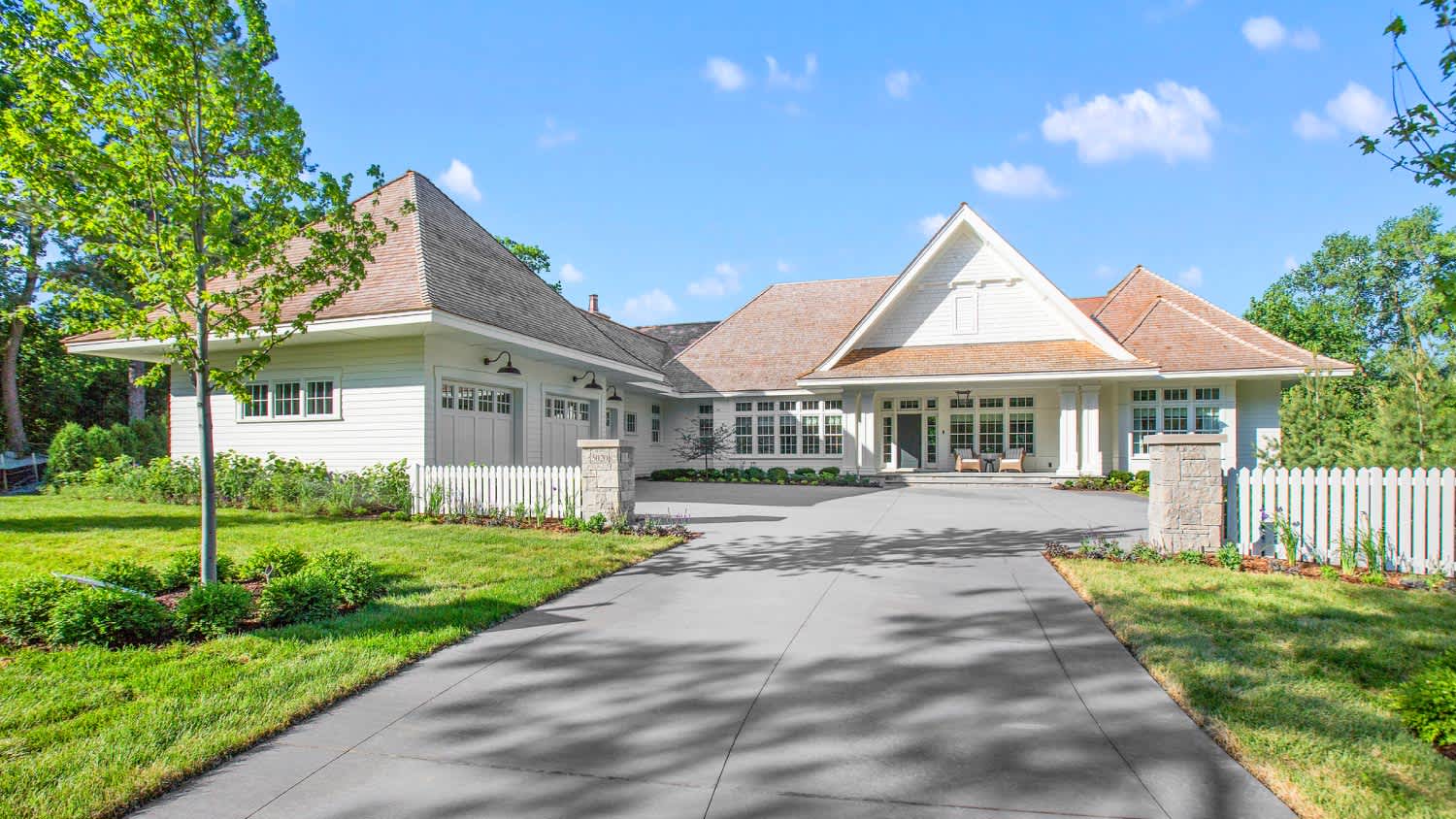
Between the endless customizations and decades of strength, the cost of a concrete driveway may be worth the investment. Let's break down your bottom line.
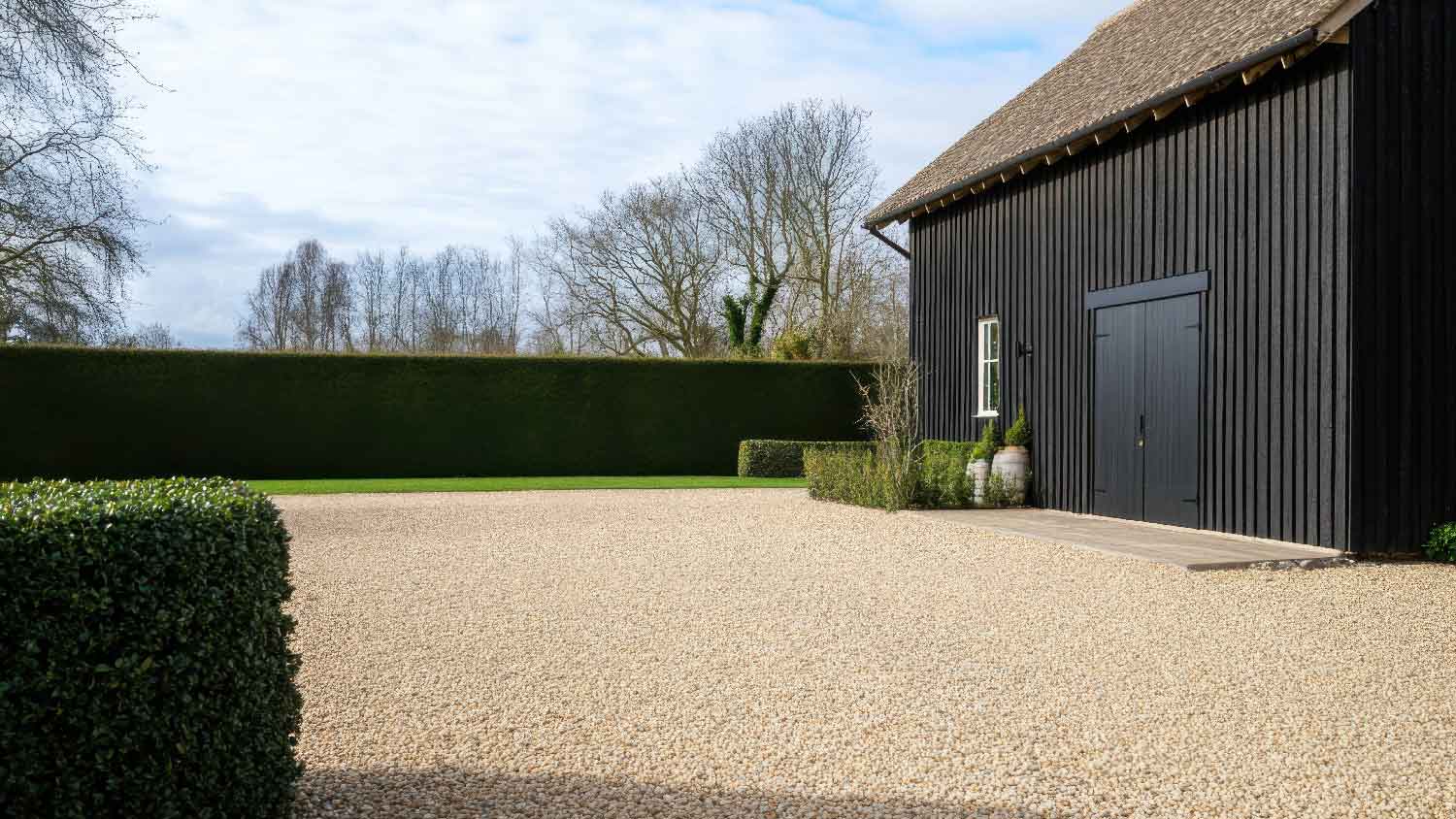
Use this guide to estimate the cost of your resin driveway based on its size, the materials used, and whether you hire a driveway contractor to complete the job.
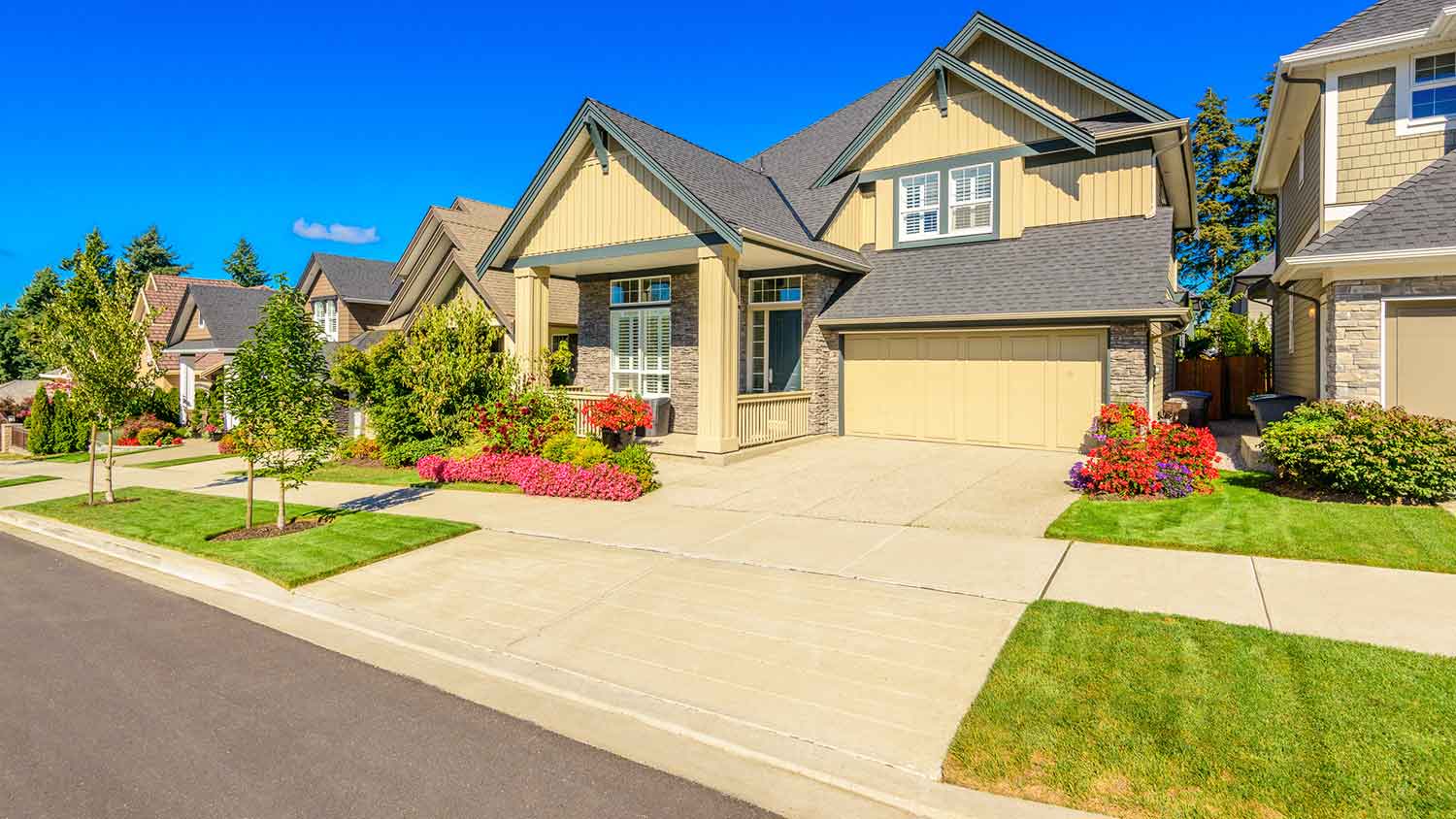
Ever noticed the piece of “driveway” that separates the sidewalk from the street? Here’s everything you need to know about driveway aprons
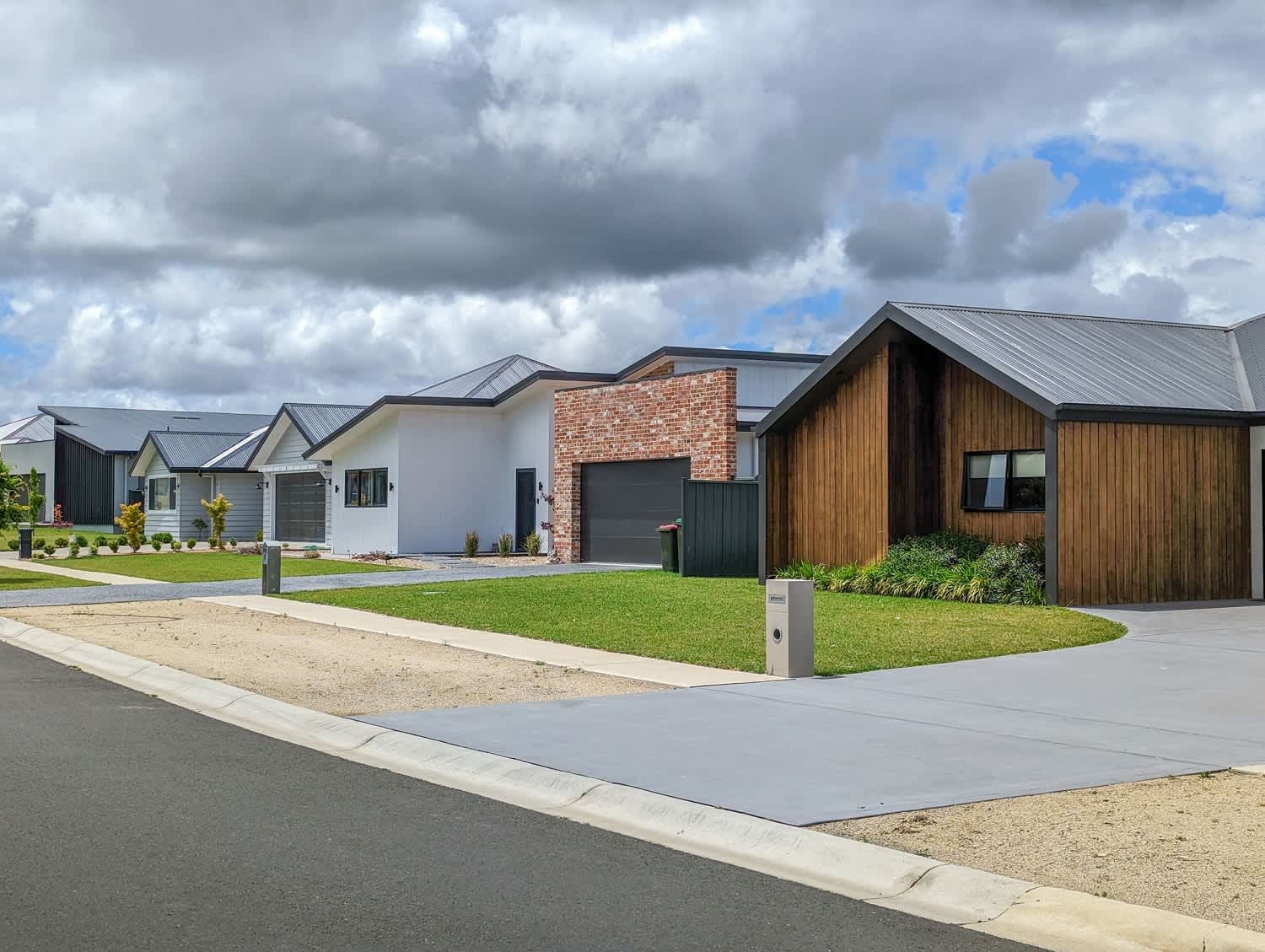
What is a driveway apron and does everyone need one? Here's what to know about this regulated piece of pavement.

Get new driveway inspiration with this list of the best driveway ideas for all types of homes.