

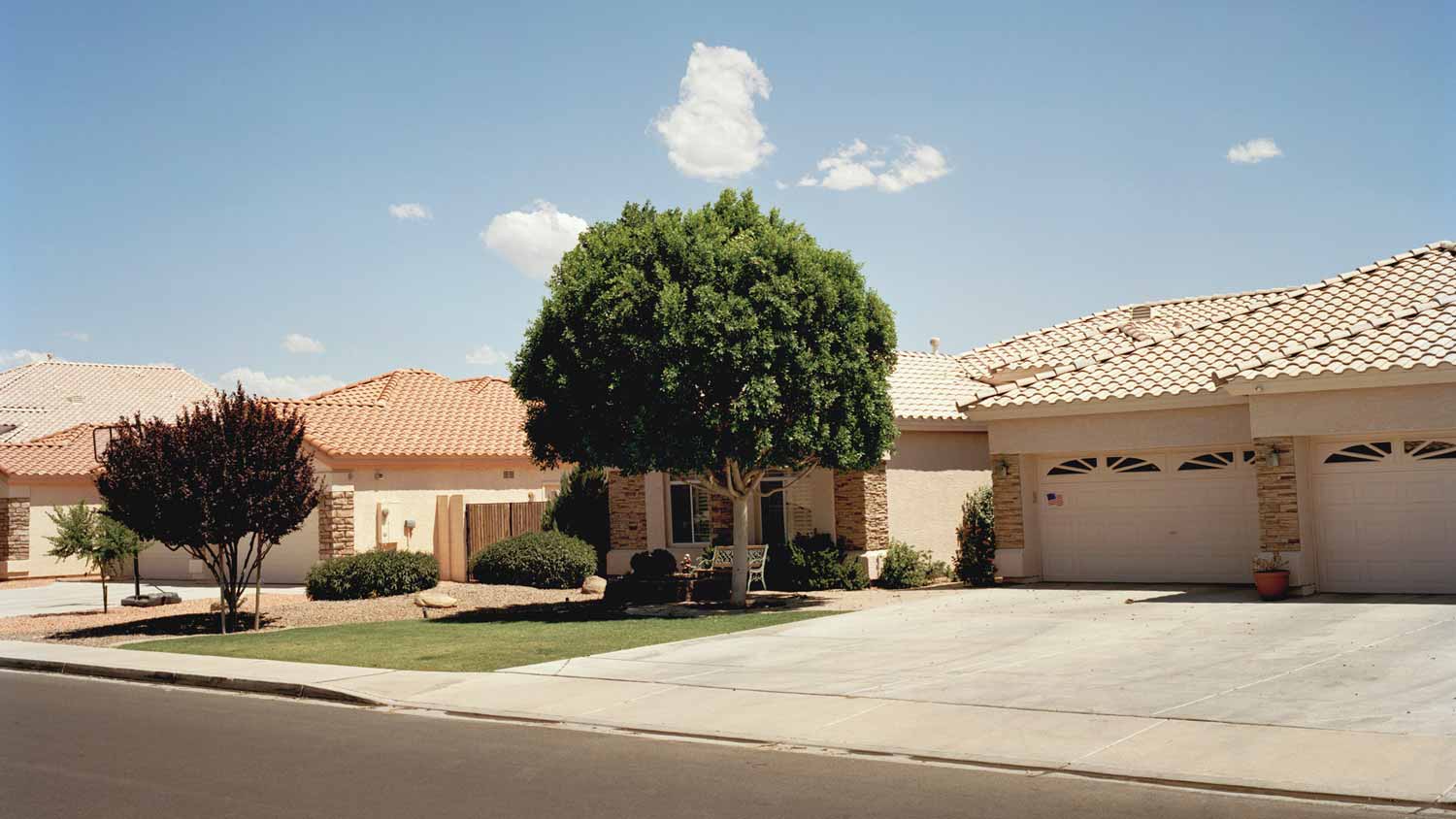
When designing a driveway, it's crucial to know the cost of your driveway apron—the transitional ramp that connects you to the road. Here's what to know.
Drive toward the right specs

Your concrete driveway apron connects your driveway to the street, spanning the first 8 to 15 feet and creating a smooth transition to prevent curb damage.
Expect to pay $7 to $18 per square foot for a driveway apron, with total costs ranging from $360 to $4,320 depending on your driveway width and material choice.
Your municipality sets strict regulations for apron slope, thickness, and curb cuts because the apron plays a key role in the city's storm drainage system.
Hiring a local driveway paving professional keeps your project compliant with local codes and ensures proper construction that protects your home from water damage and costly fines.
Driveway aprons serve as an entrance to your driveway and are an integral part of your municipality's storm drainage system. Each city or municipality has rules and regulations about the size, placement, and construction of a driveway apron. Learn all about driveway aprons, their costs, and what to consider as you replace or create a new one.
A driveway apron is the part of the driveway that meets the road, usually the first 8 to 15 feet, starting from the street. If you have a sidewalk, the driveway apron usually stops there. Other times, it’s hard to tell where the driveway apron ends and the driveway starts. Driveway aprons are often the municipality’s property, though many times, it is up to the homeowner to maintain and pay for the apron. A driveway apron is also called a driveway skirt or driveway approach.
Driveway aprons are very regulated by local construction codes in most communities due to their proximity to buried water lines and their role in the storm drainage system. Your local municipality likely has regulations for the size and width of the driveway apron, its location, and the thickness and type of materials.
Here are the outlet types you find in most U.S. homes:
15-amp, 120-volt (2-prong and 3-prong): The standard household outlet for lamps, TVs, and chargers.
20-amp, 125-volt: A higher-power outlet for kitchens, laundry rooms, and workshops.
240-volt (20-amp to 50-amp): A large-appliance outlet for dryers, ranges, and EV chargers.
GFCI: A shock-protection outlet for kitchens, baths, and other wet areas.
AFCI: A fire-protection outlet for bedrooms and living spaces.
Tamper-resistant: A child-safe outlet with internal shutters, now standard in new homes.
Weather-resistant: A corrosion-resistant outlet built for outdoor use.
Convenience types: Switched, combination, USB, smart, and rotating outlets.
A driveway apron doesn’t receive much attention from homeowners, but it’s a part of a driveway that plays a critical role in preventing minor inconveniences that can develop into costly problems. Because driveway aprons are usually sloped or slightly slanted, they create a smooth transition from the street to your driveway.
The structure of driveway aprons offers two benefits. First, driveway aprons stop you from driving over the curb. The jolt of hitting a curb can seem harmless, but that “harmless” hold can result in damages to your tires, wheel rims, transmission lines, and oil valves. Second, driveway aprons handle water drainage and help prevent rainwater from pooling on your driveway. Instead of water flowing onto your driveway, the slope of the driveway apron will direct water toward the street’s drainage system.
A driveway apron costs between $7 and $18 per square foot on average, depending on the material, design, accessibility, and cost of labor in your area. A double-car driveway with a 10-foot apron costs $800 to $4,320 on average. For a single-car driveway with a 10-foot apron, the typical cost spans from $360 to $2,160.
Here's a look at costs for a driveway apron by material:
Concrete: $8 to $18 per square foot
Asphalt: $7 to $13 per square foot
Pavers: $10 to $50 per square foot
Rubber: $10 to $50 per square foot
Chip seal or tar-and-chip: $5 to $10 per square foot
Gravel: $1 to $2 per square foot
Creating a driveway apron gives you a chance to add detail, contrast, and style to your driveway — or keep it identical to the rest of your driveway. Driveway apron ideas include exposed aggregate concrete, concrete slabs with grass, and decorative pavers.

In most communities, the homeowner is responsible for the maintenance and cost of the driveway apron, although some municipalities may cover a portion of the costs. In either case, most municipalities technically own the driveway apron and dictate the rules around its size, material, and construction. You can receive a fine for not complying with driveway apron regulations in your area.
As a homeowner, you’re likely responsible for snow, leaf, trash, and debris removal that falls on the driveway apron, but check your local code. Your municipality may also provide guidelines on keeping the driveway apron in good repair and safe condition.

Each municipality regulates the construction codes for how to install a driveway apron since it plays a key role in the storm drainage system. The rules might even dictate who can legally install the apron, such as a homeowner or licensed contractor. That's why it’s essential to review driveway apron guidelines from your local municipality as you brainstorm your driveway apron ideas. Local codes are subject to change each year, so be sure to reference the most recent version.
You may need to obtain a permit when constructing a new driveway apron, although some communities, such as rural areas, don’t require them.
Local municipality codes may outline the following components of a driveway apron:
Who can install the apron, such as a homeowner, city-licensed contractor, or city workers
Location of the apron, including how far it must be from the lot line
Permitted type of curb cut, including where and how to cut the curb
The slope of the driveway apron, as water run-off must drain into the gutter
Length and width of the apron
Type of surface material, such as concrete, asphalt, stone, pavers, turf blocks, or brick
Thickness of the apron material, which may differ from the thickness of the driveway (i.e. four inches versus six inches thick)
The base layer material, such as sand or gravel, must sit beneath the surface material
Thickness of the base layer, such as four inches
Requirement of steel reinforcement, such as rebar, before pouring concrete
If you live in an older neighborhood, such as one built before 1950, the driveway aprons on your street may not comply with current local codes. In this case, your driveway apron is likely grandfathered in. You won't need to update your non-compliant apron, but if you're replacing or building an apron, you need to install it to code. Not adhering to the current driveway apron code could result in a hefty fine.
Unless you have experience pouring concrete or asphalt and are up-to-date on local driveway apron codes and spec sheets, it's best to leave the project to a local driveway paving company. A contractor has the experience and construction knowledge to build a driveway apron to code — or properly fix a sinking apron. They also have the equipment, including a dump truck, jackhammer, skid steer, roller, and plate compactor, that's often necessary for the job. Some municipalities even require that a city-licensed contractor handle the project.
If you install your driveway apron incorrectly, you risk damage to your property or a hefty fine from your municipality. A local driveway pro can save you time, hassle, and unnecessary expenses.
If all your driveway apron needs is a patch or repair, you can often tackle small driveway repairs on your own.
Archie did a good job cleaning up the driveway before he laid down the sealer. It looks good. He was gracious and even helped me bring up my groceries. His rate was comparable to another company who came out to give me a quote and he talked to me personally rather than just text me a quote...
 Pro Seal Roofing & Paving
D1 Roofing delivers outstanding service from beginning to end, backed by a strong warranty and expert teams. I highly recommend them for their excellence in meeting and surpassing expectations with unmatched communication. Choosing D1 Roofing was flawless decision
 Division 1 Roofing LLC
This company went above and beyond with their work, chimney sweeps are usually pretty messy, but the clean up was spot on.!! Josh explained every thing that he was doing, and the things that he was checking to make sure the chimney was safe for me and my family. He was very professional,...
 Supreme brick & chimney
Our homes curb appeal skyrocketed thanks to Custom Paint Jobs LLC s exterior painting.
 Custom Paint Jobs, LLC
Very well! Two men came to do the work. They were both polite, punctual and professional in manner. When they finished, Cameron explained about preserving an asphalt driveway, as I had never had one in the past. I will definitely be calling them in the future.
 All Star Paving and Sealing
Fantastic! Top Line was early for the appointment and very knowledgeable and took time to explain everything they had found during the home inspection. The report included clearly defined issues and what they recommended to remedy the same. The report also included many pictures to help...
 Top Line Home Inspections, LLC
Working with Peter and his crew was a breeze. They were exceptionally polite and did a neat job to repair and seal our driveway. I will definitely talk to them first for additional work.
 Central Paving
The preformed a really good job the staff is incredible never been so happy with my home, A brand new driveway is like a face lift!!
 Pristine Paving
Called Mark on a Thursday morning. Not really knowing if he could help me or not. I was having driveway, flooding issues due to a clogged channel drain and I was trying to figure out what direction to take. Heavy rains had come on Monday and again on Thursday leading to flooding in my garage...
 Mark Rodgers Construction
Had already met with 2 other contractors before Blue Ring, and Blue Ring's price quote for the work was better than either of the other 2, and the came out the next morning and cleaned up a very large fallen tree branch from a storm that was blocking my driveway. Work was completed in...
 Blue Ring Residential Services, LLC
From average costs to expert advice, get all the answers you need to get your job done.
When designing a driveway, it's crucial to know the cost of your driveway apron—the transitional ramp that connects you to the road. Here's what to know.
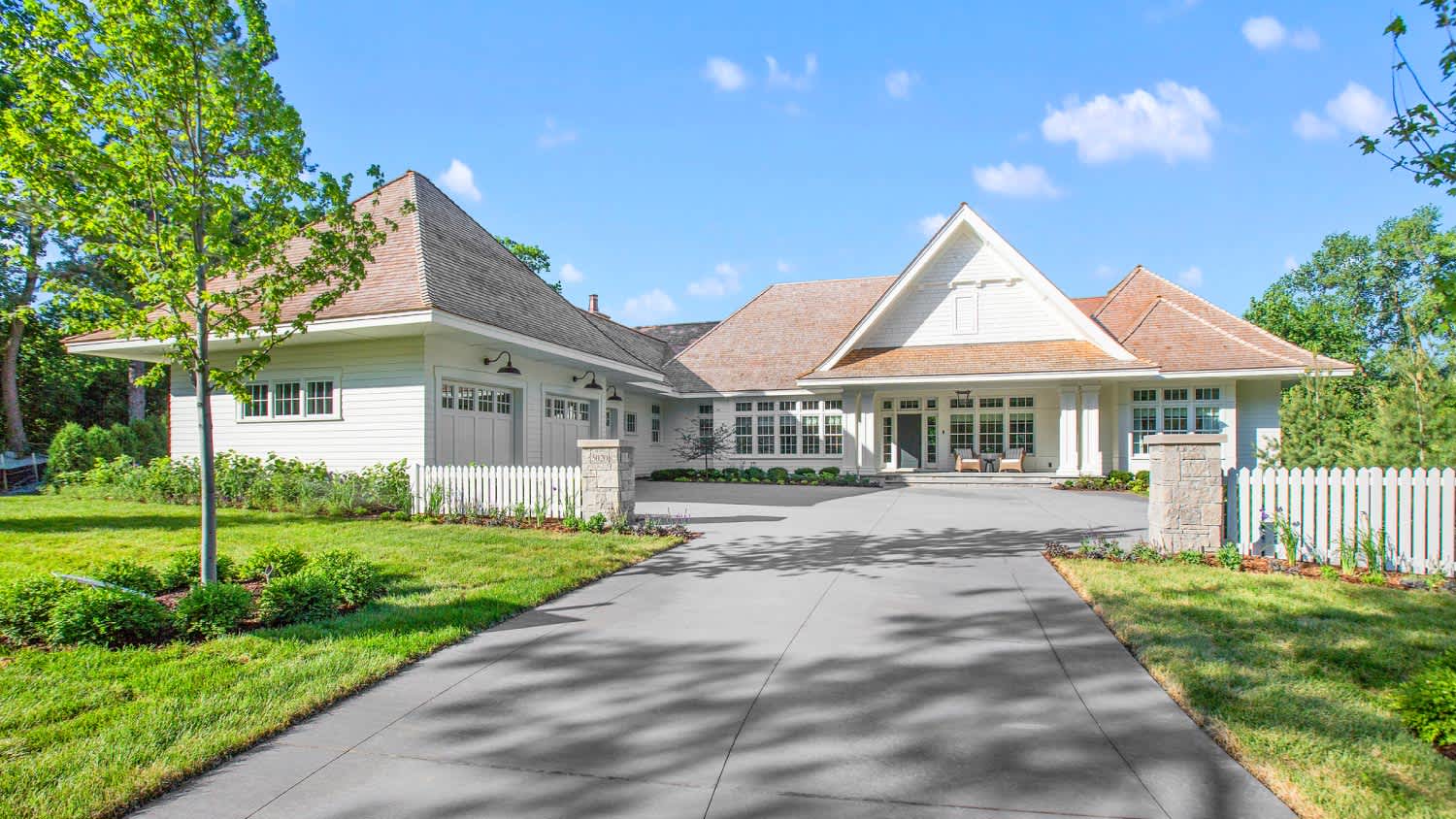
Between the endless customizations and decades of strength, the cost of a concrete driveway may be worth the investment. Let's break down your bottom line.
The average cost to pave a driveway is $4,897, but prices vary by size and material. This guide breaks down common cost factors and helps you budget.
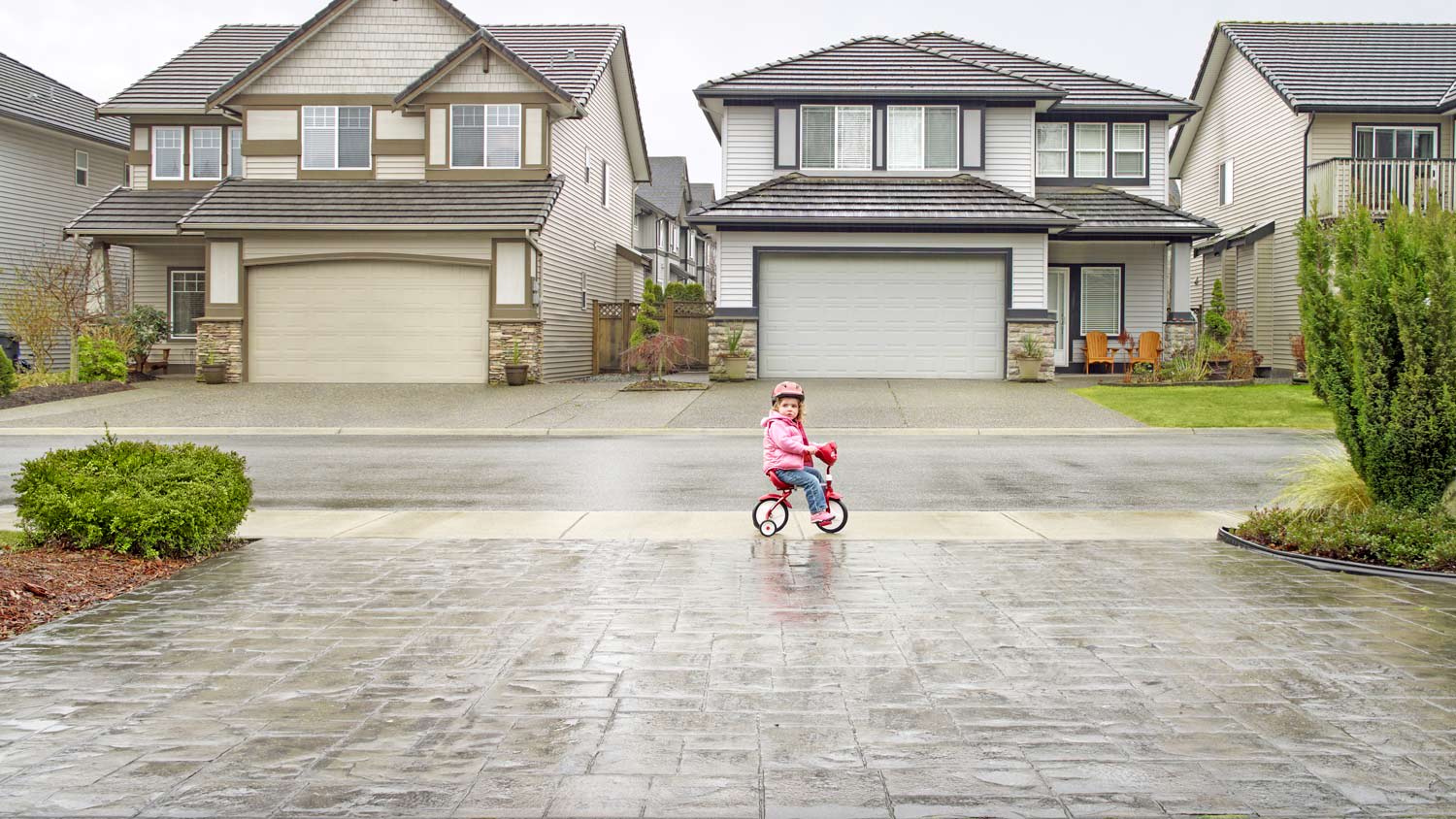
A driveway apron is an easy way to add that finishing touch to your driveway. From asphalt to concrete to pavers or gravel, check out the range of choices and variations.
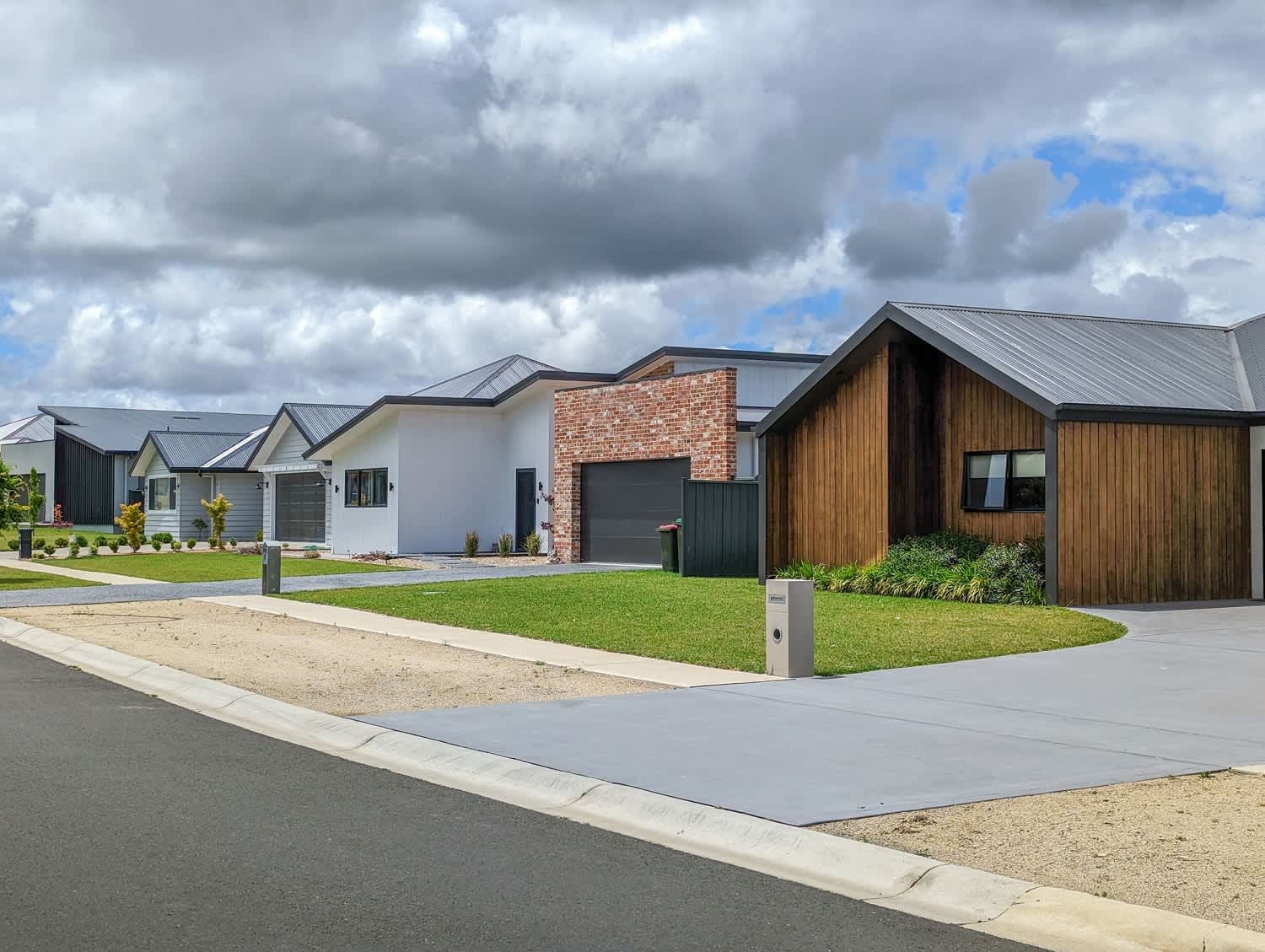
What is a driveway apron and does everyone need one? Here's what to know about this regulated piece of pavement.
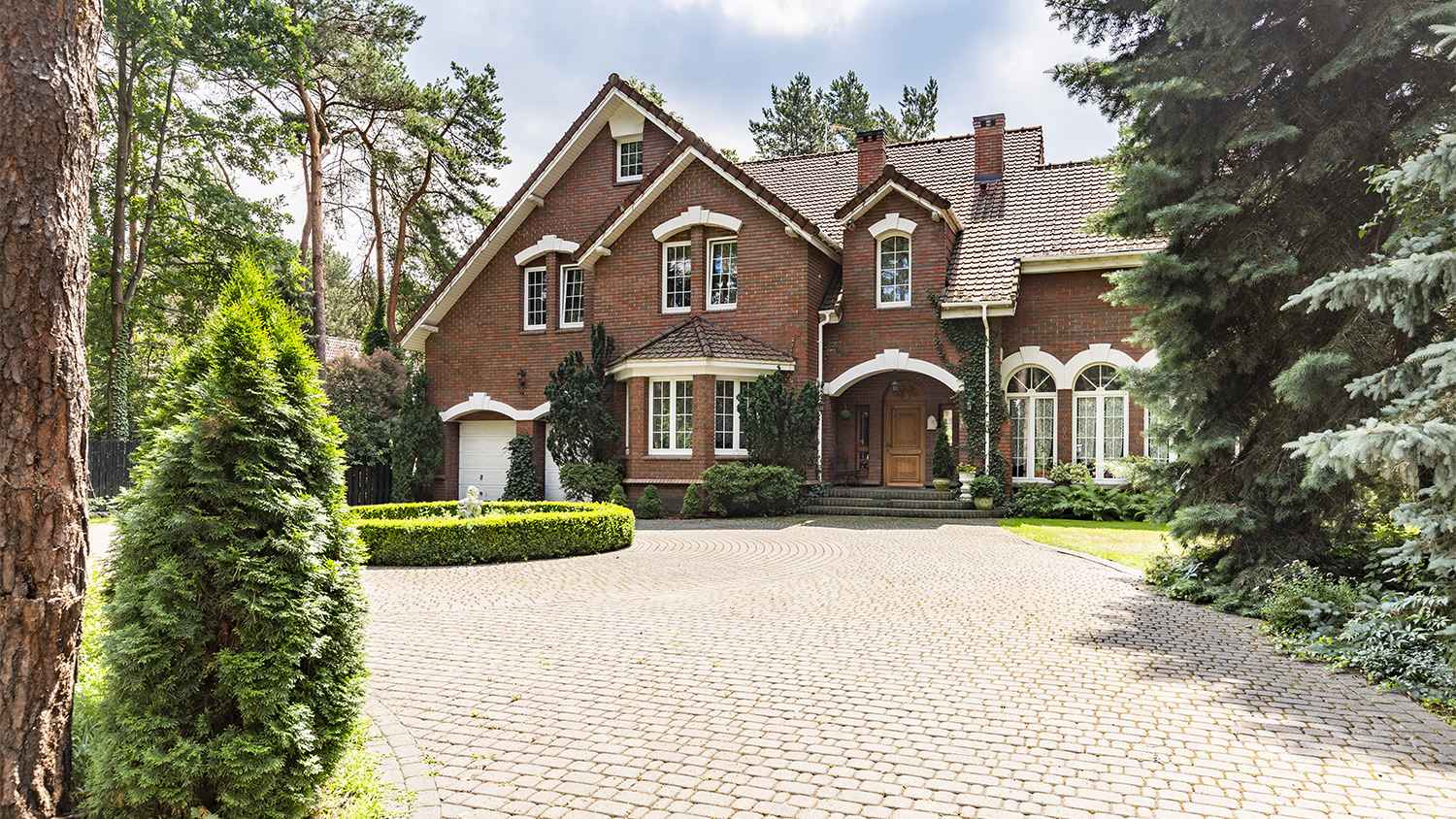
Though it seems straightforward, your driveway actually has a lot of parts. From the apron to the trench drain, here are the driveway terms you should know.