
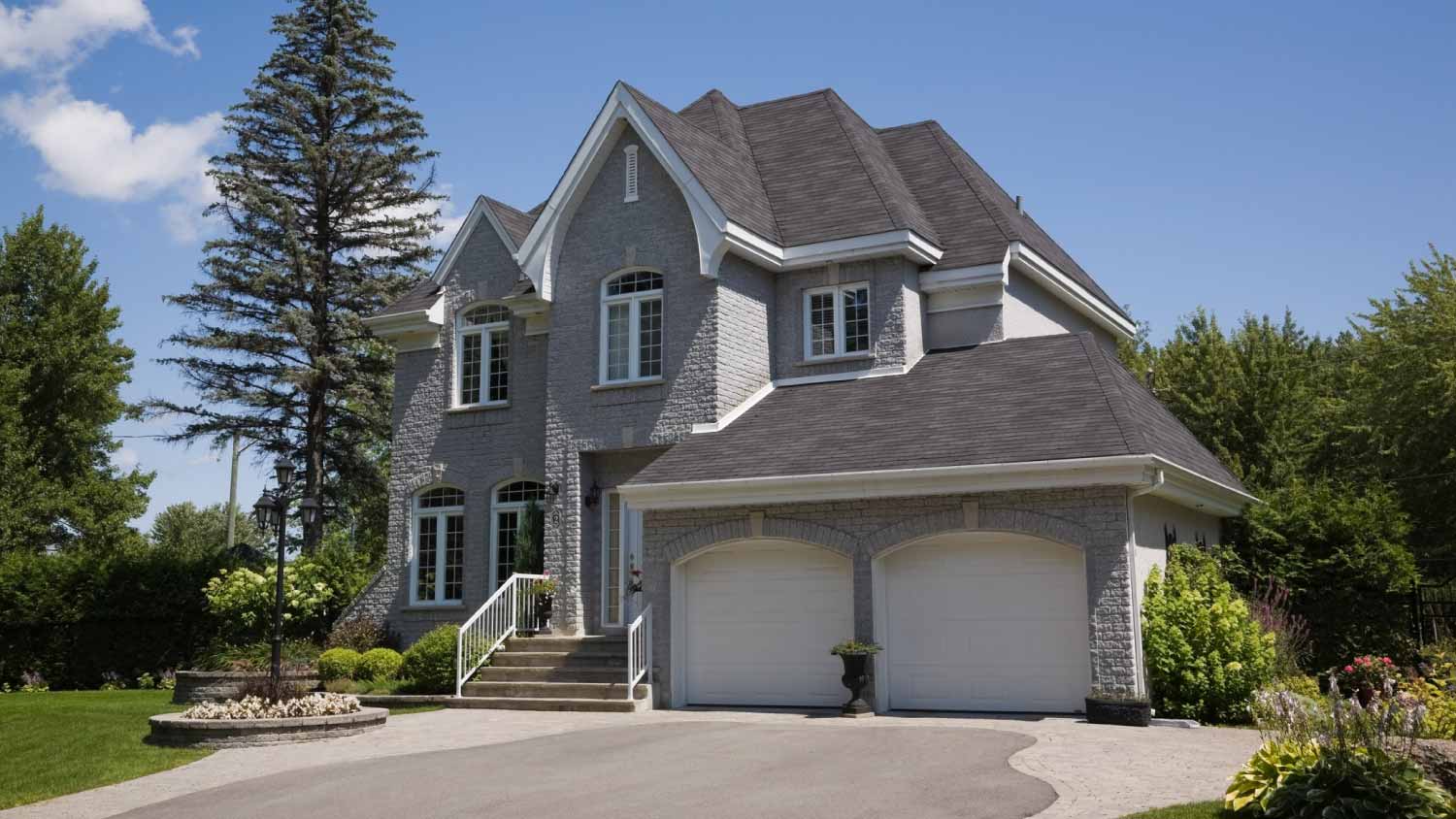
Is your driveway totaled? The price of repaving your driveway can save you from repair and resurfacing costs that are no longer worth the investment.
Another reason to love summer

Your driveway repaving works best between late spring and early fall when temperatures stay above 55 degrees and the ground is firm and dry.
Expect to pay $6,800 on average to repave your driveway, with total costs ranging from $1,400 to $12,100 depending on size and materials.
You should wait at least two years after installing a new driveway before sealing it, giving the surface time to cure properly without trapping moisture.
Hiring a local driveway paving professional keeps your project on schedule and ensures proper asphalt application, especially when managing complex equipment and grading work.
Keeping your driveway free of cracks and unsightly potholes not only makes driving over it easier and smoother, but it adds significant curb appeal to your home. Whether you’re looking to repave your driveway to restore its pristine surface or seal it to protect it against the elements, the timing of these projects can significantly impact their effectiveness and cost-efficiency. Learn the optimal time to repave or seal your driveway, factoring in the weather, your climate, the condition of your driveway, and more.
Generally speaking, plan to repave or seal your driveway between late spring and early fall. In most places, this is the time of year when the air and surface temperatures are 55 degrees Fahrenheit or higher, and the ground won’t be wet from winter rains and snow—it’s always best to pave over firm ground. Paving over water can damage the base layers and cause asphalt to cool too quickly.
While weather is the main factor affecting this project, there are a few other factors to consider when repaving or sealing your driveway.
Paving is best done when the climate is warm and there are no rainy days in the forecast. Ideally, the temperature is between 50 and 70 degrees Fahrenheit—the time of year for this weather will vary based on where you live and the local climate. It’s always better to pave your driveway when the weather is a little warmer rather than colder, so if you live in a place with extreme seasons, aim for early summer.
You should hold off on repaving or sealing your driveway if it’s in poor condition, which might include cracks, potholes, crumbling debris, or water damage. By repaving or sealing the driveway when it’s damaged, you could make the problem much worse and cause the cracks to deepen. In addition, significant cracking could be a sign of a deteriorating foundation. Talk to a local driveway paving professional to understand the best course of action and get a thorough evaluation of your driveway and home.
While you should seal your driveway every two to three years, you shouldn’t seal it when it’s brand-new. Sealing a freshly poured driveway can create a barrier that prevents moisture from evaporating, leaving it prone to cracks and chipping. Allow your new driveway to cure properly, and hold off on resealing until a few years have passed.
If you have multiple cars parked in your driveway or other large items such as boats or trailers, you’ll need to figure out a plan for moving them before you get started on repaving or sealing.
The cost to repave a driveway could be less during the off-season, which is fall and winter. While waiting until the weather cools a little is usually only possible if you live somewhere with very mild weather, such as the Southwest, it can be much less expensive than the late spring and summer when this project is in high demand.
The worst time to repave or seal a driveway is when rain or snow is in the forecast or when the temperature is below 50 degrees Fahrenheit. Colder weather can cause the asphalt binder to become brittle and crack, and if water seeps into these cracks and then freezes, it can cause further damage during the freeze-thaw cycles of winter. In addition, high winds, which are usually more common in the fall and winter, can similarly cool the asphalt as it is being poured, exacerbating the above issues.

The cost to repave a driveway is $6,800 on average, however, the cost can range between $1,400 and $12,100, depending on the size of your driveway and the materials used. Adding a coat of sealant to your driveway will cost you an additional $500 on average.
Sealing a driveway is a task that an experienced DIYer can do and is a great addition to your regular home maintenance checklist.
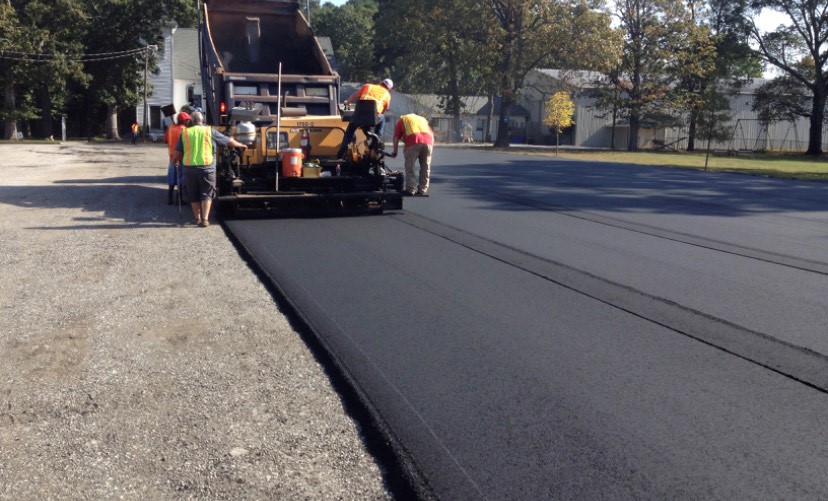
Repaving a driveway, however, is not typically a DIY job. You’ll need a very large amount of concrete or asphalt, which will necessitate the presence and work of a local driveway paving company. In addition, you’ll need access to complicated, expensive construction equipment as well as a license to operate it.
The cost to hire a pro to repave or seal your driveway runs between $5 and $7 per square foot. Prices can vary—or be higher than this—if your driveway is on a steep grade or if you’re looking to complete the project during a season with high demand.
Archie did a good job cleaning up the driveway before he laid down the sealer. It looks good. He was gracious and even helped me bring up my groceries. His rate was comparable to another company who came out to give me a quote and he talked to me personally rather than just text me a quote...
 Pro Seal Roofing & Paving
D1 Roofing delivers outstanding service from beginning to end, backed by a strong warranty and expert teams. I highly recommend them for their excellence in meeting and surpassing expectations with unmatched communication. Choosing D1 Roofing was flawless decision
 Division 1 Roofing LLC
This company went above and beyond with their work, chimney sweeps are usually pretty messy, but the clean up was spot on.!! Josh explained every thing that he was doing, and the things that he was checking to make sure the chimney was safe for me and my family. He was very professional,...
 Supreme brick & chimney
Our homes curb appeal skyrocketed thanks to Custom Paint Jobs LLC s exterior painting.
 Custom Paint Jobs, LLC
Very well! Two men came to do the work. They were both polite, punctual and professional in manner. When they finished, Cameron explained about preserving an asphalt driveway, as I had never had one in the past. I will definitely be calling them in the future.
 All Star Paving and Sealing
Fantastic! Top Line was early for the appointment and very knowledgeable and took time to explain everything they had found during the home inspection. The report included clearly defined issues and what they recommended to remedy the same. The report also included many pictures to help...
 Top Line Home Inspections, LLC
Working with Peter and his crew was a breeze. They were exceptionally polite and did a neat job to repair and seal our driveway. I will definitely talk to them first for additional work.
 Central Paving
The preformed a really good job the staff is incredible never been so happy with my home, A brand new driveway is like a face lift!!
 Pristine Paving
Called Mark on a Thursday morning. Not really knowing if he could help me or not. I was having driveway, flooding issues due to a clogged channel drain and I was trying to figure out what direction to take. Heavy rains had come on Monday and again on Thursday leading to flooding in my garage...
 Mark Rodgers Construction
Had already met with 2 other contractors before Blue Ring, and Blue Ring's price quote for the work was better than either of the other 2, and the came out the next morning and cleaned up a very large fallen tree branch from a storm that was blocking my driveway. Work was completed in...
 Blue Ring Residential Services, LLC
From average costs to expert advice, get all the answers you need to get your job done.
Is your driveway totaled? The price of repaving your driveway can save you from repair and resurfacing costs that are no longer worth the investment.
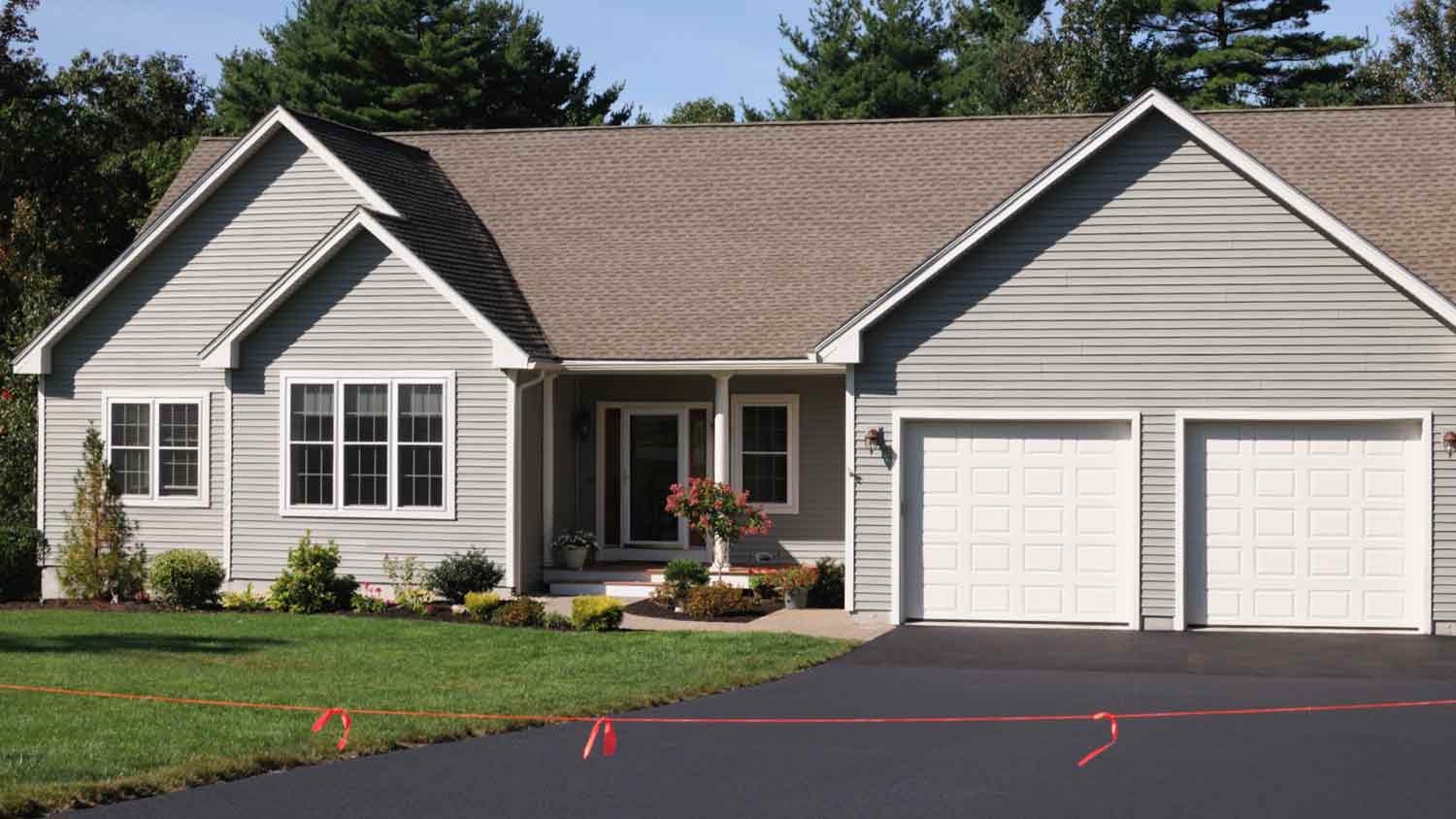
Want to know the best time to seal a driveway? Our guide will help you determine when to seal your driveway—and when it’s a bad idea.
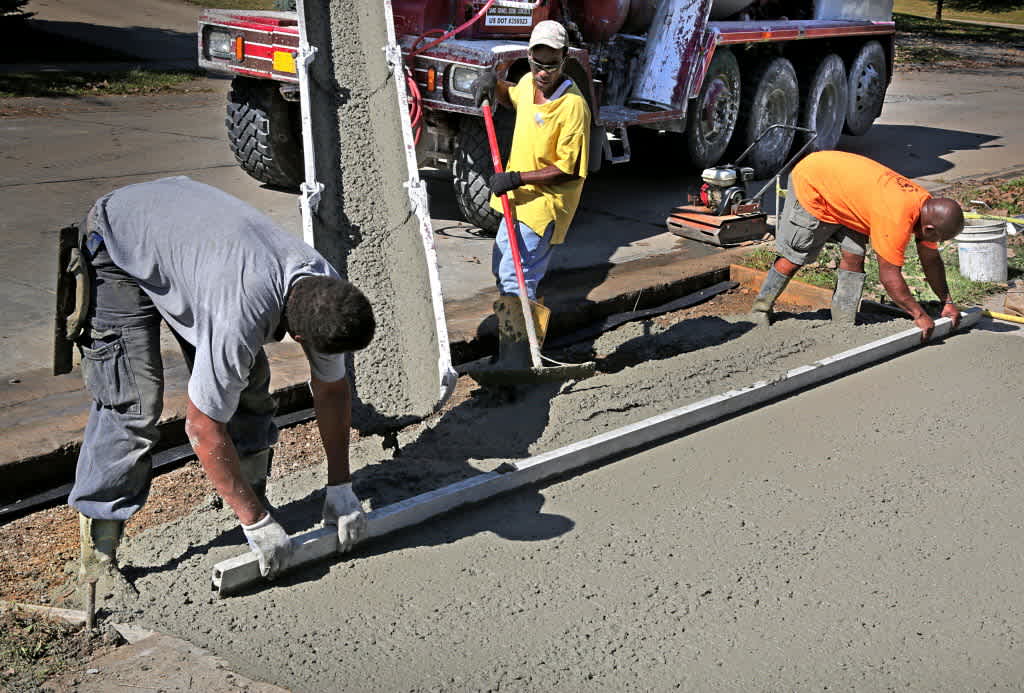
Learn how to choose the best driveway sealer based on driveway type, longevity, and cost.
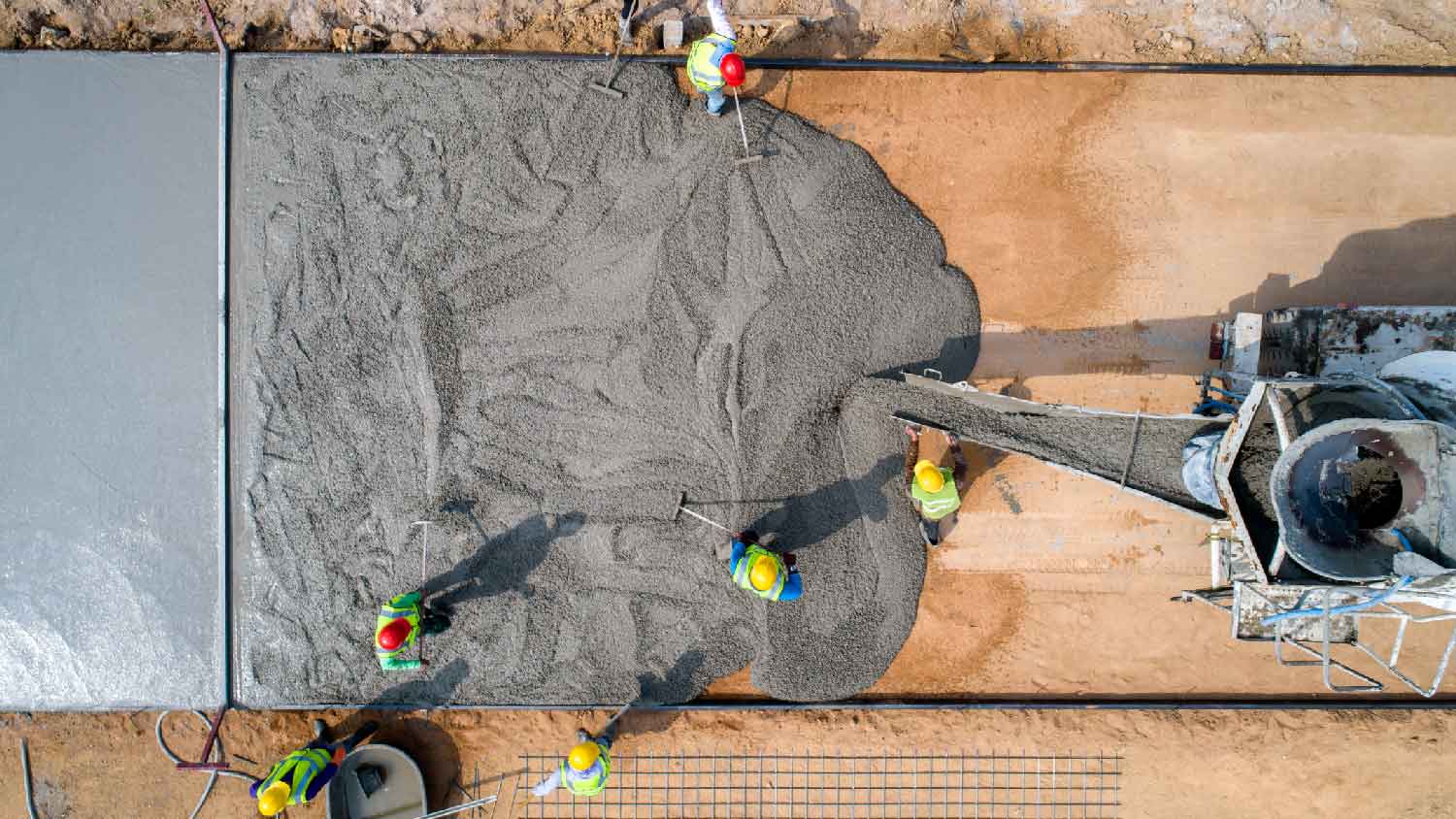
Looking for the best time to pour concrete? Consider the temperature, the weather and climate in your area, the time of year, and sunlight exposure.
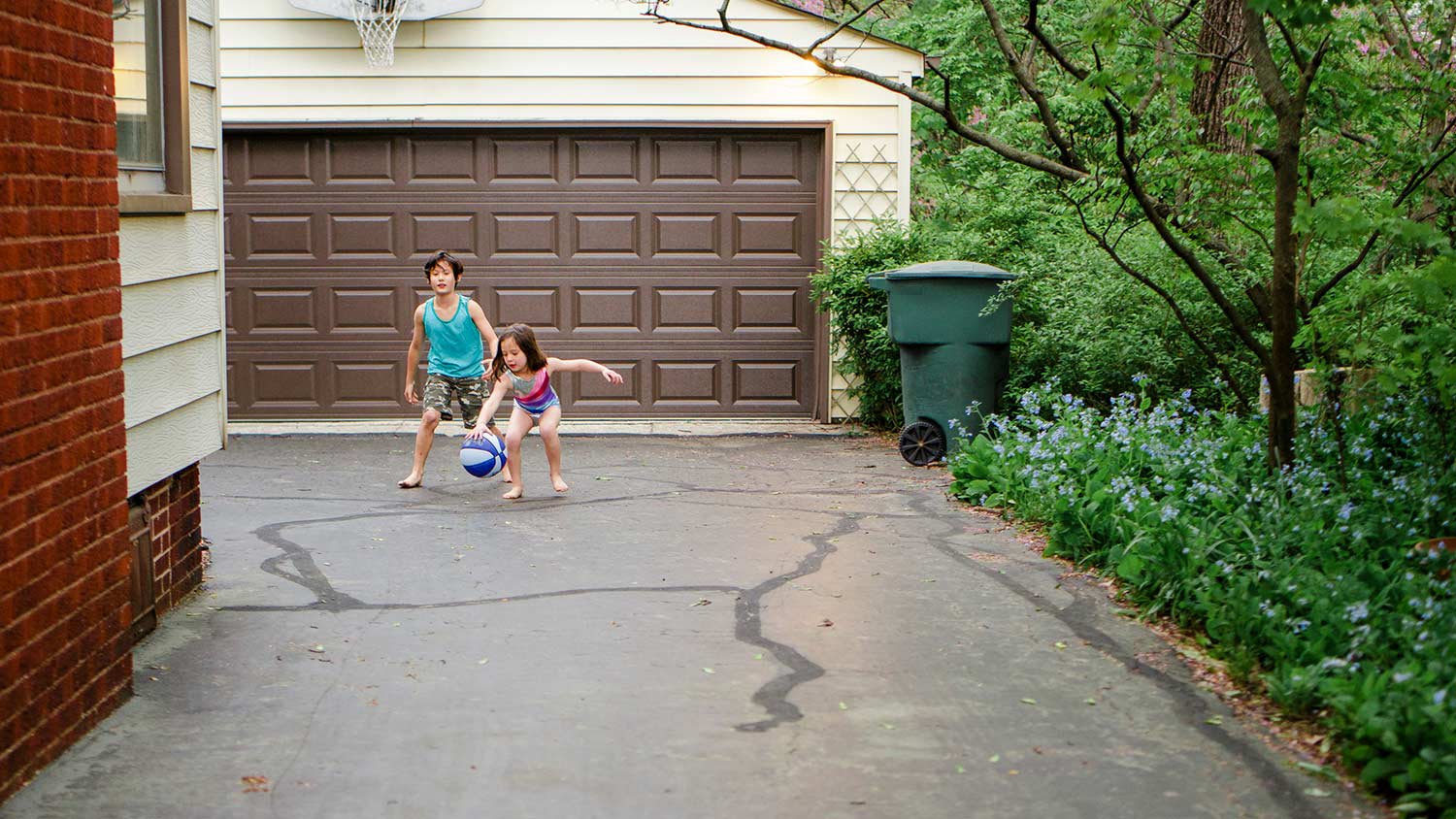
If your driveway has seen better days, it might be time for repairs or a replacement. Use this guide to figure out the best way to restore your driveway’s appearance.
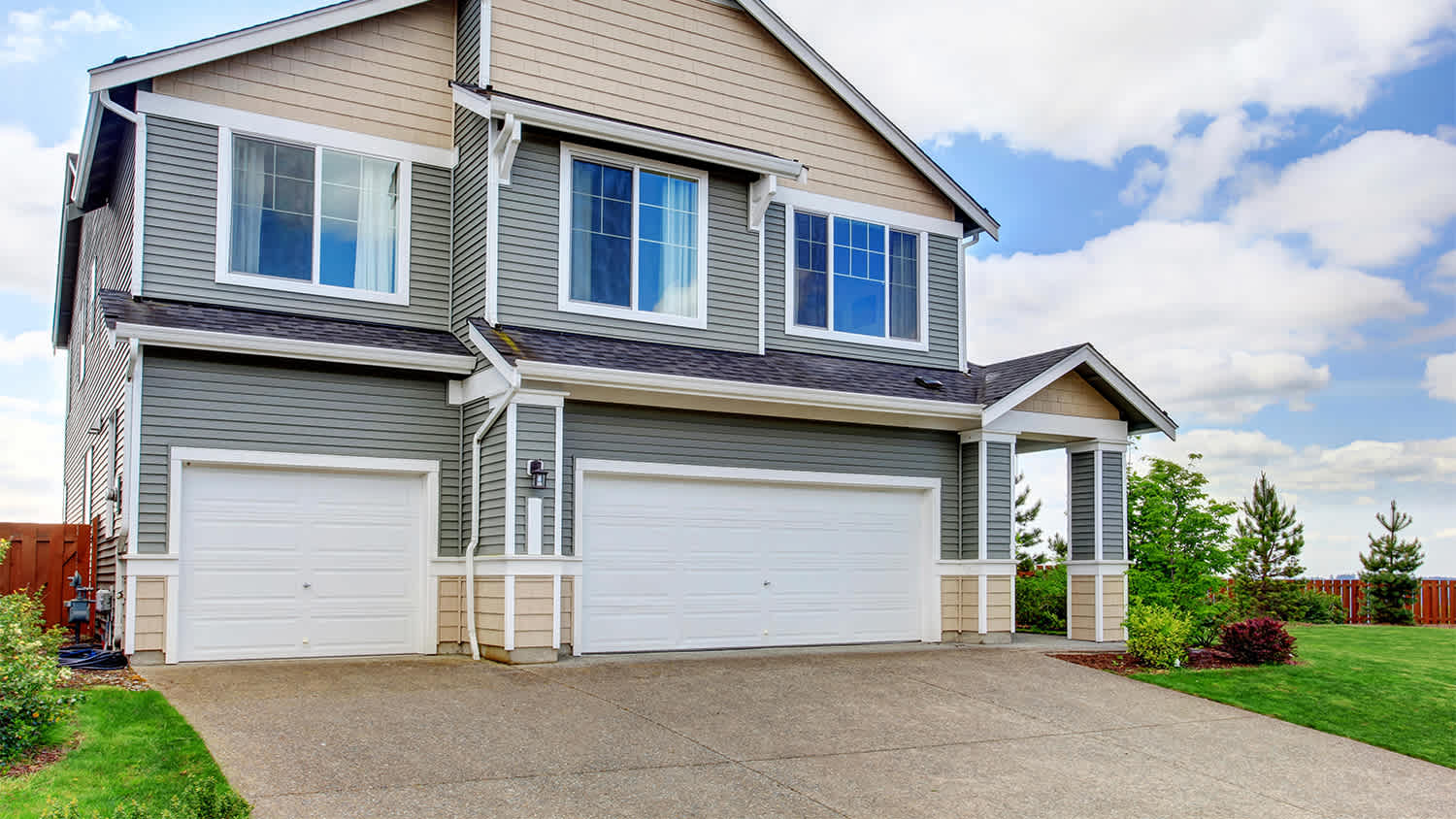
Learn about the best driveway materials, such as concrete, pavers, and turf, the prices for each, and the factors you should consider before committing to one.