
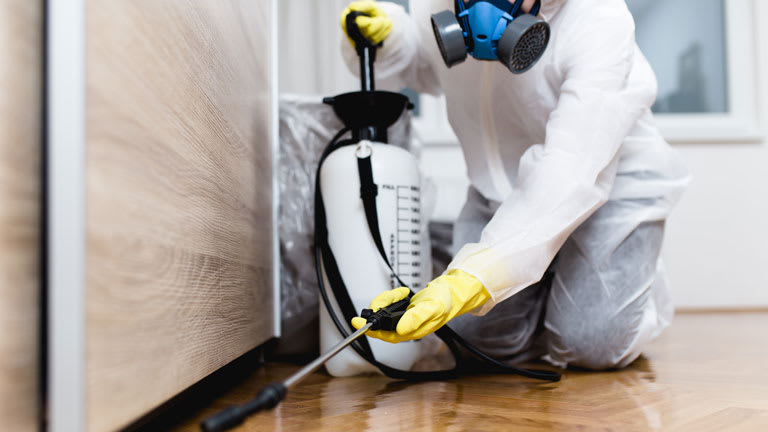
The average roach exterminator cost is between $100 and $600, depending on the species, infestation severity, and home size. Read on for a cost breakdown.
Here’s what you need to know about this insect’s temperature preferences

Cockroaches are cold-blooded insects that prefer warm temperatures between 77 and 86 degrees Fahrenheit, so they seek out your home's heat during winter.
Your home's warm kitchen and bathroom areas attract cockroaches year-round because they need consistent warmth and humidity to stay active and reproduce successfully.
Sealing entry points around your home keeps cockroaches from moving indoors when outdoor temperatures drop, helping you prevent infestations before they start.
Hiring a local bug company provides reliable support for eliminating active roach infestations and identifying entry points that let these pests into your home.
If you’ve had a cockroach sighting at home, you’re probably not feeling too hospitable toward them. So you might not care to be the gracious host and ask, “Do cockroaches like the cold?” or “What do cockroaches like to eat?” But the answers to these questions can support your mission to get rid of roaches for good. Let’s take a look at cockroach temperature preferences to better understand these pests.
Cockroaches do not like the cold. They are cold-blooded insects, meaning they can’t create their own body heat. Instead, they must rely on external temperatures to help them regulate their internal temperatures.
But that doesn’t mean these critters love it when the temperature soars either. In fact, they can’t stand the heat, either. Cockroaches, like many humans, prefer temperate weather, within a range of 77℉ahrenheit to 86℉ahrenheit, to be exact. If it’s a bit humid, even better.
Now that you know the ideal temperature range for cockroaches, you should also know that they’ll go to great lengths to seek out warm spots—and your home seems as good a place as any for them to settle down and start a family.

In general, cockroaches like hot, humid spots near a food source. They like to camp out near your kitchen or bathroom, if they’ve already made their way into your house.
During cold-weather seasons, cockroaches enter a type of hibernation known as diapause, during which they do not grow or breed. But that doesn’t mean you’re out of the woods yet. If cockroaches are able to find a warm place—like your home—they’ll stay active all winter long.
However, if cockroaches are unable to find a warm place with food, they will stop growing and breeding until things warm up again. That’s why it’s essential to seal off openings and other methods of entry to your home to ward off a roach infestation.
Cockroaches are nothing if not resilient. Some can even fly, although they’re not graceful or good at it. Even when the weather isn’t ideal, they’ll try to find a way to get by. Here’s what some varieties do during the cold season:
These insects will move indoors where it’s warm, though they can tough it out living among wood piles or dead trees if they are forced to stay outside. However, they can’t survive when the temperature goes lower than -15℉ahrenheit.
Even if you live in America, chances are the cockroach you’ve spotted in your home is a German cockroach. Being proactive against this species is key because once they’re inside your home, feeling warm and well-fed, they are very difficult to evict.
This species can handle colder weather than its brethren, but it’s likely because they tend to live indoors in the first place. Many of the adults will die off in the last days of summer; the survivors are the ones who were able to stick around since last fall.
This type of cockroach is attracted to your home’s damp, humid spots, like drains and basements because they need a water source for survival. Unlike the other species that cease procreating in the cold, these will reproduce once during the winter.
Though not as widespread as the German cockroach, you’ll likely find the brown-banded roach in warm homes, especially kitchens, where they like to congregate near appliances that generate heat while in operation. If they can remain alive indoors, they’ll survive all winter.
Whether the weather is hot or cold outside your house, if you’ve spotted roaches or signs of them in your home, it’s time to hire a local insect exterminator. Cockroaches are known to trigger allergic reactions, plus they can spread bacteria and disease to your household members.
While there are DIY removal methods and natural roach repellents you can use to get rid of them, nothing eradicates a roach infestation as quickly and safely as a professional exterminator. Your local exterminator company will be able to not only treat the infestation at hand, but also give you tips on how to prevent future returns of this nasty houseguest.
A reliable team for moves across state. My switch to a new place needed careful lifting through tight hallways. The movers checked the doorway first, then carried heavier pieces with slow, controlled movements. Their patience helped prevent damage, and I?d choose them again.
This company does it right. Firstly, I want to say that Landan was a joy to work with. He was so kind, transparent, and had everything under control. His entire team showed up ready to work and they were all very respectful of the fact that we were in an office space. A little backstory – we...
 Krumlauf Floors
I had FabClean 614 clean my apartment, and she did an outstanding job. She was so professional and efficient. My apartment looks absolutely spotless every surface, every corner, all cleaned to perfection. Definitely highly recommend FabClean 614 if you're looking for top-notch cleaning...
 Fab Clean 614
Raven and crew does absolutely fantastic job. They are very professional if any concerns were to occur with any of her work she always took responsibility and finished out with a great job. I have worked with her business for a year and have always been satisfied. Very trusted business and...
 Creations of Transformation LLC
I would recommend this company to anyone! He showed up on time, was friendly, completed a very difficult repair on our dryer vent cover, was responsive, and pricing was extremely fair and competitive. I would have him back to do any of our repairs or cleanings without hesitation!
 U.S.A. Dryer Vent, LLC
Best cleaning I've had at my property
Ace Fireplace Services' chimney sweep service is truly exceptional. They used advanced technology to ensure a thorough cleaning process, and my chimney has never looked better. I highly recommend their services.
 Ace Fireplace Services
This company went above and beyond with their work, chimney sweeps are usually pretty messy, but the clean up was spot on.!! Josh explained every thing that he was doing, and the things that he was checking to make sure the chimney was safe for me and my family. He was very professional,...
 Supreme brick & chimney
Good workers and they do a good job.
 Mira Construction
Mary Cleaning Service is fantastic! The entire team is professional and pay a great deal of attention to detail. They do such a thorough job of cleaning my house. I would definitely recommend!
From average costs to expert advice, get all the answers you need to get your job done.
The average roach exterminator cost is between $100 and $600, depending on the species, infestation severity, and home size. Read on for a cost breakdown.
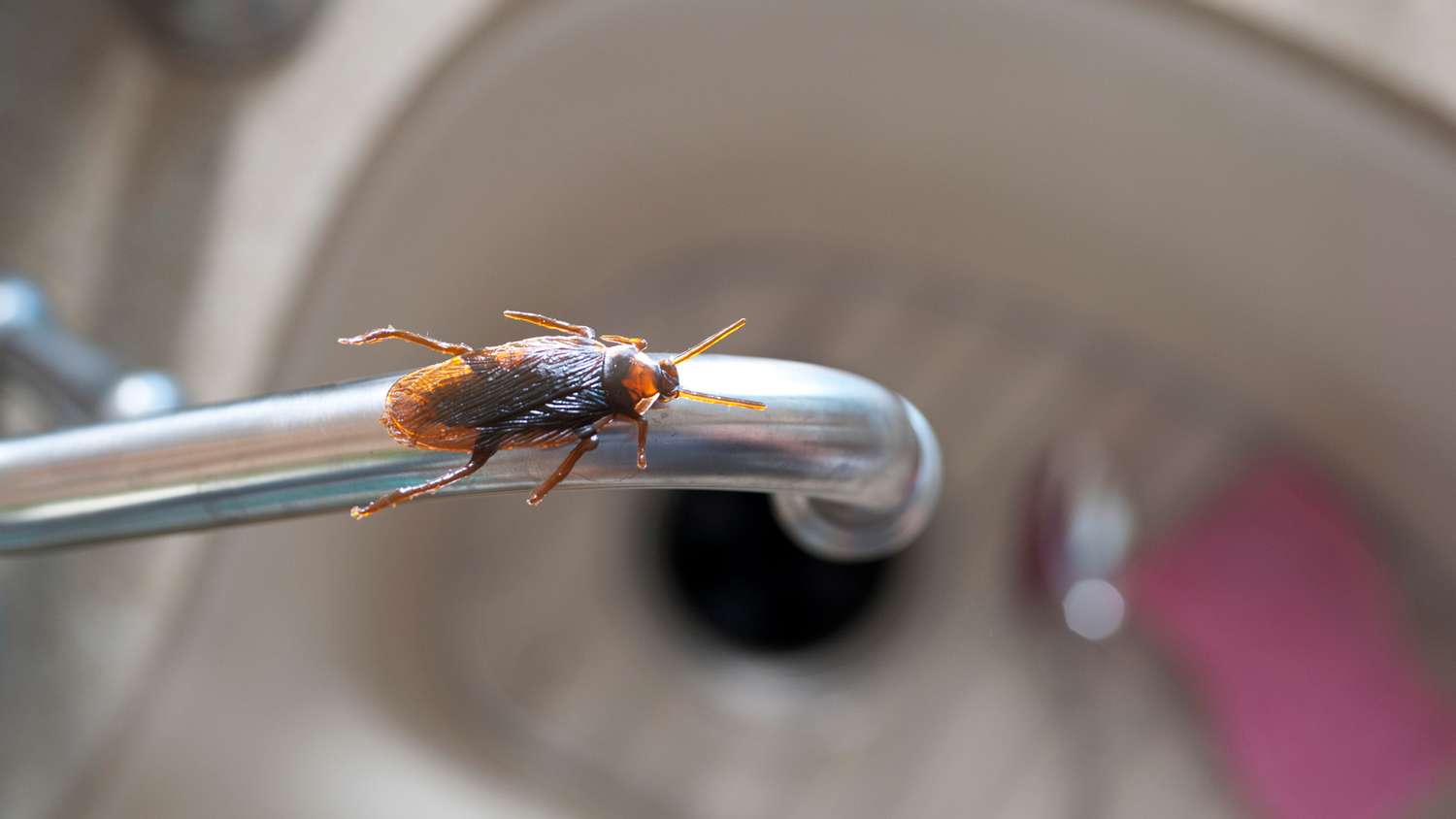
Cockroaches are a common pest and can spread disease. But can cockroaches fly? Unfortunately, some can, so it’s important to take care of infestations quickly.
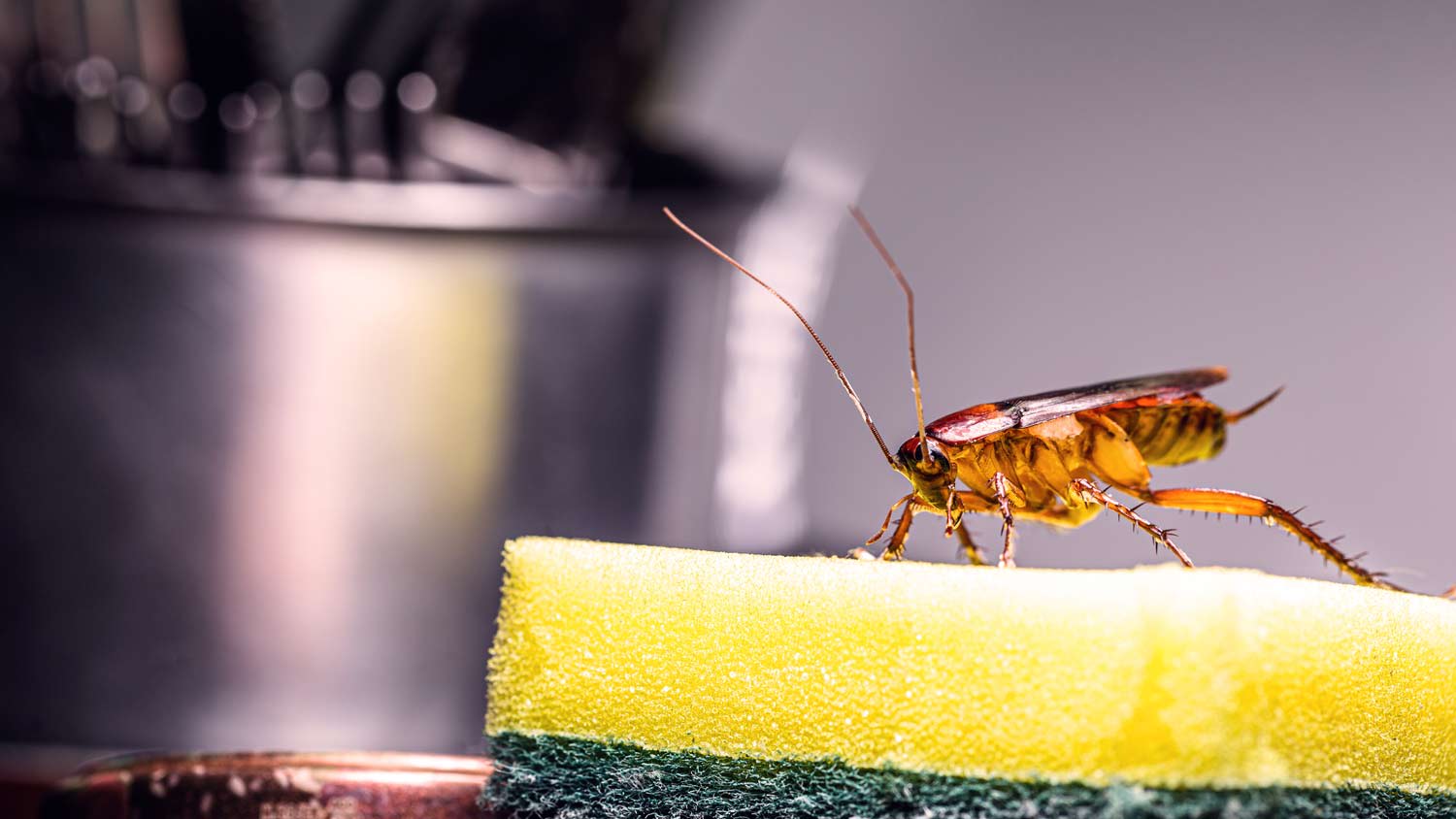
What does a roach look like? Our cockroach appearance guide covers color, size, shape, and body parts—and helps you identify different roach species.
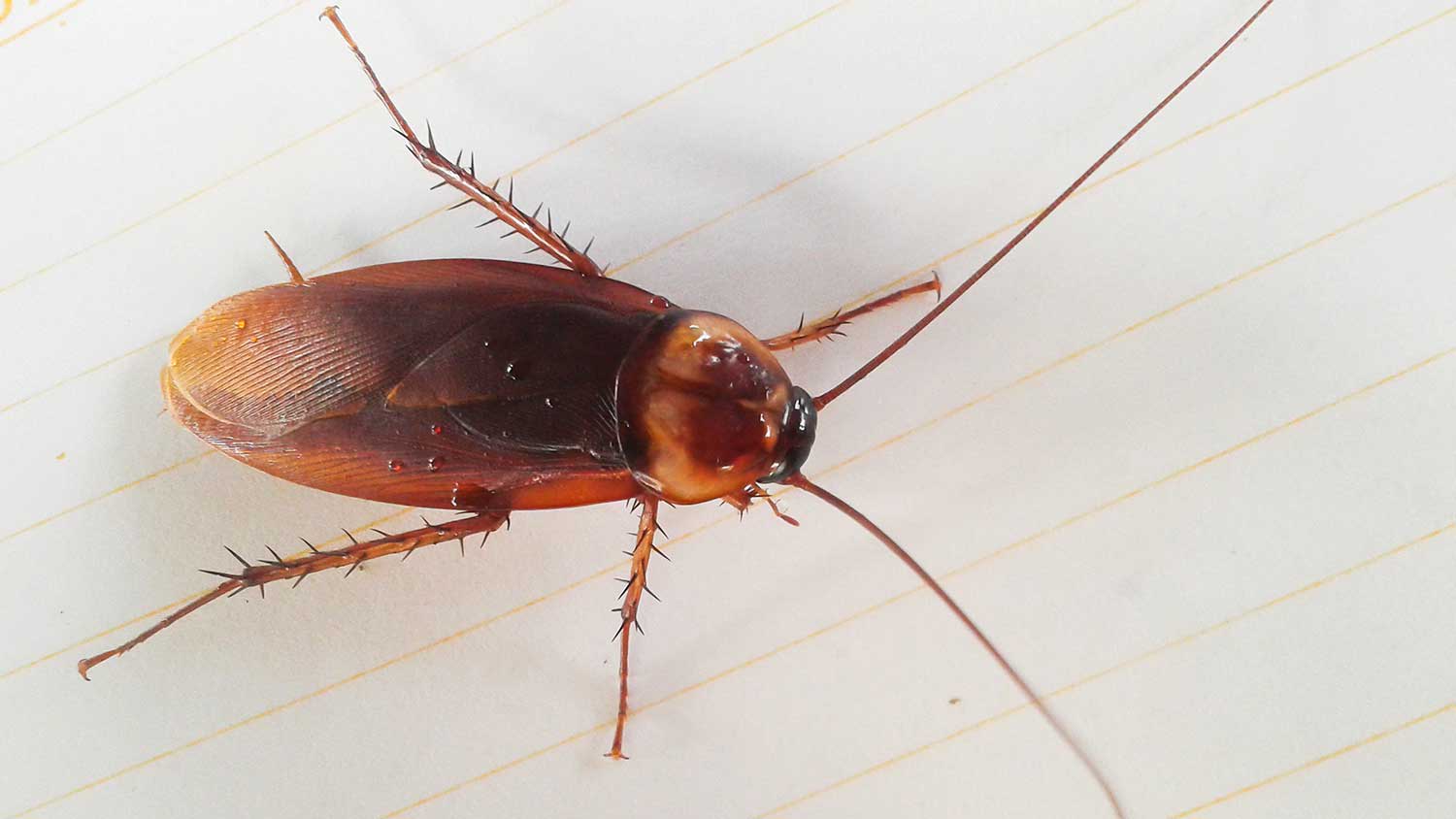
Learn the difference between a palmetto bug vs cockroach and what you can do to get rid of them. Follow this guide to learn more.
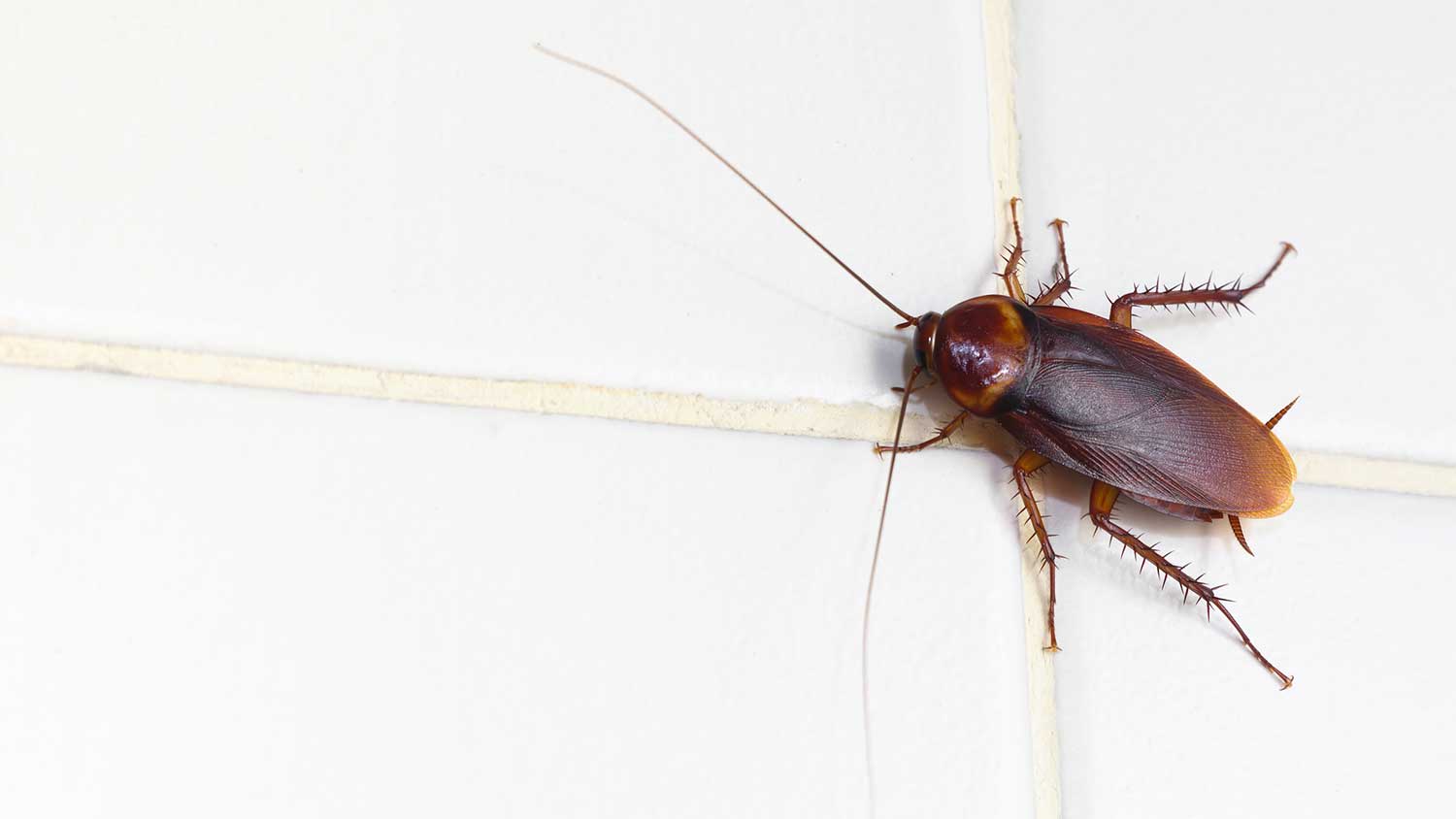
If you’ve seen a brown insect in your home, you may wonder how to identify the pest. Learn the major differences between a water bug vs. cockroach.
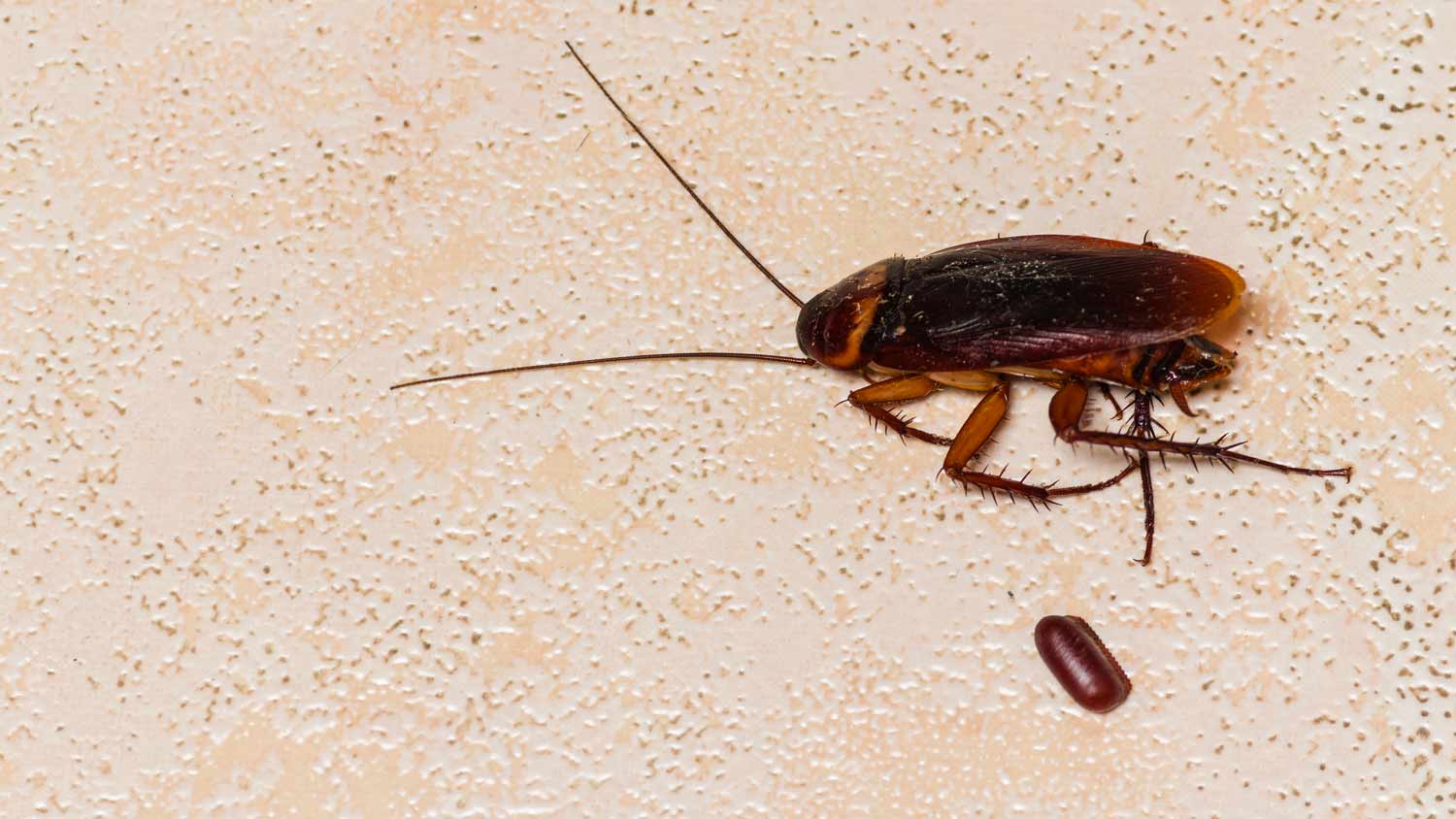
Seeing a cockroach egg could be a sign of a pesky pest infestation. Learn what cockroach eggs look like before you hire an exterminator.