
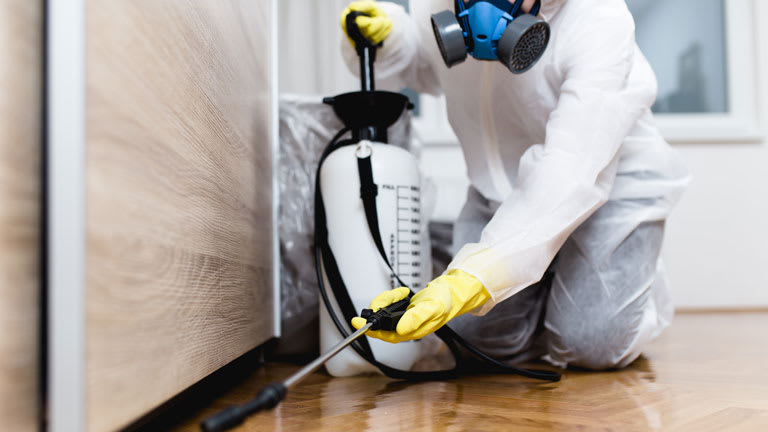
The average roach exterminator cost is between $100 and $600, depending on the species, infestation severity, and home size. Read on for a cost breakdown.
These insects can be distinguished by their shape, color, and size

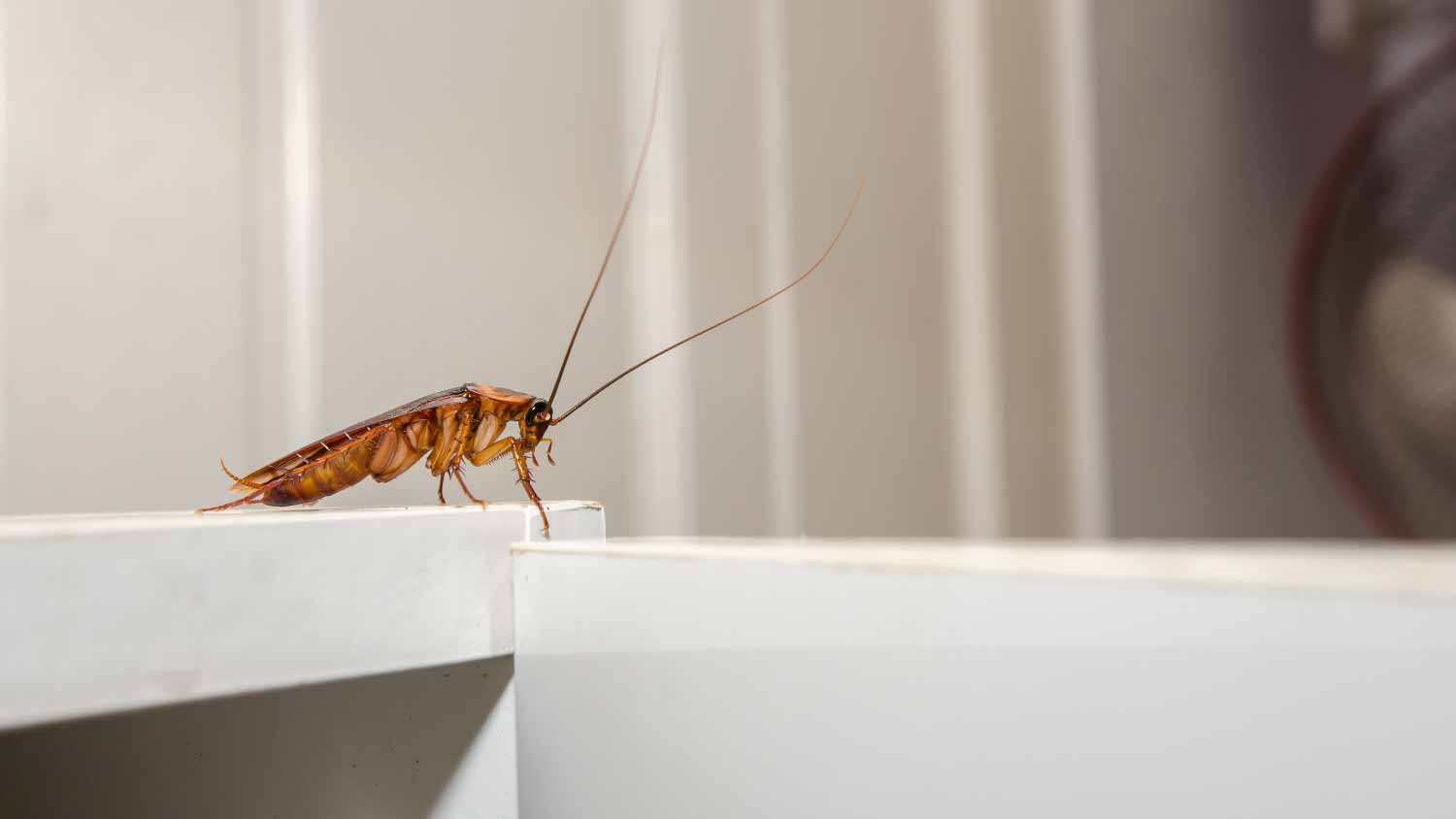
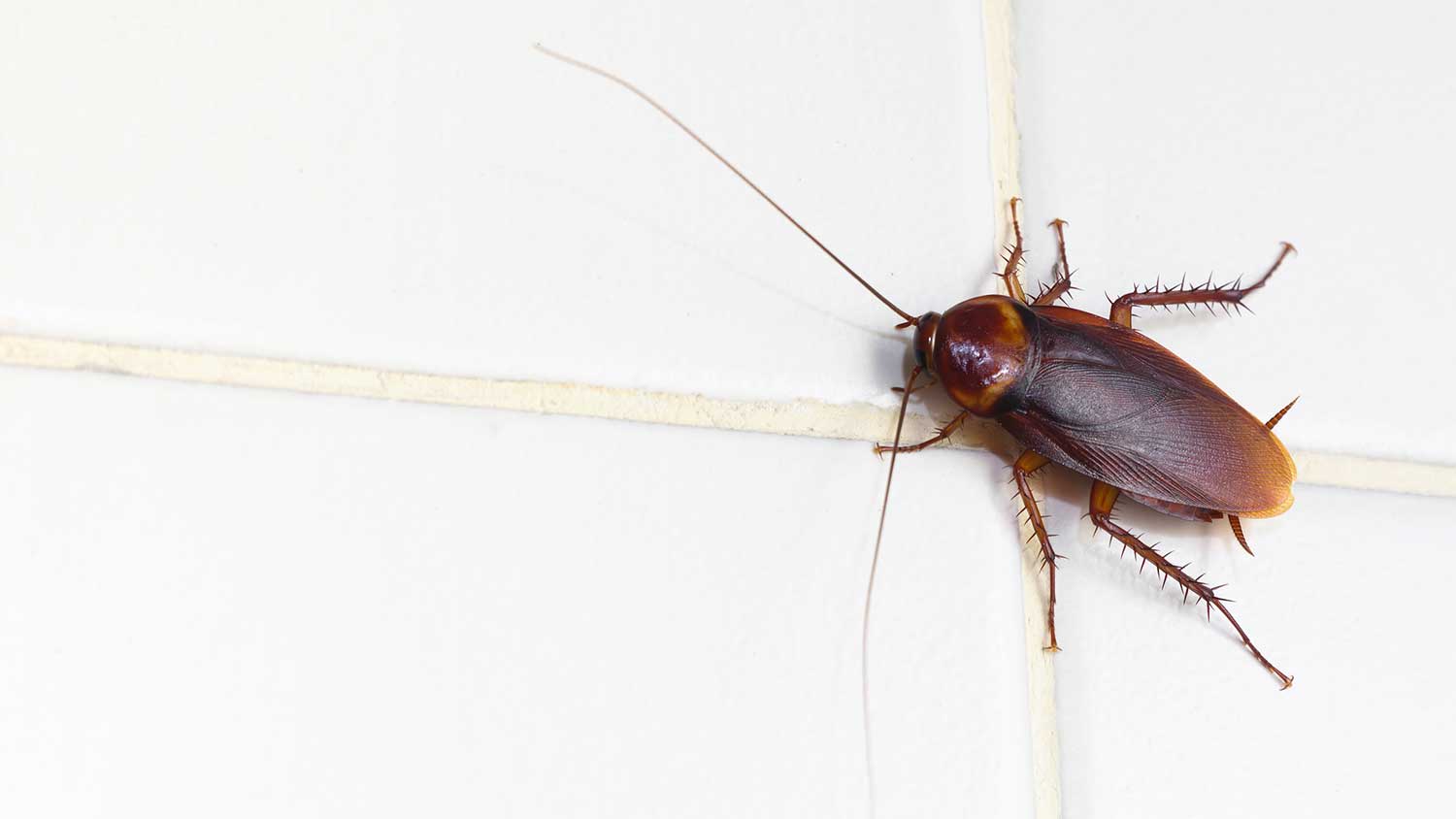
Cockroaches have flat, oval-shaped bodies with reddish-brown, brown, tan, or black coloring, and their tough exoskeletons make them hard to squish even with your shoe.
Roaches range from an eighth of an inch to over 3 inches depending on the species, so identifying the type helps you understand the infestation you're facing.
You can spot roach egg sacs in small, pill-shaped cases that match the insect's color, and baby roaches look like smaller versions of adults within hours of hatching.
Hiring a local cockroach control professional helps you eliminate infestations quickly and completely, especially since these pests reproduce fast and spread diseases throughout your home.
We’ve all had that horrifying experience: You turn on the kitchen light and something quickly scurries across the floor from the garbage can to the pantry. So what does a roach look like, and how can you tell it apart from other unwelcome guests in your home?
What was that thing? Of all the household pests, cockroaches might be the most grotesque. They can survive just about anywhere, they transmit a whole host of diseases, and they’re just plain gross to look at. Let’s review how to spot a roach and when to hire a professional exterminator to remove them from your home.
Cockroaches are known for their flat, oval-shaped bodies, two antennae, and long legs. Color and size can vary depending on the type of cockroaches.
In prehistoric times, roaches could grow to 3½ inches in length. Frightening, but not quite as scary as ancient millipedes, which grew to 9 feet.
Today, roaches don’t reach 3½ inches, for the most part. Some species, like the German cockroach, are as small as an eighth of an inch. Others, like the American cockroach, usually top out at 2 inches.
The largest cockroaches still around are rhinoceros roaches. These routinely grow more than 3 inches. Madagascar hissing cockroaches are also large: more than 2¾ inches long and nearly an inch wide. Notably, female cockroaches tend to be larger than their male counterparts.
Roach colors vary across species, but these bugs are usually some kind of black, brown, tan, or reddish-brown. Some species may have stripes or bands down their backs, like the brown-banded roach.
Cockroaches are oval-shaped and flat. Their flat shape, together with their strong exoskeletons, makes them extremely difficult to squish, even with your shoe. No wonder they’re known in the media for surviving apocalypses.
Cockroaches have two long antennae and six spiny legs. Those legs are powerful and allow them to move quickly. Cockroaches can reach speeds of more than 3 mph—or about 50 body lengths per second.
Their bodies are long ovals; by comparison, their heads are quite small. A cockroach’s mouth is at the bottom of the head and faces backward.
Nearly all cockroaches have wings covering their backs. Despite these wings, most roaches don’t fly. Those that do typically glide, rather than properly fly. Most roaches use their wings to propel themselves upward in case they ever get stuck on their backs.

We know what roaches look like generally (is “icky” a scientific term?), but their appearance can actually vary depending on the type of roach you’re dealing with. Below are four of the most common roaches in the U.S. and their distinct appearances.
While not the biggest cockroach in the world, these cockroaches are the largest in the United States, usually ranging between 1 and 2 inches (though 3 inches is not unheard of).
These big roaches are reddish-brown and have light yellow bands behind their heads. They have wings and can use them to fly, though they usually don’t.
Brown-banded cockroaches may be the easiest type to identify because of the—you guessed it—brown bands crossing their bodies. Sometimes the bands are a lighter yellow rather than brown.
The males are a lighter tan color, with wings that reach longer than their bodies. Females are dark brown in color, and their wings are shorter.
These roaches are on the smaller side, about half an inch.
German cockroaches are light brown to tan in color, with two distinct stripes at the head. These are some of the smallest roaches in America, from an eighth of an inch to half an inch, at most.
German cockroaches reproduce faster than the average cockroach, so it’s crucial to hire a local cockroach control professional quickly if you spot these crawling across your floor.
These are important roaches to identify, as they spend their days in sewage pipes and can quickly spread a wide range of dangerous diseases.
You’ll notice their shiny black or dark brown color, but you might also recognize them by their smell. Because of their diet—garbage, feces, all of life’s best treats—these bugs notoriously stink.
They measure about an inch in length and like to hang out in cool, damp places.

Spotting roaches in your home—and then quickly dealing with the infestation—is important, but you should also be able to spot eggs and nymphs.
So what do cockroach eggs look like? You’ll actually be looking for the egg sac, called an ootheca, which can hold up to 40 eggs in some species. The ootheca typically matches the color of the cockroach itself (meaning it varies by type), but they’re small and pill-shaped.
Roach nymphs, or baby cockroaches, look like smaller versions of their full-grown parents. When first hatched, they’re lighter in color, but they take on their species’ hue within a few hours.
Roaches can squeeze through a number of crevices and cracks in your home, even in areas you may think are sealed tight. Check for the below openings to ensure your home is protected from these pesky insects:
Openings near utility lines, conduits, or pipes in basements or crawl spaces
Damaged seals near doors or windows
Through cracks or gaps in flooring, walls, or your foundation
By way of grocery bags, packages, or pre-owned furniture
Through gaps in decks, patios, or balconies

Cockroaches can reproduce quickly, so it’s important to stop an infestation before it gets out of control. But how do you get rid of roaches?
You can take the DIY approach and place glue traps strategically throughout your home. You can also buy roach “bombs” at the store for under $10, but you’ll likely have more luck by hiring a professional exterminator.
In fact, a professional is almost always the right call. While you can try various traps or natural roach repellents yourself, these are trial-and-error for the average homeowner. These methods may take a lot of time and might not be 100% effective.
On the flip side, professional exterminators can typically get rid of the infestation in a single day. An exterminator’s strategy might vary depending on where the cockroaches are living, like in your kitchen cabinets or your air vents.
And professionals aren’t too expensive, depending on the extent of the problem. For a small infestation, cockroach extermination costs as little as $100.
Timothy Moore contributed to this piece.
A reliable team for moves across state. My switch to a new place needed careful lifting through tight hallways. The movers checked the doorway first, then carried heavier pieces with slow, controlled movements. Their patience helped prevent damage, and I?d choose them again.
This company does it right. Firstly, I want to say that Landan was a joy to work with. He was so kind, transparent, and had everything under control. His entire team showed up ready to work and they were all very respectful of the fact that we were in an office space. A little backstory – we...
 Krumlauf Floors
I had FabClean 614 clean my apartment, and she did an outstanding job. She was so professional and efficient. My apartment looks absolutely spotless every surface, every corner, all cleaned to perfection. Definitely highly recommend FabClean 614 if you're looking for top-notch cleaning...
 Fab Clean 614
Raven and crew does absolutely fantastic job. They are very professional if any concerns were to occur with any of her work she always took responsibility and finished out with a great job. I have worked with her business for a year and have always been satisfied. Very trusted business and...
 Creations of Transformation LLC
I would recommend this company to anyone! He showed up on time, was friendly, completed a very difficult repair on our dryer vent cover, was responsive, and pricing was extremely fair and competitive. I would have him back to do any of our repairs or cleanings without hesitation!
 U.S.A. Dryer Vent, LLC
Best cleaning I've had at my property
Ace Fireplace Services' chimney sweep service is truly exceptional. They used advanced technology to ensure a thorough cleaning process, and my chimney has never looked better. I highly recommend their services.
 Ace Fireplace Services
This company went above and beyond with their work, chimney sweeps are usually pretty messy, but the clean up was spot on.!! Josh explained every thing that he was doing, and the things that he was checking to make sure the chimney was safe for me and my family. He was very professional,...
 Supreme brick & chimney
Good workers and they do a good job.
 Mira Construction
Mary Cleaning Service is fantastic! The entire team is professional and pay a great deal of attention to detail. They do such a thorough job of cleaning my house. I would definitely recommend!
From average costs to expert advice, get all the answers you need to get your job done.
The average roach exterminator cost is between $100 and $600, depending on the species, infestation severity, and home size. Read on for a cost breakdown.
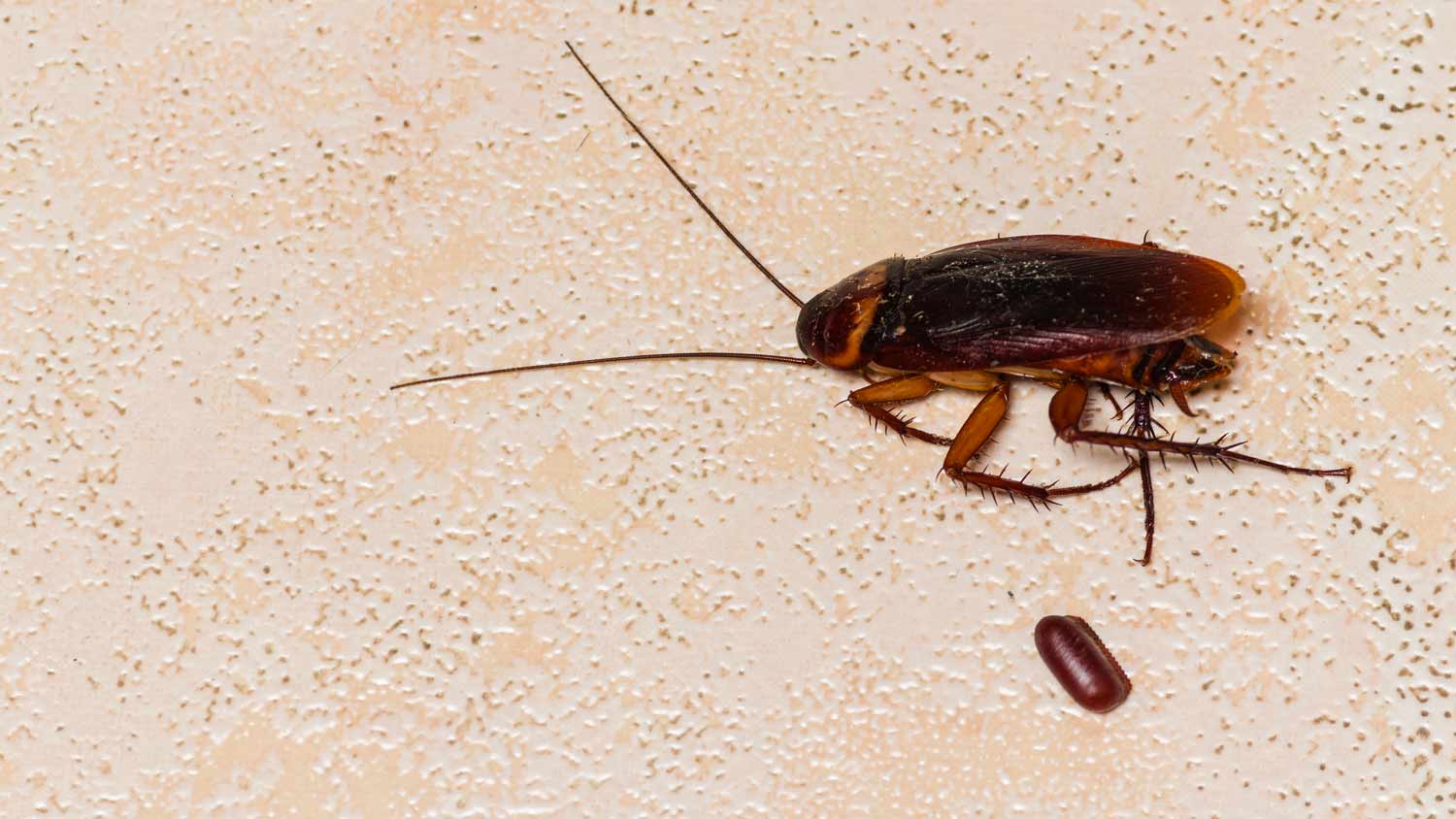
Seeing a cockroach egg could be a sign of a pesky pest infestation. Learn what cockroach eggs look like before you hire an exterminator.
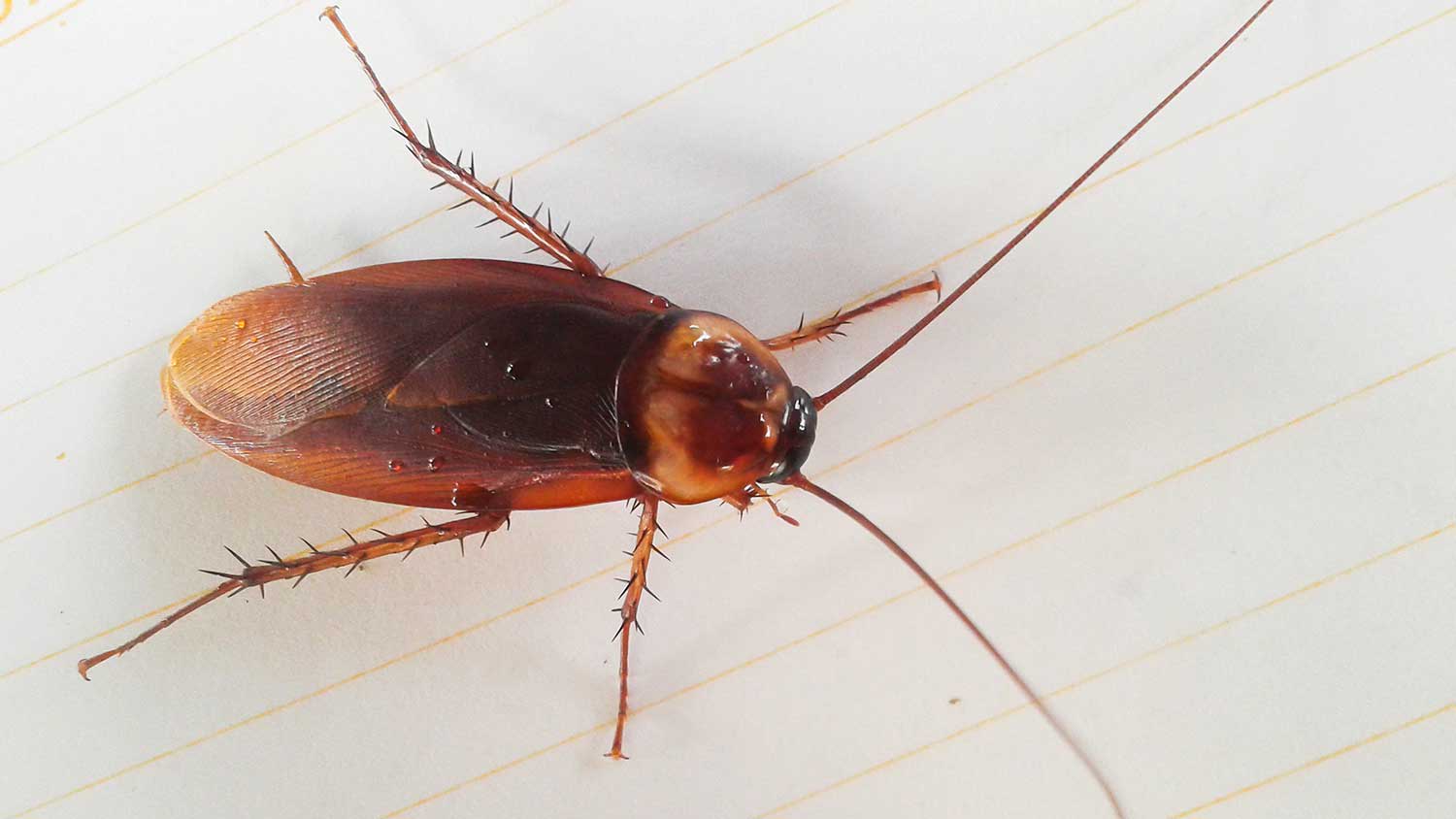
Learn the difference between a palmetto bug vs cockroach and what you can do to get rid of them. Follow this guide to learn more.

Cockroaches don’t like the cold, but that won’t stop them from seeking warmth in your house. Read on to learn more about these household pests.
This guide to roaches will help you learn more about cockroaches, why they’re invading your home, and how to get rid of them quickly.
If you’ve seen a brown insect in your home, you may wonder how to identify the pest. Learn the major differences between a water bug vs. cockroach.