

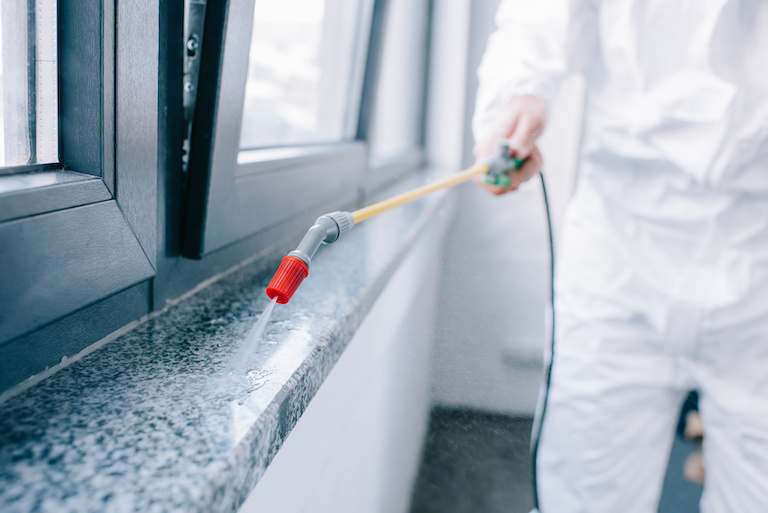
Whether you have bugs, bats, or rodents invading your home, you’ll want to contact an exterminator quickly. Find out how much pest control costs.
Pest control costs depend on your project and location. Check with a local pro for your specific job.

Bug bomb costs range from $25 to $200 per 6-ounce fogger, based on your home size and pest.
Your infestation’s severity and location determine the right fogger for cockroaches, ants, or spiders in your home.
You should plan for fumigation at $1,000 to $3,000 if bug bombs cannot reach hidden pests.
Hiring a local fumigation professional keeps your household safe with proper chemical use and thorough treatment across your home.
In 2026, the national average cost to bug bomb a house is $100. Most homeowners spend $50 to $75 per 6-ounce fogger, with the final cost driven by the number of rooms you treat, the type of pest, and which products you choose. On average, you can save 25% to 40% by taking on the project yourself instead of hiring a pro.
The Environmental Protection Agency recommends one 6-ounce bug bomb per room up to 25-by-25 feet, though the exact number can vary based on your pest type and infestation location. Most consumer foggers are available at big box stores for $10 to $35 per 6-ounce canister, typically under $30. Buying a multi-pack saves money, especially if you need to treat a room more than once. Costs vary by room size and the number of foggers required, as shown below.
| Room Size (Square Feet) | Number of Bug Bombs Needed | Average Cost in 2026 |
|---|---|---|
| 400 | 1 | $10 – $35 |
| 625 | 1 – 2 | $10 – $70 |
| 1,000 | 2 – 3 | $20 – $105 |
| 2,000 | 3 – 4 | $40 – $140 |

Different bug bombs are formulated for different pests, and the severity and location of your infestation will determine which product you need and what you'll pay. Here is a look at the insects more likely to invade your home and the bug bomb costs associated with each.
Cockroach-targeting bug bombs cost $10 to $35 per 6-ounce canister, and the most effective options contain pyrethroids such as Cypermethrin or Permethrin as the active ingredient. If you're exploring all your options, there are several methods to get rid of cockroaches beyond foggers alone.
Ant infestations can be tricky because the central nest is almost always built outside, so bug bombs applied where you see ants indoors typically provide only a temporary solution. Ant baits are a more effective complement, priced at $5 to $15 per pack at common retailers, and combining baits with a fogger brings your total to $15 to $50 for a small infestation. Ants feed on the baits and carry the poison back to the nest, helping eliminate the colony at its source.
Spider-specific bug bombs and foggers cost $20 to $50, which runs slightly higher than a standard fogger, but these products are formulated to effectively clear spiders from areas where they've taken up residence in your home.
Cockroaches are the most common insect pest control pros treat. Ants, bees, hornets, and wasps are all frequent flyers (or crawlers) as well. Homeowners will be relieved to know that damaging termites and pesky bed bugs only make up a very small percentage of common pests.
Bug bombing and fumigation both address pest problems, but they differ significantly in method, scope, and cost. Bug bombs spray a pesticide mist that settles on surfaces and kills bugs on contact, making them a practical choice for minor to moderate infestations and hard-to-reach areas. Fumigation, by contrast, involves sealing the entire building and filling it with a gas pesticide to reach every crack and crevice, which makes it far more effective for severe infestations like termites and bed bugs, but requires hiring a local fumigation company and vacating your home. Bug bombing averages around $100, while fumigation runs $1,000 to $3,000 for an average home, including professional labor. The table below breaks down how these two approaches compare across key factors.
| Treatment Type | Key Difference | Cost in 2026 |
|---|---|---|
| Bug Bomb | Pesticide mist | Costs $50–$75 |
| Fumigation | Gas pesticide that fills entire home | Costs $1,000–$3,000 |
There are several steps you can take to help prevent pest infestations in the future. These include:
Fill in any cracks or holes in the foundation with compacting cement or mortar.
Apply outdoor silicone sealant in any gaps in wood or siding.
Remove any long grass or weeds near the foundation, as these can be a breeding ground for pests.
Take out trash regularly and use sealed garbage bins to minimize attractions for pests.
Spray a pesticide protectant generously around the perimeter of your home to create a barrier.
Hiring an exterminator to bug bomb your home will cost anywhere from 25% to 40% more than trying to DIY the problem. But when we're talking about a severe infestation in your basement, a pro may be worth the extra cost.
If you don't have the time or inclination to tackle a pest problem yourself or the infestation is too large, calling a professional exterminator near you will be your best bet. Pros have the experience and equipment to remedy most insect situations and can often use more potent products than what's available to the average consumer.
Even if using bug bombs seems straightforward, it's always best to hire a pro. Here's why:
Professionals understand which chemicals, concentrations, and timing are needed to eliminate pests in your home.
Pros have the specialized equipment and protective gear to apply bug bombs throughout your home safely.
DIY bug bombing can lead to improper placement, overuse, and failure to eliminate the infestation.
Pest control pros can quickly identify the type of insects and their nesting areas to determine the appropriate treatment.
Professional bug bomb treatments keep your home safe and pest-free for years to come.
If you want to assist your pro, consider helping out with the following tasks:
Remove clutter and obstacles from the treatment area before your pro arrives
Cover furniture, belongings, and valuables to prevent contamination
Seal or tape off vents and openings that shouldn't be treated
Keep pets and children away from the treatment area
Air out the space and wipe down surfaces after the treatment is complete
Be ready to discuss the size, type, and severity of the infestation with your pro.
Have a clear idea of which rooms or spaces require treatment so your pro can determine the amount and type of treatment that’s best.
Ask your pro about follow-up treatments or annual plans to ensure thorough pest elimination.
Let your pro know about any accessibility or safety concerns that could affect the treatment's complexity.
Home is the most important place on earth, which is why Angi has helped more than 150 million homeowners transform their houses into homes they adore. To help homeowners with their next project, Angi provides readers with the most accurate cost data and upholds strict editorial standards. We extensively research project costs to develop the pricing data you see, so you can make the best decisions for you and your home. We rely on reputable sources, including the U.S. Bureau of Labor Statistics, academic journals, market studies, and interviews with industry experts—all to ensure our prices reflect real-world projects.
Want to help us improve our cost data? Send us a recent project quote to [email protected]. Quotes and personal information will not be shared publicly.
This service was great. My air conditioner went out during the heat spell that we had. My husband has health issues and they came out that night and at 9:30pm the air conditioner was fixed and running. We are sooo very thankful, this is the company I will be using from now on and would...
 Mr. Mechanical Ohio
A reliable team for moves across state. My switch to a new place needed careful lifting through tight hallways. The movers checked the doorway first, then carried heavier pieces with slow, controlled movements. Their patience helped prevent damage, and I?d choose them again.
This company does it right. Firstly, I want to say that Landan was a joy to work with. He was so kind, transparent, and had everything under control. His entire team showed up ready to work and they were all very respectful of the fact that we were in an office space. A little backstory – we...
 Krumlauf Floors
I had FabClean 614 clean my apartment, and she did an outstanding job. She was so professional and efficient. My apartment looks absolutely spotless every surface, every corner, all cleaned to perfection. Definitely highly recommend FabClean 614 if you're looking for top-notch cleaning...
 Fab Clean 614
Raven and crew does absolutely fantastic job. They are very professional if any concerns were to occur with any of her work she always took responsibility and finished out with a great job. I have worked with her business for a year and have always been satisfied. Very trusted business and...
 Creations of Transformation LLC
I would recommend this company to anyone! He showed up on time, was friendly, completed a very difficult repair on our dryer vent cover, was responsive, and pricing was extremely fair and competitive. I would have him back to do any of our repairs or cleanings without hesitation!
 U.S.A. Dryer Vent, LLC
Best cleaning I've had at my property
Ace Fireplace Services' chimney sweep service is truly exceptional. They used advanced technology to ensure a thorough cleaning process, and my chimney has never looked better. I highly recommend their services.
 Ace Fireplace Services
This company went above and beyond with their work, chimney sweeps are usually pretty messy, but the clean up was spot on.!! Josh explained every thing that he was doing, and the things that he was checking to make sure the chimney was safe for me and my family. He was very professional,...
 Supreme brick & chimney
Good workers and they do a good job.
 Mira Construction
From average costs to expert advice, get all the answers you need to get your job done.
Whether you have bugs, bats, or rodents invading your home, you’ll want to contact an exterminator quickly. Find out how much pest control costs.
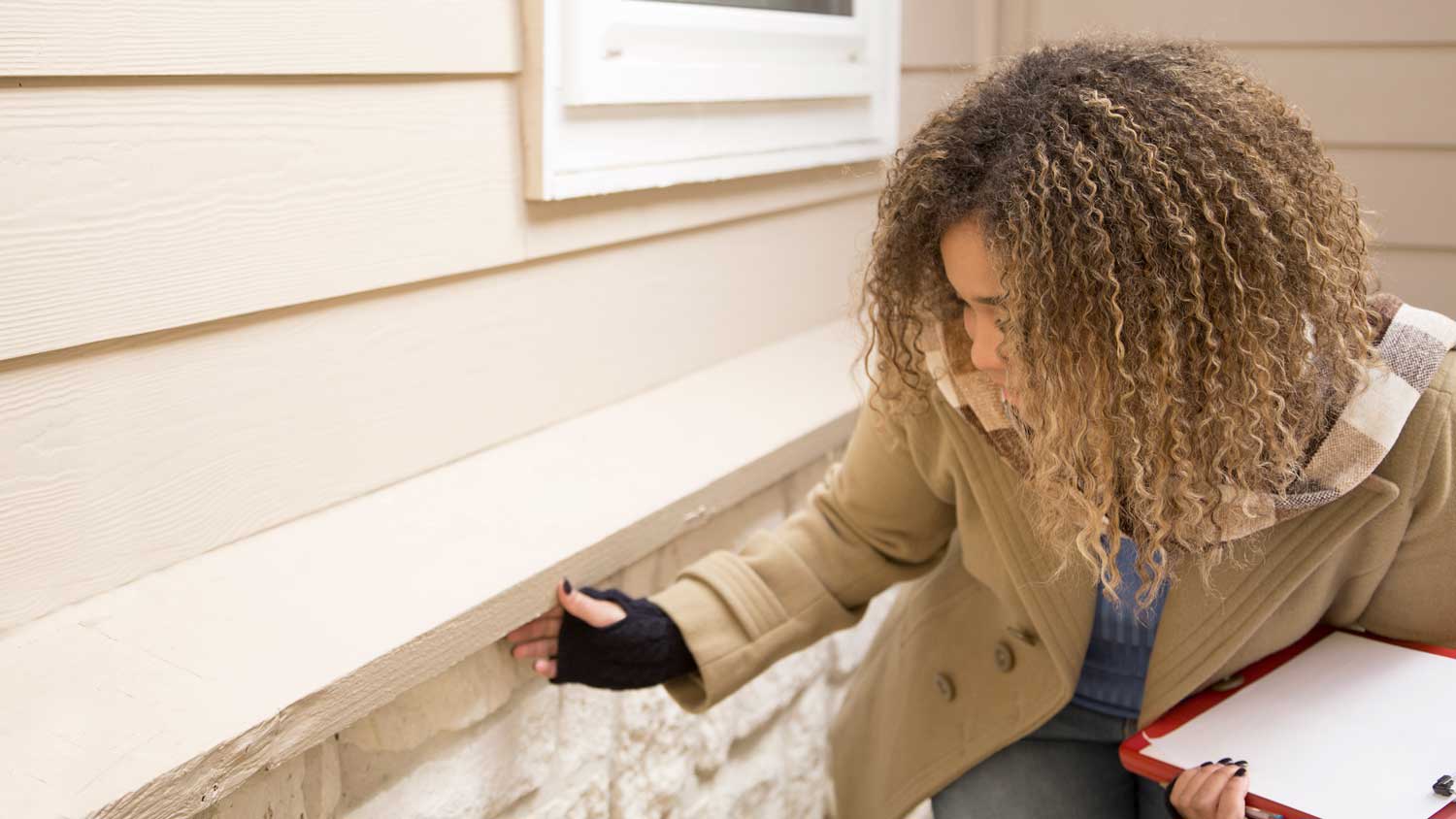
Pest inspection costs depend on the type of inspection, location, and other factors. Learn more about how much pest inspections cost with this guide.

Discover mosquito control service cost estimates, including average prices, key cost factors, and tips to save on professional mosquito treatments for your home.
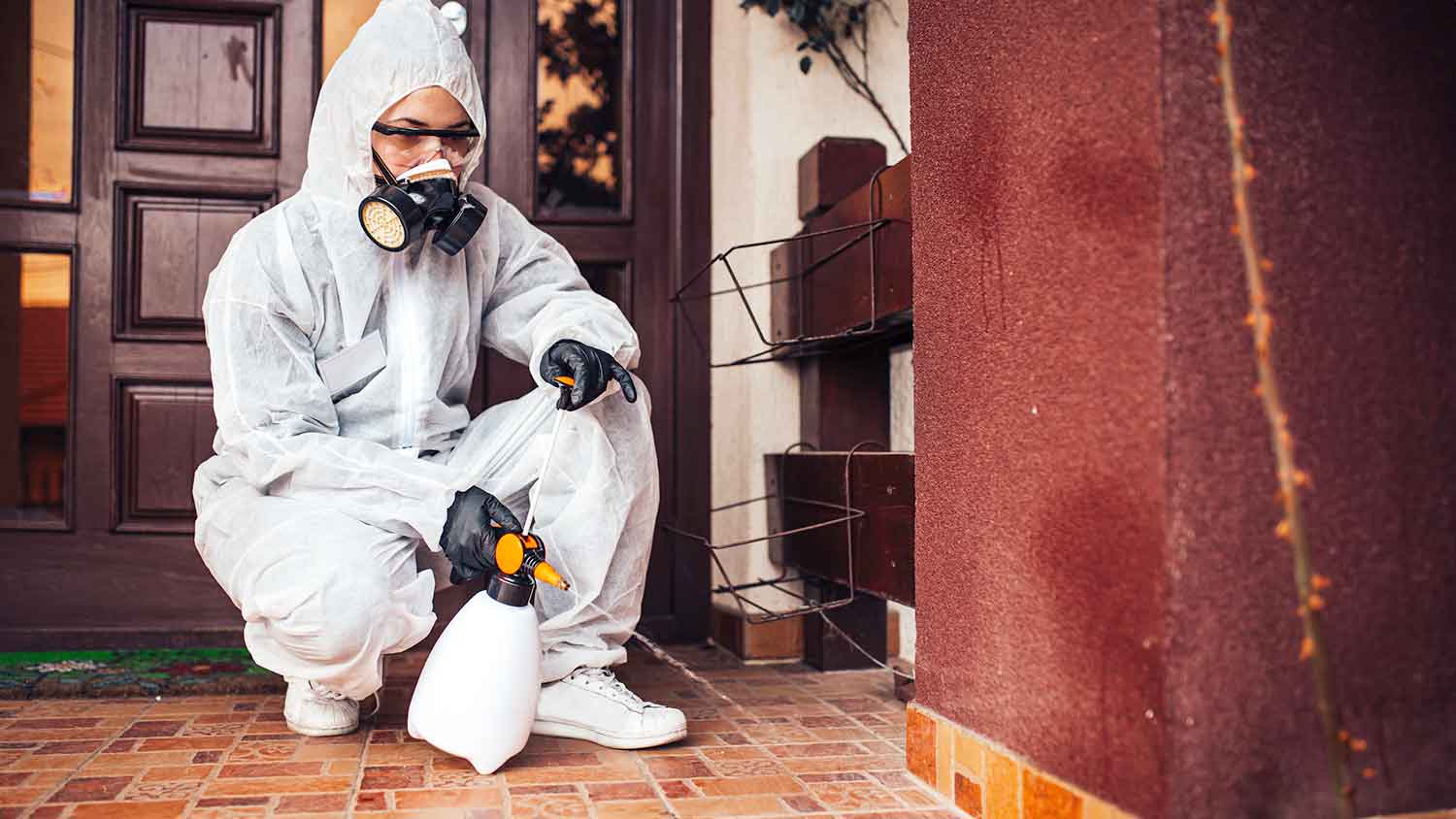
Pest control services offer a professional option to eliminate serious infestations in your home. Here’s what to expect.

Considering do-it-yourself pest control? Find out the best DIY pest control methods for various pests and when to call in a pro instead.
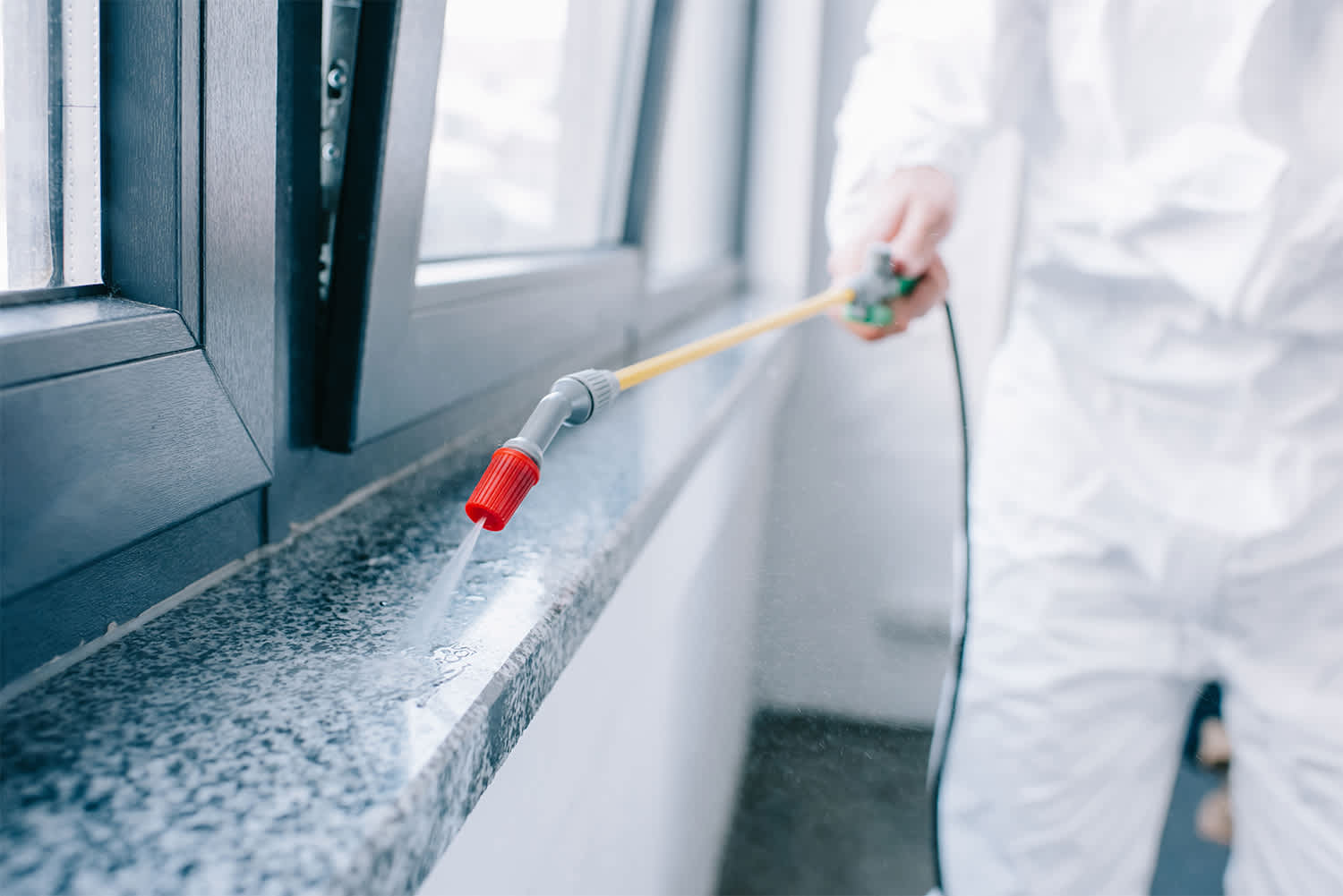
Is pest control worth it? Learn how a pest control plan works, how much it can cost, and the benefits of calling in the pros.