
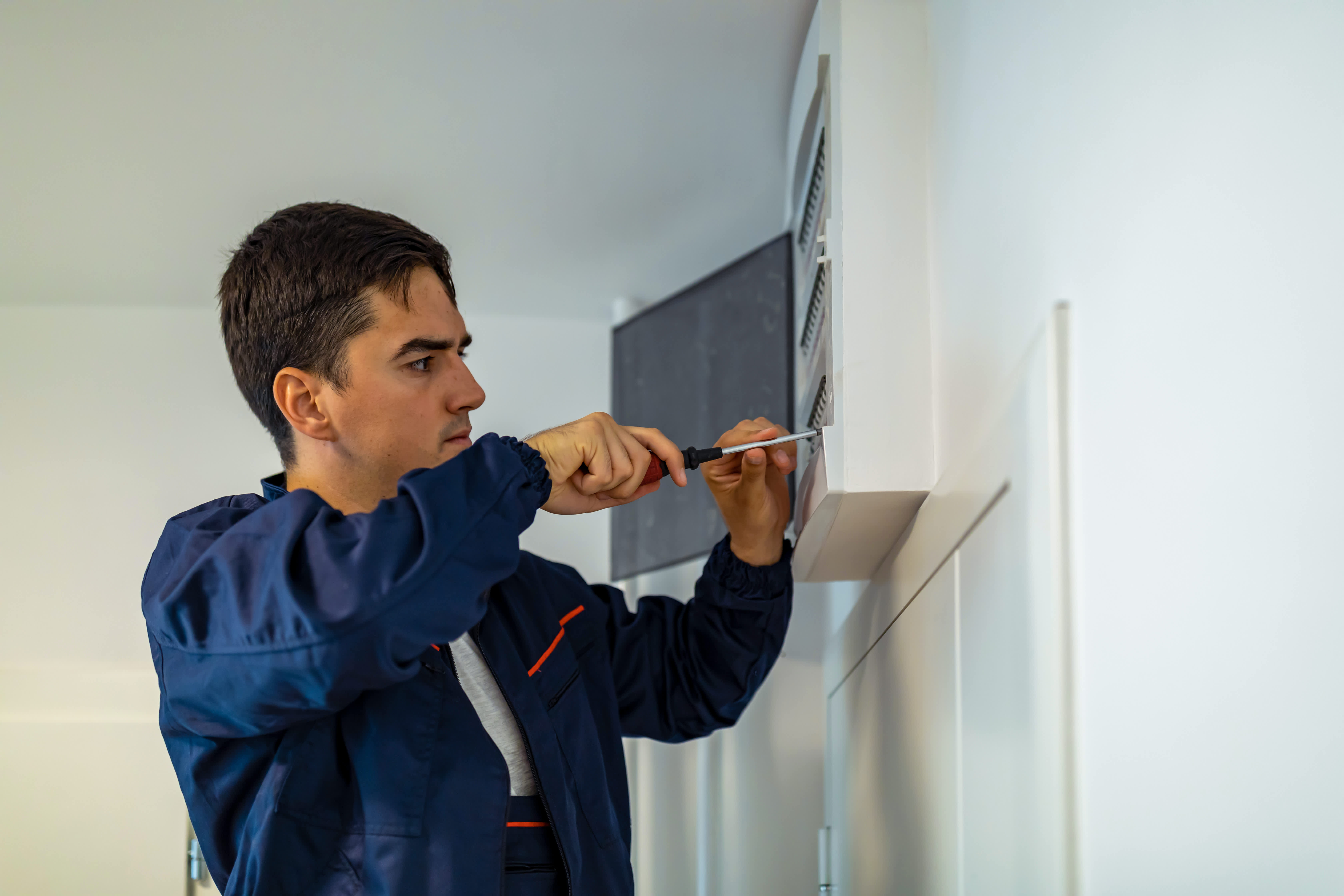
Upgrading your electrical panel boosts home safety and can increase resale value. Learn about average electrical box replacement costs in Boston, MA.
Electrical service costs depend on your project and location. Check with a local pro for your specific job.

Boston, MA homeowners typically pay between $600 and $5,600 for electric meter box replacement.
Box location and circuitry mostly determine price.
Expect to pay up to $5,000 to move a box.
A licensed electrician in Boston, MA is required to apply for electrical permits.
Electric meter box replacement cost in Boston, MA is $1,083 on average at most homes. You can expect to pay between $542 and $2,274 overall. The local electrician you hire will look at things like your home's size, circuitry configuration, and box accessibility to determine a price. Use a licensed Boston, MA electrician to comply with permits and codes.
An electrical meter box is an important component of your electrical system. It holds the electrical meter, which measures the amount of energy your home uses. Your Boston, MA electric meter box monitors energy usage at your home. A malfunction or code violation could lead to everything from getting your power shut off to having issues with your home insurance company. Here's what you can expect to pay to fix the problem.
The cost of the electrical meter box itself is $60 to $360 in most cases, but it varies based on the strength of the box (measured in amperes or amps) and its features. Homes with larger electrical panels need meter boxes that match that capacity. Most homes have an electrical panel that can handle 200 amps.
Here’s what you can expect to pay for an electric meter box (not including labor) depending on your home’s current electrical capacity:
| Amps | Average Cost Range |
|---|---|
| 100 | $50–$220 |
| 150 | $55–$235 |
| 200 | $120–$355 |
| 400 | $400–$680 |
In addition to the cost of the meter box itself, which runs between $60 and $360, you may need to pay for additional parts and materials for installation. This can include connectors, fittings, and fasteners, which cost around $120 altogether.
Home electric meters can be in several locations, including outside for easy access or next to the electrical panel. But there’s a caveat about electric meter locations: You can’t always change them. Electric meter locations may be mandated by local building codes and agreements with local utility companies. In Boston, MA, Eversource and the Boston Inspectional Services Department (ISD) dictate that electric meter boxes must be placed on the outside portion of a home that's easily accessible for utility workers. The height requirement dictates that the box is mounted 5 feet from the ground. However, the height range can be 3 feet to 6 feet for different circumstances.
The power company may charge you a fee for moving it or may not let you move it at all. If you can move the meter, expect it to cost between $1,600 and $2,500. However, there is another option: You can move your electrical panel to a new location if it was installed beside the meter. This is a big project requiring a professional electrician, and it can cost between $1,600 and $4,200, depending on the panel’s new location.
Local electricians in Boston, MA are the only pros that should be hired for this job because local officials will only grant permits to someone with the correct qualifications to handle this job in coordination with Eversource or another utility company. You'll find the costs that factor into what you'll pay for this task below.
Electricians in Boston, MA charge an hourly rate of $60 to $125 on average.
Any installation, alteration, or repair of an electric meter box in Boston, MA requires a basic electrical permit issued by the ISD. The base permit application fee is $20. You may pay more depending on any alterations or hardware choices. For example, the city adds $1 per fixture or plug. The permitting process in Boston, MA is highly regulated. In order to obtain the permits needed for this task, your electrician will need to show proof of a non-expired Massachusetts trade license and proof of liability insurance. Boston, MA homeowners are not allowed to apply for electrical permits on their own.
Your Boston, MA electrician will tack on sales tax for all hardware purchased for this task. Factor in the local combined 6.25% sales for this.
Electricians in Boston, MA aren't legally required to carry liability insurance. However, all LLCs do need coverage in order to work. Additionally, workers' compensation is required for all companies or contractors with employees. In total, this can add $40 to $250 in monthly premiums for electrical contractors.
Any electrician you hire to replace an electric meter box in Boston, MA must be licensed by the Board of State Examiners of Electricians (BSEE). Licensing fees total $226 for journeymen electricians and $276 for master electricians.
While replacing a broken or outdated electric meter box won’t necessarily increase your home value in and of itself, it’s a smart investment for other reasons. For one thing, the risk of having your power shut off for noncompliance is high. Homeowners can pay $200 in reconnection fees. In addition, you may not be able to sell your home if you have an out-of-code box. Once you have an electrician at your home, it may also be a good time to ask about the cost to upgrade an electrical panel to boost your home's resale value by making it equipped to handle newer or higher-powered appliances.
To help homeowners plan their next project, Angi provides readers with carefully researched cost data and upholds strict editorial standards. We start with national average project costs, which we collect by analyzing competitor information, retailer material costs, and input from professional contractors. We then apply local price index data to calculate location-specific estimates that reflect what homeowners typically pay in their local area. To do that, we use data from the U.S. Bureau of Economic Analysis (BEA), including its Regional Price Parities (RPPs), which measure price differences across cities. This helps us account for differences in labor, materials, and overall cost of living, so estimates in higher- or lower-cost areas better reflect real-world local pricing.
Every estimate undergoes a thorough editorial review to verify accuracy, consistency, and alignment with observed market conditions.
Want to help us improve our cost data? Send us a recent project quote to [email protected]. Quotes and personal information will not be shared publicly.
Great experience upgrading my electrical service. Andrew was professional, clean, and got the job done right. Would definitely recommend them!
 Andrew J. Ronan - Licensed Electrician
We hired Champion Electrical Services for a variety of projects. They had great customer service. The pros they sent out were very knowledgeable, explained all the details and did great work. We really appreciate the care they took on our projects and would highly recommend the Champ.
 Champion Electrical Services Inc
Anthony is prompt in responding to customers. professional, knowledgeable, trustworthy qualified. He is informed on the latest most recent options regarding what is needed for the newest Technology,. I feel comfortable using him for any electrical needs complicated or simple.
 Meninno Electric LLC
Exceptional service provided by All-Tech Electric. Excellent work installing a new lighted switch for my attic light! Highly recommend!
Our condo building needed additional lighting installed in our parking area. the difficulty (as I saw it) was in bringing the power out from within the building. I got three (3) electrical contractor referrals thru Angi, contacted all three and had them quote the job. Matt Clark turned out...
Matthew came very promptly to view job and immediately provided a fair estimate. His estimate was slightly greater than others but his enthusiasm and professionalism wre superb. Job was done the same day. He remained oin the job until it was completed 8 hours later. Am very pleased with his...
 Matthew Clark
Ez Solar and Electric's service is a testament to the zenith of excellence in solar panel installation. Their team of consultants are consummate professionals, possessing a wealth of knowledge and experience that is unrivaled. The installation team demonstrated remarkable precision and...
 EZ Solar & Electric
Emmanuel was excellent. Super professional and personable. He did a great job and was good about finishing things so they looked nice. He was referred to me by a friend to help with some tasks around my apartment when I first moved in. Originally I had him over to take care of electrical...
Very positive experience with Laku Electric. Was able to schedule easily and they arrived on time. Completed the work without issue and good communication throughout. I recommend and will hire Laku Electric again.
 Laku Electric
Carmen and his team are top notch. I had received a few estimates and he was by far the most reasonable and prompt. It was nice hiring someone I felt I could trust. I have called him back again for another project. His workers are very respectful and they get the job done in a very timely...
 Carmen Colella Electric
From average costs to expert advice, get all the answers you need to get your job done.
Upgrading your electrical panel boosts home safety and can increase resale value. Learn about average electrical box replacement costs in Boston, MA.
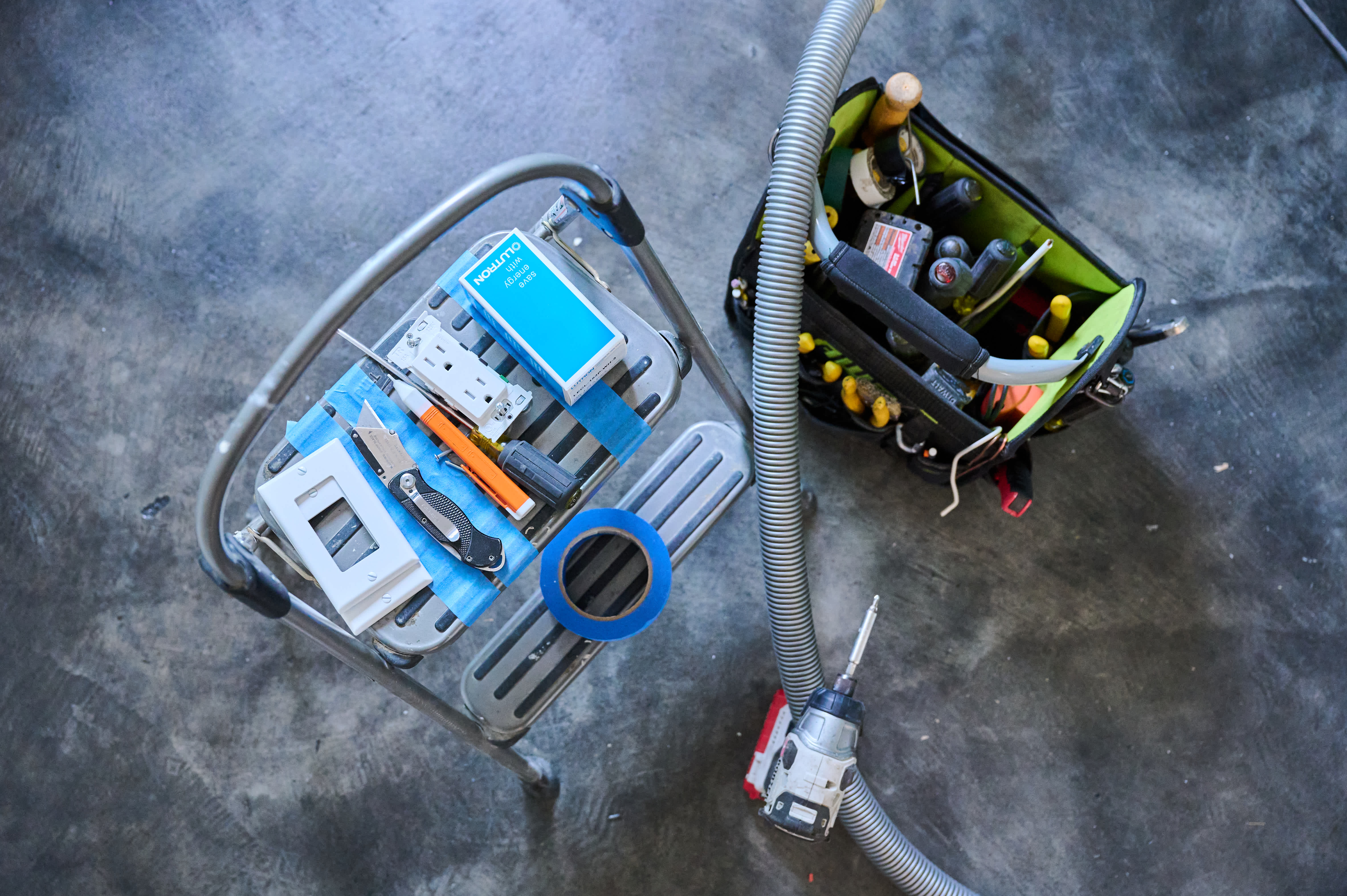
Looking to size up your electrical system to cover higher usage and improve efficiency? Use this guide to see the cost to upgrade an electrical panel in Boston, MA.

Find out the average electric fence installation cost in Boston, MA. Learn what you can expect to pay for local fencing services to keep your pets safe.
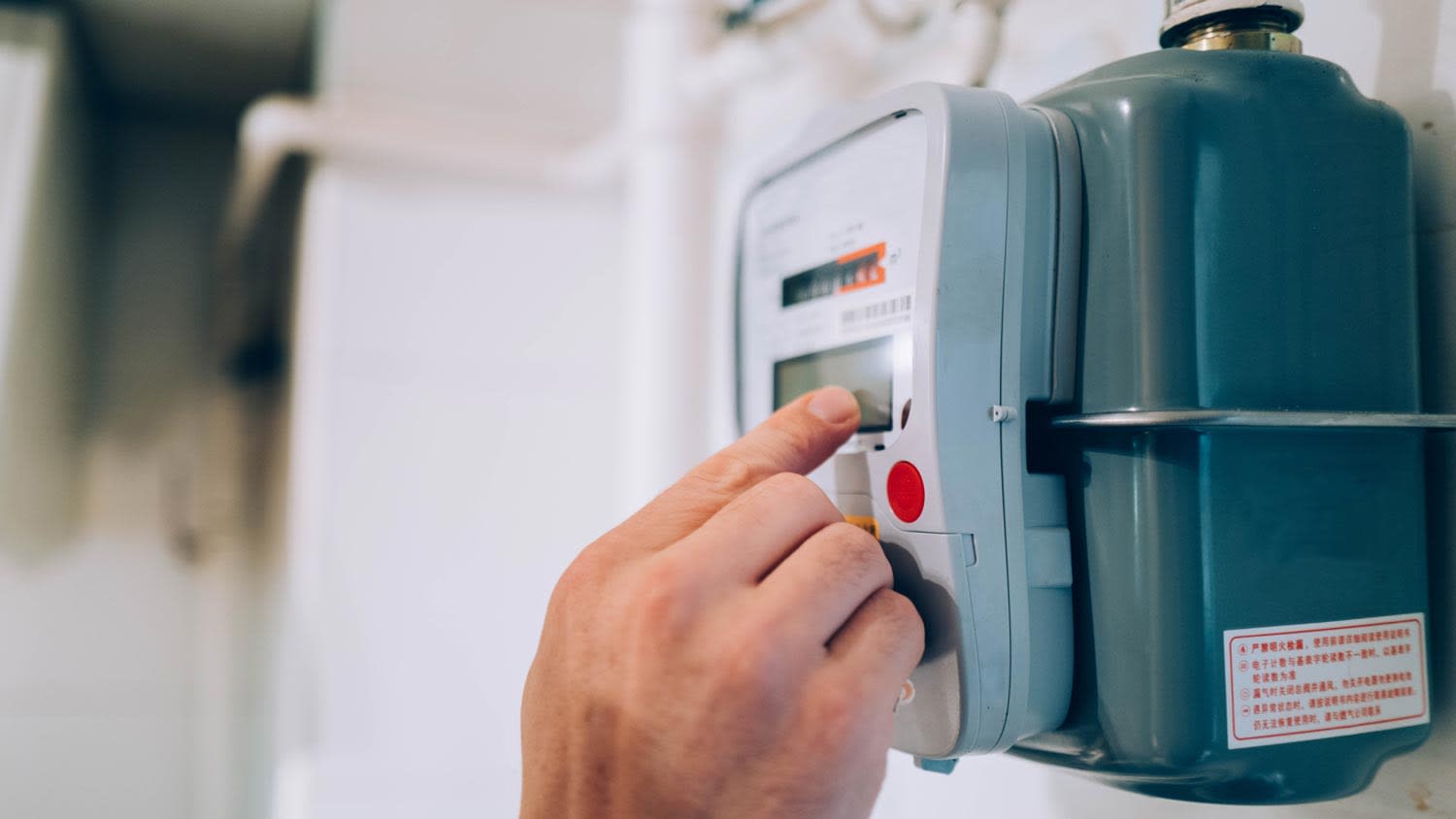
If you want to track the success of your attempts to conserve electricity, use our step-by-step instructions to learn how to read an electrical meter.
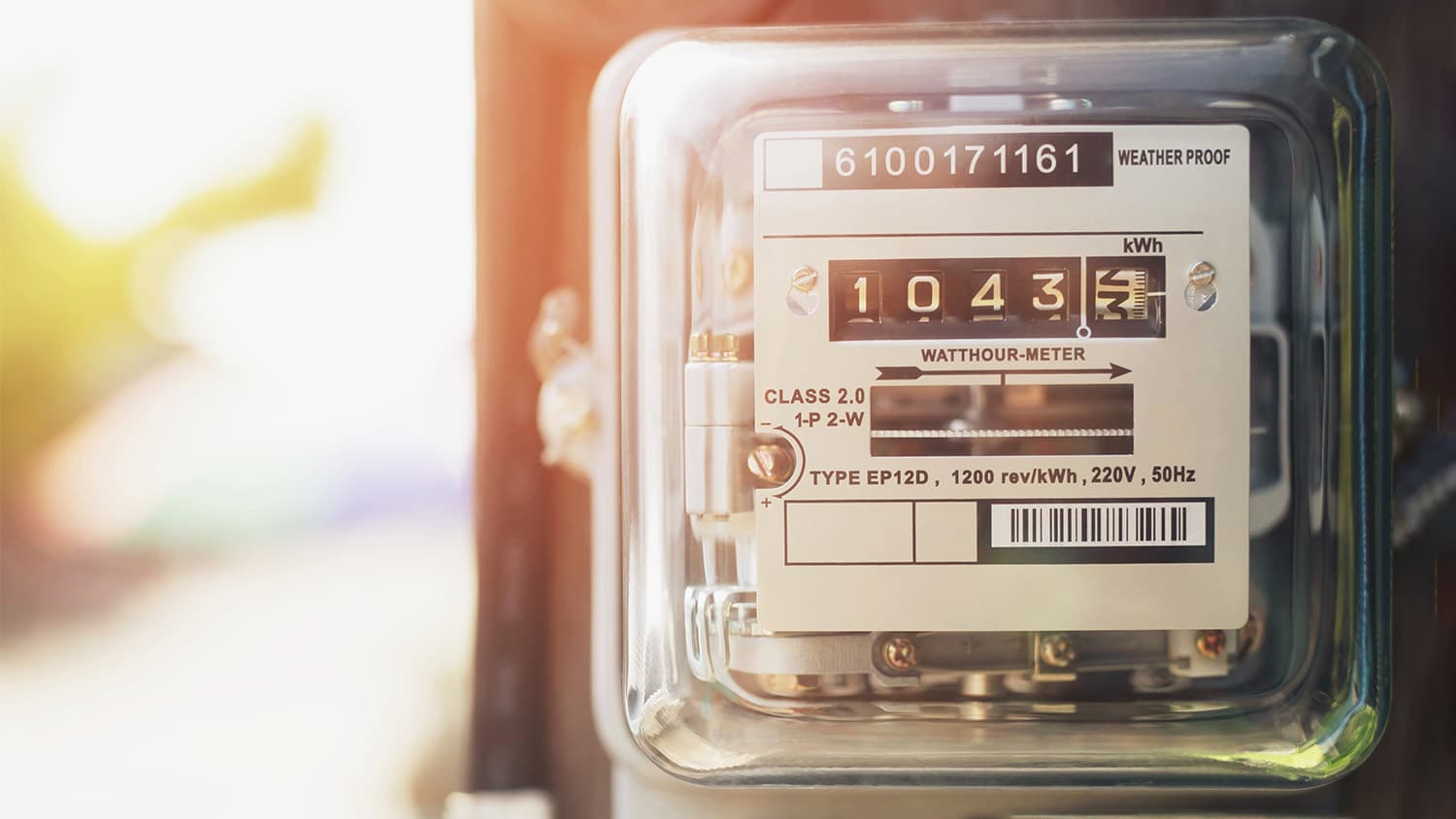
Are you wondering if your home has a CL200 meter? If you’ve checked your electrical meter and aren’t sure what these numbers mean, we’ve got you covered.
Compare the main types of electrical boxes by shape, use, and material, then find a top-rated local electrician on Angi to handle the install.