
Water damage restoration costs depend on the severity of the problem, the type of water, and the length of time the damage has been occurring.
The water damage restoration process should begin within 24 hours


Water damage spreads quickly across floors, walls, and furnishings, and mold can start growing in your home within 24 to 48 hours.
Flooding from natural disasters, leaky pipes, clogged gutters, and faulty appliances are common causes that lead to structural damage and costly home water damage repairs.
Turn off your breaker, stop the water source if you can, and dry the area with fans, dehumidifiers, and ventilation to prevent further damage.
Hiring a local water damage restoration professional provides expert help with hazardous cleanup, industrial drying equipment, and restoring your home to its original condition quickly.
Water damage can ruin your home faster than you might think. Within the first 24 hours of a leak or flood, mold development, damage to floors, walls, and electrical components, and even structural issues can occur. Whether you’re dealing with a leaky pipe or a flooded basement, identifying the source and stopping any further water escaping is a top priority. This is why it’s always best to hire a local water damage restoration company immediately to make any repairs and protect your home.
When water damage is discovered, turn off the power and disconnect all electronic devices from any affected area.

There are a whole lot of issues that cause water damage, some sudden and some over time. Below are some of the most common causes of water damage:
Flooding of any kind, especially from a natural disaster.
Inclement weather, especially if you have small cracks in the roof or if severe winds blow out a window or a related fixture.
Leaks of any kind are especially dangerous as they often occur behind the walls, leading to copious damage before you notice it. Common leak sources include rusty and corroded pipes, high water pressure, extreme temperatures, broken water connectors, and more.
Sewage back up coming from your pipes and pouring out through your water fixtures.
Clogged gutters can overflow over time, leading to water damage.
Faulty or malfunctioning appliances like washing machines, dishwashers, and air conditioners.

There’s no easy way around this. Water damage is bad and leads to all kinds of related consequences. First, there’s the water damage itself, which erodes building materials, appliances, fixtures, and furniture as it sits and pools, with electronics being especially susceptible to damage or even short-circuiting.
Then, there’s mold. Mold and mildew thrive with water damage and are a particular concern when the moisture hides behind walls and in other difficult-to-reach areas. To top it off, depending on where the water came from, water damage leads to health concerns, as sitting water often features all manner of germs and bacteria.
When there’s a flood or major leak, there are some immediate practical and safety considerations. It’s important to work quickly since water damage can worsen with time, and mold can begin growing in as little as 24 to 48 hours. Mold can be a serious health risk and water damage can compromise your home’s structural integrity, so don’t waste time addressing the damage.
To prevent further damage, identify the source of the water leak and use the appropriate shut-off valve to stop the flow of water. If the water isn’t stopped, the damage will get worse the longer the water is flowing.
Electricity and water are a very dangerous combination. Turn off the breaker at the box, but only if you can safely access it. If the breaker box is located near the water damage, call the utility company and ask them to turn off the power from their end or send someone out to safely shut it off at your house.
After severe water damage, it may not be safe to stay in your home, particularly for pets, children, the elderly, or anyone with compromised health. Leave your home until you can get a qualified expert to assess the damage and let you know when it’s safe to return.
Many homeowners insurance policies cover sudden and accidental water damage, so contact your insurance company to start the claim process and find out what documentation you need to provide.
If the water damage comes from sewage, or if the water is gray or black, hire a water damage restoration company that specializes in hazardous cleanup. For severe water damage of any kind, a local water damage restoration pro can determine the class of water damage, identify affected materials, and restore the damaged area to its original condition.
If the water damage is severe, call a water damage restoration pro who will use industrial equipment to quickly dry out the affected area. For more minor water damage, you can dry the area yourself to prevent mold and other damage.
Use fans, dehumidifiers, wet/dry vacs, and even air conditioners to remove moisture.
Open windows and doors to maximize ventilation.
Remove saturated objects and let them dry outdoors or dispose of them if they’re not salvageable.
Porous material can be quickly damaged by water, so you may need to replace affected material even after a short exposure to water.
Carpets can develop mold after water exposure, so replace carpets and padding after any water damage.
Saturated drywall can compromise your walls and ceilings. Replace affected sections of drywall to maintain structural integrity.
Wood that’s been exposed to water is prone to rot and collapse. Repair or replace water-logged wood.
Even a seemingly harmless, small leak can be problematic. Water spreads rapidly and absorbs into floors, walls, soft furnishings, and more. If you leave water damage too long, your insurance may not cover it, and the cost of water damage to your home could be hefty. Everything from signs of basement water damage to musty odors should be investigated by a professional as quickly as possible to avoid devastation.
As a leak or flood spreads, it will soak everything in its vicinity. This means that personal belongings, such as books and photographs, can immediately bulge and warp beyond repair. Soft furnishings and upholstery will soak through, and walls and floors will begin to absorb the water. Drywall, furniture, wooden doors, and window frames can swell. Plus, paint or wallpaper can peel or blister, corrode electrical systems, or worse—cause short circuits and electrical fires.
If the leak is in your roof, the water could come through ceilings and cause damage to insulation and wooden beams. Most worryingly, though, mold can begin to develop within the first 24 hours of a water damage incident.
After that initial day, the water damage will develop further. Mold can spread rapidly, and the site can become a biohazard. The damage to wood surfaces and walls intensifies, and metal surfaces can start corroding.
If you leave water damage for more than a week, the timescales, costs, and effort involved in any restoration work will increase significantly. Mold will also spread dramatically, and the risks associated with structural damage are greater.
If you’ve only experienced a small leak under your sink, for example, it is easy enough to remove all the items affected by water damage to assess them for salvageability. Then, drying out the space is just a matter of using the proper tools and time.
However, if the water damage is near the breaker box, appliances, or electrical outlets, call in an experienced pro to ensure safety. The same goes for major water damage, no matter the location. Restoration contractors can easily assess if there is any hidden damage that requires repairs.
Keep in mind that your homeowner’s insurance company may also only pay for the damages if the repairs are carried out by a certified professional. Speak with your insurance provider before proceeding to avoid surprise charges and coverage denials.
Water damage can affect many areas of your home, but walls, windows, and flooring are the most common locations, accounting for over 50% of issues combined. Ceilings and roofing are also prone to water damage, as is your home’s exterior.
While you can’t prepare for natural disasters, you can take a few preventative measures to avoid some water damage to your house. Follow these essential steps to keep water from invading your home.
Keep your gutters clean. Clogged gutters can cause water to back up into your home. Installing gutter guards can help keep debris out of your gutters.
Inspect your chimney. Have an annual chimney inspection to look for cracks, loose mortar, or potential leaks. Repair any damage as soon as possible.
Waterproof your basement or crawl space. Waterproofing your basement can minimize water damage and protect your foundation.
Install a sump pump. Sump pumps remove water from the lowest point of your home, preventing flooding and keeping your basement dry.
Inspect your roof. Roof leaks can cause significant water damage, so inspect your roof annually to identify and repair any potential problems.
Caulk cracks. Filling any cracks or gaps around windows and doors with fresh caulk will prevent water from entering your home.
If you’re good people wanting to do business with good people, hire Matt. He is a consummate professional and utterly competent. He installed a water heater in my home at a price that beat competitors by hundreds of dollars with a promise to support the unit for its life (even after its 6 yr...
 Greene's Plumbing Services
Corey Carr was great. I had damage from a recent storm and needed to have my mast and other components replaced. The project entailed coordinating with AEP, and Corey helped make a stressful situation a lot less stressful. I really appreciated his dedication to service and the job very well done.
 Mr. Electric of Columbus
This service was great. My air conditioner went out during the heat spell that we had. My husband has health issues and they came out that night and at 9:30pm the air conditioner was fixed and running. We are sooo very thankful, this is the company I will be using from now on and would...
 Mr. Mechanical Ohio
Positive experience. As previously stated, the replacement/repair could not be completed (no fault of the plumbing tech) b/c misinformation was rec?d by property management maintenance. Thanks to the plumbing tech for your efforts. Appreciate you!
 The Waterworks
Carpet repair done well. Scheduling was easy. Showed up on time.
 BR Flooring Installation
As usual with ECO, tech Jordan was outstanding, very professional, very knowledgeable, and very thorough with repairs made to tankless water heaters. Very highly recommend ECO!!!
 Eco Plumbers, Electricians, and HVAC Technicians
I would recommend this company to anyone! He showed up on time, was friendly, completed a very difficult repair on our dryer vent cover, was responsive, and pricing was extremely fair and competitive. I would have him back to do any of our repairs or cleanings without hesitation!
 U.S.A. Dryer Vent, LLC
Everything from initial contact to completion was absolutely top notch. We contacted the business during off hours to leave a message, and the owner still reached out to feel out the issue within minutes. We were scheduled and repaired within 48 hours. I cannot say enough about the...
 Supreme brick & chimney
Ace Fireplace Services came to the rescue for my chimney repair. They were quick to pinpoint the issue and worked their magic to fix it. My chimney is now in excellent shape, and I'm a satisfied customer.
 Ace Fireplace Services
When we had the winter freeze, I called Quantum Waterworks Waterline & Drain Cleaning Services and within 1 hour I received an e-mail and he sent someone out the next day and he was on time, he was nice and did the job quickly and cleaned up after himself. We had a leak in our kitchen from...
 Quantum Waterworks Waterline & Drain Cleaning Services, LLC
From average costs to expert advice, get all the answers you need to get your job done.
Water damage restoration costs depend on the severity of the problem, the type of water, and the length of time the damage has been occurring.

Water damage can lead to costly, inconvenient repairs, health risks, and more. Preventing water damage can be simple with these nine prevention tips.
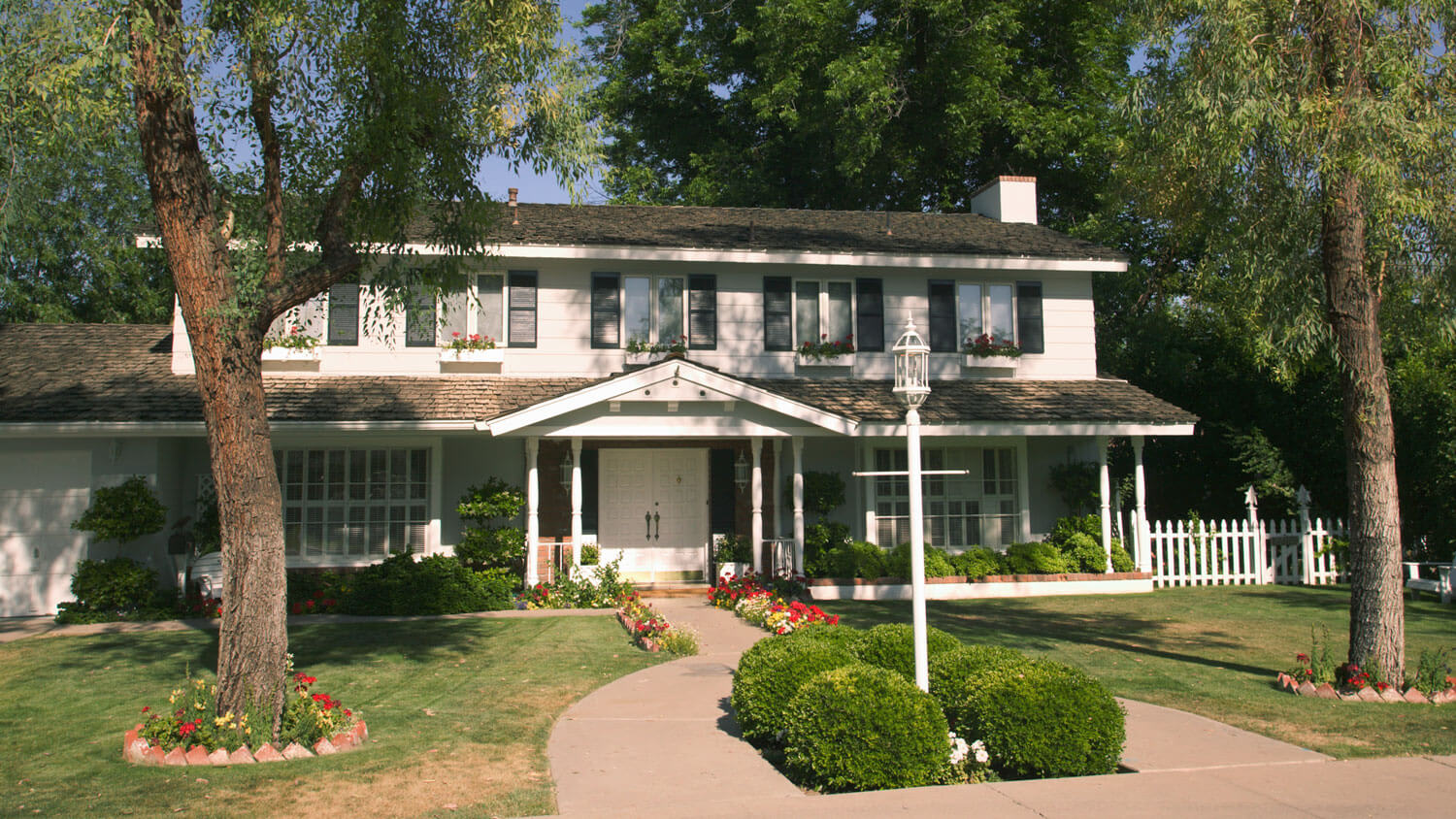
Has your area been affected by flooding? Use this water damage restoration checklist to help save your home and protect your belongings.
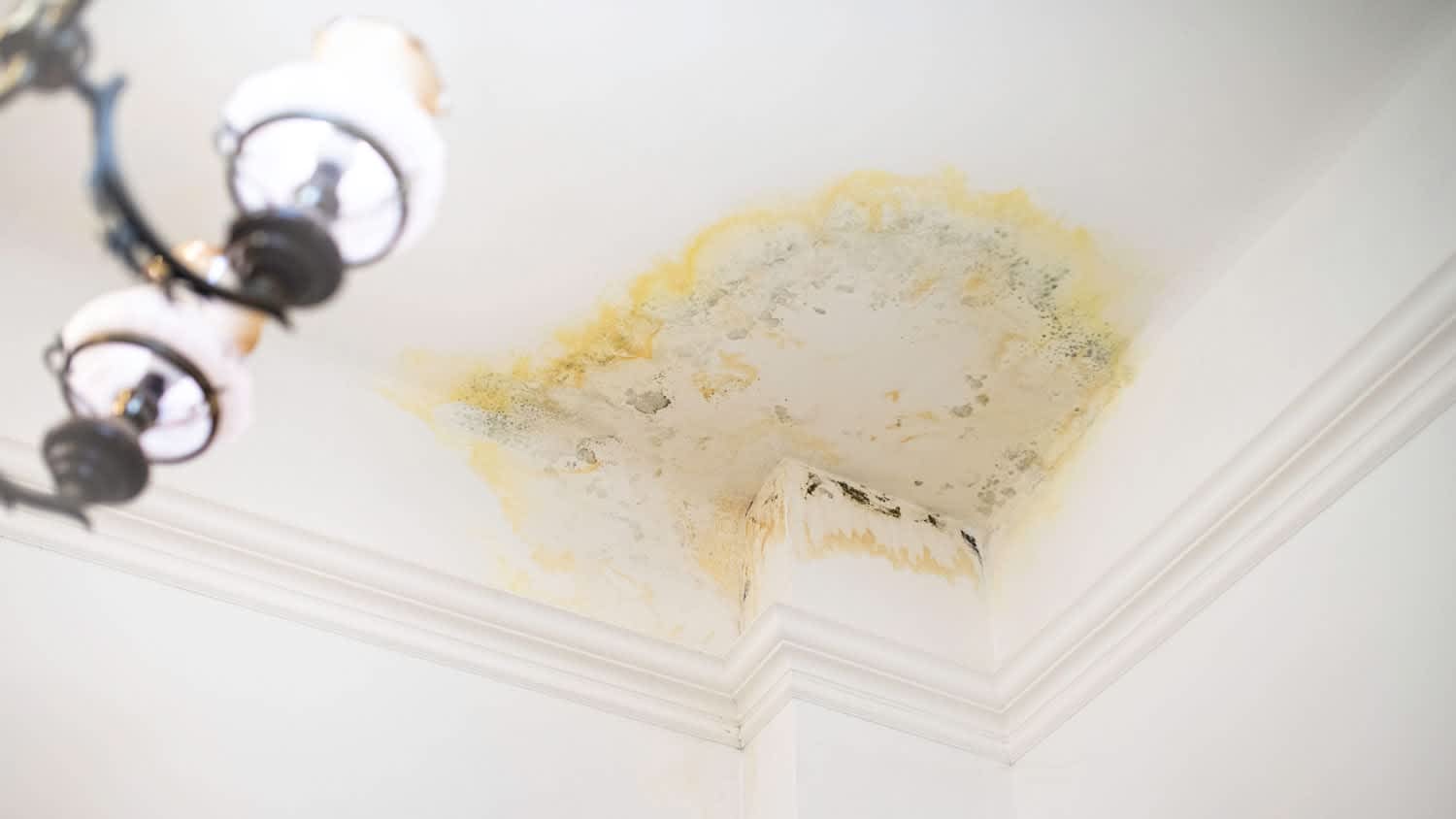
That plumbing leak in your home may just be the start of your issues. Learn how fast mold can grow after water damage and how to prevent it.
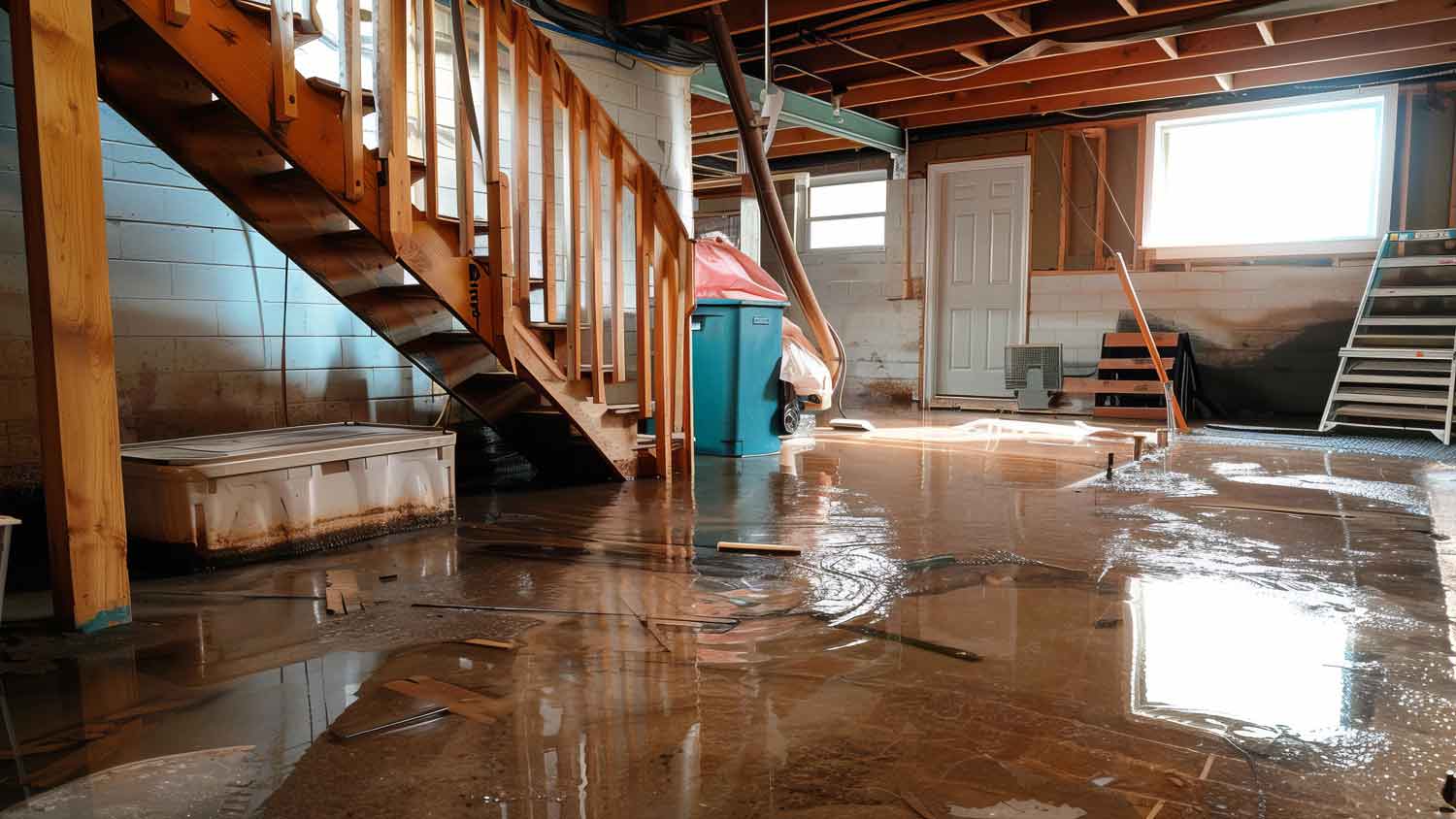
Dealing with standing water or mold? Learn about water damage restoration costs, warning signs, and how to hire the right local pro to save your home.
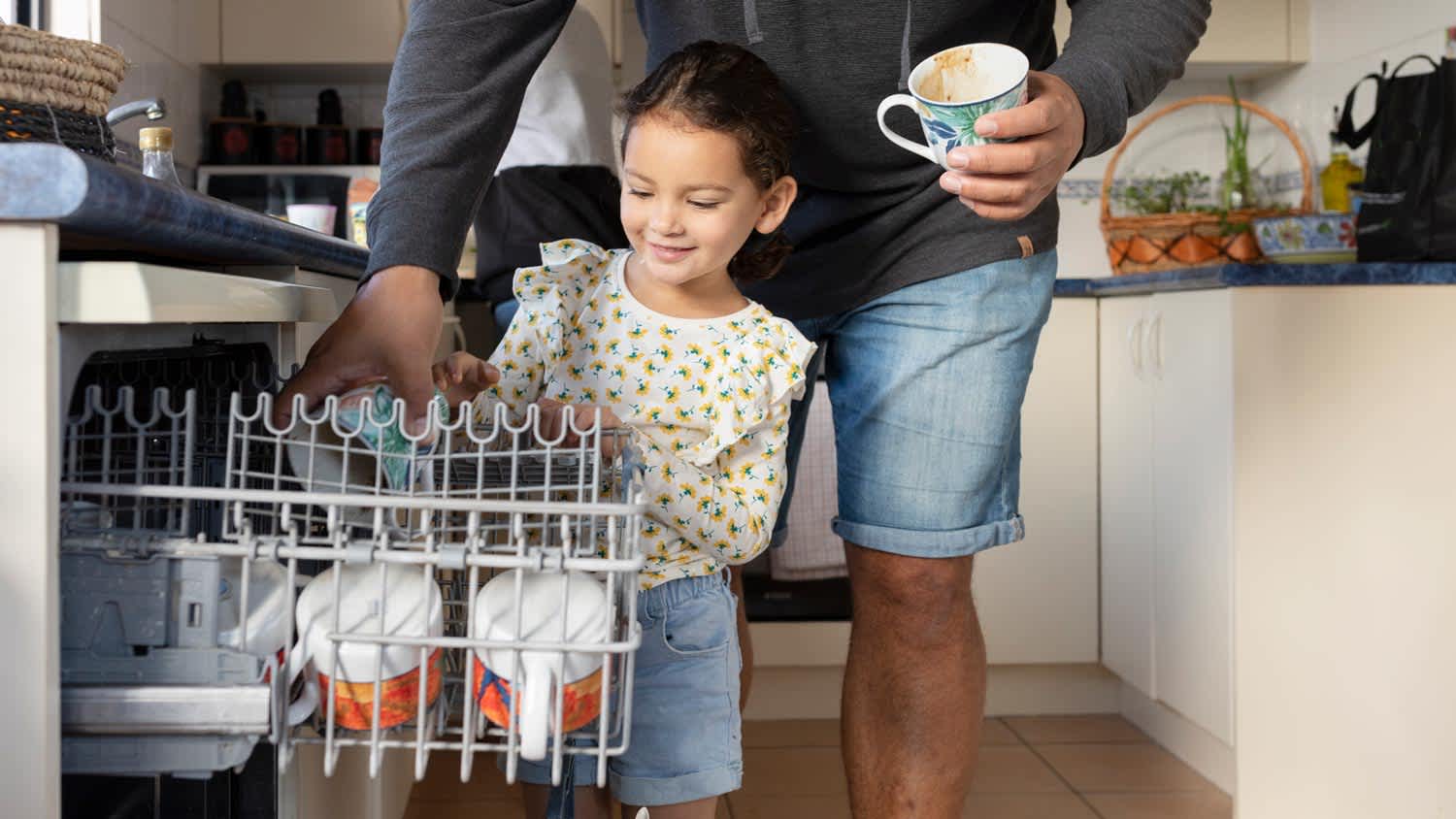
Homeowners insurance is a boon in the face of water damage, but it doesn’t cover everything. Learn about the sudden and unexpected damages it does cover.